PET/PVDC, PS/PVDC & PVC/PVDC Pharmaceutical Barrier Film
HSQY PET/PVDC, PS/PVDC and PVC/PVDC films combine a thermoplastic base with a PVDC barrier layer for pharmaceutical packaging applications requiring improved protection against moisture and gases.
PVC/PVDC is particularly suited to thermoformed pharmaceutical blister packaging for tablets, capsules and other solid-dose products. PET/PVDC and PS/PVDC structures can be evaluated for projects requiring different substrate characteristics, subject to confirmation of forming, sealing and packaging-line compatibility.
HSQY's current product specification covers total film thicknesses from approximately 0.20mm to 0.50mm, widths up to 800mm, roll diameters up to 600mm, clear or colored grades and customizable PVDC coating weight.
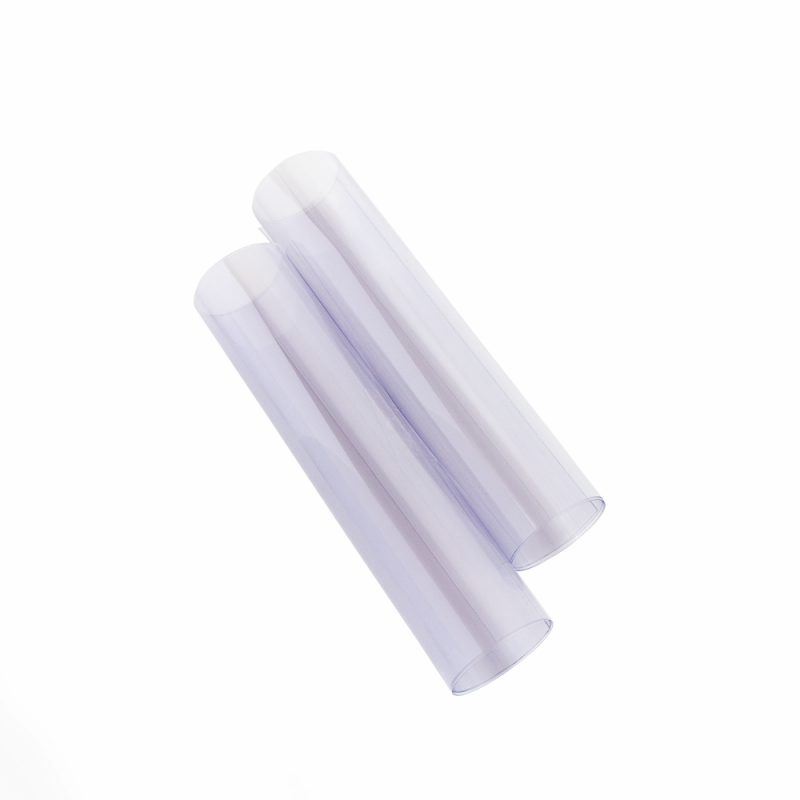
![medicalpvc transparent4]()
medicalpvc transparent4
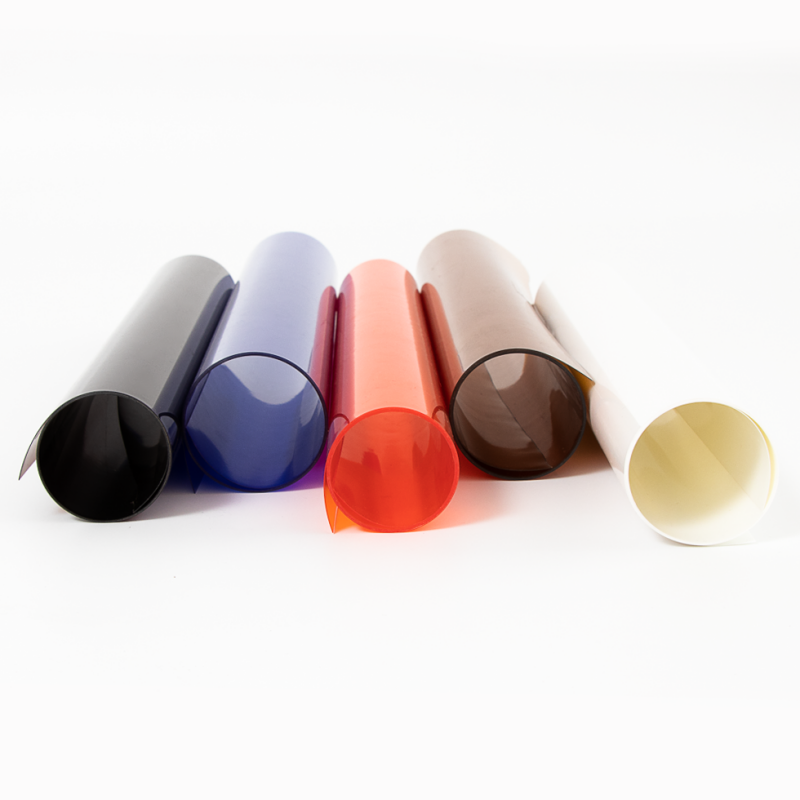
![medicalpvc6]()
medicalpvc6
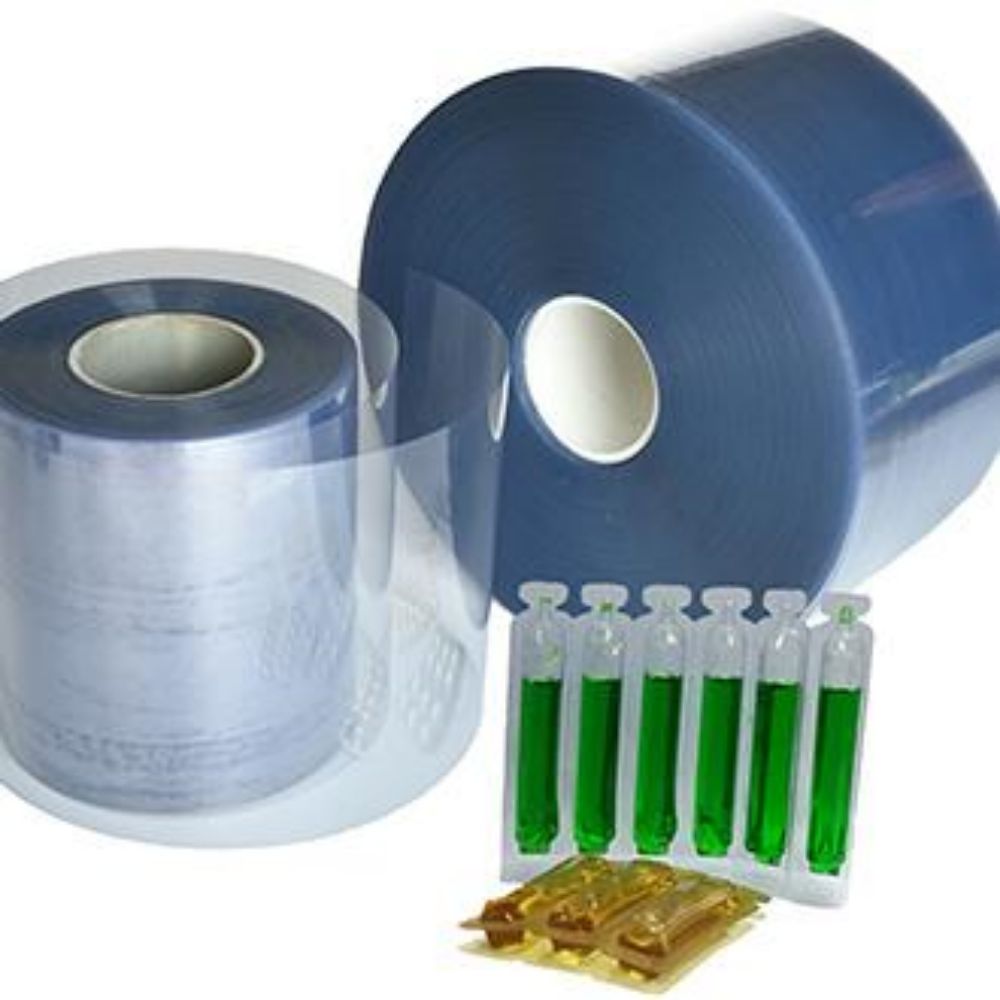
![PVC Medical Sheet (12)]()
PVC Medical Sheet (12)
PET/PVDC, PS/PVDC & PVC/PVDC Film Specifications
| Property |
Current Specification |
| Product |
PVDC-Coated Pharmaceutical Packaging Film |
| Available Structures |
PET/PVDC, PS/PVDC, PVC/PVDC |
| Base Materials |
PET, PS or PVC depending on selected structure |
| Barrier Layer |
PVDC coating |
| Color |
Clear, Colored |
| Total Thickness |
0.20mm - 0.50mm |
| Maximum Width |
800mm |
| Maximum Roll Diameter |
600mm |
| Published Roll Specification |
130mm × 0.25mm and 250mm × 0.25mm |
| PVDC Coating Reference |
40 / 60 / 90 coating levels listed in the current specification; final coating weight and unit should be confirmed with the selected grade |
| Key Properties |
Enhanced barrier performance, oil resistance, corrosion resistance, formability and secondary processing capability |
| Primary Application |
Pharmaceutical and medical packaging |
Specification Note: Exact substrate thickness, PVDC coating weight, roll width, winding direction, core specification, barrier performance and sealing conditions should be confirmed for each pharmaceutical packaging project.
What Is PVDC-Coated Pharmaceutical Packaging Film?
PVDC-coated packaging film combines a thermoplastic substrate with a polyvinylidene chloride barrier coating. The substrate provides the physical characteristics required for handling, forming and package construction, while the PVDC layer improves resistance to moisture and gas transmission.
For pharmaceutical blister packaging, improved barrier performance can help protect moisture-sensitive or oxygen-sensitive solid-dose products during storage and distribution.
Actual barrier performance is not determined by the term PVDC alone. It also depends on coating weight, coating formulation, substrate structure, total thickness, coating uniformity, forming geometry and the temperature and humidity conditions used for WVTR or OTR testing.
PVC/PVDC Film for Pharmaceutical Blister Packaging
PVC/PVDC is the primary structure to evaluate when a pharmaceutical producer requires a transparent thermoformable blister forming web with stronger moisture and gas protection than conventional uncoated rigid PVC.
The rigid PVC substrate provides forming stability and blister cavity structure, while the PVDC coating supplies additional barrier protection. The finished blister is normally paired with a compatible pharmaceutical lidding material selected for the required sealing system.
PVC/PVDC material selection should consider tablet or capsule sensitivity, cavity depth, forming area, target shelf life, climate conditions, PVDC coating level and the validated operating window of the blister packaging machine.
PET/PVDC Film for Pharmaceutical Packaging
PET/PVDC uses PET as the base substrate with a PVDC functional barrier coating. It can be evaluated where a project requires PET substrate characteristics together with enhanced moisture and gas protection.
PET/PVDC should not automatically be processed using exactly the same forming and sealing conditions as PVC/PVDC. Forming temperature, cavity design, dimensional behavior, coating orientation and compatibility with the selected lidding system should be verified on the customer's packaging line.
PS/PVDC Film for Pharmaceutical Packaging
PS/PVDC uses a polystyrene-based substrate with a PVDC barrier layer. Because pharmaceutical forming and sealing requirements vary significantly by substrate, PS/PVDC should be treated as a project-specific structure rather than assumed to be interchangeable with conventional PVC/PVDC blister film.
Buyers evaluating PS/PVDC should provide the finished package design, forming method, cavity dimensions, required barrier level, lidding material and packaging machine information before technical approval.
PET/PVDC vs. PS/PVDC vs. PVC/PVDC
| Structure |
Base Material |
Selection Direction |
| PVC/PVDC |
Rigid PVC |
Primary option for transparent thermoformed pharmaceutical blister applications requiring an enhanced barrier compared with uncoated PVC |
| PET/PVDC |
PET |
Selected projects requiring PET substrate characteristics combined with PVDC barrier protection |
| PS/PVDC |
PS |
Project-specific pharmaceutical or medical packaging structure requiring application and machine validation |
The three structures should not be selected solely on film thickness or price. The substrate affects forming behavior, stiffness, dimensional response and processing conditions, while the PVDC coating contributes barrier performance.
How PVDC Coating Weight Affects Barrier Performance
PVDC coating weight is an important purchasing parameter for pharmaceutical barrier film. Different coating levels are used to achieve different moisture and gas barrier targets.
The current HSQY specification lists 40, 60 and 90 coating references for selected 0.25mm film configurations. Buyers should confirm the exact coating specification, coating unit, substrate thickness and tested barrier data before approving a pharmaceutical packaging material.
| Selection Factor |
Why It Matters |
| PVDC Coating Weight |
One of the main variables controlling moisture and gas barrier performance |
| Base Film Thickness |
Influences stiffness, forming behavior and blister cavity performance |
| Coating Uniformity |
Important for maintaining consistent protection across the roll |
| Forming Depth |
Stretching during thermoforming can affect the effective structure of the formed cavity |
| Test Conditions |
WVTR and OTR values are meaningful only when temperature, humidity and test method are specified |
Moisture & Oxygen Barrier Requirements
Tablets, capsules and other solid-dose products can have very different sensitivities to moisture and oxygen. Film selection should therefore start from the protection required by the packaged formulation rather than selecting a PVDC coating level only from a standard catalogue.
For technical evaluation, pharmaceutical buyers should specify the target WVTR and OTR where available, together with the relevant test method and environmental conditions.
Where validated target values are not yet available, packaging-material selection should be supported by stability studies and trials using the intended forming web, lidding material, blister geometry and sealing process.
PVDC Film for Tablets & Capsules
PVDC-coated films are used when tablets, hard capsules, soft capsules or other solid-dose products require greater environmental protection than an uncoated forming film can provide.
The required barrier level depends on the formulation, hygroscopicity, oxygen sensitivity, intended shelf life, distribution environment and blister design.
Suitability for a specific pharmaceutical product should always be established through the customer's material qualification, packaging-line trials and stability program.
Thermoforming Performance
For blister packaging, the forming web must create repeatable cavities without unacceptable thinning, distortion, cracking or coating damage.
| Forming Parameter |
Information to Evaluate |
| Base Polymer |
PVC, PET and PS require different processing conditions |
| Film Thickness |
Influences stiffness and material available before stretching |
| Cavity Depth |
Deeper cavities normally produce greater local thinning |
| Cavity Geometry |
Corner radii and cavity dimensions affect material distribution |
| Heating Profile |
Should be optimized for the selected substrate and forming machine |
| Line Speed |
Material and process must remain stable at intended commercial production speed |
Heat Sealing & Lidding Compatibility
A pharmaceutical blister is a complete packaging system. The forming web must be compatible with the selected lidding material and sealing process.
Sealing temperature, dwell time, pressure, coating orientation and lidding-foil heat-seal lacquer can influence seal integrity. The statement that a film is heat-sealable should therefore be verified using the customer's intended lidding material and blister equipment.
Roll Width, Roll Diameter & Packaging-Line Compatibility
HSQY's current specification lists roll widths up to 800mm and roll diameters up to 600mm. Final slit width and roll configuration should be matched to the customer's blister packaging line.
Before production, buyers should confirm the required web width, core specification, maximum roll diameter, winding direction, coated side orientation and acceptable splice or joint requirements.
Barrier Film Selection for Different Pharmaceutical Products
| Product Requirement |
Packaging Consideration |
| Standard Solid Dose |
Evaluate required barrier against the performance of uncoated and PVDC-coated forming webs |
| Moisture-Sensitive Tablet |
Define target moisture barrier using stability data and validated WVTR requirements |
| Oxygen-Sensitive Product |
Evaluate oxygen barrier together with complete blister sealing performance |
| Deep Blister Cavity |
Check substrate formability, coating integrity and wall-thickness distribution after forming |
| Hot / Humid Distribution Climate |
Barrier selection should reflect intended storage and distribution conditions |
Quality & Pharmaceutical Documentation
Pharmaceutical packaging projects should define the documents and test requirements applicable to the destination market and the exact material grade.
Required documentation may differ by pharmaceutical company, market and intended use. Buyers should specify required certificates, test reports, declarations, migration data or pharmacopeial documentation when requesting a quotation.
No pharmaceutical-grade structure should be approved solely from a general website statement. Final material qualification should be based on the exact production grade and supporting documentation.
What Information Should You Provide for a Quote?
| Requirement |
Information to Provide |
| Film Structure |
PVC/PVDC, PET/PVDC, PS/PVDC or structure requiring recommendation |
| Packaged Product |
Tablet, capsule or other pharmaceutical / medical product |
| Base Film Thickness |
Required thickness or existing forming-web specification |
| PVDC Coating |
Required coating weight or target barrier performance |
| Barrier Requirement |
Target WVTR / OTR with test conditions where available |
| Roll Width |
Required slit width; current maximum published width is 800mm |
| Roll Diameter |
Required maximum roll diameter; current product maximum is approximately 600mm |
| Core |
Required core diameter and material |
| Color |
Clear or required color reference |
| Blister Geometry |
Cavity length, width, depth and number of cavities |
| Packaging Machine |
Machine manufacturer, model and forming method where available |
| Lidding Material |
Lidding foil structure and heat-seal lacquer specification where available |
| Documentation |
Required certificates, declarations and test documents for the destination market |
| Quantity |
Trial requirement, commercial order and estimated annual consumption |
| Destination |
Country and destination port |
Frequently Asked Questions
What is PVDC-coated pharmaceutical film?
It is a packaging film that combines a thermoplastic substrate such as PVC, PET or PS with a PVDC barrier layer designed to improve protection against moisture and gases.
What is the main advantage of PVC/PVDC over plain PVC blister film?
The PVDC coating provides additional moisture and gas barrier protection while the rigid PVC base retains the forming characteristics required for compatible pharmaceutical blister packaging lines.
Is PET/PVDC the same as PVC/PVDC?
No. They use different base polymers. Their forming temperatures, mechanical behavior and packaging-line conditions can differ, so PET/PVDC should be validated independently rather than processed automatically under PVC/PVDC settings.
Is PS/PVDC suitable for pharmaceutical blister packaging?
PS/PVDC can be evaluated for suitable pharmaceutical or medical packaging projects, but its forming, sealing, barrier and lidding compatibility should be confirmed for the exact package and production line.
What thicknesses are available?
The current HSQY product specification covers approximately 0.20mm to 0.50mm total thickness.
What is the maximum roll width?
The current published maximum width is approximately 800mm.
What is the maximum roll diameter?
The current product specification lists a maximum roll diameter of approximately 600mm.
Can the PVDC coating weight be customized?
Yes. The current product information lists customizable coating weight. The required coating level should be selected according to the target barrier performance and validated package design.
Does a higher PVDC coating weight always mean a better blister?
Not necessarily. Higher barrier can be useful for sensitive products, but the optimum structure must also provide suitable forming, sealing, cost and machine performance. The correct grade should be based on the formulation's actual protection requirement.
What are WVTR and OTR?
WVTR describes water-vapor transmission through a material, while OTR describes oxygen transmission. Both values must be evaluated together with the test temperature, relative humidity and test method.
Can this film be used for tablets and capsules?
The product is designed for pharmaceutical and medical packaging applications including solid-dose products such as tablets and capsules, subject to qualification of the exact film grade for the packaged formulation.
Can the film be used on existing blister packaging machines?
Compatibility depends on substrate, thickness, roll width, core, roll diameter, forming temperature, cavity design and machine configuration. Provide the packaging machine model when requesting material recommendations.
Can HSQY provide samples?
The current product information states that available stock samples can be provided for quality checking, with express freight paid by the customer. Confirm the required structure, thickness and coating specification before requesting a sample.
What is the reference production lead time?
The current product page lists approximately 10-14 working days for mass production, depending on the confirmed quantity and specification.
What delivery terms are available?
The current product information lists EXW, FOB, CNF and DDU. Final commercial terms should be confirmed with the quotation.
What information is needed for an accurate quotation?
Please provide the required film structure, thickness, PVDC coating level, roll width, core and roll diameter, packaged pharmaceutical product, target barrier requirement, blister machine, cavity design, lidding material, documentation requirements, quantity and destination.
Certificate & Technical Documentation
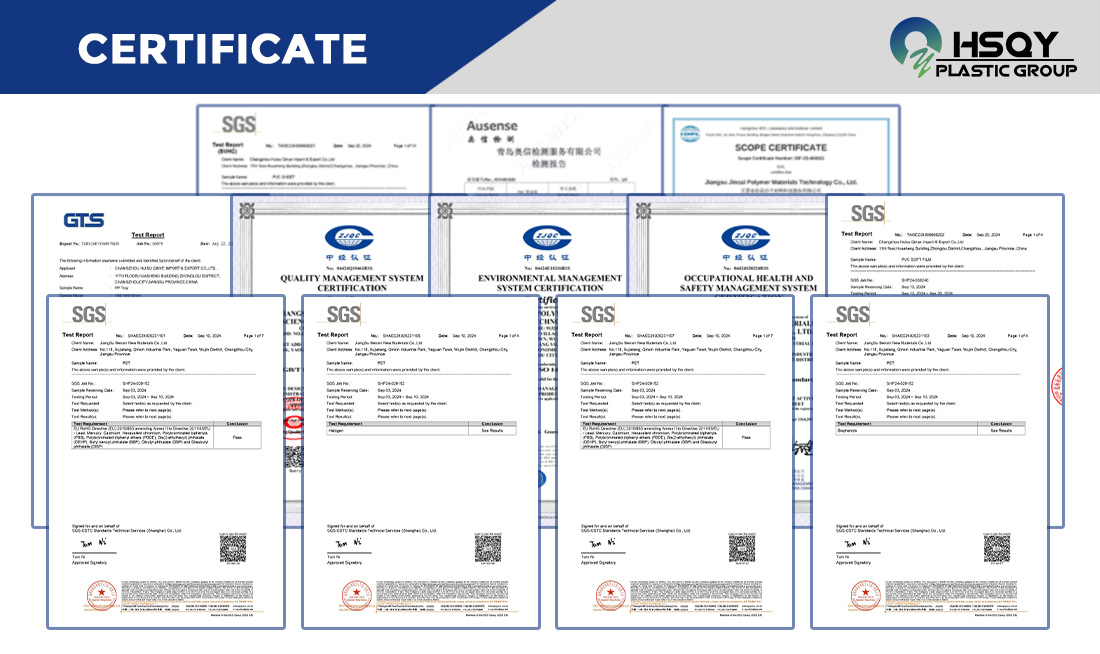
![详情页证书]()
HSQY pharmaceutical packaging film certificate
Certificate availability and technical documents should be confirmed for the exact PET/PVDC, PS/PVDC or PVC/PVDC grade being purchased. Pharmaceutical buyers should request the documents required by their internal qualification system and destination market before commercial approval.
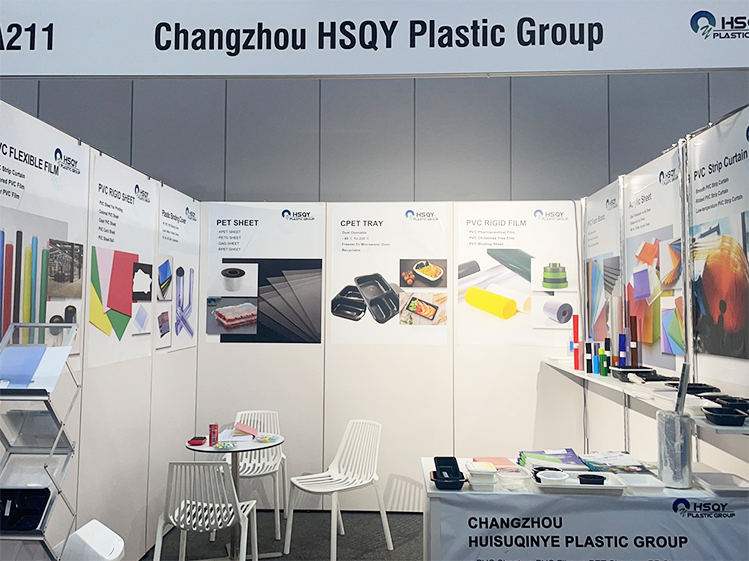
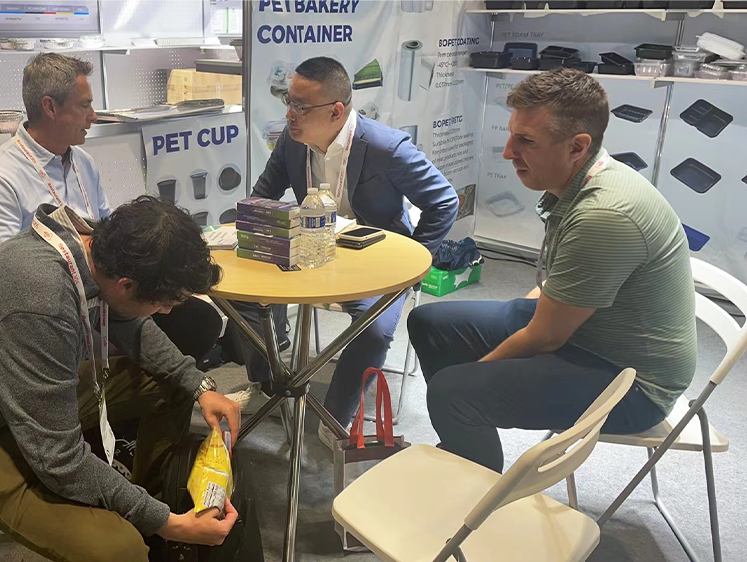
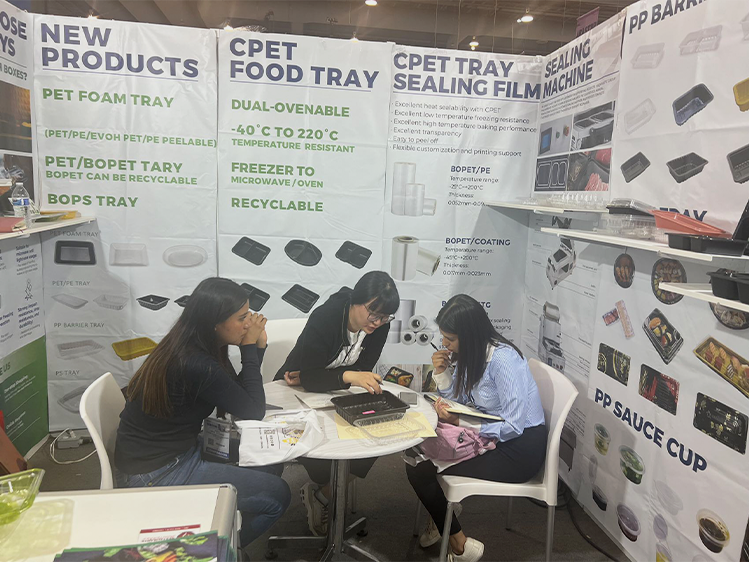
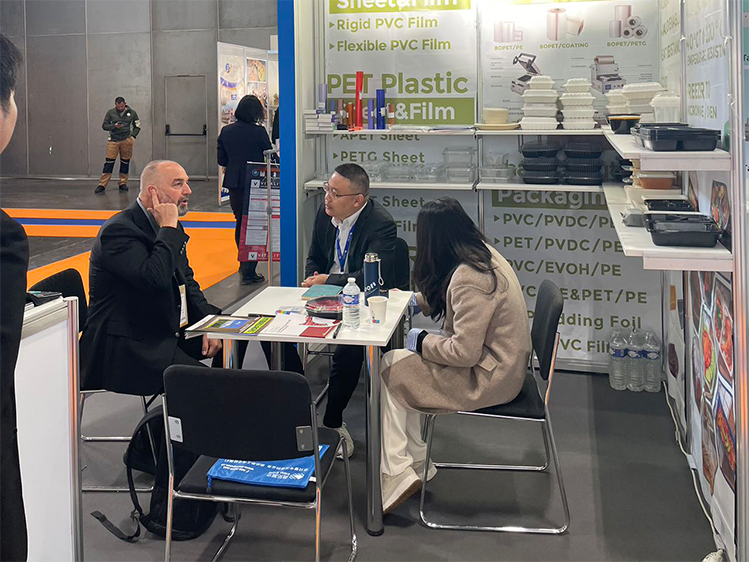
HSQY Plastic Group Exhibitions
HSQY Plastic Group works with pharmaceutical packaging companies, converters, distributors and industrial buyers in international markets. Buyers can discuss substrate structure, PVDC coating, roll dimensions and packaging-line requirements for pharmaceutical barrier film projects.
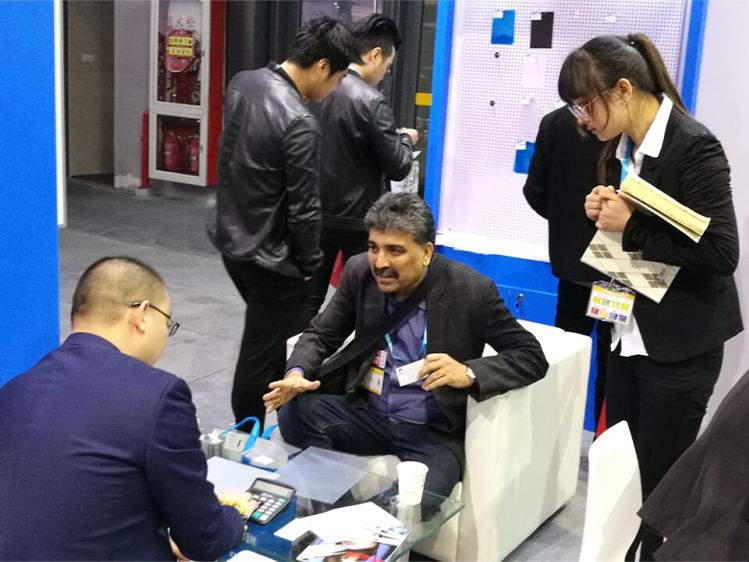
![2017.3 Shanghai Exhibition]()
2017.3 Shanghai Exhibition
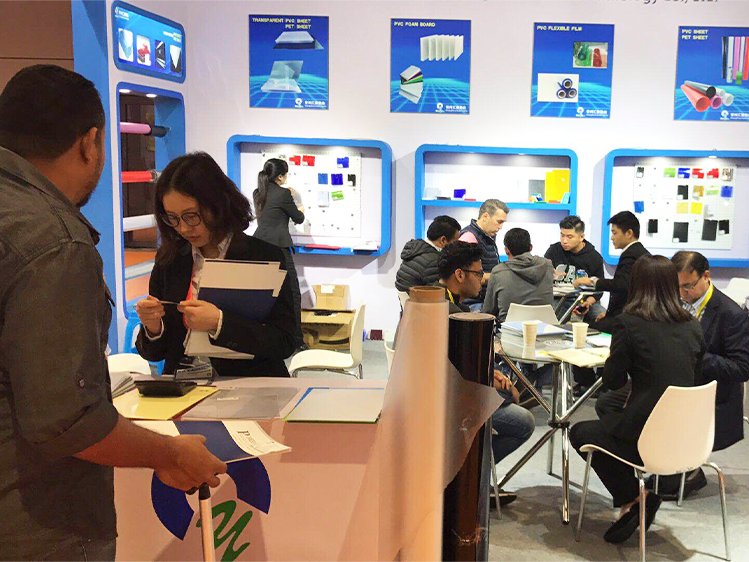
![2018.3 Shanghai Exhibition]()
2018.3 Shanghai Exhibition
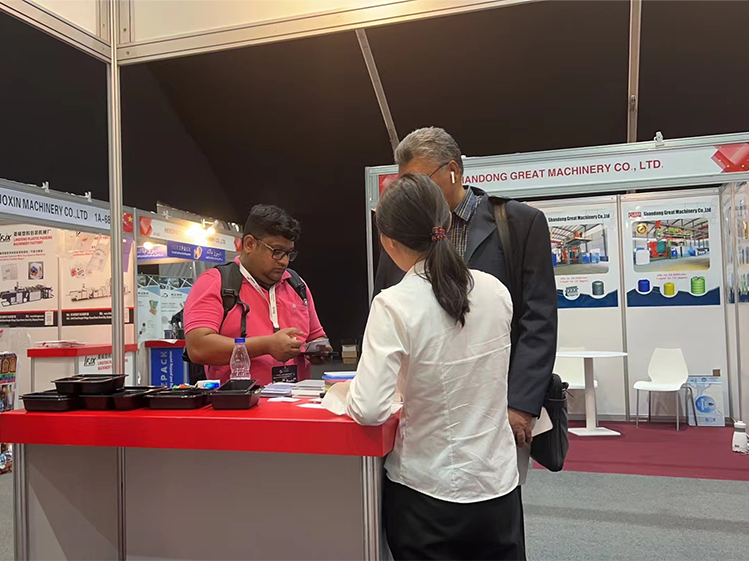
![2023.6 Saudi Exhibition]()
2023.6 Saudi Exhibition
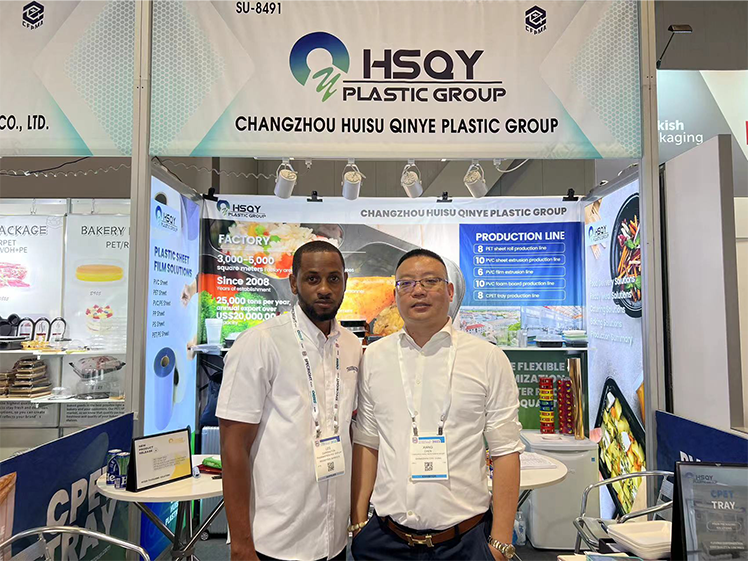
![2023.9 American Exhibition]()
2023.9 American Exhibition
![2024.3 Australian Exhibition]()
2024.3 Australian Exhibition
![2024.5 American Exhibition]()
2024.5 American Exhibition
![2024.8 Mexico Exhibition]()
2024.8 Mexico Exhibition
![2024.11Paris Exhibition]()
2024.11Paris Exhibition