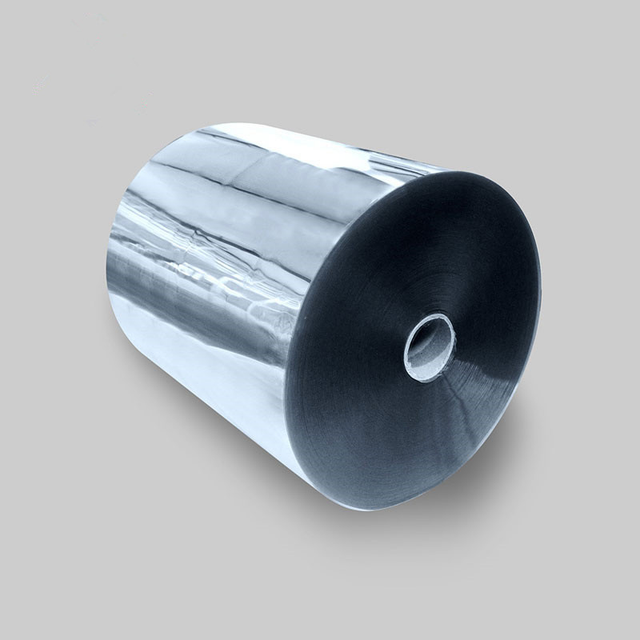
What Are PET Thermoforming Sheets?
PET thermoforming sheets are rigid plastic sheets or rolls designed to be heated, formed over a mold and cooled into finished packaging or industrial components. Common forming methods include vacuum forming, pressure forming, plug-assist forming and matched-mold forming.
HSQY supplies PET sheet materials for thermoforming companies, food packaging manufacturers, blister packaging converters, printing companies, industrial component producers and wholesale distributors.
Available material options include APET, RPET, PETG, GAG and PET/PE laminated sheet. Each material has different forming, clarity, heat resistance, sealing, recycled-content and cost characteristics.
This category focuses primarily on PET sheet and roll materials supplied as raw materials for downstream thermoforming. Finished food trays, clamshells and containers can be discussed separately according to the project.
PET Thermoforming Sheet Specifications
The following table summarizes common PET thermoforming sheet options. Exact specifications depend on the selected material, forming depth, finished product and order quantity.
| Product | Rigid PET Sheet and Roll for Thermoforming |
| Material Options | APET, RPET, PETG, GAG, PET/PE and project-specific PET structures |
| Typical Thickness Range | 0.20–3.00 mm, subject to material grade, width and application |
| Supply Format | Roll or cut sheet |
| Width | Custom width based on extrusion capability, forming equipment and order volume |
| Sheet Size | Standard or custom length and width |
| Color | Clear, translucent, opaque, tinted or custom color |
| Surface Finish | Glossy, matte, textured, embossed or protective-film covered |
| Functional Treatments | Anti-fog, anti-static, anti-block, silicone coating, corona treatment, print treatment and selected impact-modified grades |
| Forming Processes | Vacuum forming, pressure forming, plug-assist forming and matched-mold forming |
| Secondary Processing | Printing, coating, lamination, die-cutting, folding, punching and trimming |
| Food-Contact Grade | Available for eligible applications upon request and subject to destination-market requirements |
| Recycled Content | Virgin PET, RPET or customized recycled-content structures subject to specification |
| Sample Support | Sample sheets or roll samples can be discussed for forming and quality evaluation |
| MOQ | Depends on material type, thickness, width, surface treatment, color and packaging |
PET Materials Available for Thermoforming
PET is a material family rather than one single sheet grade. Selecting the correct PET structure is essential for stable forming, finished-part performance and cost control.
| Material | Main Characteristics | Typical Applications | Selection Considerations |
| APET | High clarity, useful rigidity, good gloss and cost-effective standard thermoforming performance | Food trays, clamshells, lids, blisters, retail packaging and transparent inserts | Standard APET is intended mainly for ambient, chilled and conventional packaging rather than ovenable applications |
| RPET | Contains recycled PET content while retaining useful clarity and thermoforming performance | Food and non-food trays, clamshells, retail packaging and sustainability-focused projects | Color, haze, contamination control and food-contact suitability depend on recycled content and production structure |
| PETG | Excellent forming behavior, high impact strength and suitability for more demanding shapes | Deep-draw parts, medical packaging, display products, industrial covers and complex formed components | Normally costs more than standard APET and must be evaluated against application and recycling requirements |
| GAG | Coextruded PETG/APET/PETG structure combining PETG surfaces with an APET core | Deep thermoforming, transparent packaging, printing and products requiring improved forming behavior | Layer ratios and forming behavior should be matched to the finished product and equipment |
| PET/PE | PET structural layer laminated or coextruded with a PE sealing layer | Heat-sealable food trays, meat trays, deli packaging and selected refrigerated food applications | Lidding-film compatibility, seal temperature, peel strength and recycling structure must be confirmed |
| CPET | Crystallized PET developed for higher-temperature food packaging | Ovenable trays, airline meals, bakery trays and ready-meal packaging | Normally opaque or less transparent and requires a different forming and crystallization process |
Buyers can review HSQY's APET sheets, RPET sheets, PETG sheets, GAG sheets, PET/PE laminated sheets and CPET sheets.
Key Benefits of PET Thermoforming Sheets
High product visibility: Clear APET, RPET, PETG and GAG sheets support transparent retail and food packaging.
Useful rigidity: PET sheets can provide structural support with relatively low material weight.
Good impact performance: Properly selected grades resist cracking during forming, handling and transportation.
Thermoforming versatility: PET sheets can be formed into shallow trays, deep cavities, blisters, clamshells, lids and inserts.
Surface customization: Anti-fog, anti-static, matte, silicone, anti-block and print-treated grades are available.
Food packaging options: Food-contact grades can be supplied for eligible applications when specified before production.
Recycled-content options: RPET structures can support projects that require post-consumer or recycled PET content.
Roll and sheet supply: Material can be configured for continuous automatic forming lines or cut-sheet equipment.
Custom dimensions: Thickness, width, roll diameter, sheet length and packaging can be adjusted for production requirements.
Applications of PET Thermoforming Sheets
Food Trays and Containers
Clear PET sheets are widely used to manufacture trays and containers for fruit, vegetables, bakery products, salads, deli foods, meat, seafood, confectionery and chilled products.
The correct material depends on whether the package uses a hinged lid, separate lid, stretch film, heat-sealing film or another closure system.
Clamshell Packaging
APET and RPET sheets can be thermoformed into hinged clamshell containers for berries, tomatoes, bakery products, hardware, electronics and consumer goods.
Hinge strength, closure design, stacking, ventilation and anti-fog performance should be considered during material selection.
Blister Packaging
PET sheets can be used for retail blisters, face-seal blisters, trapped blisters, slide blisters and protective packaging for electronics, hardware, cosmetics, stationery and consumer products.
Product depth, undercuts, flange width, card-sealing method and anti-static requirements influence the appropriate sheet grade.
Related materials are available through HSQY's PET blister packaging sheet category.
Meat and Seafood Packaging
PET and PET/PE sheets can be thermoformed into rigid trays for fresh meat, processed meat, poultry, fish and seafood.
Projects requiring heat sealing must match the tray surface with the correct lidding-film sealant layer. High-barrier MAP or VSP applications may require an EVOH-based multilayer structure rather than standard mono-PET.
Medical and Healthcare Packaging
PETG and selected PET sheets can be used for device trays, protective inserts and medical packaging components where clarity, impact resistance and dimensional consistency are important.
Medical projects require application-specific validation for sterilization, cleanliness, biocompatibility and regulatory conditions.
Electronics and Industrial Trays
Anti-static or conductive PET sheet grades can be formed into component trays, handling trays, protective inserts and packaging for electronic assemblies.
The required surface resistance, cleanliness, dimensional tolerance and electrostatic-discharge performance should be specified before production.
Retail Displays and Protective Covers
PETG, GAG and thicker APET sheets can be formed into transparent display covers, point-of-sale components, product housings, machine covers and industrial enclosures.
How to Choose the Right PET Thermoforming Sheet
Define the Finished Product
Start by identifying whether the material will be formed into a food tray, lid, clamshell, blister, industrial tray, display cover or another product. Different applications require different clarity, stiffness, impact, surface and sealing properties.
Confirm the Forming Depth
Shallow products can often use standard APET or RPET. Deep cavities, narrow corners, difficult draw ratios or complex shapes may benefit from PETG, GAG, plug-assist forming or a modified mold design.
Select the Correct Thickness
Material thickness should be selected according to the formed depth, finished wall thickness, product load, stacking requirement and expected transport conditions.
Selecting only by the original sheet thickness can be misleading because the material becomes thinner as it stretches across the mold.
Determine Whether Heat Sealing Is Required
Standard PET does not automatically seal to every lidding film. Heat-sealed food trays may require PET/PE, a coated surface or a lidding film specifically designed for PET.
Confirm the Required Service Temperature
Standard transparent APET is generally selected for ambient, refrigerated and conventional food packaging rather than ovenable use.
Applications involving hot filling, pasteurization, microwaving, conventional ovens or prolonged high-temperature exposure should be evaluated using CPET, heat-resistant PP or another suitable material.
Identify the Required Surface Treatment
Refrigerated food packaging may require anti-fog treatment. Printed products may require corona treatment. Automatic forming may require silicone or anti-block treatment. Electronics packaging may require anti-static or conductive performance.
Specify Recycled Content
Buyers requiring RPET should state the recycled-content percentage, optical expectations, food-contact conditions, color tolerance and destination-market requirements.
PET Thermoforming Process
Material selection: The PET grade, thickness, width and surface treatment are selected according to the finished product.
Sheet loading: A roll or cut sheet is loaded into the thermoforming machine.
Heating: The sheet is heated until it reaches a suitable forming condition without excessive crystallization, sagging or surface damage.
Forming: Vacuum, pressure, a plug assist or matched molds draw the heated material into the required shape.
Cooling: The formed part is cooled while held against the mold to stabilize its dimensions.
Demolding: The part is released using mold draft, air ejection or mechanical assistance.
Trimming: The formed web is cut using steel-rule dies, punch tools, matched-metal tools, CNC equipment or other trimming systems.
Inspection: Finished parts are checked for wall thickness, clarity, dimensions, cracks, webbing, haze and surface defects.
Packing: Parts are nested, counted, bagged, boxed and palletized for shipment.
Important Thermoforming Process Considerations
Sheet Temperature
The correct forming condition depends on the PET grade, thickness, heating system, cycle speed and draw ratio. Excessive heating can cause sagging, sticking, crystallization, haze or weak areas, while insufficient heating can cause poor detail and cracking.
Material Moisture
PET materials can absorb moisture during storage. Whether pre-drying is required depends on the PET grade, sheet history, storage conditions and thermoforming process.
If bubbles, surface marks or loss of clarity occur, buyers should review material storage, moisture exposure and the drying recommendations for the specific grade.
Mold Design
Mold depth, corner radius, draft angle, vent-hole size, surface finish, cooling and cavity spacing all influence material distribution and finished-part quality.
Plug-Assist Design
Plug assists can improve wall-thickness distribution in deeper cavities. Plug material, temperature, speed, shape and clearance must be matched to the mold and PET grade.
Cooling Time
Insufficient cooling can cause distortion, shrinkage and unstable stacking. Excessive cooling increases cycle time and production cost.
Web Handling
Roll flatness, winding tension, core alignment, sheet curl and static can affect automatic feeding and indexing accuracy.
Common PET Thermoforming Problems
| Problem | Possible Causes | Items to Check |
| Webbing Between Cavities | Excessive sheet sag, insufficient cavity spacing, sharp mold geometry or uneven heating | Heater profile, mold spacing, pre-stretching and material temperature |
| Thin Corners or Bottoms | High draw ratio, poor plug-assist design, excessive heating or unsuitable sheet thickness | Plug design, mold radius, temperature profile and original gauge |
| Haze or Whitening | Excessive heat, stress, crystallization, surface damage or incompatible material | Heating time, material grade, forming speed and mold temperature |
| Bubbles or Surface Marks | Moisture, contamination, excessive heat or poor sheet storage | Packaging condition, drying recommendation, heater settings and material cleanliness |
| Cracking During Forming | Insufficient heat, sharp corners, excessive orientation, low-impact grade or damaged sheet | Forming temperature, radii, material selection and sheet handling |
| Poor Part Definition | Low sheet temperature, insufficient vacuum, blocked vents or premature cooling | Vacuum system, vent holes, heating profile and mold cooling |
| Parts Stick to the Mold | Insufficient draft, excessive temperature, poor mold surface or inadequate air ejection | Mold draft, release air, cooling and material temperature |
PET Thermoforming Rolls vs. Cut Sheets
| Supply Format | Main Advantages | Information Required |
| PET Sheet Roll | Suitable for automatic continuous thermoforming lines and high-volume production | Width, thickness, core diameter, roll diameter, maximum roll weight, winding direction and splice requirements |
| Cut PET Sheet | Suitable for manual machines, prototypes, thick-gauge forming, printing and smaller production batches | Sheet length, width, thickness, squareness, protective film and pallet quantity |
Buyers requiring roll material can review HSQY's PET sheet rolls.
Functional PET Sheet Options
Anti-Fog PET Sheet
Anti-fog treatment helps reduce small water droplets that can obstruct product visibility in refrigerated food packaging.
Anti-fog durability should be evaluated according to storage temperature, food moisture, coating side and packaging duration.
See HSQY's anti-fog PET sheets.
Anti-Static PET Sheet
Anti-static treatments help reduce dust attraction and static accumulation during converting, storage and component handling.
Silicone-Coated and Anti-Block PET
Silicone and anti-block treatments can improve sheet separation, roll unwinding, denesting and automatic feeding.
Treatment level must be balanced with printing, coating and sealing requirements.
Corona-Treated PET Sheet
Corona treatment increases surface energy and may improve ink, coating and adhesive wetting. Buyers should specify the treated side and required surface-tension level.
Matte and Textured PET Sheet
Matte and textured surfaces can reduce glare, improve appearance or provide a specialized tactile effect for retail and industrial products.
Food-Contact PET Thermoforming Sheets
Food-contact PET grades can be supplied for eligible food trays, clamshells, lids, bakery containers, produce packaging and other applications.
Buyers should specify:
Food type
Direct or indirect food contact
Contact time
Storage and use temperature
Refrigerated, frozen, hot-fill or reheating conditions
Fatty, acidic, aqueous or dry food
Target country or region
Required declaration or migration testing
Virgin or recycled-content requirements
Compliance should be confirmed for the exact resin formulation, recycled-content structure, coating, adhesive and finished package rather than assumed for every PET sheet.
PET Thermoforming Sheet Quality Control
Stable sheet quality helps thermoforming companies maintain consistent heating, indexing, forming, trimming and finished-part performance.
Relevant quality-control items may include:
Material identification and formulation
Thickness and thickness tolerance
Roll or sheet width tolerance
Sheet flatness and roll winding
Transparency, haze and gloss
Color consistency
Black spots, gels, crystal points and contamination
Surface scratches and roll impressions
Corona or coating performance
Anti-fog or anti-static performance when required
Forming behavior and wall-thickness distribution
Packaging and pallet condition
PET Sheet Sustainability and Recycling Considerations
PET is collected and recycled in many markets, and RPET sheet can incorporate recycled PET into new packaging and thermoformed products.
However, the recyclability of a finished thermoformed product depends on more than the base resin.
Important factors include:
Local collection and sorting infrastructure
Clear or colored material
Virgin or recycled content
PETG or other copolyester content
PE sealing layers
Barrier layers, coatings and adhesives
Labels, inks and attached films
Food contamination
Minimum dimensions accepted by sorting facilities
Environmental claims should be based on the complete packaging structure and the recycling guidance of the destination market.
Custom PET Thermoforming Sheet Options
HSQY supports customized PET sheet and roll projects for thermoforming manufacturers, food packaging companies, distributors and industrial converters.
Custom PET material type
Custom virgin and recycled-content ratio
Custom thickness and tolerance
Custom roll width and weight
Custom sheet length and width
Clear, tinted or opaque colors
Glossy, matte or textured finish
Anti-fog treatment
Anti-static or conductive treatment
Silicone or anti-block treatment
Corona treatment for printing
Protective film on one or both sides
PET/PE lamination or sealing layer
Custom core and roll diameter
Custom carton and pallet packaging
Packaging and International Shipping
PET Sheet Roll Packaging
PET rolls can be protected with wrapping film, kraft paper, edge protection and export pallets. Roll orientation and pallet structure should be selected according to roll weight and unloading equipment.
Cut-Sheet Packaging
Cut sheets can be stacked, wrapped, protected with corner boards and packed on export pallets. Protective film or interleaving paper can be discussed for sensitive surfaces.
Container-loading quantity depends on material density, thickness, roll width, roll diameter, sheet dimensions, pallet height and destination requirements.
Why Choose HSQY as Your PET Thermoforming Sheet Supplier?
Multiple PET materials: APET, RPET, PETG, GAG, PET/PE and CPET options are available.
Custom extrusion: Thickness, width, color, surface and roll configuration can be adjusted.
Food packaging experience: Materials are available for trays, clamshells, lids, blisters and other packaging products.
Functional treatments: Anti-fog, anti-static, silicone, anti-block and printing treatments can be discussed.
Virgin and RPET supply: Different recycled-content structures can be evaluated according to the project.
Roll and sheet formats: Materials can support automatic roll-fed lines and cut-sheet thermoforming equipment.
Sample evaluation: Samples can be arranged for forming, printing, sealing and visual-quality tests.
Export support: Custom packing, palletizing and international shipping options are available.
B2B quotation support: Specifications can be reviewed according to equipment, application, target cost and annual demand.
Information Required for a PET Thermoforming Sheet Quote
To receive an accurate factory quotation, please provide as much of the following information as possible:
Required PET type: APET, RPET, PETG, GAG, PET/PE or another structure
Finished product and application
Required sheet thickness and tolerance
Roll width or cut-sheet dimensions
Roll core diameter, maximum diameter and maximum weight
Clear, tinted or opaque color
Glossy, matte or textured surface
Anti-fog, anti-static, silicone, anti-block or corona treatment
Virgin or recycled-content requirement
Thermoforming machine type
Forming depth and product drawing
Vacuum, pressure or plug-assist forming method
Printing, coating, folding or die-cutting requirement
Heat-sealing and lidding-film requirements
Food-contact or regulatory requirements
Estimated order quantity and annual usage
Required packaging method
Destination port or delivery address
Frequently Asked Questions About PET Thermoforming Sheets
What is the difference between PET sheet and PET thermoforming sheet?
PET thermoforming sheet is manufactured and controlled for heating and forming into three-dimensional products. General PET sheet may be intended for printing, folding, fabrication or other uses and may not provide the same forming performance.
What is the best PET material for standard food trays?
Clear APET is commonly selected for conventional food trays because it offers clarity, rigidity and economical thermoforming performance. RPET can be considered when recycled content is required.
Which PET sheet is best for deep thermoforming?
PETG and GAG are often evaluated for deeper or more complex shapes. The final selection depends on draw ratio, mold geometry, thickness, machine type and finished-product requirements.
Can APET sheet be used in an oven?
Standard transparent APET is not designed for conventional oven use. Ovenable food trays normally require CPET or another material specifically validated for the required temperature.
Can PET thermoforming sheets be microwaved?
A PET sheet should not be described as microwave-safe unless the exact material structure, formed product, food load, temperature and heating time have been tested and approved.
Does PET sheet need to be dried before thermoforming?
Drying requirements vary by PET type, sheet production method, storage history and forming process. Follow the technical recommendations for the selected grade and investigate moisture if bubbles, haze or surface marks appear.
Can PET sheet be supplied in rolls?
Yes. PET thermoforming sheet can be supplied in rolls for automatic forming lines. Buyers should provide the width, thickness, core diameter, roll diameter, roll weight and winding requirements.
Can PET sheet be supplied as cut sheets?
Yes. Cut sheets can be supplied for thick-gauge forming, prototyping, printing, manual forming machines and applications that require fixed sheet dimensions.
Can PET thermoforming sheet be heat sealed?
Heat sealing depends on the PET surface and lidding-film sealant layer. PET/PE laminated sheets or specially coated PET structures may be required for reliable tray sealing.
What is the difference between APET and RPET?
APET describes amorphous PET sheet, while RPET identifies PET sheet containing recycled PET. An RPET sheet may still have an amorphous structure but includes a specified level of recycled content.
What is the difference between APET and PETG?
APET is generally selected for cost-effective clear packaging and conventional forming. PETG normally provides easier forming and better performance for deeper or more complex shapes but may have a higher material cost.
What is GAG sheet?
GAG is commonly a PETG/APET/PETG coextruded sheet. The PETG outer layers improve forming and surface behavior, while the APET core helps control material cost.
Is anti-fog PET sheet permanent?
Anti-fog performance depends on the treatment type, coating side, humidity, temperature and storage duration. Buyers should test the sheet with the actual food and packaging conditions.
Can PET sheets be printed before thermoforming?
Yes. Selected PET sheets can be printed before forming, but artwork distortion, ink flexibility, surface treatment, forming depth and registration must be considered. Production trials are recommended.
Can recycled PET be used for food packaging?
Eligible RPET structures can be used for food packaging when the material, recycled-content source and construction comply with the applicable destination-market requirements. Documentation must be confirmed for the exact product.
Are PET thermoformed products recyclable?
PET products may be recyclable where suitable collection and recycling infrastructure exists. Actual acceptance depends on color, labels, coatings, PETG content, PE layers, contamination and local recycling rules.
What causes white marks after PET thermoforming?
White marks can result from stress, excessive stretching, low forming temperature, sharp mold corners, crystallization or material damage. Heater settings, radii, forming speed and material grade should be reviewed.
What is the MOQ for PET thermoforming sheets?
MOQ depends on the PET type, thickness, width, color, recycled-content ratio and functional treatment. Standard clear specifications normally have more flexible requirements than custom colors or coatings.
Can I request PET sheet samples before ordering?
Yes. Samples can be discussed for thermoforming, printing, heat sealing, anti-fog, anti-static and visual-quality evaluation. Provide the required thickness, material and application when requesting samples.
What information is needed to recommend a PET sheet?
Provide the finished product, sheet thickness, roll or sheet size, forming depth, machine type, service temperature, sealing requirement, surface treatment, annual demand and destination market.
Request a PET Thermoforming Sheet Quote
Looking for a PET thermoforming sheet manufacturer, APET roll supplier, RPET sheet wholesaler or custom PET/PE material for food packaging?
Contact HSQY to request material recommendations, technical specifications, samples, custom dimensions, factory pricing and international shipping information.
Request a Quote