Textured PP Sheet Manufacturer and Wholesale Supplier
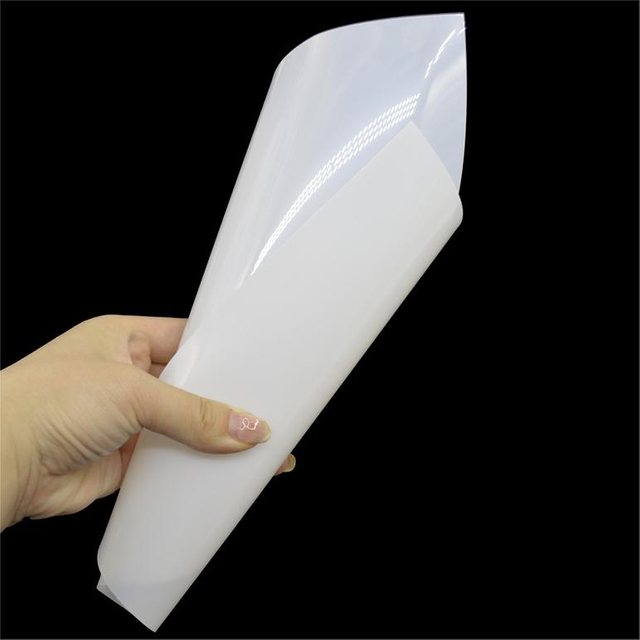
HSQY Plastic manufactures and supplies textured polypropylene sheets for packaging, stationery, printing, automotive interiors, reusable boxes, industrial protection, advertising displays, light diffusion and custom plastic fabrication.
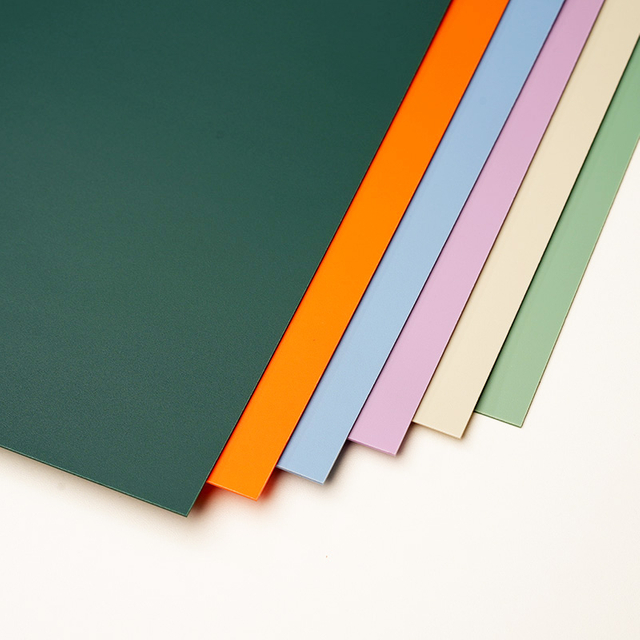
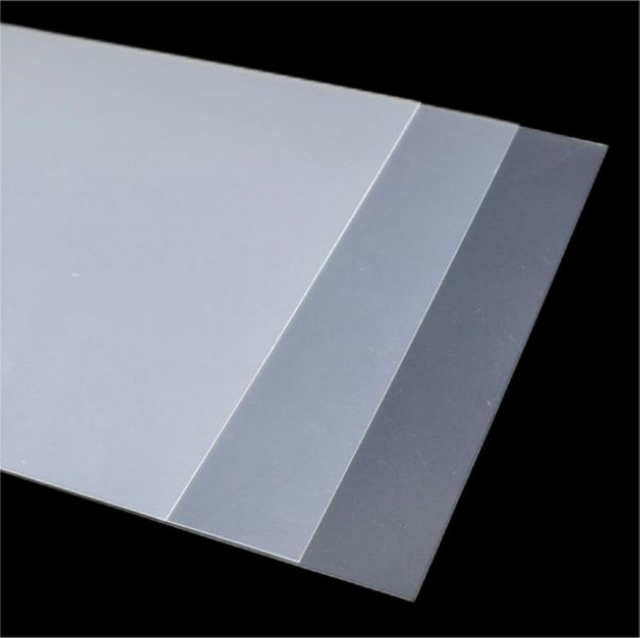
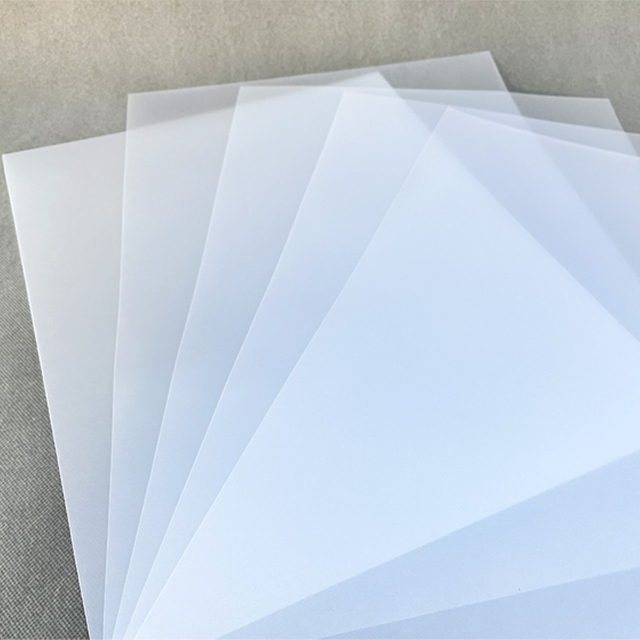
Our textured PP sheet range includes matte, frosted, twill, sand, patterned and translucent surfaces. Clear, natural, white and custom-colored polypropylene sheets are available in flat-sheet or roll formats according to the thickness and production specification.
Standard product programs generally cover thicknesses from 0.08mm to 5mm, with widths up to 1500mm or 1600mm for selected products. Custom thickness, width, length, color, surface texture, corona treatment and functional formulations can be evaluated for qualified bulk orders.
What Is a Textured PP Sheet?
A textured PP sheet is an extruded polypropylene sheet with a matte, frosted, twill, sand, leather-grain or other embossed surface on one or both sides.
The surface pattern is normally created during extrusion by passing the warm polypropylene sheet through textured rollers. This transfers a controlled pattern to the sheet while helping maintain consistent thickness, appearance and surface structure.
Compared with a smooth or high-gloss PP sheet, a textured polypropylene sheet creates a softer appearance, reduces visible reflections, conceals fingerprints and light handling marks, and can provide more tactile grip.
The texture does not automatically make the sheet a certified anti-slip or scratch-resistant material. Projects requiring a specific coefficient of friction, gloss value, abrasion resistance or scratch rating should state the required test method and target value.
HSQY Textured Polypropylene Sheet Range
The current HSQY category includes textured, matte, frosted, twill, natural, colored and smooth PP sheet options. Buyers can compare the surface, color and supply format before selecting a product for testing.
| Product | Surface and Color | General Specification | Recommended Applications | Product Link |
| Thin White PP Sheet | White; matte, twill, sand, pattern or frosted options | Approximately 0.1–3mm listed; wider custom program available according to specification | Printing, folders, packaging, displays, labels and industrial dividers | View Product |
| Colored Polypropylene Sheet | Custom colors with matte, twill, patterned, sand or frosted surfaces | Featured 0.5mm, 1mm, 2mm and 3mm specifications | Color-coded packaging, stationery, advertising, automotive trim and industrial components | View Product |
| Frosted Clear Polypropylene Sheet | Frosted clear or natural translucent; matte/matte or matte/smooth | 0.08–3mm; roll or cut-sheet supply subject to specification | Folders, dividers, document covers, packaging, printing and diffusing panels | View Product |
| Natural Polypropylene Sheet | Natural translucent PP with smooth or customized surface | Featured 0.5mm gauge with customized options | Packaging, inserts, dividers, printing, folders and general conversion | View Product |
| Matte Translucent PP Sheet | Matte, frosted and translucent | 0.08–3mm; widths up to 1500mm for selected specifications | Packaging, signage, printing, lighting components and industrial applications | View Product |
| Twill Clear Polypropylene Sheet | Clear or translucent PP with twill embossing | 0.08–3mm; customized width | Binding covers, folders, packaging, printing and decorative products | View Product |
| High-Gloss Clear PP Sheet Roll | Smooth and high-gloss clear surface | Roll format with customized thickness and width | Applications requiring greater clarity, smooth printing or a glossy appearance | View Product |
| 0.6mm Translucent Matte Colored PP Sheet | Translucent colored matte, twill, patterned, sand or frosted surface | Featured 0.6mm gauge; broader 0.25–5mm program; width up to 1600mm | Colored folders, packaging, displays, signs, covers and consumer products | View Product |
| A4 Twill Colored PP Sheet | Colored twill, matte, patterned, sand or frosted surface | 0.25–5mm; A4 and custom sizes; width up to 1600mm | Stationery, sample sheets, packaging, advertising and color-coded components | View Product |
Product availability, thickness tolerance, maximum width, roll diameter, color, texture and minimum order quantity vary by product. Final specifications should be confirmed in the quotation, approved sample and purchase contract.
General Textured PP Sheet Specifications
| Product Name | Textured Polypropylene Sheet, Embossed PP Sheet or Patterned PP Sheet |
| Material | Polypropylene selected according to stiffness, impact strength, transparency, temperature and application requirements |
| General Thickness Range | Approximately 0.08–5mm across the listed product programs |
| Maximum Width | Up to approximately 1500mm or 1600mm for selected specifications |
| Supply Format | Rolls, full sheets, cut sheets or A4 sheets according to thickness and packing requirements |
| Standard Colors | Natural translucent, frosted clear, white and selected standard colors |
| Custom Colors | Available subject to color reference, opacity, thickness and minimum production quantity |
| Surface Patterns | Matte, frosted, twill, sand, leather grain, patterned or custom embossing |
| Surface Combinations | Matte/matte, matte/smooth, textured/smooth or customized two-side construction |
| Printing Treatment | Untreated or corona-treated according to the required ink system and dyne level |
| Processing Methods | Cutting, die cutting, scoring, folding, punching, printing, heat sealing, thermoforming and welding |
| Optional Grades | UV-stabilized, antistatic, conductive, impact-modified, flame-retardant or food-contact grades subject to validation |
| Main Applications | Packaging, stationery, printing, automotive interiors, displays, reusable containers and industrial fabrication |
Values such as thickness, width, density, light transmission, impact strength and service temperature depend on the specific polypropylene grade, additives and production specification. Technical values should be confirmed using the data sheet for the exact purchased product.
Available PP Sheet Surface Textures
| Surface | Appearance and Function | Typical Applications |
| Matte | Fine low-gloss texture that reduces visible reflections and fingerprints | Printing, folders, packaging, displays and document covers |
| Frosted | Diffuses transmitted and reflected light to produce a soft translucent appearance | Packaging, privacy panels, dividers and light-diffusing components |
| Twill | Repeating diagonal woven-style pattern with a decorative tactile finish | Binding covers, folders, stationery, packaging and decorative products |
| Sand | Fine granular pattern that creates a tactile surface and conceals handling marks | Industrial covers, trays, folders and reusable packaging |
| Leather Grain | Deeper decorative embossing designed to resemble a leather surface | Vehicle liners, decorative panels, covers and protective cladding |
| Custom Pattern | Customer-defined pattern subject to roller, mold, tooling and order-volume evaluation | Branded packaging, special displays, consumer products and OEM components |
Texture names are not fully standardized between manufacturers. Buyers should provide an existing sheet sample, close-up photograph or approved texture reference when surface matching is important.
Key Benefits of Textured Polypropylene Sheets
Lightweight Construction
Polypropylene has a relatively low density compared with many other rigid plastics. This can reduce the weight of packaging, folders, liners, panels and fabricated components.
Durable and Impact-Tolerant
Suitable PP grades provide useful toughness, fatigue resistance and resistance to repeated handling. Copolymer grades can be selected when improved low-temperature impact performance is required.
Actual impact resistance depends on the resin grade, thickness, temperature, additives, forming history and finished-part design.
Reduced Visible Reflection
Matte and frosted textures reflect less direct light than polished PP. This can improve the appearance of covers, displays, printed panels and packaging under bright indoor lighting.
Improved Tactile Grip
Twill, sand and leather-grain patterns can provide more tactile grip than a smooth surface. This is useful for hand-held folders, reusable boxes, trays, liners and protective components.
Where slip resistance is safety-critical, the actual sheet should be tested under the expected load, contamination, moisture and temperature conditions.
Conceals Fingerprints and Light Marks
Textured surfaces can make fingerprints, light scuffs and handling marks less visible than on high-gloss polypropylene. This helps maintain a cleaner appearance during repeated use.
Moisture Resistance
PP absorbs very little moisture and is suitable for reusable packaging, dividers, folders and components used in normally humid or wet environments.
Chemical Resistance
Polypropylene resists many diluted acids, alkalis, oils, detergents and cleaning chemicals. This makes it useful for industrial packaging, laboratory dividers, reusable containers and chemical-processing environments.
PP is not resistant to every chemical. Compatibility must be evaluated using the exact chemical name, concentration, temperature, exposure time, mechanical stress and cleaning procedure.
Repeated Folding Capability
Properly designed thin PP sheets can form durable living hinges for folders, reusable boxes, closures and packaging. Hinge direction, thickness, score geometry and material orientation must be considered during product design.
Textured PP Sheet Applications
Stationery and Binding Covers
Matte, frosted and twill polypropylene sheets are used for ring-binder covers, notebook covers, document folders, file dividers, index tabs, menu covers, wallets and reusable stationery products.
The textured finish can improve handling, reduce visible fingerprints and provide a more distinctive branded appearance than a smooth sheet.
Reusable Packaging and Boxes
Textured PP sheets can be converted into reusable boxes, packaging sleeves, partitions, layer pads, returnable inserts and protective packaging components.
Thin sheets can be scored and folded, while thicker sheets may be cut, welded or mechanically fastened into reusable structures.
Printing and Advertising
Corona-treated textured PP sheets can be used for screen printing, UV printing, labels, indoor signs, promotional panels and point-of-purchase displays.
The texture affects ink coverage and apparent print gloss. A print trial should be completed using the final ink system, surface treatment, curing process and artwork.
Automotive and Commercial Vehicle Interiors
Thicker textured PP or PP copolymer sheets can be evaluated for vehicle trunk liners, van linings, door-panel backing, protective covers, interior trim and lightweight cladding.
Automotive projects should specify impact requirements, temperature cycles, odor limits, UV exposure, flammability, dimensional stability and fastening conditions.
Industrial Dividers and Protective Panels
Textured polypropylene can be fabricated into machine covers, dividers, guards, liners, work-surface components and color-coded industrial panels where low weight and chemical resistance are required.
Food and Beverage Processing
Appropriate food-contact PP grades can be used for dividers, reusable inserts, trays, processing-area panels and packaging components.
Food-contact suitability must be confirmed for the exact resin, pigments, additives, surface treatment and destination-market regulation.
Lighting and Diffusing Panels
Frosted and matte translucent PP sheets can diffuse light for indoor lampshades, illuminated displays and decorative lighting components.
Buyers should specify the required light transmission, haze, operating temperature, light source, flame standard and distance from the heat source.
Medical and Laboratory Components
Selected PP sheets can be used for laboratory dividers, instrument trays, equipment covers, organizing systems and non-reactive components.
Medical or laboratory applications require validation of cleanliness, sterilization compatibility, chemical exposure, regulatory documentation and finished-part performance.
Homopolymer PP vs Copolymer PP
| Selection Factor | PP Homopolymer | PP Copolymer |
| Rigidity | Generally higher stiffness at room temperature | Generally more flexible and impact-tolerant |
| Low-Temperature Impact | Can become more brittle at low temperatures | Usually provides better low-temperature toughness |
| Upper Service Temperature | May provide a higher upper service temperature depending on grade | May have a slightly lower upper service temperature depending on formulation |
| Typical Use | Rigid folders, packaging, displays, panels and general fabrication | Vehicle linings, reusable boxes, impact-prone components and cold-environment applications |
The terms homopolymer and copolymer describe broad material families. Final performance depends on the exact resin grade, impact modifier, filler, pigment and extrusion conditions.
Textured PP Sheet vs Smooth PP Sheet
| Property | Textured PP Sheet | Smooth PP Sheet |
| Surface Reflection | Lower visible reflection | Higher reflection, especially on glossy grades |
| Tactile Grip | Usually provides more tactile grip | Smoother and easier to slide |
| Fingerprint Visibility | Fingerprints and light marks are less visible | More visible on polished surfaces |
| Printing | Creates a matte printed appearance but may require more ink coverage | Can provide sharper fine detail on a controlled smooth surface |
| Cleaning | Deep textures may retain more dirt or residue | Smooth surface can be easier to wipe clean |
| Typical Applications | Covers, folders, liners, reusable packaging and decorative panels | Clear packaging, labels, smooth liners and high-gloss displays |
Textured PP Sheet vs ABS and HDPE Sheet
| Selection Factor | Textured PP | Textured ABS | Textured HDPE |
| Weight | Very lightweight | Heavier than PP | Lightweight but generally slightly denser than PP |
| Chemical Resistance | Strong resistance to many acids and alkalis | More limited against selected chemicals and solvents | Strong general chemical and moisture resistance |
| Printing and Bonding | Normally requires surface treatment | Generally easier to print, paint and bond | Normally requires surface treatment |
| Rigidity | Moderate to high depending on grade | Generally rigid with good surface quality | Generally more flexible at similar thickness |
| Typical Selection Priority | Low weight, folding, chemical resistance and cost efficiency | Appearance, rigidity, painting and automotive interior parts | Toughness, liners, cutting boards and heavy-duty protection |
Printing on Textured PP Sheets
Polypropylene has low surface energy, so untreated PP may provide poor ink, coating and adhesive bonding. Printing projects should specify whether corona, flame, plasma or another surface treatment is required.
| Printing Factor | What Buyers Should Confirm |
| Printing Method | Screen printing, UV flatbed printing, flexographic printing, offset printing or another process |
| Surface Treatment | Corona treatment, treated side and required dyne level |
| Ink Compatibility | Ink supplier approval, primer requirement, curing temperature and flexibility |
| Texture Depth | Deeper embossing can affect fine text, solid ink coverage and image sharpness |
| Post-Processing | Folding, die cutting, heat sealing, thermoforming or cleaning after printing |
| Treatment Aging | Surface treatment can reduce during storage, so printing time and storage conditions should be agreed |
Buyers should perform ink-adhesion, tape, abrasion, folding, chemical and aging tests using the actual production sheet.
Textured PP Sheet Fabrication
Cutting and Die Cutting
Thin PP sheets can be guillotine cut, die cut or punched. Thicker sheets can be cut with suitable saws, routers or CNC equipment.
Sharp tooling, correct clearance and sufficient sheet support help reduce burrs, heat buildup and dimensional distortion.
Scoring and Folding
Thin PP sheets can be scored and folded for folders, boxes and packaging. The score geometry should be aligned with the required hinge direction to improve repeated-fold performance.
Thermoforming
Suitable PP sheets can be thermoformed into trays, liners, inserts and shaped covers. PP requires controlled heating because the forming window can be narrower than that of some amorphous plastics.
Forming can stretch or flatten the original embossed texture. Tool design, sheet temperature, draw ratio and cooling conditions should be tested before production.
Plastic Welding
Thicker PP sheets can be joined by hot-gas welding, extrusion welding or other compatible thermoplastic-welding methods. The welding rod and base sheet must use compatible materials.
Adhesive Bonding
Standard adhesives do not bond easily to untreated polypropylene. Bonding may require surface treatment, a PP-compatible primer, specialized adhesive or mechanical fastening.
Mechanical Fastening
When PP sheets are drilled and fastened, designers should allow for thermal expansion and avoid overtightening. Hole size, edge distance, washers and support structure should be selected for the operating temperature range.
Temperature and Outdoor Performance
Textured PP sheet performance at high and low temperatures depends on whether the material is a homopolymer, copolymer or modified grade.
Standard homopolymer PP generally provides useful stiffness at room temperature but may become more brittle in cold conditions. Copolymer PP is commonly selected when improved low-temperature impact performance is needed.
Standard polypropylene is not inherently suitable for prolonged outdoor exposure. Ultraviolet radiation can cause fading, chalking, embrittlement and mechanical-property loss.
Outdoor projects should request a UV-stabilized formulation and specify the exposure location, color, expected service life, temperature range and required weathering test.
Buyers requiring elevated-temperature performance can review HSQY's heat-resistant PP sheet range .
Custom Textured PP Sheet Options
HSQY can evaluate custom polypropylene sheet requirements for packaging converters, stationery manufacturers, automotive suppliers, printers, industrial fabricators, wholesalers and distributors.
Customized thickness
Customized width and sheet length
Roll or cut-sheet supply
Natural, clear, translucent, white or custom colors
Matte, frosted, twill, sand, leather-grain or patterned texture
Single-side or double-side embossing
Different textures on the two sides
Corona treatment for printing
Homopolymer or copolymer PP selection
Impact-modified formulations
Antistatic or conductive formulations
UV-stabilized grades
Flame-retardant grades subject to the required standard
Food-contact grades subject to market requirements
Custom cutting, A4 sheets and sample sheets
Private-label bags, cartons, pallet labels and export packing
Special formulations are not standard properties of every PP sheet. The requested performance, test method and target result must be confirmed before production.
Flame-Retardant, Antistatic and Food-Contact Options
Flame-Retardant PP Sheet
Standard polypropylene is combustible and should not automatically be described as flame retardant. Flame-retardant products require a special formulation and should be tested according to the required standard and thickness.
Projects requiring flame performance can review HSQY's flame-retardant PP sheet range .
Antistatic and Conductive PP Sheet
Antistatic or conductive formulations can be evaluated for electronics packaging, trays, dividers and equipment components. Buyers should state the required surface or volume resistance, test method and durability period.
Food-Contact PP Sheet
Food-contact compliance depends on the exact polypropylene resin, pigment, additives, recycled content, corona treatment and destination-market regulation.
Buyers should provide the food type, contact duration, temperature, processing method and required regulatory standard before approving the material.
Recycling and Sustainability
Polypropylene is commonly identified by resin code 5 and can be mechanically recycled where appropriate collection, sorting and processing facilities are available.
Actual recyclability depends on the finished-product design, pigments, fillers, flame retardants, conductive additives, printing, labels, adhesives, contamination and local recycling infrastructure.
Using a durable PP sheet in reusable folders, returnable boxes, dividers and packaging systems can reduce the frequency of product replacement. Buyers can also optimize sheet dimensions and recover clean production scrap to reduce material waste.
Quality Checks Before Bulk Production
Customized textured PP sheets should be approved using a physical sample before mass production. Recommended checks include:
Thickness and dimensional tolerance
Sheet width, roll width and roll diameter
Texture type, depth and uniformity
Single-side or double-side texture
Color, opacity and batch consistency
Transparency, haze and light transmission
Flatness, curl and shrinkage
Rigidity and low-temperature impact performance
Printing treatment and dyne level
Ink adhesion and abrasion resistance
Cutting and die-cutting performance
Scoring, folding and living-hinge performance
Thermoforming and texture retention
Chemical compatibility
Temperature and UV performance where applicable
Food-contact, flame, antistatic or other required compliance
Packaging and Storage Recommendations
Store Sheets on a Flat Support
Flat sheets should be stored on clean and fully supported pallets. Uneven support can cause curling, bending or edge deformation.
Control Roll Tension
Rolls should be stored and handled according to the roll diameter, core size and winding direction. Excessive stacking pressure can affect the texture and sheet flatness.
Protect the Surface
Keep sheets in their original packaging until conversion. Avoid dragging the textured surface across dirty or abrasive materials.
Avoid Heat and Direct Sunlight
Store polypropylene indoors in a dry, ventilated environment away from direct sunlight, heaters and large temperature changes.
Control Printing Storage Time
Corona treatment can decay during storage. Printing-grade material should be stored under agreed conditions and used within the confirmed treatment-retention period.
Information Required for a Textured PP Sheet Quotation
Providing complete technical and purchasing information helps HSQY recommend a suitable grade and calculate pricing, production time and packing accurately.
Required thickness
Sheet width and length
Roll or cut-sheet format
Required roll length, diameter and core size
Natural, clear, translucent, white or custom color
Matte, frosted, twill, sand, leather-grain or custom texture
Single-side or double-side embossing
Required transparency, haze or opacity
Homopolymer or copolymer preference
Printing method and required dyne level
Cutting, folding, welding or thermoforming process
Operating temperature and outdoor exposure
Chemical-contact conditions
Required food-contact, antistatic, UV or flame performance
Order quantity and estimated annual demand
Packing, pallet and labeling requirements
Destination country and delivery terms
Required sample and target delivery date
Reference sample, drawing or texture photograph if available
Need Textured PP Sheet Pricing or Samples?
Send HSQY your required thickness, dimensions, color, texture, application, printing or fabrication process, order quantity and destination market. Our team will evaluate a suitable polypropylene grade, sample availability, production lead time and quotation.
Request a Quote Frequently Asked Questions About Textured PP Sheets
What is a textured polypropylene sheet?
A textured polypropylene sheet is an extruded PP sheet with a matte, frosted, twill, sand, leather-grain or other embossed surface on one or both sides.
What is the difference between textured and embossed PP sheet?
The terms are commonly used interchangeably. Embossed normally describes the manufacturing process, while textured describes the finished surface appearance and feel.
What thicknesses does HSQY supply?
HSQY's current listed product programs generally cover approximately 0.08mm to 5mm. Available thickness depends on the color, texture, width, resin grade and supply format.
What is the maximum width of textured PP sheets?
Selected products can be supplied in widths up to approximately 1500mm or 1600mm. Maximum width depends on thickness, texture and production requirements.
Are textured PP sheets available in rolls?
Yes. Thin-gauge products can be supplied in rolls, while thicker sheets are normally supplied as flat panels or cut sheets. Buyers should provide the required roll width, length, diameter and core size.
What surface textures are available?
Available options can include matte, frosted, twill, sand, patterned and leather-grain surfaces. Custom embossing can be evaluated according to tooling and order volume.
Can both sides have the same texture?
Yes. Matte/matte, textured/textured, matte/smooth and other two-side combinations can be evaluated depending on production capability.
Can HSQY match an existing texture?
Texture matching can be evaluated using a physical sample or detailed reference. Exact matching may require a custom embossing roller and minimum production quantity.
Does textured PP provide better grip?
A textured surface generally provides more tactile grip than smooth PP. It should not be treated as a certified non-slip surface unless tested under the required conditions.
Is textured PP sheet scratch-resistant?
Texture can make light scratches and scuffs less visible, but intrinsic scratch and abrasion resistance depend on the resin, additives, texture and test conditions.
Can textured PP sheets be printed?
Yes, but polypropylene normally requires corona or another surface treatment for reliable ink adhesion. Buyers should specify the printing method, ink and required dyne level.
Can textured PP sheets be folded repeatedly?
Properly designed thin PP sheets can form living hinges for folders and reusable boxes. Thickness, score shape, extrusion direction and folding direction must be tested.
Can textured PP sheets be thermoformed?
Suitable PP grades can be thermoformed. Heating and stretching may reduce or distort the original texture, so the sheet should be tested with the intended mold and draw ratio.
Can PP sheets be glued?
Polypropylene is difficult to bond with ordinary adhesives because of its low surface energy. Specialized primers, adhesives, surface treatment or mechanical fastening may be required.
Can textured PP sheets be welded?
Thicker PP sheets can be joined using compatible hot-gas or extrusion-welding processes. The sheet and welding rod should use compatible polypropylene grades.
Are textured PP sheets chemically resistant?
PP resists many diluted acids, alkalis, detergents and oils, but it is not compatible with every chemical. The exact chemical, concentration, temperature and exposure time should be tested.
Are textured PP sheets waterproof?
Polypropylene absorbs very little moisture and is suitable for many wet or humid environments. Finished seams, fasteners and printed areas may still require separate waterproofing evaluation.
Can textured PP sheets be used outdoors?
Standard PP has limited long-term UV resistance. Outdoor projects should use a UV-stabilized grade and specify the expected exposure, color and required service life.
Can textured PP sheets withstand low temperatures?
Low-temperature performance depends on the material grade. Copolymer PP is generally preferred where improved cold-impact resistance is required.
Are textured PP sheets flame retardant?
Standard polypropylene is not inherently flame retardant. A special flame-retardant formulation must be selected and tested according to the required standard and thickness.
Are antistatic textured PP sheets available?
Antistatic and conductive options can be evaluated. Buyers should provide the required resistance range, test method and duration of antistatic performance.
Are textured PP sheets suitable for food contact?
Food-contact grades may be available, but compliance must be confirmed for the exact resin, pigments, additives, surface treatment and destination market.
Are textured polypropylene sheets recyclable?
PP can be recycled where suitable collection and processing facilities exist. Additives, labels, inks, adhesives and contamination can affect actual recyclability.
Can HSQY produce custom colors?
Yes. Custom translucent or opaque colors can be evaluated using a Pantone reference, color chip or physical sample. Minimum production quantities normally apply.
What is the minimum order quantity?
MOQ varies by thickness, width, color, texture, resin grade and functional formulation. Standard products and custom embossing projects may have significantly different minimum quantities.
Can buyers request samples?
Samples may be available for existing colors and textures. Custom color or embossing samples may require setup costs and additional preparation time.
What information is required for a quotation?
Provide the required thickness, dimensions, supply format, color, texture, application, printing or fabrication method, performance requirements, quantity, destination and packing requirements.