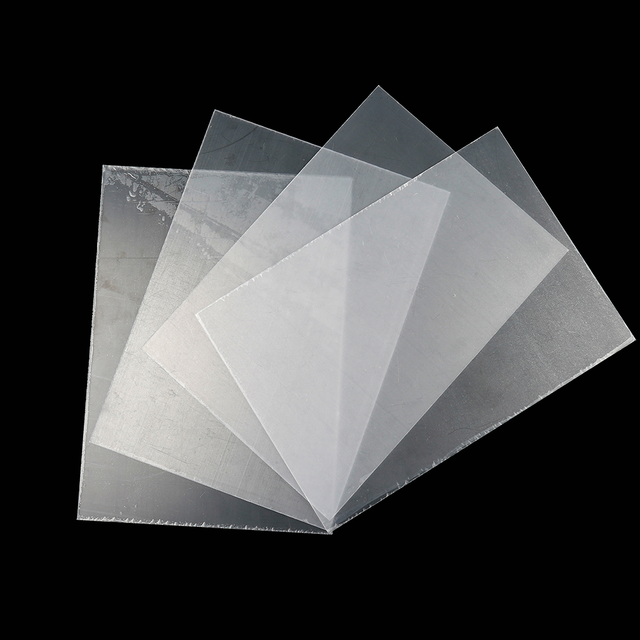
Wholesale GPPS Sheets Manufacturer and Supplier
HSQY Plastic manufactures and supplies clear GPPS sheets for displays, printing, packaging, interior decoration, picture frames, light diffusers, model making, protective panels and thermoformed products.
GPPS, or General Purpose Polystyrene, is a rigid and transparent thermoplastic with a glossy surface, good dimensional stability and economical processing costs. It is commonly selected when a project requires attractive transparency and stiffness at a lower material cost than acrylic or polycarbonate.
HSQY GPPS polystyrene sheets are available in thicknesses from 0.2mm to 6mm, with widths up to 1600mm. Standard 4 × 8 ft sheets, 2.25mm glossy sheets, 3mm clear sheets and customized dimensions are available for qualified wholesale projects.
What Is a GPPS Sheet?
A GPPS sheet is an extruded plastic sheet manufactured from general purpose polystyrene resin. The material is naturally transparent and provides a glass-like appearance, high surface gloss and good rigidity.
GPPS is an amorphous thermoplastic, which means it softens when heated and can be reshaped through thermoforming or vacuum forming. It can also be cut, routed, drilled, printed, bonded and fabricated into finished components.
Clear GPPS sheets are primarily recommended for indoor and controlled-environment applications. For projects requiring high impact resistance, long-term outdoor weathering or elevated service temperatures, buyers should compare GPPS with HIPS, acrylic, PETG or polycarbonate before selecting the material.
HSQY GPPS Sheet Product Range
HSQY provides standard and customized GPPS sheets for distributors, thermoforming companies, printing companies, display manufacturers, packaging producers and industrial fabricators.
| Product | Main Specification | Recommended Applications | Product Link |
| 0.2mm–6mm Extruded GPPS Sheets | Clear GPPS, 0.2mm–6mm thickness, width up to 1600mm | Printing, packaging, vacuum forming, displays and general fabrication | View Product |
| 2.25mm Glossy GPPS Sheet | 2.25mm featured thickness, clear high-gloss surface | Retail displays, signage, picture frames, decorative panels and printed graphics | View Product |
| 3mm Clear GPPS Sheet | 3mm featured thickness, transparent rigid panel | Display panels, protective covers, glazing, model making and interior applications | View Product |
| 4 × 8 ft GPPS Sheet | Standard 4 × 8 ft sheet format with customized thickness options | Large-format displays, printing, partitions, fabrication and cut-to-size projects | View Product |
Product availability, thickness tolerance, sheet width, surface finish and minimum order quantity should be confirmed before ordering. Customized specifications may require a separate production assessment.
General GPPS Sheet Specifications
| Product | General Purpose Polystyrene Sheet |
| Abbreviation | GPPS Sheet or Clear PS Sheet |
| Material | General Purpose Polystyrene |
| Standard Color | Clear |
| Custom Colors | Transparent tints and selected custom colors subject to order quantity and production evaluation |
| Thickness | 0.2mm–6mm, with customized thicknesses available |
| Maximum Width | Up to 1600mm for selected specifications |
| Standard Sheet Size | 4 × 8 ft and other sizes subject to production capability |
| Surface | Smooth and glossy |
| Sheet Form | Flat sheets or customized cut sheets |
| Processing | Cutting, routing, drilling, printing, bonding, thermoforming and vacuum forming |
| Customization | Thickness, width, length, color, cutting, protective film and export packaging |
The specifications above describe HSQY's general GPPS sheet range. Final specifications should be stated in the quotation, approved sample, technical agreement or purchase contract.
Key Benefits of GPPS Sheets
High Transparency and Gloss
Clear GPPS sheets provide good optical transparency and a smooth, glossy surface. This makes them suitable for applications in which products, graphics, documents or decorative elements must remain visible.
Lightweight and Rigid
GPPS combines relatively low weight with good stiffness. The material is easy to handle and can provide sufficient rigidity for indoor displays, printed panels, covers, frames and formed packaging components.
Cost-Effective Transparent Material
GPPS is frequently selected as an economical alternative to acrylic or polycarbonate when the application does not require high impact strength, outdoor weather resistance or premium long-term optical performance.
Easy to Fabricate
GPPS sheets can be processed by conventional plastic fabrication methods. Depending on thickness and equipment, the sheet can be saw cut, die cut, routed, drilled, printed, bonded, bent or thermoformed.
Suitable for Printing and Decoration
The smooth surface can support screen printing, UV printing, labels, decorative films and other graphic applications. Ink adhesion, curing temperature and surface compatibility should be tested before commercial production.
Good Electrical Insulation
Polystyrene provides useful electrical insulation properties and can be considered for selected indoor electrical or electronic components that do not require high heat resistance or structural impact performance.
GPPS Sheet Applications
Retail Displays and Point-of-Sale Materials
Clear GPPS sheets are used for product displays, menu holders, shelf dividers, sign holders, promotional stands, exhibition panels and point-of-sale structures. Their glossy appearance helps improve product visibility in indoor retail environments.
Printing and Advertising
GPPS sheets can be used as substrates for screen printing, UV printing, advertising graphics, indoor signs and decorative panels. Buyers should specify the printing system, curing temperature and required surface treatment when requesting samples.
Picture Frames and Protective Panels
Thin clear GPPS sheets can be used as lightweight covers for picture frames, posters, documents and indoor displays. GPPS is more economical than acrylic for many short-term or moderate-performance framing applications.
Thermoformed Packaging
Thin GPPS sheets can be thermoformed or vacuum formed into trays, inserts, display packaging, cosmetic packaging and other rigid components. Mold design, sheet thickness and draw depth should be tested before mass production.
Interior Decoration
GPPS panels are suitable for indoor partitions, cabinet inserts, decorative panels, shower-door inserts, furniture components and other applications protected from prolonged outdoor exposure.
Lighting and Diffuser Components
Selected clear, tinted or textured polystyrene sheets can be used in indoor lighting covers and diffuser components. Buyers should confirm light transmission, heat exposure, surface pattern and flame-performance requirements before material selection.
Models, Crafts and Prototypes
GPPS is easy to cut and shape, making it useful for architectural models, prototypes, craft projects, templates and design samples.
Electrical and Electronic Components
GPPS can be used for selected insulating panels, covers, internal partitions and packaging components where transparency, rigidity and electrical insulation are required.
How to Select GPPS Sheet Thickness
Sheet thickness affects rigidity, weight, forming performance, cutting efficiency and finished-product cost. The following table provides general selection guidance rather than fixed engineering limits.
| Thickness Range | Typical Characteristics | Example Applications |
| 0.2mm–0.5mm | Thin, lightweight and suitable for high-volume forming or die-cutting projects | Formed inserts, packaging components, lightweight covers and printed pieces |
| 0.5mm–1mm | Increased stiffness while remaining suitable for forming and cutting | Display packaging, signs, frame covers, trays and dividers |
| 1mm–2mm | Balanced rigidity, fabrication performance and material cost | Indoor signs, printed panels, displays, covers and decorative parts |
| 2mm–3mm | Greater panel rigidity and improved flatness for medium-size components | Retail displays, cabinet inserts, partitions, frames and protective panels |
| 3mm–6mm | Higher stiffness for larger panels and machined components | Large displays, rigid panels, model components and industrial fabrication |
Buyers should evaluate unsupported span, loading, mounting method, operating temperature and impact risk before confirming a thickness. A prototype or sample test is recommended for structural applications.
GPPS Sheet Processing and Fabrication
| Processing Method | Processing Considerations |
| Saw Cutting | Use suitable plastic-cutting blades, stable sheet support and controlled feed to reduce chipping. |
| CNC Routing | Tool geometry, feed rate and cooling should be selected to reduce edge melting and cracking. |
| Drilling | Provide proper support and sufficient edge distance because GPPS is more brittle than HIPS. |
| Die Cutting | Commonly used for thinner gauges; tool clearance and sheet temperature should be validated. |
| Thermoforming | Heating uniformity, mold design, draw ratio and cooling conditions affect wall distribution and clarity. |
| Vacuum Forming | Suitable for trays, inserts and display components after forming trials with the selected thickness. |
| Printing | Ink system, curing temperature, adhesion and surface cleanliness should be tested before production. |
| Bonding | Select a compatible adhesive and test for crazing, whitening, stress cracking and bond strength. |
Fabricators should use appropriate machine guarding, ventilation and material-processing procedures. Laser cutting, high-temperature processing and solvent bonding should only be used after confirming equipment compatibility and workplace safety requirements.
GPPS vs HIPS vs Acrylic Sheet
| Property | GPPS Sheet | HIPS Sheet | Acrylic Sheet |
| Transparency | High transparency | Usually opaque | Excellent optical clarity |
| Surface Appearance | Smooth and glossy | Glossy, matte or textured | Premium glossy appearance |
| Impact Resistance | Relatively low | Higher than GPPS | Better than ordinary GPPS |
| Rigidity | High rigidity | Tougher and less brittle | High rigidity |
| Thermoforming | Easy to thermoform | Excellent thermoforming performance | Formable with controlled processing |
| Outdoor Use | Primarily recommended for indoor use | Primarily recommended for indoor use unless modified | Better outdoor weather resistance |
| Relative Cost | Economical | Economical | Usually higher than GPPS |
| Typical Selection Priority | Clarity, rigidity and low cost | Impact resistance and forming performance | Premium clarity, appearance and weather resistance |
Choose GPPS when transparency, surface gloss and cost efficiency are the main requirements. Choose HIPS when impact resistance and toughness are more important than transparency. Choose acrylic when the application requires premium optical appearance or improved outdoor durability.
Buyers requiring tougher polystyrene material can review HSQY's HIPS sheet range .
GPPS Sheet Customization Options
HSQY can evaluate standard and customized GPPS sheet requirements for manufacturers, distributors and industrial buyers.
Customized sheet thickness
Customized width and length
4 × 8 ft and other sheet formats
Clear, tinted or selected custom colors
Glossy or application-specific surface requirements
Cut-to-size sheets
Protective film options
Customized labels and pallet markings
Private-label export packaging
Container-loading and pallet plans
Customized color, surface, dimensions and packaging may require minimum production quantities. Buyers should provide physical samples, Pantone references, drawings or approved technical specifications when requesting non-standard products.
GPPS Sheet Performance Limitations
GPPS provides useful transparency and rigidity, but it is not suitable for every application. Buyers should consider the following limitations during material selection:
GPPS is more brittle and less impact-resistant than HIPS or polycarbonate.
Standard GPPS is primarily recommended for indoor use.
Prolonged ultraviolet exposure may cause yellowing, brittleness or performance loss.
GPPS has limited resistance to certain solvents and aggressive chemicals.
The material is not intended for high-temperature structural applications.
Drilling, fastening and machining require suitable edge distances to reduce cracking.
Food-contact use requires an appropriate material grade and supporting compliance documents.
Samples should be tested under the actual temperature, load, chemical exposure, printing, forming and installation conditions before commercial production.
Food-Contact GPPS Sheets
GPPS can be manufactured in grades intended for selected food-contact applications such as trays, inserts, lids and rigid packaging components. However, not every GPPS sheet should automatically be described as food safe.
Buyers requiring food-contact GPPS sheets should provide the destination market, food type, contact conditions, temperature, contact duration and required regulatory standard. HSQY should confirm the applicable resin grade and supporting documentation before the material is approved.
GPPS Sheet Packaging and Storage
Protective Packaging
GPPS sheets can be supplied with protective film, paper protection, pallet packaging or export packaging according to the product specification and transportation requirements.
Flat Storage
Store sheets flat on a clean and fully supported surface. Unsupported or uneven storage may cause bending, edge damage or permanent deformation.
Temperature and Sunlight
Store GPPS sheets in a cool, dry and ventilated indoor area away from direct sunlight, heat sources and large temperature changes.
Surface Protection
Keep protective film in place during cutting and handling where practical. Avoid dragging sheets across rough surfaces because the glossy surface can be scratched.
Information Required for a GPPS Sheet Quotation
Providing complete purchasing information allows HSQY to evaluate production feasibility, pricing, packaging and delivery more accurately.
Required thickness
Sheet width and length
Clear, tinted or customized color
Glossy or other surface requirement
Required thickness and dimensional tolerances
Product application and processing method
Printing, forming, cutting or bonding requirements
Protective film requirements
Order quantity and estimated annual demand
Packing and pallet requirements
Destination country and delivery terms
Required certification or compliance documents
Target delivery date
Need GPPS Sheet Pricing or Free Sample Evaluation?
Send HSQY your required thickness, sheet size, color, application, processing method, order quantity and destination market. Our team will evaluate the appropriate GPPS sheet specification, sample availability, packaging and quotation.
Request a Quote Frequently Asked Questions About GPPS Sheets
What does GPPS stand for?
GPPS stands for General Purpose Polystyrene. It is a transparent, rigid and economical thermoplastic used for displays, printing, packaging, interior panels and formed products.
What thicknesses of GPPS sheet does HSQY supply?
HSQY's general product range covers GPPS sheets from 0.2mm to 6mm. Available thicknesses and tolerances depend on the sheet width, color, surface and order quantity.
What is the maximum width of HSQY GPPS sheets?
Selected GPPS specifications can be manufactured in widths up to 1600mm. The achievable width may vary according to thickness and production requirements.
Are 4 × 8 ft GPPS sheets available?
Yes. HSQY offers a 4 × 8 ft general purpose polystyrene sheet product. Buyers should confirm the required thickness, tolerance, packaging and order quantity.
Can GPPS sheets be cut to size?
Cut-to-size GPPS sheets can be evaluated according to the requested dimensions, tolerances, quantity and packing method. Provide a cutting list or drawing when requesting a quotation.
Can GPPS sheets be thermoformed?
Yes. GPPS is suitable for thermoforming and vacuum forming. The sheet thickness, heating uniformity, mold design, draw ratio and cooling process should be tested before mass production.
Can GPPS sheets be printed?
GPPS sheets can support screen printing, UV printing, labels and decorative films. Ink adhesion and curing temperature should be tested using the actual production sheet.
Can GPPS sheets be laser cut?
Some laser systems may process GPPS sheets, but edge quality, fumes, material ignition risk and equipment compatibility must be evaluated. Fabricators should follow the machine manufacturer's recommendations and workplace ventilation requirements.
Is GPPS the same as acrylic?
No. GPPS is general purpose polystyrene, while acrylic is PMMA. GPPS is generally more economical, while acrylic usually provides better long-term optical appearance, impact performance and outdoor weather resistance.
What is the difference between GPPS and HIPS?
GPPS is normally clear, glossy and rigid but relatively brittle. HIPS contains an impact-modifying rubber component, making it tougher and more impact-resistant, but HIPS is normally opaque.
Are GPPS sheets suitable for outdoor use?
Standard GPPS sheets are primarily recommended for indoor use. Prolonged sunlight and ultraviolet exposure may cause yellowing, brittleness or reduced performance.
Are GPPS sheets impact-resistant?
GPPS provides good rigidity but relatively low impact resistance. HIPS, PETG or polycarbonate should be considered when the finished product may experience frequent impacts or rough handling.
Are GPPS sheets food safe?
Food-contact GPPS options may be available, but suitability depends on the resin grade, manufacturing conditions, destination market and intended food-contact conditions. Buyers should request the relevant compliance documents before approval.
Are GPPS sheets chemically resistant?
GPPS can tolerate water and selected diluted chemicals, but it has limited resistance to many solvents and aggressive chemicals. Compatibility testing is required when the sheet will contact cleaners, inks, adhesives, oils or solvents.
Can HSQY produce colored GPPS sheets?
Transparent tints and selected custom colors can be evaluated. Color development depends on the requested color, sheet thickness, optical requirements and minimum production quantity.
Can protective film be applied to GPPS sheets?
Protective-film options can be evaluated to reduce surface scratches during handling, fabrication and transportation. Film type and adhesion should be matched to the processing method and storage period.
What is the minimum order quantity for GPPS sheets?
MOQ varies according to thickness, width, color, surface, cutting, protective film and packaging requirements. Standard clear sheets and customized products may have different minimum quantities.
Can buyers request GPPS sheet samples?
Samples may be available for standard GPPS specifications. Sample size, preparation time, freight and customized sample charges should be confirmed with HSQY.
What should buyers test before placing a bulk order?
Buyers should test transparency, color, thickness, flatness, impact performance, printing adhesion, forming performance, cutting quality, chemical compatibility and finished-product assembly under actual operating conditions.
What information should be provided for a quotation?
Provide the required thickness, width, length, color, surface, tolerance, application, processing method, order quantity, packaging, destination country and required compliance documents.