PVC Playing Card Sheet for Printing and Card Manufacturing
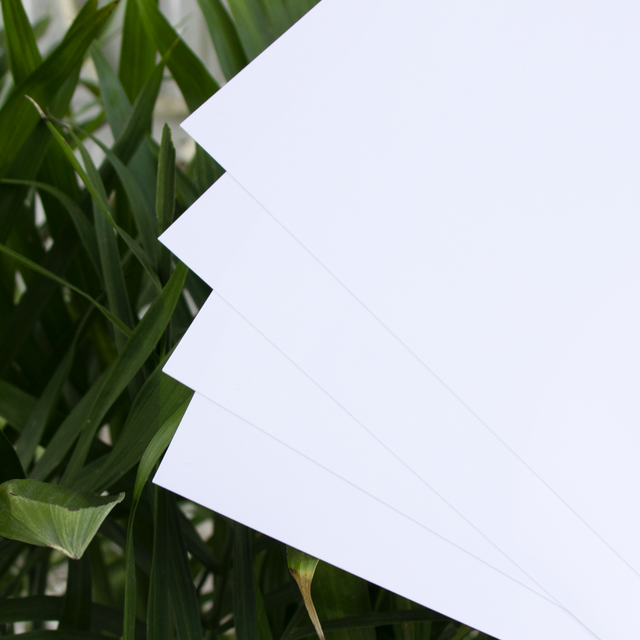
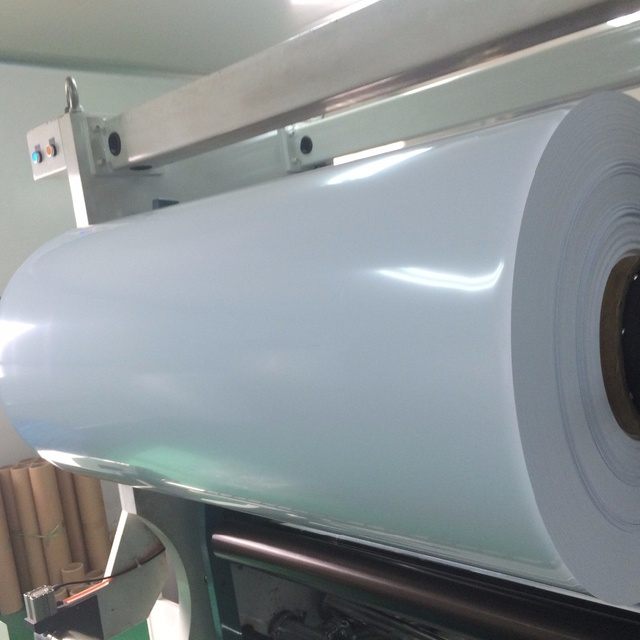
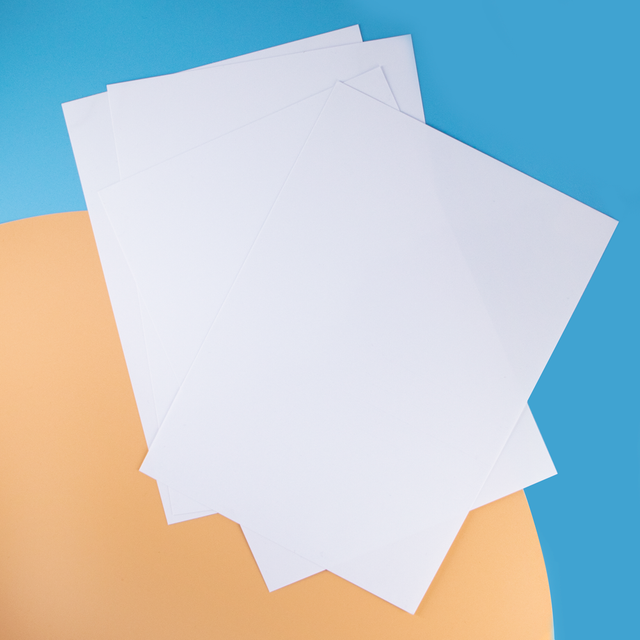
PVC playing card sheet is an opaque rigid plastic substrate manufactured for printing, laminating, coating, die-cutting and converting into finished playing cards. It is supplied as raw sheet material rather than as a completed deck of cards.
Compared with conventional paper card stock, PVC playing card material offers greater resistance to moisture, tearing, edge damage and repeated handling. Its smooth white surface supports detailed artwork, stable color reproduction and consistent processing on compatible card-printing and converting equipment.
HSQY supplies white rigid PVC playing card sheets to card manufacturers, printing companies, casino product suppliers, board game publishers, promotional product manufacturers, card converters and wholesale distributors.
Standard options include thicknesses from 0.20mm to 0.35mm and sheet sizes designed for common printing layouts. Custom thickness, dimensions, opacity, surface treatment and material formulations can be discussed according to the finished card structure and production process.
Request PVC Card Sheet Samples
PVC Playing Card Sheet Product Range
HSQY offers multiple rigid PVC sheet specifications for poker cards, casino cards, tarot cards, game cards, educational cards and promotional card production.
The correct sheet should be selected according to the printing method, press size, card dimensions, number of laminated layers, finished deck thickness, required opacity and desired shuffling performance.
PVC Playing Card Sheet Specifications
The following specifications represent commonly supplied HSQY PVC playing card sheet options. Final tolerances, surface treatment and performance should be confirmed according to the selected product grade and customer production process.
| Property | Typical Details |
| Product Name | White rigid PVC sheet for playing cards |
| Product Form | Unprinted raw plastic sheet for card manufacturing |
| Material | Solid rigid polyvinyl chloride, PVC |
| Standard Color | Opaque white |
| Available Thicknesses | 0.20mm, 0.26mm, 0.27mm, 0.28mm, 0.30mm and 0.35mm |
| Standard Sheet Sizes | 650 × 465mm, 670 × 470mm, 680 × 480mm and 935 × 675mm |
| Custom Sizes | Available according to printing press, imposition layout and die-cutting requirements |
| Typical Density | Approximately 1.40g/cm³ |
| Opacity | Opaque formulation designed to reduce show-through between the card face and back |
| Standard Surface | Smooth, glossy white and impurity-controlled |
| Optional Surface | Matte or selected textured finishes, subject to specification and order quantity |
| Printing Compatibility | UV offset and screen printing; digital-printing grades should be confirmed separately |
| Surface Treatment | Printing treatment or specified surface energy can be discussed according to the ink system |
| Converting Processes | Printing, coating, lamination, die-cutting, punching, slitting and corner rounding |
| Material Options | Virgin PVC and selected recycled-content formulations, subject to appearance and application requirements |
| Minimum Order Quantity | Typically 1,000kg |
| Sample Availability | A4 samples can be discussed for printing and converting tests |
| Reference Lead Time | Approximately 7–15 days after specification and order confirmation |
| Loading Ports | Shanghai or Ningbo |
Technical values and available options may vary by product grade. Buyers should request a specification sheet and test samples before approving bulk production.
Key Performance Requirements for Card-Grade PVC Sheets
General-purpose white PVC sheet is not automatically suitable for playing card production. Card-grade material should provide stable performance throughout printing, lamination, cutting and repeated card handling.
High opacity: Helps prevent artwork, colors or markings on one side from being visible through the opposite side.
Consistent thickness: Supports uniform lamination, predictable finished deck thickness and consistent card handling.
Good sheet flatness: Helps sheets feed through printing, coating, laminating and die-cutting equipment.
Stable dimensions: Reduces registration problems and dimensional changes during printing and heated lamination.
Smooth printing surface: Supports sharp text, fine lines, detailed artwork and consistent ink coverage.
Suitable surface energy: Helps compatible inks and coatings bond to the non-absorbent PVC surface.
Controlled flexibility: Allows the finished card to flex during shuffling while retaining its intended shape.
Clean die-cutting: Helps produce uniform card dimensions, smooth edges and consistent rounded corners.
Moisture resistance: Reduces water absorption, swelling and humidity-related deformation compared with paper-based stock.
Surface cleanliness: Minimizes impurities, crystal points, scratches, ripples and visible defects in printed cards.
Batch consistency: Supports repeat orders with consistent thickness, whiteness, opacity and surface quality.
How to Select PVC Sheet Thickness for Playing Cards
The correct sheet thickness depends on the required finished card thickness, number of material layers, coating weight, lamination structure, card dimensions and desired stiffness.
| Thickness Range | Typical Characteristics | Possible Applications |
| 0.20–0.26mm | Lightweight and relatively flexible; often considered for multilayer card structures | Promotional cards, game components, laminated cards and lightweight decks |
| 0.27–0.30mm | Balanced stiffness, flexibility, thickness and material consumption | Poker cards, board game cards, custom decks and general playing cards |
| 0.30–0.35mm | Heavier and stiffer card feel with greater finished deck thickness | Premium decks, casino-style cards, tarot cards and oversized cards |
These ranges are general selection references rather than fixed rules. A 0.30mm raw sheet does not necessarily produce a 0.30mm finished card because coatings, printed layers, overlays and laminating structures can change the final thickness.
Customers should test several thicknesses using the actual card dimensions, ink, coating, lamination pressure, temperature, cutting dies and finishing process.
Single-Layer and Multilayer PVC Card Construction
Single-Layer Printed PVC Cards
In a single-layer construction, artwork is printed directly onto one opaque PVC sheet. A protective varnish or coating may be applied to improve surface durability and handling performance.
Single-layer production can reduce manufacturing steps, but the sheet must provide sufficient thickness, opacity, printing adhesion and surface protection for the intended card application.
Multilayer Laminated PVC Cards
Multilayer cards may combine printed PVC sheets, an opaque core and protective overlays. This structure allows manufacturers to adjust finished thickness, opacity, stiffness, print protection and surface texture.
The selected materials must be compatible with the laminating temperature, pressure, dwell time and adhesive or overlay system. Excessive heat or uneven pressure may affect sheet flatness, dimensions and print registration.
Opaque Core and Show-Through Control
Cards used for competitive games should prevent players from identifying face-side artwork through the card back. High-opacity white material, increased thickness or an additional opaque core can help control show-through.
Opacity should be tested with the actual artwork because dark colors, heavy ink coverage and high-contrast designs can affect the result.
Printing Compatibility of PVC Playing Card Material
PVC has a non-absorbent plastic surface. The printer, ink chemistry, surface treatment and curing process must therefore be compatible with rigid PVC.
UV Offset Printing
UV offset printing is commonly used for high-volume playing card production. UV-curable inks provide rapid curing and can reproduce detailed images, small text, fine lines and full-color artwork on suitable PVC surfaces.
Customers should verify ink adhesion, curing energy, sheet temperature, stacking behavior and resistance to scratching before commercial production.
Screen Printing
Screen printing can be selected for solid colors, specialty inks, decorative effects and selected short- or medium-volume card projects. The ink must be formulated for PVC or non-absorbent plastic substrates.
Digital and Inkjet Printing
Digital printing may be appropriate for samples, prototypes, personalized cards and smaller production runs. Standard UV-offset PVC sheet should not automatically be assumed to work with every inkjet, laser, toner or digital press.
When requesting digital-printing material, provide the printer brand, model, ink or toner type, fusing temperature, required sheet size and feeding method.
Surface Energy and Ink Adhesion
Ink adhesion depends partly on the surface energy of the PVC sheet. Customers with a specific dyne-level requirement should state the target value and testing method before ordering.
Surface treatment can decrease over time or be affected by storage, contamination and handling. Production stock should be kept clean, dry and protected until printing.
How Sheet Size Affects Printing Efficiency
Sheet dimensions should match the usable printing area of the press and the card-imposition layout. Selecting the correct sheet size can reduce trim waste, improve output per sheet and simplify die-cutting registration.
| Standard Sheet Size | Selection Considerations |
| 650 × 465mm | Compact sheet format for compatible printing presses and card layouts |
| 670 × 470mm | Common production format for card printing and converting equipment |
| 680 × 480mm | Provides additional layout area for selected imposition and trim requirements |
| 935 × 675mm | Larger production format for compatible presses and higher card output per sheet |
| Custom Size | Can be designed around press width, gripper margin, bleed, registration marks and die-cutting layout |
Provide the printing press model, maximum sheet format, gripper allowance, finished card dimensions and number of cards per sheet when requesting a custom size.
Surface Finishes and Playing Card Feel
Surface finish affects appearance, glare, friction, grip, card movement and the overall tactile experience of the completed deck.
Glossy PVC Playing Card Sheet
Glossy white is the standard option. It provides a smooth appearance, strong color presentation and low surface texture. The final shuffle feel also depends on the ink, varnish, overlay and finishing process.
Matte PVC Playing Card Sheet
Matte surfaces can reduce glare and produce a softer visual appearance. Ink density, coating adhesion and card-to-card friction should be tested with the selected matte surface.
Textured and Embossed Card Surfaces
Selected textured, linen, sand-grain or embossed effects may be considered when a specific grip or card feel is required. Availability depends on the product structure, production quantity and manufacturing method.
Protective Coatings and Overlays
Varnishes, clear coatings and protective overlays can improve resistance to abrasion, hand oils, ink wear and repeated shuffling. The coating should be tested for adhesion, flexibility, friction and blocking between stacked cards.
PVC Playing Card Manufacturing Process
Material selection: Confirm the PVC thickness, sheet size, color, opacity, surface and printing treatment.
Prepress and imposition: Arrange card faces, backs, bleed areas, registration marks and cutting positions according to the sheet format.
Artwork printing: Print the card face and back using a compatible UV offset, screen or digital process.
Ink curing: Cure or dry the ink without overheating, distorting or blocking the PVC sheets.
Coating or overlay: Apply a compatible varnish, protective coating or clear overlay when required.
Lamination: Laminate the printed sheets and core layers when a multilayer card structure is used.
Sheet conditioning: Allow laminated or coated sheets to stabilize before precision cutting.
Die-cutting: Cut cards to the required dimensions using a suitable steel-rule, punch or automated die-cutting system.
Corner rounding: Produce consistent corner radii to support safe handling and uniform card appearance.
Inspection and sorting: Check print registration, card dimensions, opacity, surface defects and consistency across the deck.
Deck assembly and packing: Arrange cards in the correct sequence and pack them in boxes or other finished packaging.
Applications of PVC Playing Card Sheets
Casino and Poker Playing Cards
Casino and poker cards require stable dimensions, controlled opacity, consistent card thickness and resistance to frequent shuffling. PVC is suitable for projects where durability and moisture resistance are important.
Board Game and Tabletop Cards
PVC sheets can be converted into cards for board games, tabletop games, party games, role-playing games and reusable game components.
Tarot and Oracle Cards
Custom thicknesses and sheet layouts can be developed for tarot, oracle and other oversized specialty cards requiring a distinctive card feel and durable edges.
Collectible and Trading Cards
Opaque printable PVC can be considered for selected collectible card and trading card projects requiring moisture resistance, clean printing and durable edges.
Promotional and Branded Playing Cards
Custom-printed PVC decks can be used for corporate gifts, brand promotions, events, hospitality, advertising campaigns and promotional merchandise.
Educational and Training Cards
Durable PVC sheets are suitable for frequently handled flash cards, classroom materials, language-learning cards, training tools and reusable instructional products.
PVC Playing Cards vs. Paper Playing Cards
| Comparison | PVC Playing Card Material | Paper Card Stock |
| Moisture Resistance | Does not readily absorb water and performs well in humid conditions | Can absorb moisture if the coating or edges are damaged |
| Tear Resistance | High tear resistance during normal card handling | Edges and layers may tear, fray or separate after extended use |
| Service Life | Suitable for reusable and frequently shuffled decks | Suitable for standard consumer decks with lower raw material cost |
| Printing Process | Requires compatible plastic inks, surface treatment and curing | Compatible with widely established paper printing and coating systems |
| Finished Feel | Smooth, flexible and distinctly plastic | Traditional paper-card feel with varied coatings and textures |
| Edge Performance | Resists fraying and exposed paper fibers | Edges may wear and reveal the card stock over time |
| Typical Positioning | Casino, reusable, waterproof-style and premium decks | Mass-market, promotional and cost-sensitive decks |
| Recycling | Depends on PVC collection, coatings and local recycling infrastructure | Depends on coatings, laminates, inks and local paper-recycling requirements |
PVC is not automatically the best substrate for every card project. Buyers should compare durability, production equipment, card feel, sustainability requirements, order quantity and total manufacturing cost.
Custom PVC Playing Card Sheet Options
HSQY can manufacture PVC card substrates according to the production requirements of printing companies, playing card factories, game manufacturers and wholesale distributors.
Custom sheet thickness and thickness tolerance.
Custom sheet width and length.
Press-compatible sheet dimensions.
Custom whiteness and opacity requirements.
Glossy, matte or selected textured surfaces.
Virgin or selected recycled-content formulations.
Surface treatment for UV offset, screen or specified printing systems.
Compatibility with coating or lamination processes.
Protective film, paper interleaving or dust-control packaging.
Custom pallet dimensions and export packaging.
OEM, wholesale and repeat-order supply.
Send Your Custom Specification
Quality Control for PVC Playing Card Sheets
Stable raw material quality helps card manufacturers reduce printing defects, registration errors, lamination problems, cutting variations and finished-card rejection rates.
| Inspection Item | Why It Matters |
| Thickness and Tolerance | Affects finished card thickness, stiffness, lamination and deck consistency |
| Sheet Dimensions | Influences printing registration, imposition, trimming and press compatibility |
| Squareness | Supports accurate feeding and alignment through printing and cutting equipment |
| Flatness | Reduces feeding, stacking and registration problems |
| Whiteness and Color | Affects artwork reproduction and consistency between production batches |
| Opacity | Helps prevent artwork from showing through the reverse side |
| Surface Cleanliness | Reduces visible printing defects, ink contamination and rejected cards |
| Surface Energy | Influences ink, coating and adhesive adhesion |
| Lamination Performance | Confirms bonding, dimensional stability and appearance after heat and pressure |
| Die-Cutting Performance | Affects edge smoothness, corner quality and card dimensions |
| Packaging Condition | Protects the sheets from dust, moisture, bending and surface damage during shipping |
Sample Testing Before Bulk Production
A4 samples can be used for preliminary evaluation, but a full production trial is recommended before approving a large-volume order.
The trial should reproduce the intended commercial manufacturing process, including:
Actual printing press and ink system.
Normal printing speed and curing energy.
Full artwork and ink coverage.
Production coating or overlay.
Lamination temperature, pressure and dwell time.
Commercial cutting die and corner radius.
Finished card thickness and deck height.
Shuffle, flex, abrasion and moisture testing.
Opacity evaluation using the actual front and back artwork.
Packaging and International Shipping
PVC playing card sheets are normally stacked, protected against dust and surface damage, wrapped with protective material and secured on export pallets.
Sheet protection: PE film, kraft paper, interleaving or other protective materials can be used according to the surface requirement.
Stack protection: Sheets are aligned and protected to reduce edge damage, bending and contamination.
Pallet packing: Export pallets, corner protection and strapping can be selected according to sheet size and shipment weight.
Custom marks: Neutral labels or customized pallet marks can be discussed.
Container loading: Loading quantities are calculated after confirming thickness, sheet dimensions, pallet weight and packaging method.
Shipping ports: Common loading ports include Shanghai and Ningbo.
The reference production lead time is approximately 7–15 days after specification and order confirmation. Customized formulations, special surfaces, large orders and production scheduling may affect the final delivery date.
Why Choose HSQY as Your PVC Playing Card Sheet Supplier?
Direct manufacturer supply: Suitable for card factories, printers, converters, distributors and high-volume buyers.
Card-specific thicknesses: Multiple thin rigid PVC specifications are available for playing card production.
Press-compatible formats: Four standard sheet sizes and customized dimensions can be supplied.
Custom manufacturing: Thickness, dimensions, opacity, whiteness, surface and formulation can be discussed.
Printing support: Materials can be evaluated for UV offset, screen and specified digital-printing systems.
Sample service: Samples can be arranged for printing, lamination, cutting and finished-card testing.
Quality inspection: Key items can include thickness, dimensions, flatness, color, opacity and surface appearance.
Export packaging: Custom pallets, labels, protective materials and international shipping support are available.
Related plastic substrates: Buyers can also review HSQY PVC sheets and PVC printing sheets.
Information Required for an Accurate Quotation
To receive an accurate PVC playing card sheet price and product recommendation, provide the following information:
Required raw sheet thickness.
Required sheet width and length.
Finished card width, length and corner radius.
Target finished card thickness.
Single-layer or multilayer card construction.
Required whiteness and opacity.
Glossy, matte or textured surface.
Printing press brand and model.
UV offset, screen, inkjet, toner or other printing method.
Required surface energy or dyne level, when applicable.
Coating, varnish, overlay or lamination process.
Lamination temperature and pressure.
Virgin or recycled-content material preference.
Required technical, environmental or regulatory documents.
Trial quantity, bulk quantity and estimated annual consumption.
Destination port and preferred trade terms.
Request Wholesale Pricing
Frequently Asked Questions About PVC Playing Card Sheets
Is this product a finished deck of playing cards?
No. It is an unprinted PVC sheet supplied as raw material to playing card manufacturers, printing companies and card converters. It must be printed, coated or laminated, die-cut and packed before becoming a finished deck.
What thickness is commonly used for PVC playing cards?
Thicknesses from approximately 0.27mm to 0.35mm are commonly considered for playing card production. Thinner materials may be used in multilayer structures, while thicker sheets produce greater stiffness and a heavier card feel.
Is the raw sheet thickness the same as the finished card thickness?
Not always. Printing layers, varnish, coatings, overlays, adhesives and laminated core materials can increase the final card thickness. Confirm the complete card construction before selecting the raw sheet.
Are PVC playing cards waterproof?
PVC itself does not readily absorb water and provides substantially better moisture resistance than untreated paper card stock. The water resistance of the completed card also depends on its ink, coating, laminated edges and overall construction.
Can PVC playing card sheets be printed using offset printing?
Yes. Suitable sheets can be printed using UV offset equipment designed for non-absorbent plastic substrates. The selected ink, surface treatment, curing energy and production speed should be tested before mass production.
Can standard PVC playing card sheets be printed by an inkjet printer?
Not every standard PVC sheet is compatible with aqueous inkjet printing. Inkjet printing normally requires a specially treated or coated surface. Provide the printer and ink model so that a suitable material can be evaluated.
Can the PVC sheets be laser printed?
Laser or toner printing compatibility depends on the printer, fusing temperature and sheet formulation. Standard PVC may deform under excessive heat, so the exact machine and production conditions must be reviewed before use.
Can PVC playing card sheets be laminated?
Yes. PVC sheets can be combined in multilayer card structures or laminated with compatible protective overlays. The materials should be tested at the intended temperature, pressure and dwell time.
How can show-through between the card face and back be reduced?
Use an opaque white grade, increase the material thickness or add an opaque core layer. The finished structure should be tested with the actual artwork because dark and high-contrast designs can increase show-through risk.
Are custom PVC playing card sheet sizes available?
Yes. In addition to standard sizes, HSQY can discuss dimensions matched to the printing press, gripper margin, card-imposition layout and die-cutting equipment.
Are matte or textured PVC card sheets available?
Glossy white is the standard surface. Matte or selected textured finishes can be discussed according to the required card feel, printing process, order quantity and production feasibility.
Can recycled PVC be used for playing card production?
Virgin, partially recycled or recycled-content options may be available. The suitable formulation depends on whiteness, opacity, surface cleanliness, print quality, mechanical performance and destination-market requirements.
Does recycled PVC have the same appearance as virgin PVC?
Not necessarily. Recycled content may influence whiteness, color consistency, visible impurities, surface quality and mechanical properties. Samples should be tested when appearance and printing quality are critical.
Can the sheets be die-cut and corner-rounded?
Yes. Rigid PVC card sheets can be punched or die-cut into playing cards and finished with rounded corners. The blade condition, cutting clearance and material thickness affect edge quality.
Why do finished cards sometimes stick together?
Blocking or sticking may be caused by insufficient ink curing, incompatible varnish, excessive coating, unsuitable surface friction, high storage temperature or cards being packed before complete curing.
Why does ink peel from a PVC sheet?
Possible causes include an incompatible ink system, insufficient surface energy, contamination, inadequate curing or excessive bending before the ink has fully bonded. Test ink adhesion before bulk production.
Can I request samples before ordering?
Yes. A4 samples can be arranged so customers can evaluate thickness, color, opacity, printing, lamination, cutting and finished-card feel. Sample and freight conditions should be confirmed with the sales team.
What is the MOQ for PVC playing card sheets?
The typical minimum order quantity is 1,000kg. The final MOQ may vary according to thickness, dimensions, material formulation, surface treatment and customization requirements.
What is the production lead time?
The reference lead time is approximately 7–15 days after the specification, payment terms and order details are confirmed. Special formulations and large-volume orders may require additional production time.
Is PVC playing card material recyclable?
PVC can be recycled through suitable collection and industrial recycling systems. Actual recyclability depends on inks, coatings, overlays, contamination and the recycling infrastructure available in the destination market.
Request a PVC Playing Card Sheet Quote
Contact HSQY for PVC playing card sheet specifications, A4 samples, custom sizes, wholesale pricing, OEM support and international shipping information.
Providing the required thickness, sheet size, printing process, finished card construction and order quantity will help our team prepare a more accurate recommendation and quotation.
Contact HSQY for Samples and Pricing