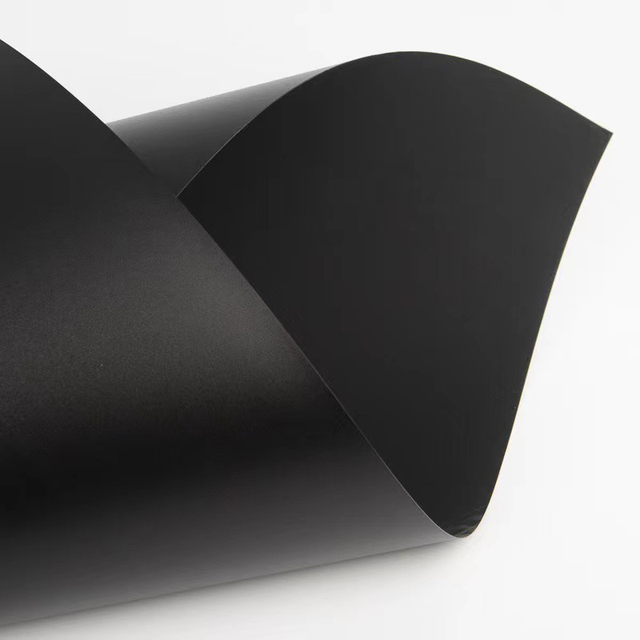
Colored Polypropylene Sheets for Printing, Packaging and Fabrication
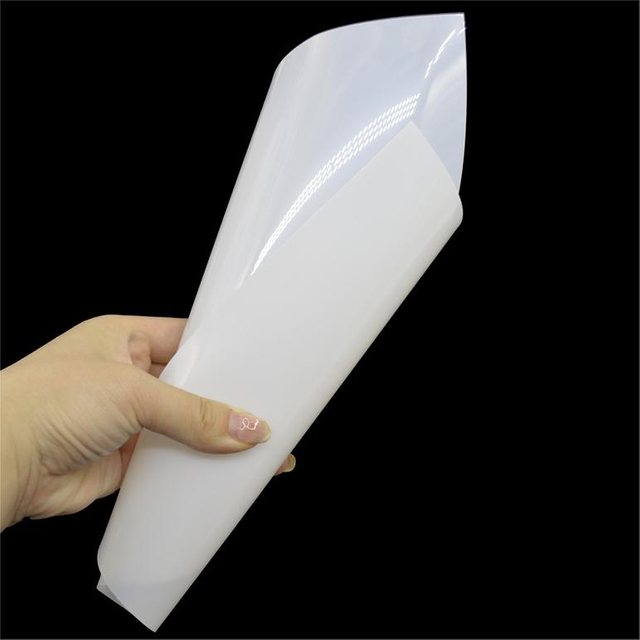
HSQY PLASTIC manufactures and supplies colored polypropylene sheets for printing, stationery, reusable packaging, folders, notebook covers, dividers, thermoforming, vacuum forming, signage, displays, protective liners and industrial fabrication.
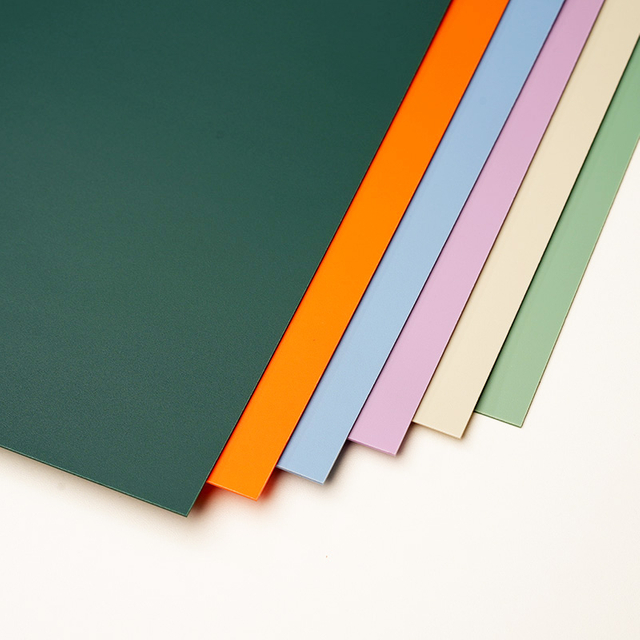
Our current colored PP sheet range includes white, black, grey, blue, red, yellow, green and project-specific custom colors. Color matching can be discussed using an approved physical sample, Pantone reference, RAL reference or other agreed color standard.
Featured sheet thicknesses include 0.5 mm, 1 mm, 2 mm and 3 mm, with a broader current production range of approximately 0.25–5 mm depending on color, width, surface, resin grade and application. Selected specifications can be produced up to approximately 1600 mm wide.
Smooth, glossy, matte, twill, sand, frosted and other textured surfaces can be evaluated. Depending on grade and thickness, the material can be cut, die-cut, scored, folded, punched, printed, welded, machined or thermoformed into finished products.
What Is a Colored Polypropylene Sheet?
A colored polypropylene sheet, also called a colored PP sheet, is a solid thermoplastic sheet made from polypropylene resin combined with pigments or masterbatch and, where required, functional additives.
Unlike a surface-painted panel, the color is normally incorporated into the PP material during production. This can provide a consistent colored cross-section and makes colored PP useful for products requiring branding, identification, decoration or color coding.
Colored PP sheet should not be confused with corrugated polypropylene board. HSQY's products in this category are primarily solid PP sheets or rolls without a hollow fluted core.
Colored PP Sheet Specifications
| Product | Colored Polypropylene Sheet / Colored PP Plastic Sheet |
| Material | Polypropylene / PP |
| Featured Thicknesses | 0.5 mm, 1 mm, 2 mm and 3 mm |
| Current General Range | Approximately 0.25–5 mm, subject to grade, color, width and production specification |
| Maximum Current Width | Up to approximately 1600 mm for selected specifications |
| Colors | White, black, grey, blue, red, yellow, green and custom colors |
| Color Matching | Physical sample, Pantone, RAL or other agreed color reference |
| Surface Options | Smooth, glossy, matte, twill, sand, frosted, patterned and custom texture |
| Supply Format | Flat sheet, cut sheet and selected rollstock specifications |
| Processing | Cutting, die cutting, scoring, folding, punching, printing, CNC machining, welding and thermoforming depending on grade and thickness |
| Printing Treatment | Corona treatment, flame treatment, primer or application-specific printable surface where required |
| Functional Options | UV-stabilized, antistatic, flame-retardant, impact-modified and other application-specific grades subject to confirmation |
| Applications | Printing, stationery, packaging, folders, dividers, displays, thermoforming, liners and industrial fabricated parts |
Available PP Sheet Colors
Standard or frequently requested colors include white, black, grey, blue, red, yellow and green. Other colors can be developed according to an approved sample or agreed color reference.
| Color | Typical Selection Direction |
| White PP Sheet | Printing, stationery, packaging inserts, folders and thermoformed products |
| Black PP Sheet | Displays, packaging, industrial liners, equipment covers and fabricated parts |
| Grey PP Sheet | Industrial fabrication, partitions, liners and equipment components |
| Blue PP Sheet | Color identification, folders, industrial parts and branded products |
| Red PP Sheet | Visual identification, displays, packaging and safety-color applications |
| Yellow PP Sheet | Identification, signage, packaging and selected insect-trap applications |
| Green PP Sheet | Color coding, stationery, packaging and custom fabricated products |
| Custom Color | OEM branding, corporate identity and application-specific color matching |
Custom Pantone and RAL Color Matching
For OEM projects, color should be treated as a measurable purchasing specification rather than simply described as "red," "blue" or "grey."
HSQY can discuss color development using a physical sample, Pantone reference, RAL reference or approved masterbatch specification.
Buyers should define the target color, acceptable tolerance, opacity, surface finish, viewing conditions and whether batch-to-batch color consistency is a critical acceptance requirement.
The same pigment can appear different on glossy, matte, frosted or textured surfaces, so color approval should ideally be completed using the final requested surface and thickness.
Opaque vs. Translucent Colored PP Sheet
Colored polypropylene does not need to be completely opaque. Depending on pigment loading, thickness and resin grade, PP sheets can be produced with different levels of opacity or translucency.
| Type | Main Characteristic | Typical Use |
| Opaque Colored PP | Designed to conceal objects or layers behind the sheet | Printing, packaging, industrial covers and branded parts |
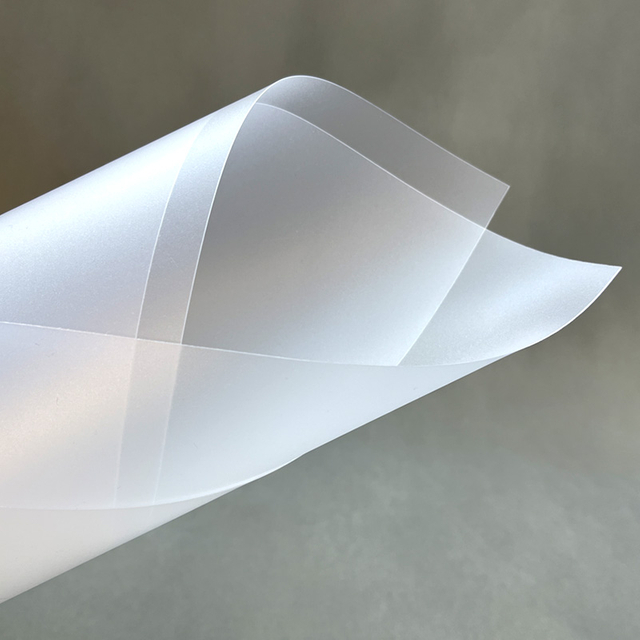
| Translucent Colored PP | Allows some light to pass while maintaining a colored appearance | Folders, notebook covers, decorative packaging and stationery |
| Frosted Colored PP | Diffused appearance with reduced direct visibility | Premium covers, folders, dividers and decorative products |
Smooth, Matte, Twill, Sand and Frosted Surfaces
| Surface | Characteristics | Typical Applications |
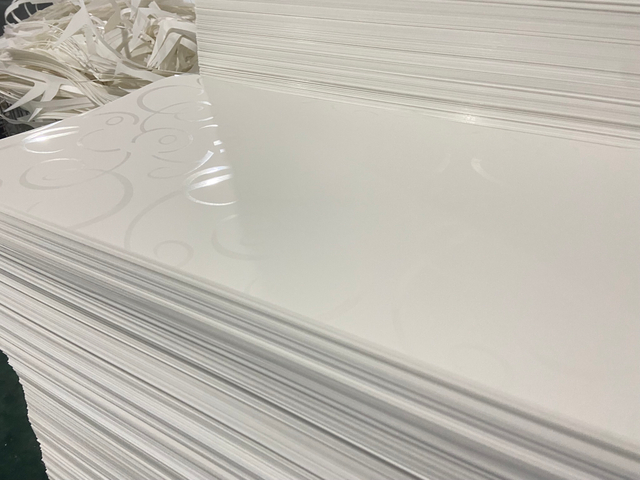
| Smooth / Glossy | Clean surface with stronger color brightness and reflection | Printing, packaging, signs and decorative covers |
| Matte | Lower glare and reduced surface reflection | Folders, printing substrates, industrial panels and reusable packaging |
| Twill | Fabric-like visual texture with tactile surface | Notebook covers, folders, dividers and stationery |
| Sand Texture | Fine-grained appearance that can reduce visible handling marks | Industrial covers, boxes, liners and fabricated components |
| Frosted | Soft diffused appearance | Decorative packaging, stationery and translucent products |
For applications where texture itself is the primary selection criterion, review our Textured PP Sheets.
0.5mm, 1mm, 2mm and 3mm Colored PP Sheets
| Thickness | General Characteristics | Typical Applications |
| 0.5 mm | Thin, lightweight and flexible; suitable for converting and folding | Notebook covers, folders, dividers, packaging liners and printing substrates |
| 1 mm | Greater shape retention while remaining relatively easy to cut and form | Reusable boxes, display components, packaging and protective liners |
| 2 mm | Semi-rigid material for larger parts and fabricated panels | Partitions, trays, equipment covers, signage substrates and fabricated panels |
| 3 mm | Higher rigidity for larger converted or fabricated components | Industrial dividers, protective panels, enclosures and reusable handling components |
These are general selection directions rather than structural design rules. Final thickness should consider panel dimensions, support, load, forming depth, bending radius, impact requirements and the selected PP formulation.
Colored PP Sheet for Printing
Thin colored PP sheets are widely used for screen printing, UV printing, offset printing, promotional graphics, packaging and stationery products.
Polypropylene naturally has relatively low surface energy, so reliable ink adhesion should not be assumed on untreated material.
Depending on the printing process, the sheet can be specified with corona treatment, flame treatment, primer or another application-specific surface treatment.
Printing buyers should provide the ink system, printing method, treated side and required dyne level where these parameters are part of the acceptance criteria.
Why Corona Treatment Matters for Printing
Corona treatment temporarily increases the surface energy of polypropylene so compatible inks, coatings and adhesives can wet the surface more effectively.
Treatment level can decline during storage, so critical printing projects should confirm production date, treatment side, dyne requirement and maximum storage period before printing.
Colored PP Sheets for Folders and Stationery
Colored polypropylene is particularly suitable for reusable stationery products because thin PP combines flexibility, moisture resistance, low weight and color customization.
Typical products include ring-binder covers, document folders, loose-leaf dividers, notebook covers, index sheets, file boxes and reusable organizers.
HSQY also supplies A4, A5 and A6 colored PP products for notebook and journal divider applications.
Colored PP Sheet for Packaging
Colored PP can be cut, folded or formed into reusable boxes, folding packages, protective liners, sleeves, separators and inserts.
Different colors can support brand identity, product differentiation, warehouse organization and visual coding.
Packaging specifications should define sheet thickness, stiffness, folding method, color, surface, product weight, printing process and service environment.
Colored PP Sheet for Thermoforming and Vacuum Forming
Suitable colored polypropylene grades can be thermoformed or vacuum formed into trays, inserts, protective components, display parts and industrial products.
Forming performance depends on PP grade, thickness, heating profile, sheet orientation, mold geometry, forming depth and cooling conditions.
Buyers should test color appearance, wall-thickness distribution, shrinkage, stiffness and surface texture after forming because the finished component may look different from the original flat sheet.
Yellow PP Sheet for Sticky Traps
HSQY currently supplies rigid yellow polypropylene sheet and rollstock for selected insect sticky-trap and pest-control board applications.
These applications require more than yellow color alone. Buyers should specify the target color shade, sheet or roll dimensions, stiffness, surface texture, adhesive-coating process and outdoor exposure requirements.
UV and weathering performance should be confirmed for the exact yellow PP formulation rather than assumed from the pigment color.
Black PP Sheet for Signage, Displays and Fabrication
Black polypropylene sheets can be used for printed displays, signage substrates, vacuum-formed parts, packaging, liners and industrial fabrication.
Matte, glossy and textured black surfaces can be selected according to the required appearance.
If printing is required, ink adhesion should be tested on the actual surface-treated production sheet before bulk approval.
Colored PP for Industrial Fabrication
Thicker colored PP sheets can be fabricated into machine covers, splash guards, partitions, liners, trays, separators, boxes and color-coded industrial components.
Processing methods can include cutting, drilling, CNC routing, punching and compatible PP welding.
Chemical applications should identify the exact chemical, concentration, temperature, exposure duration and applied mechanical stress before material approval.
PP Homopolymer vs. PP Copolymer Colored Sheet
Buyers should not select colored polypropylene only by thickness and color. The underlying resin grade also affects finished-product performance.
| Grade | General Selection Characteristic |
| PP Homopolymer | Generally selected where higher rigidity and dimensional stability at normal operating temperatures are priorities |
| PP Copolymer | Can be considered where improved impact performance or lower-temperature toughness is important |
| Functional-Modified PP | Selected when UV, antistatic, flame-retardant, impact or other defined performance is required |
Colored PP Sheet vs. Clear PP Sheet
| Feature | Colored PP | Clear / High-Clarity PP |
| Primary Goal | Color, branding, identification and visual differentiation | Product visibility and light transmission |
| Appearance | Opaque, translucent or custom colored | Natural clear to high-clarity appearance |
| Typical Applications | Folders, packaging, displays, industrial parts and color-coded products | Transparent packaging, displays and visibility-focused products |
For visibility-focused applications, review our Clear Polypropylene Sheets.
Colored PP Sheet vs. HDPE Sheet
| Selection Factor | PP Sheet | HDPE Sheet |
| Rigidity | Generally selected where greater stiffness is useful | Generally more flexible |
| Low-Temperature Impact | Strongly dependent on PP grade | Often considered for demanding low-temperature impact environments |
| Thermal Requirement | PP can be considered when a higher service-temperature requirement favors the selected grade | Actual service limit depends on HDPE grade and loading |
| Material Selection | Choose according to stiffness, heat, chemical and fabrication requirements | Choose according to toughness, abrasion, low-temperature and application requirements |
Indoor vs. Outdoor Colored PP Sheet
Standard colored polypropylene should not automatically be treated as a permanent outdoor material.
Long-term ultraviolet exposure can result in color change, fading, surface deterioration or reduced mechanical performance depending on pigment, stabilizer package, thickness and exposure conditions.
Outdoor projects should specify a suitable UV-stabilized PP grade, target color, exposure environment, expected service period and any required weathering test.
Do not assume that black, yellow or another particular pigment automatically guarantees outdoor durability.
Chemical Resistance of Colored Polypropylene
Polypropylene generally provides useful resistance to many diluted acids, alkalis and aqueous chemical solutions.
Chemical compatibility should still be evaluated using the exact chemical, concentration, temperature, contact time and mechanical stress.
Pigments, fillers and functional additives can also influence final material performance, so chemical-service projects should be validated using the exact production grade.
Food-Contact Colored PP Sheets
Selected colored polypropylene formulations can be evaluated for food-contact applications, but not every colored PP sheet should automatically be described as food-contact compliant.
The base resin, pigment, masterbatch and other additives must all be appropriate for the intended food-contact requirement.
Buyers should provide the destination market, required regulation, food type, contact duration and service temperature so available documentation can be confirmed for the exact grade.
Antistatic, Flame-Retardant and Functional Colored PP
Color and functional performance can sometimes be combined, but functional grades should be selected according to measurable technical requirements.
Antistatic PP: specify target surface resistance, test method and whether performance is required after forming.
Flame-Retardant PP: specify the required fire-test method, rating and sheet thickness.
UV-Stabilized PP: specify exposure conditions, required color stability and expected outdoor use.
Impact-Modified PP: define impact and service-temperature requirements.
Printable PP: specify printing process, surface treatment and adhesion requirements.
Dedicated functional products can also be reviewed in our Antistatic PP Sheet and Flame Retardant PP Sheet categories.
Cutting, Folding, Machining and Welding Colored PP
Processing methods depend on sheet thickness, PP grade, surface and finished-product geometry.
Knife and guillotine cutting for thin sheets.
Die cutting and punching for packaging and stationery conversion.
Scoring, creasing and folding for folders, boxes and dividers.
CNC routing and drilling for thicker fabricated panels.
Thermoforming for suitable grades and thicknesses.
Hot-air or extrusion welding for compatible thicker polypropylene constructions.
Can Colored PP Sheet Be Bonded with Adhesive?
Polypropylene has low surface energy, so conventional adhesives may not bond reliably without suitable surface preparation or a PP-compatible adhesive system.
Corona treatment, flame treatment, plasma treatment, primer or specialized adhesive technology may be required depending on the application.
Bond strength should be tested using the actual sheet surface, adhesive, temperature and service environment.
How to Choose the Right Colored PP Sheet
1. Define the Application
Specify printing, stationery, packaging, thermoforming, signage, industrial fabrication, sticky traps or another final use.
2. Select the PP Grade
Confirm whether standard PP homopolymer, PP copolymer or a functional-modified grade is required.
3. Select the Color
Specify white, black, grey, blue, red, yellow, green or custom color.
4. Provide a Color Reference
For custom colors, provide a physical sample, Pantone code, RAL code or approved color target.
5. Define Opacity
State whether the finished sheet should be opaque, translucent or partially light transmitting.
6. Select Sheet Thickness
Featured HSQY gauges include 0.5, 1, 2 and 3 mm, with approximately 0.25–5 mm available for suitable specifications.
7. Select Surface Texture
Specify smooth, glossy, matte, twill, sand, frosted or another required texture.
8. Define Printing Requirements
Provide printing method, ink, treated side and dyne-level requirement where applicable.
9. Define Forming or Fabrication
Specify cutting, folding, die cutting, thermoforming, CNC machining, drilling or welding.
10. Confirm Indoor or Outdoor Use
Outdoor applications should identify UV exposure and color-stability requirements.
11. Confirm Functional Requirements
Identify antistatic, flame-retardant, impact-modified, heat-resistant or other special requirements.
12. Approve a Production Sample
Confirm color, opacity, surface, thickness, printing and processing performance before a large customized production order.
Custom Colored PP Sheet Manufacturing
HSQY supports custom colored polypropylene projects for printers, stationery manufacturers, packaging converters, thermoformers, distributors and industrial fabricators.
Custom options can include:
Custom PP grade
Custom thickness
Custom width and cut size
Sheet or selected roll format
White, black, grey, blue, red, yellow and green
Pantone or RAL color matching
Physical-sample color matching
Custom opacity
Smooth and glossy surfaces
Matte surface
Twill texture
Sand texture
Frosted surface
Corona-treated printable sheet
Thermoforming grades
UV-stabilized grades
Antistatic grades
Flame-retardant grades
Impact-modified grades
Cutting, punching and die cutting
Custom export packaging
Quality Control for Colored PP Sheets
Important quality-control and sample-approval parameters can include:
Thickness and thickness tolerance
Sheet width and length
Color against approved reference
Color consistency across the sheet
Batch-to-batch color consistency
Opacity or translucency
Surface texture
Surface gloss or matte appearance
Sheet flatness
Visual defects and contamination
Corona treatment where required
Ink adhesion where specified
Folding and scoring performance
Thermoforming performance
Functional properties where specified
Packing and pallet condition
Packing and International Shipping
Colored PP sheets can be supplied with packaging selected according to thickness, surface, sheet dimensions and transportation requirements.
PE film, kraft paper, cartons, protective wrapping and palletized export packing can be discussed according to the confirmed order specification.
For scratch-sensitive glossy surfaces or printed applications, protective-film requirements should be specified before production.
Why Choose HSQY as Your Colored PP Sheet Manufacturer?
Multiple Standard Colors: White, black, grey, blue, red, yellow and green materials are available within the current product family.
Custom Color Matching: Pantone, RAL, physical samples and other agreed references can be evaluated for OEM projects.
0.25–5 mm Current General Range: Featured products include 0.5, 1, 2 and 3 mm sheets for printing, packaging and fabrication.
Widths up to Approximately 1600 mm: Custom width and cut-size requirements can be discussed for suitable specifications.
Multiple Surface Options: Smooth, glossy, matte, twill, sand, frosted and other textures support different visual and processing requirements.
Printing and Converting: Corona treatment, cutting, die cutting, punching, scoring, folding and printing requirements can be incorporated into the product specification.
Thermoforming and Fabrication: Suitable grades can be evaluated for thermoforming, CNC processing and polypropylene welding.
Functional Grade Options: UV-stabilized, antistatic, flame-retardant and impact-modified formulations can be discussed when measurable project requirements are provided.
Broader PP Sheet Portfolio: HSQY also supplies PP Sheets, Clear Polypropylene Sheets, Textured PP Sheets and specialized functional PP products.
Information Needed for a Colored PP Sheet Quote
| Application | Printing, packaging, stationery, thermoforming, signage, industrial fabrication or other application |
| PP Grade | Homopolymer, copolymer, functional grade or recommendation required |
| Thickness | Required thickness and tolerance |
| Dimensions | Sheet width × length, roll width or cut-piece dimensions |
| Color | Standard color or custom color |
| Color Reference | Physical sample, Pantone, RAL or other approved reference |
| Opacity | Opaque, translucent or target opacity requirement |
| Surface | Smooth, glossy, matte, twill, sand, frosted or custom |
| Printing | Printing method, ink system, treated side and target dyne level where applicable |
| Processing | Cutting, die cutting, folding, punching, thermoforming, CNC machining or welding |
| Service Environment | Indoor or outdoor use, operating temperature and chemical exposure |
| Functional Requirement | UV, antistatic, flame retardancy, impact or other required property |
| Regulatory Requirement | Food-contact, RoHS, REACH or other exact requirement where applicable |
| Quantity | Trial quantity, regular order quantity and estimated annual demand |
| Destination | Destination country and port |
Colored Polypropylene Sheet FAQ
What is a colored polypropylene sheet?
A colored polypropylene sheet is a solid PP plastic sheet manufactured with pigment or color masterbatch incorporated into the material. It can be supplied in different colors, thicknesses and surface textures.
What colors of PP sheet does HSQY supply?
Current products include white, black, grey, blue, red, yellow and green polypropylene. Other project-specific colors can be discussed.
Can HSQY match a Pantone color?
Pantone references can be used as a starting point for color development. Final color tolerance should be approved using a production sample.
Can HSQY match a RAL color?
RAL references can also be evaluated for suitable projects. A physical sample is useful when very close visual matching is required.
Can you match my existing PP sheet sample?
Yes. An existing sample can be evaluated for color, opacity, surface texture, thickness and application requirements.
What thicknesses of colored PP sheet are available?
Featured HSQY thicknesses are 0.5, 1, 2 and 3 mm. The current broader range is approximately 0.25–5 mm depending on color, grade, width and order specification.
What is the maximum width of HSQY colored PP sheet?
Current updated HSQY products list widths up to approximately 1600 mm for selected specifications. Confirm the available width for your exact thickness and color before ordering.
Can colored PP sheet be translucent?
Yes. Colored PP can be produced with different opacity levels depending on pigment loading, thickness, resin and surface. Specify whether opaque or translucent appearance is required.
Can colored PP sheet have a matte or frosted surface?
Yes. HSQY currently offers smooth, glossy, matte, twill, sand, frosted and other project-specific surface textures.
Can colored polypropylene be printed?
Yes. Suitable colored PP can be printed, but polypropylene has low surface energy. Corona, flame, primer or another treatment may be required for reliable ink adhesion.
Can you corona treat PP sheets?
Corona-treated products can be discussed for printing and bonding applications. Specify required treated side, printing method and target dyne level where applicable.
Can colored PP sheet be folded?
Suitable thin PP sheets can be scored, creased and folded for folders, notebook covers, boxes and reusable packaging. Final fold performance depends on grade, thickness and fold geometry.
Can colored PP sheet be die cut?
Yes. Thin PP sheets can be die cut and punched for stationery, packaging, labels, dividers and other converted products.
Can colored polypropylene be thermoformed?
Yes. Suitable PP grades can be thermoformed or vacuum formed. Buyers should test forming behavior, wall thickness, color and surface appearance using the actual mold.
Can colored PP be CNC machined?
Suitable thicker sheets can be drilled, routed and CNC machined using appropriate polypropylene-processing parameters.
Can colored polypropylene sheets be welded?
Compatible PP sheets can be joined using appropriate polypropylene welding methods. Resin compatibility and welding conditions should be confirmed.
Is colored PP sheet UV resistant?
Standard colored PP should not automatically be considered permanently UV resistant. UV-stabilized formulations can be evaluated for outdoor applications.
Does black PP automatically have better UV resistance?
Not automatically. Outdoor durability depends on pigment type, loading, UV stabilizers, resin, thickness and exposure conditions. Confirm the actual grade rather than relying on color alone.
Will colored PP sheet fade outdoors?
Color change can occur during prolonged UV exposure. Outdoor projects should define color-retention expectations and use an appropriate stabilized formulation.
Is colored PP suitable for food contact?
Selected grades can be evaluated for food contact, but compliance must be confirmed for the exact resin, pigment, additives and destination-market requirement.
Is colored PP sheet chemical resistant?
Polypropylene provides useful resistance to many common chemicals, but compatibility depends on chemical type, concentration, temperature and exposure duration.
Can colored PP be antistatic?
Antistatic formulations can be evaluated. Specify the required surface-resistance range and test method before material development.
Can colored PP sheet be flame retardant?
Flame-retardant colored PP can be discussed for suitable projects, but the exact formulation, sheet thickness, test method and required rating must be confirmed.
Is colored PP sheet recyclable?
Polypropylene is identified under resin code #5 and can be recycled where suitable collection and processing infrastructure exists. Actual recyclability of a finished product depends on pigments, additives, coatings, adhesives and local recycling systems.
Can HSQY supply yellow PP rollstock?
HSQY currently offers yellow polypropylene sheet and roll products for selected sticky-trap and converting applications. Final width, thickness, surface and color should be confirmed for the project.
Can I request colored PP samples?
Available samples can be discussed for evaluating color, opacity, texture, thickness, printing, folding and thermoforming performance before commercial production.
What information should I send for a colored PP quotation?
Provide application, PP grade if known, thickness, sheet or roll dimensions, color reference, opacity, surface texture, printing or forming process, functional requirements, quantity and destination.
Request a Custom Colored PP Sheet Quote
Looking for a reliable colored polypropylene sheet manufacturer, colored PP sheet supplier or customized polypropylene material for printing, packaging, stationery, thermoforming or industrial fabrication?
Send HSQY your target color or physical sample together with thickness, dimensions, surface, opacity, processing method and estimated quantity. For printing projects, include surface-treatment requirements. For outdoor or functional applications, include the required UV, electrical, flame or regulatory specification so an appropriate PP grade can be evaluated.