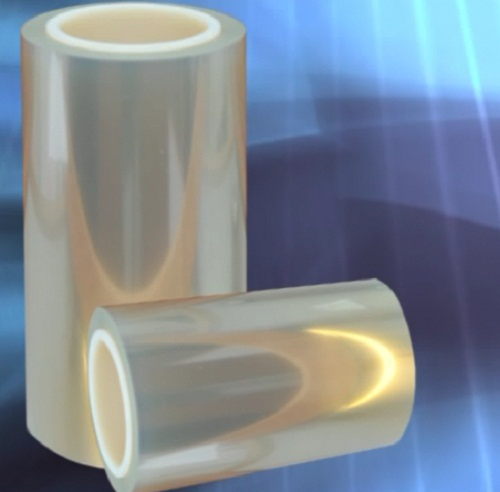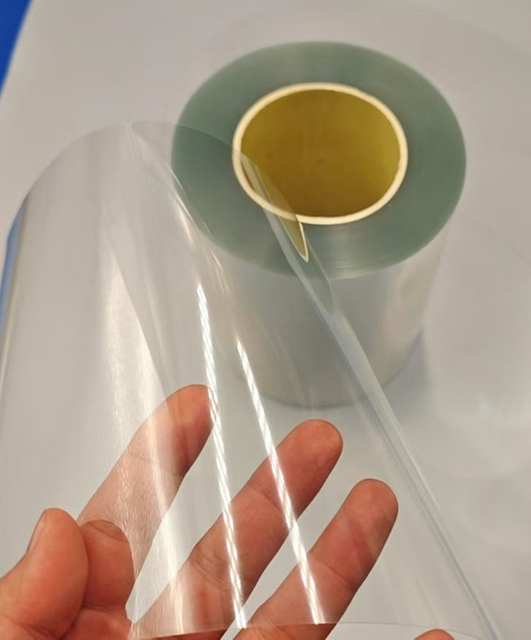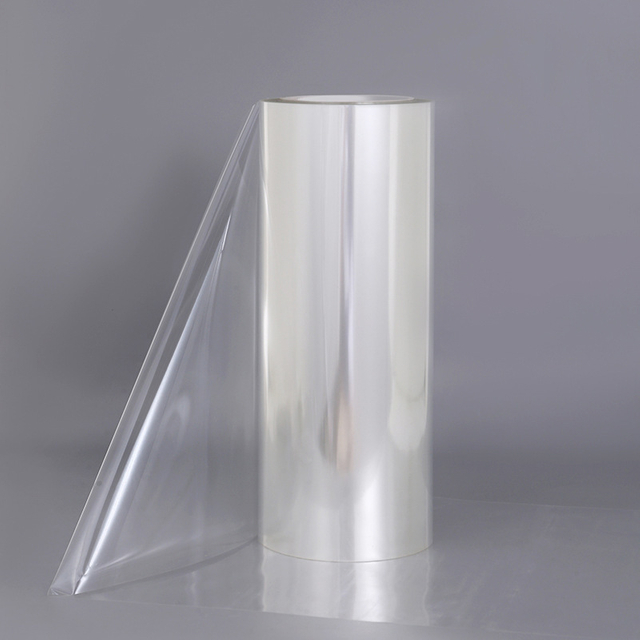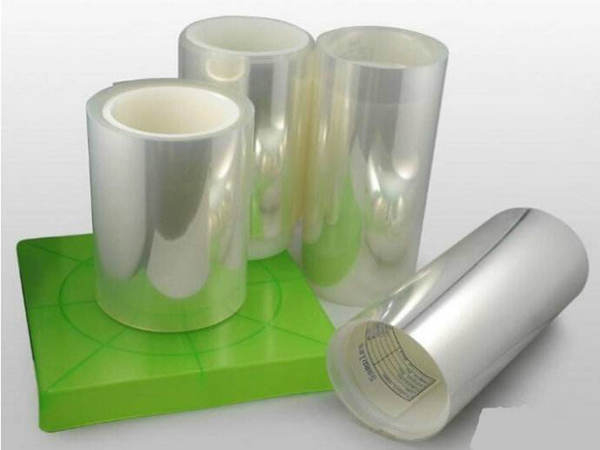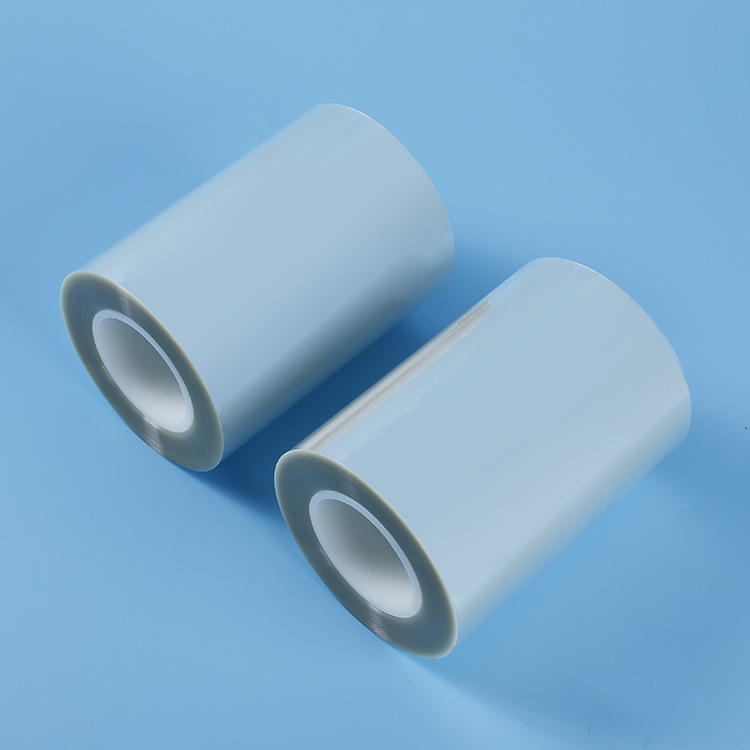
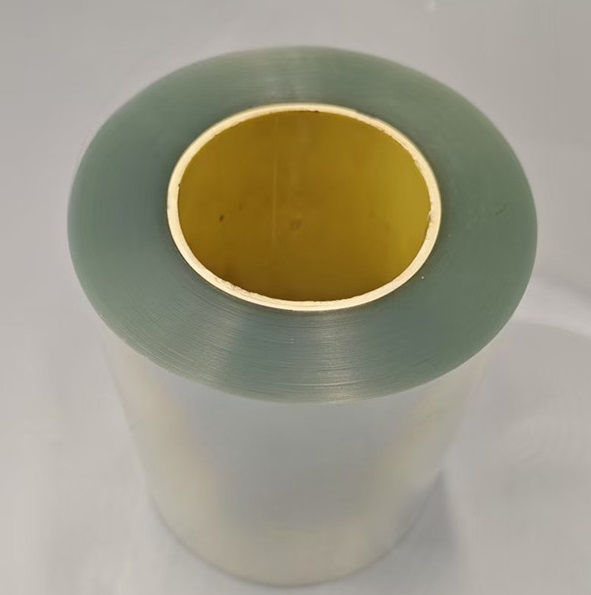
Clear BOPET film
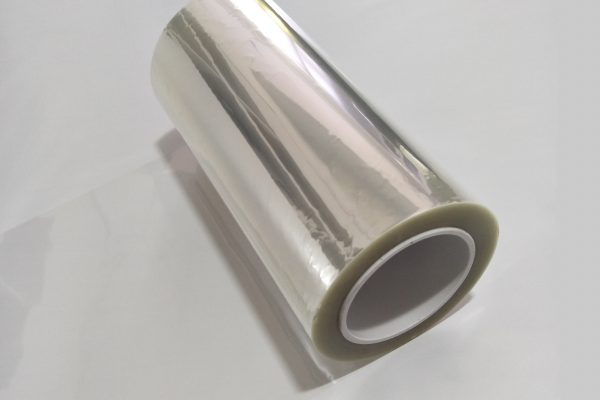
Transparent film for printing, lamination and packaging.
12–75 μm View clear filmHSQY Plastic · Film solutions for B2B buyers
The right polyester film for your production process. Explore clear, metallized and specialty grades for packaging, printing, lamination and industrial converting.
Full rolls or slit rolls. Custom specifications. Free samples available.
Buying for a converting line, a packaging project or an industrial application? Match the film grade to your process, then confirm thickness, surface treatment and roll specifications.
Get help selecting a grade| Your application | Grades to consider | What to specify |
|---|---|---|
| Printing & lamination | Clear, printed or matte BOPET | Ink, adhesive, treated side and finish |
| Barrier packaging | Metallized PET / VMPET | OTR, WVTR and complete laminate structure |
| Sealing applications | Heat-sealable polyester film | Sealing substrate, temperature and strength |
| Electronics & electrical | Anti-static or capacitor film | Electrical requirements and test conditions |
| Transfer & carrier uses | Heat-transfer or release film | Coating system, release and heat stability |
Ten product options. Select by application, then review the individual film specification.
Transparent film for printing, lamination and packaging.
12–75 μm View clear filmFor electronics packaging and static-sensitive converting.
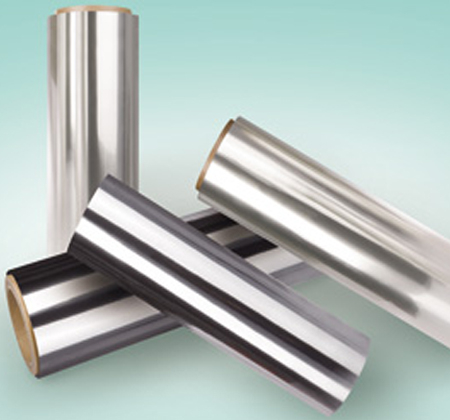
12–75 μm View anti-static filmReflective VMPET for barrier packaging and lamination.
12–36 μm View metallized filmDiscuss your artwork, printing process and final structure.
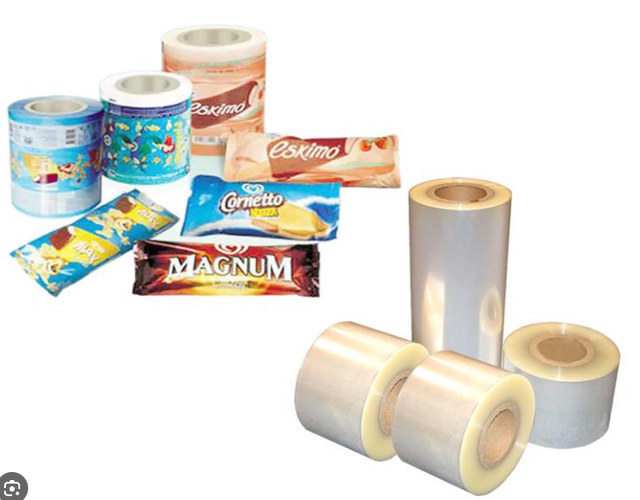
Custom printing requirements View printed filmPolyester substrate for flexible packaging structures.
Application-specific selection View packaging filmA matte surface option for printing and converting.
Specify haze and finish View matte filmCarrier-film selection for transfer applications.
Specify process conditions View transfer filmDiscuss dielectric and electrical requirements.
Grade-specific qualification View capacitor filmMatch the sealing surface to your substrate and line.
Specify sealing requirements View heat-sealable filmExplore base-film options for industrial converting.
Custom roll specifications View polyester filmNeed a release, diffusion, colored or other specialty film? Tell us the function and processing conditions you need.
Discuss a custom filmBOPET is biaxially oriented polyethylene terephthalate film: a polyester film stretched in both the machine direction and the transverse direction.
This orientation gives the film a useful combination of tensile strength, rigidity, dimensional stability, clarity and electrical insulation properties. It is widely used as a printing, carrier or functional layer in packaging and industrial structures.
BOPET resists many oils and chemicals and has low water absorption. Strong alkalis can attack PET; validate compatibility with the actual chemical and operating conditions.
Confirm the selected grade and roll configuration before approving a production order.
| Specification | HSQY supply information |
|---|---|
| Material | Biaxially oriented polyethylene terephthalate / BOPET |
| Portfolio thickness | 7–400 μm across the category; availability depends on the film grade |
| Clear BOPET film | 12–75 μm; clear, natural, hazy and colored options |
| Anti-static BOPET film | 12–75 μm; specify electrical performance and treatment side |
| Metallized PET film | 12–36 μm; silver, golden and grade-dependent custom finishes |
| Width & supply form | Custom widths; full rolls or slit rolls. State the width tolerance. |
| Surface & treatment | Untreated, print-treated, slip-treated and specialty options by grade |
| Roll configuration | Specify core ID, maximum outside diameter, roll length or weight and winding direction |
| Minimum order | 1,000 kg listed for clear, anti-static and metallized products; confirm other grades and custom orders |
| Samples & documents | Free samples available. Request technical and application-specific documents for the exact grade. |
Standard BOPET is usually a printing or lamination layer. For direct heat sealing, specify a heat-sealable grade or a suitable laminate. For barrier packaging, define OTR and WVTR with test conditions for the finished structure.
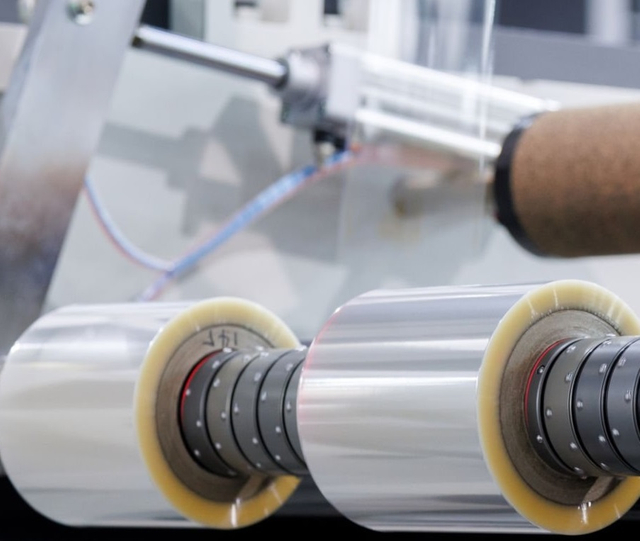
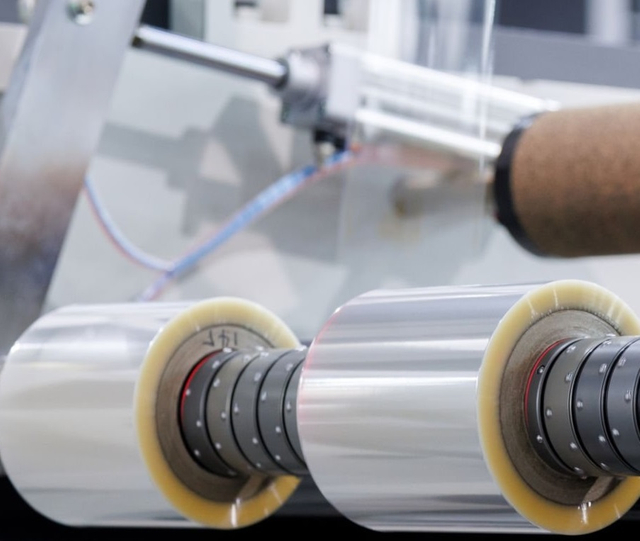
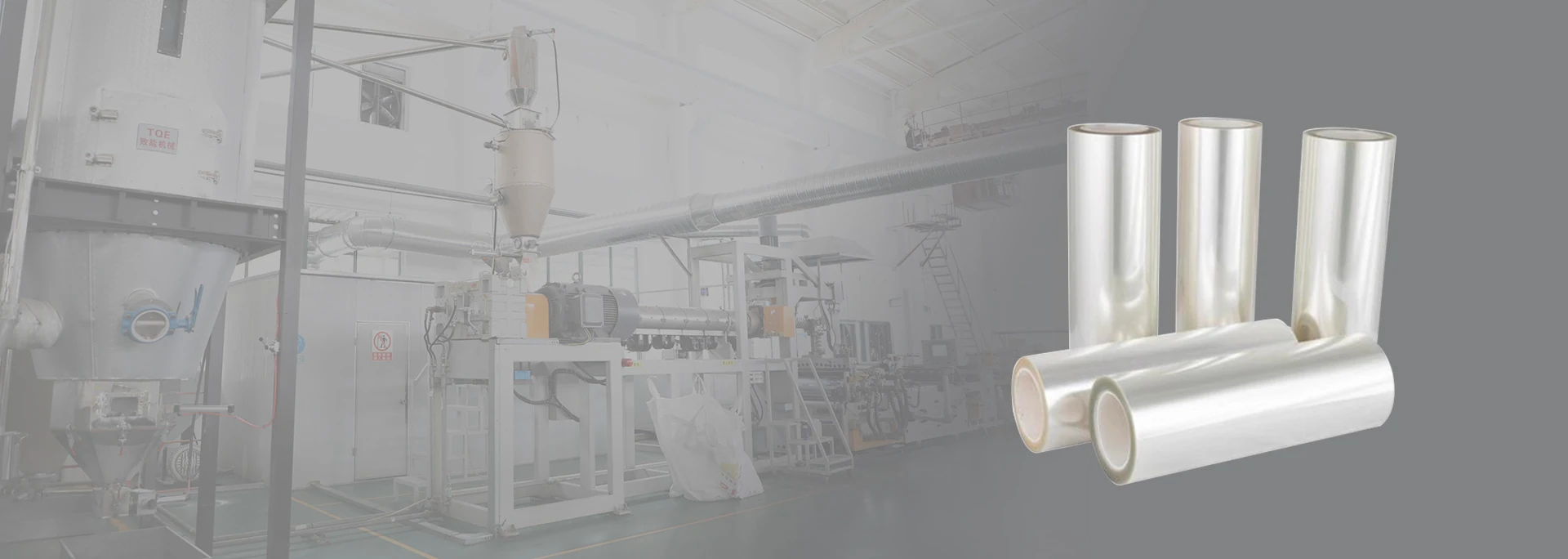
BOPET production combines drying, melting, extrusion and biaxial stretching of polyester chips. The flat-film stretching process supports the mechanical, optical and dimensional properties required for downstream converting.
Alongside the listed product grades, HSQY offers silicone release film, base film, black and blue polyester film, diffusion film, matte film, flame-retardant white film and translucent film options. Discuss the exact grade for your application.
Reference production lead times by order volume.
Timing varies with grade, treatment, roll configuration, order volume and production scheduling. Confirm the production schedule and shipping time with your quotation.
Check the schedule for your orderPractical answers for sourcing, converting and application selection.
Talk to the HSQY teamBOPET film is used in packaging, printing, lamination, electrical insulation, protective and release films, transfer materials and selected optical or solar applications. The appropriate film depends on its coating, surface treatment, thickness and required end-use performance.
HSQY lists a broad category thickness range of 7–400 μm, with availability depending on the grade. Clear and anti-static BOPET products are listed at 12–75 μm; metallized PET is listed at 12–36 μm. Custom roll and slit widths are available. Send the required thickness, width and tolerance for confirmation.
The listed MOQ for HSQY clear, anti-static and metallized polyester film is 1,000 kg. Confirm the MOQ for other grades and customized specifications. Free samples are available; discuss the sample grade, dimensions, quantity and delivery arrangements with HSQY before evaluation.
Standard BOPET is generally a printing, base or lamination film rather than a direct heat-sealing layer. HSQY lists a heat-sealable polyester film option. Specify the sealing substrate, temperature range, dwell time and required seal strength so that the appropriate film or laminate can be selected.
Clear BOPET provides transparency and a stable substrate for printing and lamination. Metallized PET, also called VMPET, adds a thin vacuum-deposited metal layer for a reflective appearance and improved gas, moisture, light and aroma barrier compared with ordinary uncoated PET. Confirm OTR, WVTR and metal adhesion for the selected grade and final laminate.
Yes. Suitable BOPET grades can be printed, coated or laminated. Untreated, print-treated, slip-treated and specialty surface options are available by grade. Provide the printing method, ink or adhesive system, required treated side and downstream process so that surface compatibility can be confirmed.
Biaxial orientation gives polyester film a useful combination of mechanical strength, stiffness, dimensional stability, optical quality and electrical insulation properties. BOPET also offers resistance to many oils and chemicals. Coatings and functional treatments adapt these properties for packaging, printing and industrial applications.
BOPET combines tensile strength, toughness and dimensional stability with a surface suitable for selected printing and lamination processes. Actual clarity, shrinkage, barrier, electrical and thermal performance depend on the grade. Use the selected grade data sheet and evaluate the film under your production conditions; the reference 12 μm values do not describe every film.
Major application areas include flexible packaging for food and other products, printing and labels, electronic components, electrical insulation, card protection, image and hot-stamping films, optical films and selected solar-energy structures. Specialized applications require the corresponding functional grade and application-specific qualification.
BOPET film prices respond to PET raw-material costs, film thickness, surface treatment, custom processing and order volume. Market profitability changes with these costs and the application being served. Request a current quotation for the required grade and quantity rather than assuming a fixed market price or profit margin.
For anti-static film, state the required surface resistance or resistivity, static-decay requirements, treatment side and test environment. For electrical or capacitor applications, supply the dielectric, thermal and mechanical requirements. An anti-static grade should not automatically be treated as a conductive, shielding or capacitor-qualified film.
BOPET is used in food-packaging structures, but suitability must be confirmed for the exact film grade, coating, contact side, food type, conditions of use and destination market. Include the required food-contact documentation in your inquiry so HSQY can confirm the appropriate grade and supporting records.
Provide the application and converting process, thickness, width, finish, surface treatment, core ID, roll diameter or weight, winding direction, order quantity and destination. Add any required barrier, electrical, thermal or regulatory specifications and your target delivery schedule. A sample or existing technical specification can help define the requirement.
Send your specification or tell us what you are making. Our team can help identify a suitable film, discuss samples and prepare a quotation and production schedule.