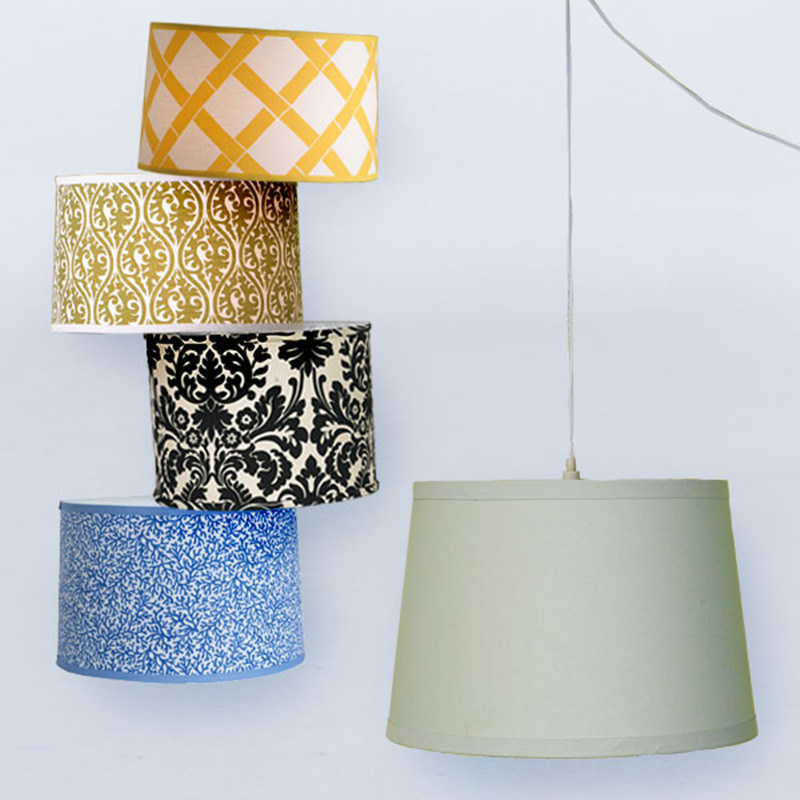
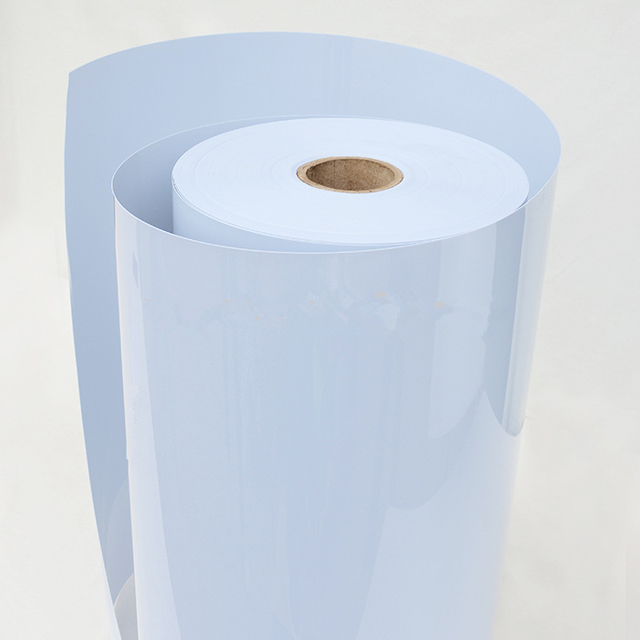
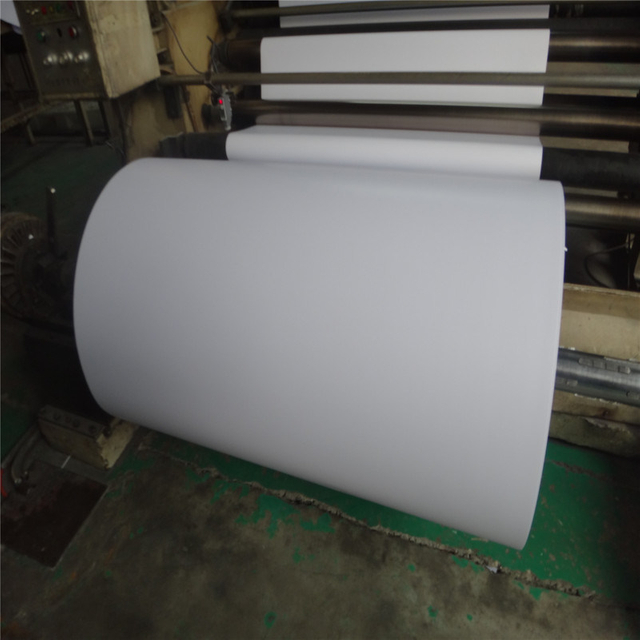
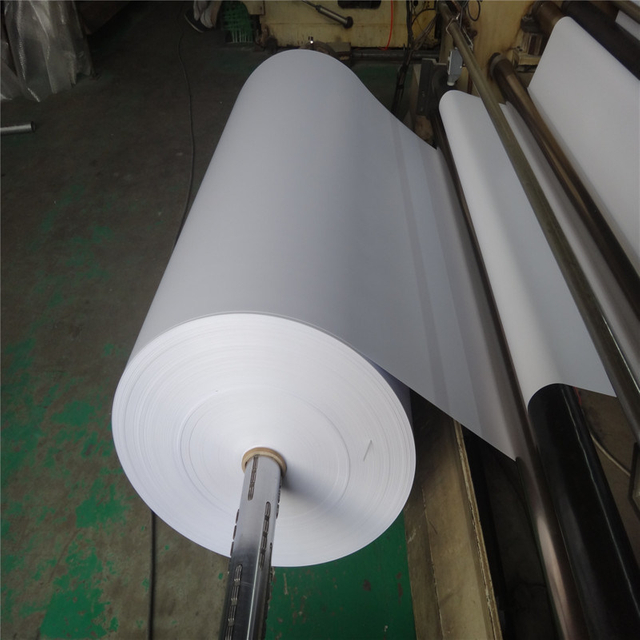
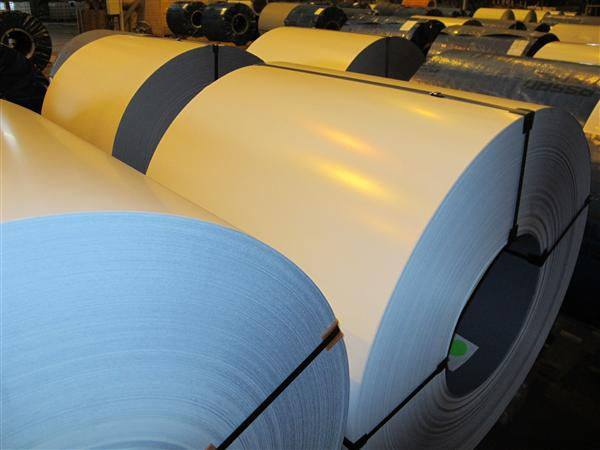
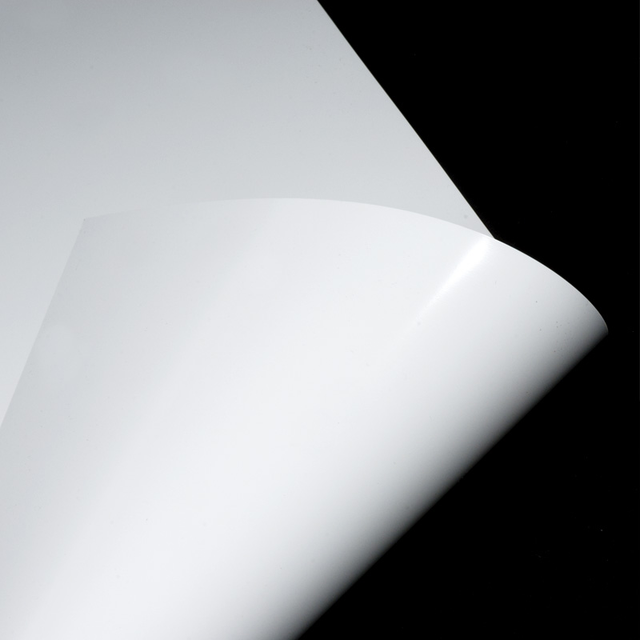
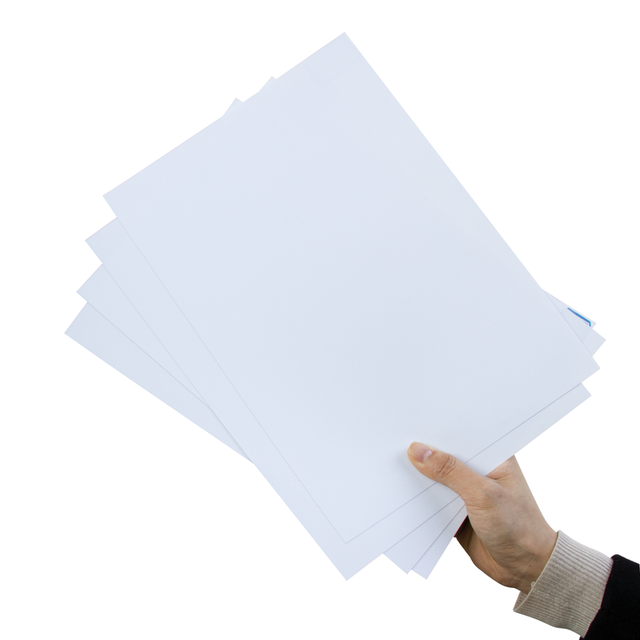
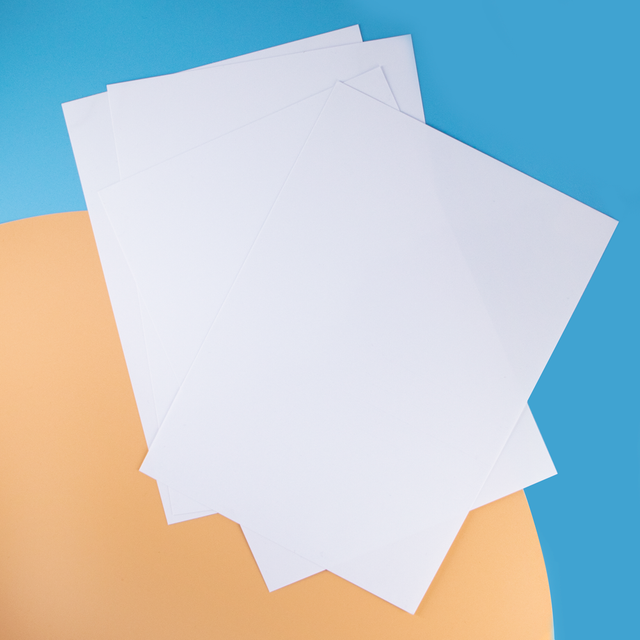
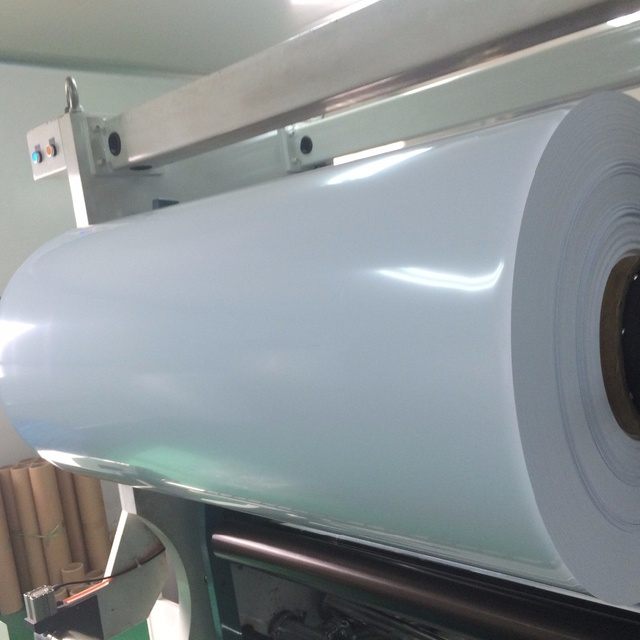
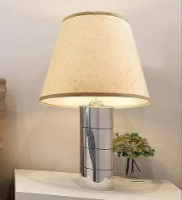
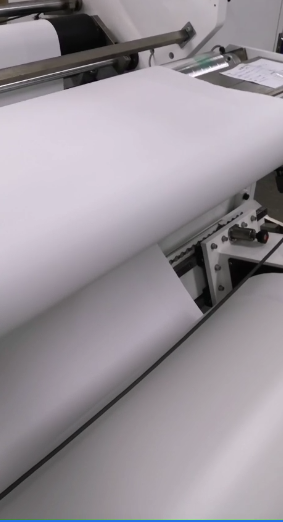
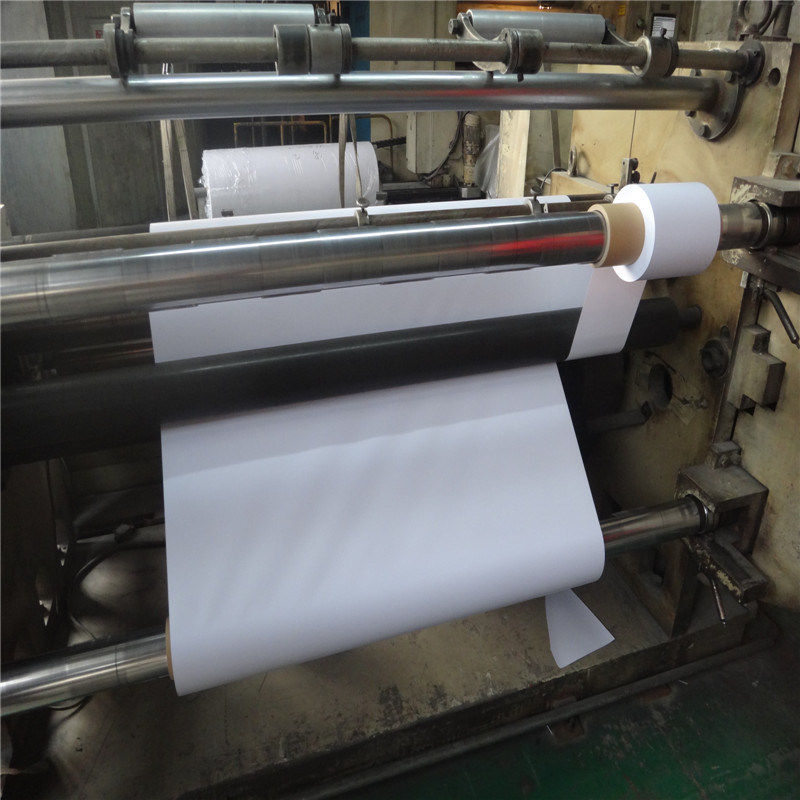
HSQY supplies PVC lampshade sheets for table lamps, floor lamps, pendant lights, wall lamps, hotel lighting and custom decorative fixtures. Available options include milk white, translucent, matte, glossy, embossed and self-adhesive PVC lampshade materials in sheet or roll form.
For lighting manufacturers, the correct material must provide more than basic rigidity. It should balance light diffusion, glare control, flexibility, surface appearance, printability, bonding performance and processing stability. HSQY can recommend a suitable grade based on your lampshade structure, light source, target appearance and production method.
Quick answer: PVC lampshade sheet is a rigid or semi-rigid PVC material used as the structural and light-diffusing layer of a lampshade. It can be supplied in white, milk white, translucent or custom colors, with matte, glossy, textured or adhesive-backed surfaces for different lighting designs.
Different lampshade designs require different optical effects, stiffness levels and converting methods. The following product options help buyers select the most suitable PVC sheet for lampshade manufacturing.
| PVC Lampshade Sheet Type | Main Characteristics | Typical Applications |
|---|---|---|
| Milk White PVC Lampshade Sheet | Softens direct light, reduces visibility of the bulb and creates a balanced white appearance. | Table lamps, floor lamps, pendant lamps and hotel lighting. |
| Matte PVC Lampshade Sheet | Low-glare surface with a clean decorative finish and good suitability for printing or lamination. | Modern lampshades, fabric-covered shades and commercial decorative lighting. |
| Self-Adhesive PVC Lampshade Sheet | Adhesive backing supports efficient bonding with fabric, wallpaper or other decorative coverings. | Hard-backed lampshades, fabric lampshades and high-volume assembly. |
| Transparent or Translucent PVC Film | Allows controlled light transmission and can be combined with printed or decorative outer layers. | Decorative light covers, layered lampshades and custom lighting panels. |
| Embossed or Textured PVC Sheet | Adds visual texture, improves decorative depth and helps modify the visible light pattern. | Designer lamps, hospitality lighting and branded interior projects. |
Browse the products above to compare self-adhesive, matte, milk white and custom PVC lampshade sheet options. For broader material requirements, visit our PVC sheet, self-adhesive PVC sheet and embossed PVC film categories.
The table below summarizes common purchasing parameters. Final values should be confirmed against the selected product grade, optical requirement and processing method.
| Item | Typical Options |
|---|---|
| Material | Rigid or semi-rigid polyvinyl chloride (PVC) |
| Common Thickness | 0.30 mm–0.50 mm; other thicknesses available for specific projects |
| Width | Commonly 1300 mm–1500 mm or customized |
| Standard Sheet Sizes | 700 × 1000 mm, 915 × 1830 mm, 1220 × 2440 mm or customized |
| Supply Format | Sheets or rolls |
| Density | Approximately 1.36–1.42 g/cm³, depending on formulation |
| Colors | Milk white, white, transparent, translucent, colored or custom matched |
| Surface | Matte, glossy, satin, frosted, smooth or embossed |
| Functional Options | Self-adhesive backing, anti-UV, anti-static, anti-yellowing and flame-retardant formulations on request |
| Processing | Cutting, die cutting, stamping, folding, bonding, welding, printing and lamination |
Important: Thickness alone does not determine lampshade performance. Buyers should also evaluate stiffness, light transmission, haze, surface color, adhesive strength, heat exposure and compatibility with the selected fabric or decorative layer.
A standard clear PVC sheet allows direct visibility through the material. A lampshade-grade PVC sheet is selected or formulated to diffuse light, soften the visible bulb image and reduce glare. The final lighting effect depends on the sheet color, opacity, surface texture, thickness, outer fabric and distance from the light source.
Light transmission describes how much light passes through the sheet. A more transparent grade produces higher brightness, while a milk white or more opaque grade creates a softer visual effect and better concealment of the bulb.
Diffusion spreads light across the surface instead of allowing a concentrated bright point. Matte, frosted, textured and milk white surfaces are commonly selected when uniform illumination and glare reduction are priorities.
The same PVC lampshade material can look different under warm white, neutral white and cool white LEDs. Sample testing with the actual bulb, fabric and lampshade structure is therefore recommended before mass production.
Consistent structural support: Helps the lampshade retain drum, cone, cylinder and custom shapes.
Controlled light diffusion: Softens direct light and supports a more even illuminated appearance.
Efficient fabrication: Suitable for cutting, die cutting, folding, bonding, welding and lamination.
Decorative flexibility: Available in multiple colors, opacity levels, textures and surface finishes.
Printing compatibility: Selected grades can support screen printing, UV printing or decorative lamination.
Bulk production value: Provides a practical balance of appearance, processability and cost for commercial lighting production.
Self-adhesive lampshade PVC sheet has a pressure-sensitive adhesive layer protected by a release liner. The decorative fabric, wallpaper or printed covering can be applied directly to the adhesive surface, reducing separate glue application and supporting repeatable production.
When specifying an adhesive-backed grade, provide the fabric type, fabric weight, surface treatment, operating temperature, expected service environment and required bond strength. Adhesion should be verified with the actual covering material before confirming a bulk order.
PVC lampshade sheets can be converted into decorative components through multiple production methods. The correct surface treatment should be selected according to the ink, adhesive and lamination system used by the lampshade factory.
Screen printing and selected digital or UV printing processes
Fabric, wallpaper or decorative film lamination
Die cutting and precision panel cutting
Cold bending, folding and forming into curved shapes
Adhesive bonding, edge joining and selected welding methods
Embossing or custom texture development for decorative effects
For a new project, test print adhesion, color consistency, cutting quality, fold behavior and bonding strength on production equipment before approving the final specification.
Table lamp shades and bedside lamp shades
Floor lamp shades and standing lamp covers
Pendant lamps and hanging light shades
Wall lamps, sconces and decorative light covers
Hotel, restaurant and hospitality lighting
Retail, office and commercial interior lighting
Printed promotional lampshades and branded lighting
Backlit decorative panels and custom lighting installations
| Material | Light Diffusion | Forming and Fabrication | Best Fit |
|---|---|---|---|
| PVC Lampshade Sheet | Adjustable through color, opacity and surface texture | Easy to cut, bend, print, bond and laminate | Commercial lampshades, decorative fixtures and fabric-backed shades |
| Acrylic Sheet | Good with opal or frosted grades | More rigid; forming usually requires heat and appropriate tooling | Rigid premium diffusers and architectural lighting |
| PET or APET Sheet | Depends on the selected specialty grade | Good toughness and thermoforming performance | Projects requiring PET processing characteristics |
| PP Sheet | Naturally translucent in selected grades | Flexible but requires compatible printing and bonding methods | Lightweight shades and specific cost-sensitive applications |
PVC lampshade sheet is commonly used with LED and other low-heat lighting systems. The material should not be selected only by appearance. The lampshade designer must consider bulb wattage, ventilation, distance between the sheet and light source, enclosed temperature and local product safety requirements.
Flame-retardant or self-extinguishing formulations may be available for specific orders. Buyers should provide the required test method, target rating and destination-market standard before quotation. Compliance should be confirmed using the technical data and test documents for the exact production grade.
Define the lamp type: Table lamp, floor lamp, pendant lamp, wall lamp or decorative panel.
Specify the light source: LED, CFL or another source, including wattage and expected operating temperature.
Choose the optical effect: Bright translucent appearance, soft milk white diffusion, matte glare control or textured decorative light.
Confirm the construction: Bare PVC, fabric laminated, wallpaper covered, printed or self-adhesive.
Select thickness and stiffness: Match the material to shade diameter, height, frame spacing and forming radius.
Verify processing: Confirm cutting, printing, bonding, folding and assembly compatibility.
Test a sample: Evaluate light diffusion, color, heat exposure and final appearance with the actual lamp assembly.
HSQY supports OEM and ODM lampshade material projects for lighting manufacturers, lampshade factories, distributors, interior product brands and project contractors. Customization can include thickness, width, sheet size, roll length, color, transparency, surface finish, embossing, adhesive backing, packaging and functional additives.
To improve quotation accuracy, send the required thickness, width, color, finish, adhesive requirement, order quantity, lampshade application, light source, destination country and any required test standard.
Quality control for lampshade material should focus on both material consistency and visual performance. Depending on the order specification, inspection may cover:
Thickness and width tolerance
Surface flatness, scratches, black spots and visible defects
Color and opacity consistency between batches
Light diffusion and illuminated appearance
Adhesive coating uniformity for self-adhesive grades
Cutting, folding, printing and bonding performance
Export packaging and pallet protection
Multiple PVC lampshade sheet types for different optical and decorative requirements
Custom colors, thicknesses, widths, finishes and adhesive-backed options
Support for samples and material testing before bulk production
Stable bulk supply for lighting factories and international distributors
Export packaging and documentation support for global shipments
Technical communication based on the final lamp design and processing method
Before placing a bulk order, request samples to compare light diffusion, color, surface finish, thickness, stiffness and adhesive performance. Testing the material in the final lampshade assembly helps reduce the risk of mismatched brightness, visible hot spots, poor bonding or processing problems.
Contact HSQY with your specification and annual demand to receive product recommendations, sample support and a commercial quotation. Visit our contact page to submit your project requirements.
PVC lampshade sheet is a rigid or semi-rigid polyvinyl chloride material used to provide structure and control light in lampshades. It is available in different colors, opacity levels, thicknesses and surface finishes.
A common range is approximately 0.30 mm to 0.50 mm. The correct thickness depends on lampshade size, stiffness, frame design, forming radius and whether fabric or another decorative layer will be laminated to the PVC.
Transparent or lightly translucent PVC allows more direct light transmission. Milk white PVC provides stronger diffusion, softens glare and helps conceal the bulb. The preferred option depends on the required brightness and visual effect.
Yes. Self-adhesive PVC lampshade sheet can be supplied for bonding fabric, wallpaper or decorative coverings. The adhesive should be tested with the actual covering material and operating environment.
Selected grades are suitable for screen printing, UV printing and decorative lamination. Ink adhesion and print quality depend on surface treatment, ink system and production conditions, so sample testing is recommended.
PVC lampshade sheet is commonly used with low-heat LED lighting. The final design must still account for wattage, ventilation, distance from the light source and the maximum temperature inside the lampshade.
Flame-retardant or self-extinguishing formulations may be available on request. Provide the required standard and target rating so the supplier can confirm the appropriate grade and supporting test documentation.
Yes. Options can include milk white, white, transparent, translucent and custom colors, as well as matte, glossy, frosted, smooth and embossed surfaces. Custom development depends on order quantity and technical requirements.
Provide thickness, width or sheet size, color, opacity, surface finish, adhesive requirement, quantity, lamp type, light source, processing method, destination country and any required certification or test standard.
Yes. Sample evaluation is recommended to verify light diffusion, illuminated color, stiffness, printing, bonding, heat exposure and compatibility with the final lampshade structure before bulk production.
Product Category