PVC/PE Lamination Film for Pharmaceutical Packaging
HSQY PVC/PE lamination film combines rigid PVC with a PE sealing layer for pharmaceutical, unit-dose and specialty packaging, offering clarity, thermoformability, moisture protection and reliable sealing.
The PVC layer provides rigidity, clarity and thermoforming support, while the PE layer provides flexibility, moisture resistance and a functional sealing surface for compatible packaging systems.
HSQY's current PVC/PE product range covers approximately 0.045mm to 0.35mm total thickness, widths from 160mm to 2600mm, and clear or printed/color options for pharmaceutical, healthcare, food and specialty packaging projects.
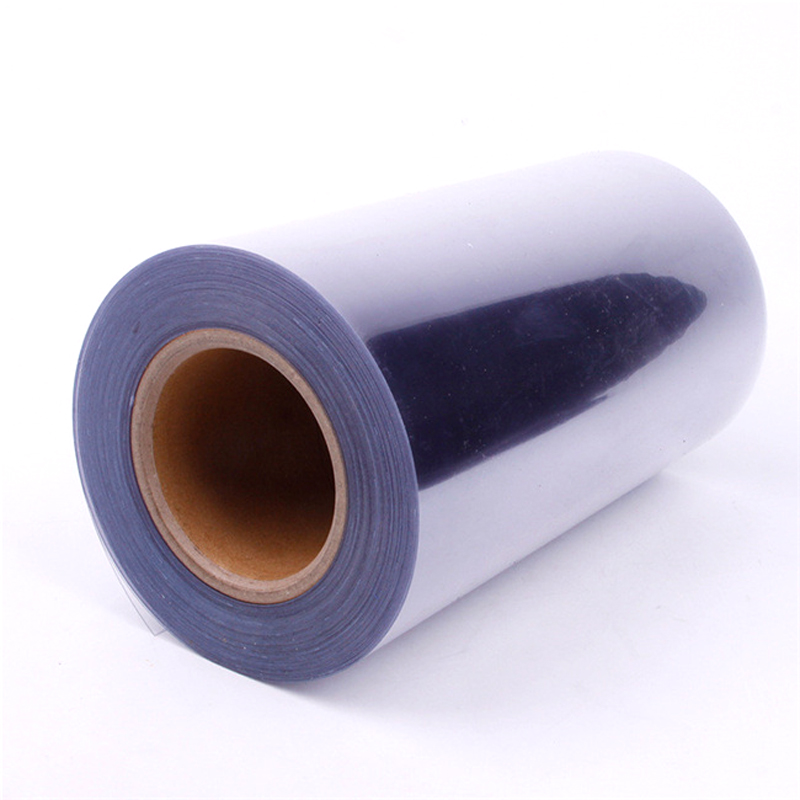
![PVC PE lamination film for pharmaceutical packaging]()
PVC/PE Pharmaceutical Lamination Film
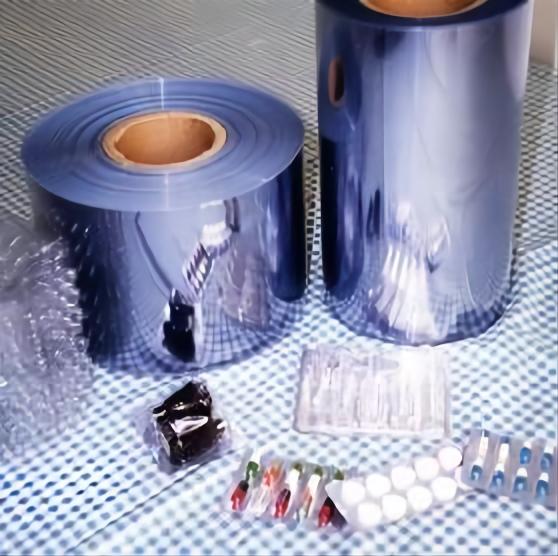
![PVC PE medical packaging film]()
PVC/PE Film for Medical Packaging
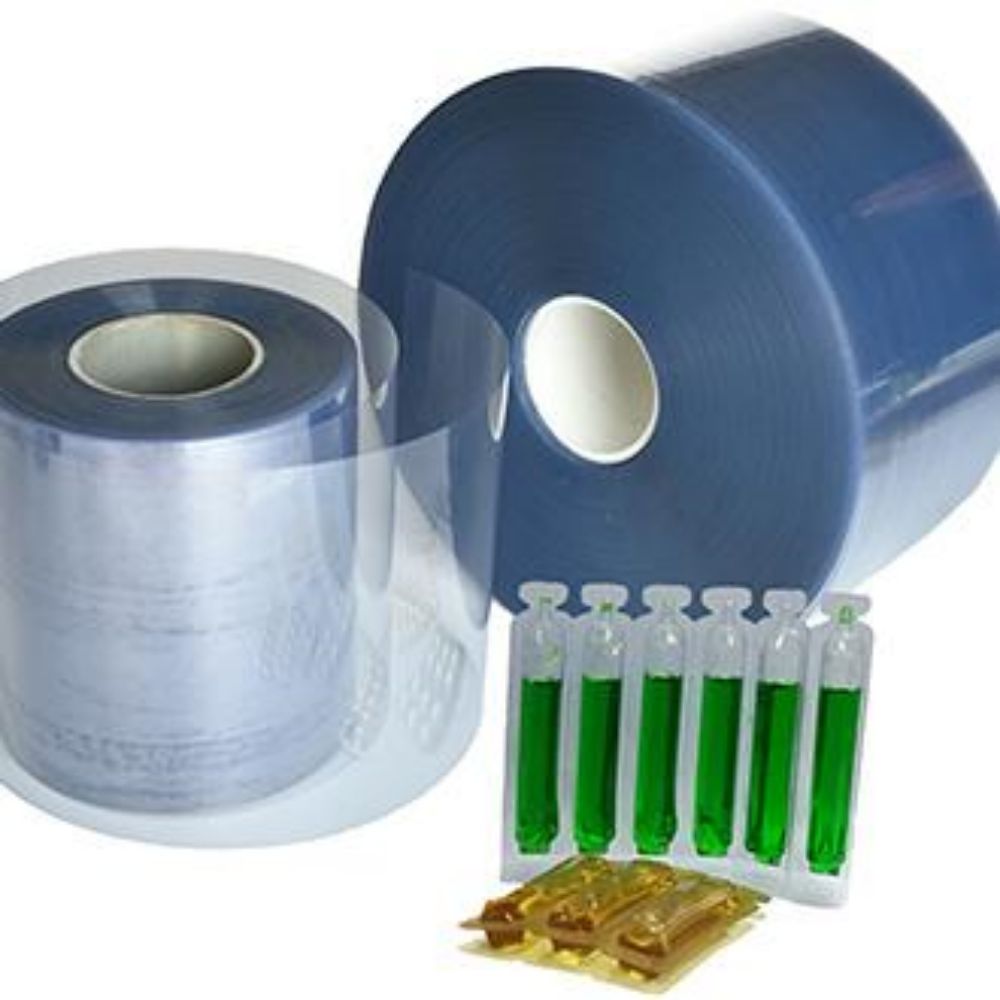
![PVC PE film for pharmaceutical unit dose packaging]()
PVC/PE Film for Unit-Dose Packaging
PVC/PE Lamination Film Specifications
| Property |
Specification |
| Product |
PVC/PE Lamination Film |
| Structure |
PVC + PE |
| Color |
Clear, Colored / Printed Options |
| Width |
160mm - 2600mm |
| Total Thickness |
0.045mm - 0.35mm |
| PVC Layer Function |
Rigidity, clarity, printability and thermoforming support |
| PE Layer Function |
Flexible sealing layer and moisture protection |
| Typical Processing |
Thermoforming, heat sealing, printing, cutting and converting according to the selected structure |
| Primary Application |
Pharmaceutical, unit-dose and specialty medical packaging |
| Other Applications |
Food, personal care, cosmetics and industrial packaging where the selected structure is suitable |
Specification Note: Total thickness, individual PVC and PE layer thicknesses, roll width, roll diameter, core size, sealing conditions, forming requirements and regulatory documentation should be confirmed for the exact packaging project.
What Is PVC/PE Lamination Film?
PVC/PE lamination film is a multilayer packaging material combining polyvinyl chloride and polyethylene to provide complementary mechanical and sealing properties.
PVC provides the rigid support required for handling and thermoforming, while PE forms a more flexible inner layer that can support moisture protection and heat-sealing functions in an appropriately designed packaging system.
The final performance of PVC/PE film depends on total thickness, individual layer structure, lamination quality, forming geometry, sealing surface and packaging-line conditions.
PVC/PE Film for Pharmaceutical Packaging
PVC/PE laminated film can be used in pharmaceutical and healthcare packaging systems where thermoforming performance and a PE sealing or contact layer are required.
Typical project directions include suppository packaging, unit-dose packaging, selected liquid-dose packs and specialty pharmaceutical packaging structures.
The exact material structure should be qualified according to the packaged formulation, contact requirements, forming depth, sealing material, storage conditions and applicable destination-market requirements.
PVC/PE Film for Suppository Packaging
PVC/PE structures are widely evaluated for suppository packaging because the PVC layer provides formability and dimensional support while PE can function as a sealing and product-contact layer in compatible package designs.
For suppository packaging projects, buyers should specify cavity dimensions, filling temperature, seal structure, peel requirement, storage conditions and packaging-line configuration before approving the film.
PVC/PE Film for Unit-Dose Packaging
PVC/PE laminated film can also be evaluated for unit-dose packaging where a thermoformable body and sealable PE layer are required within the package structure.
Unit-dose packaging performance should be verified according to fill volume, cavity geometry, seal area, product compatibility, required opening behavior and intended shelf life.
PVC Layer vs. PE Layer Functions
| Layer |
Main Function |
Packaging Consideration |
| PVC |
Provides rigidity, clarity and thermoforming support |
Thickness and forming behavior influence cavity shape and finished-pack stiffness |
| PE |
Provides flexibility, moisture resistance and sealing functionality |
PE grade and sealing surface must be compatible with the intended package and sealing process |
Key Features of PVC/PE Lamination Film
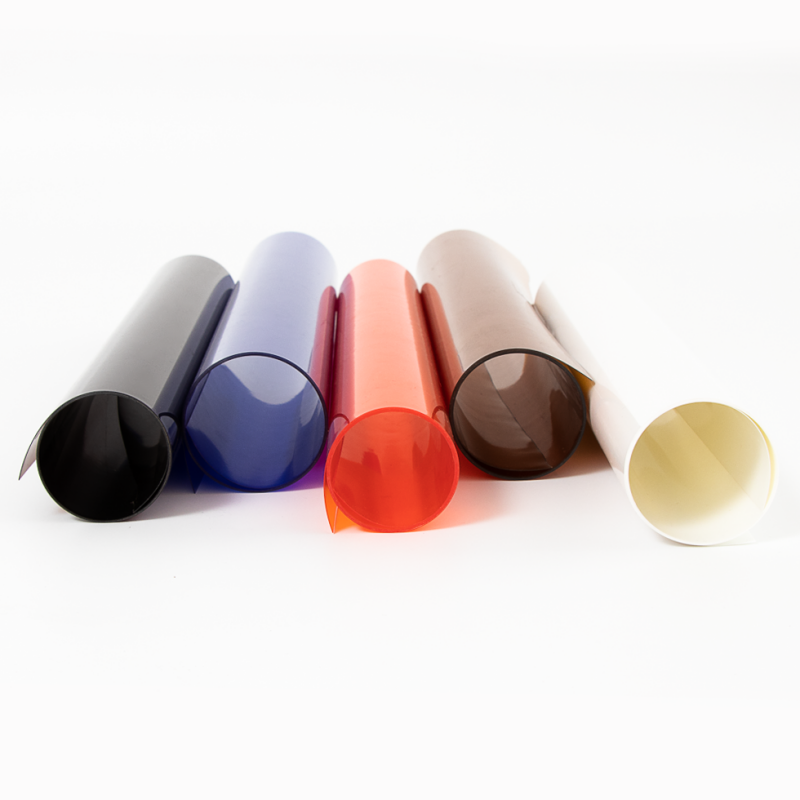
Clear product visibility: Transparent structures can support visual inspection and package presentation.
Thermoforming capability: The PVC layer provides the rigidity and forming behavior needed for suitable cavity designs.
Heat-sealing functionality: The PE layer can support sealing in compatible packaging structures.
Moisture protection: PE contributes useful moisture resistance to the multilayer structure.
Mechanical durability: The composite structure provides a balance of rigidity and flexibility according to layer design.
Printable surface: Suitable grades can be evaluated for printing and identification requirements.
Custom dimensions: The current product range covers widths from 160mm to 2600mm and total thicknesses from 0.045mm to 0.35mm.
Thermoforming PVC/PE Film
Thermoforming performance is affected by total thickness, individual layer thicknesses, heating profile, mold design and forming depth.
| Forming Factor |
Why It Matters |
| Total Thickness |
Influences stiffness and the amount of material available before stretching |
| Layer Ratio |
PVC and PE thicknesses influence forming, flexibility and sealing behavior |
| Heating Profile |
Should be optimized for the multilayer structure rather than treated as plain PVC |
| Cavity Depth |
Deep cavities increase stretching and wall-thickness variation |
| Corner Radius |
Sharp geometry can create localized thinning and stress |
| Line Speed |
The selected film must form consistently at intended production speed |
Heat-Sealing Performance
The PE layer is an important part of the sealing system, but seal performance cannot be determined from the term PVC/PE alone.
Seal strength depends on the PE formulation, mating material, temperature, pressure, dwell time, contamination level and sealing equipment.
Where easy-peel, permanent seal, low-temperature seal or seal-through-contamination performance is required, specify the target requirement before selecting the film structure.
PVC/PE vs. Plain PVC Packaging Film
| Feature |
PVC/PE Laminate |
Plain PVC |
| Structure |
Multilayer PVC + PE |
Single PVC structure |
| Sealing Layer |
PE provides a functional sealing surface |
Depends on coating or package design |
| Flexibility |
PE layer contributes flexibility |
More dependent on PVC formulation and thickness |
| Moisture Protection |
PE contributes additional moisture resistance |
Based mainly on PVC structure itself |
| Typical Selection |
Suppository, unit-dose and specialty sealing applications |
General rigid thermoformed packaging |
PVC/PE vs. PVC/PVDC Pharmaceutical Film
| Feature |
PVC/PE |
PVC/PVDC |
| Main Functional Layer |
PE sealing / contact layer |
PVDC barrier coating |
| Main Selection Priority |
Thermoforming plus sealing and flexibility |
Enhanced moisture and gas barrier |
| Typical Pharmaceutical Direction |
Suppositories, unit-dose and specialty packs |
Moisture-sensitive tablets and capsule blister packaging |
| Selection Basis |
Choose according to packaged formulation, barrier target, forming geometry, sealing system and packaging equipment. |
Moisture Barrier Considerations
PE provides useful moisture resistance, but this page does not publish a specific WVTR value for the current PVC/PE structure.
For moisture-sensitive pharmaceutical products, buyers should define the target barrier performance and test conditions. If significantly higher moisture or oxygen barrier is required, a PVDC, EVOH or other high-barrier structure may need to be evaluated instead.
Chemical Compatibility
PVC/PE film can provide useful resistance to selected products and packaging environments, but compatibility depends on the formulation contacting the PE layer.
For pharmaceutical liquids, suppositories, oils, cosmetics or chemical-containing products, provide the formulation or relevant contact conditions so material compatibility can be evaluated before commercial production.
Printing & Color Options
The current product specification lists clear and color-printing options. Printing can support branding, identification, instructions and visual differentiation between product families.
Printing compatibility should be verified according to which side is printed, ink chemistry, required surface treatment, forming sequence and downstream sealing process.
Other Packaging Applications
The original HSQY product information also lists food, personal care, cosmetics and industrial consumer-goods packaging as application directions.
| Application |
Key Requirement to Confirm |
| Pharmaceutical Packaging |
Formulation compatibility, sealing system, qualification documents and stability requirements |
| Food Packaging |
Food-contact suitability of the exact structure and destination-market requirements |
| Cosmetics & Personal Care |
Chemical compatibility, sealing performance and package appearance |
| Industrial Packaging |
Mechanical protection, chemical resistance and sealing requirement |
What Information Should You Provide for a Quote?
| Requirement |
Information to Provide |
| Application |
Suppository, unit dose, liquid dose, pharmaceutical, food, cosmetic or other packaging |
| Total Thickness |
Required thickness within the current 0.045-0.35mm range |
| PVC / PE Layer Structure |
Existing layer specification or functional requirement where available |
| Roll Width |
Required width within the current 160-2600mm range |
| Roll Configuration |
Core size, roll diameter, roll weight and winding direction where applicable |
| Color |
Clear, colored or printed requirement |
| Forming Requirement |
Cavity dimensions, forming depth and packaging-machine information |
| Sealing Requirement |
Mating material, easy-peel or permanent seal requirement and existing sealing conditions |
| Packaged Product |
Product type and relevant contact or chemical-compatibility information |
| Printing |
Artwork, number of colors and printing-surface requirement where applicable |
| Documentation |
Required test reports, declarations or qualification documents |
| Quantity |
Trial requirement, commercial quantity and estimated annual demand |
| Destination |
Country and destination port |
Frequently Asked Questions About PVC/PE Lamination Film
What is PVC/PE lamination film?
PVC/PE lamination film is a multilayer material combining rigid PVC with a flexible polyethylene layer to provide thermoforming support, moisture resistance and sealing functionality.
Is this PA/PE film?
No. This product is PVC/PE. PA/PE is a different multilayer structure using polyamide instead of PVC and should be treated as a separate product.
What thicknesses are available?
The current product specification lists total thicknesses from approximately 0.045mm to 0.35mm.
What widths are available?
The current product specification lists widths from approximately 160mm to 2600mm.
Can PVC/PE film be thermoformed?
Yes. Suitable PVC/PE structures can be thermoformed, but heating conditions and forming behavior should be optimized for the multilayer construction rather than treated as plain PVC.
Can PVC/PE film be heat sealed?
The PE layer can provide heat-sealing functionality. Final seal performance depends on the PE grade, mating surface, sealing temperature, pressure and dwell time.
Is PVC/PE suitable for suppository packaging?
PVC/PE structures are commonly evaluated for suppository packaging. The exact structure should be confirmed according to filling conditions, cavity design, sealing requirements and product compatibility.
Can PVC/PE film be used for unit-dose liquid packaging?
Suitable PVC/PE structures can be evaluated for unit-dose packaging. Product-contact compatibility, seal integrity and shelf-life performance should be verified using the intended formulation.
Does PVC/PE provide a high oxygen barrier?
A specific OTR value is not published for this product. If high oxygen barrier is a critical requirement, a structure containing PVDC, EVOH or another dedicated barrier layer may be more appropriate.
Is PVC/PE the same as PVC/PVDC?
No. PVC/PE uses polyethylene primarily for sealing, flexibility and moisture resistance. PVC/PVDC uses a PVDC barrier layer primarily to improve moisture and gas barrier performance.
Can the film be printed?
Yes. The current product information lists color-printing options. Printing conditions and surface compatibility should be tested with the actual production structure.
Can I request a sample?
The current product information states that available stock samples can be provided for quality checking, with express freight paid by the customer. Confirm the required thickness, width and structure before requesting a sample.
What is the reference lead time?
The current product information lists approximately 10-14 working days for mass production. Final lead time depends on quantity and confirmed specifications.
What delivery terms are available?
The current product information lists EXW, FOB, CNF and DDU. Final commercial terms should be confirmed in the quotation.
What information should I provide for a quotation?
Please provide the application, total thickness, layer structure if known, roll width, core and roll dimensions, color or printing requirement, forming geometry, sealing system, packaged product, required documentation, quantity and destination.
Certificates & Documentation
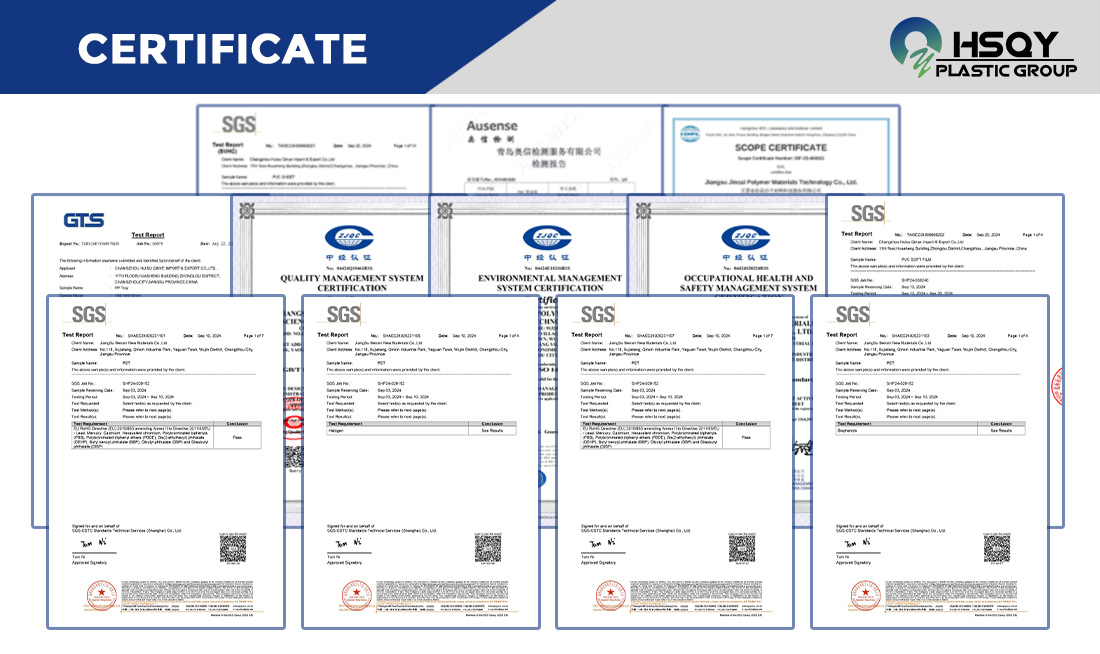
For pharmaceutical and medical packaging, certificates and qualification documents should be confirmed for the exact PVC/PE structure and production grade. Regulatory suitability should not be inferred solely from the term medical grade.
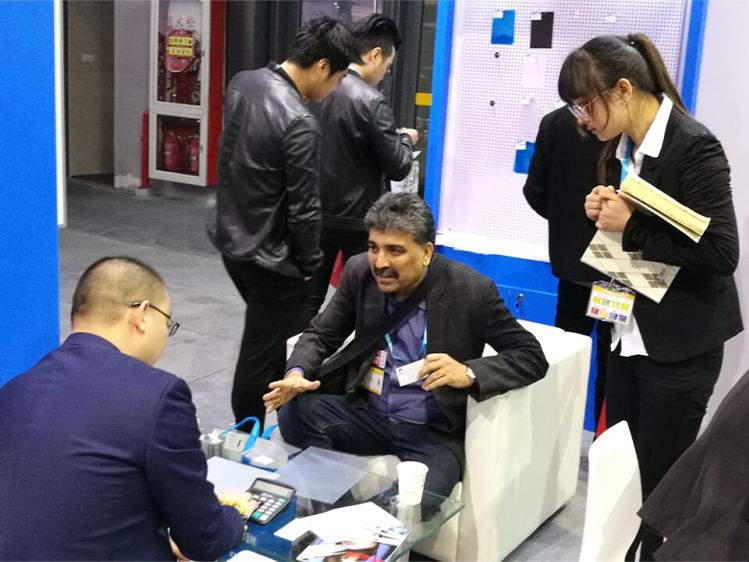
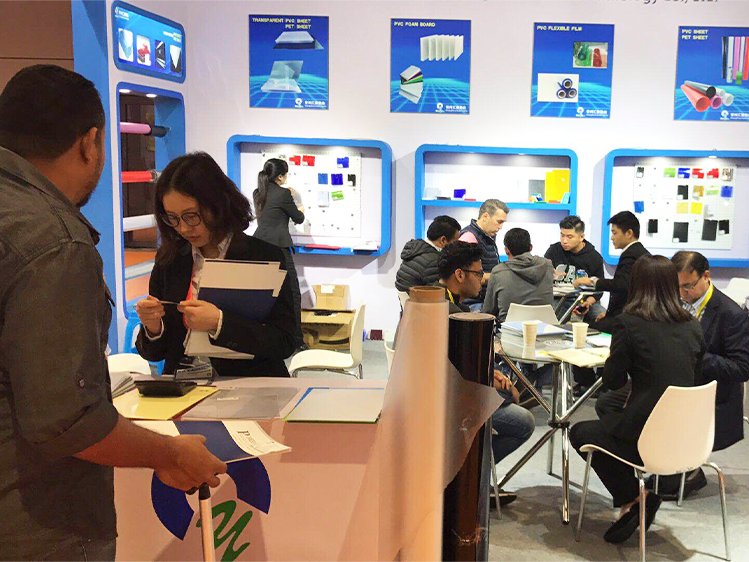
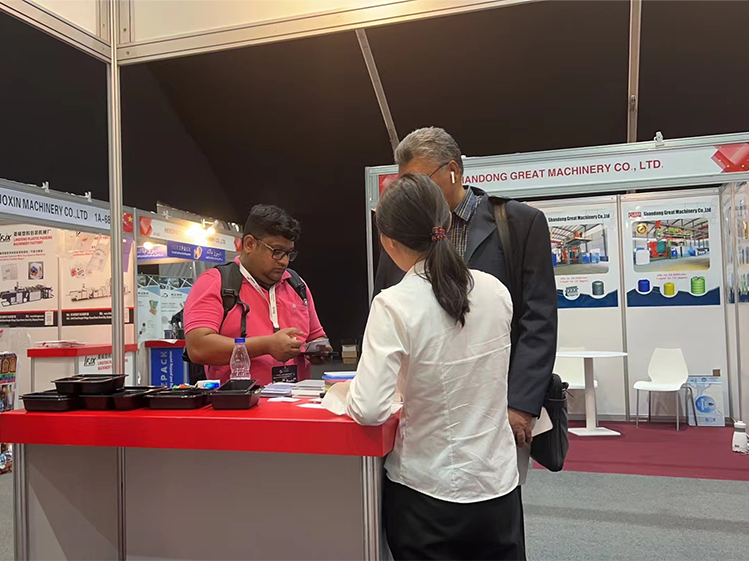
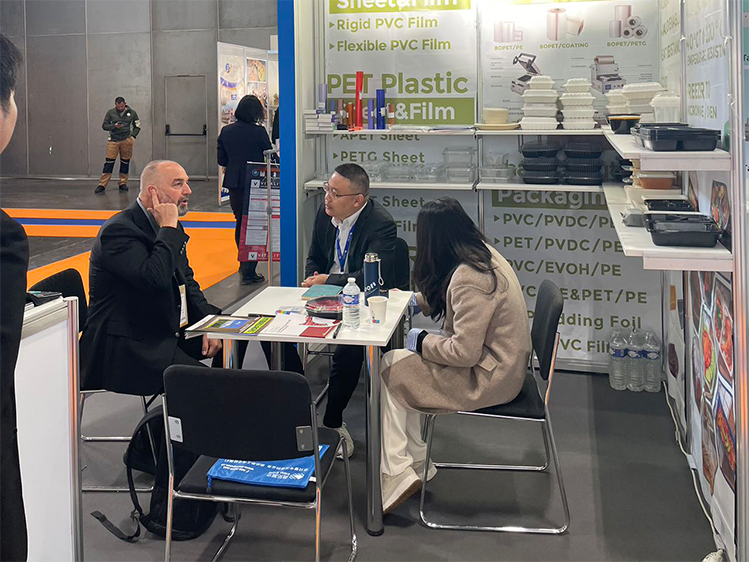
HSQY Plastic Group Exhibitions
![HSQY 2017 Shanghai Exhibition]()
2017 Shanghai Exhibition
![HSQY 2018 Shanghai Exhibition]()
2018 Shanghai Exhibition
![HSQY 2023 Saudi Exhibition]()
2023 Saudi Exhibition
![HSQY 2023 USA Exhibition]()
2023 USA Exhibition
![HSQY 2024 Australia Exhibition]()
2024 Australia Exhibition
![HSQY 2024 USA Exhibition]()
2024 USA Exhibition
![HSQY 2024 Mexico Exhibition]()
2024 Mexico Exhibition
![HSQY 2024 Paris Exhibition]()
2024 Paris Exhibition
About HSQY Plastic Group
HSQY Plastic Group supplies pharmaceutical packaging films, PVC rigid sheet, PVC flexible film, PET sheet and other plastic materials to international manufacturers, packaging converters and distributors. PVC/PE projects can be discussed according to film structure, thickness, roll dimensions, forming, sealing and documentation requirements.