PTP Aluminum Blister Lidding Foil for Pharmaceutical Packaging
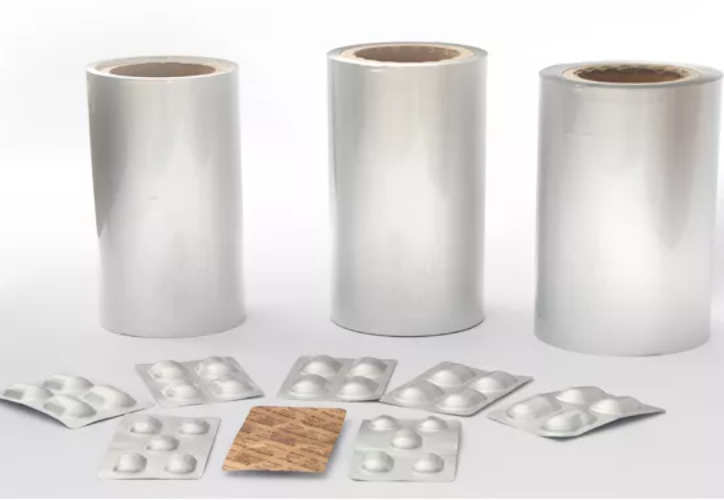
HSQY PTP aluminum blister lidding foil is designed for pharmaceutical blister packaging of tablets, capsules and other solid-dose products. The aluminum layer provides strong protection against moisture, oxygen and light, while the heat-sealable surface allows the foil to be bonded to compatible blister forming materials.
The foil is designed for press-through blister packaging, allowing the tablet or capsule to be pushed through the lidding foil when opened. Printed and customized options can be discussed for pharmaceutical branding, product identification, dosage information and other approved packaging artwork.
HSQY currently supplies PTP aluminum foil in thicknesses from 0.020mm to 0.024mm, widths up to 650mm and roll diameters up to 500mm. Final foil structure, heat-seal coating, printing, reel dimensions and compatibility should be confirmed according to the customer's blister substrate and packaging machine.
Request PTP Foil Quote & Sample
PTP Aluminum Lidding Foil Video
What Is PTP Aluminum Blister Lidding Foil?
PTP stands for Press Through Pack. PTP aluminum foil is the lidding material sealed over formed pharmaceutical blister cavities containing individual tablets, capsules or other solid-dose products.
During packaging, the blister base material is first thermoformed into cavities, the medicine is loaded into each cavity, and the aluminum lidding foil is then heat sealed over the blister web. The finished pack provides individual-dose protection while allowing the user to push the medicine through the foil when required.
PTP foil is commonly used with pharmaceutical blister base materials such as PVC, PVDC-coated PVC, PP and other validated thermoforming structures. Compatibility depends on the heat-seal lacquer formulation and sealing conditions, so the exact blister base material should always be specified before ordering.
PTP Aluminum Lidding Foil Product Images

Pharmaceutical PTP Aluminum Lidding Foil

Custom Printed PTP Lidding Foil

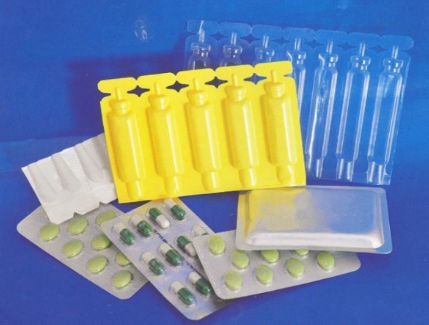
Tablet and Capsule Blister Pack Application
PTP Aluminum Lidding Foil Specifications
The following values are based on the current HSQY product information. Pharmaceutical packaging buyers should confirm the complete approved specification, coating, reel format and test requirements before commercial production.
| Property |
HSQY Current Specification |
| Product |
PTP Aluminum Blister Lidding Foil |
| Material Type |
Aluminum Foil with Heat-Sealable Lidding Surface |
| Thickness |
0.020mm–0.024mm |
| Maximum Width |
650mm |
| Maximum Roll Diameter |
500mm |
| Color |
Silver, Custom Printed |
| Opening Type |
Press-Through / Push-Through Blister Opening |
| Seal Type |
Heat Sealable |
| Printing |
Unprinted or Customized Printing Subject to Approved Specification |
| Typical Applications |
Tablet, Capsule and Solid-Dose Pharmaceutical Blister Packaging |
| MOQ |
1000 kg |
| Customization |
Width, Printing and Roll Specification According to Project Requirements |
Typical Structure of PTP Blister Lidding Foil
Pharmaceutical PTP foil is normally engineered as a coated aluminum lidding structure rather than bare aluminum alone. The exact HSQY coating system should be confirmed against the approved product specification.
Typical Unprinted Structure
A typical unprinted pharmaceutical blister foil structure uses a printable primer or protective coating on the outer side, aluminum foil as the central barrier layer and a heat-seal lacquer on the blister-sealing side.
Typical industry description: Primer / Aluminum / Heat-Seal Lacquer.
Typical Printed Structure
Printed PTP foil normally includes an outer protective coating, printing ink, aluminum barrier layer and heat-seal lacquer.
Typical industry description: Over Lacquer / Ink / Aluminum / Heat-Seal Lacquer.
The exact coating chemistry, coating weight, ink system and sealing surface should be specified according to the pharmaceutical packaging application and blister base material.
Key Advantages of PTP Aluminum Blister Foil
High Barrier Protection: Aluminum foil provides strong protection against moisture, oxygen and light, helping isolate individual solid-dose products from external environmental exposure.
Press-Through Opening: PTP foil is designed so tablets and capsules can be pushed through the lidding layer during use, providing convenient unit-dose access.
Heat-Sealable Surface: A suitable heat-seal coating allows the aluminum foil to bond to compatible pharmaceutical blister forming materials under controlled temperature, pressure and dwell time.
High-Quality Printing: Printed foil can carry medicine names, logos, dosage instructions, batch information, expiry information and other approved packaging content.
Unit-Dose Protection: Each blister cavity remains individually sealed until opened, supporting organized pharmaceutical dispensing and handling.
Roll Format for Automated Packaging: PTP foil is supplied in reels for pharmaceutical blister packaging equipment. Width, roll diameter and winding requirements should be matched to the customer's machine.
Custom Specifications: Foil width, printing and reel specifications can be discussed according to blister line requirements and purchasing volume.
PTP Aluminum Foil Compatible Blister Materials
Heat-seal compatibility depends on the lacquer system used on the aluminum foil. The exact forming film must therefore be stated when requesting a quotation or sample.
| Blister Base Material |
Typical Requirement |
| PVC |
Common pharmaceutical blister base; confirm matching heat-seal lacquer |
| PVC/PVDC |
Used where higher barrier performance is required; sealing compatibility must be verified |
| PP |
Requires a heat-seal coating compatible with PP blister forming film |
| PET / Other Blister Films |
Compatibility should be confirmed for the exact forming film and heat-seal coating |
| Cold-Form Blister Structures |
Seal structure and technical compatibility must be confirmed before use |
Printed vs. Unprinted PTP Aluminum Foil
| Comparison |
Unprinted PTP Foil |
Printed PTP Foil |
| Typical Structure |
Primer / Aluminum / HSL |
Protective Lacquer / Ink / Aluminum / HSL |
| Printing |
Customer can print after supply where compatible |
Supplied with approved custom artwork |
| Typical Use |
Converters with their own printing capability |
Ready-to-use pharmaceutical blister packaging |
| Artwork Control |
Managed by customer after material supply |
Artwork, colors and text approved before production |
Applications of Pharmaceutical PTP Lidding Foil
Tablet Blister Packaging: Used as the lidding foil for individually packed pharmaceutical tablets.
Capsule Blister Packaging: Suitable for capsule blister formats requiring individual cavities and push-through opening.
Solid-Dose Unit Packaging: Can be used for selected pills and other solid oral dosage forms where the validated packaging structure is appropriate.
Printed Pharmaceutical Foil: Custom printing can support product identity, dosage information, branding, batch coding and other required packaging information.
Healthcare Blister Applications: Additional healthcare applications can be evaluated according to the blister substrate, sealing system and applicable packaging requirements.
Discuss Your Pharmaceutical Blister Project
How to Choose PTP Aluminum Blister Foil
1. Confirm the Aluminum Foil Thickness
HSQY currently lists a foil thickness range of 0.020mm to 0.024mm. Thickness affects push-through characteristics, handling and machine performance, so the required gauge should be matched to the validated blister specification.
2. Specify the Blister Base Material
State whether the foil will seal to PVC, PVDC-coated PVC, PP, PET or another blister-forming material. The heat-seal lacquer must be compatible with the substrate.
3. Confirm Printed or Unprinted Foil
For printed foil, provide approved artwork, colors, text direction, repeat length, registration requirements and any coding area that must remain available for later printing.
4. Confirm Reel Dimensions
Provide required web width, core inner diameter, maximum reel outer diameter, winding direction and preferred roll weight. HSQY currently lists widths up to 650mm and roll diameters up to 500mm.
5. Confirm Heat-Seal Requirements
Provide the existing sealing temperature, pressure, dwell time and required seal strength if available. These values help determine whether the heat-seal coating matches the packaging line.
6. Confirm Push-Through Performance
The finished lidding foil should balance package integrity during handling with appropriate push-through opening for the intended blister design. The final result should be validated using the actual foil, blister substrate and medicine pack configuration.
7. Confirm Regulatory and Quality Documentation
Pharmaceutical packaging requirements differ by market and customer. Provide the exact pharmacopoeial, regulatory, migration, raw-material, coating or quality-document requirements so HSQY can confirm what documentation is available for the specific product supplied.
Technical Data Pharmaceutical Buyers Should Confirm
A professional PTP foil specification normally contains considerably more information than thickness and width alone. Buyers should confirm the following technical parameters for the exact grade being qualified:
Aluminum alloy
Temper
Nominal foil gauge and tolerance
Heat-seal lacquer type
Heat-seal coating weight
Primer or protective over-lacquer specification
Seal strength to the specified blister substrate
Recommended sealing temperature
Recommended sealing pressure
Recommended dwell time
Pinhole requirement
Surface quality and coating uniformity
Printing ink and artwork requirements
Web width and tolerance
Core inner diameter
Reel outer diameter
Winding direction
Maximum joints or splices per reel
Required batch or test documentation
Information Needed for a PTP Aluminum Foil Quote
To receive a more accurate quotation and technical evaluation, please provide as much of the following information as possible:
Foil thickness
Required web width
Blister base material: PVC, PVDC/PVC, PP, PET or other
Printed or unprinted foil
Artwork and number of printing colors
Required heat-seal coating specification if already defined
Target seal strength if specified
Existing sealing temperature, pressure and dwell time
Packaging machine manufacturer and model
Core inner diameter
Maximum reel diameter
Winding direction
Required quantity or annual consumption
Required pharmaceutical or regulatory documents
Destination country and port
Get Pharmaceutical PTP Foil Price
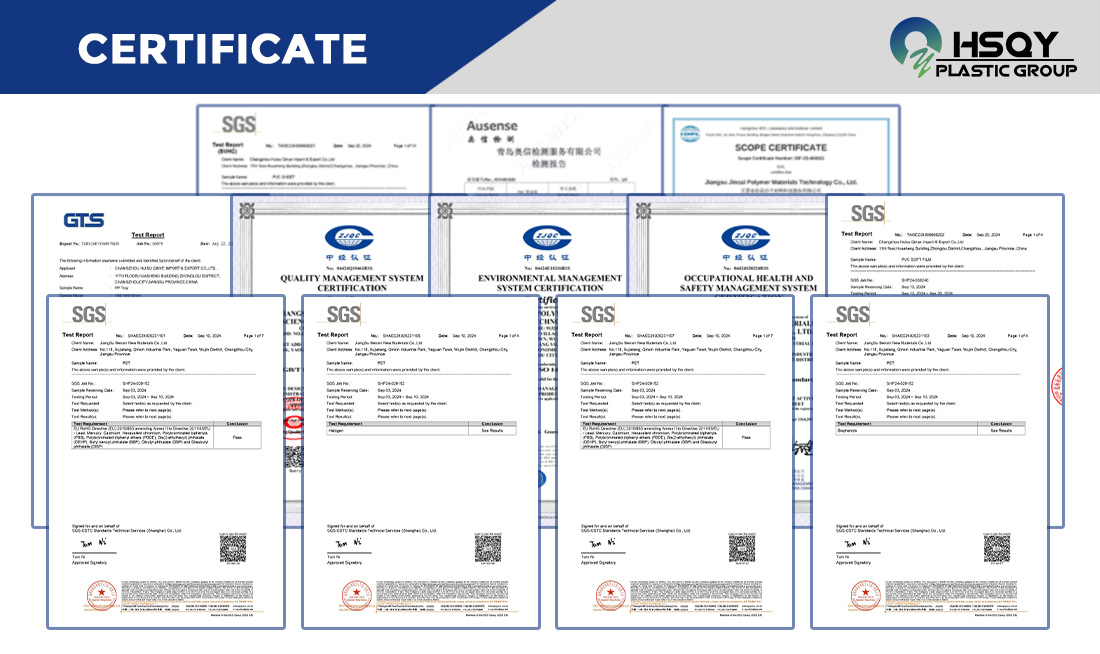
Certifications and Quality Documents
HSQY provides available quality and product documentation according to customer and product requirements. For pharmaceutical applications, buyers should provide the exact required specification, test standard, coating requirement and destination-market documentation before final approval.
A general company quality certificate should not be treated as a substitute for product-specific pharmaceutical packaging qualification. Where required, request the applicable product test data and batch-related documentation for the foil grade being purchased.
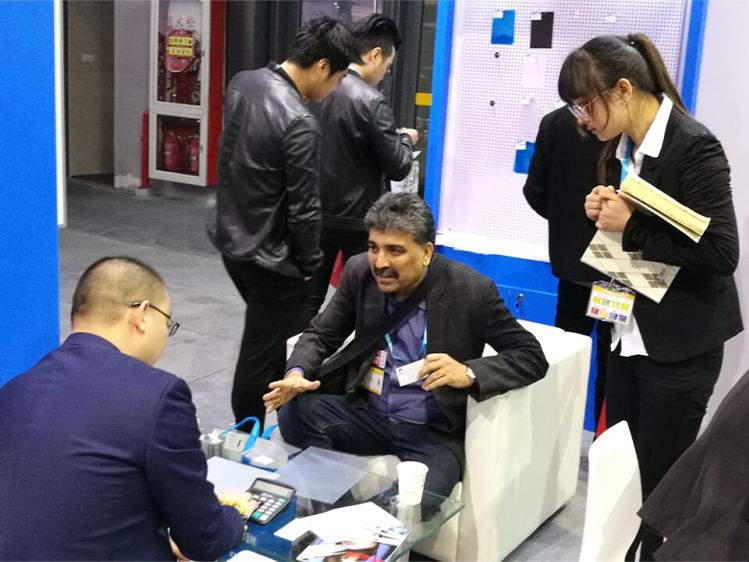
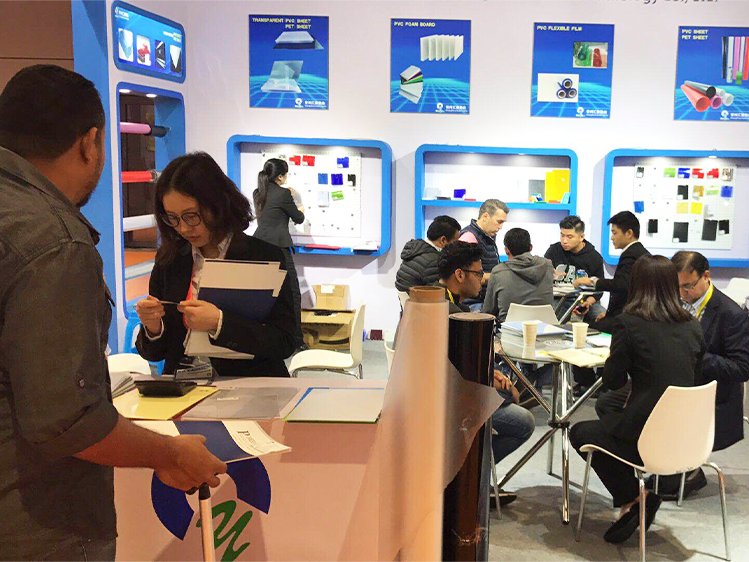
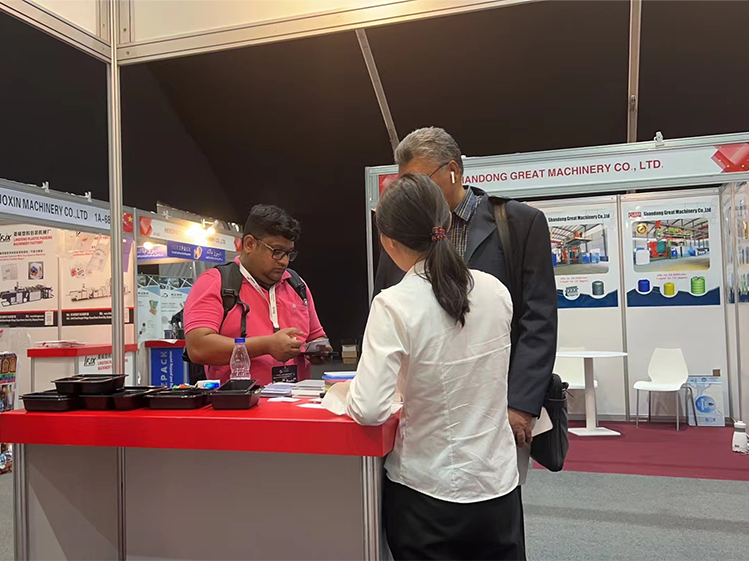
Global Exhibitions
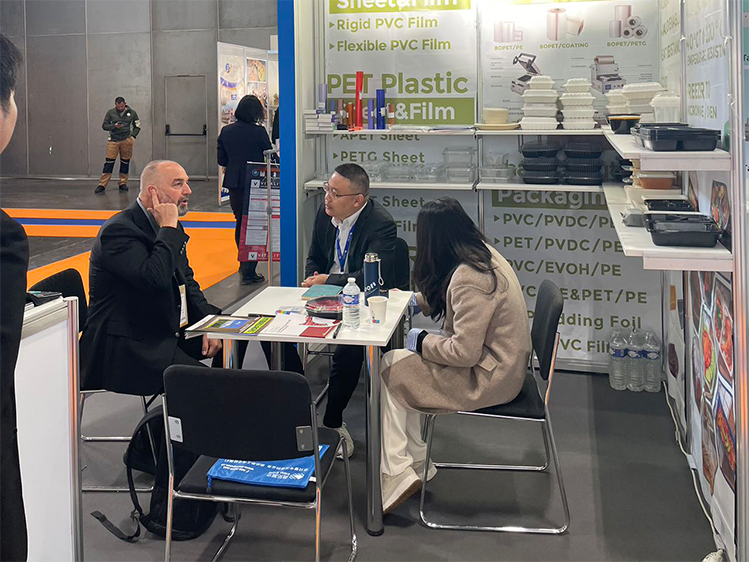
HSQY Plastic Group meets international packaging manufacturers, distributors and industry partners through plastics and packaging exhibitions in major global markets.

2017 Shanghai Exhibition

2018 Shanghai Exhibition

2023 Saudi Exhibition

2023 American Exhibition

2024 Australian Exhibition

2024 American Exhibition

2024 Mexico Exhibition

2024 Paris Exhibition
FAQ About PTP Aluminum Lidding Foil
What is PTP aluminum foil?
PTP aluminum foil is a press-through pharmaceutical blister lidding material. It is heat sealed over formed blister cavities containing tablets, capsules or other solid-dose products.
What is PTP blister foil used for?
It is primarily used as the lidding foil for pharmaceutical tablet and capsule blister packs where barrier protection, heat sealing and push-through opening are required.
What thickness of PTP aluminum foil does HSQY supply?
The current HSQY product specification lists foil thicknesses from 0.020mm to 0.024mm. Final gauge and tolerance should be confirmed according to the approved blister packaging specification.
What is the maximum foil width?
HSQY currently lists a maximum web width of 650mm. Customized slit widths can be discussed according to the pharmaceutical blister packaging machine.
Can PTP foil be sealed to PVC blister film?
Yes, PTP foil can be supplied with a heat-seal coating designed for compatible pharmaceutical PVC blister material. The exact lacquer and sealing conditions should be confirmed before production.
Can PTP foil seal to PVDC-coated PVC or PP?
Suitable heat-seal coatings can be selected for different blister substrates. Buyers should state the exact base material so compatibility with PVDC-coated PVC, PP or another forming film can be confirmed.
What is the structure of pharmaceutical PTP foil?
A typical unprinted industry structure is Primer/Aluminum/Heat-Seal Lacquer, while printed foil commonly uses Protective Lacquer/Ink/Aluminum/Heat-Seal Lacquer. The exact HSQY structure should be confirmed against the specific product specification.
Can HSQY supply custom printed PTP foil?
Yes. Custom printed options can be discussed according to approved pharmaceutical packaging artwork, colors, text layout, repeat length and order quantity.
Does aluminum blister foil protect against moisture and light?
Aluminum foil is an effective barrier to light and provides strong resistance to moisture and gas transmission. Overall package performance also depends on the blister base material, seal integrity and complete pack design.
What is the difference between PTP foil and cold-form Alu-Alu foil?
PTP foil normally serves as the lidding layer that is pushed through to access the medicine. Cold-form Alu-Alu is a forming laminate used to create the blister cavity itself. The two materials therefore perform different functions in pharmaceutical blister packaging.
What is the MOQ for HSQY PTP aluminum foil?
The current product specification lists an MOQ of 1000kg. Printed artwork, width and other customized specifications may affect the final commercial requirement.
Can I request a PTP foil sample?
Samples can be discussed for sealing and machine evaluation. Provide the required thickness, width, blister base material, printing requirement and packaging-machine information when requesting samples.
What information is needed for a quotation?
Please provide foil thickness, width, blister base material, printed or unprinted requirement, artwork, heat-seal specification, core size, reel diameter, machine model, quantity and required pharmaceutical documentation.
About HSQY Plastic Group
HSQY Plastic Group supplies pharmaceutical blister packaging materials including PTP aluminum lidding foil and related plastic packaging films to international B2B customers.
HSQY supports pharmaceutical packaging manufacturers and distributors with material selection, customized widths, printed foil, roll specifications, sample evaluation and export supply.
For pharmaceutical projects, send your existing foil specification, blister base material, sealing parameters, packaging-machine information and required documentation so the suitable PTP lidding foil can be evaluated.
Get Quote & Request a Sample