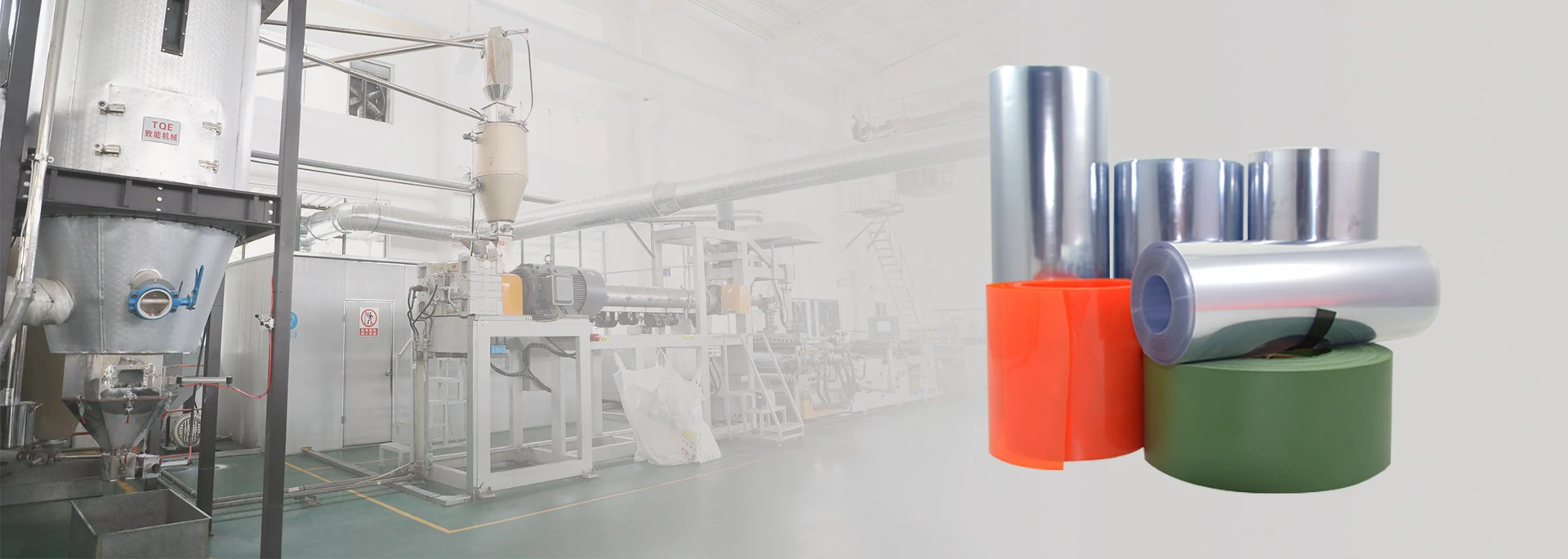
What is a PVC sheet?
PVC sheet is a plastic sheet manufactured from polyvinyl chloride resin combined with stabilizers and other additives selected for the required processing and performance characteristics.
PVC sheets can be rigid, semi-rigid or flexible and can be produced in clear, colored, matte, glossy, embossed or specialty grades.
What is the difference between rigid and flexible PVC sheet?
Rigid PVC sheet maintains its shape and is commonly used for packaging, printing, cards, covers and industrial fabrication.
Flexible PVC contains a formulation designed to provide softness and flexibility and is commonly used for curtains, table covers, bags and protective films.
Can PVC sheets be customized?
Yes. PVC sheets can be customized by thickness, width, length, color, transparency, surface texture, hardness, formulation, sheet or roll format and packaging.
Customization availability depends on the selected product and order quantity.
Can PVC sheet be printed?
Many PVC sheet grades can be screen printed, offset printed, digitally printed or UV printed.
The correct surface treatment and ink system should be confirmed through printing tests before mass production.
Can PVC sheet be thermoformed?
Suitable PVC sheet grades can be vacuum formed or thermoformed into packaging, covers, displays and other shaped products.
Thermoforming performance depends on the formulation, thickness, heating conditions and mold design.
Is PVC sheet food safe?
Only PVC sheets manufactured with an appropriate food-contact formulation and supported by applicable compliance documentation should be used for food-contact applications.
Customers should confirm the intended food type, contact conditions, temperature and target-market regulations before ordering.
Is PVC sheet flame retardant?
PVC generally has better self-extinguishing characteristics than many common plastics, but the actual fire rating depends on the formulation and thickness.
Projects requiring a specific UL, DIN, EN or other flame classification should use a tested flame-retardant grade.
What information is required for a PVC sheet quotation?
Provide the application, thickness, width, length, color, surface, sheet or roll format, performance requirements, order quantity and delivery destination.
Photos, drawings, existing samples or technical specifications can help us recommend a suitable material more accurately.
Can I receive a PVC sheet sample?
Yes. Samples are available for many standard PVC sheet products.
Custom color, surface or formulation samples may require preparation time or a sample production charge.
What is the lead time for PVC sheet orders?
Typical lead time is approximately 5 to 14 days after the specification and order are confirmed.
The actual schedule depends on material availability, order quantity, customization, packaging and production capacity.