Wholesale PVC Matte Sheets Manufacturer and Supplier
HSQY Plastic manufactures and supplies PVC matte sheets, frosted PVC sheets and rigid matte PVC films for printing, packaging, folding boxes, book covers, vacuum pressing, signage, display panels, lampshades and industrial fabrication.
Our PVC matte sheet range includes transparent frosted sheets, clear matte rigid sheets, white matte sheets, printing-grade PVC sheets, book-cover sheets and vacuum-pressing films. Different surface configurations, including single-side matte, double-side matte and matte-and-gloss combinations, can be evaluated according to the application.
Available thicknesses generally range from 0.06mm to 2mm. Standard sheet sizes include 700 × 1000mm, 750 × 1050mm, 915 × 1830mm and 1220 × 2440mm, with customized dimensions, colors, rigidity and surface textures available for qualified bulk orders.
What Is a PVC Matte Sheet?
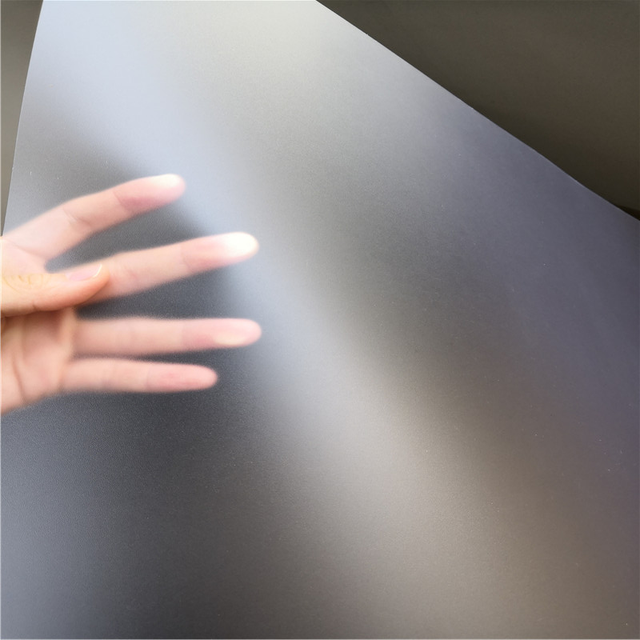
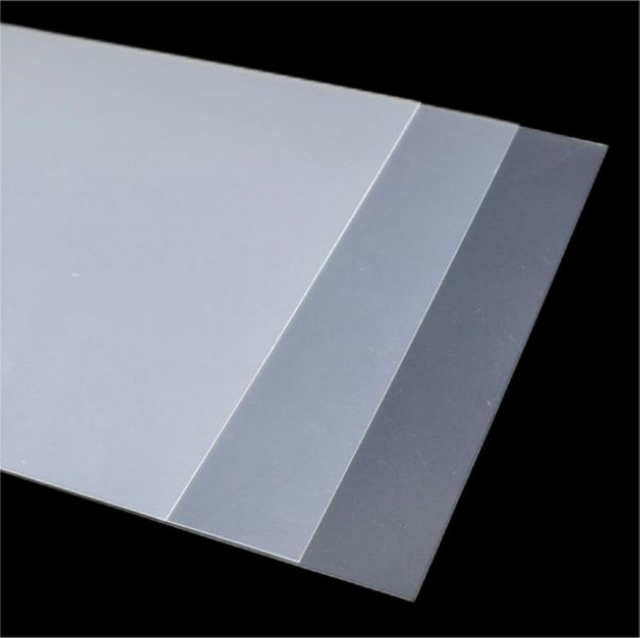
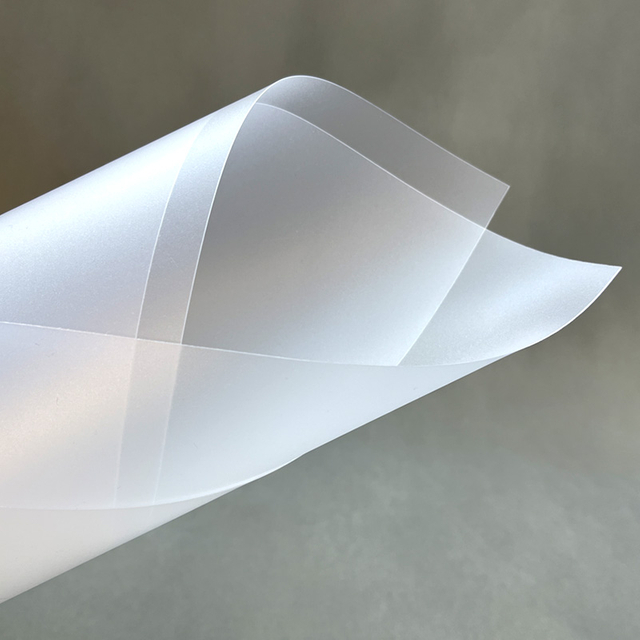
A PVC matte sheet is a polyvinyl chloride sheet or film with a low-gloss, frosted or finely textured surface. Compared with polished PVC, the matte surface diffuses reflected light and creates a softer, less reflective visual appearance.
Depending on the PVC formulation and thickness, matte PVC can be manufactured as flexible film, semi-rigid sheet or rigid sheet. Thin flexible grades are commonly used for book covers, overlays, packaging and lamination, while thicker or more rigid grades are used for printing, displays, folding boxes, decorative panels and fabricated components.
The terms PVC matt sheet, PVC matte sheet and frosted PVC sheet are often used interchangeably in international purchasing. However, buyers should confirm the required haze, transparency, surface grain, gloss level and matte-side configuration because different manufacturers may use these terms differently.
HSQY PVC Matte Sheet Product Range
HSQY offers multiple matte and frosted PVC sheet products for printing companies, packaging converters, stationery manufacturers, sign producers, display manufacturers, lighting companies and plastic distributors.
| Product Series | Main Specifications | Recommended Applications | Product Link |
| Matte Clear PVC Sheet | 0.10–2mm; transparent, translucent or custom tinted; flexible, semi-rigid or rigid | Printing, folding boxes, blister packaging, displays, stationery and decorative panels | View Product |
| 0.5mm Frosted PVC Sheet | Featured 0.5mm thickness; clear, translucent, white or customized appearance | Lampshades, displays, packaging windows, signs and decorative inserts | View Product |
| Frosted PVC Film Sheet | Thin matte or frosted PVC film with customized thickness, width and color | Flexible covers, packaging, stationery, lamination and decorative products | View Product |
| Rigid PVC Matte Sheet for Printing | 0.10–2mm; fine matte surface; standard and customized sheet sizes | UV offset printing, screen printing, signage, advertising boards and POP displays | View Product |
| Matte PVC Film for Vacuum Pressing | 0.10–2mm; matte or frosted surface; standard and custom sizes | Vacuum pressing, printing, folding boxes, blister products and laminated components | View Product |
| Matte PVC Sheet for Printing HS-016 | 0.06–2mm; clear frosted surface; multiple standard dimensions | Printing, retail displays, folding boxes, packaging and decorative applications | View Product |
The product information above provides general selection guidance. Final thickness, size, haze, rigidity, surface treatment, printing performance and minimum order quantity should be confirmed in the approved quotation, sample or purchase contract.
General PVC Matte Sheet Specifications
| Product Name | PVC Matte Sheet, PVC Matt Sheet, Frosted PVC Sheet or Matte Rigid PVC Film |
| Material | Polyvinyl Chloride |
| General Thickness Range | Approximately 0.06mm–2mm, depending on product series and formulation |
| Standard Sizes | 700 × 1000mm, 750 × 1050mm, 915 × 1830mm and 1220 × 2440mm |
| Custom Sizes | Available according to thickness, production feasibility and order quantity |
| Standard Appearance | Clear, transparent, translucent, frosted, matte or white |
| Custom Colors | Transparent tints and selected opaque colors subject to MOQ and color confirmation |
| Surface Configuration | Single-side matte, double-side matte, matte-and-gloss, fine frosted or customized texture |
| Rigidity | Flexible, semi-rigid or rigid according to thickness and PVC formulation |
| Supply Form | Flat sheets, cut sheets or rolls for selected specifications |
| Processing Options | Printing, cutting, die cutting, folding, creasing, punching, laminating, bonding and forming |
| Protective Film | Available for selected products when additional surface protection is required |
| Typical MOQ | Approximately 500–1000kg, depending on product, size, color, surface and customization |
| Samples | A4 or other small samples may be available; freight is generally collected |
| Trade Terms | FOB, CIF, EXW and other terms subject to quotation |
Customized requirements involving food contact, flame performance, antistatic performance, UV exposure, restricted substances, medical applications or special temperature conditions must be stated before production.
Key Benefits of PVC Matte Sheets
Reduced Surface Reflection
The finely textured surface scatters reflected light and creates less visible glare than polished PVC. This can improve the appearance of printed graphics, display panels, packaging windows and decorative surfaces under strong indoor lighting.
The term anti-glare should only be used as a certified optical performance claim when the required gloss, haze or reflection values have been tested. Standard matte PVC should be described as low-reflection or less reflective than glossy PVC.
Soft Frosted Appearance
Transparent or translucent matte PVC allows light to pass through while softening the visibility of objects behind the sheet. The privacy and diffusion effect depends on haze, thickness, surface texture, viewing distance and lighting conditions.
Less Visible Fingerprints
Fingerprints, light handling marks and minor surface scratches are generally less noticeable on a textured matte surface than on a highly polished clear sheet.
Good Flatness for Printing
Appropriate rigid and semi-rigid PVC grades provide stable flatness for screen printing, UV offset printing, flatbed printing and other graphic processes. Actual print performance depends on surface energy, ink chemistry and curing conditions.
Multiple Rigidity Options
PVC formulation and thickness can be adjusted to create flexible, semi-rigid or rigid products. This allows the material to be used for flexible covers, folding packaging, printed sheets and dimensionally stable display components.
Moisture Resistance
PVC has low water absorption and can be used in packaging, stationery, signage and interior applications exposed to normal humidity or occasional moisture.
Easy Secondary Processing
Suitable PVC matte sheet grades can be cut, die cut, punched, printed, folded, laminated, bonded or formed. Processing conditions should be validated using the exact production material.
PVC Matte Sheet Surface Options
| Surface Type | Visual Effect | Typical Applications |
| Fine Matte | Low-gloss surface with a subtle and uniform texture | Printing, signs, display panels, covers and premium packaging |
| Light Frosted | Maintains relatively high visibility while reducing surface reflection | Packaging windows, book covers, overlays and printed graphics |
| Heavy Frosted | Higher haze and stronger obscuring effect | Privacy panels, lampshades, decorative inserts and diffusing components |
| Matte/Matte | Matte texture on both sides | Double-sided printing, covers, stationery and decorative components |
| Gloss/Matte | One polished side and one low-gloss side | Packaging, folding boxes, overlays and products requiring different front and back surfaces |
| Embossed Matte | Visible grain or decorative texture | Stationery, decorative film, furniture components and branded packaging |
A physical reference sample is recommended when the required matte grain, haze level or visual appearance must match an existing product.
PVC Matte Sheet Applications
Printing and Graphic Displays
Matte rigid PVC sheets are used for advertising graphics, indoor signage, promotional panels, point-of-purchase displays, shelf talkers, menu boards, placards and exhibition materials.
The matte surface reduces distracting reflections under retail lighting and can help printed text and graphics remain easier to view from different angles.
Folding Boxes and Packaging Windows
Transparent frosted PVC can be converted into folding boxes, sleeves, packaging windows, display packaging and decorative inserts. The material allows partial product visibility while creating a softer appearance than glossy clear packaging.
Blister Packaging
Selected matte PVC grades can be thermoformed or vacuum formed into blister components for consumer products, tools, electronics, cosmetics and other packaged goods.
Buyers should specify the forming depth, mold design, heating process, product weight and sealing requirements before selecting the thickness and formulation.
Book Covers and Stationery
Flexible and semi-rigid frosted PVC sheets are used for notebook covers, document covers, folders, binders, menu covers, card holders and stationery products.
A matte surface can make handling marks less visible and create a professional tactile appearance.
Vacuum Pressing and Lamination
Matte PVC films can be used in vacuum pressing, laminating and surface-decoration processes. Applications may include furniture components, panels, decorative products and fabricated assemblies.
Adhesive compatibility, heating conditions, elongation, surface texture and long-term bond performance should be tested before production.
Lampshades and Light-Diffusing Components
Frosted PVC sheets can soften visible light and are used in decorative lampshades, lightbox inserts, illuminated graphics and indoor light-diffusing components.
Buyers must confirm the light source, operating temperature, distance from the bulb, required light transmission and applicable flame-performance standard.
Decorative and Privacy Panels
Frosted PVC can be used for cabinet inserts, partitions, decorative screens, display panels and other indoor applications requiring light transmission with reduced visibility of fine details.
Industrial Labels and Covers
Printable rigid PVC can be converted into equipment labels, control-panel graphics, tags, identification cards, protective covers and industrial display components.
How to Select PVC Matte Sheet Thickness
The correct thickness depends on rigidity, panel size, forming depth, folding requirements, printing equipment and finished-product performance.
| Thickness Range | General Characteristics | Typical Applications |
| 0.06–0.15mm | Thin, flexible and suitable for lightweight conversion or lamination | Overlays, decorative films, lightweight covers, inserts and laminated products |
| 0.15–0.30mm | Flexible to semi-rigid with practical folding and die-cutting performance | Folding boxes, book covers, packaging windows, cards and printed sheets |
| 0.30–0.50mm | Balanced rigidity, flexibility and light diffusion | Lampshades, signs, display graphics, packaging and decorative panels |
| 0.50–1.00mm | Increased shape retention and suitable rigidity for medium-size components | POP displays, rigid covers, partitions, printed panels and formed components |
| 1.00–2.00mm | Greater stiffness for stronger panels and fabricated products | Rigid displays, protective panels, decorative inserts and industrial components |
Thickness alone does not determine rigidity. Plasticizer content, PVC formulation, sheet dimensions, temperature and support structure also affect bending and finished-product performance.
Printing on PVC Matte Sheets
Suitable PVC matte sheet grades can support UV offset printing, screen printing, UV flatbed printing and other digital printing processes. However, no single material should be assumed to work with every ink and printer without testing.
| Printing Method | Points to Confirm |
| UV Offset Printing | Ink adhesion, curing energy, sheet heat exposure, static control and stacking performance |
| Screen Printing | Ink compatibility, mesh selection, drying temperature and print durability |
| UV Flatbed Printing | Surface energy, lamp heat, ink flexibility and adhesion after cutting or forming |
| Digital Toner Printing | Printer-approved substrate grade, toner adhesion, static and heat resistance |
| Solvent or Eco-Solvent Printing | Solvent compatibility, primer requirements, drying time, surface distortion and long-term adhesion |
Buyers should test the actual production sheet with the intended ink, printer, curing system, lamination and finishing process. The matte texture may affect color density and apparent gloss compared with a polished sheet.
PVC Matte Sheet Fabrication Methods
Cutting and Die Cutting
Thin and medium-gauge matte PVC sheets can be guillotine cut, die cut, punched or mechanically trimmed. Blade sharpness, cutting pressure, sheet temperature and material rigidity affect edge quality.
Folding and Creasing
Selected grades can be folded or creased for boxes, covers and stationery products. Score depth, bending radius, sheet direction, temperature and formulation should be tested to prevent whitening or cracking.
Thermoforming and Vacuum Forming
Suitable PVC grades can be thermoformed or vacuum formed into blister components, trays and shaped panels. Heating and stretching may change the original matte grain, haze and thickness distribution.
Bonding and Lamination
Adhesives, tapes, laminating films and coatings must be compatible with PVC and the selected matte surface. Buyers should evaluate bond strength, transparency, discoloration, migration and long-term appearance.
CNC Routing and Drilling
Thicker rigid PVC sheets can be routed or drilled using sharp tooling and suitable feed rates. The material should be fully supported to reduce vibration, burrs, cracking or heat buildup.
Laser Processing
Laser processing should not be assumed to be suitable for PVC. The equipment manufacturer and workplace safety team must approve the material and ventilation system before any laser trial. Mechanical cutting is generally the safer default processing method.
Matte PVC vs Frosted PVC vs Glossy PVC
| Property | Matte PVC | Frosted PVC | Glossy PVC |
| Surface Reflection | Low | Low to very low | High |
| Transparency | Transparent, translucent or opaque | Usually translucent with diffused visibility | High transparency for clear grades |
| Fingerprint Visibility | Relatively low | Relatively low | More visible |
| Graphic Appearance | Soft, professional and less reflective | Diffused and decorative | High contrast and high surface gloss |
| Typical Uses | Printing, signage, covers, displays and packaging | Privacy panels, lampshades, packaging and decorative inserts | Clear boxes, glossy graphics, windows and product displays |
Matte and frosted are overlapping commercial terms. The final product should be selected based on an approved visual sample rather than the product name alone.
PVC Matte Sheet vs Matte PET Sheet
| Selection Factor | PVC Matte Sheet | Matte PET Sheet |
| Flexibility Control | Wide range from flexible to rigid through formulation adjustment | Generally firmer and more dimensionally stable at similar thin gauges |
| Folding and Creasing | Suitable grades can provide practical folding performance | Requires appropriate grade, scoring and process control |
| Temperature Sensitivity | More sensitive to elevated processing and service temperatures | May offer improved temperature resistance depending on grade |
| Typical Applications | Covers, cards, printing, folding boxes and decorative film | Printing, packaging, overlays, labels and thermoformed components |
| Material Selection | Selected for adjustable flexibility, processing versatility and economical cost | Selected when stiffness, clarity or PET-specific compliance is required |
Buyers comparing these materials can also review HSQY's matte PET sheet range .
Custom PVC Matte Sheet Options
HSQY can evaluate customized PVC matte sheet requirements for manufacturers, converters, printers, wholesalers and international distributors.
Customized thickness from thin film to rigid sheet
Custom width, length and cutting tolerance
Clear, translucent, white, colored or tinted appearance
Single-side matte or double-side matte surface
Matte-and-gloss surface combination
Fine, medium or heavier frosted texture
Flexible, semi-rigid or rigid formulation
Cut-to-size sheet supply
Protective film application
Private-label bags, cartons and pallet labels
Special antistatic, flame-retardant or UV-stabilized formulations subject to technical evaluation
Customized export pallet and container-loading plans
Special formulations are not standard properties of every PVC matte sheet. Buyers must provide the required test method, target value, destination market and intended application before production.
Quality Checks Before Bulk Production
A physical sample should be evaluated before approving a customized bulk order. Recommended checks include:
Thickness and dimensional tolerance
Matte grain and surface uniformity
Haze, transparency and light diffusion
Single-side or double-side matte configuration
Color consistency between sheets and batches
Flatness, curl and edge condition
Flexibility, rigidity and spring-back
Printing adhesion and color appearance
Die-cutting, punching and cutting quality
Folding, creasing and whitening resistance
Thermoforming or vacuum-pressing performance
Adhesive and lamination compatibility
Protective-film adhesion and removability
Performance under expected storage and service temperatures
Compliance and Special Performance Requirements
Compliance requirements depend on the destination market and finished application. Buyers should not assume that every matte PVC product has the same certification.
Requirements that should be declared before ordering include:
RoHS or REACH restricted-substance requirements
Food-contact requirements
Phthalate or plasticizer restrictions
Flame-performance standards
Antistatic or surface-resistance targets
UV exposure and outdoor-life expectations
Medical or pharmaceutical packaging requirements
Low-temperature or elevated-temperature performance
Heavy-metal or specific chemical restrictions
Supporting data sheets, test reports or declarations should be matched to the exact purchased product, thickness, color and formulation.
PVC Matte Sheet Recycling and Sustainability
Standard PVC is not a biodegradable material. PVC products may be mechanically recycled where suitable collection, sorting and processing facilities are available.
Actual recyclability depends on local recycling infrastructure, PVC formulation, printing inks, adhesives, coatings, laminations, contamination and the finished-product construction.
Buyers with sustainability targets should consider material reduction, optimized sheet dimensions, manufacturing scrap recovery, reusable packaging, mono-material product design and local end-of-life requirements.
Packaging and Storage Recommendations
Store Sheets Flat
Flat sheets should be stored on a clean, dry and fully supported pallet. Uneven support may cause bending, curl or edge damage.
Protect the Matte Surface
Avoid dragging sheets across rough surfaces. Keep protective film, interleaving paper or original packaging in place until printing or fabrication where practical.
Control Temperature and Humidity
Store PVC sheets indoors, away from direct sunlight, high temperatures, heaters and large temperature changes. Allow material to acclimate to the production environment before printing or conversion.
Avoid Incompatible Chemicals
Keep the material away from unknown solvents, oils, plasticizers and cleaning chemicals. Test chemical compatibility before using cleaners, inks, adhesives or coatings.
Information Required for a PVC Matte Sheet Quotation
Providing complete specifications helps HSQY recommend the correct product and calculate pricing, production time and packaging more accurately.
Required thickness
Sheet width and length
Sheet or roll supply requirement
Clear, translucent, white or customized color
Required haze and transparency
Fine matte, light frosted, heavy frosted or embossed surface
Single-side or double-side matte requirement
Flexible, semi-rigid or rigid performance
Printing, folding, forming, lamination or fabrication method
Protective-film requirement
Required compliance documents or test standards
Order quantity and estimated annual demand
Packing, pallet and labeling requirements
Destination country and delivery terms
Target delivery date
Reference sample, drawing or product photograph if available
Need PVC Matte Sheet Pricing or Samples?
Send HSQY your required thickness, dimensions, surface texture, transparency, rigidity, application, processing method, quantity and destination market. Our team will evaluate a suitable product, sample availability, production lead time and quotation.
Request a Quote Frequently Asked Questions About PVC Matte Sheets
What is the difference between PVC matt sheet and PVC matte sheet?
There is no material difference. Matt is the common British spelling, while matte is widely used in American English and the printing industry. Both terms describe a low-gloss or non-glossy PVC surface.
Is frosted PVC the same as matte PVC?
The terms overlap, but they are not always identical. Matte commonly describes low surface gloss, while frosted often describes higher haze and diffused transparency. Buyers should approve a physical sample.
What thicknesses of PVC matte sheet does HSQY supply?
HSQY's main product range generally covers thicknesses from approximately 0.06mm to 2mm. Available thickness, tolerance and rigidity depend on the selected product and production process.
What standard sheet sizes are available?
Common sizes include 700 × 1000mm, 750 × 1050mm, 915 × 1830mm and 1220 × 2440mm. Customized dimensions can be evaluated for bulk orders.
Is PVC matte sheet available in rolls?
Selected thin and flexible specifications may be available in rolls. Rigid and thicker grades are generally supplied as flat sheets. Confirm the required thickness, width, roll length and core size when requesting a quotation.
Can PVC matte sheet be printed?
Yes. Suitable grades can support UV offset, screen, UV flatbed and selected digital printing methods. Ink adhesion and curing conditions must be tested on the actual production material.
Does a matte surface improve print readability?
A matte surface can reduce distracting reflections compared with glossy PVC, which may improve visibility under strong lighting. The final readability also depends on graphic contrast, font size, lighting and viewing angle.
Is PVC matte sheet completely anti-glare?
Not necessarily. It normally reflects less light than glossy PVC, but it should not be described as a certified anti-glare material unless gloss, haze or optical reflection values have been tested.
Can the matte surface be applied to one side only?
Yes. Depending on the production method, HSQY can evaluate single-side matte, double-side matte or matte-and-gloss surface configurations.
Is matte clear PVC transparent or translucent?
It can range from relatively transparent to strongly translucent. Transparency depends on the surface texture, haze, color, thickness and PVC formulation.
Does frosted PVC provide complete privacy?
No. Frosted PVC can obscure fine details, but it is not normally fully opaque. Privacy depends on haze, lighting, distance, thickness and viewing conditions.
Can PVC matte sheet be die cut?
Yes. Suitable grades can be die cut, punched or mechanically trimmed. Blade condition, cutting pressure, material temperature and thickness should be tested before production.
Can PVC matte sheet be folded?
Selected thin and semi-rigid grades can be folded or creased. Folding radius, score depth, temperature and formulation affect whitening and cracking resistance.
Can PVC matte sheet be thermoformed?
Suitable grades can be thermoformed or vacuum formed. Forming may change the surface texture, haze and wall thickness, so the exact product should be tested with the intended mold.
Is PVC matte sheet suitable for vacuum pressing?
HSQY offers matte PVC film products intended for vacuum-pressing applications. Buyers should confirm heating temperature, elongation, adhesive, substrate and surface requirements.
Can PVC matte sheets be used outdoors?
Standard products should not automatically be considered long-term outdoor materials. For outdoor use, buyers should request a UV-stabilized formulation and test color change, brittleness, printing and weather resistance under the expected conditions.
Are all PVC matte sheets flame retardant?
No. Flame performance depends on the formulation, thickness and test standard. Buyers requiring a specific flame rating must state the test method and target classification before ordering.
Are antistatic PVC matte sheets available?
Antistatic formulations may be evaluated for qualified projects. The required surface-resistance range, durability, application and test method should be provided.
Are PVC matte sheets food safe?
Food-contact suitability depends on the exact resin, plasticizer, additives, destination market and contact conditions. Buyers should request a suitable grade and applicable documentation rather than assuming every PVC matte sheet is food safe.
Are PVC matte sheets recyclable?
PVC may be recyclable where suitable collection and processing facilities exist. Acceptance varies by region and may be affected by inks, adhesives, coatings and contamination.
Is PVC matte sheet biodegradable?
Standard PVC is not biodegradable. Buyers requiring compostable or biodegradable materials should consider a different material system designed and certified for that purpose.
Can HSQY customize PVC matte sheet colors?
Yes. Clear, translucent, white, tinted and selected custom colors can be evaluated. Customized colors normally require a color reference and minimum production quantity.
Can protective film be applied?
Protective film is available for selected products. Film adhesion, removability and compatibility with printing or forming should be confirmed before production.
What is the minimum order quantity?
MOQ generally varies from approximately 500kg to 1000kg depending on the product, thickness, size, color, surface, formulation and packaging requirements.
Are samples available before a bulk order?
A4 or other small samples may be available for standard products. Sample freight is generally collected, while customized samples may involve additional costs.
What is the normal production lead time?
Lead time depends on quantity, specification, color and production schedule. Standard orders may require approximately 7–15 days after specification and payment confirmation, while customized products may require longer.
What information should buyers provide for a quotation?
Provide the required thickness, dimensions, color, transparency, matte texture, matte-side configuration, rigidity, application, processing method, quantity, packaging, destination country and required compliance standards.