PVC Celuka Foam Boards for Cabinets, Furniture and Fabrication
HSQY PLASTIC manufactures and supplies PVC Celuka foam boards for kitchen cabinets, bathroom cabinets, furniture, partitions, interior decoration, wall panels, exhibition structures, signage, printing and industrial fabrication.
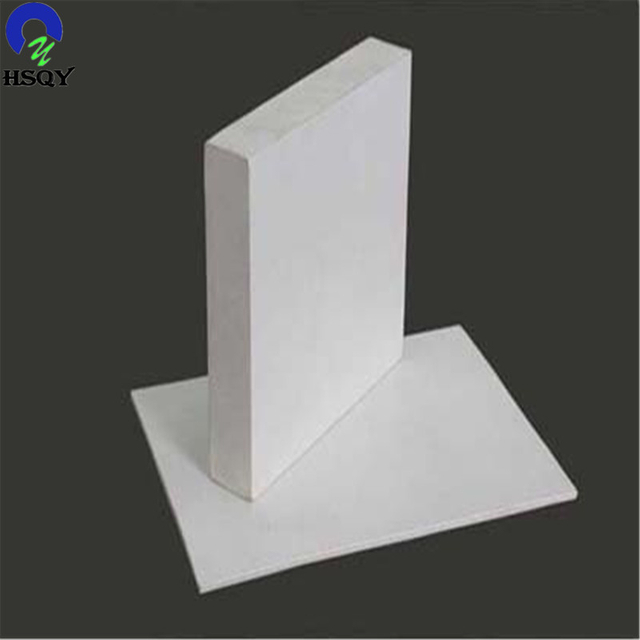
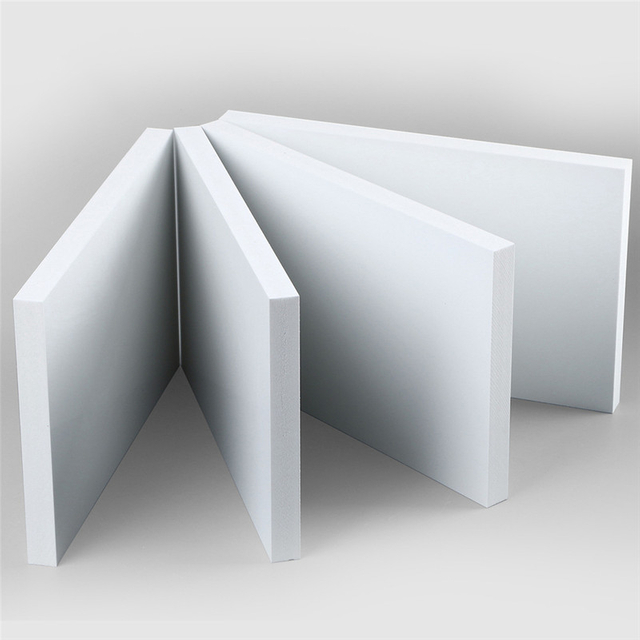
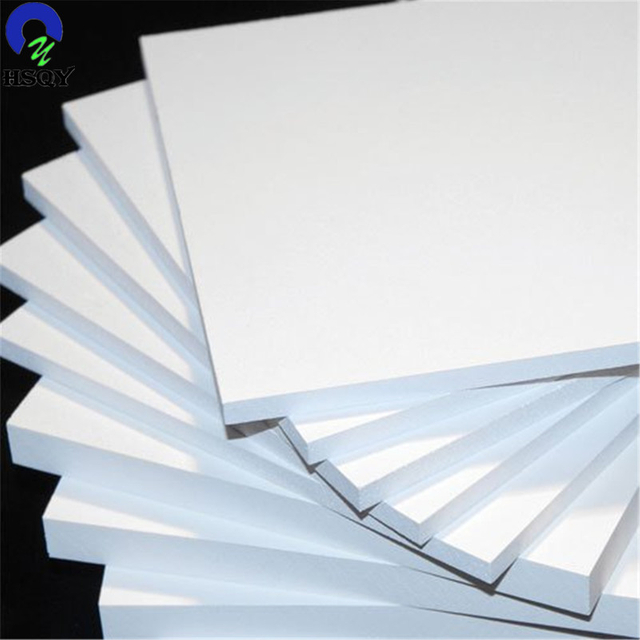
PVC Celuka board is a rigid expanded PVC sheet manufactured using the Celuka extrusion process. Its characteristic structure combines a foamed cellular core with a denser, harder outer skin, providing a useful balance of low weight, rigidity, surface hardness and machinability.
Compared with lower-density free-foam PVC sheet, Celuka board is commonly selected where the finished product requires greater surface hardness, better support for machining and mechanical fastening, and increased rigidity for cabinetry or fabricated panels.
HSQY's current PVC Celuka and related rigid PVC foam board portfolio covers approximately 1–35 mm thickness, densities from approximately 0.35–1.0 g/cm³, standard 1220 × 2440 mm / 4 × 8 ft sheets and large formats including 1560 × 3050 mm and 2050 × 3050 mm.
What Is PVC Celuka Foam Board?
PVC Celuka foam board, also called PVC Celuka board, Celuka PVC sheet, PVC skinned foam board or rigid PVC foam board, is an expanded polyvinyl chloride sheet made using the Celuka extrusion process.
During production, the extruded PVC foam material is calibrated and rapidly cooled at the surfaces. This produces a relatively dense outer skin surrounding a lighter cellular interior.
This structure differentiates Celuka from standard free-foam PVC and makes it particularly relevant to cabinet makers, furniture manufacturers, interior contractors and fabricators that require both a lightweight board and a harder finished surface.
How Does the Celuka Process Create a Hard Outer Skin?
The defining characteristic of Celuka technology is controlled cooling and calibration during extrusion.
The surface material cools rapidly and forms a compact skin while the internal material maintains a foamed cellular structure.
The resulting board is therefore not uniformly foamed from surface to core. Surface density and hardness are higher than in the center, which influences routing, fastening, painting, laminating and finished-panel rigidity.
PVC Celuka Foam Board Specifications
| Product | PVC Celuka Foam Board / PVC Skinned Foam Board |
| Material | Expanded Rigid Polyvinyl Chloride / PVC |
| Structure | Cellular foam core with relatively dense, hard outer surfaces produced by the Celuka process |
| Current Product-Family Thickness | Approximately 1–35 mm depending on density, sheet dimensions and product specification |
| Featured Thicknesses | 3 mm, 4 mm, 5 mm, 8 mm, 12 mm, 15 mm and 18 mm are represented in the current HSQY category |
| Current Density Range | Approximately 0.35–1.0 g/cm³ across the current linked PVC foam board product family; confirm the required Celuka grade by application |
| Standard Size | 1220 × 2440 mm / approximately 4 × 8 ft |
| Additional Current Sizes | 915 × 1830 mm, 1560 × 3050 mm and 2050 × 3050 mm |
| Colors | White, black, red, yellow, blue, green and custom colors subject to product specification |
| Surface | Matte, glossy, smooth or application-specific finished surface depending on grade |
| Processing | Sawing, CNC routing, drilling, engraving, screwing, nailing, riveting, punching, die cutting, sanding, painting, bonding and laminating |
| Main Applications | Cabinets, furniture, partitions, interior decoration, wall panels, exhibition structures, signage and fabricated components |
Why Density Matters When Buying PVC Celuka Board
Thickness alone is not enough to define PVC Celuka board performance. Density is a critical B2B purchasing parameter because it affects board weight, stiffness, machining behavior, fastener support and material cost.
| Density Direction | General Selection Consideration |
| Lower Density | Reduces board weight and can be suitable where lightweight panels are the main priority |
| Medium Density | Balances board weight, rigidity, machining and general cabinet or display performance |
| Higher Density | Can provide greater rigidity and improved support for machining or fastening, depending on board construction and thickness |
Cabinet and furniture buyers should therefore include both thickness and density in repeat-order specifications instead of purchasing only by sheet dimensions.
PVC Celuka Board for Kitchen Cabinets
PVC Celuka board is commonly considered as a lightweight alternative to traditional wood-based panels for selected cabinet components.
Its moisture-resistant PVC structure is useful in kitchens where panels can encounter humidity, occasional splashes and routine cleaning.
The hard Celuka surface also supports CNC routing, drilling, edge fabrication, painting and compatible decorative lamination.
Cabinet manufacturers should specify panel dimensions, density, thickness, hinge and screw locations, unsupported span, door dimensions, surface finish and decorative layer before selecting the final board.
PVC Celuka Board for Bathroom Cabinets
Bathroom cabinetry is another major application because PVC foam board does not behave like untreated wood-based board when exposed to moisture.
Potential uses include cabinet bodies, shelves, partitions, drawer components and decorative panels.
Finished cabinet performance still depends on panel design, joints, hardware, loading and installation, so density and thickness should be selected according to the actual component rather than by application name alone.
PVC Celuka Foam Board for Furniture
PVC Celuka board can be fabricated into furniture components such as shelves, cabinets, partitions, display units, storage systems and interior panels.
The board can be routed for decorative profiles, drilled for hardware, painted, laminated with decorative films or combined with other materials in fabricated furniture structures.
For heavy shelves, large doors or load-bearing furniture components, the board thickness, density, reinforcement and hardware design should be validated using the final construction.
18mm PVC Celuka Board for Cabinets and Furniture
18mm PVC foam board is a common purchasing thickness for furniture and cabinet projects where a substantial panel thickness is required.
HSQY's current Celuka category includes 18mm products for furniture and printing applications.
However, two 18mm boards with different densities or internal structures can perform differently. Buyers should define density, panel weight, screw requirements and finished component dimensions together with nominal thickness.
8mm and 12mm PVC Celuka Board
Medium-gauge Celuka boards such as 8mm and 12mm can be evaluated for cabinet components, partitions, displays, decorative panels, backing structures and fabricated parts.
Selection should consider unsupported panel size, load, fastening method, edge machining and required rigidity.
3mm and 5mm PVC Celuka Board
Thin 3mm, 4mm and 5mm Celuka products can be used for decorative panels, signs, exhibition structures, wall linings, backing panels and applications where low weight is more important than heavy structural loading.
HSQY currently offers a 2050 × 3050 mm Celuka product specifically featuring 3mm, 4mm and 5mm thicknesses for large-format requirements.
4 × 8 PVC Celuka Foam Board
1220 × 2440 mm, commonly described as approximately 4 × 8 ft, is one of the main standard sheet formats in HSQY's current PVC Celuka range.
The format is compatible with many cabinet, furniture, CNC-routing, printing and general fabrication workflows.
Large-Format 1560 × 3050 and 2050 × 3050mm Celuka Boards
Large-format PVC Celuka sheets can reduce seams and improve nesting efficiency for oversized cabinet panels, partitions, wall panels, exhibition components and CNC-routed parts.
HSQY's current product family includes 1560 × 3050 mm and 2050 × 3050 mm sheet formats.
Large sheets should be evaluated for handling, pallet dimensions, machine-bed size, container loading and finished material yield before purchasing.
Screw Holding and Mechanical Fastening
Screw and fastener performance is particularly important in cabinet and furniture applications.
Celuka's relatively dense outer skin can provide better local support for screws and mechanical fasteners than a softer low-density foam surface, but actual holding strength depends on density, thickness, screw design, pilot-hole size, edge distance and applied load.
Projects involving hinges, drawer slides, shelving hardware or repeated opening cycles should test the final board and fastener combination rather than relying only on generic material descriptions.
CNC Routing and Machining PVC Celuka Board
PVC Celuka sheet can be processed using many conventional plastic and woodworking fabrication methods.
Tool geometry, feed rate and spindle speed should be selected to avoid excessive heat, edge chipping or poor surface finish.
Can PVC Celuka Board Be Laser Cut?
Conventional laser cutting should not be treated as the default processing method for PVC.
Heating PVC can generate corrosive and hazardous decomposition products and may damage equipment that is not specifically designed for PVC processing.
CNC routing, sawing and other appropriate mechanical processes are generally better choices unless a specialized system with suitable extraction and material-processing controls is used.
Painting PVC Celuka Foam Board
PVC Celuka surfaces can be painted for furniture, decorative panels, signs and interior applications.
Paint adhesion depends on the specific board surface, sanding or cleaning method, primer, coating chemistry and curing conditions.
Furniture manufacturers should test the complete coating system on a production board before specifying a commercial finish.
Laminating PVC Celuka Board
Celuka boards can serve as substrates for decorative films and other compatible surface materials.
Laminated constructions can create wood-grain, solid-color, marble-effect or other decorative cabinet and interior surfaces.
Adhesive compatibility, surface preparation, lamination temperature and dimensional stability should be validated using the actual decorative layer.
For finished decorative boards, also review our PVC Laminated Foam Boards.
PVC Celuka Board for Interior Decoration
PVC Celuka foam board can be used for partitions, decorative panels, wall applications, display structures, interior cladding and customized architectural elements.
Its combination of low weight and rigid surface can simplify handling and fabrication compared with heavier solid plastic sheets.
Building or public-space projects should separately confirm applicable fire, structural and local regulatory requirements.
PVC Celuka Board for Printing and Signage
Smooth Celuka surfaces can also support signage, screen printing, engraving and graphic applications.
However, if the primary purchasing requirement is lightweight digital-print signage rather than cabinet or structural fabrication, a lower-density PVC Free Foam Board may also be worth evaluating.
Printing buyers should test ink compatibility, whiteness, surface smoothness and flatness using the actual printer and ink system.
PVC Celuka vs. PVC Free Foam Board
| Feature | PVC Celuka Board | PVC Free Foam Board |
| Manufacturing Structure | Foamed core with harder, denser outer skin | More uniformly expanded cellular structure |
| Surface Hardness | Higher due to compact outer skin | Softer foam surface |
| Typical Priority | Cabinets, furniture, harder surface and fabrication | Lightweight printing, signs and displays |
| CNC Routing | Suitable, but tooling should account for the harder surface skin | Commonly easy to route and shape for display fabrication |
| Mechanical Fastening | Often preferred when screw and hardware support is important | Performance depends strongly on density and thickness |
PVC Celuka vs. PVC Co-Extrusion Foam Board
| Feature | PVC Celuka Board | PVC Co-Extrusion Board |
| Surface Formation | Compact surface created through Celuka cooling and calibration | Separate denser outer layers co-extruded around a foam core |
| Cross-Section | Gradual transition from harder surface toward foamed core | More distinct surface layers and core |
| Surface Performance | Hard surface suitable for furniture and fabrication | Dense surface layers can be considered where premium surface hardness is a priority |
| Typical Application | Cabinets, furniture, partitions and interior fabrication | Premium cabinets, furniture and demanding decorative panel applications |
For projects requiring a co-extruded surface structure, review our PVC Co-Extrusion Foam Boards.
PVC Celuka Board vs. Plywood and MDF
| Selection Factor | PVC Celuka Board | Wood-Based Board |
| Moisture Behavior | PVC structure has low water absorption | Performance varies significantly with wood type, adhesive and moisture-resistant grade |
| Weight | Cellular structure reduces density compared with solid PVC | Depends on plywood or MDF grade |
| CNC Machining | Routable, drillable and machinable | Widely machinable with woodworking equipment |
| Natural Wood Appearance | Requires paint, film or decorative lamination when wood appearance is desired | Plywood can retain natural wood appearance |
| Structural Selection | Must be designed according to PVC foam density and board stiffness | Must be designed according to wood-panel grade and structural properties |
PVC Celuka should therefore be described as an alternative for suitable cabinet and furniture applications, not as a universal one-to-one replacement for every plywood or MDF structural design.
Moisture Resistance of PVC Celuka Foam Board
PVC Celuka board has low water absorption compared with many untreated wood-based boards, which is one reason it is considered for kitchens, bathrooms, partitions and moisture-prone interior applications.
Current HSQY individual Celuka product pages list water-absorption values of up to approximately 1.5% for the tested products.
This value should not automatically be applied to every density and formulation. Projects with a contractual water-absorption requirement should confirm the exact tested grade.
Outdoor Use and UV Resistance
Moisture resistance alone does not guarantee unlimited exterior weatherability.
Outdoor PVC Celuka projects should specify UV exposure, temperature range, color, expected service period, mounting method and required appearance retention.
An exterior or UV-stabilized grade should be confirmed when long-term sunlight exposure is expected rather than applying an outdoor claim to every Celuka product.
Fire Performance of PVC Celuka Board
Some individual HSQY PVC Celuka products list self-extinguishing behavior in their current technical data, but fire performance must be treated as grade-, density-, thickness- and test-specific.
Do not automatically describe the entire PVC Celuka category as fireproof or assign one product's result to every sheet.
Building, transportation, exhibition and public-space projects should provide the required test method and classification so the applicable product report can be confirmed.
Chemical Resistance and Cleaning
Rigid PVC offers useful resistance to many water-based chemicals and cleaning environments, but chemical compatibility depends on concentration, temperature, exposure time and mechanical stress.
Cabinet and industrial buyers should test aggressive cleaners, solvents or process chemicals against the exact board and surface finish before approval.
Can PVC Celuka Board Be Thermoformed?
PVC foam materials can be thermally shaped under suitable conditions, but thick Celuka cabinet boards are normally purchased primarily for machining and fabrication rather than deep-draw thermoforming.
Heating can change surface skin, thickness distribution and dimensions, so any thermal forming requirement should be evaluated using the actual board grade and part geometry.
How to Choose the Right PVC Celuka Foam Board
1. Define the Final Application
Specify kitchen cabinet, bathroom cabinet, furniture, partition, wall panel, signage, exhibition, printing or another fabricated application.
2. Confirm Whether Celuka Is the Right Foam Structure
Choose Celuka when a harder outer surface and cabinet/furniture fabrication performance are priorities. Compare Free Foam or Co-Extruded board where their different surface structures better fit the application.
3. Select Thickness
Select thickness according to panel dimensions, unsupported span, hardware, loading and finished-product design.
4. Specify Density
Density should be included in cabinet and furniture RFQs because it can materially affect weight, rigidity and fastener performance.
5. Select Sheet Size
Choose 915 × 1830 mm, 1220 × 2440 mm, 1560 × 3050 mm, 2050 × 3050 mm or a customized format based on machine size and cutting yield.
6. Select Color
White is the most common base color. Black and other customized colors can be discussed according to the product specification.
7. Define Surface Finish
Specify matte, glossy or another required surface and whether the board will be painted, printed or laminated.
8. Define CNC and Edge Processing
Provide drawings where routing depth, engraving, grooves, holes or decorative profiles are required.
9. Define Fastener Requirements
Identify screws, hinges, drawer slides, fastener positions and expected loads for furniture applications.
10. Define Lamination or Painting
Provide decorative film, adhesive, primer, paint or coating requirements when surface finishing is part of production.
11. Confirm Indoor or Outdoor Use
Exterior applications should define UV exposure, temperature conditions and expected service life.
12. Confirm Fire and Regulatory Requirements
Provide the exact required standard, report or destination-market requirement before selecting the production grade.
13. Approve a Production Sample
Test thickness, density, surface, color, machining, screws, paint or lamination using your actual production process before approving a customized commercial order.
Custom PVC Celuka Board Manufacturing
HSQY supports customized PVC Celuka projects for cabinet manufacturers, furniture factories, interior contractors, construction-material distributors, signage manufacturers and plastic fabricators.
Custom requirements can include:
Custom thickness
Custom density
1220 × 2440 mm / 4 × 8 ft sheets
915 × 1830 mm sheets
1560 × 3050 mm large-format sheets
2050 × 3050 mm large-format sheets
Custom-cut dimensions
White PVC Celuka board
Black PVC Celuka board
Other custom colors
Matte surface
Glossy surface
Protective film where required
CNC routing
Drilling and engraving
Cut-to-size processing
Painting requirements
Decorative lamination requirements
Printing requirements
Custom export packaging
Quality Control for PVC Celuka Foam Board
Important purchasing and quality-control parameters can include:
Thickness and thickness tolerance
Width and length tolerance
Density
Sheet weight
Outer-skin consistency
Foam-cell structure
Board flatness
Surface hardness where specified
Surface appearance
Color consistency
CNC routing quality
Screw or fastener performance where required
Water absorption where specified
Painting or coating adhesion where required
Lamination adhesion where required
Fire-test performance where contractually specified
Packing and pallet condition
Packing and International Shipping
PVC Celuka boards can be packed using suitable protective wrapping, kraft paper, cartons, film and palletized export packaging according to sheet dimensions and surface requirements.
Large 1560 × 3050 mm and 2050 × 3050 mm sheets require additional attention to handling, pallet dimensions and container-loading efficiency.
For furniture manufacturers, selecting the sheet size around CNC nesting patterns can reduce offcuts and lower the effective material cost per finished cabinet component.
Why Choose HSQY for PVC Celuka Foam Board?
Multiple Thickness Options: HSQY's current PVC Celuka category includes thin sheets through 18mm cabinet products, while the broader linked PVC foam portfolio covers approximately 1–35mm.
Density Selection: Different densities can be evaluated according to cabinet weight, panel rigidity, machining and fastener requirements.
4 × 8 and Large Formats: Current products include 1220 × 2440 mm, 1560 × 3050 mm and 2050 × 3050 mm sheets.
Furniture and Cabinet Applications: Celuka's hard outer skin and cellular core make it suitable for evaluation in kitchen cabinets, bathroom cabinets, shelves, partitions and furniture panels.
Machining Options: Sawing, CNC routing, drilling, engraving, fastening, painting and lamination requirements can be incorporated into project specifications.
Multiple PVC Foam Technologies: HSQY also supplies PVC Free Foam Boards, PVC Co-Extrusion Foam Boards and PVC Laminated Foam Boards for different printing, furniture and decoration requirements.
Information Needed for a PVC Celuka Board Quote
| Application | Kitchen cabinet, bathroom cabinet, furniture, partition, decoration, signage or another application |
| Foam Board Type | Celuka, Free Foam, Co-Extruded or recommendation required |
| Thickness | Required thickness and tolerance |
| Density | Required density, target sheet weight or current reference sample |
| Sheet Size | 915 × 1830, 1220 × 2440, 1560 × 3050, 2050 × 3050 mm or custom dimensions |
| Color | White, black or customized color |
| Surface | Matte, glossy, paint-ready, lamination substrate or other surface requirement |
| CNC Processing | Cutting, routing, engraving, groove, drilling or other machining requirement |
| Fastening | Screw, hinge, drawer-slide or other hardware requirements where applicable |
| Surface Finishing | Painting, printing, decorative film or lamination requirements |
| Service Environment | Kitchen, bathroom, indoor, outdoor or chemical exposure |
| Compliance | Required fire, environmental or destination-market test requirement |
| Quantity | Trial quantity, regular purchasing quantity and estimated annual demand |
| Destination | Destination country and port |
PVC Celuka Foam Board FAQ
What is PVC Celuka foam board?
PVC Celuka foam board is an expanded rigid PVC sheet manufactured using the Celuka extrusion process. It has a cellular foam core and relatively hard, compact outer surfaces.
What is another name for PVC Celuka board?
It can also be called Celuka PVC sheet, PVC skinned foam board, rigid PVC foam board or PVC Celuka foam sheet.
What is the difference between PVC Celuka and free-foam PVC?
Celuka has relatively harder outer surfaces surrounding a foamed core. Free-foam PVC has a more uniformly expanded cellular structure and is commonly selected for lightweight printing and signage.
What is the difference between Celuka and co-extruded PVC foam board?
Celuka develops its compact surface through the Celuka cooling and calibration process. Co-extruded board uses distinct denser outer layers around the foam core.
Is Celuka board good for kitchen cabinets?
Celuka is commonly considered for kitchen cabinet bodies, shelves, panels and other components because of its moisture-resistant PVC structure, rigid surface and machinability. Final thickness and density should be selected for the actual cabinet design.
Is PVC Celuka board suitable for bathroom cabinets?
Yes, suitable grades can be used for bathroom cabinet components and other moisture-prone interior applications. Hardware and structural performance should still be validated.
What thickness PVC Celuka board is used for cabinets?
Cabinet thickness depends on panel size, density, hardware and load. HSQY currently offers products including 8mm, 12mm, 15mm and 18mm within the wider Celuka category.
Does HSQY supply 18mm PVC Celuka board?
Yes. The current category includes 18mm PVC foam products for furniture and printing applications.
What thickness range does HSQY offer?
Current linked HSQY PVC foam products cover approximately 1–35mm. Confirm the available Celuka density and sheet dimensions for the required thickness.
What density PVC Celuka board should I choose?
Density depends on board weight, stiffness, screw requirements, CNC machining and cost targets. Cabinet and furniture buyers should specify both density and thickness.
Does HSQY supply 4 × 8 PVC Celuka sheets?
Yes. 1220 × 2440 mm, approximately 4 × 8 ft, is one of HSQY's standard Celuka sheet formats.
Does HSQY offer large-format PVC Celuka sheets?
Yes. Current products include 1560 × 3050 mm and 2050 × 3050 mm formats for suitable specifications.
What colors are available?
White is commonly supplied. Current HSQY product specifications also list black, red, yellow, blue and green, with custom colors available for suitable projects.
Can PVC Celuka board hold screws?
Celuka board can be screwed and mechanically fastened. Actual holding performance depends on board density, thickness, screw design, pilot hole, edge distance and load.
Can PVC Celuka board be CNC routed?
Yes. It can be CNC routed, drilled and engraved using appropriate tooling and machining conditions.
Can PVC Celuka board be painted?
Yes. Suitable boards can be painted after proper surface preparation and confirmation of coating compatibility.
Can PVC Celuka board be laminated?
Yes. Decorative films and other compatible surface materials can be laminated to Celuka board using an appropriate adhesive and processing system.
Can PVC Celuka board be printed?
Yes. Smooth Celuka surfaces can be used for suitable printing and signage applications. Test the actual printer and ink system before commercial approval.
Can PVC Celuka board be laser cut?
Conventional laser cutting is not recommended as the default method because heating PVC can release corrosive and hazardous decomposition products. CNC routing or mechanical cutting is generally more appropriate.
Is PVC Celuka foam board waterproof?
PVC Celuka board has low water absorption and is suitable for many moisture-prone environments. The performance of the finished cabinet or panel also depends on joints, hardware and installation.
Can PVC Celuka board be used outdoors?
Suitable exterior grades can be evaluated for outdoor applications. Long-term use should specify UV exposure, temperature, color stability and required service life.
Is PVC Celuka board fire retardant?
Fire behavior is product-specific. Some HSQY products list self-extinguishing test performance, but a required fire classification should be confirmed for the exact grade, density and thickness.
Can PVC Celuka board replace plywood?
It can replace plywood or MDF in selected cabinet, furniture and moisture-resistant applications, but it should not be treated as a universal structural replacement. Load, span, density, thickness and hardware design must be evaluated.
Is PVC Celuka board suitable for chemical environments?
Rigid PVC provides useful resistance to many chemicals, but compatibility depends on chemical type, concentration, temperature and exposure duration.
Can HSQY cut PVC Celuka boards to size?
Custom sheet dimensions and cut-to-size processing can be discussed according to board thickness, density, tolerance and purchasing quantity.
Can I request PVC Celuka board samples?
Available samples can be discussed for evaluating thickness, density, surface, machining, fasteners, painting or lamination before bulk ordering.
What information should I provide for a PVC Celuka quotation?
Provide application, thickness, density, sheet size, color, surface, CNC or fastening requirements, painting or lamination needs, quantity and destination.
Request a PVC Celuka Foam Board Quote
Looking for a reliable PVC Celuka foam board manufacturer, PVC cabinet board supplier or customized rigid PVC foam sheet for furniture, cabinetry, interiors or CNC fabrication?
Send HSQY your required thickness, density, sheet dimensions, surface, application and estimated purchasing quantity. For cabinet projects, include panel dimensions, screw or hinge requirements and decorative finish. If you are unsure whether Celuka, Free Foam or Co-Extruded board is more appropriate, provide the final application so the board structure can be evaluated.