HIPS Sheet for Vacuum Forming & Thermoforming
HSQY HIPS sheet for vacuum forming combines impact resistance, rigidity and good formability for trays, packaging, appliance liners, covers, housings, displays and industrial thermoformed components.
High Impact Polystyrene, commonly abbreviated as HIPS, is a rubber-modified polystyrene material widely used for vacuum forming and thermoforming because it provides a practical balance of toughness, rigidity, processing performance and material cost.
HSQY's current product range covers approximately 0.2mm to 6mm thickness, widths up to 1600mm and white, black or customized colors. Material selection should be based on forming depth, mold dimensions, finished wall thickness and the requirements of the final component.
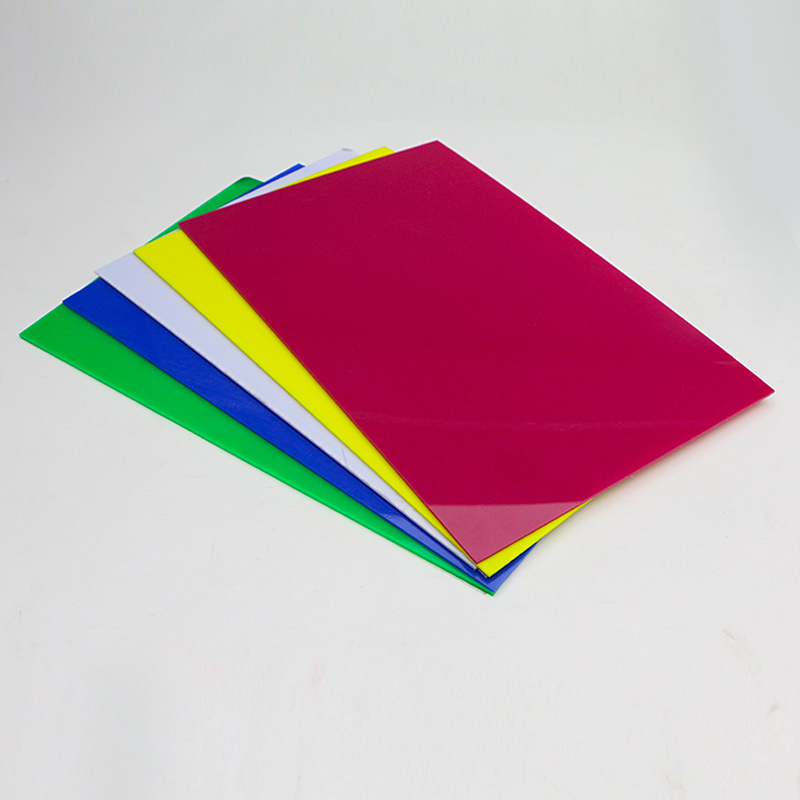
![HIPS sheet for vacuum forming]()
HIPS Sheet for Vacuum Forming
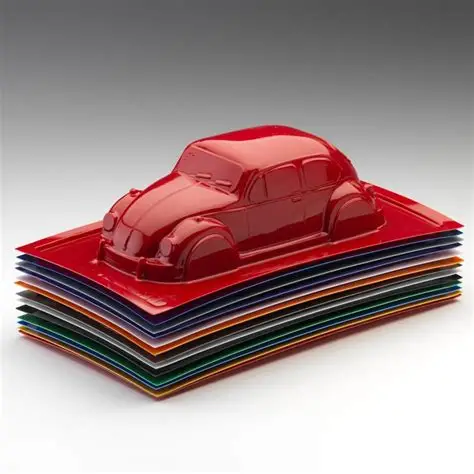
![High impact polystyrene thermoforming sheet]()
HIPS Thermoforming Sheet
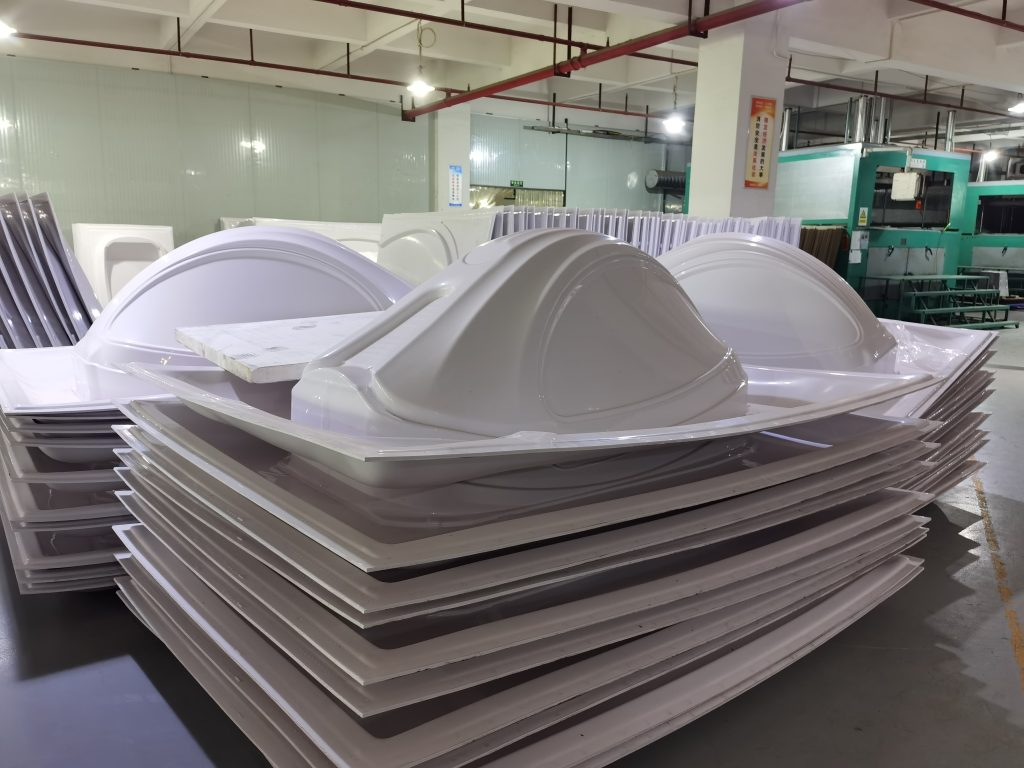
![Polystyrene sheet for thermoformed components]()
Polystyrene Sheet for Formed Parts
HIPS Vacuum Forming Sheet Specifications
| Property |
Specification |
| Product |
HIPS / Polystyrene Sheet for Vacuum Forming |
| Material |
Polystyrene (PS) / High Impact Polystyrene (HIPS) |
| Thickness |
0.2mm - 6mm, Custom |
| Maximum Width |
Up to approximately 1600mm |
| Color |
White, Black, Custom Colors |
| Surface |
Smooth; gloss, matte or application-specific surface subject to grade confirmation |
| Forming Processes |
Vacuum forming, thermoforming and related sheet-forming processes according to grade and equipment |
| Secondary Processing |
Cutting, die cutting, CNC machining, drilling, routing, bonding, painting, printing and lamination depending on specification |
| Typical Applications |
Packaging trays, inserts, appliance liners, covers, housings, POP displays, signs, prototypes and industrial thermoformed components |
Specification Note: Forming performance depends on the exact HIPS grade, sheet thickness, heating conditions, mold geometry and finished-part requirements. Final specifications should be confirmed using the intended thermoforming equipment and part design.
What Is HIPS Vacuum Forming Sheet?
HIPS vacuum forming sheet is High Impact Polystyrene supplied as flat sheet or suitable forming stock for manufacturing three-dimensional plastic components.
During vacuum forming, the sheet is heated until it becomes sufficiently pliable. A vacuum then pulls the heated material against a mold, where it cools and retains the required shape.
HIPS is especially useful when the finished component requires more toughness than standard GPPS while still needing economical thermoforming, trimming and secondary fabrication.
Why HIPS Is Widely Used for Vacuum Forming
Good formability: Suitable HIPS grades can be formed into trays, liners, covers and housings using conventional thermoforming equipment.
Improved impact resistance: Rubber modification provides greater toughness than standard GPPS.
Useful rigidity: Formed parts can maintain useful structural stiffness when the appropriate starting gauge is selected.
Economical processing: HIPS is widely selected for high-volume formed products where material and processing costs matter.
Easy trimming and fabrication: Finished parts can be cut, drilled, routed and machined using suitable tools.
Surface options: White, black, custom colors and different surface finishes can be considered according to the application.
Printable and paintable: Suitable surfaces can support printing, labeling, painting and decorative finishing after compatibility testing.
Vacuum Forming vs. Thermoforming
Thermoforming is the broader process of heating a thermoplastic sheet and shaping it into a three-dimensional component. Vacuum forming is one of the most common thermoforming methods.
| Process |
General Description |
Typical Use |
| Vacuum Forming |
Vacuum pressure draws the heated sheet against the mold |
Trays, covers, displays, liners and relatively straightforward formed parts |
| Pressure Forming |
Additional air pressure assists the sheet against the mold |
Applications requiring greater surface detail, subject to suitable material and equipment |
| General Thermoforming |
Broad category covering vacuum, pressure and mechanically assisted forming processes |
Packaging, appliances, industrial components and formed plastic products |
How to Choose HIPS Thickness for Vacuum Forming
Starting sheet thickness is one of the most important purchasing parameters because the material becomes thinner as it stretches over or into the mold.
| Thickness Direction |
General Application Direction |
| 0.2 - 0.5mm |
Thin-gauge trays, inserts and lightweight formed components |
| 0.5 - 1.0mm |
Packaging, displays, small covers and general lightweight vacuum-formed products |
| 1.0 - 2.0mm |
Medium-gauge trays, housings, covers and appliance components |
| 2.0 - 4.0mm |
Larger formed parts, equipment covers, appliance panels and industrial components |
| 4.0 - 6.0mm |
Heavy-gauge formed or fabricated components requiring greater starting-sheet rigidity |
These ranges are general selection directions rather than fixed application limits. A small deep-draw component can require a thicker starting sheet than a much larger shallow component.
Key Vacuum Forming Parameters
A vacuum-forming sheet should not be selected using thickness alone. Mold geometry and processing conditions directly influence the finished component.
| Parameter |
Why It Matters |
| Starting Sheet Thickness |
Determines how much material is available before stretching |
| Mold Width & Length |
Determines required sheet dimensions and clamping area |
| Forming Depth |
Deep cavities generally create greater wall thinning |
| Draw Ratio |
Helps assess how much the sheet must stretch during forming |
| Corner Radius |
Sharp corners can increase localized thinning and stress |
| Cavity Spacing |
Closely spaced cavities can increase webbing risk |
| Heating Uniformity |
Uneven heating can cause inconsistent sag and forming |
| Vacuum System |
Vacuum performance influences mold definition and forming consistency |
| Finished Wall Thickness |
Should be measured at critical corners, sidewalls and deep cavities |
Wall Thickness Distribution After Vacuum Forming
The thickness printed on a HIPS sheet specification describes the original flat sheet. It does not represent the thickness of every area of the finished formed component.
As HIPS stretches into a mold, material is redistributed. Corners, deep sidewalls and areas furthest from the original sheet plane can become substantially thinner.
Where minimum wall thickness is critical, buyers should provide the finished-part requirement and evaluate samples produced on the intended mold rather than specifying only the original sheet gauge.
Reducing Webbing During Vacuum Forming
Webbing occurs when unwanted folds form between mold features or cavities. It is influenced by mold spacing, sheet temperature, sheet sag, draw geometry and forming technique.
If a current product experiences webbing, provide the mold drawing, sheet thickness, cavity spacing and photographs of the formed part when discussing material selection. Material changes alone may not solve a mold or heating issue.
HIPS Sheet for Packaging Trays & Inserts
HIPS can be vacuum formed into protective trays, inserts, component holders and other rigid packaging structures where toughness, rigidity and economical forming are important.
For packaging projects, specify cavity size, number of cavities, product weight, required stacking behavior and minimum finished wall thickness.
Food, pharmaceutical, medical and ESD-sensitive packaging require an application-specific material grade and appropriate documentation. Standard HIPS should not automatically be assumed suitable for these regulated applications.
HIPS Sheet for Appliance Liners & Components
HIPS is widely considered for refrigerator liners, appliance interiors, covers, housings and trays because suitable grades combine thermoforming capability with useful rigidity and impact resistance.
Appliance manufacturers should specify forming depth, operating temperature, detergent or chemical exposure, color, surface finish and required mechanical performance when evaluating a HIPS grade.
HIPS Sheet for Equipment Covers & Housings
Medium and heavier-gauge HIPS can be vacuum formed into covers, housings and protective enclosures for equipment where low weight, appearance and economical production are important.
Finished-part suitability should be evaluated according to dimensions, impact requirement, fastening points, unsupported spans and operating conditions.
HIPS Sheet for POP Displays & Signage
Vacuum forming allows HIPS to be converted into three-dimensional display components, branded panels, product stands, signs and retail fixtures.
Suitable HIPS surfaces can also be printed, painted or decorated after forming. Printing or coating adhesion should be verified using the actual sheet grade and finished surface.
HIPS Sheet for Prototypes & Model Making
HIPS is useful for prototype vacuum forming because sheets can be heated, formed, trimmed, drilled, bonded and painted using common fabrication techniques.
Prototype forming also allows manufacturers to evaluate mold geometry, wall-thickness distribution and part rigidity before committing to larger production quantities.
White vs. Black HIPS for Vacuum Forming
| Option |
General Application Direction |
| White HIPS |
Appliance liners, printed displays, white trays, prototypes and general formed parts |
| Black HIPS |
Industrial trays, covers, housings, dark displays and opaque formed components |
| Custom Colors |
Branded components and application-specific appearance requirements subject to production confirmation |
HIPS vs. GPPS for Vacuum Forming
| Feature |
HIPS |
GPPS |
| Material Structure |
Rubber-modified polystyrene |
General Purpose Polystyrene |
| Typical Appearance |
Normally opaque |
Normally clear and glossy |
| Impact Resistance |
Higher due to rubber modification |
More brittle |
| Vacuum Forming Direction |
Commonly preferred where toughness and general formability are priorities |
Can be evaluated where transparency is required |
| Typical Parts |
Trays, liners, covers, housings and opaque components |
Transparent packaging, covers and display components |
HIPS vs. ABS for Vacuum Forming
| Selection Factor |
HIPS |
ABS |
| Main Positioning |
Economical thermoforming material |
Engineering thermoplastic for more demanding applications |
| Typical Applications |
Trays, displays, appliance liners, covers and general housings |
Durable housings, automotive components and more demanding industrial parts |
| Material Selection |
Choose according to impact, temperature, rigidity, appearance, forming geometry and finished-part cost. |
Sheet Surface & Finished-Part Appearance
Surface finish is important because the appearance of the original sheet influences the appearance of the formed component.
Gloss, matte, smooth or application-specific surfaces should be specified before production. Heating and stretching can change gloss and texture, so appearance should be approved using a representative formed sample where cosmetic quality is important.
Trimming & Secondary Fabrication
After vacuum forming, excess material normally needs to be trimmed from the finished part. HIPS can be processed using suitable trimming, cutting, routing, drilling, punching and CNC machining methods.
Tooling and processing conditions should be selected according to sheet thickness and part geometry to obtain clean edges without excessive heat or mechanical stress.
Laser processing may be possible for selected polystyrene applications with suitable equipment and ventilation, but process suitability, fumes, edge quality and workplace requirements should be validated before production.
Printing, Painting & Decoration After Forming
Suitable HIPS components can be printed, painted, labeled, bonded or laminated after forming where the selected material and surface are compatible with the downstream process.
If printing or coating is required, specify whether decoration occurs before or after forming because stretching can affect printed graphics, gloss and surface appearance.
Indoor & Outdoor Applications
Standard HIPS is primarily used in indoor or controlled applications unless the selected grade has been formulated and tested for extended outdoor exposure.
Outdoor components should specify sunlight exposure, UV requirements, temperature range, required service life and appearance expectations before material selection.
What Information Should You Provide for a Vacuum Forming Quote?
| Requirement |
Information to Provide |
| Finished Product |
Tray, liner, housing, cover, display, appliance component or other formed part |
| Starting Thickness |
Required sheet thickness or recommendation required |
| Sheet Size |
Required width × length; maximum current width approximately 1600mm |
| Mold Dimensions |
Mold length, width and cavity dimensions |
| Forming Depth |
Maximum depth of the formed component |
| Draw Ratio |
Provide if already calculated or provide part drawing for evaluation |
| Finished Wall Thickness |
Minimum thickness required in critical areas |
| Color |
White, black or custom color requirement |
| Surface |
Gloss, matte, smooth or application-specific appearance |
| Machine Information |
Maximum forming area, clamping dimensions and relevant equipment limitations |
| Secondary Processing |
Trimming, drilling, CNC machining, printing, painting, bonding or lamination |
| Special Requirement |
Food-contact, ESD, flame, UV, medical, appliance or automotive requirement where applicable |
| Quantity |
Trial quantity, regular order quantity and estimated annual demand |
| Destination |
Country and destination port |
Frequently Asked Questions About HIPS Vacuum Forming Sheet
What is HIPS?
HIPS stands for High Impact Polystyrene. It is rubber-modified polystyrene designed to provide greater toughness than standard GPPS while remaining easy to thermoform and fabricate.
Is HIPS suitable for vacuum forming?
Yes. Vacuum forming is one of the major commercial applications of HIPS. Forming performance depends on grade, thickness, heating, mold geometry and forming depth.
What thickness HIPS sheet does HSQY supply?
The current product specification covers approximately 0.2mm to 6mm. Exact availability should be confirmed according to width, color and application.
What is the maximum HIPS sheet width?
The current product specification lists widths up to approximately 1600mm.
What colors are available?
The current product range lists white, black and customized colors. Final availability depends on the selected grade and production specification.
Which HIPS thickness is best for vacuum forming?
There is no universal best thickness. The correct starting gauge depends on mold dimensions, forming depth, draw ratio and the minimum wall thickness required on the finished component.
Does HIPS get thinner during vacuum forming?
Yes. The sheet stretches during forming, so corners and deep sidewalls can become thinner than the original starting gauge.
What causes webbing during vacuum forming?
Webbing can be influenced by mold geometry, closely spaced cavities, excessive sheet sag, heating conditions and forming technique. Material selection is only one part of controlling webbing.
Can HIPS be used for deep-draw vacuum forming?
HIPS can be evaluated for deep-draw components, but wall-thickness distribution becomes increasingly important as forming depth increases. Provide the mold dimensions and required minimum finished thickness for evaluation.
Can HIPS be used for packaging trays?
Yes. HIPS can be vacuum formed into packaging trays and inserts. Applications involving food, medical products, pharmaceuticals or ESD-sensitive electronics require appropriate grades and documentation.
Can HIPS be used for refrigerator liners?
HIPS is widely used for appliance and refrigerator liner applications. Exact suitability depends on forming performance, temperature, chemical exposure and required material grade.
What is the difference between HIPS and GPPS for vacuum forming?
HIPS is normally opaque and provides greater impact toughness. GPPS is normally clear and glossy but comparatively brittle, so it is more appropriate where transparency is a priority.
What is the difference between HIPS and ABS for thermoforming?
HIPS is commonly selected for economical thermoformed products. ABS is typically evaluated where a different balance of impact, heat resistance and engineering performance is required.
Can HIPS be printed after forming?
Suitable HIPS surfaces can be printed or decorated after forming. Ink adhesion, surface finish and curing conditions should be tested using the finished component.
Can HIPS be used outdoors?
Standard HIPS is primarily intended for indoor applications. Outdoor projects should specify UV, weathering and service-life requirements before selecting a grade.
Can standard HIPS be used for sterilizable medical trays?
Standard industrial HIPS should not automatically be treated as suitable for sterilization or medical use. Medical projects must define the sterilization method, regulatory requirements and material documentation before selecting a grade.
What information should I provide for a quotation?
Please provide the finished application, sheet thickness, width and length, color, surface finish, mold dimensions, forming depth, minimum finished wall thickness, machine information, quantity and destination.
Packing & Delivery
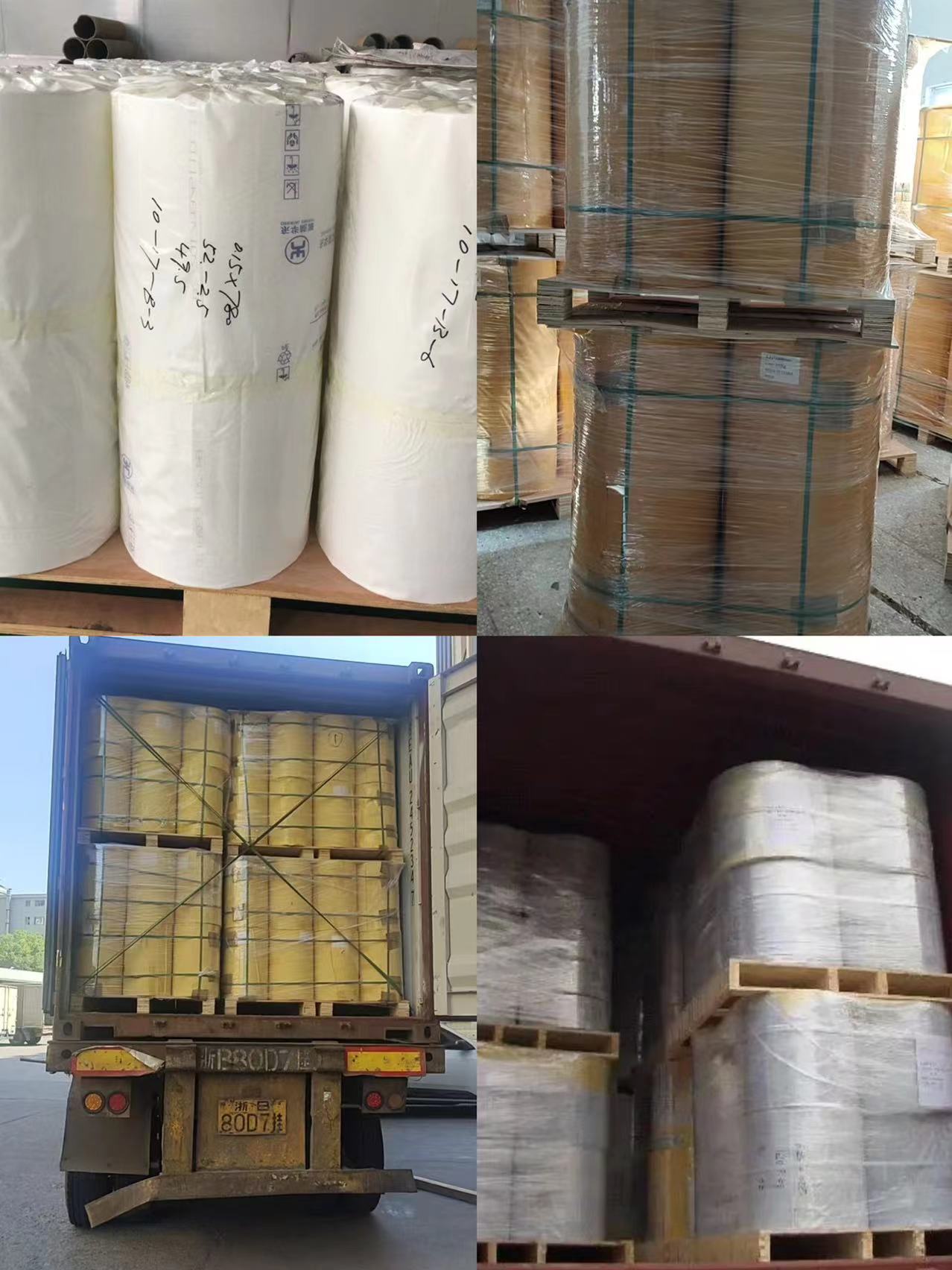
HIPS forming sheets should be protected according to sheet size, thickness and surface requirements to reduce scratching, contamination, edge damage and movement during transportation.
![HIPS vacuum forming sheet export packing]()
Export Packing for HIPS Vacuum Forming Sheet
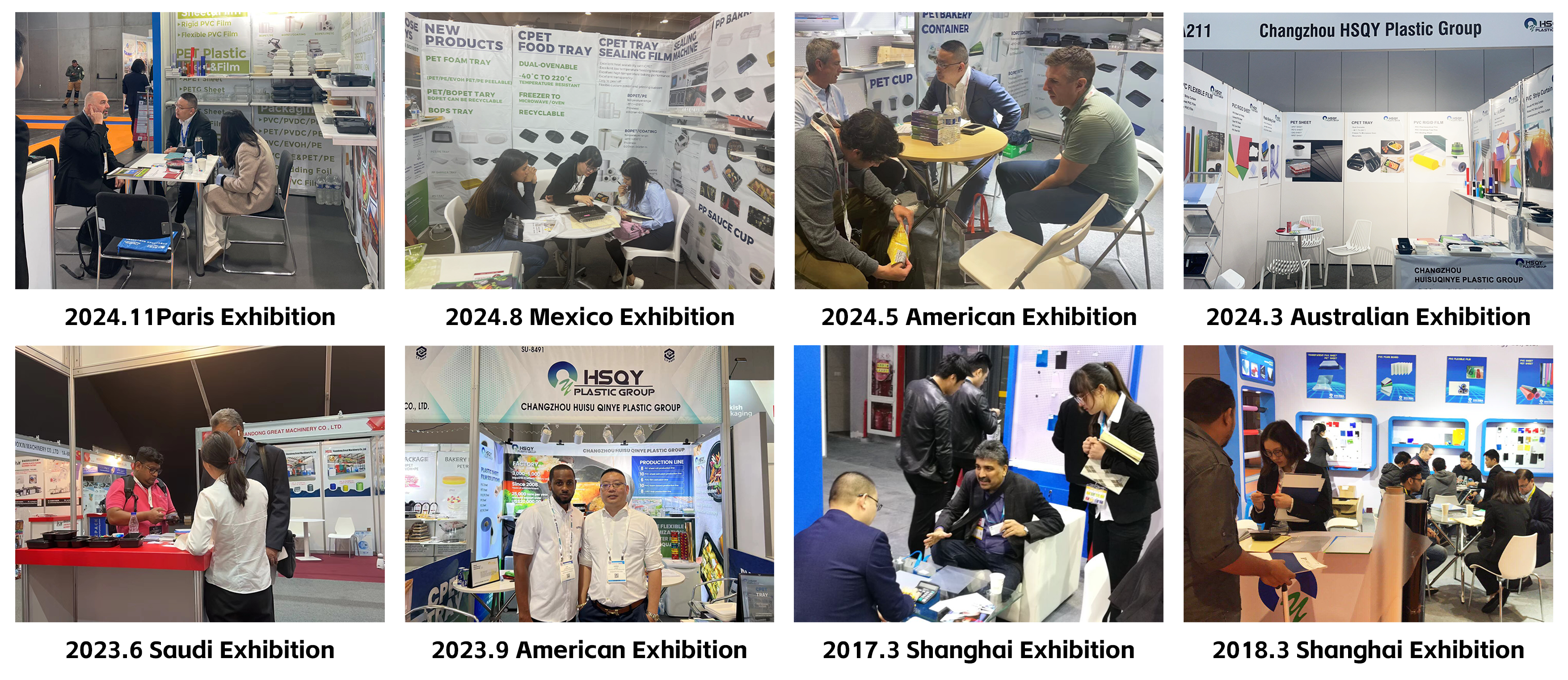
HSQY Plastic Group Exhibitions
HSQY Plastic Group meets thermoformers, packaging manufacturers, appliance producers, distributors and other plastic-sheet buyers at international industry exhibitions.
![HSQY Plastic Group international exhibitions]()
HSQY Plastic Group International Exhibition Activities
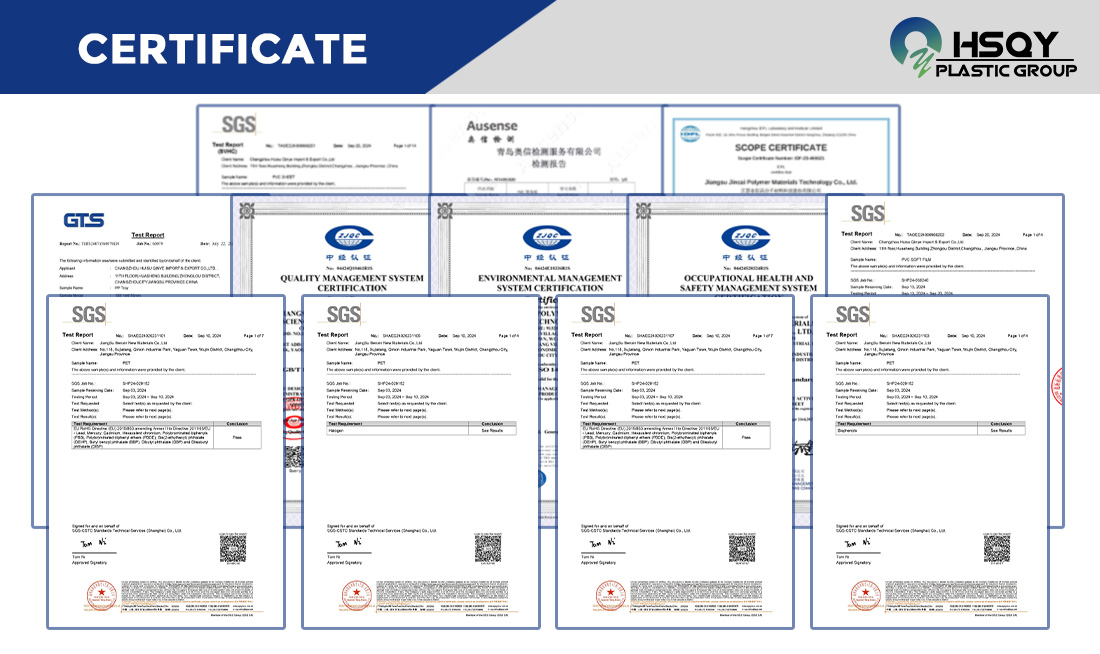
Certificates & Documentation
Available certificates and technical documentation should be confirmed for the exact HIPS grade, thickness and intended application before order approval.
About HSQY Plastic Group
HSQY Plastic Group supplies HIPS, GPPS and other plastic sheet materials for vacuum formers, thermoformers, packaging manufacturers, appliance manufacturers, display producers and industrial fabricators. Sheet thickness, dimensions, color, surface and forming requirements can be discussed according to the project.
Polystyrene Sheet Description
Polystyrene (PS) sheet is a thermoplastic material and one of the most widely used plastics. It has excellent electrical and mechanical properties, good processability and is available in a range of colours. High Impact Polystyrene (HIPS) sheet is a tough, low cost plastic that is easy to fabricate and thermoform. It is often used in applications where high impact resistance and processability are required at an affordable price.
HSQY Plastic's expertise in plastic materials is one of the solutions we offer our customers. We supply the best and widest range of polystyrene at the most competitive prices. Share your polystyrene needs with us and together we can choose the right solution for your application.
Polystyrene Sheet Specifications
| Product Item |
Polystyrene Sheet |
| Material |
Polystyrene (PS) |
| Color |
White, Black, Custom |
| Width |
Max. 1600mm |
| Thickness |
0.2mm to 6mm, Custom |
Feature of Polystyrene Sheet
High Impact Resistance:
PS Sheet enhanced with rubber modifiers, HIPS sheets withstand shocks and vibrations without cracking, outperforming standard polystyrene.
Easy Fabrication:
PS sheet is compatible with laser cutting, die-cutting, CNC machining, thermoforming, and vacuum forming. It can be glued, painted, or screen-printed.
Lightweight & Rigid:
PS sheet combines low weight with high stiffness, reducing transportation costs while maintaining structural performance.
Chemical & Moisture Resistance:
Resists water, diluted acids, alkalis, and alcohol, ensuring longevity in humid or mildly corrosive environments.
Smooth Surface Finish:
PS sheets are Ideal for high-quality printing, labeling, or laminating for branding or aesthetic purposes.
Application of Polystyrene Sheet
Packaging: Protective trays, clamshells, and blister packs for electronics, cosmetics, and food containers.
Signage & Displays: Lightweight retail signage, point-of-purchase (POP) displays, and exhibition panels.
Automotive Components: Interior trim, dashboards, and protective covers.
Consumer Goods: Refrigerator liners, toy parts, and household appliance housings.
DIY & Prototyping: Model-making, school projects, and craft applications due to easy cutting and shaping.
Medical & Industrial: Sterilizable trays, equipment covers, and non-load-bearing components.
PAKCING

EXHIBITION

CERTIFICATION