HIPS Sheet for Model Making & Prototypes
HSQY HIPS sheet is lightweight, impact-resistant and easy to fabricate for architectural models, scale models, prototypes, mock-ups, displays and thermoformed parts, with 0.2-6mm thickness and custom colors.
High Impact Polystyrene, commonly known as HIPS or styrene sheet, is a rubber-modified polystyrene material that provides greater toughness than standard GPPS while remaining easy to cut, shape, bond, paint, print and thermoform.
For model manufacturers, architectural studios, prototype workshops and industrial designers, HIPS provides a practical combination of low weight, rigidity, surface quality and economical fabrication. HSQY's current range covers approximately 0.2mm to 6mm thickness and widths up to 1600mm.
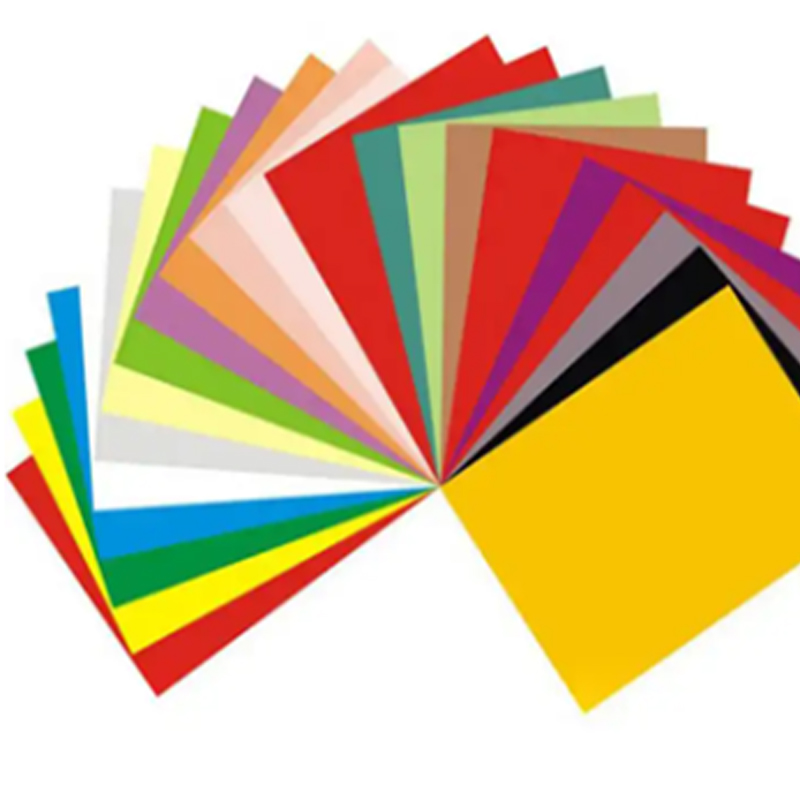
![HIPS polystyrene sheet for model making]()
HIPS Sheet for Model Making
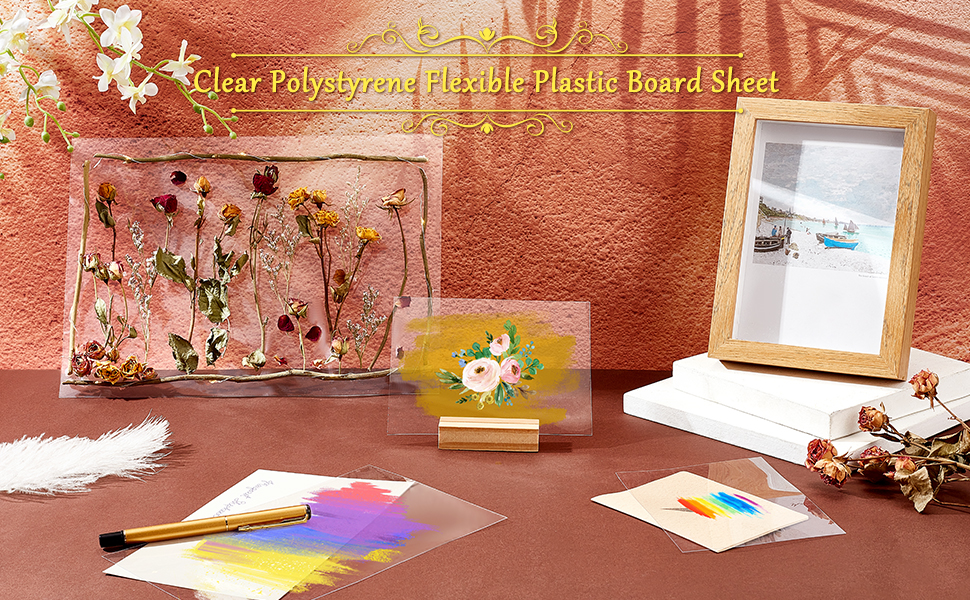
![Polystyrene sheet for architectural models and prototypes]()
Polystyrene Sheet for Architectural Models
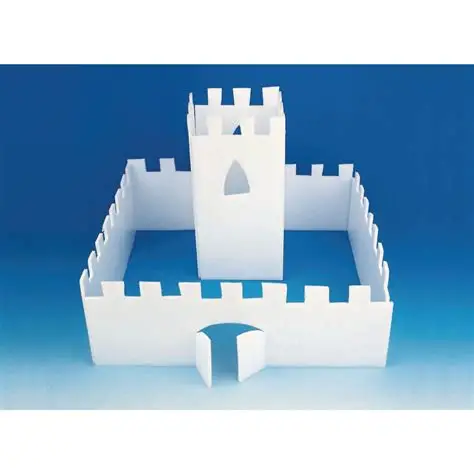
![High impact polystyrene sheet for prototype fabrication]()
HIPS Sheet for Prototype Fabrication
HIPS Model Making Sheet Specifications
| Property |
Specification |
| Product |
HIPS / Polystyrene Sheet for Model Making & Prototyping |
| Material |
Polystyrene (PS) / High Impact Polystyrene (HIPS) |
| Thickness |
0.2mm - 6mm, Customizable |
| Maximum Width |
Up to approximately 1600mm |
| Color |
White, Black, Custom Colors |
| Surface |
Smooth surface; application-specific finish should be confirmed by grade |
| Fabrication |
Cutting, scoring, die cutting, CNC machining, drilling, routing, thermoforming, vacuum forming, bonding, painting and printing depending on thickness and grade |
| Typical Applications |
Architectural models, scale models, product prototypes, mock-ups, prototype housings, displays, templates and thermoformed components |
| Certification Reference |
Current page references SGS and ISO 9001:2008; confirm documentation applicable to the exact material grade |
| MOQ |
1000 kg according to the current product specification |
| Payment Terms |
30% deposit, 70% balance before shipment |
| Delivery Terms |
FOB, CIF, EXW |
| Reference Lead Time |
7-15 days after deposit according to the current product specification |
Specification Note: Thickness, rigidity, color, surface finish, dimensions and processing performance should be confirmed according to the exact HIPS grade and model-making or prototype application.
Why Use HIPS for Model Making?
HIPS is widely used for model making because it can be converted into flat panels, curved shells, structural ribs, decorative surfaces and detailed components using relatively straightforward fabrication methods.
Compared with more brittle standard polystyrene, rubber-modified HIPS provides greater toughness during cutting, handling and assembly. This is especially useful when prototype components need to be repeatedly fitted, drilled, bonded or reworked.
Easy cutting: Thin and medium-gauge HIPS can be processed into detailed shapes using suitable hand or machine tools.
Good dimensional stability: Useful for flat panels, templates and repeatable model components.
Lightweight construction: Helps keep large architectural and presentation models manageable.
Smooth surface: Suitable for painting, printing, labeling and decorative finishing with compatible systems.
Bondable: Compatible bonding systems can be used to assemble layered models and prototype structures.
Thermoformable: Heated HIPS can be shaped into curved shells, enclosures and three-dimensional model components.
Multiple thicknesses: Different gauges can be combined within one model to create thin skins, internal ribs and rigid structural panels.
HIPS Sheet for Architectural Models
Architectural model manufacturers can use thin HIPS sheets to create walls, façades, roof panels, internal partitions, platforms and decorative details.
The material can be cut into repeatable geometric shapes and assembled into layered structures. White HIPS is particularly useful where the finished architectural model will later be painted or presented in a neutral monochrome finish.
For large architectural models, thickness should be selected according to unsupported span, required flatness and the amount of internal structural support used in the model.
HIPS Sheet for Scale Models
Scale-model manufacturers can use HIPS for body panels, vehicle components, miniature structures, machinery models, dioramas and layered surface details.
Thin sheets are suitable for small-scale panels and fine details, while thicker material can provide support for frames, bases and structural components.
Where a project requires repeated commercial production rather than individual hobby use, buyers should specify the finished dimensions, quantity per model and cutting method so material yield can be evaluated.
HIPS Sheet for Product Prototypes
HIPS is useful for early-stage product development because designers can rapidly fabricate housings, panels, covers, trays and visual prototypes before investing in production tooling.
Flat sheets can be cut and bonded into box-type prototypes, while thermoforming or vacuum forming can be used when the concept requires curved surfaces or three-dimensional shells.
For functional prototypes exposed to significant loads, heat or chemicals, final production material requirements should be evaluated separately. A visually suitable HIPS prototype does not automatically mean HIPS is the correct engineering material for the mass-produced component.
HIPS Sheet for Mock-Ups & Presentation Models
Presentation mock-ups often require a clean surface that can be cut, sanded, painted and assembled quickly. HIPS can support these requirements while remaining lighter and easier to fabricate than many engineering plastics.
Typical applications include industrial-design mock-ups, exhibition prototypes, packaging concepts, appliance concepts, product enclosures and demonstration models.
How to Choose HIPS Thickness for Model Making
| Thickness Direction |
General Model-Making Direction |
| 0.2 - 0.5mm |
Fine details, thin skins, layered surfaces, small architectural features and lightweight formed parts |
| 0.5 - 1.0mm |
General architectural models, scale-model panels, prototype skins, templates and small housings |
| 1.0 - 2.0mm |
Rigid panels, prototype housings, larger architectural components and structural model parts |
| 2.0 - 4.0mm |
Model bases, large prototype panels, fabricated covers and components requiring greater rigidity |
| 4.0 - 6.0mm |
Heavy model bases, rigid panels and larger fabricated prototype structures |
These are general selection directions. The correct thickness depends on component size, unsupported span, model scale, desired flexibility, cutting method and required rigidity.
Cutting HIPS Sheet for Models & Prototypes
The appropriate cutting method depends primarily on sheet thickness, required accuracy and production quantity.
| Fabrication Method |
Typical Model-Making Use |
| Knife / Score Cutting |
Thin sheet, straight lines, architectural panels and detail components |
| Die Cutting |
Repeat-production parts, templates and identical model components |
| CNC Routing |
Precise profiles, openings, slots and thicker prototype panels |
| Drilling |
Fastening holes, mounting points and prototype assemblies |
| Thermoforming |
Curved shells, covers, model bodies and three-dimensional components |
| Vacuum Forming |
Prototype enclosures, vehicle bodies, shells and repeat formed components |
The original product information also references laser cutting. Where laser processing is considered, equipment compatibility, fire risk, fumes, ventilation and finished-edge quality should be evaluated with the exact HIPS grade before production. Mechanical cutting is often easier to control for model-making applications.
Bonding HIPS Model Components
Model makers often assemble HIPS components into layered walls, frames, housings and complex prototype structures. Compatible adhesives or solvent-bonding systems can be evaluated according to joint design and required appearance.
Bonding performance should be tested with the actual material because colorants, surface condition, adhesive chemistry and joint geometry can influence final strength.
Painting HIPS Models & Prototypes
The smooth HIPS surface can be painted and finished for architectural models, presentation prototypes and display components when compatible coating systems are used.
Surface cleaning, primer compatibility and paint chemistry should be tested before production. Aggressive solvents can affect polystyrene, so coating systems should be validated on a representative sample first.
Printing & Marking HIPS Sheet
HIPS can support printed graphics, identification marks, scales, labels and decorative finishes for models, prototype panels, displays and presentation components.
Ink adhesion depends on surface finish, printing process, ink chemistry and curing conditions. Production printing should be tested on the actual material before bulk conversion.
Thermoforming HIPS for Prototype Parts
HIPS can be heated and formed into three-dimensional prototype components where flat-sheet fabrication cannot reproduce the required geometry.
Typical prototype applications include enclosure shells, appliance concepts, model vehicle bodies, product housings, trays, curved covers and display components.
| Forming Factor |
Why It Matters |
| Starting Thickness |
Controls the material available before stretching |
| Mold Geometry |
Determines how material distributes across the finished part |
| Draw Depth |
Deeper shapes can create greater wall-thickness variation |
| Corner Radius |
Sharp corners can produce greater thinning and local stress |
| Finished Wall Thickness |
Important when the prototype must also demonstrate mechanical behavior |
White vs. Black HIPS for Model Making
| Color |
General Model-Making Direction |
| White HIPS |
Architectural models, presentation prototypes, parts that will be painted and neutral visual models |
| Black HIPS |
Dark enclosures, internal model structures, display prototypes and applications where an opaque black substrate is preferred |
| Custom Colors |
Application-specific visual models and branded prototypes subject to production confirmation |
HIPS vs. GPPS for Model Making
| Feature |
HIPS |
GPPS |
| Typical Appearance |
Usually opaque |
Usually clear and glossy |
| Toughness |
Greater due to rubber modification |
More brittle |
| Model-Making Priority |
Cutting, forming, opaque panels and durable prototype components |
Transparent model windows, clear covers and visible components |
| Thermoforming |
Widely used where tougher formed components are required |
Can be considered where transparency is important |
HIPS vs. ABS for Prototype Models
| Selection Factor |
HIPS |
ABS |
| Main Advantage |
Economical and easy to fabricate |
Higher engineering-performance potential |
| Prototype Direction |
Visual prototypes, architectural models, mock-ups and low-load housings |
Functional prototypes requiring more demanding performance |
| Thermoforming |
Suitable for many economical model and prototype parts |
Commonly used for more demanding formed components |
| Selection |
Choose according to impact, heat resistance, stiffness, required functionality and prototype budget. |
Other Applications of HIPS Sheet
Although this product page focuses on model making and prototyping, HIPS is also used in packaging, displays, signage, appliance components and other thermoformed or fabricated products.
| Application |
Typical Requirement |
| Packaging |
Thermoformed trays, inserts and protective components |
| Signage & Displays |
Smooth surface, printing and lightweight rigidity |
| Appliance Components |
Liners, covers, trays and housings subject to grade qualification |
| Industrial Covers |
Lightweight non-structural covers and fabricated panels |
| Automotive Interior Parts |
Application-specific non-structural components subject to automotive qualification requirements |
Regulated food-contact, medical, sterilization, automotive or other specialized applications require confirmation of the exact grade and applicable technical documentation. Standard model-making HIPS should not automatically be assumed suitable for those applications.
What Information Should You Provide for a Quote?
| Requirement |
Information to Provide |
| Application |
Architectural model, scale model, prototype housing, mock-up, template or other application |
| Thickness |
Required thickness between approximately 0.2mm and 6mm |
| Sheet Size |
Required width × length; current maximum width approximately 1600mm |
| Color |
White, black or custom color |
| Surface |
Required smoothness, gloss or other appearance requirement |
| Cutting Method |
Knife cutting, die cutting, CNC routing, drilling or other fabrication method |
| Bonding |
Joint type and adhesive or assembly requirements where applicable |
| Painting / Printing |
Coating, printing or decorative-finish requirement where applicable |
| Thermoforming |
Mold dimensions, forming depth and required finished wall thickness where applicable |
| Quantity |
Trial quantity, regular order quantity and estimated annual demand |
| Destination |
Country and destination port |
Frequently Asked Questions About HIPS Sheet for Model Making
What is HIPS sheet?
HIPS stands for High Impact Polystyrene. It is rubber-modified polystyrene designed to provide greater toughness than standard GPPS while retaining good rigidity and fabrication performance.
Why is HIPS used for model making?
HIPS is lightweight, rigid and relatively easy to cut, bond, paint and thermoform, making it useful for architectural models, scale models, prototypes and mock-ups.
What thickness is suitable for architectural models?
Thin 0.2-0.5mm sheets can be used for fine details and surface layers, while 0.5-1mm is useful for general model panels. Larger structural components may require 1mm or thicker sheet depending on size and support.
What thickness range does HSQY supply?
The current product specification covers approximately 0.2mm to 6mm.
What is the maximum sheet width?
The current product specification lists widths up to approximately 1600mm.
What colors are available?
The current product specification lists white, black and customized colors.
Can thin HIPS sheet be cut with a knife?
Thin HIPS can be scored and cut using suitable hand tools depending on thickness. Thicker material is better suited to saws, routers, die cutting or CNC machining.
Can HIPS sheet be CNC machined?
Yes. HIPS can be drilled, routed and CNC machined using suitable tools and processing parameters.
Can HIPS sheet be glued?
Compatible adhesives and bonding systems can be used to assemble HIPS parts. Bond strength and surface appearance should be tested using the actual sheet grade.
Can HIPS sheet be painted?
Yes. HIPS can be painted with compatible coating systems. Paint, primer and cleaning products should be tested because aggressive solvents can affect polystyrene.
Can HIPS sheet be thermoformed?
Yes. HIPS is widely used for thermoforming and vacuum forming. Starting thickness should be selected according to mold geometry and required finished wall thickness.
Can HIPS be used for prototype housings?
Yes. HIPS can be fabricated or thermoformed into visual prototype housings, covers and enclosures. Functional-performance requirements should be evaluated separately where the prototype is exposed to substantial heat, loads or chemicals.
What is the difference between HIPS and GPPS for model making?
HIPS is normally opaque and tougher, making it useful for fabricated structural and formed model components. GPPS is normally clear and is more suitable when transparency is required.
Can HIPS be laser cut?
The original HSQY product information lists laser cutting as a possible process. Equipment compatibility, ventilation, fire risk, fumes and edge quality should be evaluated with the exact material before production; mechanical cutting is often preferred for routine model fabrication.
Is standard HIPS suitable for medical or sterilizable models?
Standard model-making HIPS should not automatically be treated as medical-grade or sterilization-compatible material. Medical projects require confirmation of the exact resin grade, sterilization method and applicable documentation.
What is the MOQ?
The current product specification lists a minimum order quantity of 1000 kg. Trial or sample requirements should be confirmed separately.
What is the delivery time?
The current product specification lists approximately 7-15 days after deposit, depending on the confirmed order and production schedule.
What information should I provide for a quotation?
Please provide the model or prototype application, thickness, sheet dimensions, color, cutting method, bonding or painting requirements, thermoforming information where applicable, quantity and destination.
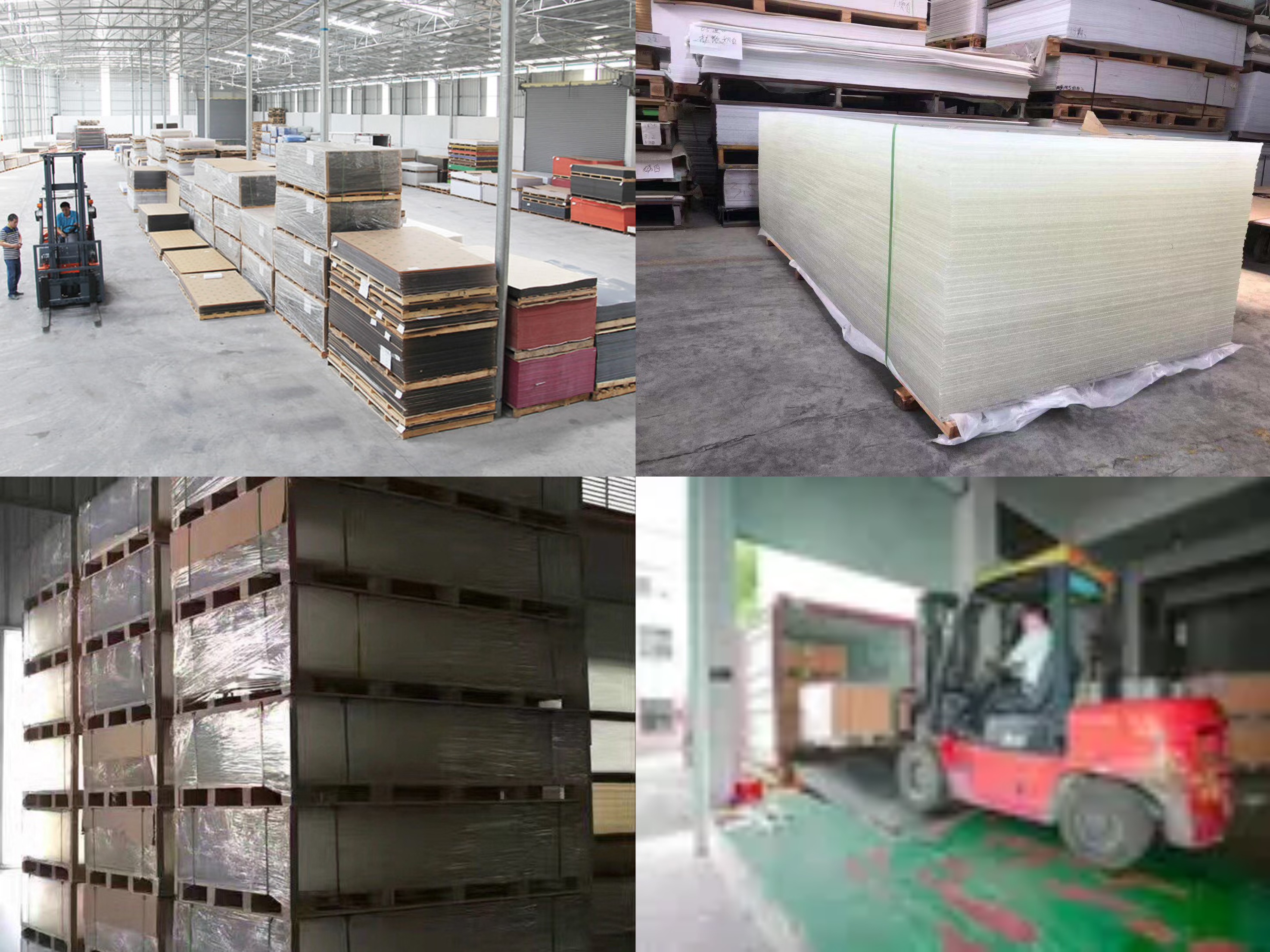
Packing & Delivery
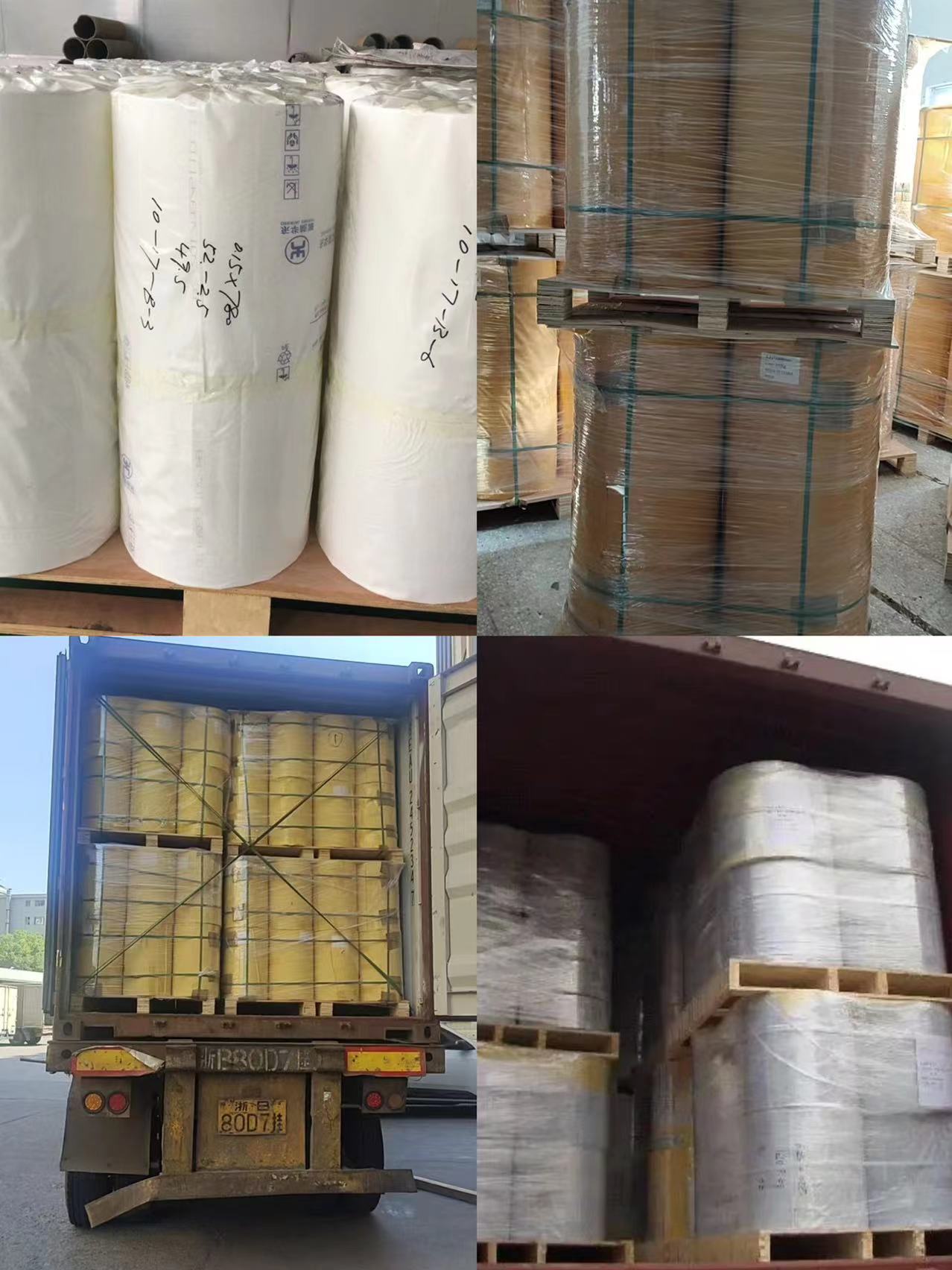
The current product information lists protective sample packaging, palletized bulk packaging and FOB, CIF or EXW delivery terms. Sheets should be protected against scratching, contamination and edge damage during storage and international transportation.
![HIPS model making sheet packing and export shipment]()
Export Packing for HIPS Polystyrene Sheet
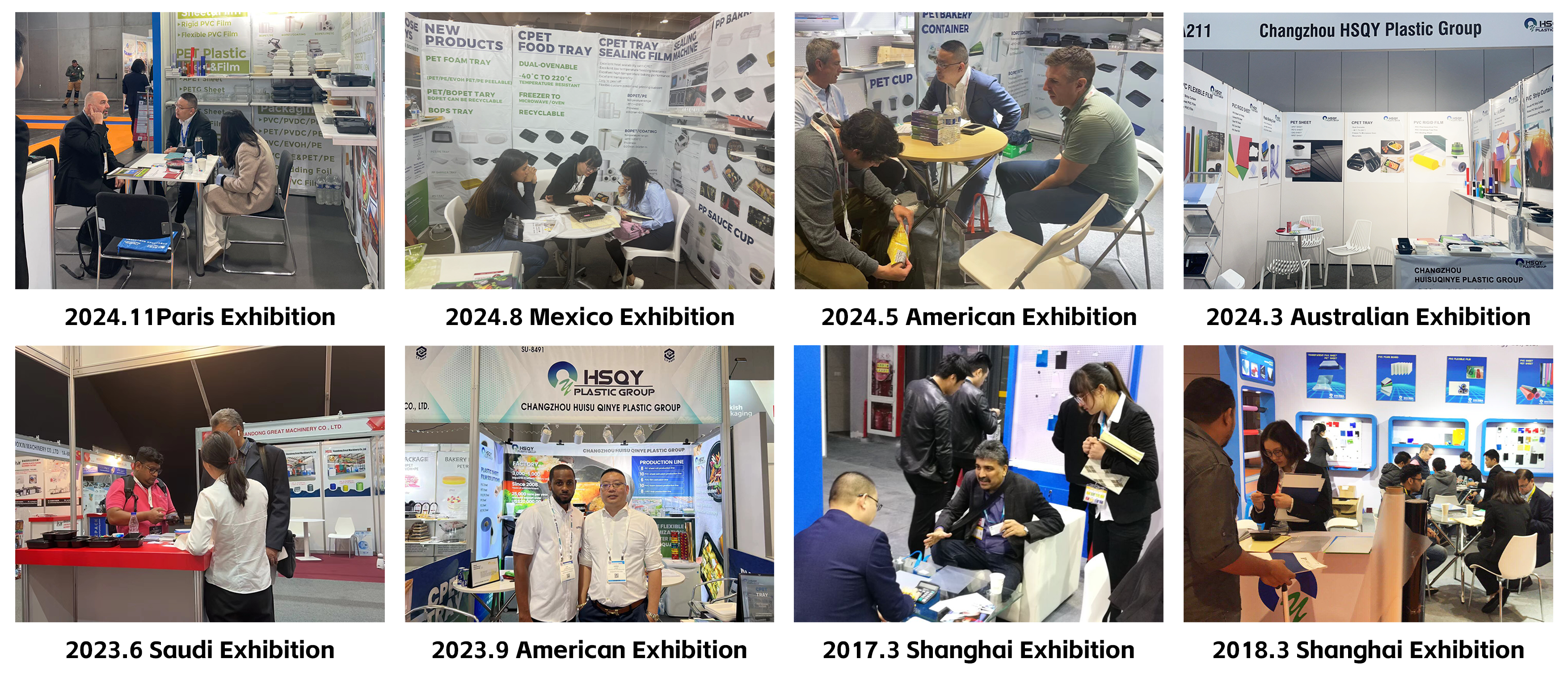
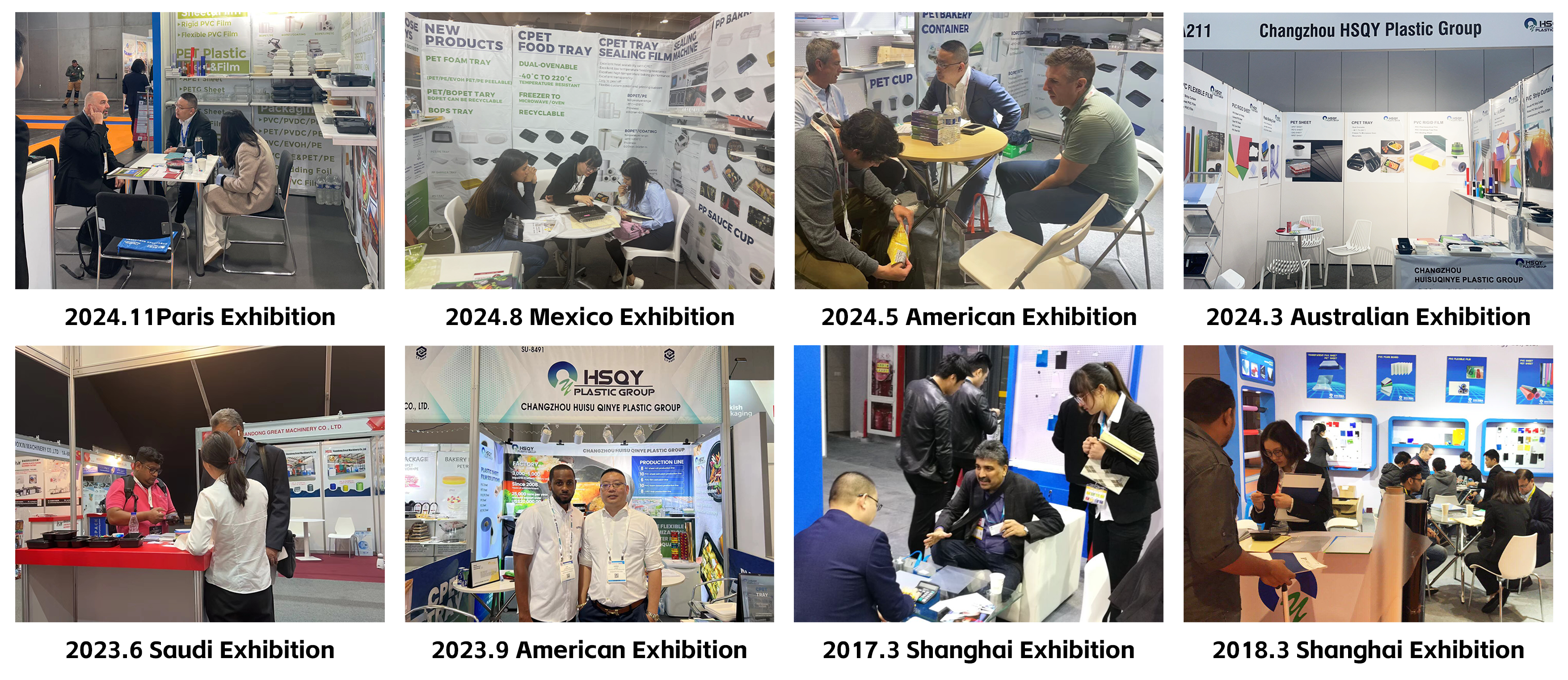
HSQY Plastic Group Exhibitions
HSQY Plastic Group meets plastic-sheet distributors, model and prototype manufacturers, thermoformers, display companies and industrial buyers at international industry exhibitions.
![HSQY Plastic Group international exhibitions]()
HSQY Plastic Group International Exhibition Activities
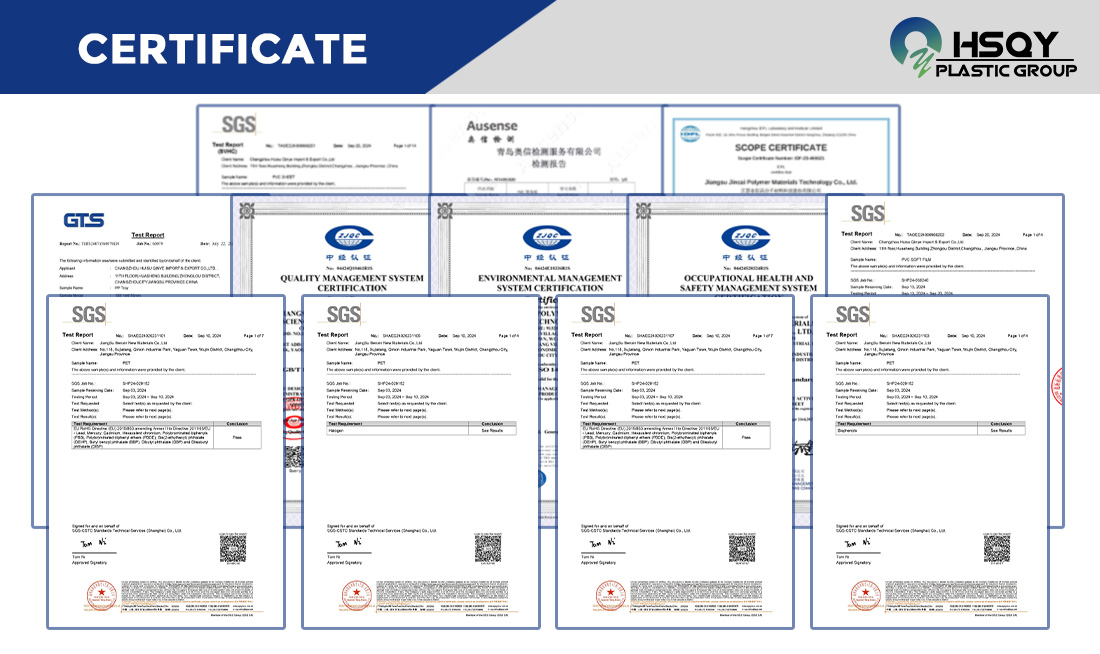
Certificates & Documentation
The current product page references SGS and ISO 9001:2008. Buyers should confirm that the available certificate or test document applies to the exact HIPS grade and intended application before technical approval.
About HSQY Plastic Group
HSQY Plastic Group supplies HIPS, GPPS and other plastic sheet materials for model manufacturers, prototype workshops, thermoformers, display manufacturers, packaging companies and industrial fabricators. Thickness, sheet dimensions, color and downstream fabrication requirements can be discussed according to the project.
Polystyrene Plastic Sheets for Model Making Product Description
HSQY Plastic Group's polystyrene plastic sheets, including high impact polystyrene (HIPS), are versatile thermoplastic materials designed for model making, packaging, and signage. Offering excellent mechanical properties, easy processability, and high impact resistance, these lightweight, cost-effective sheets are customizable in various colors and sizes. Ideal for B2B clients in manufacturing, design, and prototyping industries seeking reliable solutions.
HIPS Sheet Specifications
| Property |
Details |
| Material |
Polystyrene (PS), High Impact Polystyrene (HIPS) |
| Thickness |
0.2mm - 6mm, Customizable |
| Width |
Up to 1600mm, Customizable |
| Color |
White, Black, Customizable |
| Certifications |
SGS, ISO 9001:2008 |
| Minimum Order Quantity (MOQ) |
1000 kg |
| Payment Terms |
30% deposit, 70% balance before shipment |
| Delivery Terms |
FOB, CIF, EXW |
| Delivery Time |
7-15 days after deposit |
Key Features of Polystyrene Sheet
High impact resistance with rubber modifiers to prevent cracking
Easy to fabricate: supports laser cutting, thermoforming, and printing
Lightweight and rigid for cost-effective transport and use
Resistant to water, diluted acids, alkalis, and alcohols
Smooth surface for high-quality printing and branding
Contact Us for a Quote
Applications of Plastic Sheet for Prototyping
Our polystyrene sheets are ideal for B2B clients in industries such as:
Model making: Prototypes, school projects, and crafts
Packaging: Trays, clamshells, and blister packs
Signage: Retail signage, POP displays, exhibition panels
Automotive: Interior trim, dashboards, protective covers
Consumer goods: Refrigerator liners, toy parts
Medical: Sterilizable trays, equipment covers
Packaging and Delivery for Polystyrene Sheet
Sample Packaging: Wrapped in protective film, packed in cartons.
Bulk Packaging: Sheets on pallets, wrapped with stretch film.
Pallet Packaging: Standard export pallets, customizable per client requirements.
Container Loading: Optimized for 20ft/40ft containers, ensuring safe transport.
Delivery Terms: FOB, CIF, EXW.
Lead Time: 7-15 days after deposit, depending on order volume.

Frequently Asked Questions (FAQ) About Polystyrene Plastic Sheets
Are Polystyrene Plastic Sheets Safe for Model Making?
Yes, our HIPS sheets are safe for model making, offering easy fabrication and durability for precise crafting.
Can I Customize Polystyrene Sheets for Prototyping?
Yes, we offer customizable thicknesses, widths, and colors to meet your specific project needs.
What Certifications Do Your HIPS Sheets Have?
Our sheets are certified by SGS and ISO 9001:2008, ensuring quality and reliability.
What Is the Minimum Order Quantity (MOQ) for Polystyrene Plastic Sheets?
The MOQ is 1000 kg, with flexibility for smaller sample or trial orders.
How Long Does Delivery Take for Polystyrene Sheets?
Delivery takes 7-15 days after deposit, depending on order size and destination.
About HSQY Plastic Group
With over 20 years of experience, HSQY Plastic Group operates 8 factories and is trusted globally for high-quality plastic solutions. Certified by SGS and ISO 9001:2008, we specialize in tailored products for packaging, construction, and medical industries. Contact us to discuss your project requirements!
EXHIBITION

CERTIFICATION

Contact Us for a Quote