HIPS Polystyrene Sheet for Electrical Insulation & Packaging
HSQY HIPS polystyrene sheet combines electrical insulation, impact resistance, rigidity and easy thermoforming for packaging, equipment covers, displays, appliance parts and industrial fabrication.
High Impact Polystyrene, commonly known as HIPS, is a rubber-modified polystyrene material designed to provide greater toughness than standard GPPS while retaining good rigidity, thermoforming performance, printability and ease of fabrication.
HSQY currently supplies HIPS and PS sheets from approximately 0.2mm to 6mm thick, with widths up to 1600mm and white, black or customized colors for packaging, signage, appliance, industrial and electrical-insulation applications.
![HIPS polystyrene sheet for electrical insulation and packaging]()
HIPS Polystyrene Sheet
![White high impact polystyrene HIPS sheet]()
White HIPS Sheet
![Custom high impact polystyrene sheet]()
Custom HIPS Sheet
HIPS Polystyrene Sheet Specifications
| Property |
Specification |
| Product |
High Impact Polystyrene Sheet / HIPS Sheet |
| Material |
Polystyrene (PS), High Impact Polystyrene (HIPS) |
| Thickness |
0.2mm - 6mm, customizable |
| Maximum Width |
Up to approximately 1600mm |
| Color |
White, Black, Customized Colors |
| Surface |
Smooth, gloss, matte or application-specific finish subject to grade confirmation |
| Processing |
Thermoforming, vacuum forming, cutting, CNC machining, die cutting, drilling, printing, painting and laminating depending on grade |
| Electrical Property |
Base HIPS is electrically insulating; specify required dielectric or electrical test values where critical |
| Typical Applications |
Packaging trays, electrical insulating panels, equipment covers, signage, displays, appliance components, automotive interior parts and industrial fabrication |
| Documentation |
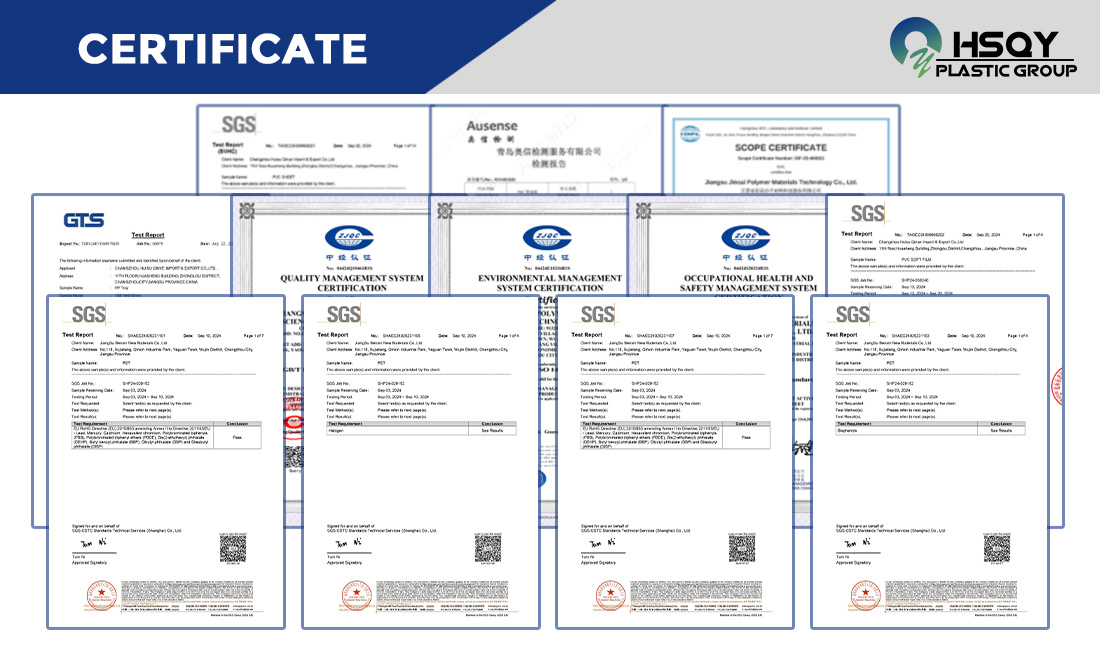
Current source references SGS and ISO 9001:2008; request current applicable documentation for the exact product |
| MOQ |
1000kg |
| Payment Terms |
30% deposit, 70% balance before shipment |
| Delivery Terms |
FOB, CIF, EXW |
| Reference Lead Time |
7-15 days after deposit, subject to specification and order quantity |
Important: This product is a solid HIPS/PS sheet and should not be confused with EPS or XPS foam insulation board. It can provide electrical insulation, but no thermal conductivity, R-value or building-insulation rating is stated for this product.
What Is HIPS Polystyrene Sheet?
HIPS stands for High Impact Polystyrene. It is produced by modifying polystyrene with a rubber phase to improve toughness and resistance to cracking compared with standard General Purpose Polystyrene.
HIPS combines useful rigidity with easier thermoforming and fabrication, making it suitable for high-volume packaging trays, appliance liners, printed displays, industrial covers, signs and other converted components.
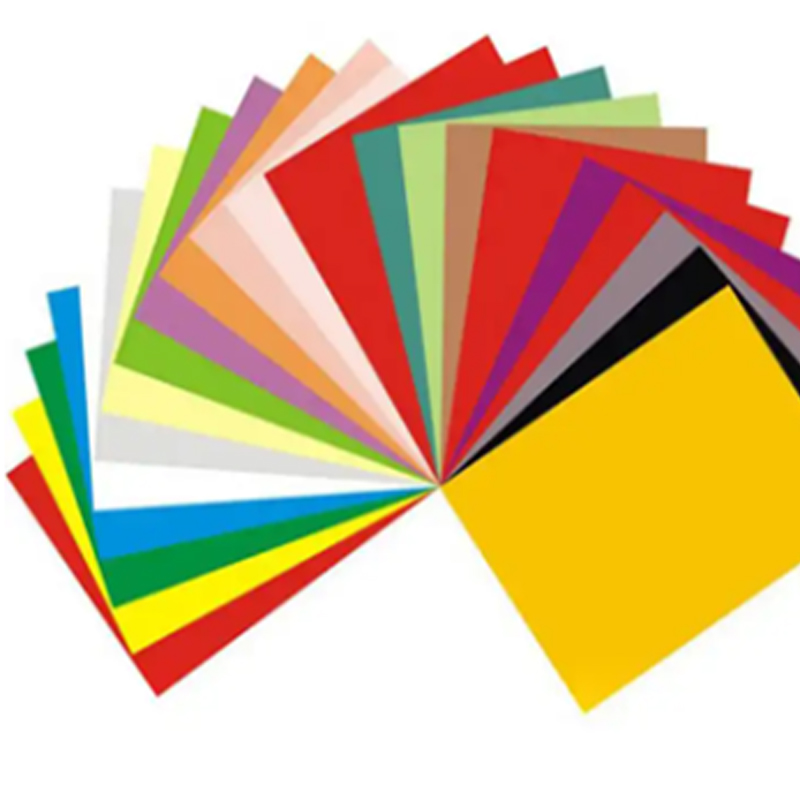
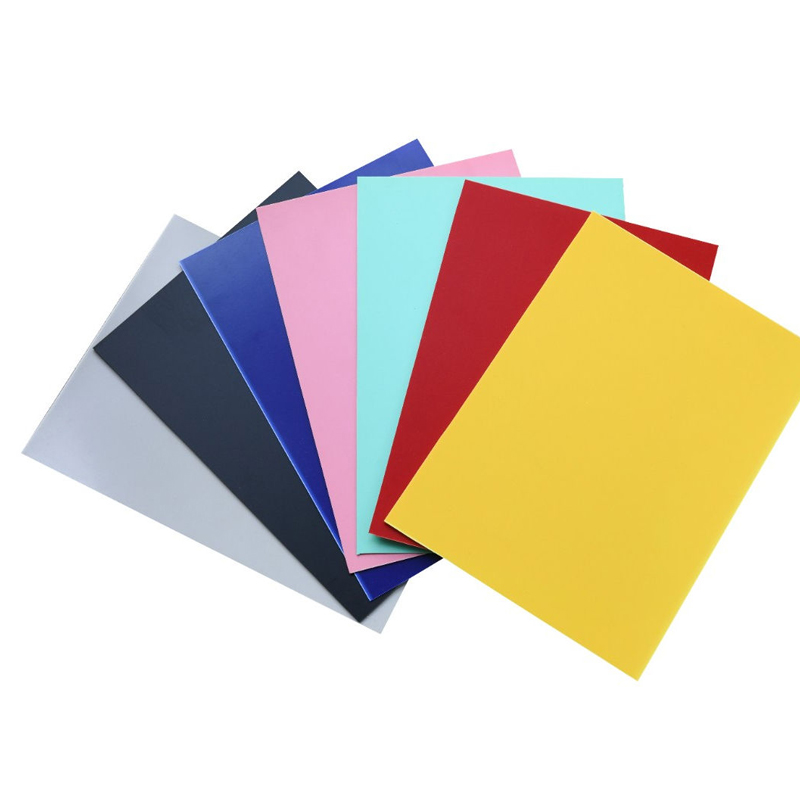
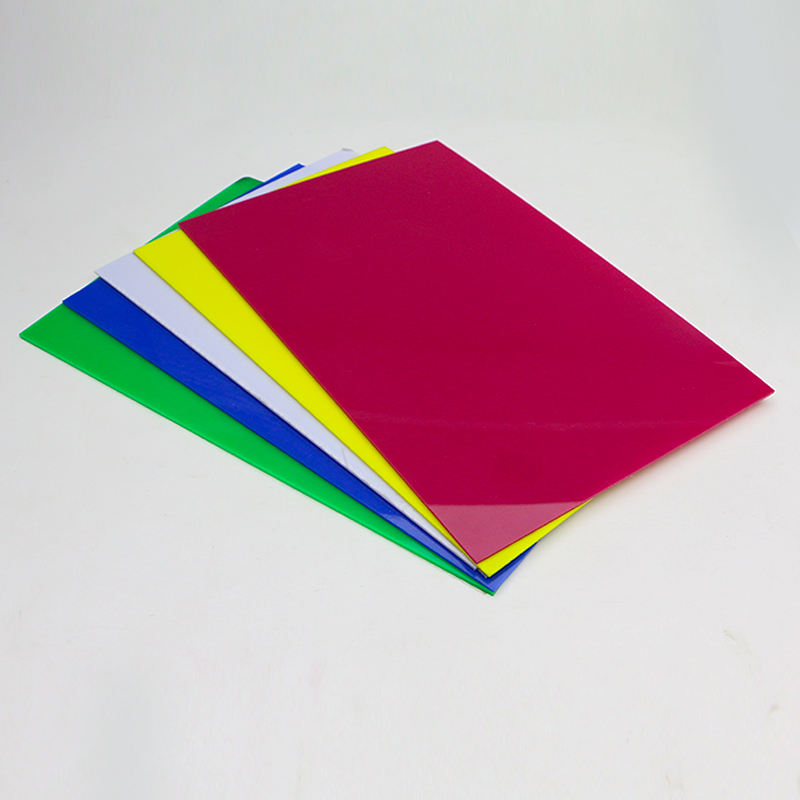
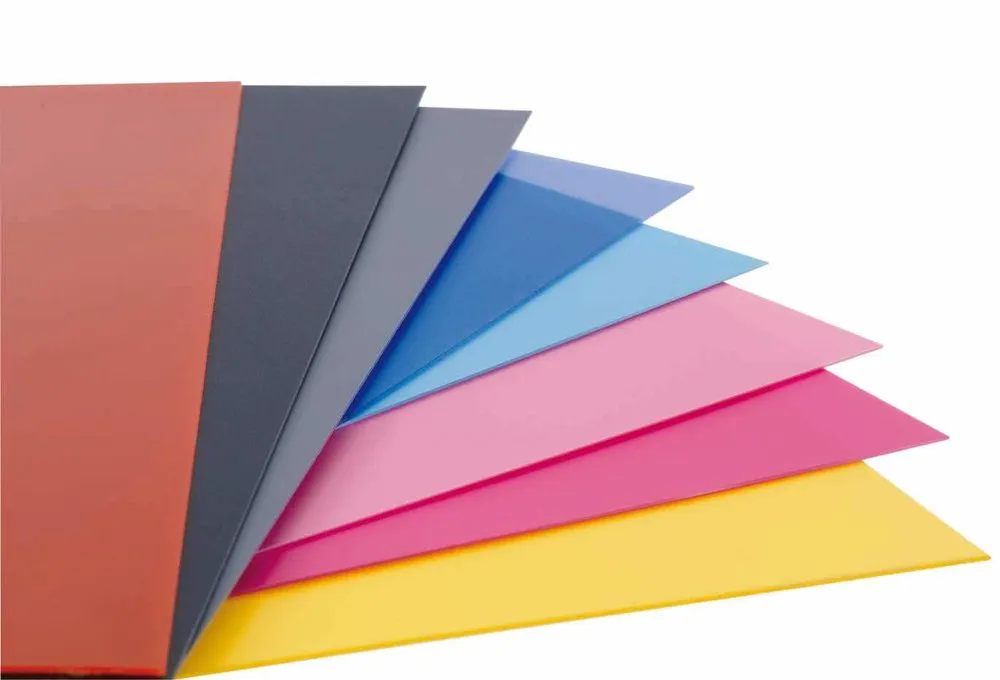
Standard HIPS is normally opaque rather than highly transparent. White and black are common production colors, while custom colors can be selected according to project requirements and order quantity.
HIPS Sheet for Electrical Insulation
Polystyrene is an electrically insulating thermoplastic, allowing HIPS sheet to be considered for non-conductive barriers, covers, separators and fabricated components in suitable electrical and industrial applications.
However, electrical insulation should not be specified by material name alone. If a project requires a defined dielectric strength, volume resistivity, surface resistivity, insulation resistance or operating voltage, provide the required value and test method before ordering.
| Electrical Requirement |
Information to Confirm |
| Dielectric Strength |
Required test value, test method and sheet thickness |
| Volume Resistivity |
Target value and measurement standard where required |
| Surface Resistivity |
Specify when static-control behavior is important |
| Operating Temperature |
Continuous and peak temperature expected in the finished component |
| Flammability |
Required flammability standard and product thickness if applicable |
Is HIPS a Thermal Insulation Sheet?
Solid HIPS sheet has different properties and applications from expanded polystyrene (EPS) and extruded polystyrene (XPS) foam insulation boards.
EPS and XPS contain a cellular foam structure and are commonly selected for building thermal insulation. HSQY's 0.2-6mm HIPS sheet is a solid thermoplastic product intended primarily for thermoforming, packaging, printing, fabricated panels and electrical-insulation applications.
If your project requires a defined thermal conductivity or R-value, provide the target requirement so the appropriate insulation material can be selected rather than assuming a solid HIPS sheet is equivalent to an EPS or XPS foam board.
HIPS Sheet vs. EPS & XPS Insulation Board
| Feature |
HIPS Sheet |
EPS / XPS Foam Board |
| Structure |
Solid thermoplastic sheet |
Cellular foam structure |
| Main Purpose |
Thermoforming, packaging, printing, fabrication and electrical insulation |
Building and construction thermal insulation |
| Typical Thickness |
HSQY current product: approximately 0.2-6mm |
Usually substantially thicker depending on insulation system |
| Thermoforming |
Major HIPS processing method |
Not selected as a conventional thermoforming sheet |
| Thermal Insulation |
No R-value or thermal conductivity is specified for this HSQY product |
Primary product function |
Key Benefits of High Impact Polystyrene Sheet
Improved impact resistance: Rubber modification provides greater toughness than standard GPPS.
Good thermoformability: Suitable grades can be vacuum formed and thermoformed into trays, covers, liners and housings.
Lightweight: HIPS provides useful stiffness and toughness without excessive component weight.
Electrical insulation: Standard HIPS is electrically insulating, subject to application-specific electrical validation.
Easy fabrication: HIPS can be cut, drilled, routed, die-cut, machined and bonded using suitable fabrication methods.
Printable surface: Suitable HIPS surfaces can support screen, digital and other printing processes after compatibility testing.
Custom colors: White, black and customized colors can be discussed according to order requirements.
Cost-effective processing: HIPS is commonly selected for high-volume forming and fabricated applications requiring an economical thermoplastic sheet.
HIPS Sheet for Thermoforming & Vacuum Forming
Thermoforming is one of the primary uses of HIPS sheet. The material is heated until sufficiently pliable and then formed against a mold using vacuum, pressure or mechanical assistance.
HIPS is widely used for formed trays, inserts, appliance components, equipment covers, display parts and industrial housings because suitable grades provide a useful balance of formability and impact resistance.
| Thermoforming Factor |
What to Evaluate |
| Starting Thickness |
Required gauge before stretching |
| Forming Depth |
Deep draws can reduce local wall thickness |
| Mold Geometry |
Radius, cavity depth and detail affect material distribution |
| Heating |
Uniform heating supports more consistent forming |
| Final Wall Thickness |
Measure critical areas on the finished formed component |
| Impact Performance |
Confirm on the final formed part where mechanical performance is important |
HIPS Sheet for Packaging
Thin HIPS sheet can be thermoformed into protective trays, inserts, clamshell-style components, industrial packaging and other formed packaging structures.
Packaging buyers should specify the forming depth, required rigidity, impact resistance, color, stacking design and packaged-product requirements. If food, medical, pharmaceutical or electronic packaging is involved, specify the applicable material and documentation requirements before selecting a grade.
HIPS Sheet for Signage & Printing
HIPS is commonly used for retail signs, POP displays, promotional panels and printed components because it combines a smooth printable surface with low weight, rigidity and easy fabrication.
Printing performance depends on surface finish, surface energy, ink chemistry and curing method. If a project requires corona treatment or a defined dyne level, include that requirement in the purchasing specification.
HIPS Sheet for Appliance & Industrial Components
HIPS can be evaluated for refrigerator liners, appliance housings, covers, interior panels and other formed or fabricated components where impact resistance, rigidity, surface appearance and thermoforming performance are required.
For appliance or industrial projects, buyers should specify operating temperature, chemical or detergent exposure, color, gloss, forming depth, impact requirement and any applicable product standard.
HIPS Sheet for Automotive Interior Applications
Selected HIPS grades can be considered for interior trim, protective covers and formed components where economical thermoforming and moderate impact performance are required.
Automotive projects should define heat resistance, impact performance, odor, emissions, surface appearance and any OEM-specific requirements rather than assuming a general HIPS grade is automatically suitable.
HIPS vs. GPPS Polystyrene Sheet
| Feature |
HIPS |
GPPS |
| Material |
Rubber-modified polystyrene |
General Purpose Polystyrene |
| Typical Appearance |
Usually opaque; commonly white, black or colored |
Commonly clear and glossy |
| Impact Resistance |
Higher due to rubber modification |
Rigid but comparatively brittle |
| Thermoforming |
Commonly selected for thermoformed parts |
Suitable for selected clear formed products |
| Main Selection Priority |
Toughness, forming and printing |
Transparency, gloss and rigidity |
For transparent polystyrene applications, explore our PS Sheet range and confirm whether GPPS or HIPS is more suitable for the project.
Fabrication & Processing
HIPS can be processed using common plastic-sheet fabrication methods when suitable tools, speeds and process conditions are used.
| Process |
Typical Use |
| Thermoforming |
Trays, liners, housings and three-dimensional parts |
| Vacuum Forming |
Packaging, appliance components and covers |
| CNC Cutting |
Custom panels, covers and fabricated parts |
| Die Cutting / Punching |
High-volume flat components and packaging parts |
| Drilling |
Mounting holes and fabricated assemblies |
| Printing |
Signs, graphics, displays and branded panels |
| Lamination |
Decorative or functional multilayer components subject to adhesive compatibility |
What Information Should You Provide for a Quote?
| Requirement |
Information to Provide |
| Application |
Electrical insulation, packaging, thermoforming, signage, appliance, automotive or industrial use |
| Material Grade |
Standard HIPS, printing grade, forming grade or project-specific requirement |
| Thickness |
Required thickness and tolerance |
| Sheet Size |
Required width × length; maximum current width approximately 1600mm |
| Color |
White, black or customized color |
| Surface |
Gloss, matte, printing surface or other required finish |
| Thermoforming |
Mold size, forming depth, draw ratio and required final wall thickness where applicable |
| Electrical Requirement |
Dielectric, resistivity or other insulation requirement and test method where applicable |
| Printing Requirement |
Printing method, ink system and required surface treatment where applicable |
| Regulatory Requirement |
Food-contact, electronics, appliance, automotive or other applicable requirement |
| Quantity |
Sample quantity, trial order, regular order and annual demand |
| Destination |
Country and destination port |
Packing & Delivery
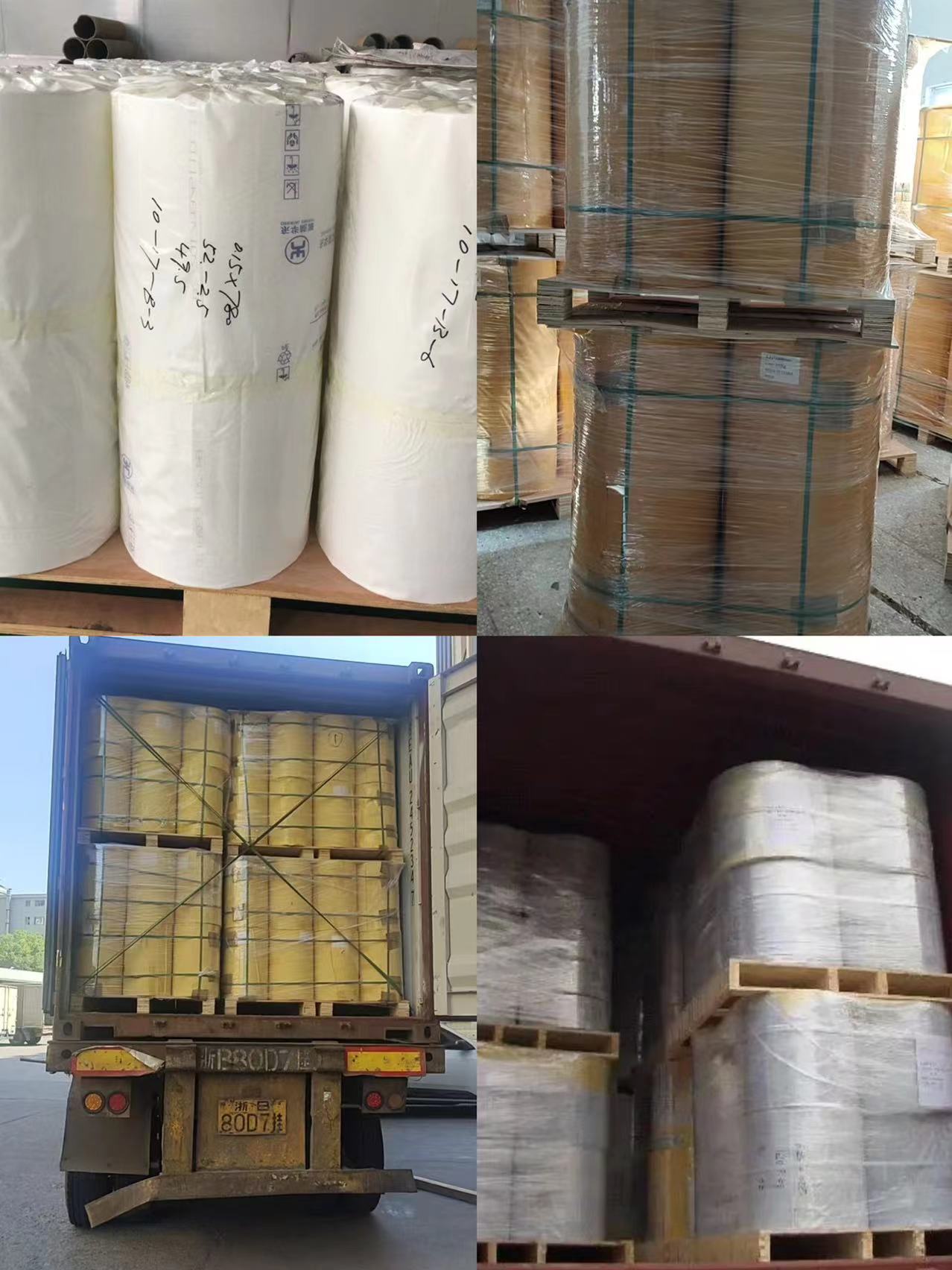
Sample Packaging: Sheets can be packed in protective PE bags and cartons.
Sheet Packaging: Approximately 30kg per bag with PE film or according to customer requirements.
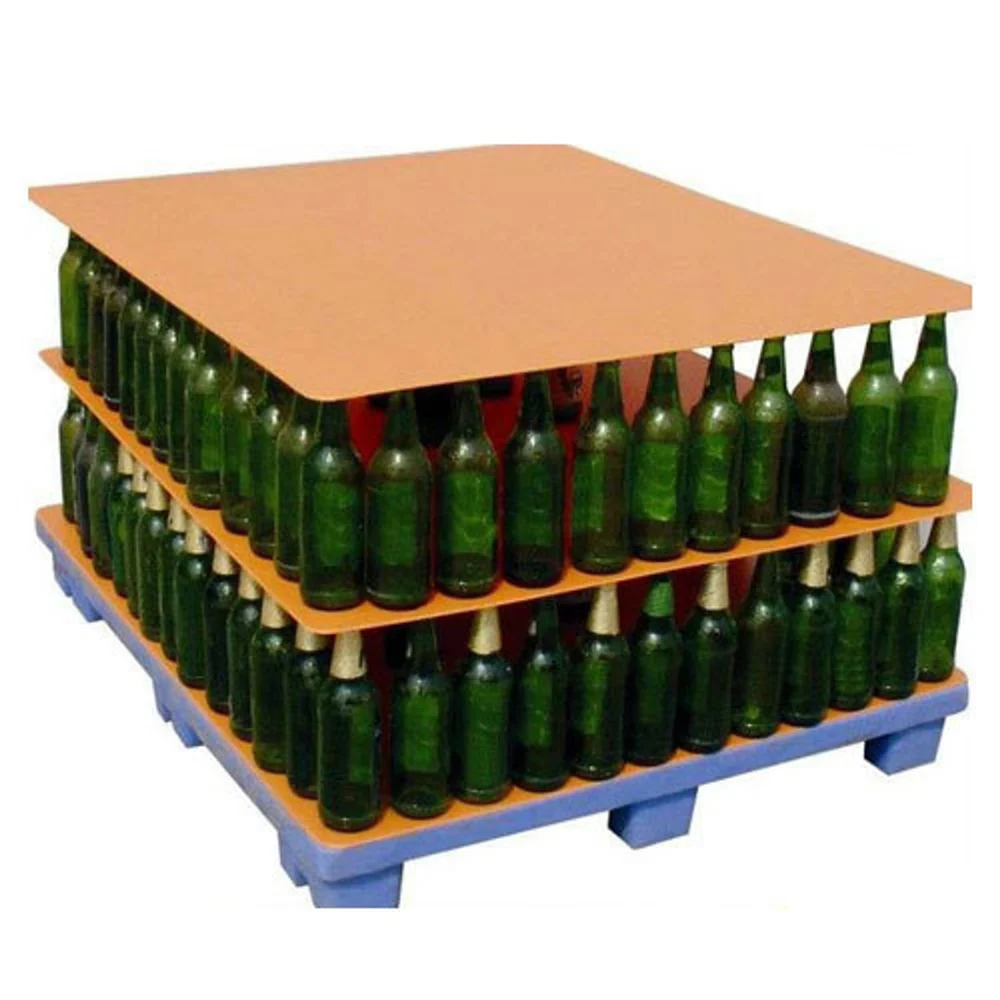
Pallet Packaging: Approximately 500-2000kg per plywood pallet.
Container Loading: Approximately 20 tons under normal loading conditions, subject to sheet dimensions and packing configuration.
Delivery Terms: FOB, CIF, EXW.
Reference Lead Time: 7-15 days after deposit depending on specification and order volume.
![HSQY HIPS polystyrene sheet packing and delivery]()
Export Packing for HIPS Polystyrene Sheet
Frequently Asked Questions About HIPS Polystyrene Sheet
What does HIPS stand for?
HIPS stands for High Impact Polystyrene. It is polystyrene modified with a rubber phase to improve toughness and impact resistance compared with standard GPPS.
Is HIPS sheet an electrical insulator?
Standard HIPS is electrically insulating and can be considered for suitable insulating barriers and fabricated parts. Projects requiring a specific dielectric strength or resistivity should provide the required value and test method before material approval.
Is HIPS sheet suitable for building thermal insulation?
This HSQY product is a solid 0.2-6mm HIPS sheet, not an EPS or XPS foam insulation board. No building R-value or thermal-conductivity specification is stated for this product.
What is the difference between HIPS and EPS?
HIPS is a solid rubber-modified polystyrene sheet used for thermoforming, printing and fabrication. EPS is expanded polystyrene foam commonly used for thermal insulation and protective foam packaging.
What thicknesses does HSQY supply?
The current product specification covers approximately 0.2mm to 6mm. Customized gauges can be discussed according to application and production capability.
What is the maximum HIPS sheet width?
The current HSQY specification lists widths up to approximately 1600mm. Exact availability depends on thickness, color and grade.
Can HIPS sheet be thermoformed?
Yes. Thermoforming and vacuum forming are major HIPS applications. Final forming performance depends on sheet thickness, heating profile, mold geometry and forming depth.
Can HIPS sheet be printed?
Yes. Suitable HIPS grades can be used for screen, digital and other printing methods. Surface treatment, ink adhesion and curing should be tested before mass production.
Can HIPS sheet be used for packaging trays?
Yes. HIPS can be thermoformed into trays, inserts and protective packaging. For food, medical, pharmaceutical or electronic packaging, specify the application-specific material and compliance requirements.
What is the difference between HIPS and GPPS?
HIPS is rubber-modified and normally selected for greater toughness, thermoforming and printing. GPPS is generally clearer and glossier but more brittle.
Can HIPS be CNC machined and drilled?
Yes. HIPS can be cut, drilled, routed and CNC machined using appropriate tools and processing conditions.
What colors are available?
White and black are current standard options, while customized colors can be discussed according to grade and order requirements.
What is the MOQ?
The current minimum order quantity is 1000kg. Free stock samples are available according to the current product information, with express freight collected from the buyer.
How long does production take?
The current reference lead time is 7-15 days after deposit, depending on product specification and order quantity.
What information should I provide for a quotation?
Please provide the application, thickness, width and length, color, surface finish, forming or printing process, electrical or regulatory requirements, quantity and destination.
About HSQY Plastic Group
HSQY Plastic Group supplies HIPS, GPPS and other plastic sheet materials for thermoformers, packaging manufacturers, printers, display manufacturers, appliance producers, industrial fabricators and distributors. Custom thicknesses, colors, sheet sizes and processing requirements can be discussed according to the project.
HSQY Plastic Group Exhibitions
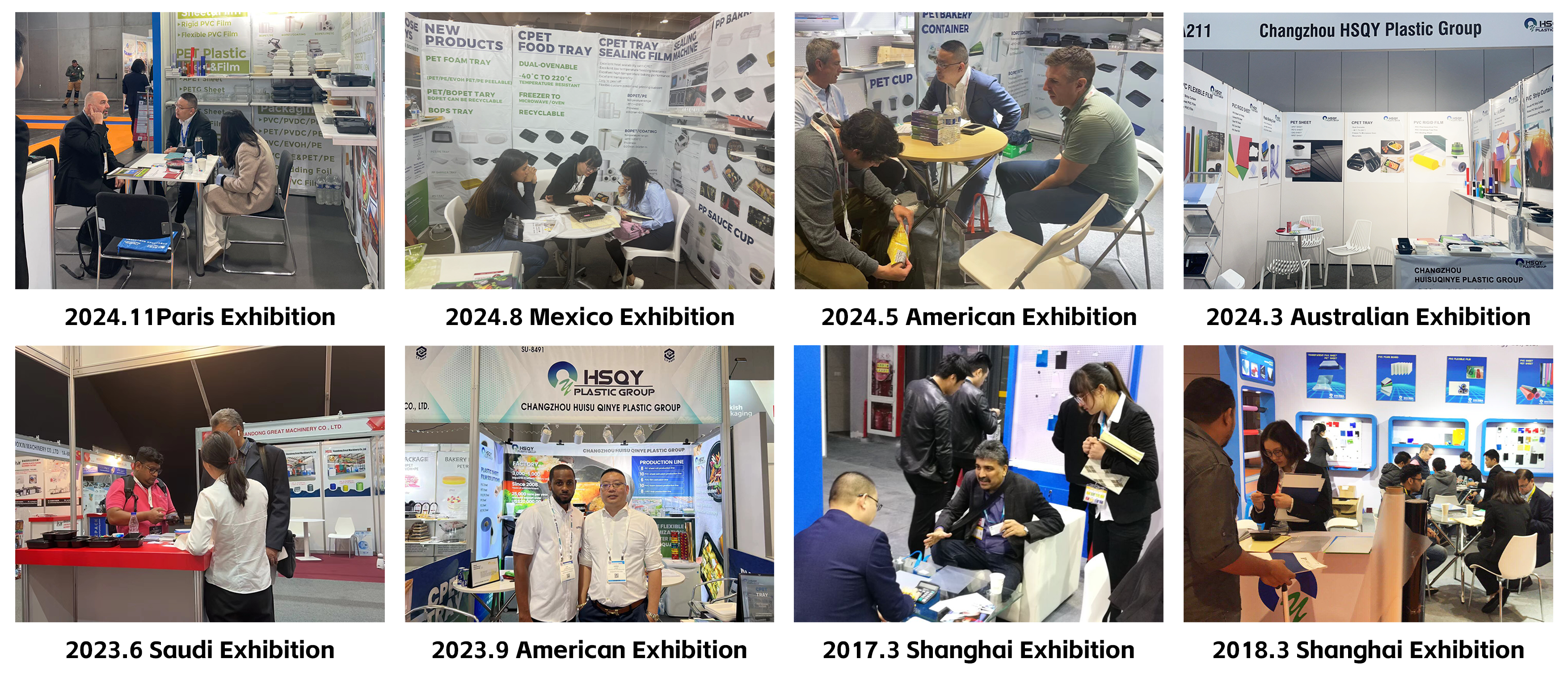
![HSQY Plastic Group international exhibitions]()
HSQY Plastic Group meets international thermoformers, packaging manufacturers, fabricators and plastic-sheet buyers at industry exhibitions.
Certificates & Documentation
Available certificates and test documentation should be confirmed for the exact HIPS grade and intended application before order approval.