HIPS Sheet for Model Making, Crafts & Prototyping
HSQY HIPS sheet is a lightweight, impact-resistant and easy-to-fabricate polystyrene sheet for model making, craft kits, prototypes, templates, displays and thermoformed components.
High Impact Polystyrene, commonly known as HIPS or styrene sheet, combines good rigidity with greater toughness than standard GPPS. Its smooth surface and easy processing make it suitable for cutting, shaping, painting, printing, bonding and vacuum forming.
HSQY supplies HIPS and PS sheets from approximately 0.2mm to 6mm thick, with widths up to 1600mm and white, black or customized colors for model manufacturers, educational-material suppliers, display producers, prototype workshops and industrial converters.
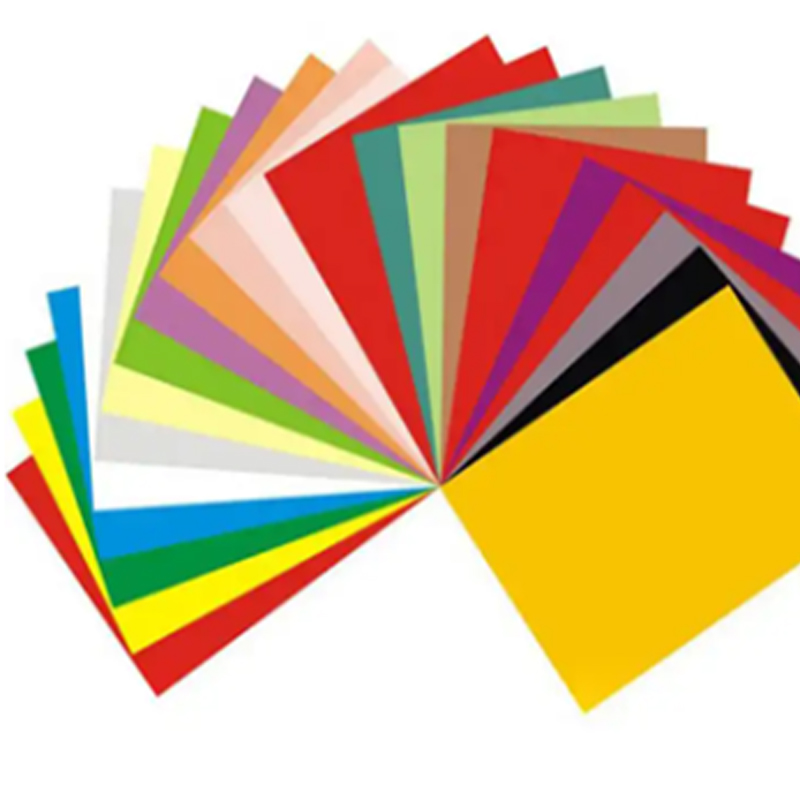
![HIPS polystyrene sheet for model making and crafts]()
HIPS Sheet for Model Making
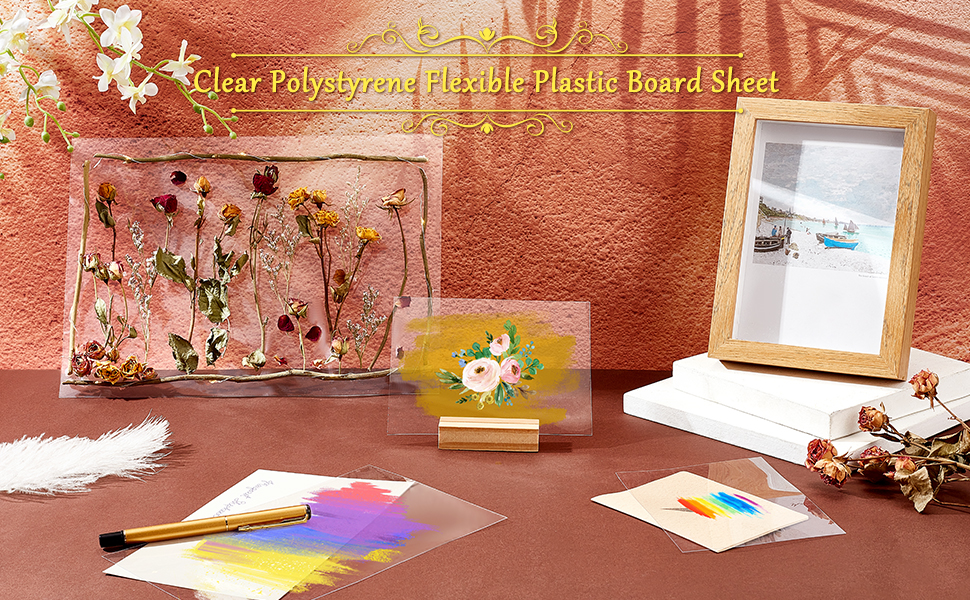
![Polystyrene craft sheet for prototypes and fabrication]()
Polystyrene Sheet for Crafts & Prototypes
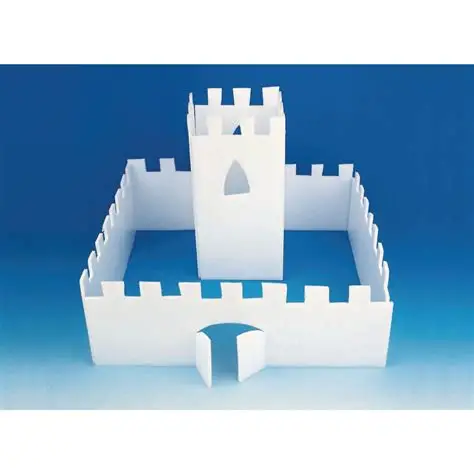
![High impact polystyrene sheet for model building and thermoforming]()
High Impact Polystyrene Sheet
HIPS Polystyrene Sheet Specifications
| Property |
Specification |
| Product |
HIPS / Polystyrene Sheet for Model Making & Crafts |
| Material |
Polystyrene (PS) / High Impact Polystyrene (HIPS) |
| Thickness |
0.2mm - 6mm, Custom |
| Maximum Width |
Up to approximately 1600mm |
| Color |
White, Black, Custom |
| Surface |
Smooth; gloss or matte options subject to grade and production confirmation |
| Processing |
Knife cutting, die cutting, CNC machining, drilling, routing, thermoforming, vacuum forming, bonding, painting and printing depending on thickness and grade |
| Typical Applications |
Model making, prototypes, templates, craft kits, educational projects, displays, signage, packaging inserts and thermoformed components |
Material Note: HIPS is normally selected where easy fabrication, thermoforming and improved toughness are required. If transparency is the main requirement, GPPS is generally the more appropriate polystyrene grade.
Why HIPS Sheet Is Used for Model Making
HIPS is widely used by model makers and prototype manufacturers because it is easier to cut, shape, bond and finish than many higher-performance engineering plastics.
Thin HIPS sheets can be used for detailed surfaces, panels and layered assemblies, while thicker sheets provide greater stiffness for structural model components, bases, housings and prototype parts.
The smooth surface also allows parts to be painted, printed, labeled or laminated after suitable surface preparation and compatibility testing.
HIPS Sheet for Crafts & Educational Kits
Polystyrene sheet can be supplied to craft-product manufacturers, educational-material suppliers and kit producers that require lightweight plastic panels that can be cut, scored, shaped, printed or assembled into finished projects.
Typical uses include architectural models, teaching aids, model kits, design mock-ups, stencils, templates, decorative panels and prototype components. Material thickness should be selected according to the required flexibility, rigidity and cutting method.
Choosing HIPS Thickness for Model Making & Crafts
| Thickness Direction |
Typical Use |
| 0.2 - 0.5mm |
Thin detail panels, layered model surfaces, templates and lightweight formed components |
| 0.5 - 1mm |
General model making, prototypes, stencils, displays and small vacuum-formed components |
| 1 - 2mm |
More rigid model panels, prototype housings, display parts and structural craft components |
| 2 - 6mm |
Rigid panels, prototype bases, fabricated covers and larger lightweight parts |
These ranges are general selection directions. The correct thickness depends on part size, unsupported span, cutting process, forming depth and required rigidity.
Easy Cutting & Fabrication
Ease of fabrication is one of the main reasons HIPS is used for model making and prototyping. Depending on thickness, the sheet can be processed using knives, saws, die cutting, CNC machining, drilling and routing.
| Process |
Typical Application |
| Knife / Score Cutting |
Thin sheets, model panels, templates and craft components |
| Die Cutting |
Repeat-production flat parts and kit components |
| CNC Cutting |
Precise prototype panels, slots, profiles and repeat parts |
| Drilling & Routing |
Mounting holes, model structures and fabricated assemblies |
| Thermoforming |
Curved shells, model bodies, covers and shaped components |
| Vacuum Forming |
Prototype shells, packaging inserts, trays and molded model components |
Processing conditions should be matched to sheet thickness. Thin material requires adequate support, while machining thicker sheet requires control of tool speed and heat generation to maintain clean edges.
Bonding HIPS for Model Assemblies
HIPS can be assembled into layered models, enclosures and prototype structures using compatible bonding systems. The correct adhesive depends on joint design, material thickness, required strength and finished appearance.
For production projects, bonding should be tested using the exact HIPS grade because surface finish, pigments and other formulation differences can influence adhesion.
Painting & Finishing HIPS Sheet
The smooth HIPS surface is suitable for painting and decorative finishing when compatible coatings are used. This is particularly useful for scale models, prototypes, display components and presentation parts.
Surface cleaning and coating compatibility should be checked before production. Aggressive solvents can affect polystyrene, so the paint and cleaning system should be validated on a sample first.
Printing on HIPS Sheet
HIPS can be used as a printable substrate for model kits, instructional graphics, templates, displays and branded components. Suitable grades can support screen printing, digital printing, labels and laminated graphics.
Printing performance depends on surface finish, ink chemistry, curing conditions and any required surface treatment. Production trials should confirm ink adhesion before a large print run.
HIPS Sheet for Vacuum Forming Models & Prototypes
HIPS is commonly selected for vacuum-formed prototype shells, model bodies, mock-ups, covers and demonstration parts because it softens when heated and can reproduce relatively complex shapes using suitable molds.
During forming, sheet thickness decreases in stretched areas. Mold depth, corner radius and starting thickness should therefore be considered when specifying the material.
| Forming Factor |
Why It Matters |
| Starting Thickness |
Controls how much material is available before stretching |
| Draw Depth |
Deeper shapes usually create greater local wall thinning |
| Mold Radius |
Sharp corners can increase thinning and stress |
| Surface Detail |
Mold design and forming conditions influence detail reproduction |
| Finished Wall Thickness |
Should be checked on critical areas after forming |
HIPS for Architectural Models & Product Prototypes
HIPS can be used for architectural massing models, concept models, presentation mock-ups, product enclosures and early-stage design prototypes where designers need a lightweight material that can be cut and shaped quickly.
Different gauges can be laminated or assembled to create walls, ribs, internal supports and surface details. This allows model manufacturers to use one material family across multiple structural and decorative components.
HIPS for Templates & Stencils
Thin and medium-gauge HIPS can also be used for reusable templates, drawing guides, cutting patterns, fabrication guides and stencils where a flat, lightweight and easy-to-cut plastic sheet is required.
The required thickness depends on template size, repeated handling, desired flexibility and cutting method.
Other Applications of HIPS Sheet
| Application |
Typical Requirement |
| Model Making |
Easy cutting, bonding, painting and layered construction |
| Prototyping |
Fast fabrication, forming and economical material cost |
| Craft & Educational Kits |
Lightweight sheets, defined thicknesses and easy processing |
| Packaging |
Thermoformed trays, inserts and protective components |
| Signage & Displays |
Smooth surface, printability and lightweight rigidity |
| Automotive Components |
Application-specific interior trim and non-structural formed parts subject to grade qualification |
| Consumer Products |
Appliance housings, liners, toy parts and fabricated components |
| Industrial Covers |
Lightweight non-load-bearing covers and formed panels |
HIPS vs. GPPS for Model Making
| Feature |
HIPS |
GPPS |
| Impact Resistance |
Higher due to rubber modification |
More brittle |
| Typical Appearance |
Usually opaque |
Commonly clear and glossy |
| Model Fabrication |
Well suited to cutting, forming, painting and assembly |
Useful when transparent model components are required |
| Typical Selection |
Opaque models, prototypes, craft parts and formed components |
Transparent models, covers and clear display parts |
HIPS vs. ABS for Prototyping
| Selection Factor |
HIPS |
ABS |
| Main Advantage |
Economical, easy to cut and easy to thermoform |
Higher engineering-performance potential |
| Prototype Use |
Concept models, mock-ups and low-load enclosures |
Functional prototypes requiring more demanding mechanical performance |
| Thermoforming |
Easy to form with suitable grade |
Also suitable for thermoformed engineering parts |
| Selection |
Choose according to impact, heat resistance, stiffness, forming complexity and total project cost |
Indoor Use & Material Limitations
Standard HIPS is primarily suited to indoor and controlled applications unless the exact grade has been developed and tested for extended outdoor weathering.
If a model, display or fabricated component will be exposed to prolonged sunlight, elevated temperature, aggressive solvents, repeated heavy impact or demanding structural loads, specify those conditions before selecting the material.
What Information Should You Provide for a Quote?
| Requirement |
Information to Provide |
| Application |
Model making, prototype, craft kit, educational material, template, vacuum forming or other use |
| Material |
HIPS or other PS grade if already specified |
| Thickness |
Required thickness from approximately 0.2mm to 6mm |
| Sheet Size |
Required width × length; current maximum width approximately 1600mm |
| Color |
White, black or custom color |
| Surface |
Smooth, gloss, matte or other required finish |
| Fabrication |
Knife cutting, die cutting, CNC machining, drilling, painting, printing or bonding |
| Thermoforming |
Mold dimensions, forming depth and required finished wall thickness where applicable |
| Quantity |
Trial quantity, regular order and estimated annual demand |
| Destination |
Country and destination port |
Frequently Asked Questions About HIPS Sheet for Model Making
What is HIPS sheet?
HIPS stands for High Impact Polystyrene. It is a rubber-modified polystyrene sheet designed to provide greater toughness than standard GPPS while remaining easy to cut, form and fabricate.
Why is HIPS popular for model making?
HIPS is lightweight, rigid, easy to cut, easy to shape and suitable for painting, bonding and thermoforming, making it practical for models, prototypes and mock-ups.
What thickness is best for model making?
Thin 0.2-0.5mm material is useful for details and layered surfaces, while 0.5-1mm is suitable for general model work. Thicker 1-6mm sheet provides greater rigidity for bases, panels and larger prototype components.
Can HIPS sheet be cut with a knife?
Thin HIPS can often be scored and cut using suitable knives or cutting tools. Thicker material may require saws, routers, die cutting or CNC machining depending on the part design.
Can HIPS sheet be painted?
Yes. HIPS can be painted with compatible coating systems. Test the paint and any cleaner or primer on the actual material because aggressive solvents can affect polystyrene.
Can HIPS sheet be glued?
Yes. Compatible adhesive and solvent-bonding systems can be used depending on joint design and performance requirements. Production bonding should be tested with the exact sheet grade.
Can HIPS be vacuum formed?
Yes. HIPS is commonly used for vacuum forming and thermoforming. Starting thickness should be selected according to mold size, draw depth and required finished wall thickness.
Can HIPS sheet be printed?
Suitable HIPS grades can be screen printed, digitally printed or decorated with labels and laminated graphics. Ink adhesion should be tested before production.
What colors are available?
The current HSQY product specification lists white, black and customized colors. Availability depends on thickness, production quantity and exact grade.
What is the maximum sheet width?
The current product information lists widths up to approximately 1600mm. Exact availability should be confirmed according to thickness and color.
Is HIPS the same as clear polystyrene?
No. HIPS is rubber-modified and normally opaque. Clear polystyrene sheet is usually GPPS, which provides better transparency but is more brittle than HIPS.
Can HIPS be used for prototypes?
Yes. HIPS is well suited to concept models, mock-ups, presentation prototypes, housings and vacuum-formed prototype components where economical and fast fabrication is required.
Is HIPS suitable outdoors?
Standard HIPS is primarily used indoors. Long-term outdoor projects should specify UV and weathering requirements so an appropriate grade or alternative material can be evaluated.
What information should I provide for a quotation?
Please provide the application, sheet thickness, width and length, color, surface finish, cutting or forming method, quantity and destination.
Packing & Delivery
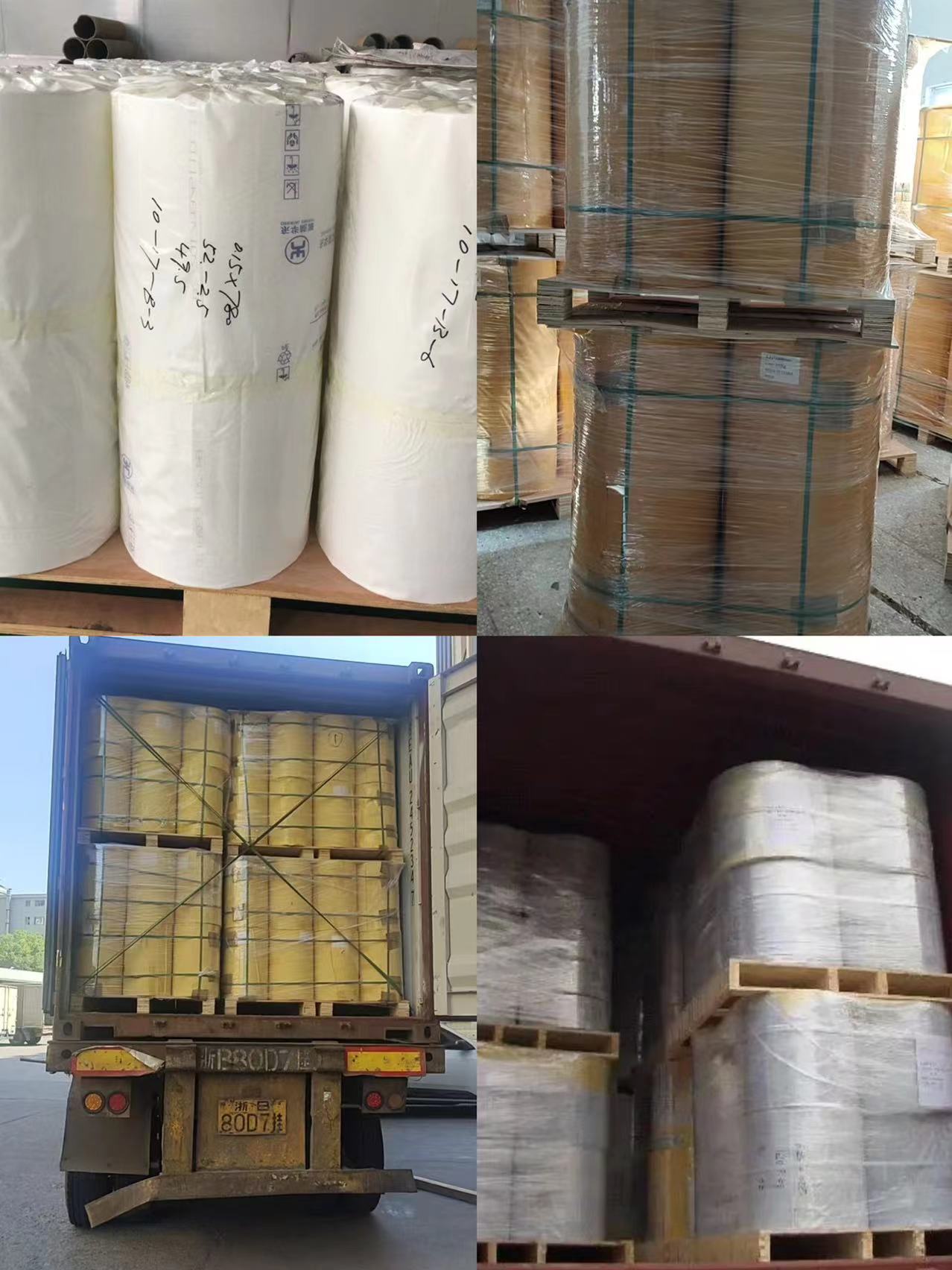
HIPS sheets are packed according to sheet thickness, dimensions, surface requirements and transportation conditions. Protective packing helps reduce scratching, contamination and edge damage during storage and shipment.
![HSQY HIPS polystyrene sheet packing]()
Export Packing for HIPS Polystyrene Sheet
About HSQY Plastic Group
HSQY Plastic Group supplies HIPS, GPPS and other plastic sheet materials for model manufacturers, prototype workshops, educational-material suppliers, thermoformers, printers, packaging manufacturers and industrial fabricators. Thicknesses, colors and sheet sizes can be discussed according to project requirements.
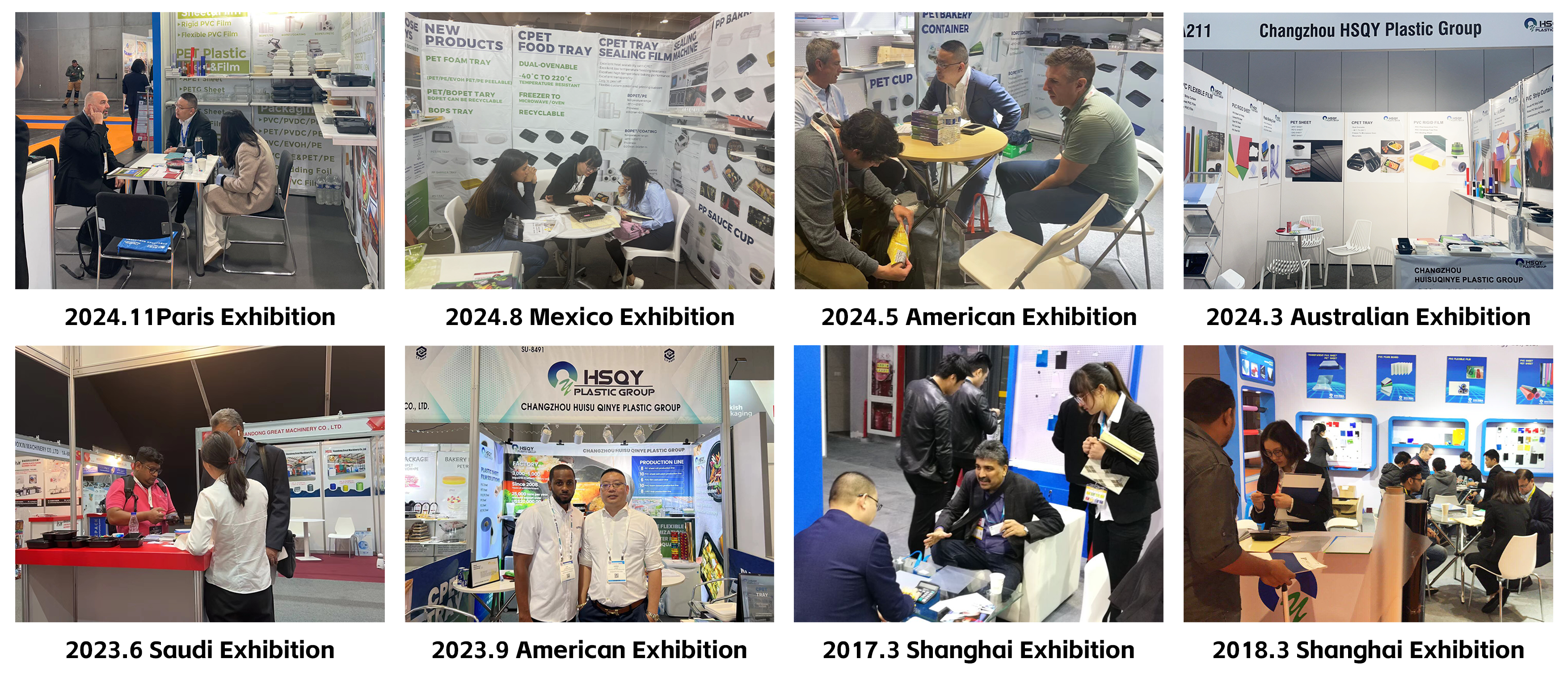
HSQY Plastic Group Exhibitions
![HSQY Plastic Group international exhibitions]()
HSQY Plastic Group meets international plastic-sheet distributors, thermoformers, manufacturers and industrial buyers at industry exhibitions.
Certificates & Documentation
Available certificates and technical documentation should be confirmed for the exact HIPS or PS grade and intended application before order approval.