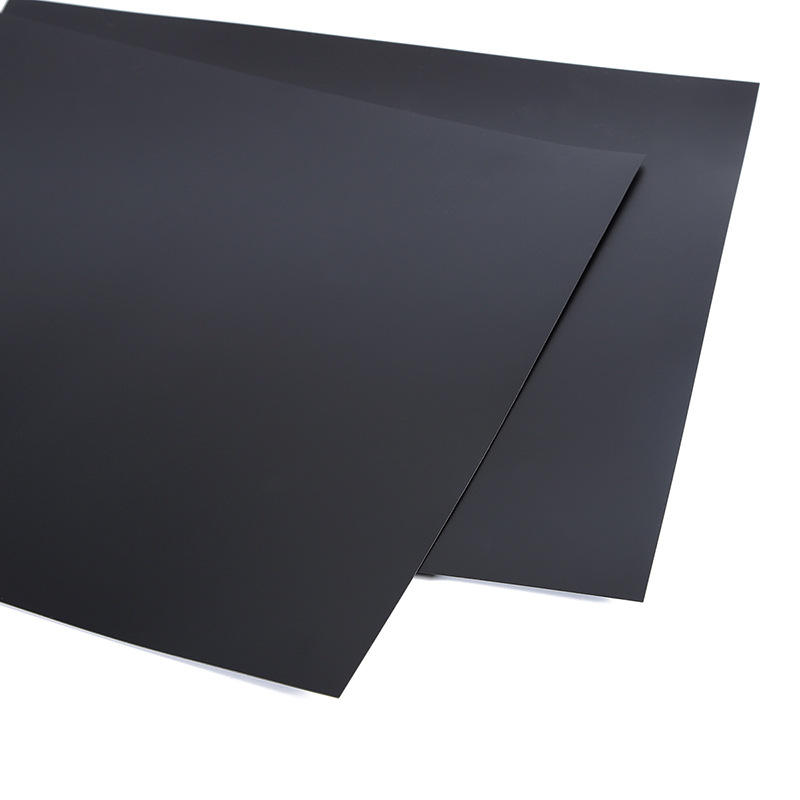
1mm 2mm 3mm 5mm Black HIPS Polystyrene Sheet
HSQY black HIPS sheet combines impact resistance, rigidity, easy thermoforming and a consistent opaque black appearance for packaging, displays, appliance parts, covers and industrial components.
High Impact Polystyrene, commonly abbreviated as HIPS, is a rubber-modified polystyrene material designed to provide greater toughness than standard GPPS while maintaining good forming, cutting, printing and fabrication performance.
This product page focuses on commonly requested 1mm, 2mm, 3mm and 5mm black HIPS sheets. HSQY's broader polystyrene sheet range covers approximately 0.2mm to 6mm thickness with widths up to 1600mm and white, black or customized colors.
![Black HIPS high impact polystyrene sheet]()
Black HIPS Polystyrene Sheet
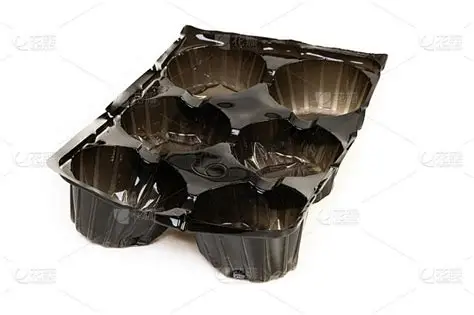
![Black HIPS sheet for thermoforming]()
Black HIPS Sheet for Thermoforming
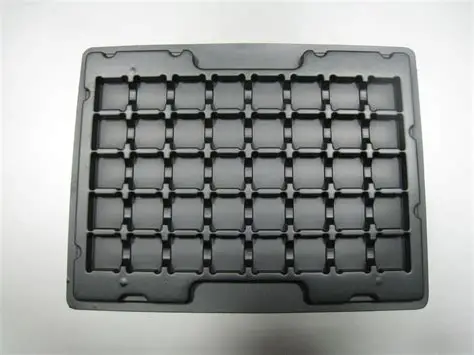
![Black polystyrene sheet for industrial parts]()
Black HIPS Sheet for Industrial Parts
Black HIPS Sheet Specifications
| Property |
Specification |
| Product |
Black High Impact Polystyrene Sheet / Black HIPS Sheet |
| Material |
High Impact Polystyrene (HIPS / PS) |
| Featured Thicknesses |
1mm, 2mm, 3mm, 5mm |
| Available Thickness Range |
Approximately 0.2mm - 6mm, Custom |
| Maximum Width |
Up to approximately 1600mm |
| Color |
Black; White and Custom Colors also available in the wider product range |
| Appearance |
Opaque black with smooth surface |
| Processing |
Thermoforming, vacuum forming, die cutting, CNC machining, cutting, drilling, routing, printing, painting, bonding and laminating depending on grade |
| Typical Applications |
Packaging trays, POP displays, signage, equipment covers, appliance parts, refrigerator liners, housings, prototypes and industrial fabricated components |
Important: Standard black HIPS is not automatically conductive, anti-static or ESD-safe. If your application requires a defined surface resistance or static-control performance, specify the required electrical range and test method before material selection.
What Is Black HIPS Sheet?
Black HIPS sheet is an opaque High Impact Polystyrene sheet produced in a black color formulation. The HIPS base material contains a rubber-modified phase that provides greater toughness than standard General Purpose Polystyrene.
The material is commonly selected for thermoformed parts, covers, trays, displays and fabricated components where transparency is not required and a consistent dark appearance is preferred.
Black HIPS can also help conceal internal components, backing structures or products behind a panel, although exact opacity or light-blocking performance should be confirmed where this is a critical technical requirement.
How to Choose 1mm, 2mm, 3mm or 5mm Black HIPS Sheet
Thickness affects flat-sheet rigidity, forming behavior, finished wall thickness, weight and fabrication method. The correct gauge should be selected according to the finished component rather than choosing thickness only by price.
| Thickness |
General Selection Direction |
Typical Applications |
| 1mm Black HIPS |
Lightweight sheet with good forming and fabrication flexibility |
Packaging trays, displays, lightweight covers and formed components |
| 2mm Black HIPS |
Balanced rigidity and thermoforming capability |
Housings, appliance parts, signs, displays and industrial covers |
| 3mm Black HIPS |
Greater stiffness for larger panels and fabricated components |
Panels, equipment covers, displays, prototypes and heavier formed parts |
| 5mm Black HIPS |
Thicker rigid sheet for fabricated components requiring greater flat-sheet stiffness |
Industrial panels, covers, large prototypes and selected fabricated parts |
These are general selection directions. Part size, unsupported span, forming depth, fastening method and impact requirement can change the appropriate thickness.
1mm Black HIPS Sheet
1mm black HIPS provides a lightweight starting gauge for thermoforming, packaging trays, displays and smaller formed components.
During deep forming, 1mm sheet can become significantly thinner around sidewalls and corners, so finished wall thickness should be checked on the actual part.
2mm Black HIPS Sheet
2mm black HIPS provides a useful balance of rigidity and processability for medium-size thermoformed or fabricated components.
It can be considered for display panels, equipment covers, appliance components, signs, housings and other applications requiring more stiffness than thin-gauge HIPS.
3mm Black HIPS Sheet
3mm black HIPS provides greater flat-sheet stiffness and can be useful for larger display components, covers, housings, fabricated panels and prototypes.
Where 3mm sheet is thermoformed, mold geometry and forming depth should still be considered because wall thickness will vary across the finished component.
5mm Black HIPS Sheet
5mm black HIPS is a relatively thick sheet within HSQY's current 0.2-6mm product range and is more suited to fabricated panels, covers, models and industrial components requiring greater rigidity.
For larger panels, mechanical requirements should be evaluated according to unsupported span, fastening design, operating temperature and expected loads rather than relying on thickness alone.
Why Choose Black HIPS Sheet?
Improved impact resistance: Rubber modification gives HIPS greater toughness than standard GPPS.
Opaque black appearance: Suitable for applications where transparency is not required.
Good thermoformability: Suitable HIPS grades can be vacuum formed or thermoformed into three-dimensional parts.
Lightweight and rigid: HIPS provides useful stiffness without excessive component weight.
Easy fabrication: Sheets can be cut, drilled, routed, die cut and CNC machined using appropriate processes.
Smooth surface: Suitable for selected printing, painting, labeling and lamination applications.
Wide gauge range: HSQY's broader standard range covers approximately 0.2mm to 6mm.
Standard Black HIPS vs. Conductive or Anti-Static HIPS
Black color alone does not mean a HIPS sheet is conductive, anti-static or static-dissipative. Standard black HIPS and electrically modified HIPS are different material grades.
| Grade |
Main Purpose |
| Standard Black HIPS |
Thermoforming, covers, displays, appliance parts and general industrial applications |
| Anti-Static HIPS |
Applications requiring controlled static dissipation according to a specified electrical-performance range |
| Conductive HIPS |
Specialized ESD packaging and handling applications requiring defined conductive performance |
For electronics packaging, provide the required surface resistance, test method and finished tray application. Do not substitute standard black HIPS simply because it has the same visual color as an ESD-grade material.
Black HIPS Sheet for Thermoforming
Thermoforming is one of the main applications for HIPS. The sheet is heated until sufficiently pliable and then formed against a mold using vacuum, pressure or mechanical assistance.
Black HIPS can be used for trays, housings, covers, appliance parts, displays and other three-dimensional components where an opaque black finish is required.
| Forming Factor |
What to Evaluate |
| Starting Thickness |
Available material before stretching |
| Heating Uniformity |
Supports stable forming and surface appearance |
| Draw Depth |
Deep cavities can reduce local wall thickness |
| Mold Geometry |
Corners, ribs and cavity shape influence material distribution |
| Finished Wall Thickness |
Critical areas should be measured after forming |
Black HIPS for Packaging Trays
Black HIPS can be thermoformed into trays, inserts, component packaging and protective packaging where an opaque appearance and impact resistance are useful.
Packaging buyers should specify forming depth, tray dimensions, stackability, required rigidity, product weight and any electrical or regulatory requirement before selecting a grade.
Food, medical, pharmaceutical and ESD-sensitive applications require application-specific grades and documentation. Standard black HIPS should not automatically be assumed suitable for these uses.
Black HIPS for Appliance Parts
HIPS is commonly considered for appliance liners, covers, housings, trays and interior components because suitable grades provide a practical balance of forming performance, rigidity and toughness.
For appliance applications, specify operating temperature, chemical or detergent exposure, impact requirement, surface appearance and forming depth before material approval.
Black HIPS for Equipment Covers & Housings
Black HIPS can be fabricated or thermoformed into non-structural housings, equipment covers, protective panels and enclosures where low weight and a consistent black appearance are required.
The required thickness depends on panel dimensions, unsupported span, fastening method, operating conditions and mechanical loads.
Black HIPS for Displays & Signage
Black HIPS provides a useful dark substrate for POP displays, exhibition panels, retail graphics, signs and presentation components.
For printed graphics, contrast between the black base sheet and printing ink should be considered during artwork development. Ink adhesion depends on surface condition, ink chemistry and curing process.
Printing, Painting & Lamination
Suitable HIPS surfaces can be screen printed, digitally decorated, painted, labeled or laminated for branded and decorative products.
Production trials should confirm ink or coating adhesion using the actual black HIPS grade. Where printing requires a defined surface treatment, include that requirement in the purchasing specification.
Cutting, CNC Machining & Fabrication
Black HIPS can be cut, drilled, routed, die cut and CNC machined using suitable plastic-fabrication tools and processing conditions.
| Process |
Typical Application |
| Cutting |
Panels, signs, covers and component blanks |
| Die Cutting |
Repeat-production flat components and thin-sheet parts |
| CNC Routing |
Complex profiles, panels and prototype parts |
| Drilling |
Mounting holes and fabricated assemblies |
| Thermoforming |
Trays, housings, liners and covers |
| Printing / Painting |
Displays, graphics and decorative components |
Black HIPS vs. Black ABS Sheet
| Selection Factor |
Black HIPS |
Black ABS |
| Main Positioning |
Economical thermoforming and fabricated parts |
Engineering plastic for more demanding applications |
| Typical Uses |
Packaging, displays, appliance parts and covers |
Industrial housings, automotive parts and durable components |
| Thermoforming |
Widely used for economical formed products |
Also widely used for formed engineering components |
| Selection |
Choose according to impact, heat resistance, rigidity, forming requirements and finished-part cost. |
Black HIPS vs. GPPS Sheet
| Feature |
HIPS |
GPPS |
| Structure |
Rubber-modified polystyrene |
General Purpose Polystyrene |
| Typical Appearance |
Normally opaque |
Normally clear and glossy |
| Impact Resistance |
Higher due to rubber modification |
More brittle |
| Main Selection Priority |
Toughness, forming and fabrication |
Transparency and gloss |
Indoor & Outdoor Use
Standard HIPS is primarily intended for indoor or controlled applications unless the exact material grade has been formulated and tested for long-term exterior exposure.
Black color alone does not guarantee UV resistance. Outdoor projects should specify required weathering performance, temperature range and expected service life before material selection.
Chemical & Moisture Resistance
HIPS has low water absorption and can tolerate selected mild chemical environments, but compatibility varies with chemical type, concentration, temperature and exposure duration.
If the finished component will contact cleaners, oils, alcohols, solvents or other chemicals, provide the exposure conditions before approving the material.
What Information Should You Provide for a Quote?
| Requirement |
Information to Provide |
| Application |
Thermoforming, packaging, display, appliance, equipment cover, housing or other use |
| Thickness |
1mm, 2mm, 3mm, 5mm or another required thickness within production capability |
| Sheet Size |
Required width × length; current maximum published width approximately 1600mm |
| Color |
Standard black or approved color reference if special matching is required |
| Surface |
Required surface appearance or printing requirement |
| Thermoforming |
Mold dimensions, forming depth and required finished wall thickness |
| Fabrication |
Cutting, drilling, routing, CNC machining, die cutting or bonding requirements |
| Printing |
Printing technology, ink system and surface-treatment requirement where applicable |
| Electrical Requirement |
Specify anti-static, static-dissipative or conductive performance only if required |
| Special Requirement |
Food-contact, medical, flame, UV, automotive or other applicable requirement |
| Quantity |
Trial quantity, regular order and estimated annual consumption |
| Destination |
Country and destination port |
Frequently Asked Questions About Black HIPS Sheet
What is black HIPS sheet?
Black HIPS sheet is opaque High Impact Polystyrene produced in a black formulation. It combines the toughness of rubber-modified polystyrene with good thermoforming and fabrication performance.
What thicknesses are available?
This page focuses on 1mm, 2mm, 3mm and 5mm black HIPS sheet. HSQY's current broader PS/HIPS range covers approximately 0.2mm to 6mm.
What is the maximum HIPS sheet width?
The current product specification lists widths up to approximately 1600mm. Exact availability depends on thickness and product specification.
Which thickness is best for thermoforming?
There is no single best thickness. The correct starting gauge depends on mold size, forming depth, draw ratio and required finished wall thickness.
Can 5mm HIPS sheet be thermoformed?
Thermoforming feasibility depends on the exact grade, equipment, heating capacity, mold and part geometry. Thicker sheets require different heating and forming conditions from thin-gauge HIPS.
Is black HIPS electrically conductive?
Not automatically. Standard black HIPS should not be assumed to be conductive simply because it is black. Conductive HIPS requires a specifically formulated grade with defined electrical performance.
Is black HIPS anti-static?
Standard black HIPS is not automatically an anti-static material. Specify the required surface resistance and test method when ESD control is required.
Can black HIPS be used for electronics trays?
It can be thermoformed into industrial trays, but electronics requiring ESD protection should use a suitable anti-static, static-dissipative or conductive grade rather than ordinary black HIPS.
Can black HIPS sheet be printed?
Yes. Suitable HIPS grades can be printed or decorated. Printing should be tested using the actual black sheet because ink opacity, adhesion and contrast affect the finished appearance.
Can black HIPS sheet be CNC machined?
Yes. HIPS can be cut, drilled, routed and CNC machined using suitable tools and process conditions.
Can black HIPS be used for appliance parts?
Suitable HIPS grades can be evaluated for appliance liners, covers, housings and interior components. Operating temperature, chemical exposure and required mechanical performance should be specified.
Can black HIPS be used outdoors?
Standard HIPS is primarily intended for indoor applications. Black color alone does not guarantee UV resistance, so exterior projects should specify weathering requirements separately.
What is the difference between black HIPS and black ABS?
HIPS is commonly selected for economical thermoforming, displays and general fabricated components. ABS is typically evaluated where a different balance of impact, heat resistance and engineering performance is required.
Can black HIPS be used for food or medical packaging?
These applications require a suitable application-specific grade and relevant documentation. Standard black industrial HIPS should not automatically be treated as food-contact or medical-grade material.
What information should I provide for a quotation?
Please provide the application, required thickness, sheet dimensions, surface requirement, thermoforming or fabrication method, any electrical or regulatory requirements, quantity and destination.
Packing & Delivery
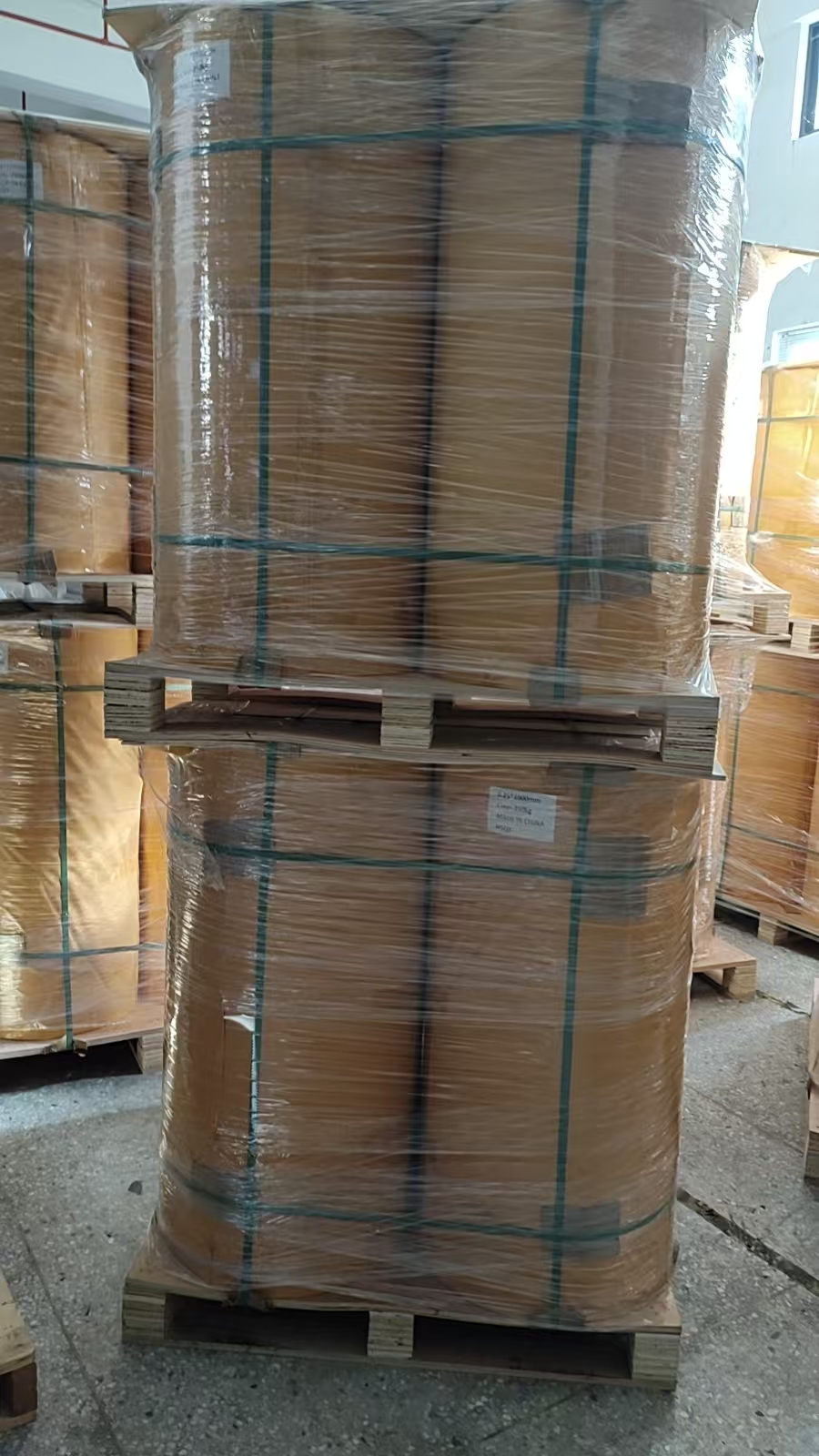
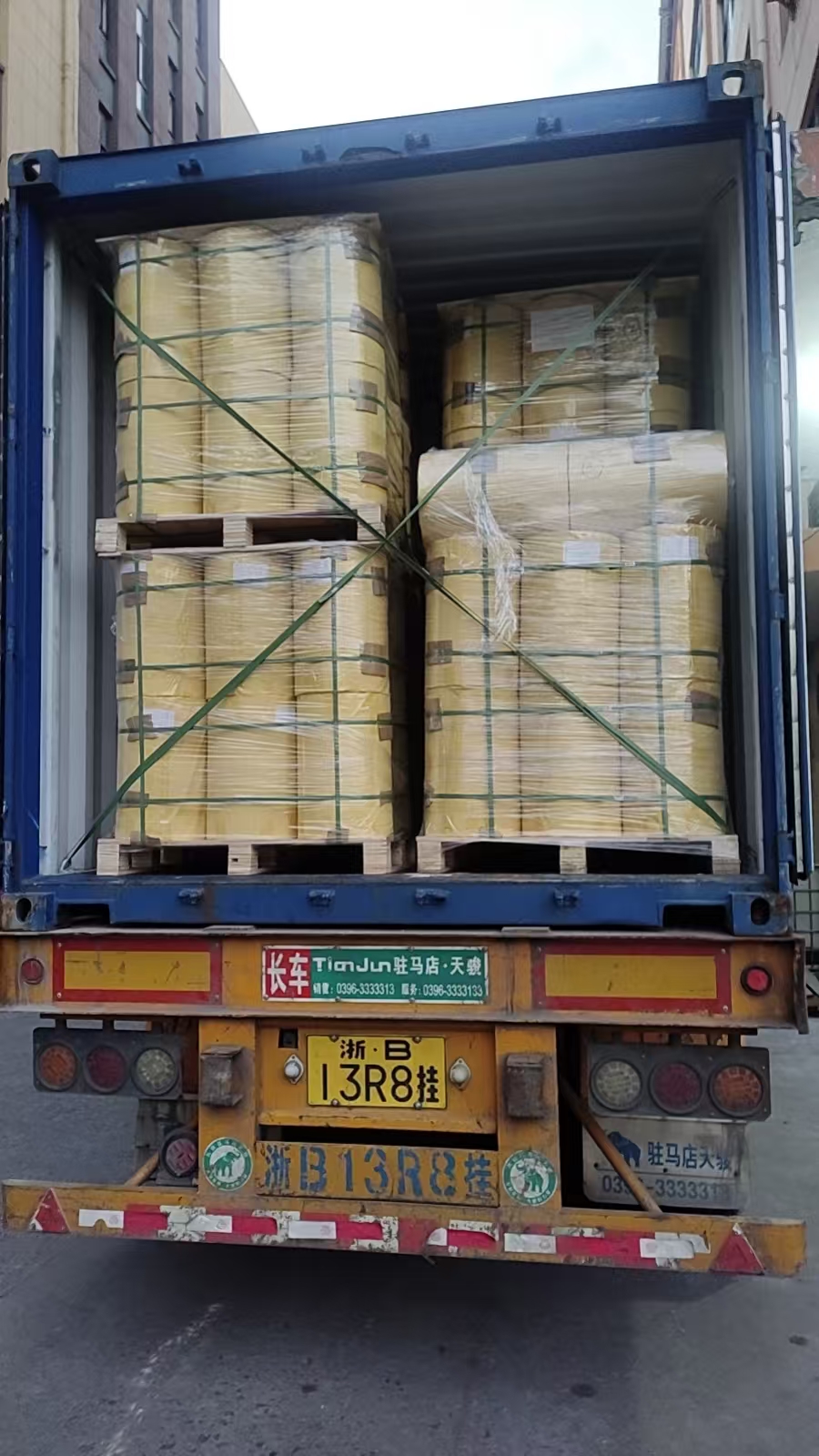
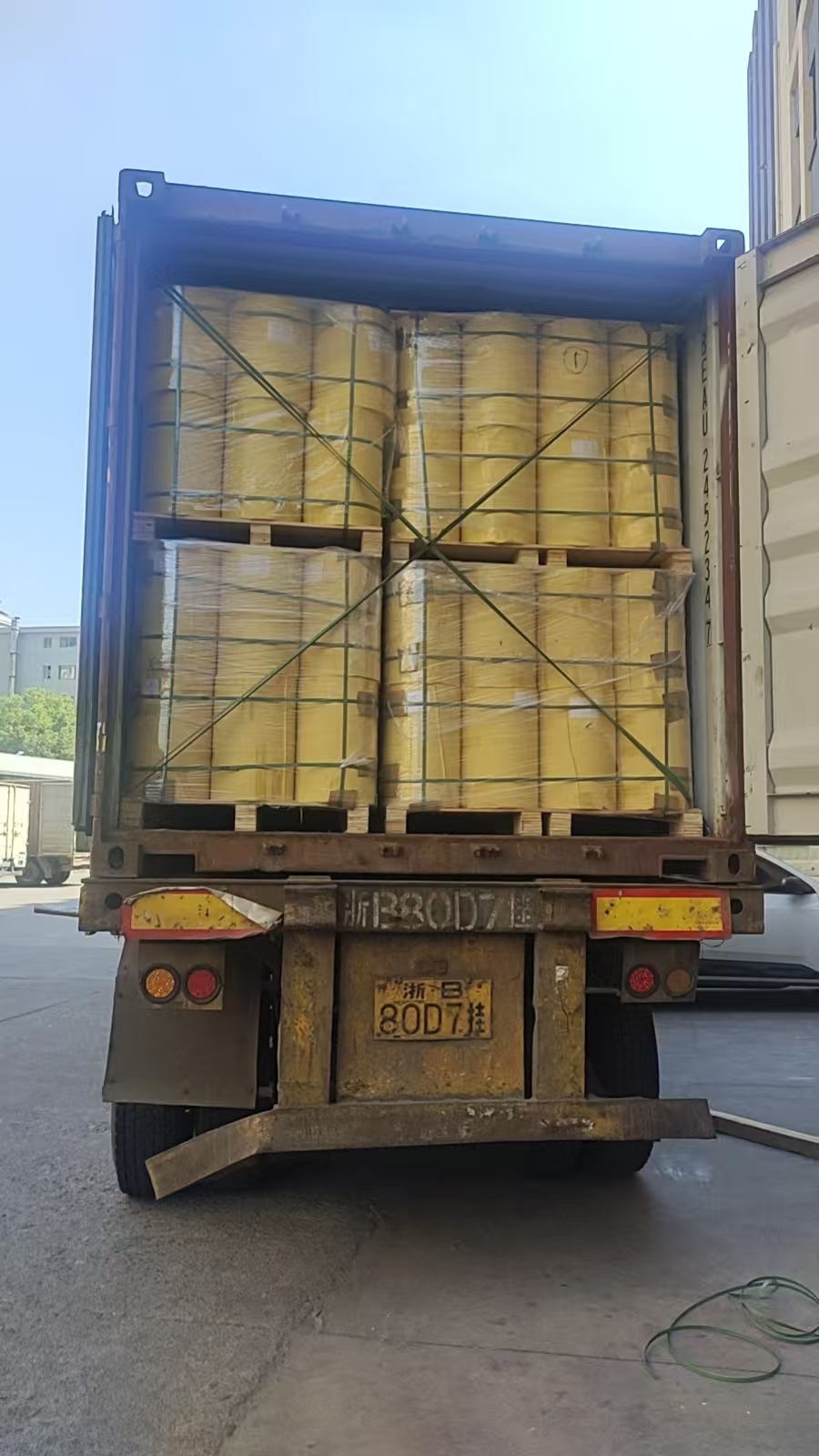
Black HIPS sheets should be packed according to thickness, dimensions and surface requirements to reduce scratching, contamination, edge damage and movement during international transportation.
![Black HIPS sheet export packing]()
Protective Sheet Packing
![Black polystyrene sheet pallet packing]()
Pallet Packing
![HIPS sheet export packaging]()
Export Packaging
HSQY Plastic Group Exhibitions
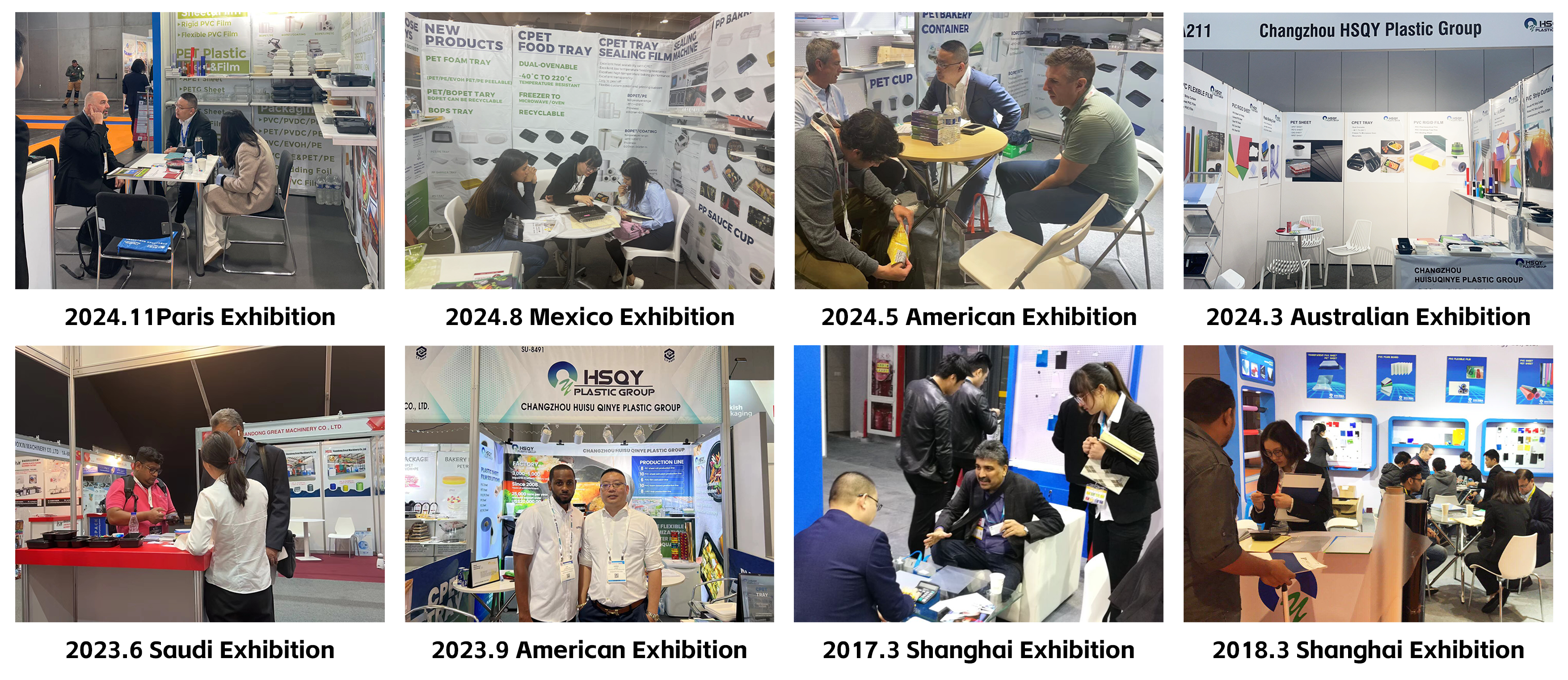
HSQY Plastic Group meets international thermoformers, packaging manufacturers, appliance producers, printers, distributors and industrial plastic-sheet buyers at international industry exhibitions.
![HSQY Plastic Group international exhibitions]()
HSQY Plastic Group International Exhibition Activities
Certificates & Documentation
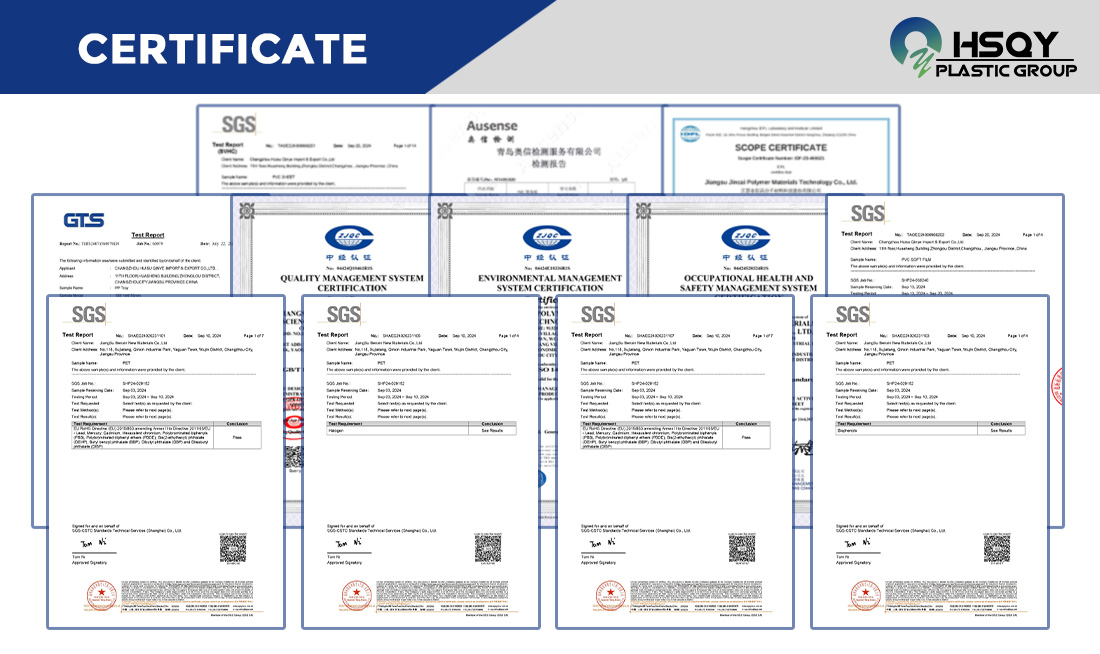
Available certificates and technical documentation should be confirmed for the exact black HIPS grade, thickness and intended application before order approval.
About HSQY Plastic Group
HSQY Plastic Group supplies HIPS, GPPS and other plastic sheet materials for thermoformers, packaging manufacturers, display companies, appliance manufacturers, printers and industrial fabricators. Thickness, dimensions, colors, surface requirements and downstream processing requirements can be discussed according to the project.