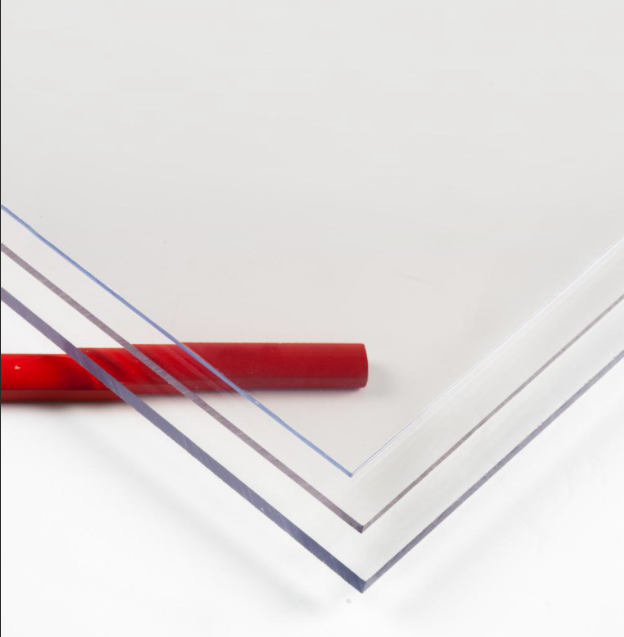
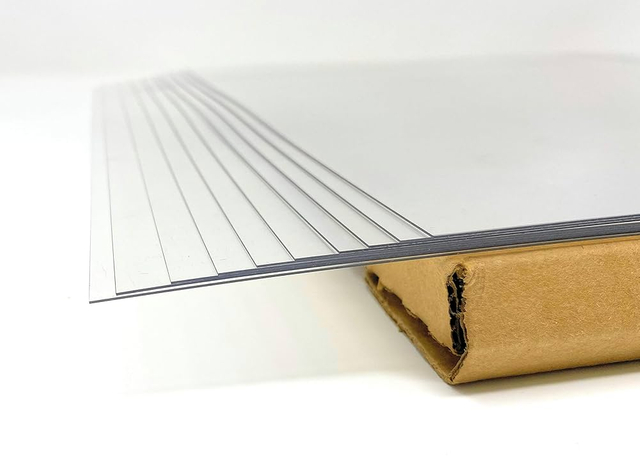
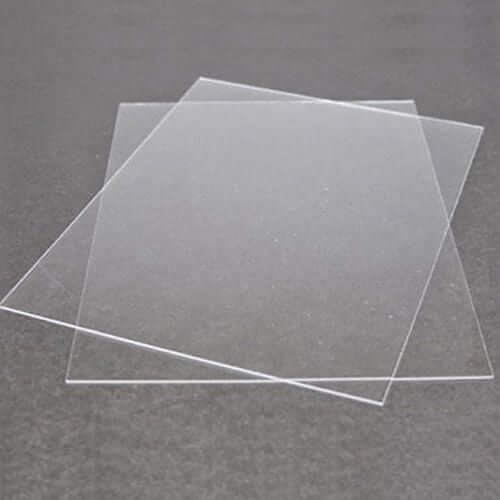
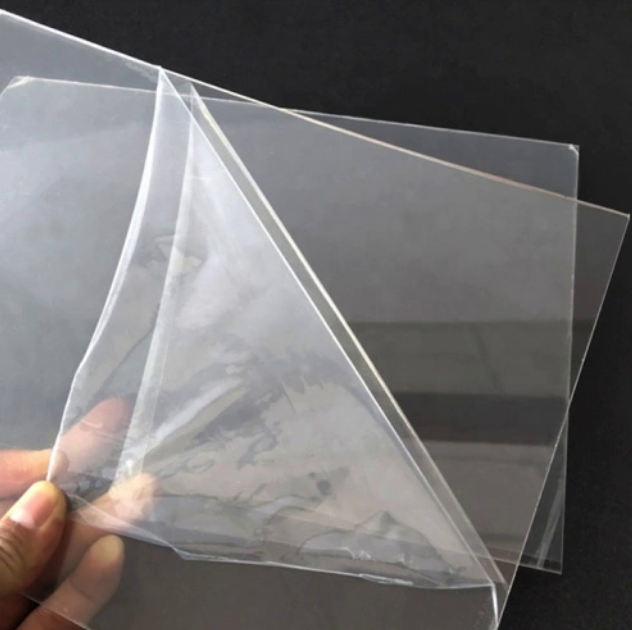
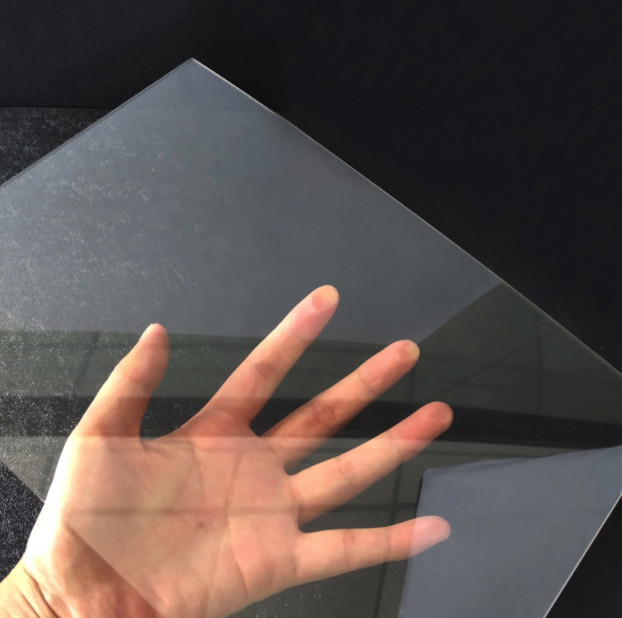
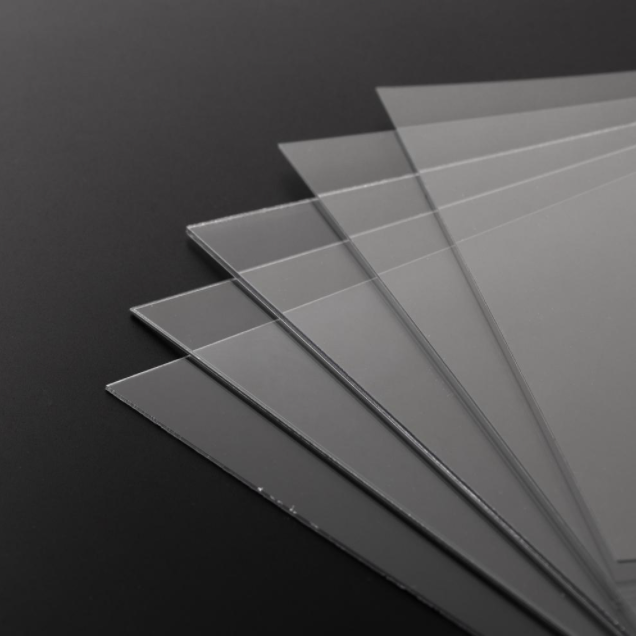
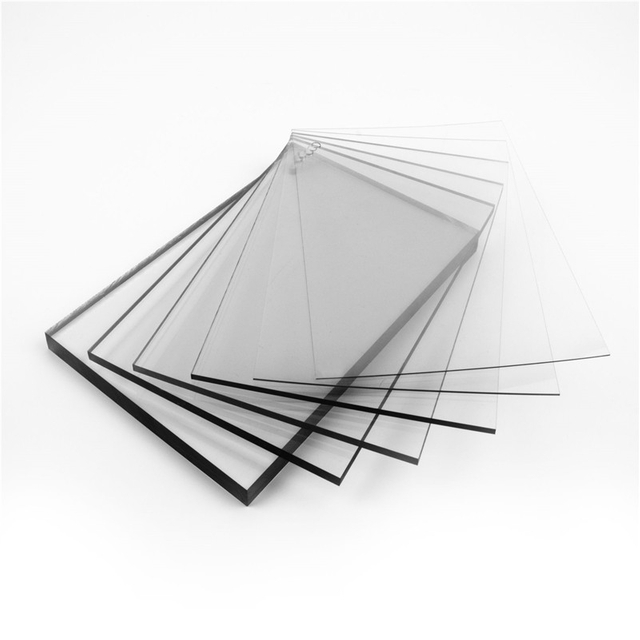
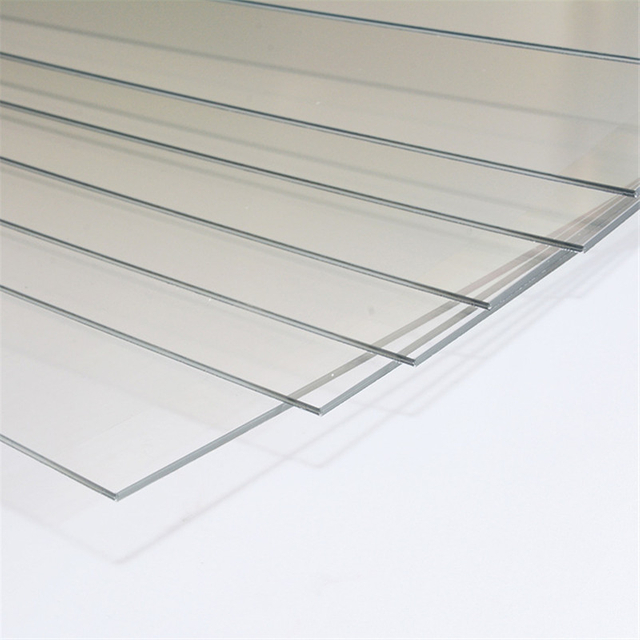
0.3mm Clear PETG Sheet for Blister Packaging and Thermoforming
HSQY supplies 0.3mm clear PETG sheet for thermoformed blister packaging, trays, clamshells, protective inserts and other transparent formed components. PETG is a glycol-modified copolyester valued for its high clarity, toughness, good melt strength and ability to form detailed shapes without the stress whitening commonly associated with more brittle transparent plastics.
The standard product on this page is a 0.3mm transparent PETG sheet or roll. Customized thicknesses, widths, colors, roll diameters and cut-sheet dimensions can be supplied according to the thermoforming machine, mold depth, package design and annual purchasing volume.
Standard thickness: 0.3mm / 300 micron
Material: PETG glycol-modified copolyester
Appearance: Clear and transparent; customized colors available
Supply format: Roll or cut sheet
Main processing: Thermoforming, vacuum forming, die cutting and fabrication
Main applications: Blister packs, clamshells, trays, medical-device packaging and protective display packaging

Clear PETG Sheet

PETG Sheet for Blister Packaging

PETG Sheet for Thermoforming
What Is a 0.3mm PETG Sheet?
A 0.3mm PETG sheet is a 300-micron transparent copolyester film used where a thin, tough and thermoformable material is required. PETG is an amorphous, glycol-modified form of polyester that combines optical clarity with good impact strength and processing flexibility.
During thermoforming, the sheet is heated until it becomes formable and is then drawn over or into a mold by vacuum, pressure or mechanical assistance. A 0.3mm gauge is commonly evaluated for shallow to medium-depth packaging, inserts and blisters where transparency, precise molded detail and low material weight are important.
Selection note: The correct gauge depends on cavity depth, draw ratio, flange design, package load, sealing method and transport requirements. A 0.3mm sheet should be validated on the buyer's mold and thermoforming equipment before commercial production.
Technical Data Sheet
Review the available PETG film data sheet before sample approval and bulk production:
Download PETG Film Data Sheet (PDF)
Typical property values are reference data rather than finished-product guarantees. Final specifications, test methods, tolerances and compliance documents should be confirmed in the approved technical agreement or purchase contract.
0.3mm PETG Sheet Specifications
| Property |
Details |
| Product name |
0.3mm Clear PETG Sheet for Blister Packaging and Thermoforming |
| Material |
PETG, glycol-modified polyethylene terephthalate copolyester |
| Standard thickness |
0.3mm / 300 micron |
| Customized thickness |
0.15mm–7mm, subject to roll or cut-sheet format and production confirmation |
| Roll width |
110mm–1280mm or customized |
| Sheet sizes |
915mm × 1220mm, 1000mm × 2000mm or customized |
| Density reference |
Approximately 1.27–1.29g/cm³, subject to resin grade and formulation |
| Color |
Clear transparent, tinted or customized color |
| Surface |
Glossy clear; anti-blocking, masking or other surface options subject to confirmation |
| Supply format |
Roll, cut sheet or customized converted format |
| Processing methods |
Thermoforming, vacuum forming, pressure forming, die cutting, drilling, bonding and printing |
| Main applications |
Blister packs, clamshells, formed trays, protective inserts, medical-device packaging, display packaging and transparent fabricated parts |
| MOQ |
1,000kg for the listed bulk product; sample and trial quantities are subject to confirmation |
| Production capacity |
Up to 50 tons per day for the relevant production line, subject to schedule and specification |
| Quality documents |
Current SGS, quality-system and application-specific reports available according to product scope |
| Payment terms |
T/T, L/C or other agreed terms |
| Delivery terms |
EXW, FOB, CNF or other negotiated Incoterms |
| Lead time |
Typically 7–15 days for confirmed standard orders; customized or high-volume orders are scheduled separately |
Key Benefits of Clear PETG Sheet
1. High optical clarity: PETG provides transparent product visibility for retail, medical-device and protective packaging.
2. Good thermoforming performance: The amorphous material forms detailed cavities and complex shapes when the mold, temperature and cycle settings are properly controlled.
3. Tough and impact resistant: PETG helps formed trays, covers and blisters resist cracking during handling, packing and transport.
4. Reduced stress whitening: Properly selected PETG can retain clarity around formed corners and bends better than more brittle transparent sheet materials.
5. Fabrication versatility: The sheet can be die cut, drilled, bonded, printed, hot stamped or ultrasonically welded when compatible processes are used.
6. Custom supply: Thickness, width, sheet size, color, roll weight, roll diameter, packing and surface treatment can be matched to the project.
PETG Thermoforming and Vacuum Forming Guidance
PETG processing conditions vary by resin grade, sheet thickness, machine type and mold geometry. The forming trial should therefore begin with the supplier's technical data sheet and be adjusted using the actual packaging tool.
Gauge consistency: Uniform thickness supports balanced heating and more predictable wall distribution.
Mold design: Adequate draft angles, radiused corners and suitable cavity spacing help reduce webbing, flange thinning and difficult demolding.
Heating: Heat the sheet evenly and avoid excessive temperature or dwell time that may cause sagging, webbing or loss of dimensional control.
Vacuum system: Clean vacuum channels and correctly positioned vacuum holes improve mold contact and detail reproduction.
Trimming: Sharp, well-maintained cutting tools help produce clean edges with less cracking or particulate generation.
Pre-drying: Requirements depend on resin grade, sheet storage, moisture exposure and processing conditions. Follow the approved technical data sheet rather than assuming that drying is never required.
Applications of 0.3mm PETG Sheet
Blister packaging: Clear retail blisters for hardware, stationery, electronics, cosmetics and consumer products.
Medical-device packaging: Thermoformed trays, lids and protective components where the selected grade, cleanliness and validation requirements are satisfied.
Clamshells and formed trays: Transparent packaging that combines product visibility with better toughness and formed-detail retention.
Protective inserts: Custom-formed inserts for instruments, electronic parts, samples and precision components.
Display and point-of-purchase parts: Clear covers, display components, sign parts and fabricated visual-merchandising elements.
Custom thermoformed products: Vacuum-formed housings, guards, panels and transparent components designed around the required sheet gauge.
PETG vs. APET and PVC for Thermoforming
| Material |
Main Advantages |
Selection Considerations |
| PETG |
High clarity, toughness, detailed forming, deep-draw capability and reduced stress whitening |
Higher material cost than some commodity sheets; temperature, sterilization and recycling requirements must be evaluated |
| APET |
Good clarity, stiffness, cost efficiency and broad use in transparent thermoformed packaging |
Processing window and deep-draw performance may be less forgiving for demanding shapes |
| Rigid PVC |
Established forming performance, economical supply and broad use in blister packaging |
Environmental, disposal and market-specific material restrictions should be reviewed |
Material selection should be based on the complete package rather than one property. Buyers should compare clarity, impact resistance, draw depth, flange rigidity, sealing system, sterilization method, temperature exposure, recycling route, cost and destination-market requirements.
Food-Contact and Medical Packaging Requirements
PETG resin grades can be developed for food-contact or medical packaging applications, but a general PETG material name does not automatically prove compliance. The buyer should confirm the exact resin grade, formulation, additives, colorants, recycled-content policy, production controls and applicable test reports.
For medical-device packaging, provide the sterilization method, device classification, packaging design, seal system, shelf-life protocol and required biological or regulatory documentation. Final suitability and compliance must be validated on the finished package.
Quality Control for PETG Sheet Rolls
• Thickness and width consistency
• Optical clarity, haze and color consistency
• Black spots, gels, bubbles, scratches and surface contamination
• Thermoforming behavior, wall distribution and molded detail
• Roll winding, edge alignment, roll diameter and splices
• Packing, batch identification, traceability and requested inspection documents
Information Required for a PETG Sheet Quotation
1. Thickness: Confirm 0.3mm or another required gauge and tolerance.
2. Supply format: State whether you need rolls, cut sheets or converted blanks.
3. Dimensions: Provide roll width, sheet size, core diameter, maximum roll diameter and roll weight.
4. Application: Describe the blister, tray, clamshell, insert, display or fabricated component.
5. Forming details: Include mold depth, draw ratio, cavity spacing, machine type and expected line speed.
6. Special requirements: State color, masking, anti-blocking, printing, sterilization, food contact, recycled content or compliance needs.
7. Commercial details: Provide trial quantity, annual volume, destination port and requested delivery date.
Packing and Delivery
Sample packing: Available A4-size or trial sheets can be protected with film, paper, bags or cartons.
Roll packing: PETG rolls can be wrapped with PE film, kraft paper or another agreed protective material.
Sheet packing: Cut sheets can be protected with film and packed on reinforced export pallets.
Pallet configuration: Pallet weight and dimensions are customized according to sheet size, roll size and destination requirements.
Container loading: Loading quantity depends on the final roll, sheet and pallet configuration rather than a fixed universal weight.
Lead time: Standard orders are typically scheduled within 7–15 days after specifications, payment and packing requirements are confirmed.

PETG Roll Packing

PETG Rolls Prepared for Shipment

PETG Pallet and Container Loading
Quality and Compliance Documents
HSQY can provide relevant quality-system, inspection and third-party test documents according to the selected PETG formulation and order requirements. Buyers should request current copies and verify that each report covers the exact resin grade, color, thickness, production site and intended application.

HSQY at Global Exhibitions
HSQY Plastic Group meets international customers, packaging converters and distribution partners at industry exhibitions and customer events.

Frequently Asked Questions
What is 0.3mm PETG sheet used for?
It is used for transparent blister packs, thermoformed trays, clamshells, protective inserts, display packaging and other thin formed components.
Is 0.3mm the same as 300 micron PETG film?
Yes. A thickness of 0.3mm equals 300 microns. Both units are commonly used for thin PETG thermoforming sheet and roll stock.
Can PETG sheet be vacuum formed?
Yes. PETG is widely used for vacuum and pressure forming because it can reproduce detailed shapes while maintaining clarity and toughness. The settings must be optimized for the resin grade, thickness and mold.
Does PETG need to be dried before thermoforming?
Drying requirements depend on the resin grade, storage conditions, moisture exposure and processing method. Follow the approved data sheet and run a forming trial rather than applying one universal rule.
What is the recommended PETG thermoforming temperature?
The correct sheet temperature varies by PETG grade and equipment. As a reference, some PETG copolyester technical guides use a forming window around 140–150°C, but HSQY's approved data sheet and actual mold trials should control the production setting.
Is PETG suitable for deep-draw thermoforming?
PETG can support deep draws and precise molded detail, but the achievable draw depends on sheet thickness, mold geometry, cavity spacing, plug assistance and wall-thickness requirements.
Is PETG suitable for food-contact packaging?
Certain PETG resin grades can meet food-contact requirements. Request documentation for the exact HSQY formulation, color and destination market before approval.
Can PETG be used for medical-device packaging?
PETG is used in medical-device packaging because of its clarity, toughness and formability. The final sheet grade and package must be validated for cleanliness, sterilization, seal integrity, shelf life and applicable regulatory requirements.
What is the difference between PETG and APET sheet?
PETG generally offers a more forgiving forming response, greater toughness and better resistance to stress whitening in demanding shapes. APET is commonly selected for cost-effective clear packaging with good stiffness. Final selection depends on design and processing requirements.
Can HSQY customize the PETG thickness and width?
Yes. Thickness, roll width, cut-sheet dimensions, color, surface, roll diameter, roll weight and packing can be customized subject to production feasibility and MOQ.
Can I test a PETG sheet sample before placing an order?
Available stock samples can be supplied for preliminary clarity, forming, cutting and sealing tests. Confirm sample thickness, size, freight and delivery method with the HSQY sales team.
How do I get an accurate PETG sheet quotation?
Send the thickness, width or sheet size, roll diameter, color, application, mold depth, quantity, annual demand, compliance requirements and destination port.
Why Choose HSQY as Your PETG Sheet Supplier?
Changzhou Huisu Qinye Plastic Group Co., Ltd. has more than 20 years of experience in plastic sheet production and international supply. HSQY supports packaging converters, thermoformers, distributors and manufacturers with PETG roll stock, cut sheets, sample evaluation, customized dimensions and export packing.
For a matched recommendation, provide the actual package drawing, mold depth, thermoforming machine, sheet width, roll limitation, application, annual volume and required documentation. This information helps distinguish whether 0.3mm PETG, a thicker PETG gauge, APET or another sheet structure is more suitable.
Need 0.3mm clear PETG sheet for your thermoforming project?
Send your required thickness, width, roll size, package design, order quantity and destination to receive a sample plan and quotation.
Contact HSQY Plastic