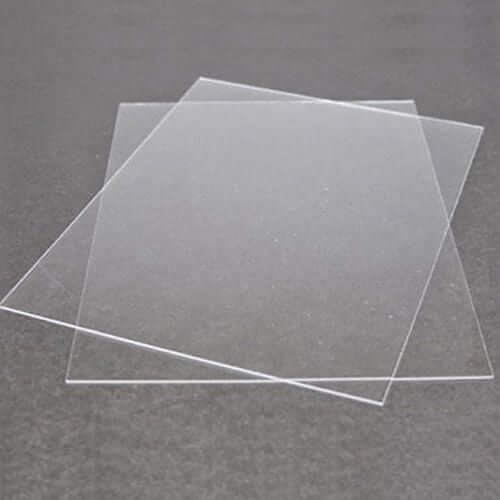
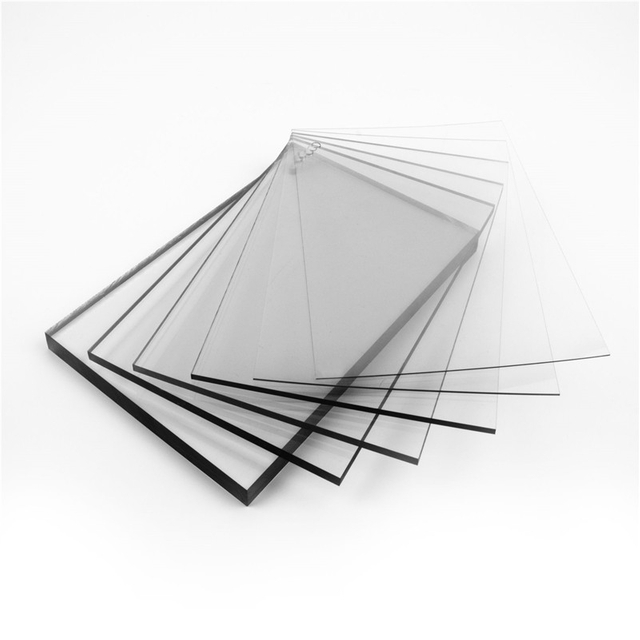
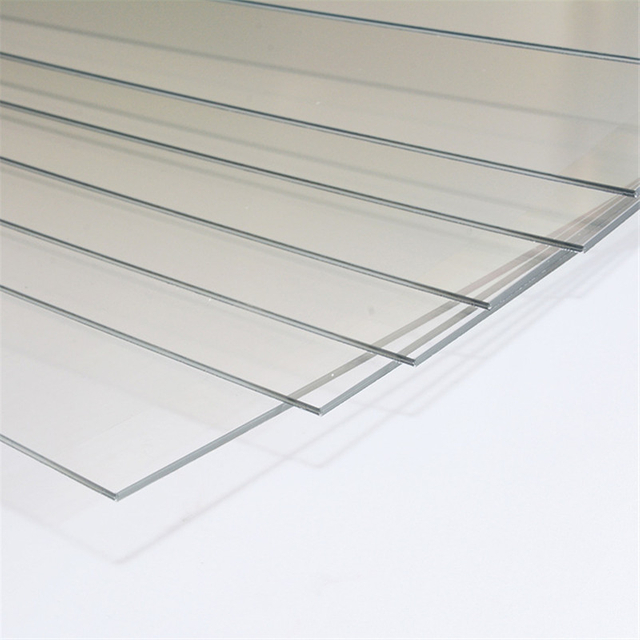
0.5mm Clear PETG Sheet for Desktop Vacuum Forming
HSQY 0.5mm clear PETG sheet is a transparent glycol-modified copolyester sheet developed for desktop vacuum forming, thermoforming, prototypes, transparent packaging, molds and lightweight formed components.
At a nominal thickness of 0.5mm, or 500 microns, PETG provides a useful balance of transparency, toughness and flexibility for shallow to moderate-depth vacuum-formed parts. Custom sheet dimensions can be discussed according to the clamp frame and usable forming area of the customer's vacuum-forming machine.
HSQY also supplies PETG in larger sheets and rolls. Current product information lists roll widths from approximately 110mm to 1280mm, sheet formats including 915 × 1220mm and 1000 × 2000mm, and other PETG thicknesses from approximately 0.15mm to 7mm.
For desktop vacuum-forming equipment, always confirm the required cut-sheet length and width before ordering. Machine compatibility depends on the actual clamp-frame dimensions and usable forming area rather than PETG thickness alone.
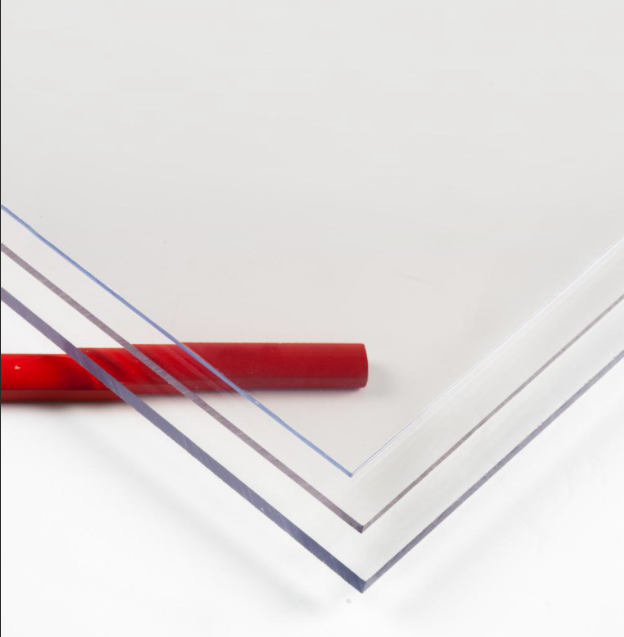
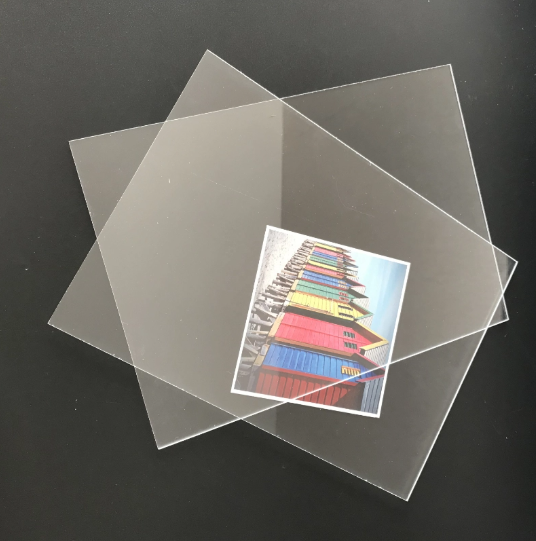
0.5mm PETG Vacuum Forming Sheet Images

0.5mm Clear PETG Sheet

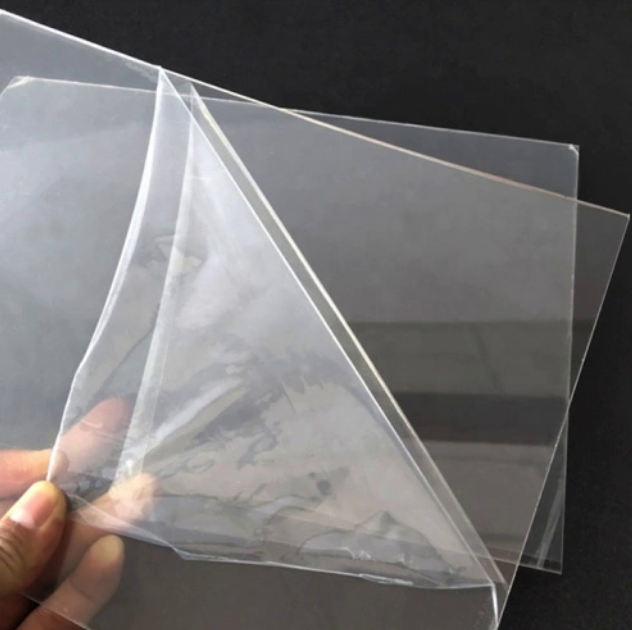
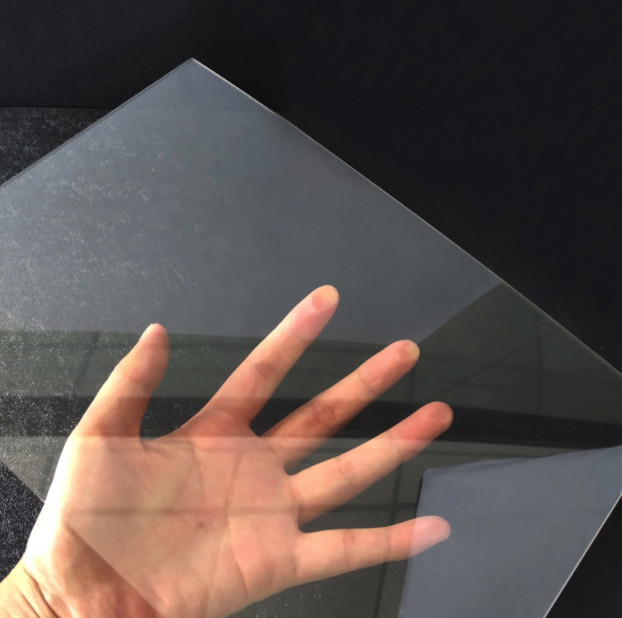
PETG Sheet for Vacuum Forming

Vacuum Formed PETG Component
What Is PETG Sheet for Vacuum Forming?
PETG is a glycol-modified copolyester related to PET. The glycol modification reduces crystallization during normal processing and helps suitable PETG grades maintain transparency while being heated and formed into three-dimensional shapes.
In vacuum forming, the PETG sheet is clamped, heated until sufficiently soft and then drawn against a mold using negative pressure. After cooling, the formed component is released and trimmed to the required shape.
PETG is widely considered for vacuum-forming applications because suitable grades combine clarity, toughness and the ability to reproduce mold details without the brittle fracture behavior associated with some transparent rigid plastics.
0.5mm Clear PETG Sheet Specifications
| Property |
Current Specification |
| Product Name |
0.5mm Clear PETG Sheet for Vacuum Forming |
| Material |
PETG / Glycol-Modified Copolyester |
| Featured Thickness |
0.5mm / 500μm |
| Other Referenced Thicknesses |
Approximately 0.15mm-7mm, subject to sheet or roll format and application |
| Roll Width |
Approximately 110mm-1280mm |
| Standard Sheet Size |
915 × 1220mm |
| Standard Sheet Size |
1000 × 2000mm |
| Desktop Machine Cut Size |
Custom according to clamp-frame dimensions; machine compatibility must be confirmed before cutting |
| Color |
Clear; customized colors subject to grade and quantity |
| Density |
Current source lists approximately 1.27-1.29g/cm³ |
| Pack Quantity |
Current product source references 35 sheets per pack; final sheet dimensions and packing specification should be confirmed |
| Supply Format |
Custom cut sheets, standard sheets and rolls |
| Protective Masking |
One-side or two-side masking can be discussed according to sheet format and forming process |
| Main Process |
Vacuum forming, thermoforming, cutting, die cutting, drilling, routing and selected printing or bonding processes |
| MOQ |
1000kg according to current product information |
| Reference Lead Time |
Approximately 7-15 days after specification and deposit confirmation, subject to production schedule |
| Reference Production Capacity |
Current product information references approximately 50 tons per day; scheduling should be confirmed for the exact specification |
PETG Technical Data Sheet
The following PETG data sheet is retained from the original product page. Confirm that the document applies to the exact PETG resin grade, thickness and production specification before using the values for engineering or regulatory decisions.
Why 0.5mm PETG Is Used for Desktop Vacuum Forming
Lightweight Starting Gauge
A 0.5mm starting sheet is thin enough for many small vacuum-forming machines to heat efficiently while still providing useful body for lightweight formed components.
Clear Product Visibility
Clear PETG is useful for transparent molds, prototype covers, packaging and displays where visibility through the formed part is important.
Detailed Mold Reproduction
Suitable PETG grades can reproduce relatively detailed mold geometry when sheet heating, vacuum level, mold ventilation and forming conditions are correctly controlled.
Useful Toughness for Prototyping
PETG provides useful resistance to cracking during many forming, trimming and fabrication operations, making it practical for prototype and short-run vacuum-forming applications.
How to Vacuum Form 0.5mm PETG Sheet
1. Cut the PETG to the Machine Frame Size
Measure the machine's required sheet length and width. The clamp frame must hold the sheet securely around the full perimeter before heating.
2. Check Protective Masking
Remove protective film from surfaces that will be exposed to forming heat unless the masking supplier specifically confirms that the protective film is suitable for thermoforming.
3. Clamp the Sheet Evenly
Uneven clamping can cause the sheet to slip or distort as it softens. Check that the PETG is centered and retained around the complete frame.
4. Heat the PETG Uniformly
Uniform heating is critical. The correct heater setting and heating time depend on PETG grade, thickness, heater type, distance from the heater and ambient conditions.
5. Apply Vacuum
Once the PETG reaches the correct forming condition, apply vacuum so the softened sheet follows the mold surface. Adequate mold venting is important for reproducing small details.
6. Cool Before Release
Allow the formed PETG to cool sufficiently before removing it from the mold. Releasing the part too early can cause distortion.
7. Trim and Inspect
Trim excess material and inspect wall thickness, clarity, corners, surface appearance and dimensional stability before approving the forming setup.
PETG Vacuum Forming Temperature
The correct PETG forming temperature depends on the exact resin grade, sheet thickness, heater design, forming depth and machine cycle.
Do not copy one universal forming temperature from another PETG brand. Different PETG formulations and machine heaters can require different process settings.
For a new project, start from the processing guidance supplied for the exact PETG grade and optimize the heating time through forming trials. Record the settings that produce uniform sag, good detail reproduction and acceptable finished-wall thickness.
Does PETG Need Pre-Drying Before Vacuum Forming?
Many thermoforming PETG grades can be formed without a separate predrying step when the material has been properly manufactured, packaged and stored.
However, “PETG never requires drying” should not be treated as a universal rule. Follow the technical guidance for the exact PETG resin and check material condition, packaging integrity and storage history before forming.
How Forming Depth Affects 0.5mm PETG
When a flat PETG sheet is drawn over a mold, the material stretches and becomes thinner. The deeper the draw, the greater the potential reduction in local wall thickness.
A 0.5mm starting sheet can therefore be suitable for shallow and moderate-depth parts but may not provide enough finished-wall thickness for a deep component requiring significant rigidity or load resistance.
Provide the mold length, width, height, corner radius and draft angle when requesting a material recommendation.
What Affects PETG Vacuum Forming Quality?
| Factor |
Effect on Forming |
| Sheet Thickness |
Determines available material for stretching and finished-wall thickness |
| Heating Uniformity |
Uneven heating can cause wrinkles, webbing, local thinning or poor mold definition |
| Mold Height |
Greater height generally increases material stretch |
| Corner Radius |
Very sharp corners can cause localized thinning and poor material distribution |
| Draft Angle |
Adequate draft helps part release from the mold |
| Vacuum Level |
Insufficient vacuum can reduce detail reproduction |
| Mold Venting |
Proper vent holes help remove trapped air from detailed mold areas |
| Cooling |
Removing the part before sufficient cooling can cause deformation |
PETG Sheet for Desktop Vacuum Forming Machines
Different desktop vacuum-forming machines use different clamp-frame dimensions. Buyers should provide the exact machine model or required plastic-sheet length and width before ordering custom-cut PETG.
HSQY can discuss custom cutting from larger PETG sheets or roll stock so that sheet dimensions match the customer's machine. Thickness tolerance, length tolerance, width tolerance and packing quantity should be confirmed in the quotation.
If compatibility with a named machine brand is required, send the exact machine model and frame dimensions. Compatibility should be verified from dimensions and forming trials rather than assumed from the product name alone.
PETG vs HIPS vs ABS for Vacuum Forming
| Material |
Main Advantage |
Typical Vacuum-Forming Use |
| PETG |
High transparency and useful toughness |
Clear packaging, transparent molds, covers, prototypes and display components |
| HIPS |
Economical and commonly used for general thermoforming |
Prototype housings, trays, displays and opaque formed parts |
| ABS |
Good balance of stiffness and impact performance |
Housings, equipment covers and more rigid vacuum-formed components |
Applications of 0.5mm PETG Vacuum Forming Sheet
Product Prototypes
Desktop vacuum forming allows designers and manufacturers to create transparent prototype shells and covers without investing immediately in high-volume forming tooling.
Custom Blister Packaging
Clear PETG can be formed into transparent packaging cavities for product samples, retail displays and prototype blister packs where product visibility is important.
Chocolate and Food Molds
Food-contact molds require a PETG grade with applicable food-contact documentation. Do not assume that every industrial PETG sheet is suitable for direct food contact.
Model Making and Props
PETG can be used for model components, transparent shells, prop parts and other low-volume formed products made with compact vacuum-forming equipment.
Transparent Covers and Guards
Lightweight covers, shields and display components can be vacuum formed where 0.5mm finished material provides sufficient strength for the application.
Can 0.5mm PETG Be Used for Deep Draw Vacuum Forming?
PETG can form relatively detailed shapes, but starting thickness and draw geometry must be considered together. A deep draw distributes the original 0.5mm sheet over a much larger surface area, reducing wall thickness.
If the mold is deep or has sharp transitions, a thicker starting sheet, larger corner radius, plug assist or different forming strategy may be required.
Send the mold drawing and required finished-wall rigidity to HSQY before selecting the PETG gauge.
Cutting PETG Sheet to Custom Vacuum Former Sizes
Desktop vacuum-forming users often require smaller cut sheets rather than master sheets or industrial rolls. Custom-cut PETG can reduce preparation time and improve consistency between forming cycles.
Buyers should provide exact finished length, width, thickness and tolerance. Do not specify only the vacuum-former model unless the required sheet dimensions have also been confirmed.
For volume orders, custom pack quantities, labels and cartons can also be discussed.
Optical Quality and Protective Masking
Vacuum-formed transparent products often require controlled optical appearance. Buyers can specify transparency, haze, tint, gloss and acceptable surface-defect limits where appearance is critical.
Protective masking can help reduce scratches during handling, cutting and transportation. If masking is required, specify whether one or both sides should be protected and whether the film must be removed before thermoforming.
Is Standard PETG UV Resistant?
Standard clear PETG should not automatically be described as suitable for long-term outdoor exposure. Continuous sunlight and weathering can affect optical and mechanical performance depending on grade.
Outdoor projects should specify expected service life, geographical location and UV exposure so that a UV-stabilized or UV-protected grade can be evaluated where required.
Food-Contact PETG for Vacuum-Formed Molds
Selected PETG resin grades can be supplied for food-contact applications, but this is grade-specific. Food-contact suitability should be confirmed for the exact resin, additives, sheet specification, destination market, food type and contact conditions.
If the vacuum-formed product will be used for chocolate molds, food trays or other direct food-contact applications, request the appropriate documentation before production.
Custom PETG Sheet Options
0.5mm / 500μm featured thickness.
Other thicknesses subject to production confirmation.
Custom sheet length and width for desktop vacuum-forming machines.
Standard large PETG sheets.
Custom slit roll widths.
Clear and customized colors.
One-side or two-side protective masking.
Custom optical requirements.
Food-contact grades with applicable documentation where available.
UV-resistant grades subject to technical confirmation.
Customized sheet quantity per pack.
Custom cartons, labels and pallet marks.
Explore the full HSQY PETG sheet range for additional thicknesses, sizes and thermoforming applications.
Information Required for a PETG Vacuum Forming Quote
Required PETG thickness.
Finished sheet length and width.
Vacuum-forming machine brand and model.
Clamp-frame dimensions.
Mold length, width and height.
Maximum forming depth.
Corner radius and draft angle if known.
Required transparency or haze specification.
Protective masking requirement.
Food-contact requirement if applicable.
UV requirement if applicable.
Quantity per pack.
Total order quantity and annual consumption.
Packing and pallet requirements.
Destination country and port.
Certifications and Technical Documentation
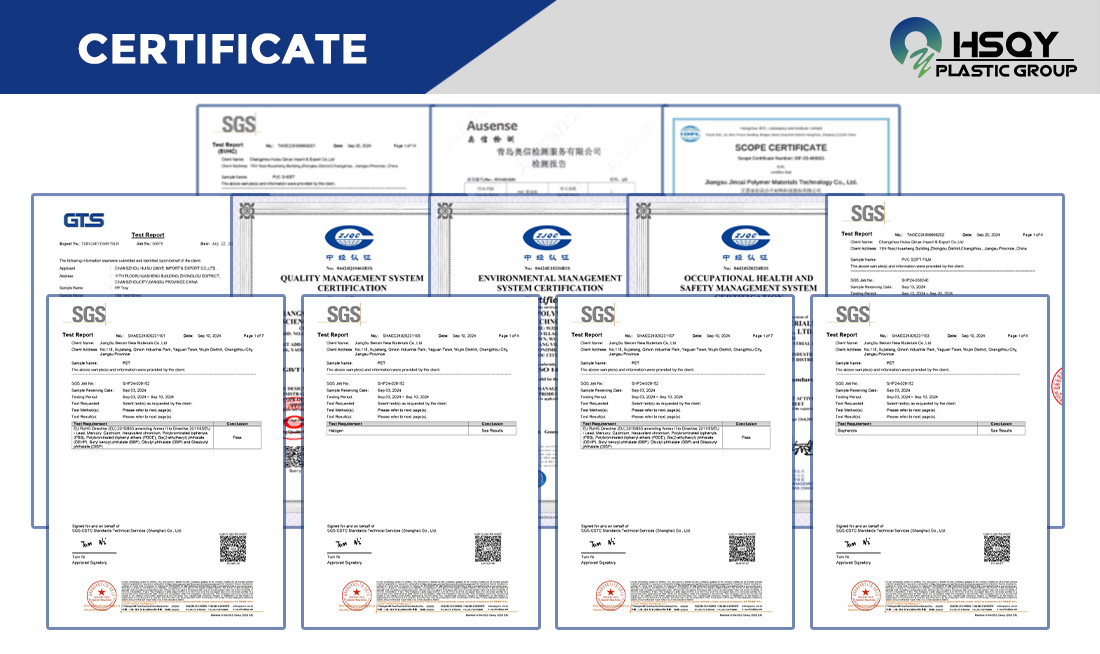
The certificate image below is retained from the original product page. Buyers should confirm the current document version, validity, issuing organization and scope before relying on it for a specific order.
A general quality-management certificate does not automatically prove food-contact, medical, UV, flame-retardant or other application-specific performance. Request documentation for the exact PETG grade when these requirements apply.
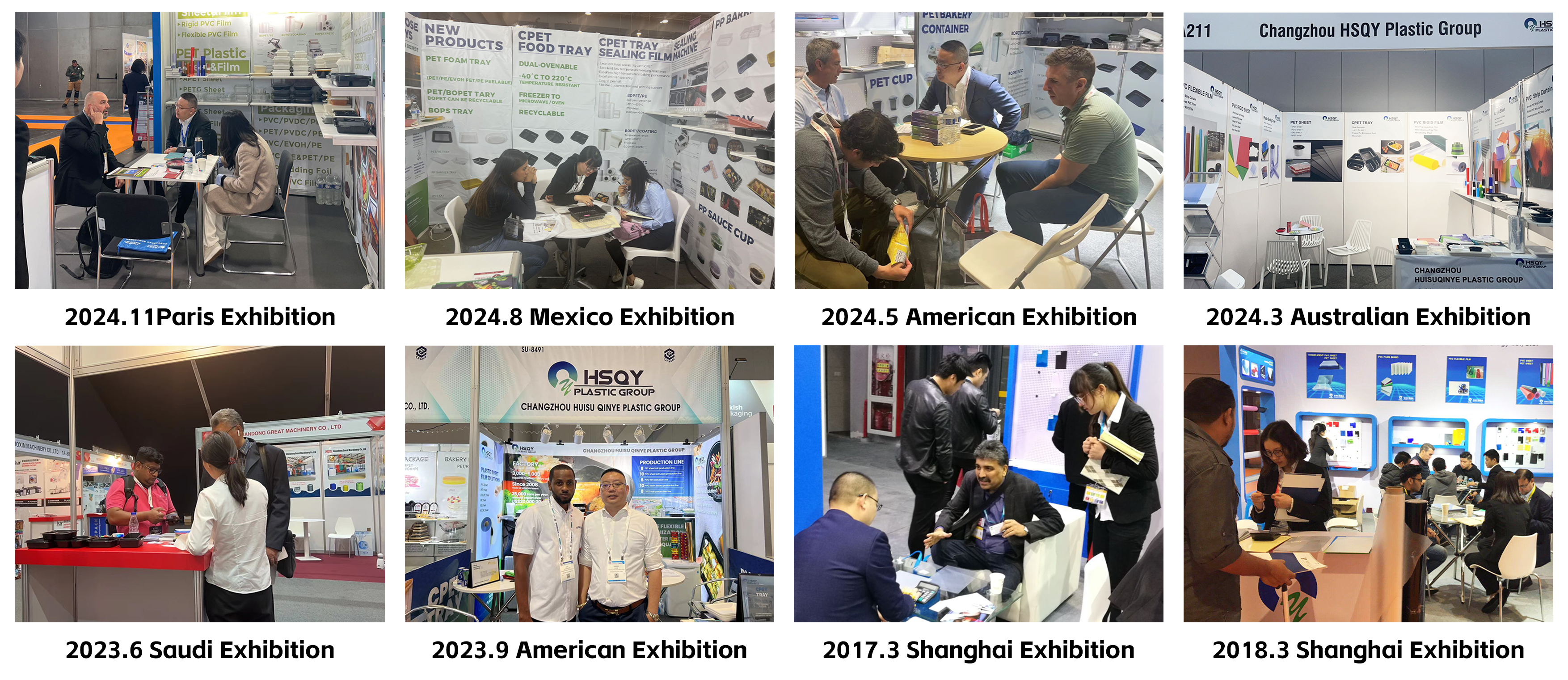
HSQY Plastic Group Exhibition
The original exhibition collage is retained below. HSQY participates in international exhibitions to discuss PETG sheets, thermoforming materials and customized plastic-sheet projects with distributors, converters and manufacturers.
PETG Sheet Packing and Delivery

PETG Sheet Packing

PETG Sheet Export Packaging
Sample Packing: Small PETG sheets can be packed in PE bags and cartons according to dimensions.
Sheet Packing: The current product source references 35 sheets per pack. Final quantity should be confirmed after the finished sheet dimensions and protective packing are determined.
Pallet Packing: Current product information references approximately 500-2000kg per plywood pallet, subject to sheet dimensions and shipping requirements.
Container Loading: The current source references approximately 20 tons. Actual legal payload and sheet quantity depend on packing design, pallet weight and destination restrictions.
Delivery Terms: FOB, CIF and EXW are currently listed.
Reference Lead Time: Approximately 7-15 days after deposit and final specification confirmation, depending on quantity and production schedule.
Frequently Asked Questions About 0.5mm PETG Vacuum Forming Sheet
Is 0.5mm PETG suitable for vacuum forming?
Yes. Suitable PETG grades can be vacuum formed into lightweight transparent packaging, covers, molds, prototype parts and other formed components. Final suitability depends on forming depth and finished-wall requirements.
How thick is 0.5mm PETG in microns?
0.5mm equals 500 microns.
Can PETG sheets be cut for desktop vacuum forming machines?
Yes. Provide the exact clamp-frame sheet dimensions, thickness, tolerance and required quantity per pack so custom cutting can be evaluated.
Is this PETG compatible with Vaquform machines?
Compatibility should be confirmed using the exact Vaquform machine model, required sheet dimensions and forming trials. Do not assume compatibility from the PETG thickness alone. Contact HSQY with the machine model so the appropriate cut size can be confirmed.
Does PETG require predrying?
Many PETG thermoforming grades can be processed without separate predrying when properly stored, but this is not universal. Follow the processing instructions for the exact supplied PETG grade.
What temperature should I vacuum form PETG?
Forming temperature depends on PETG grade, thickness, heater type, mold geometry and machine cycle. Use grade-specific processing guidance and forming trials instead of relying on one universal temperature.
Can 0.5mm PETG be used for deep draws?
It can be used for many formed shapes, but deep draws cause significant wall thinning. A thicker starting sheet or different forming strategy may be needed for deep parts requiring higher finished-wall strength.
What causes webbing during PETG vacuum forming?
Webbing can be influenced by excessive heating, closely spaced mold features, poor mold geometry, insufficient material control or unsuitable forming conditions. Mold spacing and heating profiles should be optimized during trials.
Can PETG be used for food molds?
A specifically qualified food-contact PETG grade can be used where the applicable resin and documentation meet the destination-market requirements. Do not assume every PETG grade is suitable for direct food contact.
Can PETG be used outdoors?
Standard PETG should not automatically be considered long-term outdoor UV-resistant material. Use a suitable UV-protected grade when outdoor exposure is required.
Can PETG be cut and drilled?
Yes. PETG can be cut, die cut, punched, drilled and routed using appropriate tooling and processing conditions.
Can PETG be supplied with protective film?
One-side or two-side protective masking can be discussed for selected specifications. Confirm whether the masking must be removed before vacuum forming.
Are 35 sheets supplied in each pack?
The current product source references 35 sheets per pack. Confirm the finished sheet dimensions, thickness and packing quantity when requesting a quotation because custom-cut specifications may use different pack quantities.
What is the MOQ for PETG sheet?
The current product information lists an MOQ of approximately 1000kg. Custom sizes, colors, specialty grades and pack configurations may have different requirements.
What information is required for a quotation?
Provide thickness, cut-sheet dimensions, vacuum-former model, mold dimensions, forming depth, optical requirement, protective masking, quantity per pack, total quantity and destination country.
Why Choose HSQY PETG Sheet for Vacuum Forming?
HSQY supplies clear PETG sheets and rolls for vacuum forming, thermoforming, packaging, displays, prototypes and industrial converting applications.
Custom thicknesses, roll widths, flat-sheet sizes and cut sheets can be discussed according to the customer's vacuum-forming machine and finished-part design.
For desktop vacuum-forming projects, send the machine model and required sheet dimensions together with the mold drawing. HSQY can then evaluate sheet size, starting thickness, pack quantity and material grade against the actual forming process.


 Download PETG Film Data Sheet