0.5mm Clear PETG Sheet in A4 and A3 Sizes
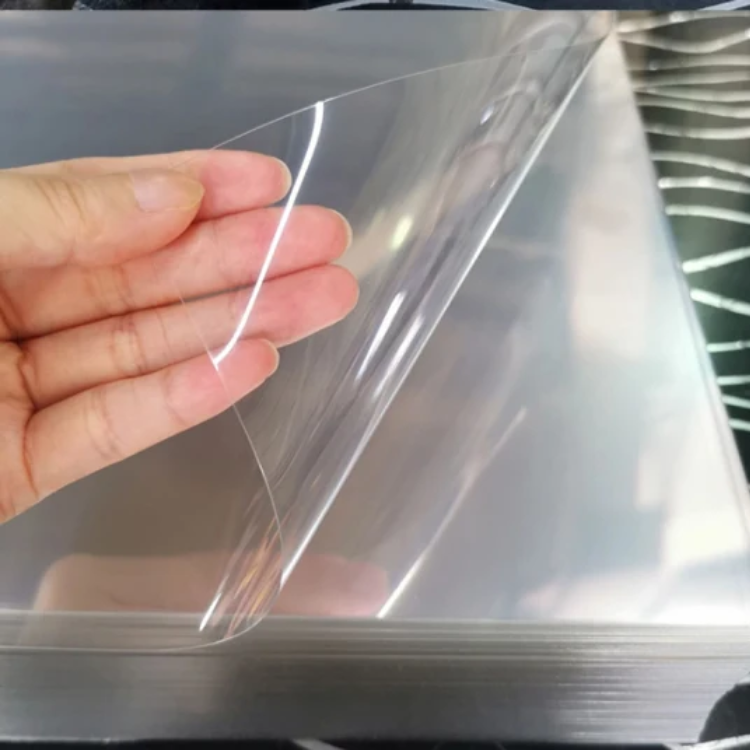
HSQY manufactures clear 0.5mm PETG sheets in A4 and A3 sizes for thermoforming, vacuum forming, model making, packaging, printing, transparent covers, retail displays, stationery and custom fabrication.
The featured specification is 0.5mm thickness. Standard cut sizes include A4 at 210 × 297mm and A3 at 297 × 420mm.
Customized PETG thicknesses from approximately 0.15mm to 7mm are available. Thin gauges may be supplied as rolls or sheets, while thicker products are normally supplied as flat sheets.
PETG is a transparent glycol-modified copolyester valued for its optical clarity, toughness, thermoforming performance and resistance to chipping or cracking during fabrication.
Clear, light-blue transparent, frosted, matte, colored and customized PETG sheets can be produced according to the required application, thickness and minimum order quantity.
Standard PETG is primarily recommended for indoor use. Long-term outdoor signs, displays and panels require a UV-stabilized or UV-coextruded PETG grade developed for the expected climate and service period.
Food-contact, medical, antistatic, flame-retardant, scratch-resistant and UV-resistant PETG products require separate grade confirmation and applicable test documents.
Explore the complete HSQY PETG sheet range or review additional PET sheet materials.
Request PETG Sheet Pricing Request A4 and A3 Samples
What Is a Clear PETG Sheet?
PETG is a glycol-modified polyethylene terephthalate copolyester manufactured to reduce crystallization during forming and processing.
The material combines high transparency with useful toughness and can be formed into detailed shapes using vacuum, pressure or mechanical-assist thermoforming processes.
PETG can also be mechanically cut, die cut, punched, drilled, routed, scored, bent, printed, decorated and bonded using processes suitable for the selected material grade.
At 0.5mm thickness, PETG remains flexible enough for lightweight formed components while providing more body and dimensional stability than very thin packaging films.
Clear PETG may also be described as transparent copolyester sheet, GPET sheet, PETG film, vacuum-forming PETG sheet or glycol-modified PET sheet.
Clear PETG Sheet Specifications
| Property |
Available Specification |
| Product Name |
Clear PETG Sheet 0.5mm in A4 and A3 Sizes |
| Alternative Names |
Transparent PETG Sheet, GPET Sheet, Copolyester Sheet and PETG Thermoforming Film |
| Model |
PETG Film |
| Brand |
HSQY |
| Material |
Glycol-modified polyethylene terephthalate copolyester / PETG |
| Featured Thickness |
0.5mm / 500 microns |
| Custom Thickness Range |
Approximately 0.15-7mm, subject to product format and application |
| A4 Size |
210 × 297mm |
| A3 Size |
297 × 420mm |
| Standard Sheet Sizes |
915 × 1220mm, 1000 × 2000mm and customized dimensions |
| Roll Width |
Approximately 110-1280mm, subject to thickness and equipment |
| Supply Format |
A4 sheets, A3 sheets, cut-to-size sheets, master rolls, slit rolls and large flat sheets |
| Typical Density |
Approximately 1.27-1.29g/cm³ depending on grade |
| Standard Color |
Clear and transparent |
| Custom Colors |
Transparent tints, translucent colors, opaque colors and customized shades |
| Surface Options |
Glossy, matte, frosted, embossed and customized textures |
| Protective Masking |
One-side or two-side protective film according to thickness and application |
| Optical Requirements |
Light transmission, haze, tint, gloss and visual-defect limits can be specified |
| Thermoforming Methods |
Vacuum forming, pressure forming, free blowing and line bending after validation |
| Fabrication Methods |
Mechanical cutting, die cutting, punching, drilling, routing, bending, bonding and welding |
| Decoration Methods |
Screen printing, painting, hot stamping and selected digital printing after compatibility testing |
| Main Applications |
Thermoforming, model making, packaging, printing, displays, covers, overlays and educational projects |
| Special Grades |
UV-resistant, food-contact, medical, antistatic, flame-retardant and hard-coated grades subject to confirmation |
| Minimum Order Quantity |
Approximately 1000kg for standard bulk production |
| Samples |
A4 sheets, A3 sheets and small cut samples may be available |
| Production Capacity |
Reference capacity approximately 50 tons per day |
| Typical Lead Time |
Approximately 7-15 days after specification, sample, packaging and payment confirmation |
| Payment Terms |
T/T, L/C and other agreed payment methods |
| Delivery Terms |
EXW, FOB, CFR, CIF, DDU and other agreed Incoterms |
Final specifications should identify thickness tolerance, dimensions, squareness, surface finish, optical requirements, protective film, color, grade, packing and intended processing method.
Reference PETG Technical Properties
| Property |
Reference Typical Value |
Test Condition or Method |
| Density |
Approximately 1.27g/cm³ |
ISO 1183-1 |
| Moisture Absorption |
Approximately 0.2% |
After storage at 23°C and 50% relative humidity |
| Refractive Index |
Approximately 1.567 |
20°C, ISO 489 |
| Light Transmission |
Approximately 91% |
Reference 1mm specimen, ASTM D1003 |
| Tensile Strength |
Greater than approximately 45MPa |
ISO 527 |
| Elongation at Break |
Greater than approximately 35% |
ISO 527 |
| Elastic Modulus |
Approximately 2020MPa |
ISO 527 |
| Vicat Softening Temperature |
Approximately 80°C |
Method B50, ISO 306 |
| Heat Deflection Temperature |
Approximately 63°C at 1.80MPa |
ISO 75-2 |
| Heat Deflection Temperature |
Approximately 70°C at 0.45MPa |
ISO 75-2 |
These values are general reference data from the available technical sheet and are not guaranteed specifications for every thickness, color or production batch.
A4 and A3 PETG Sheet Size Guide
| Sheet Size |
Dimensions |
Typical Uses |
| A4 PETG Sheet |
210 × 297mm |
Small vacuum-forming projects, samples, printed overlays, model parts, covers and educational projects |
| A3 PETG Sheet |
297 × 420mm |
Larger prototypes, packaging trials, signs, model components and thermoformed covers |
| Custom Cut Sheet |
According to drawing or cutting list |
Production parts, custom packaging, displays, machine covers and fabricated components |
| Large PETG Sheet |
915 × 1220mm, 1000 × 2000mm or customized |
Large displays, fabrication, signage, formed parts and industrial conversion |
Key Features of Clear PETG Sheets
High Optical Clarity
Clear PETG provides high transparency for packaging, displays, covers and applications where product visibility is important.
Thermoforming Performance
PETG can reproduce detailed molds and is suitable for vacuum forming, pressure forming and deep-draw applications when the correct grade and heating conditions are used.
Useful Impact Resistance
PETG generally provides better resistance to chipping and cracking than standard acrylic in many fabricated and thermoformed applications.
Easy Fabrication
The sheet can be cut, punched, drilled, routed, bent, bonded and formed using tooling and processing conditions appropriate for PETG.
Printable and Decoratable
Selected PETG grades can be screen printed, painted, hot stamped or digitally printed after ink, adhesion and curing tests.
Custom Sheet and Roll Formats
HSQY can supply A4, A3, custom cut sheets, large sheets and roll stock according to the selected thickness.
Thermoforming 0.5mm PETG Sheet
A 0.5mm PETG sheet is suitable for lightweight vacuum-formed packaging, model components, covers, prototype parts and shallow or moderate-depth formed shapes.
The sheet should be heated uniformly to avoid local thinning, wrinkles, webbing or loss of optical quality.
Forming depth, mold geometry, draft angle, corner radius, plug assistance, heater type and cycle time determine the final wall-thickness distribution.
Many PETG sheet grades can be thermoformed without predrying when correctly stored, but the supplier's processing instructions and actual sheet-moisture condition should be followed.
Protective masking should be removed from areas exposed to forming heat unless the masking supplier confirms that it is suitable for the process.
Pre-production trials should evaluate clarity, web sag, formed-wall thickness, mold release, shrinkage and trimming quality.
Cutting, Bending and Fabrication
Use sharp knives, guillotines, punches or steel-rule dies for thin PETG sheets.
Use suitable saw blades, routers or milling tools for thicker PETG sheets.
Support the sheet during cutting to reduce vibration and edge damage.
Use adequate tool clearance to reduce whitening, burrs and cracking.
PETG can be line bent or cold bent when the grade, thickness and bend radius are appropriate.
Tight bends should be tested for stress whitening and spring-back.
Drilled holes should use suitable point geometry and adequate edge distance.
Adhesives, solvents and welding methods must be tested for strength, clarity and chemical compatibility.
Laser cutting should only be performed with equipment, ventilation and settings approved for the selected PETG grade.
Printing and Decoration
PETG is used for printed displays, overlays, signs, packaging windows, cards and decorative components.
| Decoration Method |
Typical Applications |
Required Checks |
| Screen Printing |
Signs, overlays, displays, cards and packaging |
Ink compatibility, curing method, adhesion and chemical resistance |
| Digital Printing |
Short-run graphics, personalized displays and promotional sheets |
Printer qualification, ink adhesion, curing energy and sheet distortion |
| Painting |
Models, displays, formed components and decorative products |
Paint chemistry, primer, drying and stress-cracking resistance |
| Hot Stamping |
Branding, cards, labels and decorative packaging |
Foil compatibility, temperature, pressure and dwell time |
High-energy UV curing and aggressive solvents can affect some PETG grades. The complete printing process should be tested before bulk production.
Indoor and Outdoor PETG Grades
| PETG Grade |
Typical Application |
Required Confirmation |
| Standard Clear PETG |
Indoor displays, packaging, models, signs, covers and thermoformed components |
Thickness, clarity, impact and processing requirements |
| UV-Stabilized PETG |
Outdoor signs, displays, covers and weather-exposed components |
Exposure duration, climate, yellowing target and weathering test |
| UV-Coextruded PETG |
Applications requiring a dedicated UV-protective surface layer |
One-side or two-side UV layer and installation orientation |
Standard PETG should not automatically be described as permanently UV-resistant or suitable for every outdoor environment.
Food-Contact and Medical PETG Grades
A general-purpose clear PETG sheet should not automatically be described as approved for direct food contact or medical use.
Food-contact suitability depends on the PETG resin, additives, colorants, coatings, protective masking, food type, contact time, temperature and destination market.
Medical applications may require controlled raw materials, traceability, cleanliness, biocompatibility information, sterilization testing and package validation.
Buyers should provide the exact regulatory and testing requirements before selecting a food-contact or medical PETG grade.
Applications of 0.5mm A4 and A3 PETG Sheets
Vacuum-forming projects: Prototype trays, packaging samples, small covers and formed model parts.
Model making: Architectural models, craft components, school projects and product prototypes.
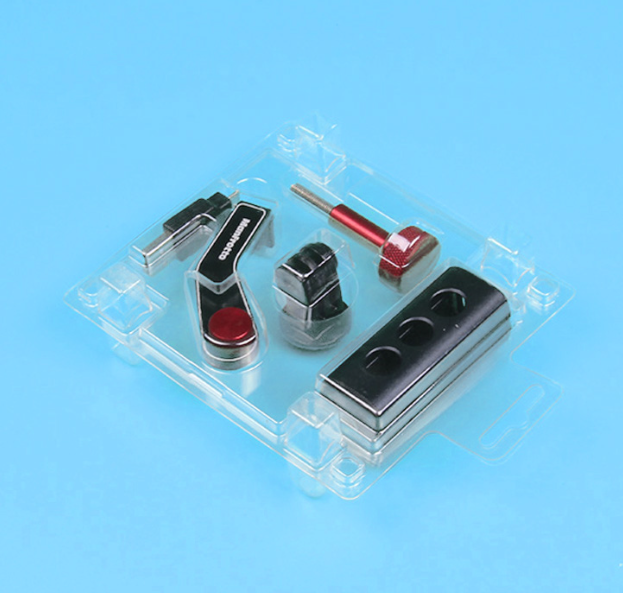
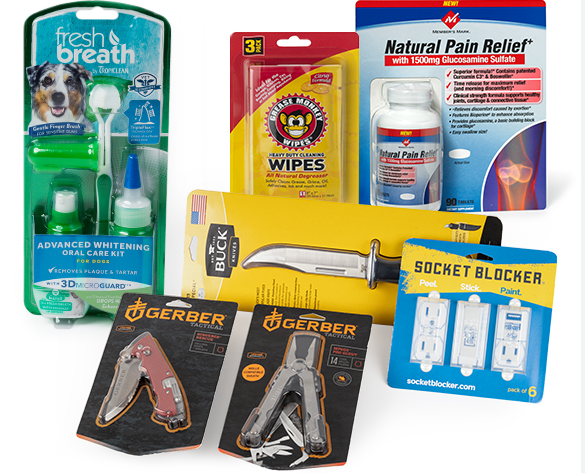
Blister packaging: Lightweight formed packs and sample packaging after forming trials.
Retail displays: Transparent inserts, product holders, shelf displays and promotional components.
Printing: Transparent signs, graphics, overlays, cards and decorative panels.
Stationery: Covers, dividers, document windows and protective inserts.
Card manufacturing: Overlay, core or lamination components for identification and specialty cards.
Protective covers: Thin transparent equipment covers and splash barriers with suitable support.
Lighting and decoration: Formed lamp components, decorative inserts and translucent colored parts.
A 0.5mm sheet is not normally suitable as a load-bearing shelf, structural furniture panel, large unsupported machine guard or certified safety glazing.

Clear PETG Plastic Sheet

PETG Sheet for Blister Packaging

Thermoformed PETG Packaging
PETG vs. APET, Acrylic and Polycarbonate
| Material |
Main Advantages |
Main Considerations |
Typical Applications |
| PETG |
Clear, tough, easy to thermoform, fabricate, bend and decorate |
Standard grade has limited long-term UV and high-temperature performance |
Deep-draw parts, displays, packaging, covers and formed components |
| APET |
Clear, rigid, economical and widely used in thermoformed packaging |
Narrower forming window and lower deep-draw tolerance than many PETG grades |
Food trays, blisters, clamshells and packaging windows |
| Acrylic / PMMA |
Excellent optical appearance, surface hardness and outdoor-grade options |
More brittle during impact, punching and tight forming |
Signs, displays, glazing, furniture and decorative panels |
| Polycarbonate / PC |
Very high impact resistance and higher heat capability |
Higher cost and often requires drying and more demanding forming conditions |
Machine guards, safety glazing, equipment covers and high-impact parts |
Scratch and Chemical Resistance
Standard PETG has useful chemical resistance for many display, packaging and fabrication applications, but compatibility depends on the chemical, concentration, exposure time, temperature and stress in the sheet.
Strong solvents and incompatible cleaning agents can cause whitening, crazing, swelling or stress cracking.
Standard PETG is not a hard-coated material and can scratch during handling. Protective masking should remain in place until fabrication or installation is completed.
Applications requiring improved abrasion resistance should use a dedicated hard-coated or scratch-resistant grade.
PETG Recycling Considerations
Clean PETG production scrap can technically be collected and reprocessed under controlled manufacturing conditions.
PETG should not automatically be described as fully compatible with every standard PET bottle or PET tray recycling stream.
Actual recyclability depends on the local collection system, sorting technology, PETG identification, colors, coatings, protective films, labels, adhesives and the design of the finished product.
Recycling claims should be evaluated using the complete finished product and the destination market's recycling infrastructure.
Recommended Quality-Control Tests
PETG resin and grade verification.
Thickness and thickness tolerance.
A4, A3 and customized dimensional tolerance.
Squareness, flatness, curl and edge quality.
Light transmission, haze, tint and gloss.
Black spots, gels, bubbles, flow lines and surface scratches.
Protective-film adhesion and clean removal.
Tensile strength, elongation and impact performance.
Vicat softening and heat-deflection performance where required.
Thermoforming window, web sag and heating uniformity.
Draw depth, wall-thickness distribution and mold-detail reproduction.
Formed-part clarity, shrinkage and dimensional stability.
Die cutting, punching, drilling and edge-cracking tests.
Cold-bending, line-bending and spring-back tests.
Printing adhesion and curing compatibility.
Bonding, welding and chemical-resistance tests.
UV-weathering tests for outdoor grades.
Food-contact or medical documentation review where required.
Packing, carton and pallet inspection.
Custom PETG Sheet Options
Featured 0.5mm thickness.
A4 sheets measuring 210 × 297mm.
A3 sheets measuring 297 × 420mm.
Customized thicknesses from approximately 0.15mm to 7mm.
Custom cut-to-size sheets and large-format sheets.
Master rolls and slit rolls for suitable thin gauges.
Clear, light-blue clear, transparent colors and opaque colors.
Glossy, matte, frosted and embossed surfaces.
One-side or two-side protective masking.
Thermoforming, printing and fabrication grades.
UV-stabilized and UV-coextruded outdoor grades.
Food-contact, medical and restricted-substance-controlled grades.
Antistatic, flame-retardant and scratch-resistant grades.
Custom labels, cartons, pallets and shipping marks.
Information Required for a PETG Sheet Quote
Required thickness and tolerance.
A4, A3 or customized dimensions.
Sheet, roll or cut-piece supply format.
Required roll width, roll length, core and roll weight where applicable.
Clear, tinted, translucent or opaque color.
Glossy, matte, frosted or embossed surface.
One-side or two-side protective masking.
Required light transmission, haze, tint or visual-defect limits.
Thermoforming depth, mold dimensions and processing equipment.
Printing, cutting, bending, drilling or bonding process.
Indoor or outdoor use.
Required UV, flame, antistatic or scratch-resistant properties.
Food-contact, medical or other compliance requirements.
Required test reports and destination market.
Initial order quantity and estimated annual demand.
Packaging, destination port and required delivery date.
Send Your PETG Sheet Requirements
PETG Technical Data Sheet
Review the available PETG technical data sheet for reference physical, optical, mechanical, thermal and electrical properties.
Before using the document for design, purchasing or regulatory purposes, confirm that the resin grade, thickness, color, surface and production location match the exact material being supplied.
Download PETG Sheet Data Sheet
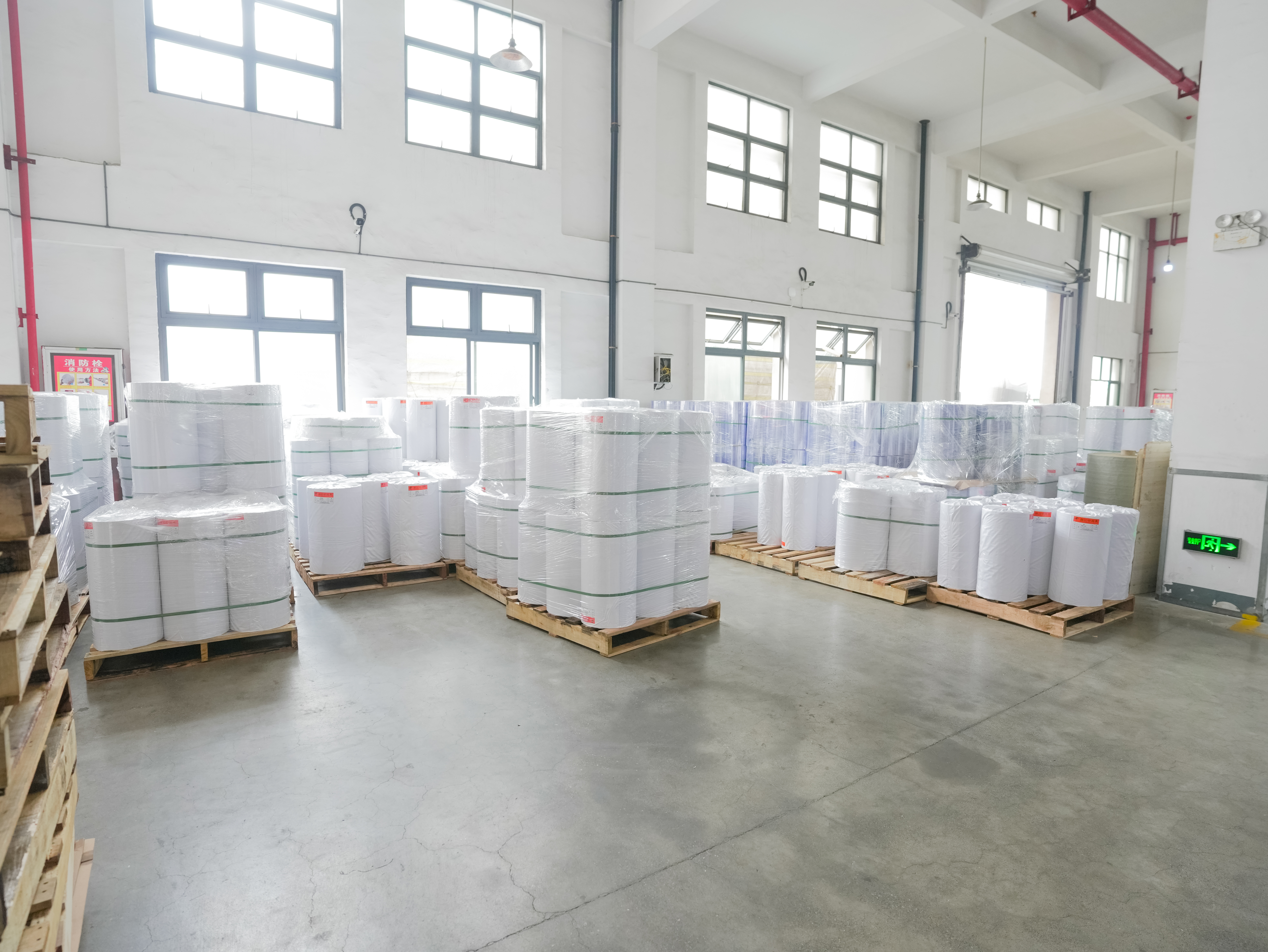
Packing and Delivery
A4 sample packing: A4 sheets can be protected with film or paper and packed in PP bags, envelopes or cartons.
A3 sheet packing: A3 sheets can be stacked with protective interleaving and packed in rigid export cartons.
Roll packing: Thin PETG rolls can be wrapped with PE film, kraft paper and edge protection.
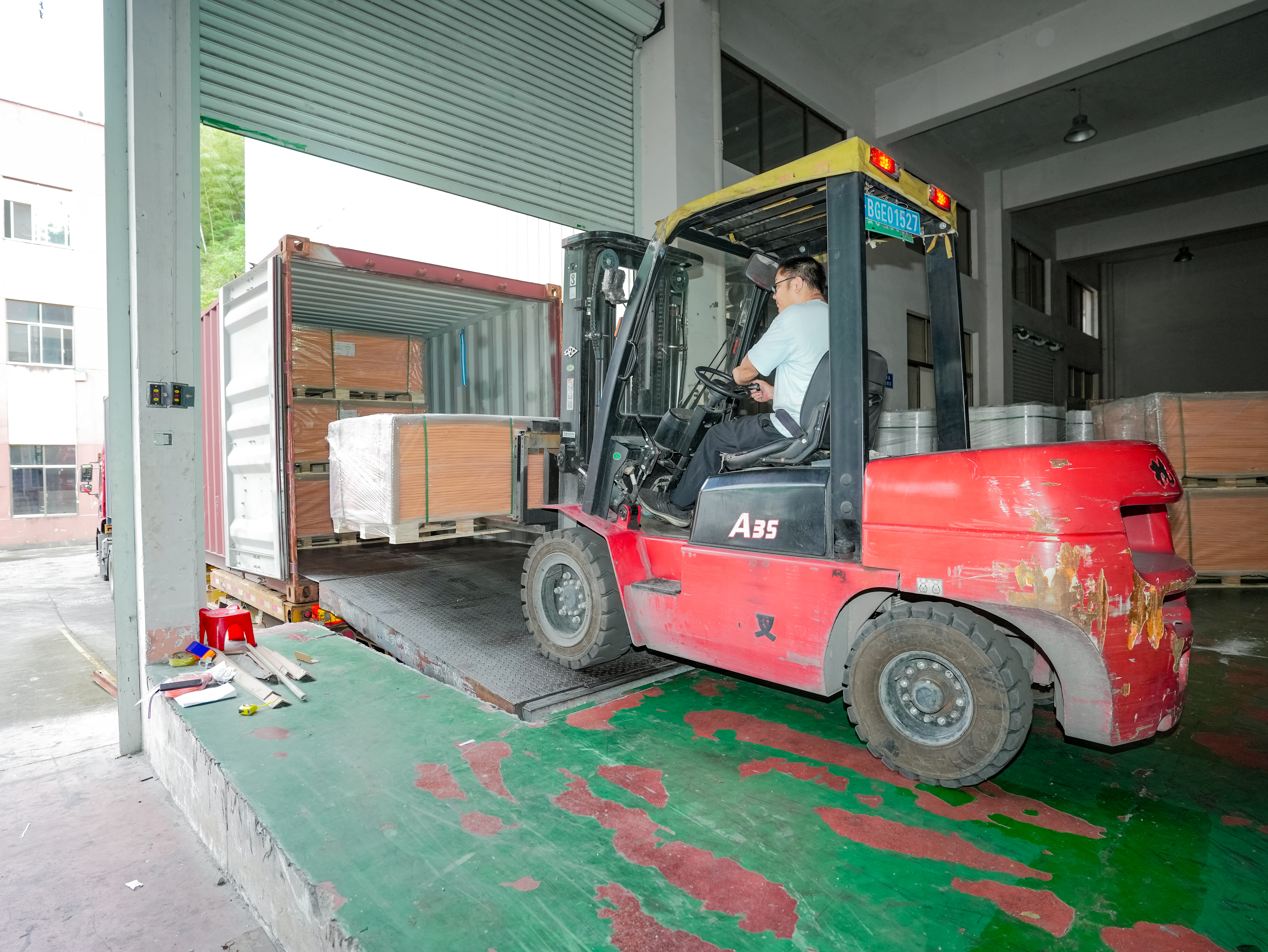
Large-sheet packing: Flat sheets can be packed with protective film, PE bags, kraft paper, corner protection and rigid pallets.
Pallet packing: Reference pallet weights range from approximately 500kg to 2000kg depending on sheet dimensions and handling requirements.
Container loading: Loading quantity depends on thickness, sheet size, roll diameter, pallet configuration and legal weight limits.
Lead time: Standard production generally requires approximately 7-15 days after the product specification, sample, packaging and payment are confirmed.

PETG Sheet Production and Packing

PETG Sheet Export Packing
Certificates and Test Documents
Available documents may include product specifications, technical data sheets, safety data sheets, restricted-substance reports, food-contact reports and quality-management certificates.
Each document should be verified against the exact PETG grade, thickness, color, surface finish, production location and intended application.
SGS should be described according to the actual test completed and should not be presented as a universal product certification.
The standard edition, certificate holder, scope and validity period of any quality-management certificate should be checked before publication.

HSQY Global Exhibitions

Why Choose HSQY as Your PETG Sheet Supplier?
Featured 0.5mm clear PETG sheet.
Standard A4 and A3 cut-sheet sizes.
Customized thicknesses, sheets and roll formats.
Clear, tinted, frosted, matte and colored products.
Thermoforming, printing and fabrication grades.
Samples for forming, printing and cutting tests.
Custom protective masking and cut-to-size services.
UV, food-contact and specialty grades subject to approval.
Quality inspection against approved specifications.
Customized cartons, pallets and export packing.
International delivery and documentation support.
Before bulk production, HSQY recommends testing the selected PETG sheet on the customer's actual thermoforming, printing, cutting, bending or bonding equipment.
Contact HSQY for Samples and Pricing
Frequently Asked Questions About Clear PETG Sheets
What is PETG sheet?
PETG is a transparent glycol-modified copolyester sheet used for thermoforming, displays, packaging, printing and fabricated components.
What is the size of an A4 PETG sheet?
A standard A4 PETG sheet measures 210 × 297mm.
What is the size of an A3 PETG sheet?
A standard A3 PETG sheet measures 297 × 420mm.
Is the featured sheet exactly 0.5mm thick?
Yes. The featured product is nominally 0.5mm or 500 microns thick.
What other PETG thicknesses are available?
Customized PETG thicknesses from approximately 0.15mm to 7mm are available, subject to supply format and application.
Can 0.5mm PETG be vacuum formed?
Yes. It can be vacuum formed into lightweight packaging, prototypes, covers and model components after the heating and mold conditions are optimized.
Does PETG require predrying before thermoforming?
Many PETG sheet grades can be formed without predrying when properly stored, but the supplier's processing instructions and actual moisture condition should be followed.
What thermoforming temperature should be used?
The correct forming temperature depends on the PETG grade, thickness, heater, mold, forming depth and cycle time. Production trials should establish the usable forming window.
Can PETG sheet be cut with scissors or a knife?
Thin PETG may be cut using suitable shears, knives or guillotines. Production cutting should use controlled tooling to maintain clean dimensions and edges.
Can PETG be die cut and punched?
Yes. PETG can be die cut and punched using suitable tool clearance, edge distance and sheet support.
Can PETG be bent without heating?
PETG can be cold bent when the thickness, material grade and bend radius are appropriate. Tight bends should be tested for whitening and spring-back.
Can PETG sheet be drilled?
Yes. Use sharp tools, controlled feed rates, adequate support and sufficient distance between holes and sheet edges.
Can PETG sheet be printed?
Selected PETG grades can be screen printed, painted, hot stamped or digitally printed after ink, adhesion and curing tests.
Is PETG suitable for UV printing?
Some PETG grades can be digitally UV printed, but curing energy and ink chemistry can affect the material. Testing is required before production.
Is PETG more impact resistant than acrylic?
PETG generally provides higher impact resistance and greater resistance to chipping than standard acrylic, although exact performance depends on grade, thickness and test method.
Is PETG stronger than polycarbonate?
Polycarbonate generally provides higher impact and heat performance, while PETG is often easier to thermoform and fabricate at lower processing temperatures.
Is PETG sheet scratch resistant?
Standard PETG can scratch during handling. Protective masking or a dedicated hard-coated grade should be used when abrasion resistance is important.
Can PETG be used outdoors?
Standard PETG is mainly recommended for indoor use. Long-term outdoor use requires a UV-stabilized or UV-coextruded grade.
Is PETG suitable for high-temperature applications?
PETG has moderate heat resistance and should not automatically be selected for prolonged high-temperature service. The applicable softening and heat-deflection values should be reviewed.
Is PETG sheet food safe?
A dedicated food-contact PETG grade can be supplied when its resin, additives and documentation are suitable for the destination market and conditions of use.
Can PETG be used for medical products?
Medical applications require an appropriate grade and validation of cleanliness, traceability, sterilization, biocompatibility and finished-product performance.
Is PETG recyclable?
PETG can technically be reprocessed, but compatibility with local PET recycling systems varies. The complete product and destination-market infrastructure should be evaluated.
Does the sheet include protective film?
One-side or two-side protective masking can be supplied for selected thicknesses and applications.
Can HSQY cut PETG sheets to a custom size?
Yes. A4, A3, custom cut sheets, large flat sheets and selected roll widths are available.
What is the minimum order quantity?
The standard bulk-production MOQ is approximately 1000kg. Stock samples and trial quantities should be discussed separately.
Are free PETG samples available?
Existing A4 or cut samples may be available without a material charge, while international courier freight is normally paid by the customer.
What is the production lead time?
Standard production generally takes approximately 7-15 days after the specification, sample, packaging and payment are confirmed.
What information is required for a quotation?
Provide the thickness, A4, A3 or custom size, supply format, color, surface, protective film, application, processing method, quantity, packing and destination.
Get a Custom PETG Sheet Quote
About HSQY Plastic Group
HSQY Plastic Group supplies clear PETG sheets, PETG roll stock, APET sheets, GAG sheets, PET thermoforming sheets, PVC sheets, PP sheets and customized plastic materials to international B2B customers.
HSQY supports thermoforming companies, packaging converters, model suppliers, sign manufacturers, printers, plastic fabricators, schools, importers and distributors with sample evaluation, customized production, quality inspection and export packaging.
Request a Quote and Sample