APET, PETG and GAG Sheet Films for Thermoforming
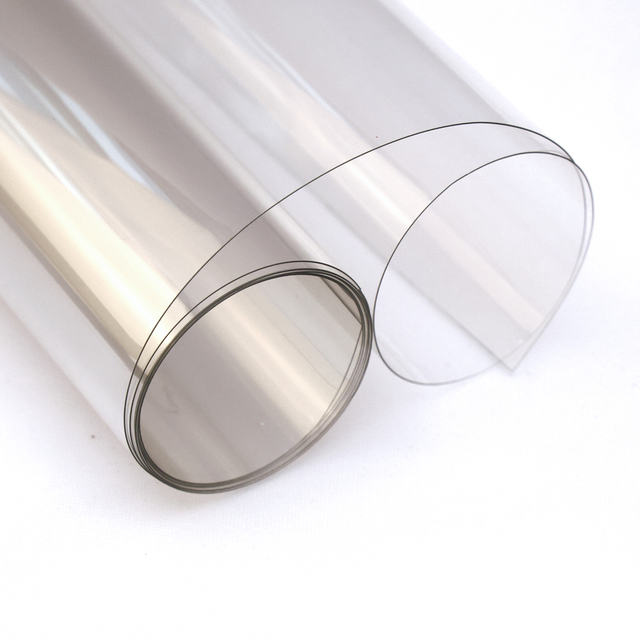
HSQY manufactures clear and colored APET, PETG and GAG sheet films for thermoformed packaging, folding boxes, printed plastic products, display components, card overlays, protective covers and customized plastic fabrication.
APET, PETG and GAG are related polyester sheet materials, but they do not have the same composition or processing behavior.
APET is an amorphous PET sheet commonly selected for transparent packaging and cost-efficient thermoforming. PETG is a glycol-modified copolyester designed for improved formability, toughness, fabrication and deep-draw performance.
GAG is a three-layer coextruded sheet with PETG outer skins and an APET core. The construction combines the processing and surface characteristics of PETG with the stiffness and cost efficiency of an APET center layer.
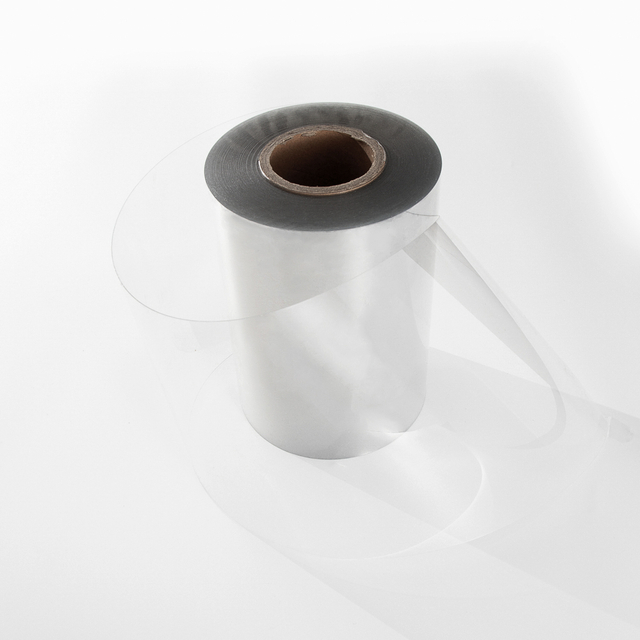
Available thicknesses range from approximately 0.15mm to 3mm. Roll widths range from approximately 110mm to 1280mm, while standard sheet dimensions include 915 × 1220mm and 1000 × 2000mm.
Transparent, tinted, opaque, matte, frosted, embossed, printable, food-contact, medical, UV-stabilized and specialty grades can be discussed according to the required structure, processing method and minimum order quantity.
Standard APET, PETG and GAG products should not automatically be described as outdoor UV grades, high-barrier packaging, food-contact compliant, medical grade or compatible with every PET recycling stream. These properties require an exact material specification and supporting test documentation.
Explore additional HSQY PET sheet products and PETG sheet solutions.
Request APET PETG GAG Pricing Request Material Samples
APET, PETG and GAG Sheet Film Video
Watch the video below to review HSQY PET sheet films, roll formats, sheet production and thermoforming applications.
What Are APET, PETG and GAG Sheets?
APET Sheet
APET means amorphous polyethylene terephthalate. It is a transparent rigid polyester sheet commonly used for blister packs, clamshells, trays, folding boxes and other thermoformed packaging.
APET normally provides good clarity, stiffness, dimensional stability and cost efficiency for high-volume packaging production.
PETG Sheet
PETG is a glycol-modified copolyester sheet developed to reduce crystallization and improve thermoforming, impact resistance, cutting, bending, printing and fabrication.
PETG is often selected for deep draws, detailed formed parts, transparent displays, equipment covers, specialty packaging and products requiring resistance to chipping or cracking.
GAG Sheet
GAG is a three-layer coextruded polyester sheet consisting of PETG outer skins and an APET core.
The PETG surface layers can improve forming, bonding, printing and selected sealing processes, while the APET core can reduce cost and provide stiffness.
The PETG-to-APET layer ratio is not universal. It should be selected according to total thickness, draw depth, bonding method, sealing process, surface performance and cost target.
APET vs. PETG vs. GAG Comparison
| Material |
Structure |
Main Advantages |
Typical Applications |
| APET |
Normally a monolayer amorphous PET sheet |
High clarity, good stiffness, economical processing and broad packaging use |
Blisters, clamshells, trays, packaging windows and folding boxes |
| PETG |
Normally a monolayer glycol-modified copolyester sheet |
Wide forming window, deep draws, toughness, bonding and fabrication |
Detailed thermoformed parts, displays, covers, specialty packaging and fabricated panels |
| GAG |
PETG outer skin / APET core / PETG outer skin |
Balances PETG surface performance with APET stiffness and cost efficiency |
Folding boxes, bonded packaging, thermoformed packaging and printed components |
APET PETG GAG Sheet Specifications
| Property |
Available Specification |
| Product Name |
APET, PETG and GAG Sheet Films |
| Brand |
HSQY |
| Product Type |
HSAPET |
| Materials |
APET, PETG and GAG with PETG/APET/PETG structure |
| Thickness Range |
Approximately 0.15-3mm |
| Roll Width |
Approximately 110-1280mm |
| Maximum Reference Width |
Approximately 1280mm |
| Standard Sheet Sizes |
915 × 1220mm and 1000 × 2000mm |
| Custom Dimensions |
Custom roll width, sheet size and cut pieces are available |
| Supply Format |
Master rolls, slit rolls, flat sheets and cut-to-size sheets |
| APET Density |
Grade dependent; typically higher than PETG and confirmed by technical data sheet |
| PETG Density |
Grade dependent; commonly lower than standard APET |
| GAG Density |
Depends on the PETG skin ratio and APET core construction |
| Standard Appearance |
Clear and transparent |
| Color Options |
Clear, light-blue clear, transparent colors, translucent colors and opaque colors |
| Surface Options |
Glossy, matte, frosted, embossed and customized textures |
| Protective Masking |
One-side or two-side protective film for selected sheet specifications |
| Thermoforming |
Vacuum forming, pressure forming, plug-assist forming and matched-mold forming after validation |
| Printing Methods |
Screen printing, UV offset, UV inkjet, hot stamping and selected digital printing |
| Fabrication Methods |
Cutting, die cutting, punching, drilling, routing, bending, bonding, welding and folding |
| Main Applications |
Thermoformed packaging, folding boxes, printing, displays, card components and fabricated parts |
| Special Grades |
Food-contact, medical, antistatic, UV-stabilized, impact-modified and recycled-content grades subject to approval |
| Minimum Order Quantity |
Approximately 2000kg |
| Sample Availability |
A4 sheets, cut samples and limited trial rolls may be available |
| Production Lines |
Reference information states five production lines |
| Reference Daily Capacity |
Approximately 50 tons per day |
Final specifications should identify the exact material, resin grade, layer structure, layer ratio, thickness tolerance, dimensions, surface, color, protection film and intended processing method.
GAG Layer Structure and Layer Ratio
| Layer |
Material |
Primary Function |
| Outer Layer A |
PETG |
Provides surface clarity, processing, printing, bonding and selected sealing characteristics |
| Core Layer B |
APET |
Provides stiffness, bulk thickness and cost control |
| Outer Layer A |
PETG |
Provides a balanced reverse surface for forming, bonding and fabrication |
Buyers should specify the required total thickness and minimum PETG skin thickness rather than relying only on the general term GAG.
Thin PETG skins may provide adequate surface modification for some folding-box applications, while deeper thermoforming or bonding processes may require a different layer ratio.
Thermoforming Performance
APET, PETG and GAG can all be thermoformed, but their processing windows and forming behavior are different.
| Material |
Forming Characteristics |
Processing Considerations |
| APET |
Suitable for high-volume packaging and moderate draw ratios |
Requires controlled heating to avoid crystallization, brittleness or loss of clarity |
| PETG |
Suitable for deeper draws, complex details and demanding formed components |
Uniform heating, mold temperature and cooling are required to control wall distribution and appearance |
| GAG |
Provides an intermediate processing option combining PETG surfaces with an APET core |
Layer ratio, draw depth and surface orientation should be validated on the actual mold |
Forming trials should evaluate web sag, heating uniformity, cavity definition, wall-thickness distribution, whitening, crystallization, shrinkage and trimming performance.
Predrying requirements depend on the exact resin, sheet storage conditions, thickness and supplier instructions. A general statement that all grades can be formed without drying should be avoided.
Folding, Bonding and Sealing
PETG surfaces can improve the folding, bonding and selected sealing performance of GAG compared with a standard APET surface.
Actual performance depends on PETG skin thickness, adhesive, ink, surface treatment, fold direction, scoring depth, temperature, pressure and dwell time.
Die cutting and scoring should be tested for edge cracking and whitening.
Cold folding should be evaluated for spring-back and stress whitening.
Adhesive bonding should be tested for clarity, strength and chemical compatibility.
High-frequency, ultrasonic or thermal sealing should be validated on the actual structure.
Printed areas should be tested for ink cracking after folding.
Food and medical packaging require approved adhesive and sealing systems.
Printing and Decoration
| Process |
Typical Applications |
Required Checks |
| UV Offset Printing |
Folding boxes, cards, covers and transparent packaging |
Static, sheet feeding, ink adhesion, curing and folding resistance |
| Screen Printing |
Displays, panels, packaging and card components |
Ink chemistry, drying, abrasion and chemical resistance |
| UV Inkjet Printing |
Short-run graphics, signs, panels and customized products |
Curing energy, surface adhesion, distortion and post-forming performance |
| Hot Stamping |
Cards, luxury packaging, labels and decorative panels |
Foil compatibility, temperature, pressure and dwell time |
Applications of APET, PETG and GAG Sheets
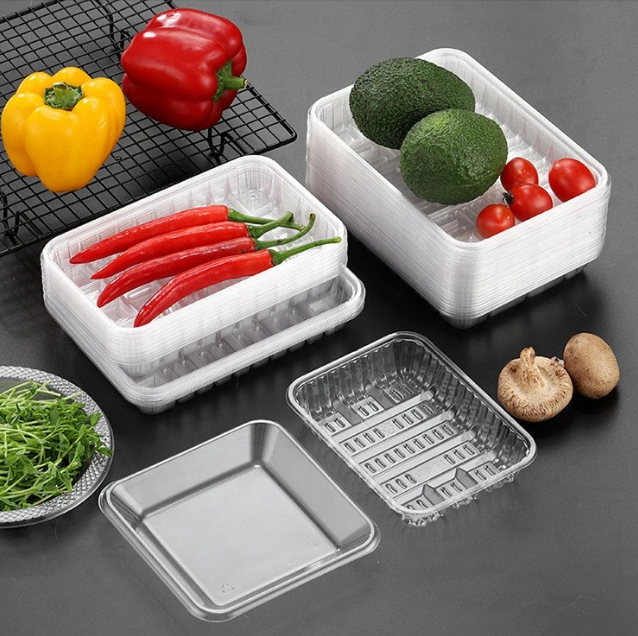
Thermoformed packaging: Blisters, clamshells, trays, inserts and transparent covers.
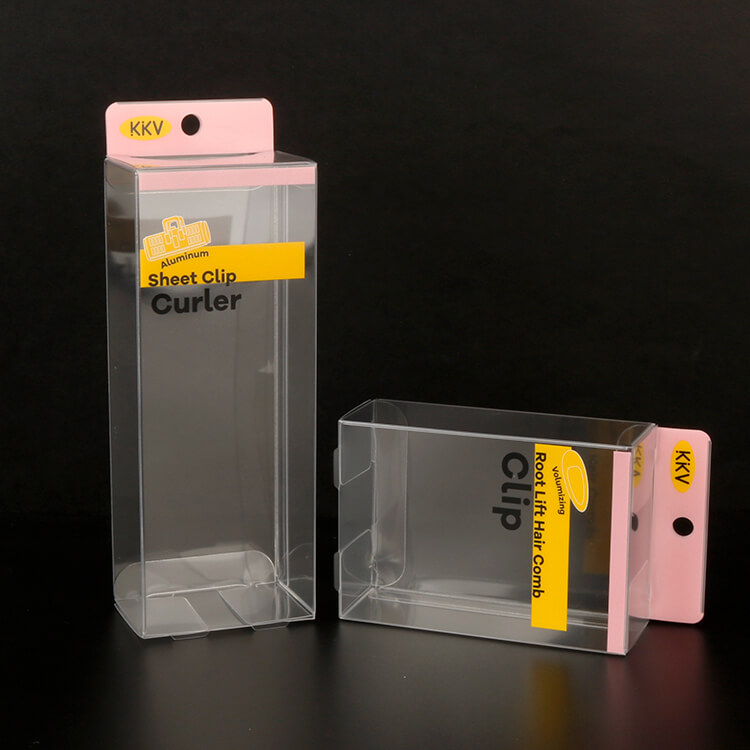
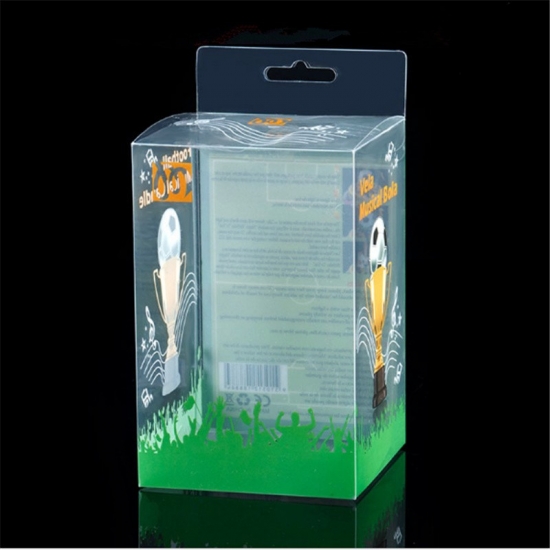
Folding boxes: Transparent cartons for cosmetics, electronics, gifts, toys and consumer goods.
Printed packaging: UV offset, screen-printed and digitally printed plastic boxes.
Food packaging: Trays and containers using an approved food-contact grade.
Medical packaging: Trays, blisters and device packaging using validated medical grades.
Displays: POP displays, retail fixtures, product holders and transparent panels.
Card components: Printed layers, overlays, identification cards and access-control cards.
Protective covers: Equipment covers, machine guards and transparent housings using a suitable thickness.
Furniture components: Decorative inserts, shelf elements and display panels.

Folding Box

Printing and Folding Box

Vacuum Forming
Food-Contact Packaging Requirements
APET, PETG and GAG should not automatically be described as food-contact compliant based only on the polymer name.
Food-contact suitability depends on the exact resin, copolyester composition, additives, recycled content, colorants, coatings, inks, adhesives and production controls.
Buyers should specify the food type, contact temperature, contact duration, heating conditions, storage conditions and destination-market regulation.
Migration testing and declarations should apply to the complete finished structure rather than only the base resin.
Standard and High-Barrier Packaging
| Structure |
Primary Function |
Important Limitation |
| APET |
Transparent rigid packaging and thermoforming |
Not automatically a high oxygen or moisture barrier |
| PETG |
Deep forming, toughness and specialty packaging |
Standard grade is not automatically a high-barrier material |
| GAG |
Thermoforming and surface-processing balance |
PETG skins do not automatically create high gas barrier |
| PET/EVOH or Specialty Barrier Structure |
Improved oxygen barrier and extended shelf-life packaging |
Requires separate sealing, forming and recyclability evaluation |
Card and Identification Applications
PETG and GAG may be used as printed layers, overlays, core layers or lamination components in identification cards, access-control cards, loyalty cards and specialty card products.
A sheet should not be described as a complete credit card or payment card without validation of the entire card structure.
Card programs may require defined thickness, shrinkage, print adhesion, lamination temperature, peel strength, bending durability, chip compatibility, magnetic-stripe compatibility and security requirements.
Indoor and Outdoor Applications
Standard clear APET, PETG and GAG sheets are primarily selected for indoor packaging, printing, displays and fabricated components.
Long-term outdoor signs, covers or panels require an application-specific UV-stabilized or UV-protected grade.
Buyers should specify the expected outdoor period, climate, direct-sunlight exposure, color, yellowing limit, gloss-retention requirement and weathering-test method.
Standard PETG skins in a GAG sheet should not automatically be presented as a dedicated UV-protection layer.
Recycling and Material Identification
APET, PETG and GAG should not automatically share the same recycling claim.
Standard APET thermoforms may be accepted in some PET recycling programs, but actual acceptance depends on local sorting, collection and processing infrastructure.
PETG is an amorphous copolyester and may not be compatible with standard PET bottle recycling processes.
GAG contains PETG surfaces and an APET core, so its compatibility must be evaluated as a complete multilayer construction.
Labels, inks, adhesives, coatings, colors and attached components can also affect sorting and recycling.
Cutting and Fabrication Guidelines
Use sharp guillotines, saws, routers, punches or steel-rule dies.
Support the sheet during cutting to reduce vibration and edge cracking.
Confirm punch clearance and edge distance according to thickness.
Remove protective masking from heated forming areas when required.
Test cold bending for whitening, cracking and spring-back.
Select adhesives according to APET, PETG or GAG surface chemistry.
Laser cutting should only be used when the exact material grade, equipment and extraction system have been validated.
Use adequate ventilation during heating, welding, bonding and printing.
Recommended Quality-Control Tests
Resin and material-grade verification.
APET, PETG or GAG structure confirmation.
GAG total thickness and layer-ratio inspection.
Thickness and thickness tolerance.
Roll width, sheet dimensions and diagonal tolerance.
Roll weight, roll length, core size and winding quality.
Flatness, curl, telescoping and edge alignment.
Light transmission, haze, tint and gloss.
Black spots, gels, bubbles, flow lines and contamination.
Tensile strength, elongation, modulus and impact performance.
Vicat softening and heat-deflection performance.
Thermoforming window and sheet sag.
Draw depth, cavity definition and wall-thickness distribution.
Crystallization, whitening and shrinkage after forming.
Printing adhesion and curing compatibility.
Die cutting, scoring and folding performance.
Adhesive bonding and sealing strength.
Food-contact migration or medical-package testing where required.
UV-weathering tests for outdoor grades.
Packing, pallet and container-loading inspection.
Custom APET PETG GAG Sheet Options
Thicknesses from approximately 0.15mm to 3mm.
Roll widths from approximately 110mm to 1280mm.
915 × 1220mm and 1000 × 2000mm standard sheets.
Customized roll widths and cut-to-size sheets.
APET, PETG and PETG/APET/PETG GAG structures.
Customized GAG PETG-skin and APET-core ratios.
Clear, tinted, translucent and opaque colors.
Glossy, matte, frosted and embossed surfaces.
One-side or two-side protective masking.
Printing, folding-box and thermoforming grades.
Food-contact and medical grades subject to approval.
UV-stabilized, antistatic and impact-modified grades.
Virgin, recycled-content and customized material options subject to validation.
Custom labels, rolls, cartons, pallets and shipping marks.
Information Required for a Quotation
APET, PETG or GAG material.
Required total thickness and tolerance.
Required GAG layer structure and skin ratio.
Roll width or sheet dimensions.
Required roll length, roll weight and paper core.
Clear, tinted, translucent or opaque appearance.
Glossy, matte, frosted or embossed surface.
Protective-film requirement.
Thermoforming depth, mold dimensions and equipment.
Printing, folding, sealing, bonding or fabrication process.
Food-contact, medical, UV or antistatic requirements.
Required barrier, OTR or WVTR performance.
Required recycled-content percentage.
Required test reports and destination market.
Initial order quantity and estimated annual demand.
Packing, destination port and required delivery date.
Send Your APET PETG GAG Requirements
Certificates and Test Documents
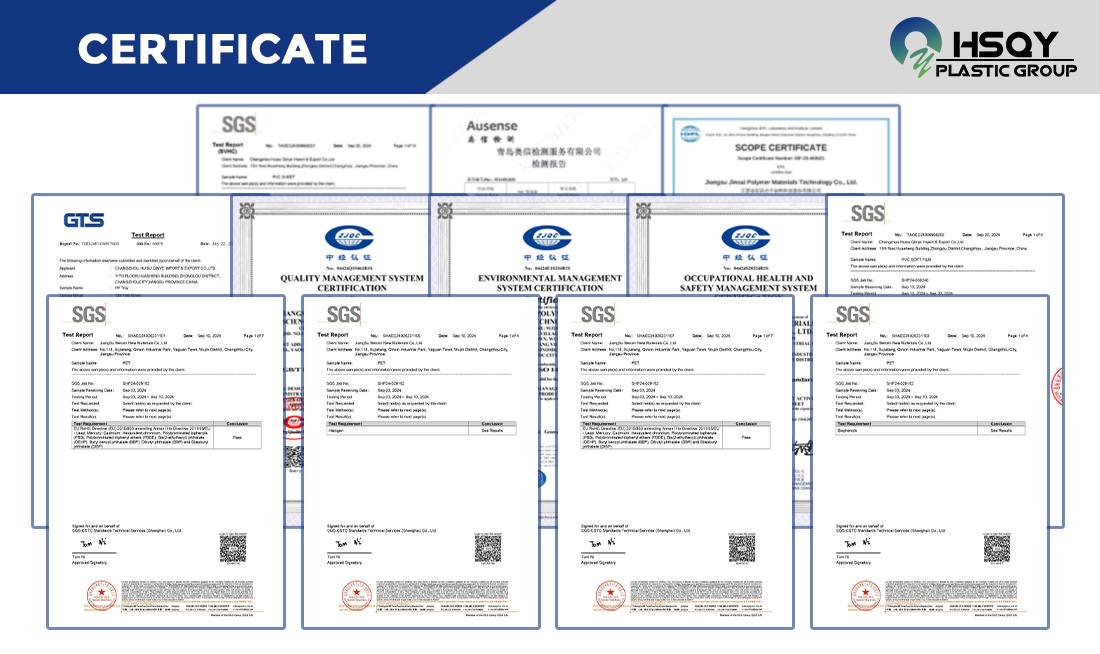
Available documents may include technical data sheets, safety data sheets, physical-property reports, restricted-substance reports, food-contact declarations, migration reports and quality-management certificates.
Each document should be checked against the exact resin, material structure, thickness, color, recycled content, production location and intended use.
SGS should be described according to the exact testing scope and should not be presented as a universal product certification.

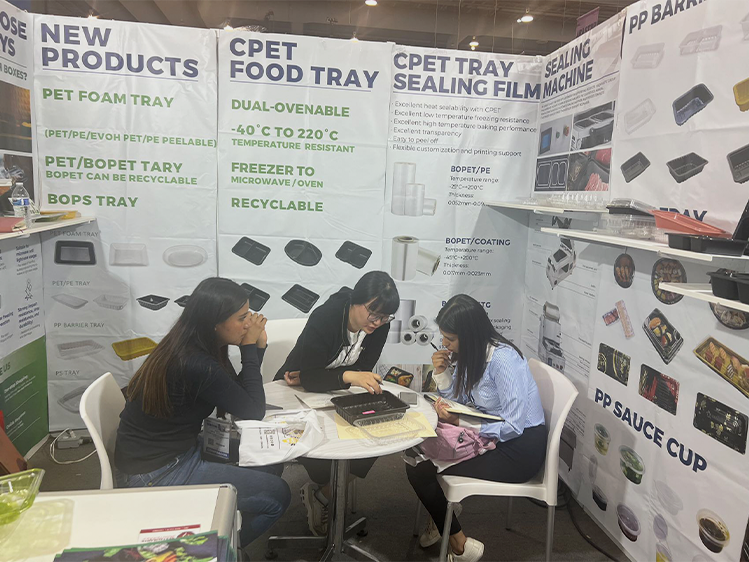
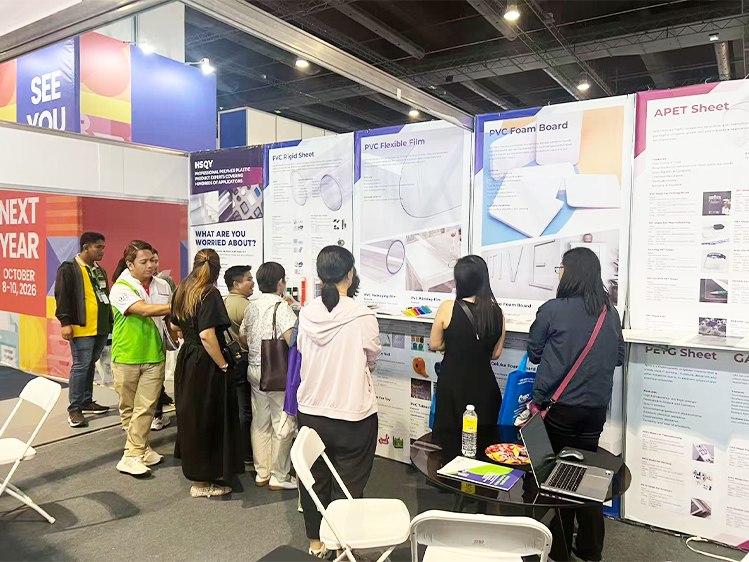
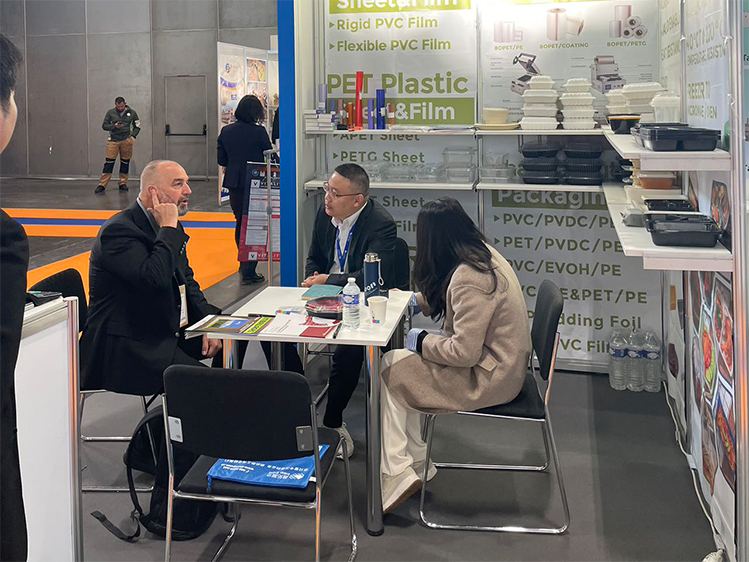
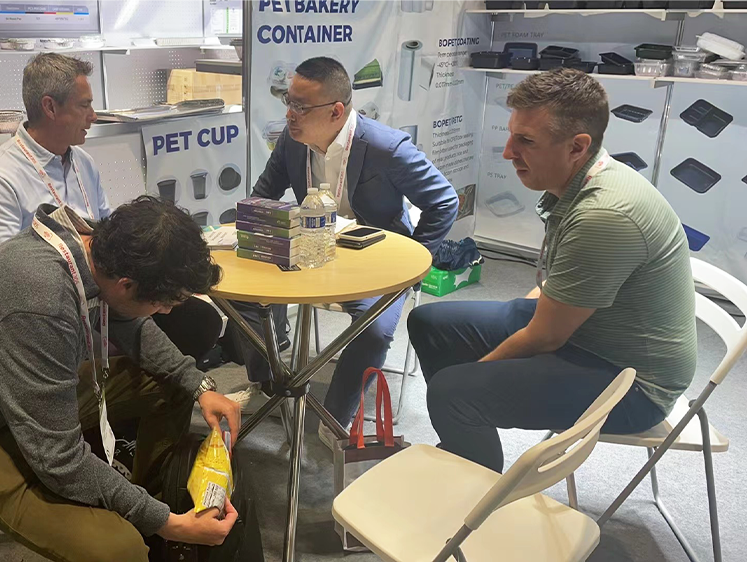
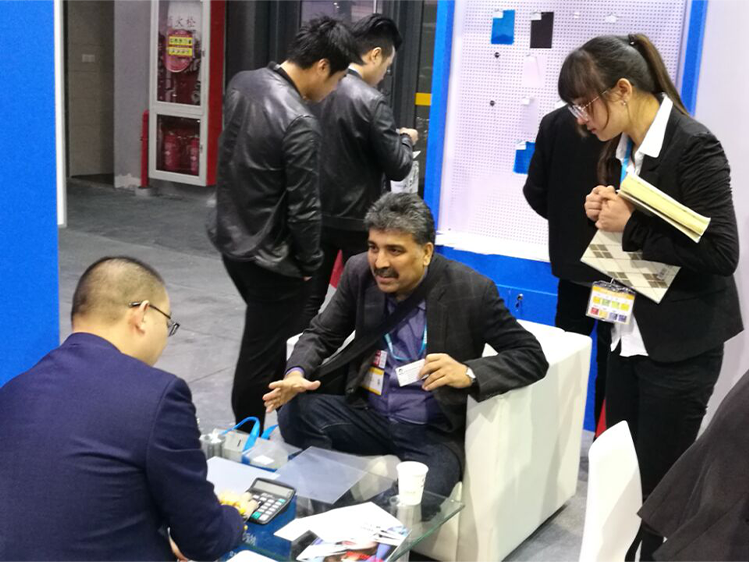
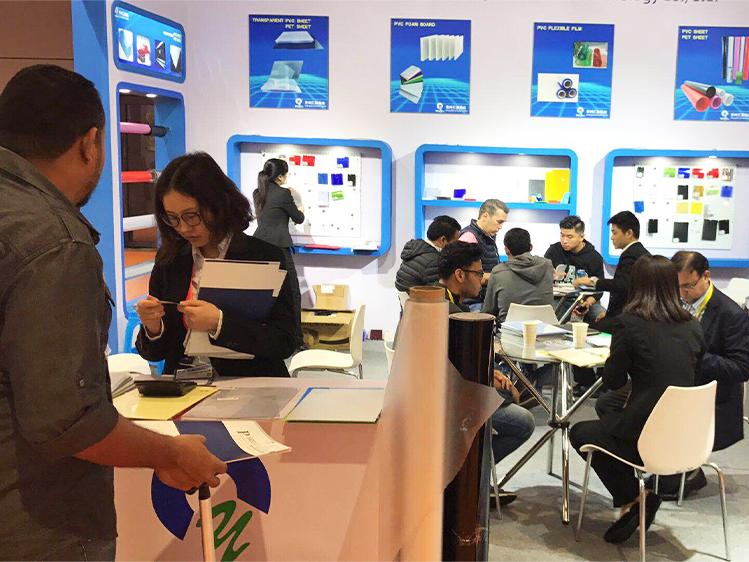
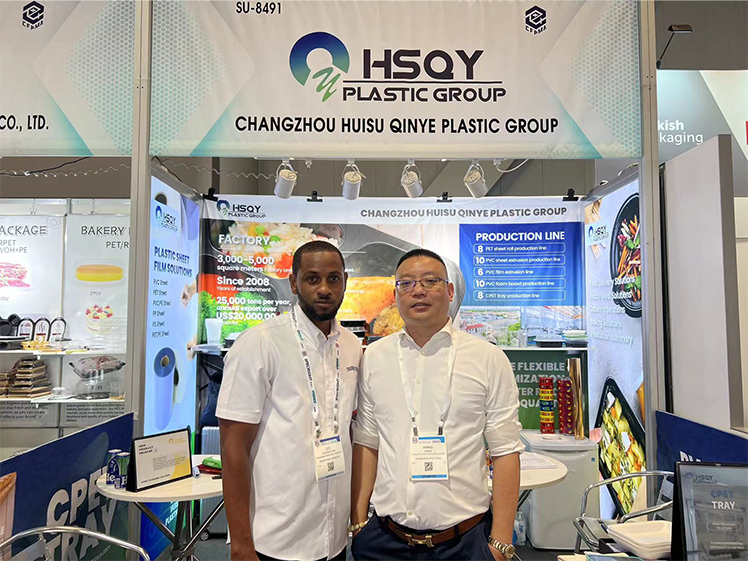
HSQY Global Exhibitions

2024 Mexico Exhibition

2025 Philippines Exhibition

2024 Paris Exhibition

2023 Saudi Exhibition

2024 American Exhibition

2017 Shanghai Exhibition

2018 Shanghai Exhibition

2023 American Exhibition
Production and Packing
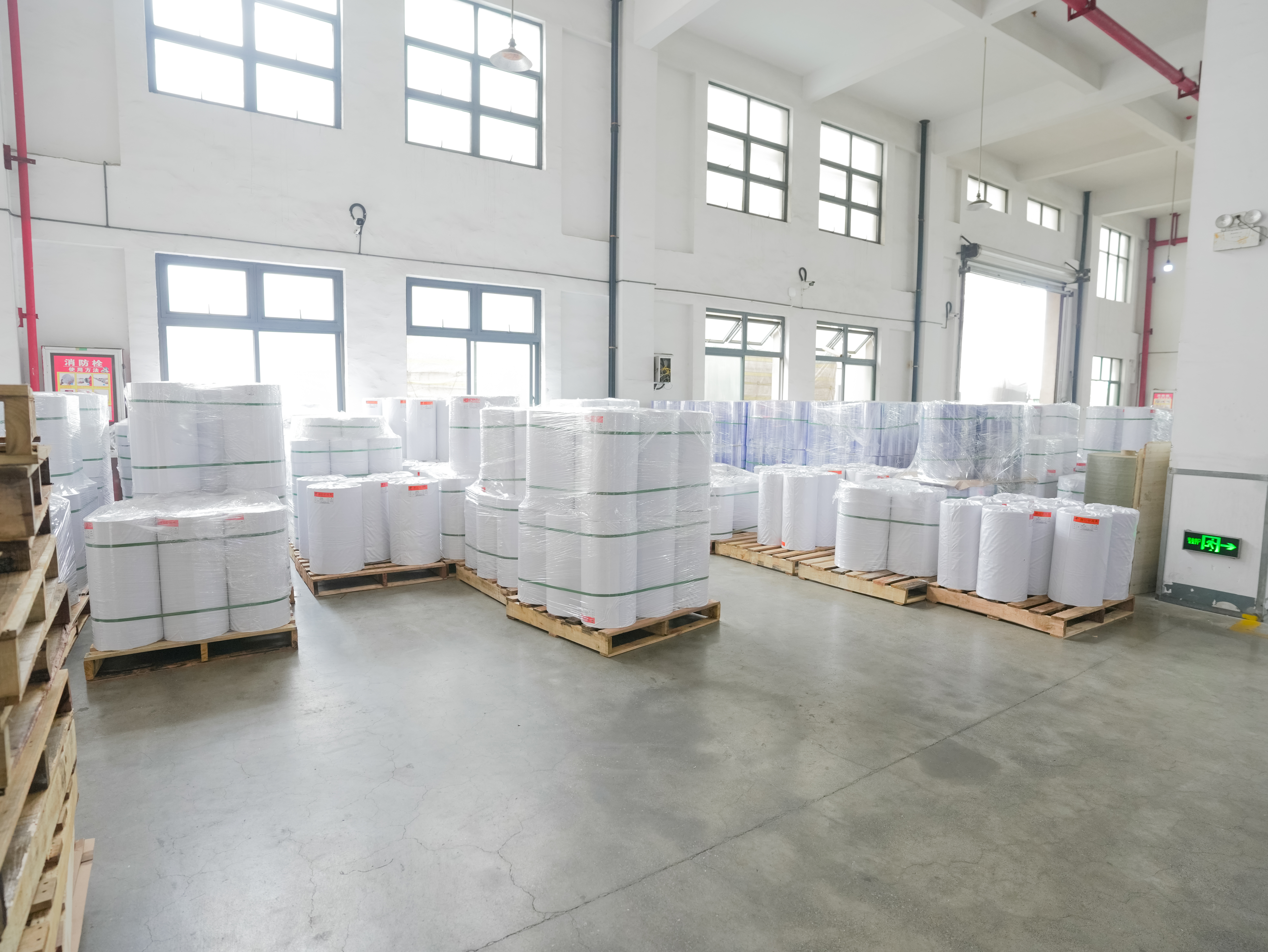
APET, PETG and GAG products can be supplied as rolls, sheets or cut pieces according to the required thickness and converting process.
Roll products can be wrapped with PE film and kraft paper, while sheet products can be packed in protective bags, cartons or on rigid export pallets.
Packing specifications should identify roll weight, paper-core diameter, outside diameter, winding direction, pallet dimensions, sheet count and maximum pallet weight.

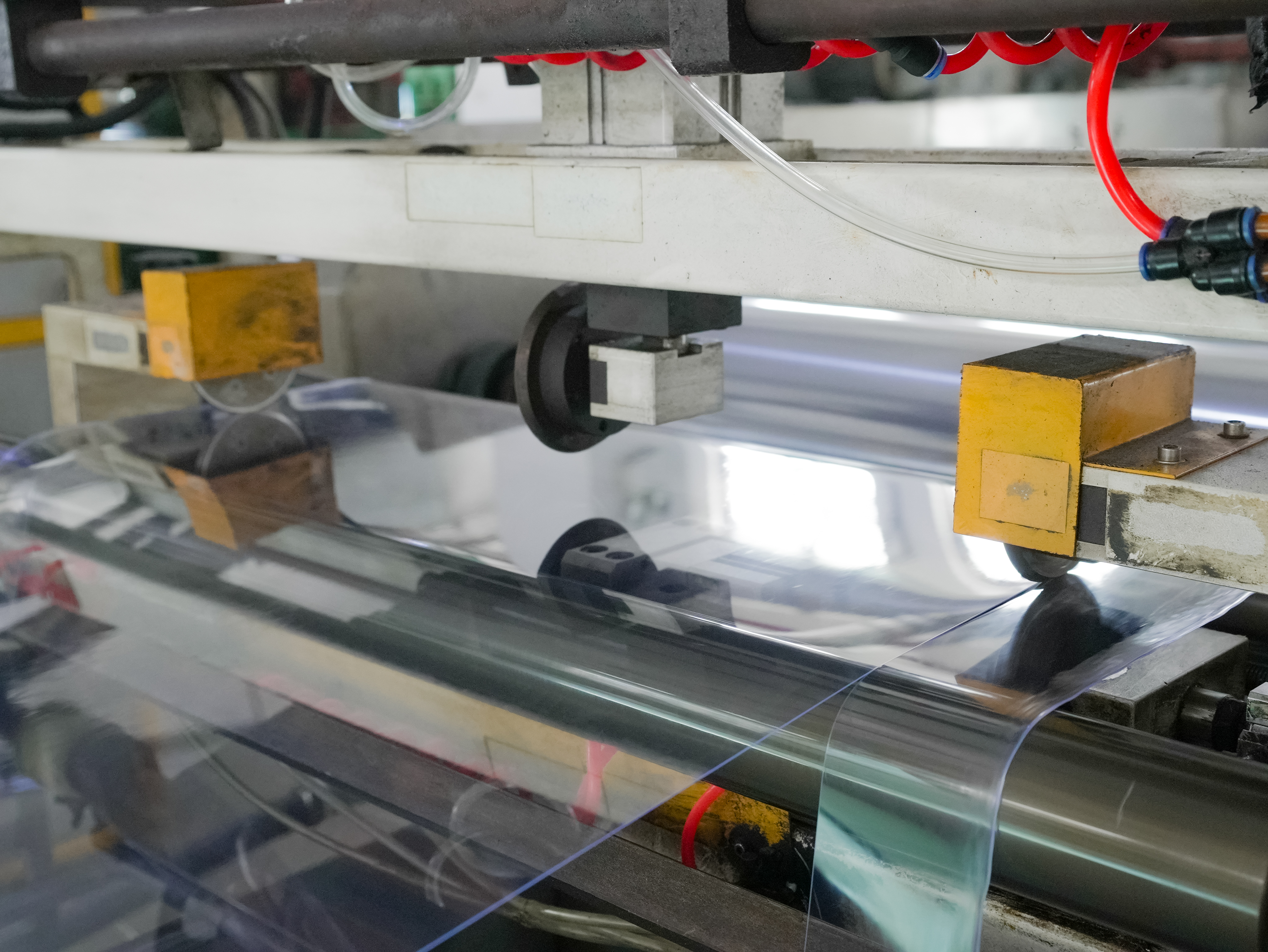
PET Sheet Production

PET Sheet Roll Packing

PET Sheet Export Packing
Why Choose HSQY as Your APET PETG GAG Supplier?
APET, PETG and PETG/APET/PETG GAG structures.
Thicknesses from approximately 0.15mm to 3mm.
Roll widths from approximately 110mm to 1280mm.
Standard and customized sheet dimensions.
Customized GAG layer ratios and surface structures.
Clear, colored, matte, frosted and embossed products.
Thermoforming, folding-box, printing and fabrication grades.
Samples for forming, printing, bonding and sealing evaluation.
Quality inspection according to approved specifications.
Customized rolls, sheets, pallets and export packaging.
Before bulk production, HSQY recommends testing the selected material on the customer's actual thermoforming, printing, die-cutting, folding, bonding and sealing equipment.
Contact HSQY for Samples and Pricing
Frequently Asked Questions About APET PETG and GAG Sheets
What is APET sheet?
APET is an amorphous PET sheet commonly used for transparent thermoformed packaging, trays, blisters, clamshells and folding boxes.
What is PETG sheet?
PETG is a glycol-modified copolyester sheet designed for improved thermoforming, toughness, printing, bonding and fabrication.
What is GAG sheet?
GAG is a three-layer coextruded sheet with PETG outer skins and an APET core.
Are APET, PETG and GAG the same material?
No. APET and PETG are different polyester formulations, while GAG is a multilayer structure combining PETG surfaces with an APET core.
Which material is best for thermoforming?
APET is commonly used for economical packaging, PETG is preferred for deep draws and complex details, and GAG provides a balance between PETG surface performance and APET cost.
What is the GAG layer structure?
The standard description is PETG/APET/PETG, with PETG on both outer surfaces and APET in the center.
Is the PETG and APET layer ratio fixed?
No. The layer ratio can be adjusted according to thickness, forming depth, bonding, sealing, surface performance and cost.
What thicknesses are available?
Available thicknesses range from approximately 0.15mm to 3mm.
What roll widths are available?
Roll widths from approximately 110mm to 1280mm are available.
What sheet sizes are available?
Standard sheet sizes include 915 × 1220mm and 1000 × 2000mm, with custom sizes available.
Can APET PETG and GAG be printed?
Suitable grades can be screen printed, UV offset printed, UV inkjet printed or hot stamped after adhesion and curing tests.
Can GAG sheet be used for folding boxes?
Yes. GAG is commonly selected for transparent folding boxes requiring printing, scoring, folding and adhesive bonding.
Can GAG sheet be heat sealed?
Selected GAG structures can support thermal, high-frequency or ultrasonic sealing, but the structure, equipment and process conditions must be tested.
Does PETG require predrying before thermoforming?
Some PETG sheet grades can be formed without predrying when correctly stored, but the exact supplier instructions and moisture condition should be followed.
Can APET crystallize during thermoforming?
Excessive or uneven heating can cause crystallization, haze or brittleness in APET, so temperature and cycle time should be controlled.
Is PETG stronger than APET?
PETG generally provides improved toughness and resistance to cracking, but exact performance depends on the grade, thickness and test method.
Can PETG replace polycarbonate?
PETG can replace polycarbonate in some displays, covers and thermoformed parts, but polycarbonate normally provides higher heat and impact performance.
Can PETG replace acrylic?
PETG can be easier to form and less prone to chipping than standard acrylic, while acrylic may provide better surface hardness and long-term outdoor weatherability.
Are standard PETG and GAG sheets suitable outdoors?
Standard grades are mainly intended for indoor applications. Long-term outdoor use requires a UV-stabilized or UV-protected grade.
Are APET PETG and GAG food safe?
A dedicated food-contact grade can be supplied when the resin, additives, structure and documents are suitable for the destination market and conditions of use.
Are these materials suitable for medical packaging?
Medical packaging requires a validated medical grade, controlled production, traceability, sterilization compatibility, package-integrity testing and regulatory documentation.
Are APET PETG and GAG high-barrier materials?
Standard grades are not automatically high-barrier materials. Sensitive products may require EVOH, ACLAR, coating or another barrier structure.
Can GAG be described as a mono-PET sheet?
GAG contains APET and PETG, which are both polyesters but have different crystallization and recycling behavior. Recycling claims should be verified for the complete structure.
Is PETG compatible with the standard PET bottle recycling stream?
PETG may not be compatible with standard PET bottle recycling because its crystallization and melting behavior differ from container-grade PET.
Can recycled PET be used?
Recycled-content options can be evaluated according to clarity, color, contamination, mechanical performance, food-contact requirements and customer specifications.
Can PETG or GAG be used for credit cards?
PETG and GAG may be used as layers or components in card products, but complete payment cards require separate structural, security and performance validation.
Is protective film available?
One-side or two-side protective masking can be supplied for selected sheet thicknesses and applications.
What is the minimum order quantity?
The reference minimum order quantity is approximately 2000kg. Custom structures, colors and special grades may require a different MOQ.
Are samples available?
Existing A4 sheets and cut samples may be available. Customized GAG structures may require trial production.
What information is required for a quotation?
Provide the material, structure, thickness, dimensions, color, surface, application, forming process, special requirements, quantity, packing and destination.
Get an APET PETG GAG Sheet Quote
About HSQY Plastic Group
HSQY Plastic Group supplies APET sheets, PETG sheets, GAG sheets, PET thermoforming films, PVC sheets, PP sheets and customized plastic materials to international B2B customers.
HSQY supports packaging converters, thermoforming companies, folding-box manufacturers, printers, card producers, display manufacturers, importers and distributors with material selection, sample testing, customized production, quality inspection and export packing.
Request a Quote and Sample