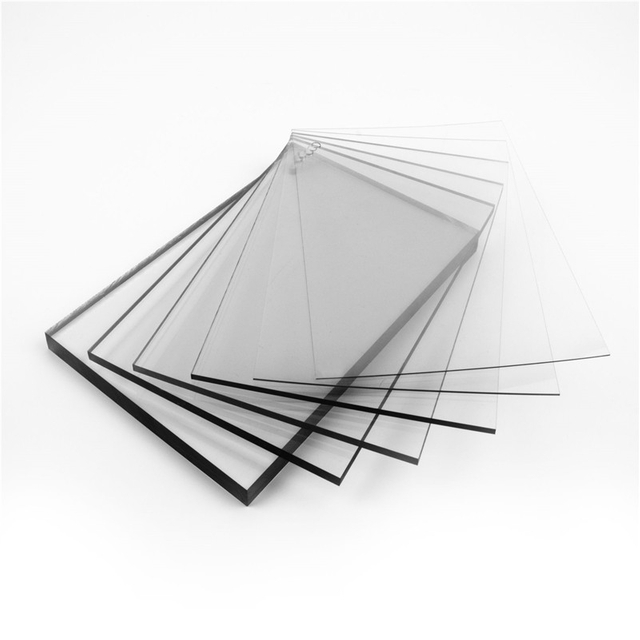
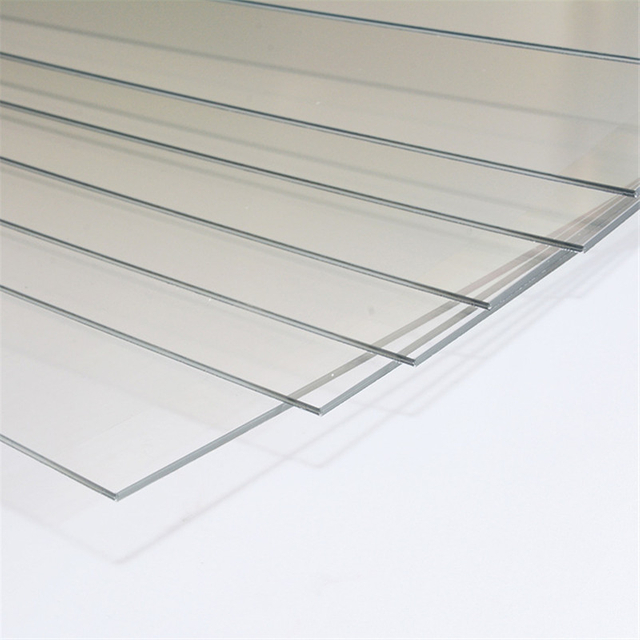
Custom Clear PETG Sheet for Thermoforming and Fabrication
HSQY custom clear PETG sheet is a transparent glycol-modified copolyester sheet designed for thermoforming, vacuum forming, displays, signage, fabrication, protective components and other industrial applications requiring clarity, toughness and easy processing.
This product page currently specifies 1mm to 7mm thickness, transparent or customized colors, roll widths from 110mm to 1280mm, and standard cut-sheet sizes including 915 × 1220mm and 1000 × 2000mm.
PETG combines optical clarity with strong thermoforming and fabrication performance. It can be evaluated for cutting, drilling, routing, bending, printing, bonding and forming processes according to the exact sheet thickness and production requirements.
HSQY supports customized sheet dimensions, roll widths, thicknesses and colors for B2B buyers. The current minimum order quantity for this product is 1000kg.
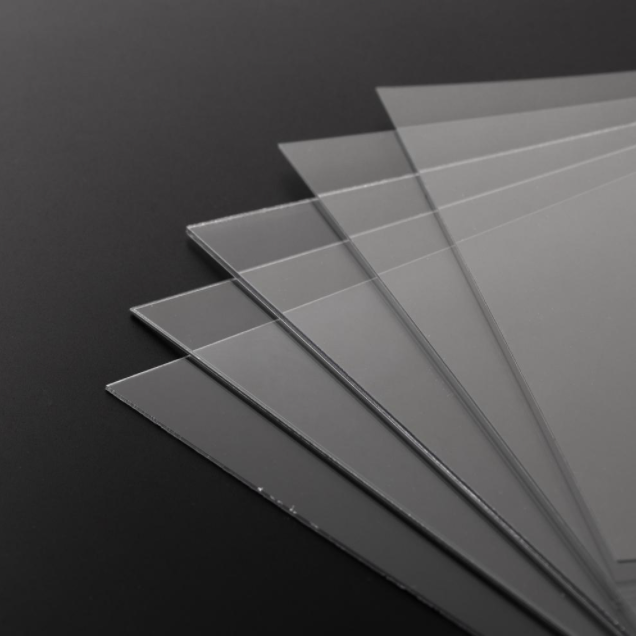
Clear PETG Sheet Images
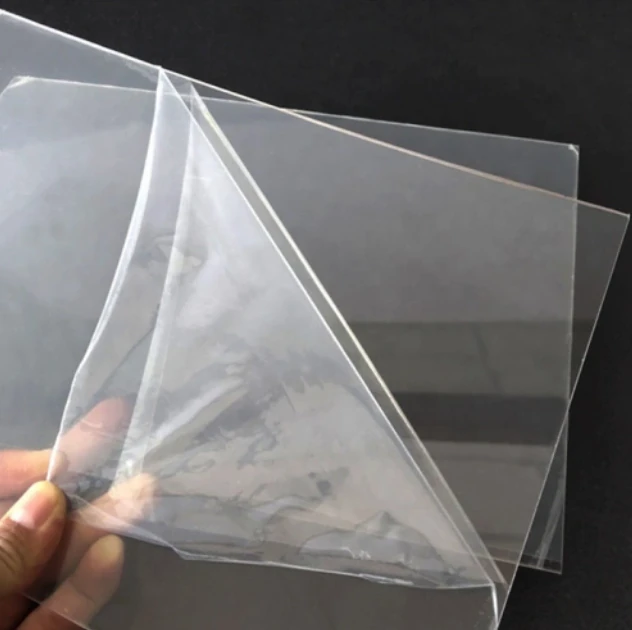
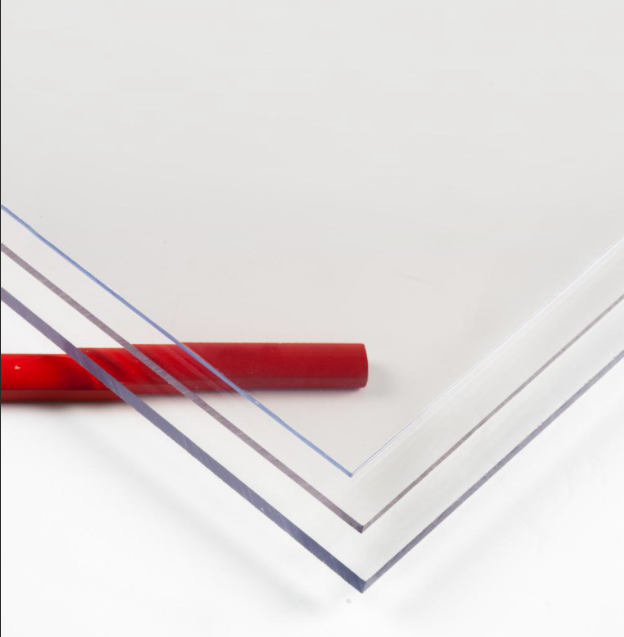
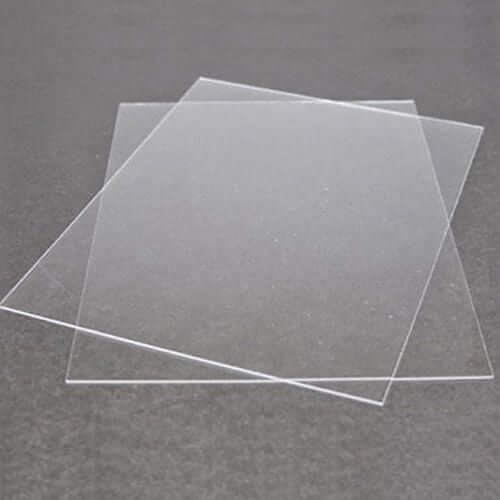
Transparent PETG Sheet

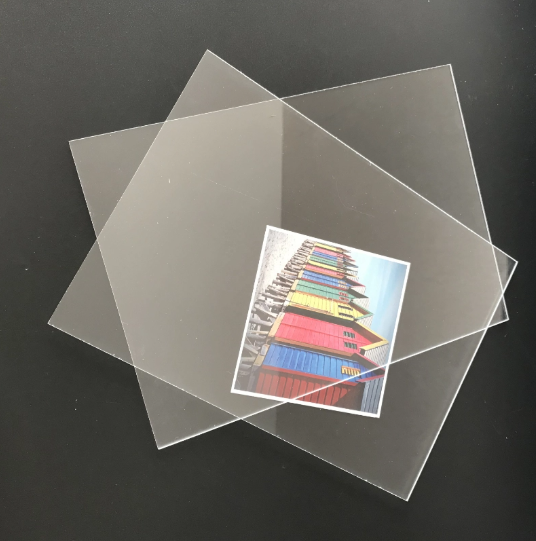
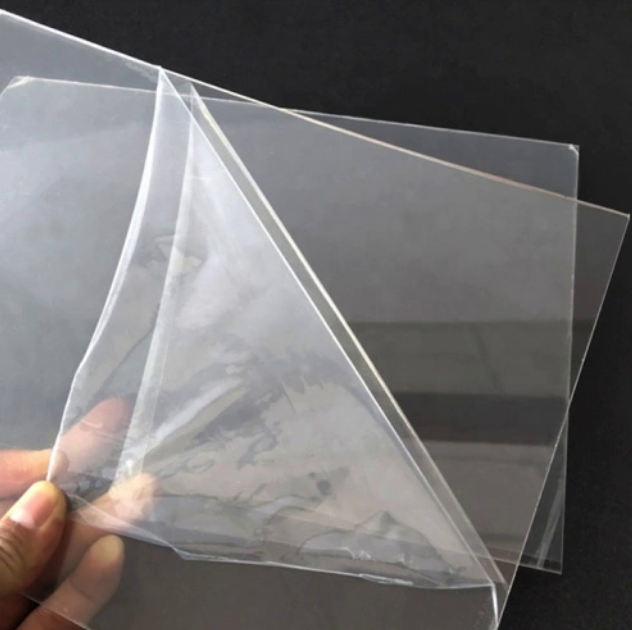
PETG Sheet for Vacuum Forming

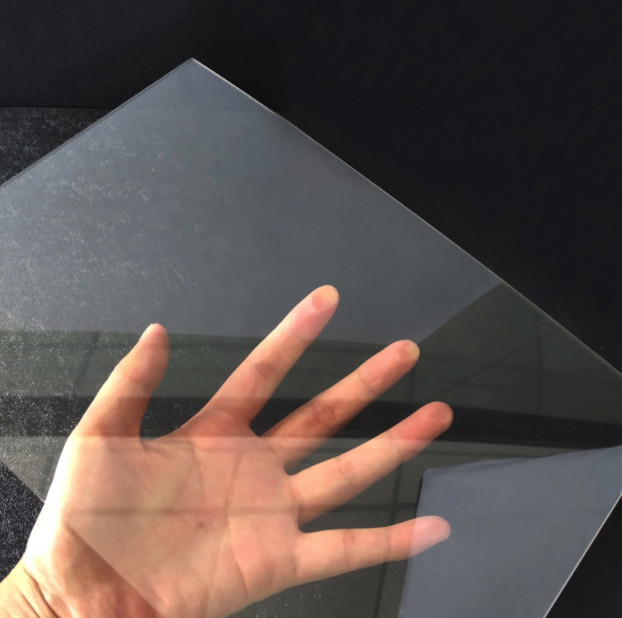
PETG Sheet Industrial Application
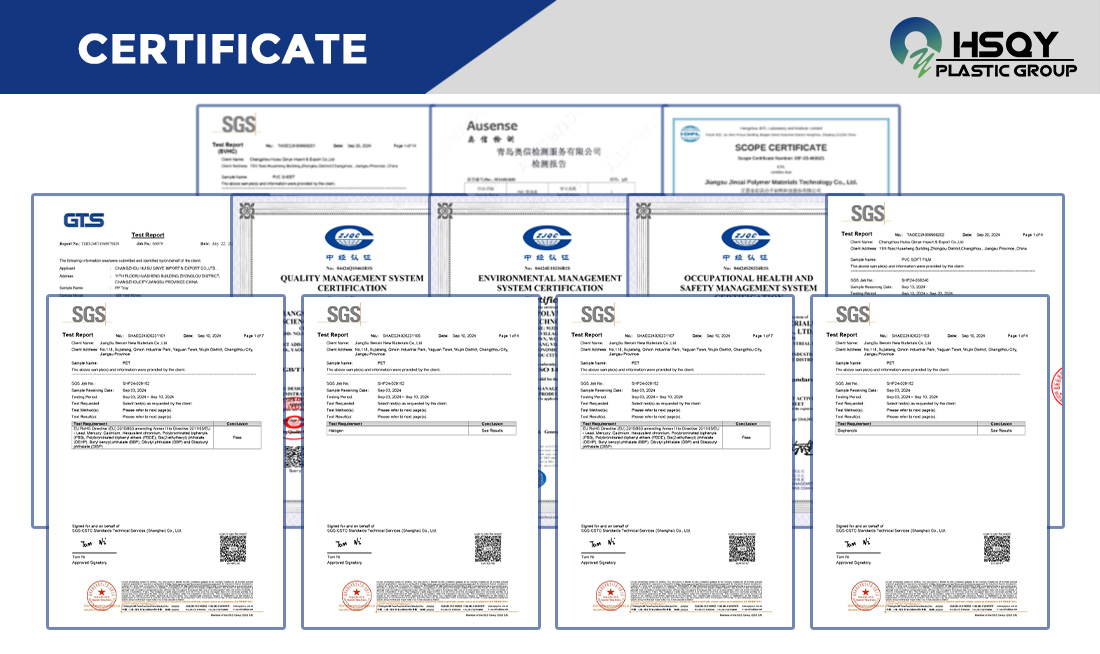
PETG Sheet Data Sheets and Test Reports
Custom Clear PETG Sheet Specifications
| Property |
Details |
| Product Name |
Custom Clear PETG Sheet |
| Brand |
HSQY |
| Model |
PETG FILM |
| Product Code |
PETG |
| Material |
Glycol-Modified Copolyester / PETG |
| Current Product-Level Thickness |
1mm–7mm |
| Broader HSQY PETG Range |
Older Detail Content Lists 0.15mm–7mm; Thin PETG Grades Should Be Confirmed Separately |
| Roll Width |
110–1280mm |
| Standard Sheet Sizes |
915 × 1220mm / 1000 × 2000mm |
| Custom Cut Size |
Available According to Project Requirements |
| Color |
Transparent / Colored / Customized |
| Density |
1.33–1.35g/cm³ According to Current Detail Content |
| Supply Format |
Sheet / Roll According to Thickness and Specification |
| Primary Processing |
Thermoforming / Vacuum Forming / Cutting / Drilling / Printing / Fabrication |
| Outdoor Use |
Confirm UV-Stabilized Grade; Standard PETG Should Not Automatically Be Specified for Long-Term Outdoor Exposure |
| Current Documentation References |
SGS / ISO / RoHS References – Confirm Exact Product Documentation |
| MOQ |
1000kg |
| Current Listed Production Capacity |
50 Tons per Day |
| Delivery Terms |
EXW / FOB / CNF / DDU |
| Current Listed Lead Time |
7–14 Days, Depending on Specification and Quantity |
Thickness Clarification:
The current product-level specification lists 1–7mm, while older body content lists 0.15–7mm. This optimized page treats 1–7mm as the primary range for this specific customized transparent PETG sheet SKU. Buyers requiring PETG film or thin sheet below 1mm should confirm the appropriate HSQY PETG product and supply format separately.
What Is PETG Sheet?
PETG is a glycol-modified copolyester developed to combine transparency, toughness and processing flexibility. It is widely selected for clear fabricated parts where thermoforming, machining and visual appearance are important.
Compared with materials that are more prone to cracking during forming or fabrication, PETG can provide a useful balance between impact performance and processing flexibility for displays, formed components, covers, packaging and industrial parts.
PETG should still be selected by grade. UV resistance, food-contact suitability, chemical resistance and other special properties should be confirmed from the technical documentation for the exact material supplied.
Key Features of Clear PETG Sheet
High Optical Clarity: Clear PETG provides transparent product visibility for displays, covers, fabricated components and formed parts.
Excellent Thermoforming Capability: PETG is well suited to vacuum forming and thermoforming applications requiring smooth contours and detailed shapes.
Good Impact Performance: PETG provides greater resistance to chipping and cracking than more brittle transparent sheet materials in many fabrication applications.
Easy Fabrication: PETG can be evaluated for sawing, drilling, routing, die cutting, bending and other conventional plastic fabrication operations.
Printable Surface: PETG is commonly selected for graphics, displays and signage where printing or decorating is required. Printing compatibility should be tested with the exact ink system.
Chemical Resistance: PETG provides useful resistance to many common chemicals, but compatibility should be confirmed when the finished part will contact specific cleaners, solvents or process chemicals.
Custom Dimensions: HSQY supports cut-to-size sheets, roll widths and customized thicknesses for industrial projects.
Clear and Colored Options: Transparent PETG is the primary product, while custom colors can be discussed according to application and order volume.
PETG Sheet for Thermoforming and Vacuum Forming
Thermoforming is one of the most important applications for PETG sheet. The material can be heated and formed over or into a mold to create transparent three-dimensional components.
Successful forming depends on sheet thickness, mold geometry, forming depth, heating uniformity, cycle time and the exact PETG grade. Buyers should therefore select sheet specification according to the finished part rather than choosing thickness by price alone.
Vacuum Forming: Suitable for transparent covers, packaging components, trays, prototypes and formed industrial parts.
Deep Draws: Forming depth should be evaluated according to sheet thickness, mold geometry and required wall-thickness distribution.
Forming Detail: PETG can reproduce detailed mold shapes when appropriate heating and forming conditions are established.
Prototype Forming: Clear PETG can be used for prototypes where visibility and relatively easy forming are required.
Production Trial: Test the exact sheet thickness and PETG grade on the intended forming machine before bulk production.
Does PETG Need Pre-Drying Before Thermoforming?
Some PETG sheet grades are designed for thermoforming without a separate pre-drying step, which can simplify production compared with materials or grades requiring moisture removal before forming.
However, processing requirements vary by resin grade, sheet storage conditions, thickness and thermoforming process. Buyers should follow the current HSQY processing guide or technical data sheet for the exact material rather than assuming that every PETG grade uses identical conditions.
PETG Sheet Fabrication Options
| Process |
PETG Application Guidance |
| Saw Cutting |
PETG can be cut with suitable plastic-cutting equipment and blade geometry. |
| CNC Routing |
Useful for custom panels, displays, machine components and precise cut shapes. |
| Drilling |
Appropriate tooling and feed conditions help reduce heat buildup and edge damage. |
| Die Cutting |
Thinner PETG grades can be evaluated for die-cut or punched components. |
| Heat Bending |
PETG can be line bent or heat formed using controlled heating conditions. |
| Printing |
Suitable PETG surfaces can support printing and decorating after ink compatibility is confirmed. |
| Bonding |
Select adhesives or bonding systems according to required appearance, joint strength and chemical compatibility. |
| Thermoforming |
A primary PETG application for clear three-dimensional components and complex shapes. |
PETG vs. Acrylic vs. Polycarbonate Sheet
| Comparison |
PETG |
Acrylic |
Polycarbonate |
| Clarity |
High clarity |
High clarity |
High clarity in appropriate grades |
| Thermoforming |
Excellent choice for detailed forming |
Formable but more sensitive to cracking depending on grade and process |
Excellent forming capability with grade-specific processing requirements |
| Impact Resistance |
Generally stronger than standard acrylic for impact-sensitive fabrication |
Lower impact resistance than PETG in many applications |
Typically selected where very high impact resistance is required |
| Fabrication |
Easy cutting, forming and fabrication |
Good fabrication with greater care around cracking |
Good fabrication with appropriate tooling and processing |
| Outdoor Use |
Use UV-stabilized PETG grade when long-term outdoor exposure is required |
Outdoor suitability depends on acrylic grade |
UV-protected grades are commonly used outdoors |
| Best Selection When |
Thermoforming, clarity and fabrication flexibility are priorities |
Optical appearance and rigidity are primary priorities |
Very high impact performance is a primary requirement |
Material performance varies by grade, thickness and surface treatment. Do not select PETG, acrylic or polycarbonate based on generic material comparisons alone when impact, UV resistance, fire rating or regulatory requirements are critical.
Is PETG Sheet Suitable for Outdoor Use?
Standard clear PETG should not automatically be described as a long-term outdoor UV-resistant sheet. Continuous ultraviolet exposure can affect appearance and material performance when the sheet does not contain an appropriate UV-protection system.
If the finished product will be used outdoors, tell HSQY the expected service life, location, temperature range and UV exposure so that the availability of a suitable UV-stabilized PETG grade can be confirmed.
Clear PETG Sheet Applications
Retail Displays: Clear shelves, product stands, point-of-purchase displays and merchandising components.
Indoor Signage: Printed or fabricated signs where clarity, forming and graphic decoration are required.
Vacuum-Formed Parts: Transparent covers, trays, shells, prototypes and custom formed components.
Protective Covers: Transparent guards and covers where visibility and fabrication performance are priorities.
Machine Components: Transparent panels, baffles, enclosures and fabricated industrial components where PETG properties are suitable.
Furniture and Interior Components: Transparent or colored decorative panels and formed components.
Packaging: PETG can be thermoformed into suitable packaging components when the required material and regulatory specifications are met.
Card and Printing Applications: Selected PETG grades can be evaluated for printed plastic products and laminated applications according to process requirements.
Original PETG Application Images
![PETG thermoforming packaging application]()
Thermoforming Packaging
![thermoformed transparent plastic packaging application]()
Thermoformed Packaging Application
![PETG printing and card fabrication application]()
Printing and Fabrication
How to Choose the Right PETG Sheet Thickness
PETG thickness should be selected according to forming depth, finished-part stiffness, impact requirements, unsupported panel dimensions and fabrication process.
| Thickness Range |
Selection Consideration |
| 1–2mm |
Relatively lightweight formed parts, displays, covers and fabrication projects requiring flexibility. |
| 2–3mm |
General fabricated components, displays and formed parts requiring increased rigidity. |
| 3–5mm |
More rigid panels, larger fabricated parts and applications requiring additional structural support. |
| 5–7mm |
Thicker fabricated panels and industrial components where greater stiffness is required. |
These are general selection directions rather than engineering load ratings. Final thickness should be validated against the finished component dimensions, supports, loading and fabrication process.
Custom PETG Sheet Size Options
Customized dimensions can reduce material waste and improve compatibility with thermoforming equipment, CNC routers, printing lines and downstream fabrication processes.
Standard Sheets: Current page sizes include 915 × 1220mm and 1000 × 2000mm.
Cut-to-Size Sheets: Customized length and width can be discussed according to production capability and quantity.
Roll Width: Current page information lists roll widths from 110mm to 1280mm.
Custom Colors: Transparent is the primary grade, while tinted or colored options can be discussed for suitable order quantities.
Protective Packaging: Packaging can be selected to help protect surfaces during international transportation and handling.
How to Choose Clear PETG Sheet
Application: Tell HSQY whether the PETG will be thermoformed, printed, machined, bent, bonded or used as a flat panel.
Thickness: Specify the required gauge or provide the finished-part stiffness and forming requirements.
Sheet or Roll: Select the format according to the production equipment and required thickness.
Dimensions: Provide finished sheet size, roll width or cut-to-size requirements.
Thermoforming Depth: For formed parts, provide mold dimensions and approximate draw depth.
Outdoor Exposure: Specify outdoor use so a UV-stabilized grade can be evaluated rather than assuming standard PETG is UV protected.
Food Contact: If food-contact use is required, request documentation for the exact material grade rather than relying on a general PETG material claim.
Printing: Provide ink technology and printing process when surface decoration is required.
Quantity: The current minimum order quantity is 1000kg.
Information Needed for a Fast PETG Sheet Quote
1. Required thickness
2. Required sheet size or roll width
3. Clear or custom color
4. Sheet or roll format
5. Thermoforming, printing or fabrication application
6. Mold depth or finished component dimensions if thermoforming
7. Indoor or outdoor application
8. Required regulatory or material documentation
9. Required quantity
10. Destination country or shipping port
PETG Sheet Packaging Images

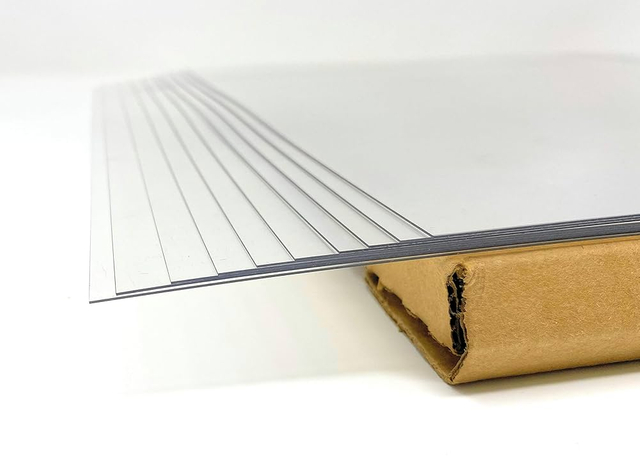
PETG Sheet Packaging

PETG Sheet Roll Packaging
Packaging and Delivery
Sample Packaging: Small PETG sheets can be packed in protective bags or boxes according to sample dimensions.
Sheet and Roll Packaging: Current page information lists PE film or kraft-paper wrapping with carton or pallet packaging.
Pallet Packaging: Current information lists approximately 500–2000kg per plywood pallet depending on dimensions and packing method.
Container Loading: Final loading quantity depends on PETG sheet dimensions, thickness, pallet format and shipment configuration.
Delivery Terms: EXW, FOB, CNF and DDU are currently listed.
Current Listed Lead Time: Approximately 7–14 days depending on specification, quantity and production scheduling.
Quality and Material Documentation
The current HSQY page references SGS, ISO 9001:2008 and RoHS. Buyers should request the latest documentation applicable to the exact PETG sheet grade being purchased.
ISO 9001 relates to quality-management systems and does not by itself establish food-contact, outdoor-UV or other application-specific compliance for a particular PETG sheet.
If a project requires food-contact documentation, RoHS, REACH, UV stabilization or another specific requirement, include that requirement in the inquiry so documentation for the selected grade can be confirmed.

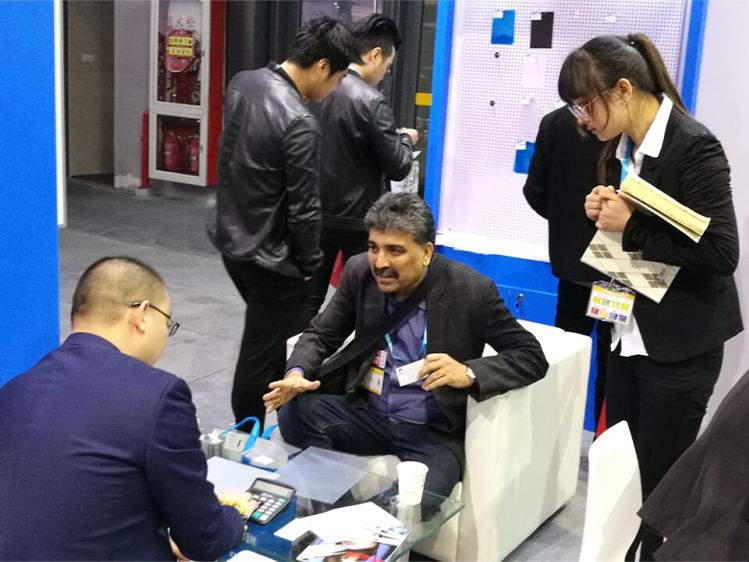
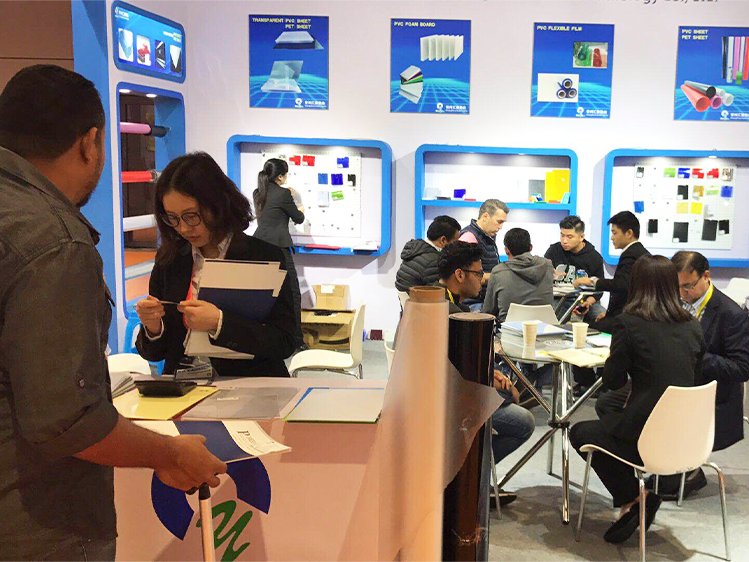
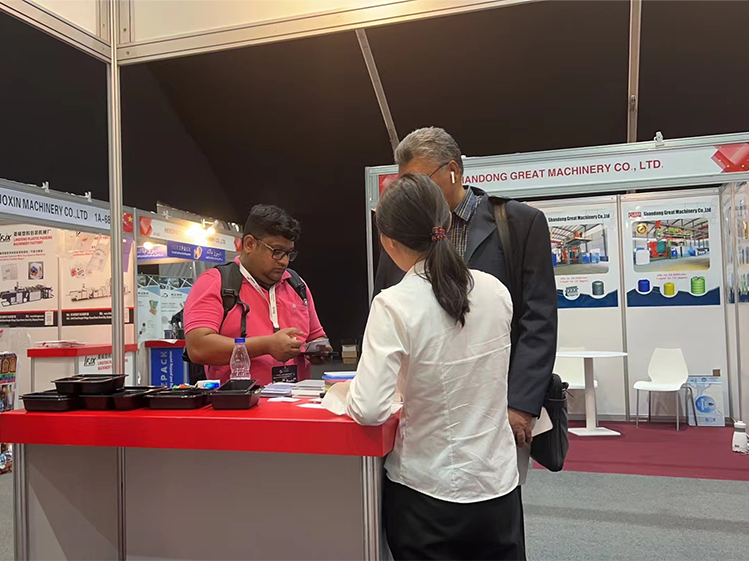
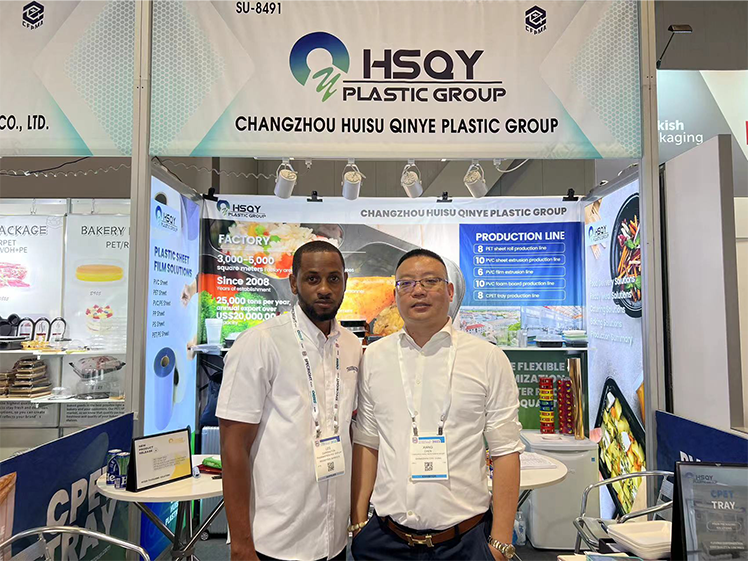
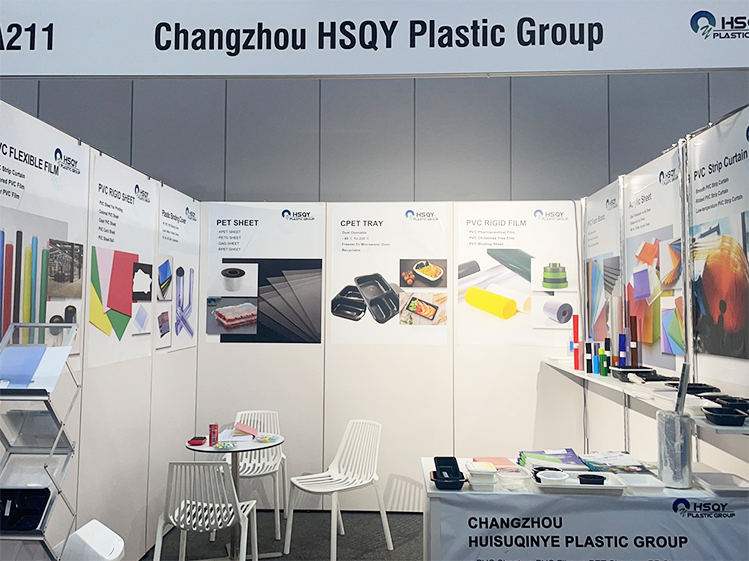
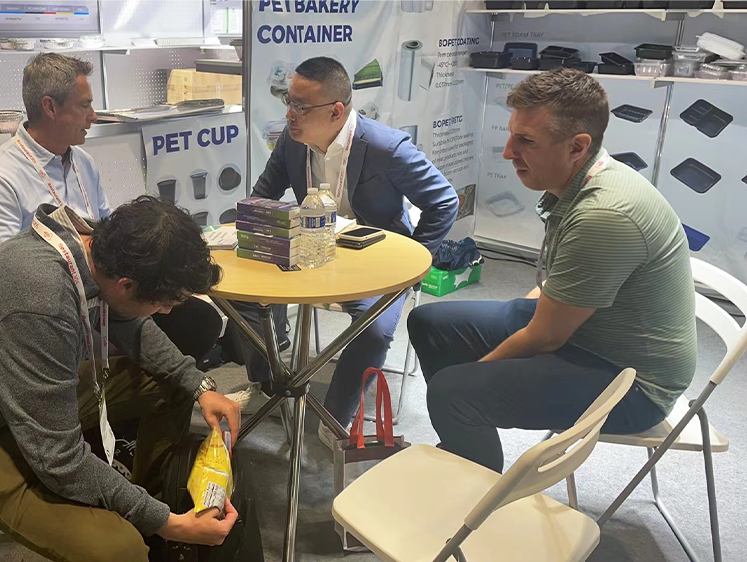
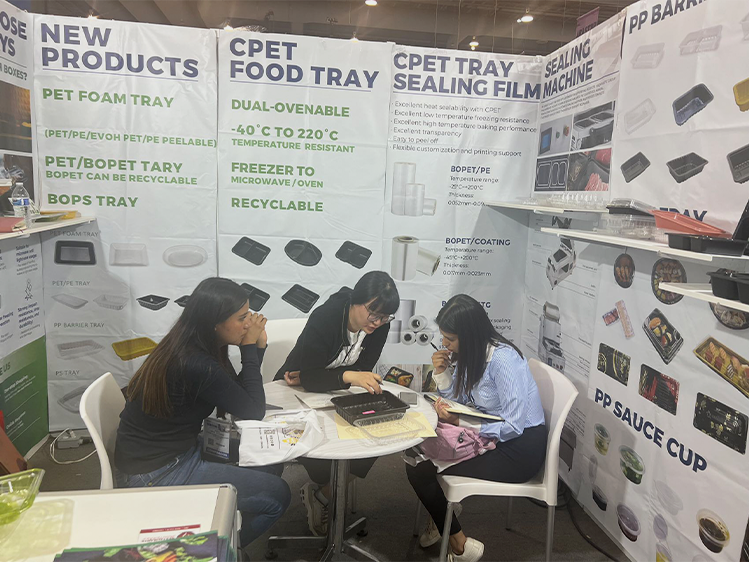
International Exhibitions

2017 Shanghai Exhibition

2018 Shanghai Exhibition

2023 Saudi Exhibition

2023 American Exhibition

2024 Australian Exhibition

2024 American Exhibition

2024 Mexico Exhibition

2024 Paris Exhibition
Frequently Asked Questions
What is PETG sheet?
PETG is a transparent glycol-modified copolyester sheet valued for clarity, toughness, thermoforming performance and ease of fabrication.
What thicknesses are available on this PETG sheet page?
The current product-level specification lists 1mm to 7mm. HSQY's wider PETG range includes thinner materials, but specifications below 1mm should be confirmed through the appropriate PETG film or thin-sheet product.
What is the maximum PETG roll width?
The current HSQY specification lists roll widths from 110mm to 1280mm.
What standard PETG sheet sizes are available?
The current page lists 915 × 1220mm and 1000 × 2000mm standard sheet dimensions, with customized sizing also available according to project requirements.
Can HSQY cut PETG sheet to custom sizes?
Yes. Customized dimensions can be discussed according to thickness, order quantity, downstream equipment and manufacturing requirements.
Is PETG suitable for vacuum forming?
Yes. Vacuum forming and thermoforming are major PETG applications because suitable PETG grades can form detailed transparent shapes when correct heating and forming conditions are used.
Can PETG be deep drawn during thermoforming?
PETG can be evaluated for deeper thermoformed parts, but forming depth depends on thickness, mold geometry, sheet temperature and required wall-thickness distribution.
Does PETG require pre-drying before thermoforming?
Some PETG sheet grades can be thermoformed without a separate pre-drying step. Follow the processing guidance for the exact HSQY grade because moisture condition, thickness and storage can affect processing requirements.
Can PETG sheet be cut and drilled?
Yes. PETG can be processed using suitable cutting, drilling, CNC routing and other fabrication methods. Tooling and process conditions should be optimized to limit heat buildup and maintain edge quality.
Can PETG sheet be printed?
PETG is commonly used for printed displays and decorated components. Test the exact PETG surface with the intended ink, primer and curing process before production.
Is PETG stronger than acrylic?
PETG generally provides greater resistance to impact, chipping and cracking than standard acrylic in many fabrication applications. Exact performance should be compared using the technical data for the grades being considered.
Is PETG stronger than polycarbonate?
Polycarbonate is generally selected when very high impact resistance is the primary requirement. PETG is often selected when clarity, thermoforming and easy fabrication are more important. Compare the exact grades before material selection.
Is PETG suitable for outdoor signs?
Standard PETG should not automatically be specified for long-term outdoor UV exposure. Request a suitable UV-protected grade when the application requires outdoor weathering resistance.
Does clear PETG yellow in sunlight?
Long-term UV exposure can affect standard PETG. If resistance to outdoor yellowing is required, specify a UV-stabilized grade and confirm the expected exposure conditions.
Is PETG food safe?
Food-contact suitability is grade-specific. Request the applicable food-contact declaration or test documentation for the exact HSQY PETG material if the finished product will contact food.
What colors of PETG sheet are available?
The current HSQY page lists transparent and colored PETG options. Provide the required color or tint and order volume for confirmation.
What is the density of HSQY PETG sheet?
The current detailed specification lists a density range of approximately 1.33–1.35g/cm³.
What is the MOQ for custom PETG sheets?
The current HSQY minimum order quantity is 1000kg.
Can I request PETG samples before ordering?
Contact HSQY with the required thickness, dimensions and intended process so an appropriate sample can be confirmed for forming, printing or fabrication testing.
What information should I provide for a quotation?
Provide thickness, dimensions, sheet or roll format, color, application, processing method, UV or regulatory requirements, quantity and destination country or shipping port.
Why Choose HSQY for Custom PETG Sheets?
Custom Thickness: This product page focuses on PETG sheets from 1mm to 7mm.
Custom Dimensions: Standard and custom sheet sizes can be discussed according to downstream processing requirements.
Roll Width Options: Current specifications list PETG roll widths from 110mm to 1280mm.
Thermoforming Support: PETG specifications can be matched to vacuum forming and thermoforming projects.
Sheet Fabrication: Clear PETG can be evaluated for cutting, drilling, CNC processing, bending and printing applications.
B2B Supply: HSQY supports thermoformers, plastic fabricators, display manufacturers, packaging converters, distributors and industrial buyers requiring commercial quantities.
About HSQY Plastic Group
HSQY Plastic Group supplies PETG sheets, APET sheets, RPET sheets, PVC sheets, PP sheets and other plastic materials to international B2B customers.
For custom clear PETG sheets, cut-to-size panels, thermoforming material or industrial PETG fabrication projects, send HSQY your thickness, dimensions, process requirements, quantity and destination for technical evaluation and quotation.


 Download PETG Sheet Data Sheet