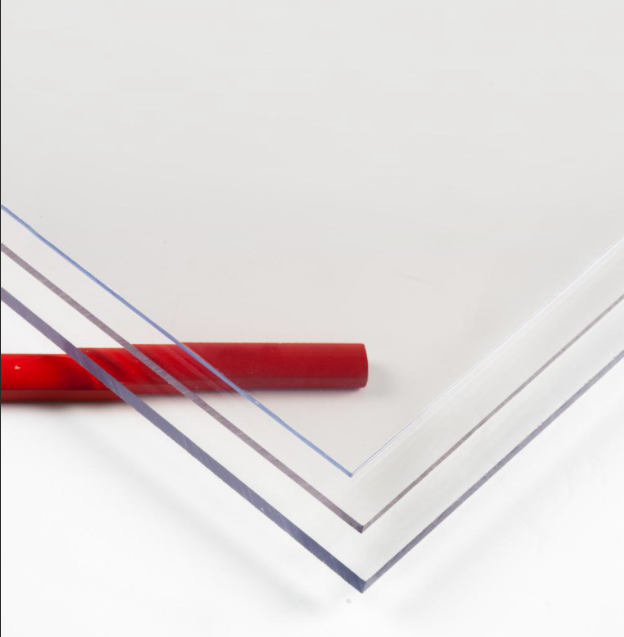
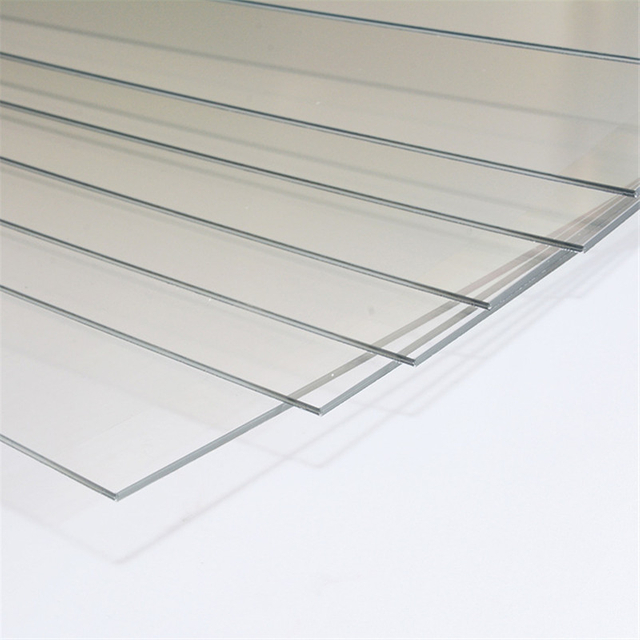
HSQY PETG plastic sheet is a clear, tough non-crystalline copolyester material designed for thermoforming, vacuum forming, signage, retail displays, packaging and fabricated plastic components.
PETG combines high transparency with good toughness and forming capability, making it suitable for applications that require deeper forming, detailed shapes, printing or fabrication without the brittleness associated with some rigid transparent plastics.
The current HSQY product range covers 0.15–7mm thicknesses, roll widths from 110–1280mm and standard sheet sizes of 915 × 1220mm and 1000 × 2000mm. Buyers should specify thickness, format, optical requirements, forming process, surface condition and final application when requesting a quotation.
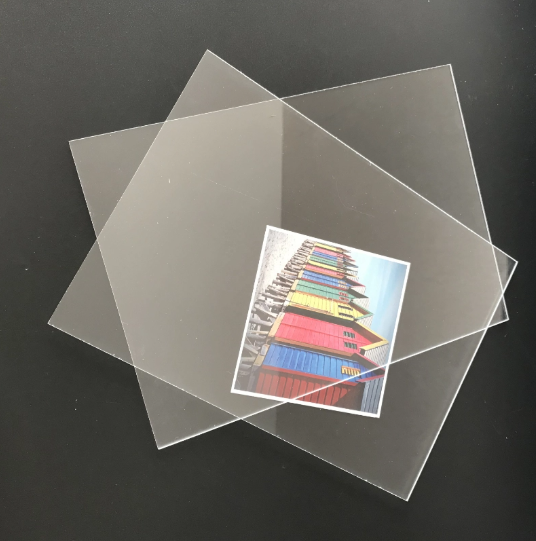
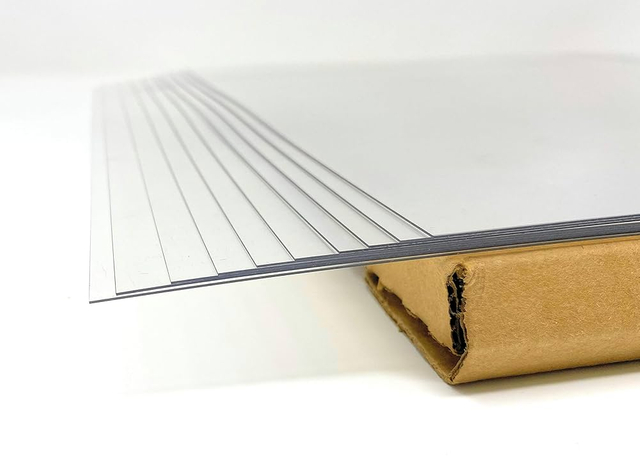
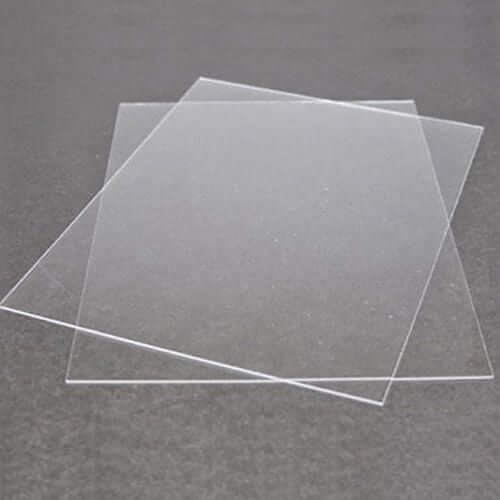
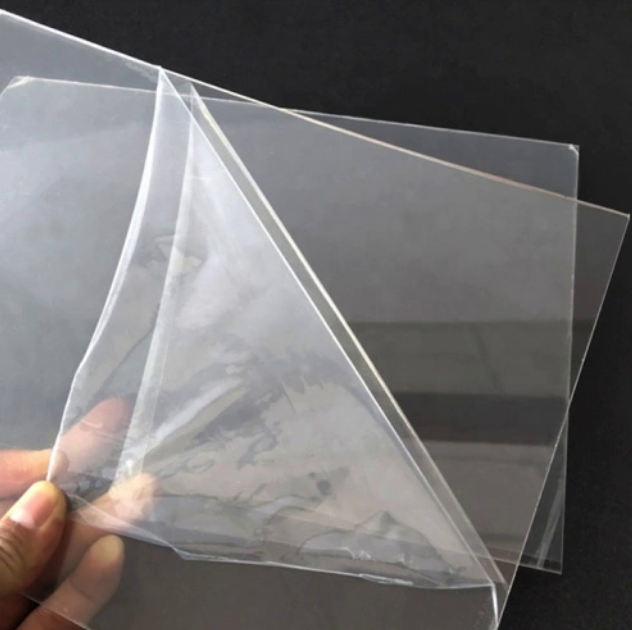
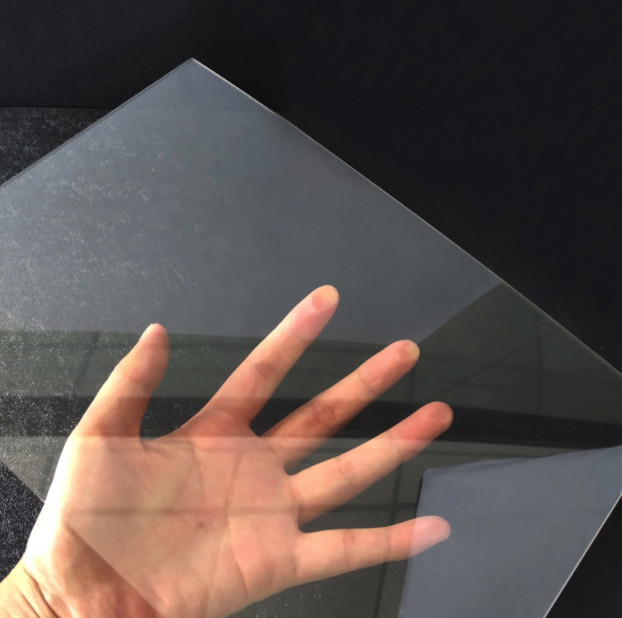
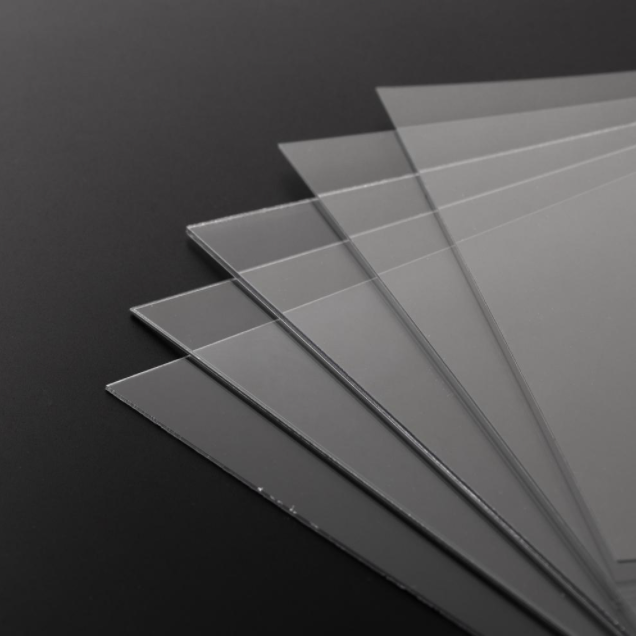
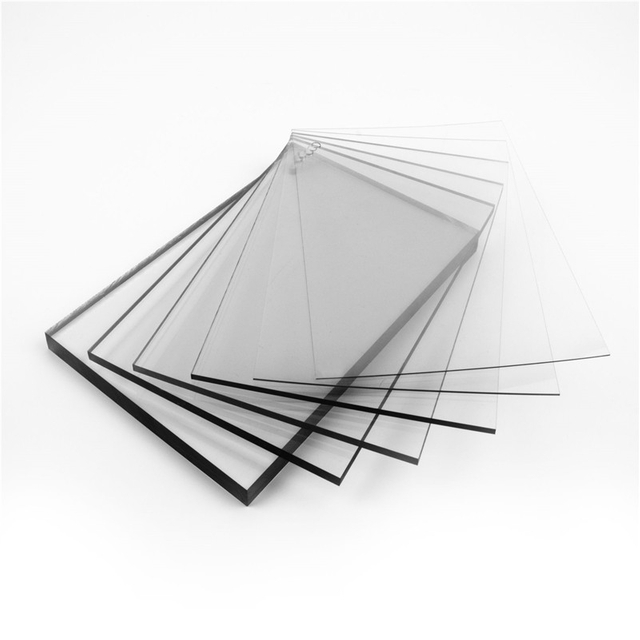
PETG Plastic Sheet Images
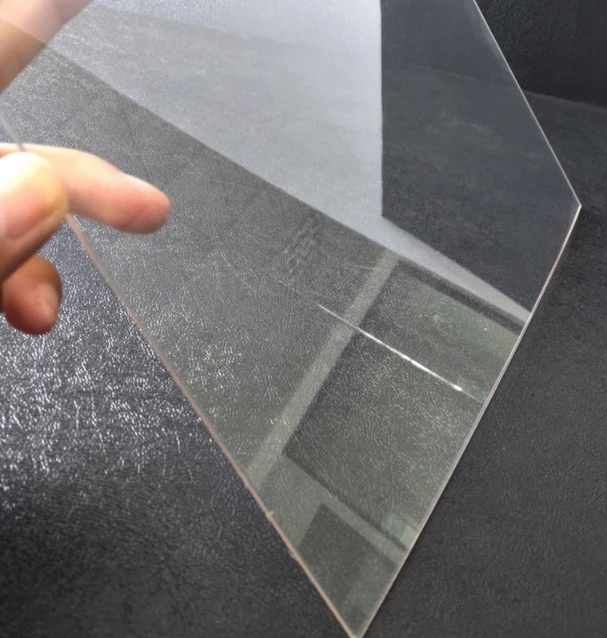
PETG Plastic Sheet

PETG Sheet for Vacuum Forming

PETG Sheet for Signage
PETG Plastic Sheet Data Sheets
PETG Plastic Sheet Specifications
| Property |
Details |
| Product Name |
PETG Plastic Sheet |
| Material |
Non-Crystalline Copolyester based on TPA, EG and CHDM |
| Roll Width |
110–1280mm |
| Standard Sheet Sizes |
915 × 1220mm, 1000 × 2000mm |
| Thickness Range |
0.15–7mm |
| Density |
1.27–1.29g/cm³ |
| Appearance |
Transparent or Colored |
| Typical Processing |
Thermoforming, Vacuum Forming, Sawing, Die Cutting, Drilling, Heat Bending and Other Fabrication as Applicable |
| Typical Applications |
Signage, Displays, Packaging, Furniture Components, Formed Parts and Selected Card Applications |
| Listed Documentation |
SGS, ISO 9001:2008, RoHS; request current documents applicable to the exact grade |
| MOQ |
1000kg |
| Payment Terms |
T/T, L/C, Western Union, PayPal |
| Delivery Terms |
EXW, FOB, CNF, DDU |
| Listed Lead Time |
10–14 Days, depending on specification and order quantity |
What Is PETG Plastic Sheet?
PETG is a glycol-modified copolyester commonly used as a clear thermoplastic sheet. The CHDM modification changes the crystallization behavior of conventional PET and provides a material that is well suited to forming and fabrication.
PETG is commonly selected where manufacturers need transparency together with toughness, thermoforming performance, printing capability and relatively easy fabrication.
The exact PETG grade should be selected according to sheet thickness, forming geometry, outdoor exposure, food-contact requirements, chemical exposure and finished-product performance.
PETG Sheet for Thermoforming
Thermoforming is one of the primary reasons manufacturers select PETG. Suitable PETG sheet can be heated and formed into detailed three-dimensional parts, including deeper draws and shapes with molded-in features.
Starting-sheet thickness should be selected according to mold geometry, draw depth, corner radii and the minimum wall thickness required in the finished component because the sheet becomes thinner as it stretches during forming.
For new thermoforming projects, provide finished dimensions, mold geometry, forming depth, target wall thickness and current machine conditions when requesting a material recommendation.
PETG Sheet for Vacuum Forming
PETG can be evaluated for vacuum-formed covers, trays, housings, display components, packaging and other transparent or colored formed parts.
Vacuum-forming trials should verify sheet sag, mold definition, corner thinning, shrinkage and finished-part rigidity before the production specification is finalized.
Deep Draw and Complex PETG Forming
PETG is frequently selected for complex formed parts because suitable grades can reproduce detailed mold features while maintaining useful toughness.
Deep-draw projects require particular attention to wall-thickness distribution. Areas that stretch the most during forming can become substantially thinner than the original sheet.
Provide the mold drawing, maximum draw depth, corner geometry and critical finished-wall requirements so the appropriate starting gauge can be evaluated.
Does PETG Need Pre-Drying Before Thermoforming?
Pre-drying requirements should be confirmed according to the exact PETG grade, storage conditions, moisture level, sheet thickness and forming process.
Some PETG sheet grades can be thermoformed successfully without a separate pre-drying stage when correctly stored, while other production conditions may require additional moisture control. Follow the technical recommendations for the supplied grade and validate the material on the actual forming line.
PETG Sheet for Signage
PETG is widely used for indoor signs, wayfinding panels, menu displays, promotional graphics and fabricated sign components where transparency, toughness and ease of forming or fabrication are useful.
For illuminated or printed signage, buyers should specify sheet color, optical appearance, print process, forming requirements, mounting method and whether long-term outdoor exposure is expected.
PETG Sheet for Retail Displays and POP Fixtures
PETG can be fabricated into point-of-purchase displays, retail fixtures, product holders, shelving components, transparent covers and other display structures.
Display manufacturers should define finished dimensions, thickness, transparency, edge appearance, bending, joining and printing requirements when selecting the material.
PETG Sheet for Printing and Decoration
PETG can be evaluated for screen printing, direct printing, painting, hot stamping and other decorative processes depending on the material surface and ink system.
Printing performance depends on surface condition, ink chemistry, curing method and any surface treatment. Buyers should test the actual production sheet with the intended printing process before bulk conversion.
PETG Sheet for Packaging
PETG can be converted into transparent trays, covers, formed packaging, protective components and display packs where toughness and clarity are important.
Packaging buyers should provide finished-part geometry, packed-product weight, forming depth, sealing or bonding requirements, temperature conditions and any required food-contact documentation.
PETG Sheet for Furniture and Interior Components
PETG can be used for selected furniture, interior display and decorative components where clear or colored sheet, heat bending and fabrication are required.
For shelves, covers or load-bearing components, provide finished dimensions, support positions, expected load and joining method so the sheet thickness can be reviewed for the actual design.
PETG Sheet for Card Applications
Selected card applications are included in the current product range. PETG or PETG-based structures may be used where transparency, flexibility, printing, lamination or bonding characteristics meet the finished card specification.
Card manufacturers should specify material structure, thickness, surface, printing, lamination and finished-card requirements rather than treating all PETG sheet grades as interchangeable.
PETG Fabrication Methods
| Process |
General Application Direction |
| Thermoforming |
Three-dimensional covers, housings, packaging and display components |
| Vacuum Forming |
Transparent or colored formed parts with controlled mold geometry |
| Sawing |
Straight cuts and fabricated sheet components using suitable tooling |
| Die Cutting |
Converted parts and repeated shapes where material thickness and tooling are suitable |
| Drilling |
Mounting holes and assembly features using appropriate drill geometry and support |
| Heat Bending |
Angles, display components and fabricated structures |
| Printing |
Signage, displays, graphics and decorative components after compatibility testing |
PETG Toughness and Impact Performance
Toughness is one of the key reasons PETG is selected for displays, thermoformed parts and fabricated transparent components.
The original product description contains a general comparison stating PETG is 15–20 times tougher than acrylic, but no specific test method, thickness or PETG grade is identified. Projects requiring a defined impact value should use technical data for the exact supplied grade rather than a generic multiplier.
PETG Chemical Resistance
PETG offers useful resistance to many substances encountered in display, packaging and general fabrication environments, but chemical compatibility is not universal.
Where chemical exposure is important, provide the exact chemical or cleaning agent, concentration, temperature, contact duration and mechanical loading conditions so compatibility can be evaluated for the selected PETG grade.
Standard PETG vs. UV-Protected PETG
Standard transparent PETG should not automatically be assumed suitable for long-term outdoor exposure.
| Grade Direction |
General Use |
What to Confirm |
| Standard PETG |
Indoor signage, displays, thermoforming and fabricated components |
Temperature, chemical exposure, forming and optical requirements |
| UV-Protected PETG |
Applications where defined outdoor UV exposure is expected |
UV grade, protected side, exposure period, clarity and color-retention requirements |
For exterior projects, specify outdoor exposure during the RFQ and request the appropriate UV-protected grade rather than assuming standard PETG provides long-term weathering performance.
PETG vs. APET
| Selection Factor |
PETG |
APET |
| Material Structure |
Glycol-modified copolyester |
Amorphous PET |
| Typical Selection Direction |
Complex forming, heat bending, displays and fabrication |
High-volume clear packaging, trays, blisters and folding boxes |
| Fabrication |
Well suited to varied fabricated shapes and display components |
Commonly optimized for packaging conversion and conventional thermoforming |
| Final Selection |
Choose according to forming geometry, bending, bonding, packaging process, optics, cost and finished-product requirements |
PETG vs. Acrylic and Polycarbonate
| Material |
General Strength |
Typical Purchasing Direction |
| PETG |
Good balance of clarity, toughness, forming and fabrication |
Displays, complex thermoforming, signage and fabricated clear components |
| Acrylic |
Excellent optical appearance and polished-edge capability |
Premium displays, signs, furniture and decorative transparent components |
| Polycarbonate |
Selected where higher impact performance or engineering requirements are important |
Protective glazing, machine guards, engineered covers and impact-critical components |
Material selection should be based on the actual finished-product requirements rather than a universal claim that one material is always stronger, cheaper or better than another.
Food-Contact Applications
Certain PETG grades can be supplied for food-contact applications, but food-contact suitability is grade- and market-specific.
For food packaging or food-display projects, provide the food type, direct or indirect contact conditions, temperature, storage duration and destination market and request current documentation for the exact quoted PETG grade.
Choosing PETG Thickness
| Thickness Direction |
General Application Direction |
Selection Consideration |
| 0.15–0.5mm |
Thin-gauge forming, card structures, packaging and converted products |
Flexibility, feeding, forming depth and finished stiffness |
| 0.5–1.5mm |
Thermoformed covers, displays, packaging and lightweight fabricated parts |
Draw ratio, wall thickness, cutting and mounting |
| 2–4mm |
Displays, signage, formed housings and more rigid fabricated components |
Panel span, bending, forming, machining and finished weight |
| 5–7mm |
Thicker fabricated panels, display structures and components requiring greater starting-sheet rigidity |
Support, load, fabrication method, forming equipment and finished dimensions |
These ranges are general selection directions rather than structural ratings. Final thickness should be selected according to the actual part dimensions, forming depth, loading and fabrication method.
PETG Roll vs. PETG Sheet
| Format |
Typical Production Direction |
What to Specify |
| PETG Roll |
Continuous converting, thin-gauge forming and automated roll-fed processes |
Thickness, width, core ID, roll OD, roll weight and winding direction |
| PETG Sheet |
Signage, displays, furniture, cut-sheet forming and fabrication |
Thickness, sheet size, flatness, color, optical quality and protective requirements |
How to Specify PETG Plastic Sheet
| RFQ Item |
Information to Provide |
| Application |
Thermoforming, signage, display, packaging, furniture, card or other fabricated component |
| Thickness |
Required nominal thickness within the current 0.15–7mm range |
| Thickness Tolerance |
Required minimum, maximum or agreed production tolerance where critical |
| Supply Format |
Roll or sheet |
| Roll Width |
Required width within the current 110–1280mm listed range |
| Sheet Size |
915 × 1220mm, 1000 × 2000mm or required size to be confirmed |
| Color |
Transparent or required color |
| Optical Requirement |
Transmission, haze, tint, clarity and visual-defect limits where controlled |
| Thermoforming |
Mold dimensions, maximum draw depth, corner radii and target finished wall thickness |
| Printing |
Printing method, ink system, surface preparation and adhesion requirement |
| Fabrication |
Sawing, die cutting, drilling, heat bending or other required process |
| Outdoor Use |
Specify whether a UV-protected grade is required and the expected outdoor exposure period |
| Chemical Exposure |
Exact chemical or cleaner, concentration, temperature and exposure duration |
| Food Contact |
Specify food-contact conditions and required destination-market documentation where applicable |
| Documentation |
Required test reports, certificates or customer specifications |
| Quantity |
Required quantity; current listed MOQ is 1000kg |
| Destination |
Destination country or port |
Explore More HSQY PETG Sheet Products
PETG Plastic Sheet Packaging

PETG Plastic Sheet Packaging

PETG Plastic Sheet Roll Packaging
Packaging and Delivery Options
| Item |
Current Listed Information |
| Sample Packaging |
Small rolls or sheets packed in PP bags or boxes |
| Sheet Packaging |
30kg per bag or customized as required |
| Pallet Packaging |
500–2000kg per plywood pallet |
| Container Loading |
20 tons listed as a standard reference; actual loading depends on sheet or roll dimensions and packing |
| Delivery Terms |
EXW, FOB, CNF, DDU |
| Listed Lead Time |
10–14 Days, depending on specification and order quantity |
Certification and Documentation
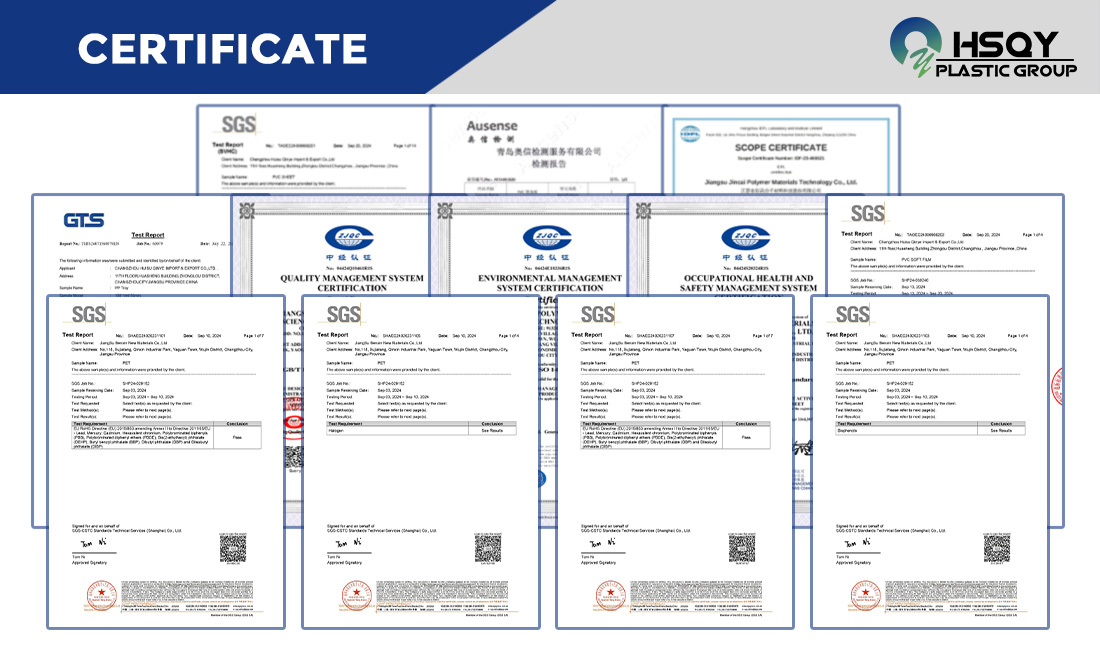
The current product information lists SGS, ISO 9001:2008 and RoHS documentation. Buyers should request current copies and verify the issuing organization, validity, scope and applicability to the exact PETG grade being purchased.
Where food contact, UV stability, flame performance or another regulated requirement is important, request documentation specific to that function and the exact quoted material.

HSQY Certification Information
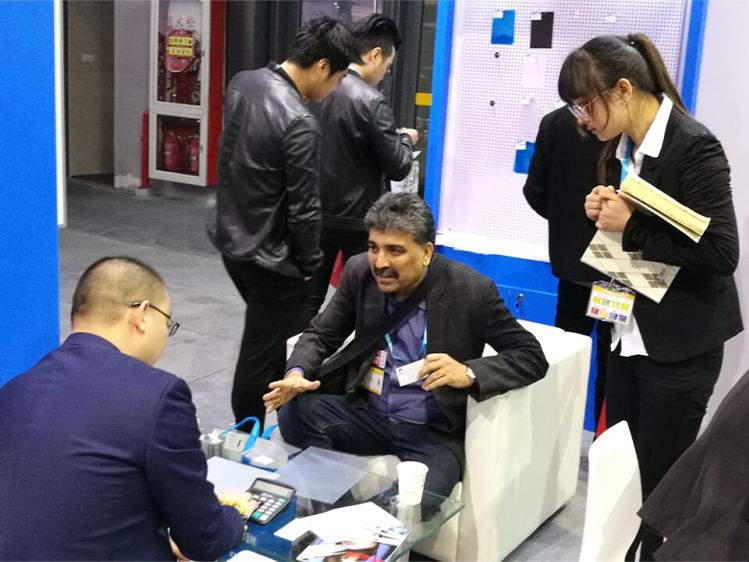
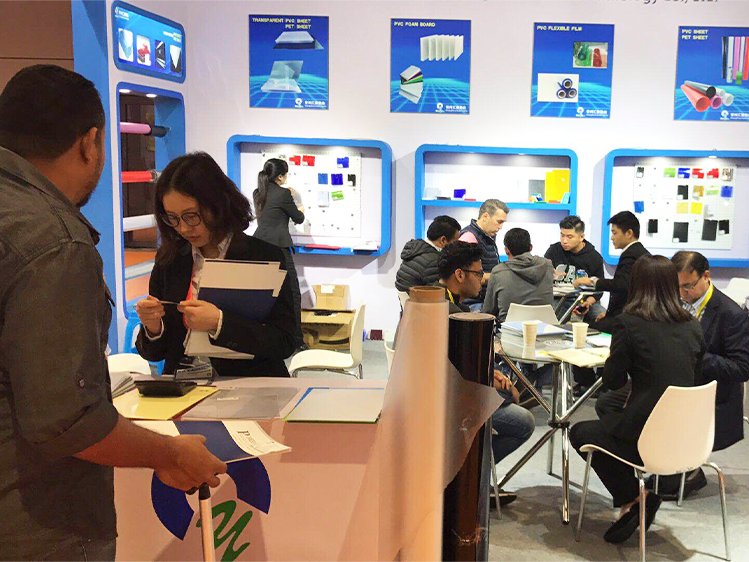
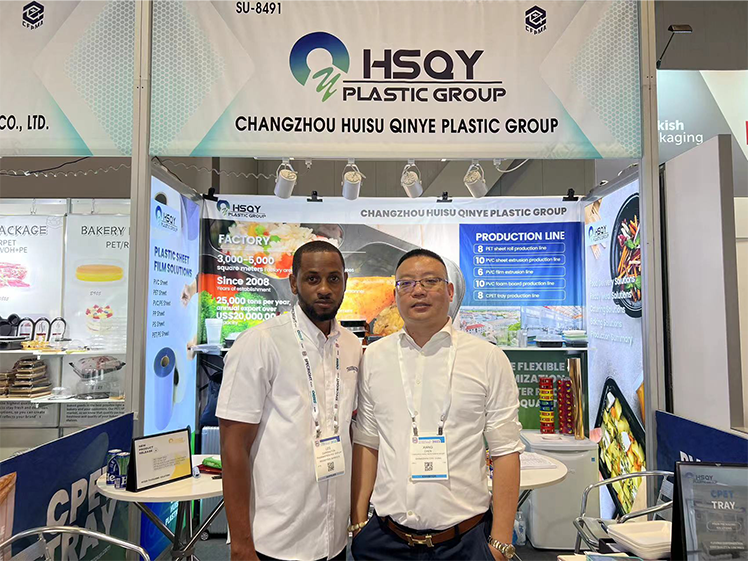
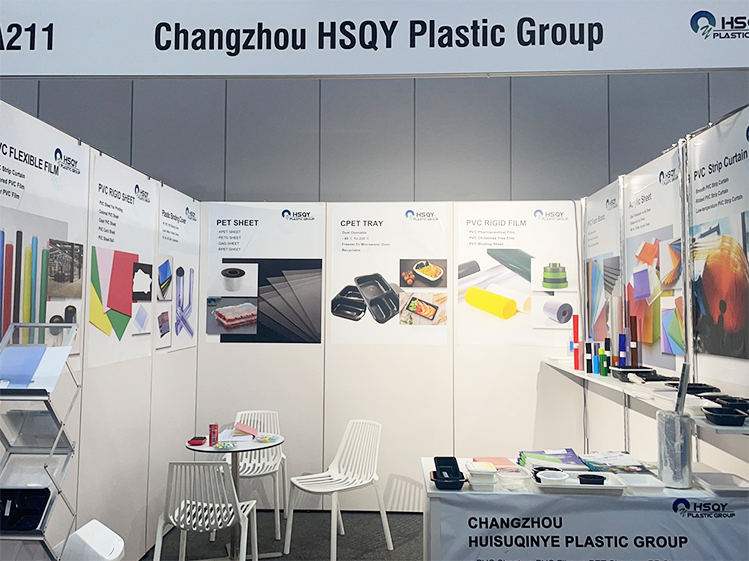
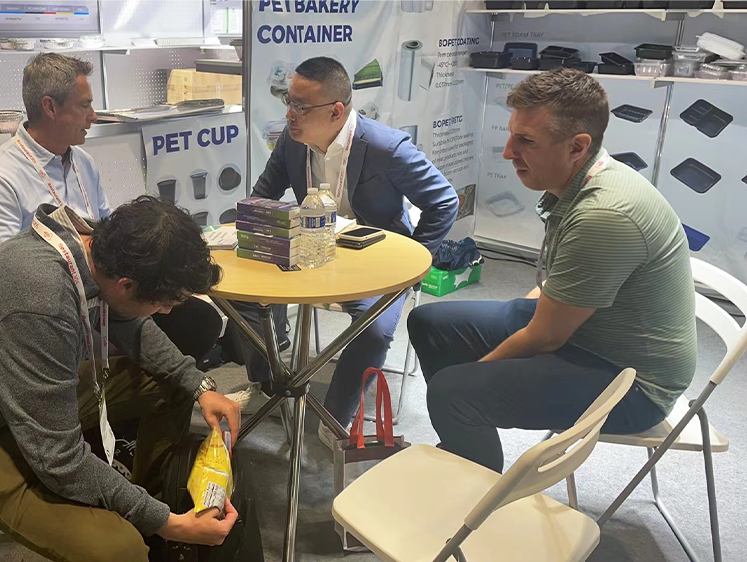
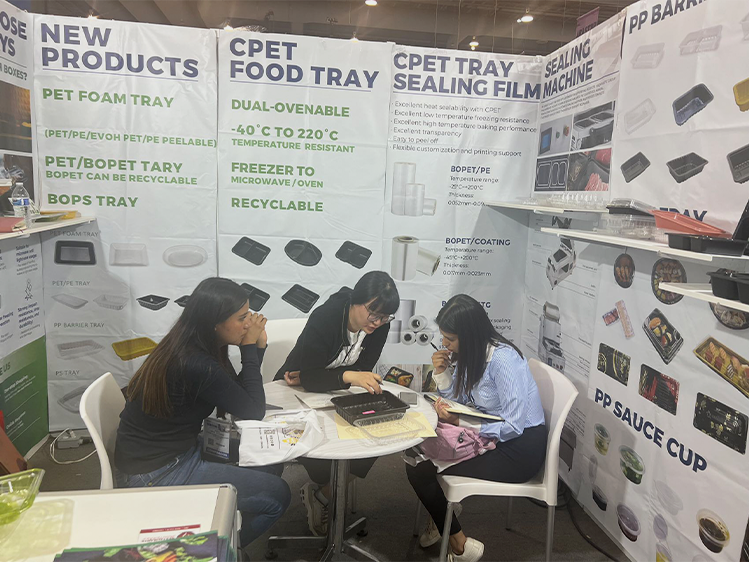
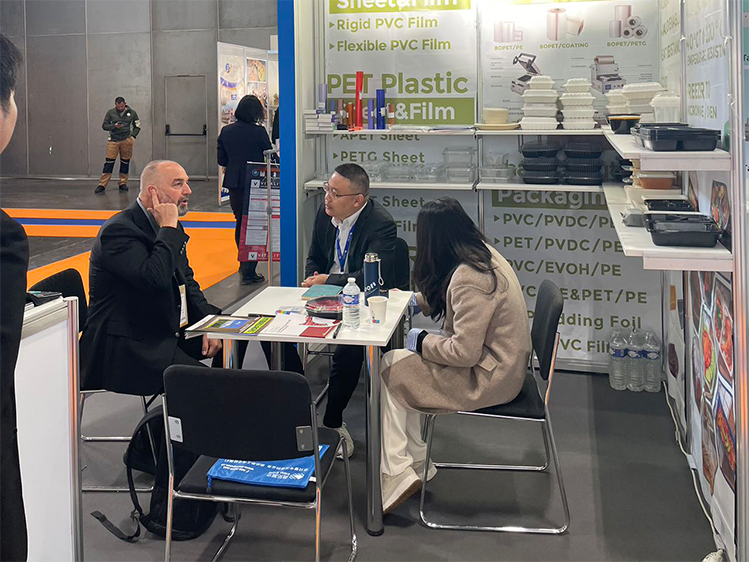
HSQY Global Exhibitions

2017 Shanghai Exhibition

2018 Shanghai Exhibition

2023 Saudi Exhibition

2023 American Exhibition

2024 Australian Exhibition

2024 American Exhibition

2024 Mexico Exhibition

2024 Paris Exhibition
Frequently Asked Questions About PETG Plastic Sheet
What is PETG plastic sheet?
PETG is a glycol-modified non-crystalline copolyester sheet commonly selected for clear thermoforming, signage, displays, packaging and fabricated plastic components.
What thicknesses are available?
The detailed product specification currently lists PETG sheet and film from 0.15mm to 7mm.
What roll widths are available?
The current listed roll-width range is 110mm to 1280mm.
What sheet sizes are available?
The current standard sheet sizes listed are 915 × 1220mm and 1000 × 2000mm.
Can PETG be thermoformed?
Yes. Thermoforming is one of PETG's main processing directions. The selected grade should be validated using the intended mold, forming depth and heating conditions.
Can PETG be vacuum formed?
Yes. PETG can be evaluated for vacuum-formed displays, covers, packaging and other three-dimensional components.
Does PETG require pre-drying before thermoforming?
This depends on the exact PETG grade, storage conditions and forming process. Follow the technical guidance for the supplied material and validate the sheet on the intended production line.
Can PETG be deep drawn?
Suitable PETG grades can be used for deeper thermoformed shapes and detailed molded components. Starting gauge should be selected according to draw ratio and finished wall-thickness requirements.
Can PETG sheet be printed?
Yes. PETG can be evaluated for screen printing and other decorative processes. Ink adhesion and curing should be tested using the actual production sheet.
Can PETG sheet be heat bent?
PETG can be heat formed or bent for suitable display and fabrication applications. Bend radius, thickness and heating conditions should be validated before production.
Can PETG be drilled and cut?
Sawing, die cutting and drilling are listed fabrication methods. Tooling and processing conditions should be matched to sheet thickness and required edge quality.
Is PETG suitable for signage?
Yes. PETG is suitable for indoor signage, display panels and fabricated sign components where clarity, toughness and forming capability are required.
Can standard PETG be used outdoors?
Standard PETG should not automatically be assumed suitable for long-term outdoor use. Specify outdoor exposure and confirm whether a UV-protected PETG grade is required.
Is PETG more impact resistant than acrylic?
PETG is generally selected for greater toughness than standard acrylic in many fabrication applications, but numerical comparisons depend on grade, thickness and test method. Request grade-specific data where impact performance is critical.
Is PETG cheaper than polycarbonate?
Material cost depends on grade, thickness, quantity, processing and market conditions. PETG and polycarbonate should be compared based on the complete performance and fabrication requirements of the finished component.
What is the difference between PETG and APET?
PETG is glycol-modified PET and is commonly selected for complex forming, bending and fabrication. APET is frequently selected for clear packaging, trays, blisters and conventional thermoforming.
Is PETG chemically resistant?
PETG is resistant to many substances, but compatibility depends on the exact chemical, concentration, temperature and exposure duration. Test the selected grade for critical chemical environments.
Can PETG be used for food-contact applications?
Certain PETG grades can be used for food-contact applications. Request current documentation applicable to the exact grade, contact conditions and destination market.
What documentation is listed?
The current product page lists SGS, ISO 9001:2008 and RoHS documentation. Request current copies and confirm applicability to the material being ordered.
What is the MOQ?
The current listed minimum order quantity is 1000kg.
Are PETG samples available?
The current product information lists free samples with courier freight paid by the buyer. Confirm the required thickness, format and application when requesting a sample.
What is the listed lead time?
The current product information lists approximately 10–14 days depending on order quantity and customization. Confirm the current production schedule with the quotation.
What information should I provide for a PETG quotation?
Provide the application, thickness, roll or sheet format, dimensions, color, optical requirements, thermoforming or fabrication process, outdoor exposure if applicable, quantity, documentation requirements and destination.
About HSQY Plastic Group
HSQY Plastic Group supplies PETG sheets, PET films and other plastic sheet materials to thermoformers, display manufacturers, sign fabricators, packaging converters, distributors and industrial buyers.
The current product information lists five PETG production lines with a daily capacity of 50 tons. Buyers should confirm current production capacity, specifications and delivery schedule for the required PETG grade when requesting a quotation.
For PETG projects, provide the required thickness, sheet or roll dimensions, color, forming or fabrication process, functional requirements, quantity and destination so the appropriate specification can be reviewed.


 Download PETG Plastic Sheet Data Sheet