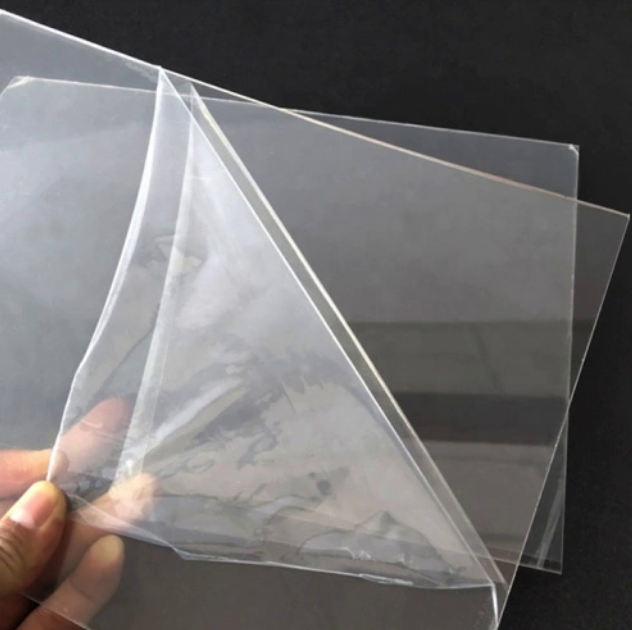
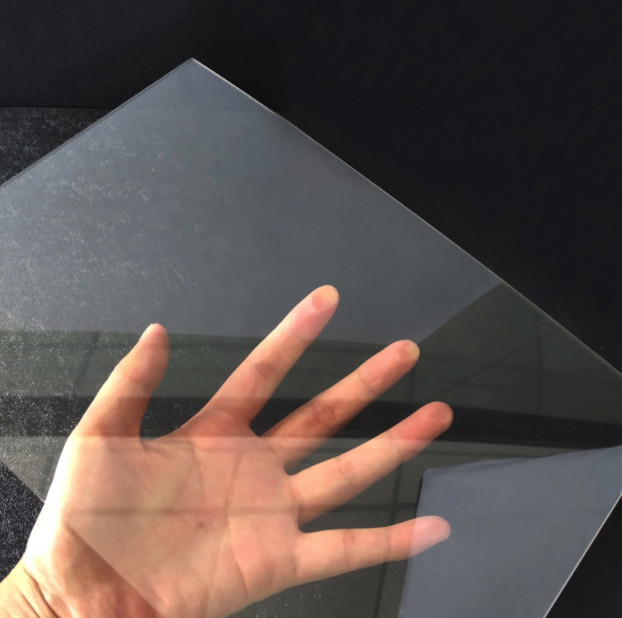
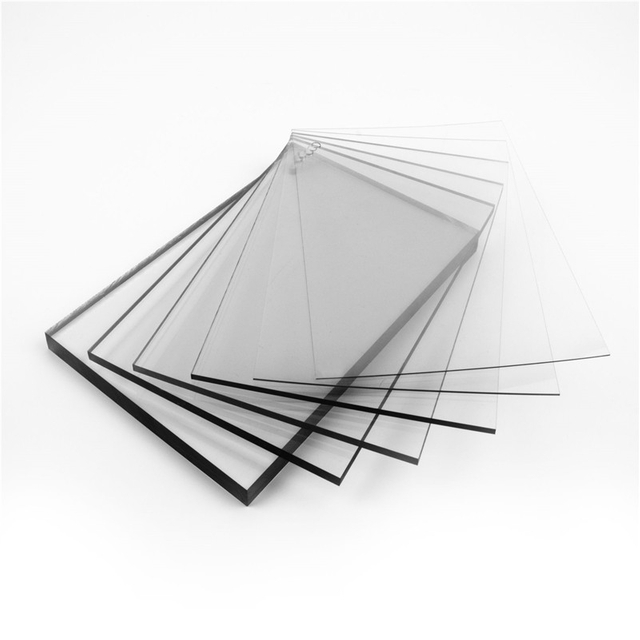
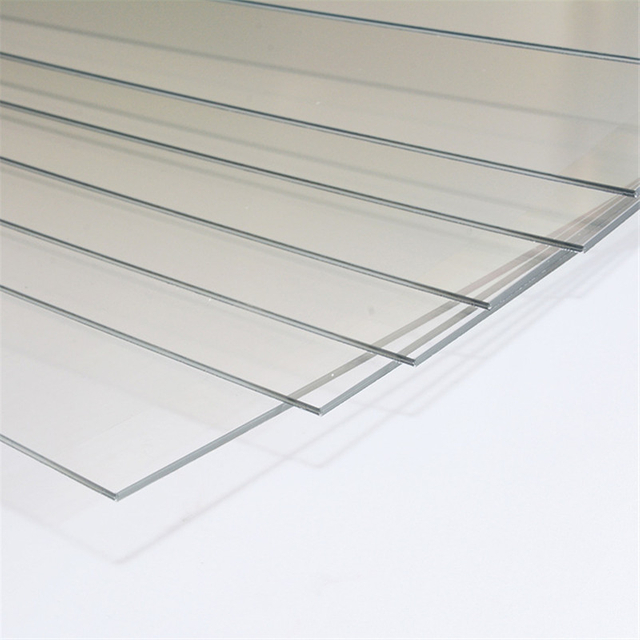
0.5mm Clear PETG Sheet for Blister Packaging
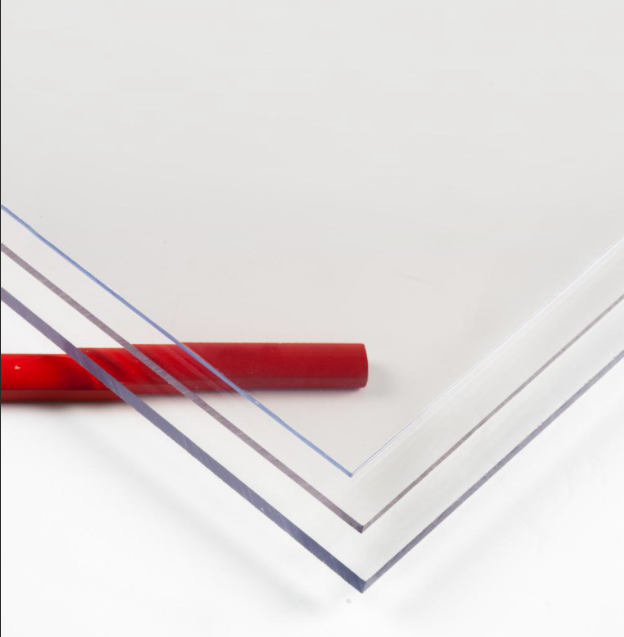
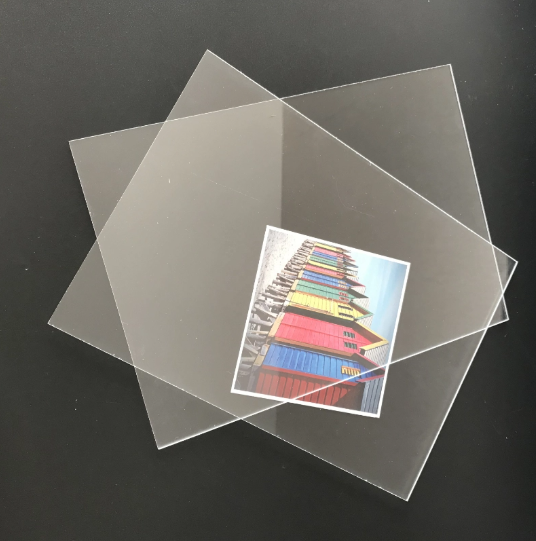
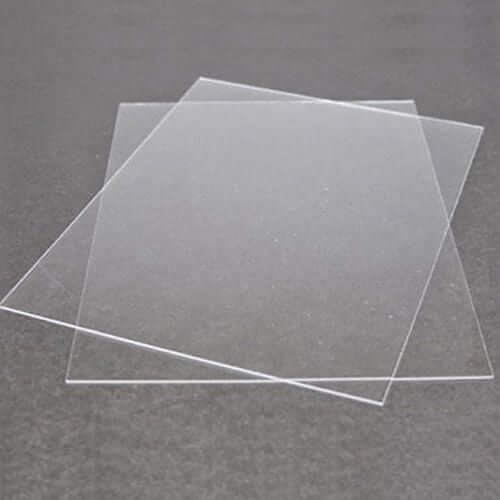
HSQY 0.5mm clear PETG sheet is a transparent glycol-modified copolyester sheet designed for blister packaging, vacuum forming, thermoforming, transparent packaging, protective covers and lightweight fabricated plastic components.
At a nominal thickness of 0.5mm, or 500 microns, PETG provides a useful balance of transparency, toughness, flexibility and forming performance. It is particularly suitable for thermoformed blister packs and lightweight formed parts where product visibility and dimensional consistency are important.
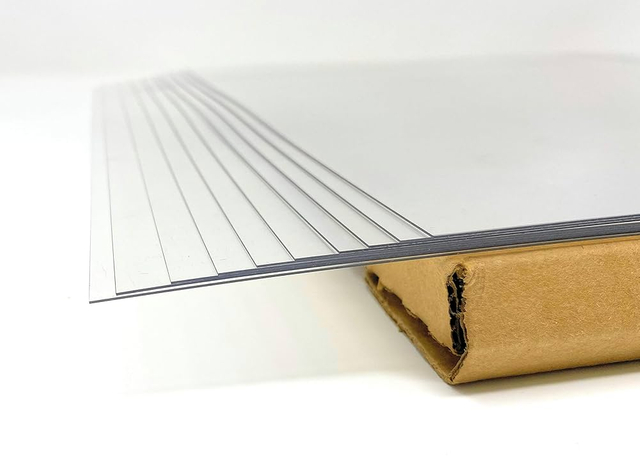
HSQY supplies PETG in sheet and roll formats. Current product information lists roll widths from approximately 110mm to 1280mm, standard sheets including 915 × 1220mm and 1000 × 2000mm, and customized dimensions for industrial converting projects.
Other PETG thicknesses from approximately 0.15mm to 7mm are referenced in the current product information. Availability should be confirmed according to thickness, roll or sheet format, forming requirement and order quantity.
PETG Technical Data Sheet
Download the available PETG technical data sheet for reference. Buyers should confirm that the document applies to the exact PETG resin grade, thickness, surface and specification being quoted.
What Is Clear PETG Sheet?
PETG is a glycol-modified copolyester related to PET. The glycol modification changes crystallization behavior and helps PETG maintain useful transparency and toughness during many thermoforming and fabrication processes.
Clear PETG is commonly selected where a transparent thermoplastic needs to be vacuum formed, pressure formed, cut, die cut, punched, drilled, routed, printed, bent or bonded.
Compared with conventional acrylic, PETG generally offers greater resistance to chipping and cracking during many fabrication operations. Compared with standard APET, PETG is particularly useful where easier forming and reduced crystallization during processing are important.
0.5mm Clear PETG Sheet Specifications
| Property |
Current HSQY Specification |
| Product Name |
0.5mm Clear PETG Sheet |
| Material |
PETG / Glycol-Modified Copolyester |
| Featured Thickness |
0.5mm / 500μm |
| Other Referenced Thicknesses |
Approximately 0.15mm-7mm; availability depends on sheet or roll format and application |
| Roll Width |
Approximately 110mm-1280mm |
| Standard Sheet Size |
915 × 1220mm |
| Standard Sheet Size |
1000 × 2000mm |
| Custom Dimensions |
Custom sheet sizes, cut sizes and slit roll widths can be discussed |
| Color |
Clear; customized PETG colors subject to grade and MOQ |
| Density |
Current source lists approximately 1.27-1.29g/cm³ |
| Supply Format |
Roll, master sheet or custom cut sheet according to thickness and project |
| Surface |
Clear smooth surface for the featured product; alternative surface requirements should be confirmed |
| Protective Masking |
One-side or two-side protective masking can be discussed according to product format and surface requirements |
| Main Processing |
Vacuum forming, thermoforming, die cutting, cutting, drilling, routing, printing and selected bonding processes |
| Main Application |
Blister packaging, transparent thermoformed packaging, covers, displays and lightweight formed components |
| MOQ |
Current website specification lists 1000kg |
The website currently contains different thickness ranges in different areas of this product page. Before publication, HSQY should confirm the exact available thickness range and make the product attributes, description and Product Schema consistent.
Why Choose 0.5mm PETG Sheet?
Balance of Flexibility and Rigidity
At 0.5mm thickness, PETG remains relatively flexible while providing more body and dimensional stability than very thin packaging films. This makes it useful for lightweight formed packaging, transparent covers and blister components.
High Product Visibility
Clear PETG provides high transparency for retail packages and formed components where the product needs to remain visible through the plastic.
Thermoforming Performance
PETG is widely used for thermoforming because appropriate grades can reproduce detailed mold geometry while maintaining useful clarity and toughness.
Resistance to Chipping and Cracking
PETG generally provides useful toughness during cutting, drilling and forming, helping reduce brittle chipping compared with more brittle transparent plastics in many fabrication applications.
Sheet and Roll Supply
0.5mm PETG can be relevant to both sheet-fed and roll-fed conversion depending on machine design, allowing buyers to select a supply format that matches the downstream process.
0.5mm PETG Sheet for Blister Packaging
Blister packaging uses a formed transparent web to create a cavity around a product. Clear PETG can be evaluated as a forming material for retail blister packs where transparency, mold definition and resistance to cracking during forming are important.
At 0.5mm starting thickness, PETG is particularly relevant to lightweight and medium-depth blister components. Final suitability depends on cavity depth, draw ratio, corner radius, product weight and required final wall thickness.
Blister packages can use different closure methods, including card sealing, mechanical capture, clamshell-type designs or other packaging systems. Sealing compatibility should be evaluated according to the actual coating, adhesive, substrate and equipment rather than assuming every PETG sheet seals to every backing material.
PETG Sheet for Vacuum Forming
Vacuum forming heats PETG until it becomes formable and then uses vacuum to draw the sheet against a mold surface. PETG is commonly selected because suitable grades can form detailed shapes without the brittle behavior associated with some transparent plastics.
Important vacuum-forming parameters include heating uniformity, sheet temperature, vacuum level, mold design, draft angle, corner radius, forming depth and cooling conditions.
Deeper forming stretches the sheet and reduces local wall thickness. A 0.5mm starting sheet may therefore be appropriate for shallow or moderate forming but may be too thin for a deep cavity that requires substantial finished-wall rigidity.
Thermoforming 0.5mm PETG Sheet
PETG can be used in vacuum forming, pressure forming and other thermoforming processes when the selected grade, heating conditions and mold design are appropriate.
Many thermoforming PETG grades are designed to process without a separate predrying step when stored and handled correctly, but this should not be treated as a universal rule. Follow the processing guidance for the exact resin grade and check sheet condition before production.
Protective masking should normally be reviewed before exposure to forming heat. Remove masking from the heated forming area unless the masking supplier confirms that it is compatible with the intended thermoforming process.
What Determines PETG Forming Quality?
| Parameter |
Effect on Finished Part |
| Starting Thickness |
Influences finished-wall thickness, stiffness and maximum practical forming depth |
| Heating Uniformity |
Uneven heating can cause inconsistent sag, webbing and irregular wall thickness |
| Forming Depth |
Deeper draws create greater material thinning |
| Corner Radius |
Sharp corners can create localized thinning and stress |
| Draft Angle |
Appropriate draft helps improve mold release and part consistency |
| Vacuum / Pressure |
Insufficient forming force can reduce detail reproduction |
| Mold Temperature |
Affects cooling, mold release and cycle stability |
| Material Moisture / Storage |
Poor storage conditions can affect forming quality depending on PETG grade |
0.5mm PETG Sheet Product and Application Images

Clear 0.5mm PETG Sheet

PETG Sheet for Blister Packaging

Clear Thermoformed PETG Blister
PETG vs APET vs PVC for Blister Packaging
| Material |
Main Strength |
Typical Selection |
Buyer Should Evaluate |
| PETG |
High clarity, toughness and forgiving thermoforming behavior |
Transparent blister packs, detailed thermoformed parts, prototypes and clear covers |
Forming depth, stiffness, closure system and material cost |
| APET |
High clarity and stiffness for many thermoformed packaging applications |
Retail trays, blister packs and transparent thermoformed packaging |
Forming process, draw depth, crack resistance and closure method |
| PVC |
Established forming and sealing options with wide industry use |
Blister packaging, folding boxes and formed packaging |
Regulatory, sustainability, temperature, forming and sealing requirements |
The best material depends on the finished blister design, forming depth, required transparency, stiffness, impact performance, printing or sealing process, regulatory requirements and target cost.
Cutting, Die Cutting and Fabrication
Cutting
Thin PETG sheets can be cut using suitable guillotines, sharp knives, shears or industrial cutting equipment depending on volume and dimensional requirements.
Die Cutting and Punching
0.5mm PETG can be evaluated for die cutting and punching of packaging, inserts, covers and printed components. Tool geometry and clearance should be matched to the sheet thickness.
Drilling and Routing
PETG can be drilled and routed using appropriate tooling. Support the sheet correctly and control heat generation to reduce melting, rough edges or distortion.
Bonding
PETG can be bonded using compatible adhesive or solvent-based systems, but chemical compatibility, appearance and joint strength should be tested on the exact PETG grade before production.
Printing and Decoration of PETG Sheet
Clear PETG can be used for printed packaging, retail displays, graphic components and decorated transparent parts. Screen printing, UV digital printing and other methods may be possible depending on the selected sheet surface and ink system.
Before bulk production, test ink adhesion, curing temperature, scratching, bending and thermoforming if printing occurs before forming. Ink systems that perform well on a flat sheet may behave differently after the printed PETG is stretched over a mold.
Optical Quality Requirements
“Clear PETG” alone does not define all optical requirements. For packaging or display applications where visual quality is critical, buyers should specify acceptable light transmission, haze, gloss, tint and surface-defect limits.
Protective masking can help prevent scratches during handling and fabrication. If masking is required, specify one-side or two-side protection and whether the sheet will later be printed, formed or laminated.
Is PETG Suitable for Outdoor Use?
Standard clear PETG should not automatically be described as long-term outdoor or UV-resistant sheet. Prolonged exposure to sunlight and weather can affect appearance and mechanical properties depending on the PETG grade.
If the finished product will be used outdoors, specify the expected service life, geographical location, UV exposure and environmental conditions. A UV-stabilized or UV-protected grade should be selected when required and supported by applicable technical documentation.
Is PETG Suitable for Food Contact?
Some PETG resin grades are produced for food-contact applications, but food-contact suitability should not be assumed for every PETG formulation, color or additive package.
For food packaging, provide the destination market, food type, contact temperature and duration. HSQY should confirm the applicable documentation for the exact resin and sheet specification being supplied.
Applications of 0.5mm Clear PETG Sheet
Retail Blister Packaging
Transparent PETG blister components can provide high product visibility for hardware, electronics accessories, cosmetics, stationery, toys and other retail products.
Vacuum-Formed Packaging
PETG can be used for lightweight transparent formed trays, inserts, covers and product-holding components when forming depth and final wall thickness are suitable for 0.5mm starting stock.
Prototype Packaging
Cut PETG sheets are useful for packaging trials, mold testing and prototype thermoforming before production tooling and final sheet specifications are approved.
Transparent Covers and Guards
Thin PETG can be considered for lightweight transparent covers, guards, overlays and protective components where 0.5mm thickness provides sufficient rigidity.
Printing and Display Components
Clear PETG can also be evaluated for indoor display components, printed overlays, signage elements and transparent graphic panels.
How to Choose the Correct PETG Sheet
1. Confirm the Starting Thickness
Confirm whether 0.5mm provides sufficient finished-wall thickness after forming. Deeper cavities generally require more starting material.
2. Specify Sheet or Roll
Continuous thermoforming lines may use roll stock, while prototype work, manual forming and sheet-fed systems may require flat cut sheets.
3. Define the Optical Requirement
Specify clarity, haze, gloss, tint and allowable surface defects if appearance is critical.
4. Provide the Blister or Mold Drawing
Mold dimensions, cavity depth, corner radius and draft angles help determine whether 0.5mm PETG is suitable.
5. Confirm Downstream Processing
Tell HSQY whether the material will be printed, coated, laminated, glued, die cut or sealed to another substrate.
6. Confirm Regulatory Requirements
Food-contact, medical, flame-retardant, antistatic and other regulated or functional requirements need a specifically qualified grade and relevant documentation.
Custom PETG Sheet and Roll Options
0.5mm / 500μm featured thickness.
Other PETG thicknesses subject to production confirmation.
Custom slit roll widths.
Custom sheet length and width.
Cut-to-size PETG sheets.
Clear and customized colors.
One-side or two-side protective masking.
Optical requirements including haze and transmission targets.
Printing-grade specifications.
Food-contact PETG grades with applicable documentation where available.
Special UV, antistatic or other functional grades subject to qualification.
Custom export packaging and pallet marking.
Information Required for a PETG Sheet Quote
Required thickness.
Sheet dimensions or roll width.
Required dimensional tolerance.
Roll core size and maximum roll diameter if roll stock is required.
Clear or customized color.
Required optical clarity, haze or gloss.
One-side or two-side protective masking requirement.
Blister or thermoformed-part drawing.
Cavity depth and draw ratio if known.
Vacuum-forming or thermoforming machine model.
Printing, coating, bonding or sealing requirement.
Food-contact or other regulatory requirements.
Order quantity and annual consumption.
Packing and pallet requirements.
Destination country and port.
Certifications and Technical Documents
The certificate image below is retained from the original product page. Buyers should confirm the current certificate version, issuing organization, validity and scope before relying on it for a specific order.
A general quality-management certificate does not automatically demonstrate food-contact, medical, UV, flame-retardant or other application-specific compliance. Request documentation for the exact PETG grade where these requirements apply.
HSQY Plastic Group Exhibition
The original exhibition image is retained below. HSQY participates in industry exhibitions to discuss PETG, PET, PVC and other plastic sheet and packaging projects with international buyers.
PETG Sheet Packing and Delivery

PETG Sheet Packing

PETG Sheet Pallet Packaging

PETG Sheet Export Delivery
Frequently Asked Questions About 0.5mm PETG Sheet
What is 0.5mm PETG sheet?
It is a clear glycol-modified copolyester sheet with a nominal thickness of 0.5mm, equivalent to 500 microns. It can be used for blister packaging, vacuum forming, thermoforming and lightweight transparent components.
Is 0.5mm PETG suitable for blister packaging?
Yes, 0.5mm PETG can be evaluated for transparent blister packaging. Suitability depends on cavity depth, product weight, mold geometry and required finished-wall thickness.
Can 0.5mm PETG be vacuum formed?
Yes. Suitable PETG grades can be vacuum formed into blister packs, transparent covers, packaging inserts and other lightweight formed components.
How thick is 0.5mm in microns?
0.5mm equals 500 microns.
What sheet sizes are available?
Current product information lists standard sheets including 915 × 1220mm and 1000 × 2000mm. Custom cut sizes can also be discussed.
Can PETG be supplied in rolls?
Yes. Current HSQY product information lists roll widths from approximately 110mm to 1280mm. Final availability depends on thickness, roll OD, core size and production requirements.
Does PETG need predrying before thermoforming?
Many PETG thermoforming grades can be processed without separate predrying when correctly stored, but this is grade- and condition-dependent. Follow the technical guidance for the exact PETG resin being supplied.
What temperature should I use to thermoform PETG?
The correct forming temperature depends on the PETG grade, sheet thickness, heating system, mold, draw depth and cycle time. Use the grade-specific processing guide and production trials rather than applying one universal temperature.
Can PETG be die cut?
Yes. Thin PETG can be die cut and punched with appropriate tooling. Tool clearance and die geometry should be matched to the sheet thickness and part design.
Can PETG be printed?
Selected PETG sheets can be screen printed, digitally printed or decorated using compatible inks and processes. Print adhesion and forming performance should be tested before production.
Is PETG suitable for outdoor signs?
Standard PETG should not automatically be treated as long-term outdoor sheet. Outdoor projects should use a UV-stabilized or UV-protected grade appropriate for the required climate and service life.
Is PETG suitable for food-contact packaging?
Certain PETG grades can be suitable for food-contact applications. HSQY should confirm the exact resin grade and applicable documentation for the destination market and intended contact conditions.
What is the difference between PETG and APET?
Both can provide high transparency. PETG's glycol modification is particularly useful where easier thermoforming, toughness and resistance to stress whitening or cracking during fabrication are priorities, while APET is widely used in rigid thermoformed packaging where stiffness and cost are important.
Can custom PETG sizes be produced?
Yes. Custom cut sheets and slit roll widths can be discussed according to thickness, dimensions, tolerance and order quantity.
What is the MOQ?
The current website specification lists an MOQ of 1000kg. Special colors, functional grades or custom conversions may have different minimum quantities.
Are PETG samples available?
Sample availability can be discussed for existing PETG specifications. For blister packaging and thermoforming projects, samples should be tested with the actual forming machine and mold before bulk approval.
What information is needed for a quotation?
Please provide thickness, sheet or roll dimensions, optical requirements, forming depth, blister drawing, packaging-machine information, protective masking, functional requirements, order quantity and destination country.
Why Choose HSQY 0.5mm PETG Sheet?
HSQY supplies clear PETG sheet and film for blister packaging, vacuum forming, thermoforming, printing, displays and other industrial conversion applications.
The current product source references five production lines and approximately 50 tons of daily capacity. Production scheduling for a specific PETG thickness, width, color or grade should be confirmed at quotation.
For blister packaging projects, send HSQY your finished blister drawing, forming depth, current material specification and machine information. This allows the starting PETG thickness, sheet or roll dimensions and material grade to be evaluated against the finished packaging requirement.


 Download PETG Film Data Sheet