What Is a White PP Plastic Sheet?
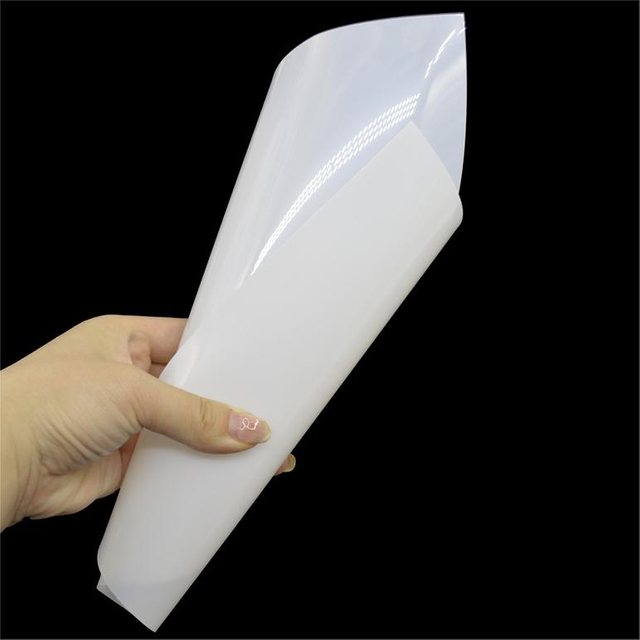
A white PP plastic sheet is an opaque polypropylene sheet used for packaging, printing, folding boxes, stationery, thermoforming, signage, templates, protective inserts and industrial fabrication. It combines low material weight, practical flexibility, moisture resistance, chemical resistance and repeated-fold performance.
HSQY supplies white polypropylene sheets in commonly requested thicknesses of 0.5 mm, 1 mm and 2 mm, with a broader customizable thickness range from 0.25 mm to 5 mm. Standard 1220 × 2440 mm and 915 × 1830 mm sheets are available, together with custom-cut dimensions.
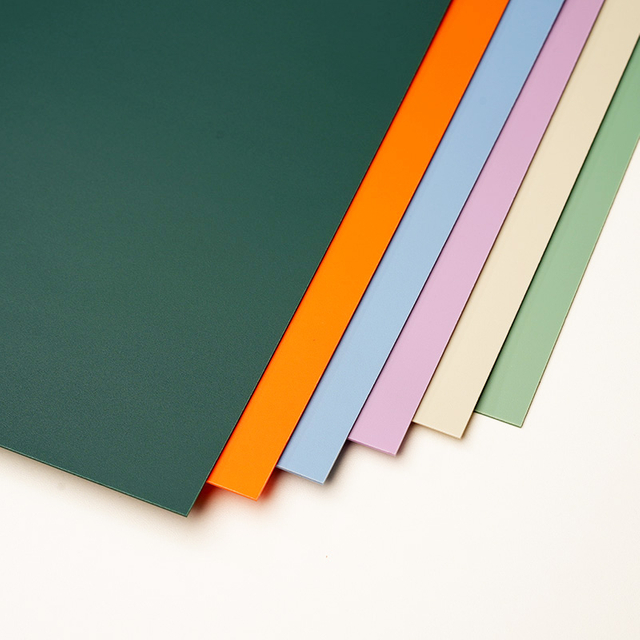
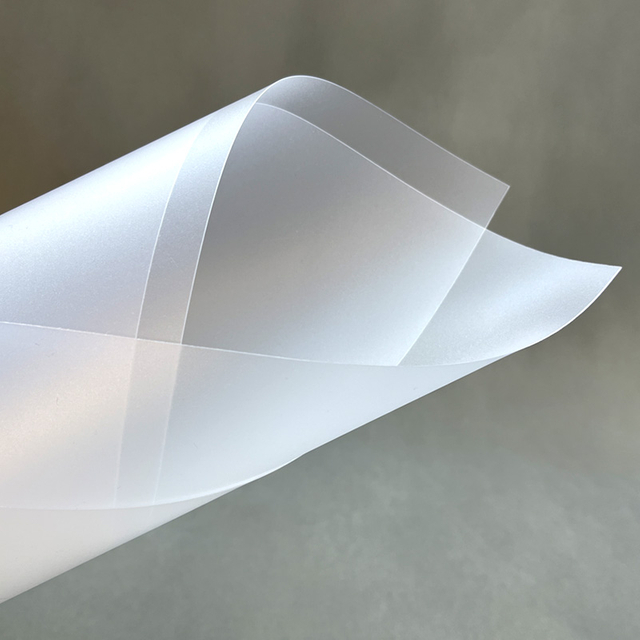
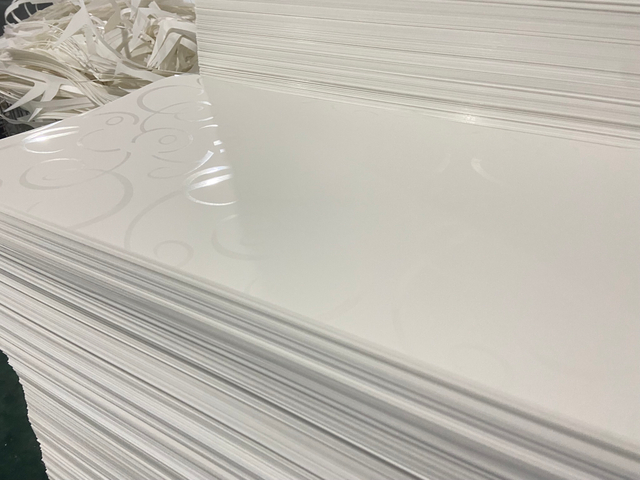
The white opaque surface provides a clean background for printing, labels, signs, packaging and decorative products. Clear, black and custom colors can also be produced with matte, frosted, twill, bark, orange-peel, fine-texture or coarse-texture finishes.
Custom formulations may include antistatic, conductive, flame-retardant or other project-specific properties. These performance levels are not standard in every PP sheet and must be confirmed according to the required test method, application and destination market.

Request White PP Sheet Pricing Request a PP Sheet Sample
White Polypropylene Sheet Video
Watch the video below to learn more about HSQY white polypropylene sheet surfaces, available specifications and typical converting applications.
White PP Plastic Sheet Specifications
| Property |
Available Specification |
| Product Name |
White PP Plastic Polypropylene Sheet |
| Material |
Polypropylene / PP |
| Featured Thicknesses |
0.5 mm, 1 mm and 2 mm |
| Available Thickness Range |
0.25 mm-5 mm; custom thickness subject to production confirmation |
| Standard Sheet Sizes |
1220 × 2440 mm, 915 × 1830 mm and custom dimensions |
| Supply Form |
Flat sheets and custom-cut pieces |
| Colors |
White, clear, black and custom colors |
| Surface Options |
Smooth, matte, frosted, twill, bark, orange-peel, fine texture, coarse texture and custom patterns |
| Functional Grades |
Antistatic, static-dissipative, conductive and flame-retardant formulations, subject to testing requirements |
| Printing Treatment |
Corona-treated or other printing-compatible options can be discussed according to the ink and printing process |
| Processing Methods |
Cutting, routing, punching, die-cutting, creasing, folding, welding, thermoforming and fabrication |
| Main Applications |
Packaging, printing, thermoforming, stationery, signage, templates, protective liners and industrial components |
| Protective Film |
Available for selected specifications when additional scratch protection is required |
| Packaging |
PE bag with kraft paper, or PE wrapping film with protective corners and wooden pallet |
| Sample |
Limited-size samples available for material and processing evaluation |
| Typical Production Time |
Approximately 7-10 days after payment and specification approval |
Final thickness tolerance, dimensions, color, surface texture, rigidity and functional performance should be confirmed through an approved sample, technical specification or purchase contract.
Differences Between 0.5 mm, 1 mm and 2 mm PP Sheets
Choosing the correct polypropylene sheet thickness depends on the required flexibility, stiffness, finished-product dimensions, load, folding structure, forming depth and processing equipment.
| Thickness |
General Characteristics |
Typical Applications |
| 0.5 mm |
Lightweight and relatively flexible; suitable for bending, folding and light-duty converted products |
Document covers, folders, templates, packaging inserts, dividers, lampshades and lightweight signs |
| 1 mm |
Balanced flexibility and rigidity with practical structural support |
Packaging boxes, display panels, stationery, tags, protective inserts and thermoformed components |
| 2 mm |
More rigid and suitable for stronger panels, larger components and heavier-duty fabrication |
Rigid signs, industrial liners, protective panels, structural inserts and durable templates |
These are general selection guidelines rather than fixed engineering rules. Resin grade, additives, surface structure, production direction, service temperature and finished-product design can significantly affect performance.
Key Benefits of White Polypropylene Sheets
Lightweight Material
Polypropylene has a relatively low material density, which can reduce finished-product weight, shipping weight and handling requirements compared with heavier plastic sheet materials.
Chemical Resistance
PP provides resistance to many acids, alkalis, detergents and commonly encountered chemicals. Compatibility should still be tested against the actual chemical, concentration, temperature and exposure time.
Low Moisture Absorption
Polypropylene does not readily absorb water, making it suitable for folders, packaging, signs, liners and fabricated products used in humid or frequently cleaned environments.
Living-Hinge and Repeated-Fold Performance
Suitable thin PP sheet grades can be scored and folded repeatedly to form living hinges for folders, boxes, cases and reusable packaging. Hinge direction, thickness, scoring geometry and processing conditions require validation.
Impact and Fatigue Resistance
PP offers useful resistance to repeated flexing and normal handling stresses. Actual impact behavior depends on whether a homopolymer, copolymer or modified formulation is selected.
Heat-Welding Capability
Polypropylene components can be joined using compatible hot-air, extrusion, ultrasonic or other thermal-welding methods. Welding temperature and equipment settings should be adjusted to the selected PP grade and thickness.
Custom Colors and Surface Textures
White, black, clear and custom colors can be combined with smooth, matte, frosted, twill, bark, orange-peel and other embossed surface finishes.
Functional Formulations
Antistatic, conductive and flame-retardant formulations can be developed for project-specific requirements. Functional additives may affect color, flexibility, impact strength, chemical resistance or fabrication behavior and must be evaluated as a complete material system.
PP Sheet Surface and Functional Options
| Option |
Main Characteristics |
Typical Applications |
| Smooth White |
Clean opaque appearance with a relatively even surface |
Packaging, printing, labels, signs and fabricated panels |
| Matte or Frosted |
Reduced reflection and less visible handling marks |
Stationery, decorative packaging, displays and folders |
| Twill or Bark Pattern |
Embossed decorative pattern with increased visual texture |
Covers, placemats, folders, craft sheets and decorative panels |
| Orange-Peel Pattern |
Textured surface that can reduce glare and conceal minor scratches |
Industrial panels, inserts, display components and decorative products |
| Corona-Treated |
Increased surface energy for improved ink, coating or adhesive wetting |
Screen printing, UV printing, offset printing, labeling and lamination |
| Antistatic |
Formulated to reduce static charge and dust attraction |
Electronics packaging, clean areas and static-sensitive handling |
| Conductive or Static-Dissipative |
Controlled electrical resistance for specified ESD applications |
Electronics trays, separators, work surfaces and component packaging |
| Flame-Retardant |
Modified to meet a defined flame-performance target |
Electrical, equipment, construction and industrial applications requiring documented fire performance |
Functional descriptions such as antistatic, conductive or flame-retardant are incomplete without a test standard. Buyers should provide the required resistance range, flame rating, test method, thickness and environmental conditions.
Printing on White Polypropylene Sheet
Polypropylene has relatively low surface energy, so untreated PP may provide limited adhesion for inks, coatings, labels and adhesives. Corona treatment, flame treatment, plasma treatment, primer or a compatible ink system may be required.
Screen Printing
Screen printing can be used for logos, text, solid colors and warning graphics. Ink must be formulated for PP or used with an appropriate surface treatment and primer.
UV and Digital Printing
UV and digital printing require validation of surface energy, ink wetting, curing energy, adhesion and scratch resistance. Printing should be tested after the same storage period expected in commercial production.
Offset Printing
Offset printing may be used on suitable treated PP sheets. Sheet feeding, static control, ink drying, adhesion and post-print folding performance should be evaluated.
Printing Treatment Aging
Surface-treatment effectiveness can decline during storage. Buyers should state the required dyne level, printing date and storage conditions, then verify surface energy before production printing.
Processing and Fabrication of PP Plastic Sheets
Cutting and Routing
PP sheets can be knife cut, routed, punched or mechanically cut. Tool condition, cutting speed, material temperature and sheet thickness affect edge quality and dimensional accuracy.
Die-Cutting
Thin and medium-gauge PP sheets can be die cut into packaging inserts, tags, dividers, templates and box profiles. Cutting pressure and die clearance must match the sheet thickness.
Creasing and Folding
Cold or heated creasing can be used for folders, boxes and living hinges. Score depth, hinge width, material direction and bend radius affect whitening, spring-back and fatigue life.
Welding
Hot-air welding, extrusion welding and ultrasonic joining may be used for compatible PP components. The selected method depends on sheet thickness, joint design, production volume and required strength.
Adhesive Bonding
Conventional adhesives may bond poorly to untreated PP. Surface activation and an adhesive specifically designed for low-surface-energy plastics may be required.
Thermoforming
Suitable PP grades can be vacuum formed or pressure formed into trays, covers, containers and shaped parts. Sheet heating, mold design, shrinkage, draw ratio, cooling and wall-thickness distribution require production trials.
How to Design a Living Hinge in PP Sheet
Polypropylene is frequently selected for reusable folders, cases and boxes because a thin hinge section can withstand repeated bending. Reliable hinge performance depends on material grade and part design.
Use a PP grade selected for repeated flexing rather than assuming every PP sheet has identical hinge performance.
Confirm the sheet production direction and orient the hinge according to the tested configuration.
Avoid cutting completely through the hinge area.
Use a consistent crease width and depth across the complete hinge.
Avoid sharp notches or corners that can concentrate stress.
Test the required number of opening and closing cycles under actual temperature conditions.
Applications of White PP Plastic Sheets
White polypropylene sheets are used across packaging, printing, apparel, footwear, stationery, advertising, decoration and industrial fabrication.
Packaging
Applications include folding boxes, reusable boxes, toy boxes, shoe boxes, gift packaging, internal inserts, dividers, protective backing sheets and packaging sleeves.
Thermoformed Packaging
Suitable grades can be formed into trays, covers, containers, liners and custom-shaped packaging components.
Apparel and Footwear
White PP sheets can be used for clothing templates, shoe pattern boards, scribing sheets, tags and reinforcement components.
Stationery
File folders, document wallets, notebook covers, tabbed dividers, mouse pads, calendar bases and reusable document cases can be produced from PP sheet.
Signs and Displays
Corona-treated white PP can be used for printed warning signs, workshop signs, luggage tags, display panels, advertising boards and point-of-sale components.
Decorative and Craft Products
Decorative applications include lampshades, placemats, photo-album boards, craft sheets, model components and aquarium backgrounds.
Industrial Components
PP sheets can be fabricated into protective liners, separator sheets, electrical barriers, machine guards, chemical-resistant panels and custom industrial parts.

Colored PP Sheet

Textured Polypropylene Sheet

Black PP Sheet
White PP Sheet vs. PVC, PET and HIPS Sheet
| Selection Factor |
PP |
PVC |
PET |
HIPS |
| Material Weight |
Relatively lightweight |
Heavier than PP |
Heavier than PP |
Moderate |
| Folding Fatigue |
Suitable for living hinges with correct grade and design |
Depends on formulation and thickness |
Requires careful crease design |
Not normally selected for repeated living hinges |
| Printing |
Usually requires surface treatment or compatible ink |
Generally easier to print with suitable ink |
Surface treatment may be required |
Commonly used for printing and signage |
| Chemical Resistance |
Strong resistance to many common chemicals |
Varies by chemical and formulation |
Good for many packaging environments |
More limited against some chemicals and solvents |
| Typical Strength |
Flexible and fatigue resistant |
Available from flexible to rigid |
Good stiffness and dimensional stability |
Good impact resistance and thermoforming behavior |
| Typical Selection |
Folders, living-hinge boxes, chemical-resistant parts and lightweight panels |
Printed packaging, covers, signage and fabricated sheets |
Clear packaging, printed sheets and thermoformed products |
Signs, displays, appliance liners and thermoformed parts |
Material selection should be based on the finished product, required stiffness, printing method, folding cycles, forming process, chemical exposure, regulations and total converted cost.
Food Packaging and Compliance Considerations
Polypropylene is widely used in food packaging, but a standard industrial PP sheet should not automatically be treated as approved for direct food contact. Compliance depends on the resin, additives, color masterbatch, recycled content and production conditions.
Buyers requiring food-contact material should specify the food type, contact temperature, contact duration, thermoforming process, destination country and applicable regulation.
Food-contact documentation should be checked against the exact grade, color, thickness and production specification being purchased.
Outdoor Use and Temperature Considerations
Standard PP sheet is mainly intended for indoor or controlled applications. Long-term ultraviolet exposure can affect color, surface condition and mechanical properties unless a UV-stabilized formulation is specified.
The practical operating-temperature range depends on PP grade, thickness, load, additives, forming history and exposure duration. Testing should reproduce actual operating, storage and transport conditions.
Low temperatures may reduce flexibility or impact performance, while sustained heat and mechanical load may cause deformation. Critical projects require grade-specific technical data.
Recommended Sample and Quality Checks
Thickness, sheet dimensions and dimensional tolerances.
White color, opacity and batch-to-batch color consistency.
Smooth, matte, frosted or embossed surface appearance.
Flexibility, rigidity and impact behavior.
Cutting, punching and die-cutting edge quality.
Creasing, folding and living-hinge fatigue.
Printing adhesion and required surface energy.
Welding or adhesive-bonding strength.
Thermoforming shrinkage, draw depth and wall distribution.
Chemical, temperature and outdoor exposure performance.
Antistatic, conductive or flame-retardant test results where applicable.
Custom White PP Sheet Options for B2B Buyers
HSQY supports polypropylene sheet projects for packaging converters, thermoforming companies, printers, stationery manufacturers, footwear factories, apparel suppliers, sign makers, distributors and industrial fabricators.
Custom thicknesses from 0.25 mm to 5 mm.
Standard and custom-cut sheet dimensions.
White, black, clear and customized colors.
Smooth, matte, frosted and embossed surface textures.
Corona-treated surfaces for printing and lamination.
Antistatic, conductive and flame-retardant formulations.
Protective film and custom surface protection.
Sheet cutting, pallet packing and customized export packaging.
Samples for printing, folding, welding and thermoforming tests.
Information Required for a PP Sheet Quote
Required thickness and tolerance.
Sheet width, length and cutting tolerance.
White, black, clear or custom color.
Smooth, matte, frosted or embossed surface.
Required opacity or color-matching reference.
Printing, folding, welding or thermoforming method.
Corona-treatment or dyne-level requirement.
Antistatic, conductive or flame-retardant specification.
Trial quantity, bulk quantity and annual demand.
Packaging and protective-film requirements.
Destination port and required delivery date.
Food-contact, electrical, flame or other compliance documentation.
Send Your White PP Sheet Requirements
Packaging and Delivery

Packing type: PE bag with kraft paper, or PE wrapping film with protective corners and wooden pallet.
Standard packing size: 4 × 8 ft sheets or customized according to sheet dimensions and customer requirements.
Surface protection: Protective film, kraft paper, corner protection and pallet reinforcement can be used to reduce scratching, contamination and edge damage.
Custom packing: Pallet weight, sheet count, labels, barcodes and export marks can be discussed according to warehouse and unloading requirements.
Typical production time: Approximately 7-10 days after payment and specification approval, subject to color, texture, functional grade, order quantity and production schedule.
Why Choose HSQY as Your White PP Sheet Supplier?
HSQY Plastic Group supplies PP, PVC, PET, CPET and other plastic sheet and packaging materials to converters, printers, thermoforming companies, stationery manufacturers, distributors and industrial buyers.
Featured 0.5 mm, 1 mm and 2 mm white PP sheets.
Broader custom thickness range from 0.25 mm to 5 mm.
Standard and custom-cut sheet dimensions.
Multiple colors and embossed surface patterns.
Printing-compatible, antistatic, conductive and flame-retardant options.
Samples for appearance and processing tests.
Protective film and customized export packaging.
Bulk production support for distributors and OEM projects.
Before bulk production, customers should test the selected PP sheet with their actual printing ink, die-cutting tool, crease design, welding equipment, adhesive and thermoforming mold.
Contact HSQY for Samples and Pricing
Frequently Asked Questions About White PP Plastic Sheets
What is a white PP plastic sheet?
A white PP plastic sheet is an opaque sheet manufactured from polypropylene. It is lightweight, moisture resistant and suitable for packaging, stationery, signs, templates, thermoforming and industrial fabrication.
What is the difference between 0.5 mm, 1 mm and 2 mm PP sheets?
A 0.5 mm PP sheet is relatively flexible and suitable for folders, light packaging and curved products. A 1 mm sheet balances flexibility and rigidity, while a 2 mm sheet provides greater support for panels, rigid inserts and industrial parts.
Is 0.5 mm PP sheet suitable for folding boxes?
It can be suitable for lightweight folding boxes, folders and packaging structures. Finished box dimensions, product weight, crease design and required stiffness must be tested.
Is 1 mm PP sheet flexible?
A 1 mm PP sheet normally provides a balance of flexibility and rigidity. Its actual bending behavior depends on resin grade, additives, sheet dimensions and temperature.
Is 2 mm PP sheet rigid?
A 2 mm PP sheet is more rigid than 0.5 mm or 1 mm material, but it remains less rigid than some engineering plastics. Panel dimensions, support spacing and load affect finished stiffness.
Can PP sheets be folded repeatedly without breaking?
Suitable PP grades can provide good repeated-fold and living-hinge performance when the correct thickness, hinge direction, crease geometry and processing method are used.
Can white polypropylene sheet be thermoformed?
Yes. Suitable grades can be vacuum formed or pressure formed into trays, covers, containers and shaped parts. Heating, mold design, shrinkage and wall distribution require testing.
Can PP sheets be printed?
Yes, but polypropylene has low surface energy. Corona treatment, flame treatment, primer or a compatible PP ink may be needed to obtain reliable adhesion.
What is corona-treated PP sheet?
Corona-treated PP has undergone a surface-activation process that increases surface energy and helps inks, coatings or adhesives wet the surface more effectively.
Does corona treatment remain effective permanently?
Surface-treatment effectiveness may decline during storage. Buyers should verify the dyne level before printing and provide the expected printing date when ordering treated PP sheet.
Can polypropylene sheets be welded?
PP can be joined using compatible heat-welding processes, including hot-air, extrusion and ultrasonic methods. Joint design and welding settings should be tested.
Can PP sheet be glued?
Untreated PP can be difficult to bond with conventional adhesives. Surface treatment and an adhesive designed for low-surface-energy plastics may be required.
Are white PP sheets suitable for food packaging?
Food-contact suitability depends on the exact resin, additives, masterbatch and applicable regulations. Buyers must specify the food type, contact conditions and destination market.
Are PP plastic sheets recyclable?
Polypropylene is commonly identified by resin code 5. Actual recycling depends on local collection, sorting, contamination, additives and recycling infrastructure.
Can PP sheet be used outdoors?
Standard PP is mainly intended for indoor use. Outdoor applications may require UV-stabilized material and testing for sunlight, weather, temperature and expected service life.
Are antistatic and conductive PP sheets available?
Yes. Buyers should provide the required surface-resistance range, color, thickness, test method and intended ESD application.
Are flame-retardant PP sheets available?
Flame-retardant formulations can be discussed. The required rating, test method, thickness and color must be specified because flame-retardant additives can change material properties and fabrication behavior.
Can the color and surface texture be customized?
Yes. HSQY supports white, black, clear and custom colors with matte, frosted, twill, bark, orange-peel, fine-texture and coarse-texture finishes.
Can HSQY cut PP sheets to custom dimensions?
Yes. Custom-cut dimensions can be supplied according to thickness, cutting tolerance, minimum order quantity and production feasibility.
Are white PP sheet samples available?
Limited-size samples may be available for checking thickness, color, texture, printing, folding, welding and thermoforming performance. Buyers normally cover courier freight.
What is the typical production time?
Standard production normally takes approximately 7-10 days after payment and specification approval. Custom colors, textures and functional grades may require additional time.
What information is required for a PP sheet quotation?
Provide the thickness, dimensions, quantity, color, surface texture, printing treatment, functional requirements, application, processing method, packaging, destination and required compliance documents.
Get a Custom White PP Sheet Quote