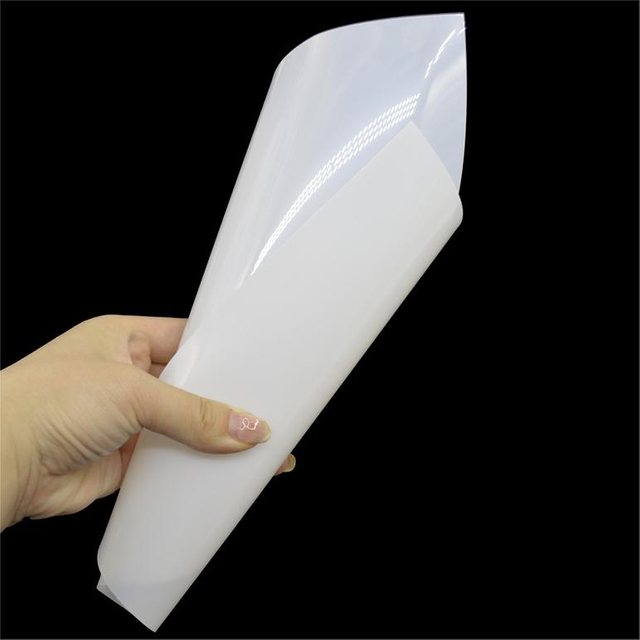
Thin White PP Polypropylene Sheet for Printing and Packaging
HSQY thin white polypropylene sheet is a lightweight solid PP plastic sheet developed for printing, stationery, folding packaging, dividers, reusable covers, thermoformed components and industrial conversion. The white appearance provides a clean background for graphics, labeling and product identification, while the polypropylene base offers low moisture absorption, practical chemical resistance and good fatigue performance.
The available thickness range is approximately 0.25mm to 5mm, with thin gauges such as 0.25mm, 0.3mm, 0.5mm, 0.8mm and 1mm commonly evaluated for folders, document covers, packaging inserts, printed panels, die-cut parts and thermoforming. The maximum reference width is 1600mm, and customized sheet or roll dimensions can be discussed according to the selected thickness and production process.
Smooth, matte, twill, sand, patterned and frosted surfaces are available subject to specification. For printing, coating or adhesive lamination, buyers should specify whether one-side or two-side corona treatment, primer or another surface-preparation method is required. Final ink adhesion, fold endurance, forming behavior and regulatory suitability should be verified using the actual production grade.
Thin White Polypropylene Sheet Video
Thin White PP Sheet Images

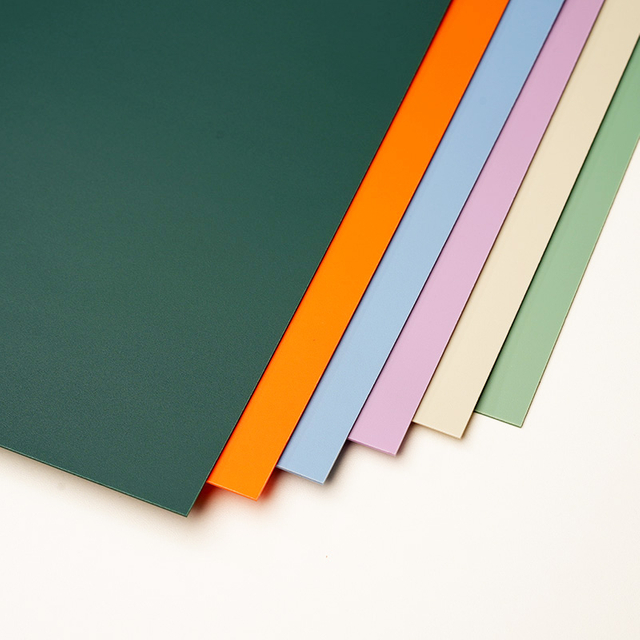
Thin White Polypropylene Sheet

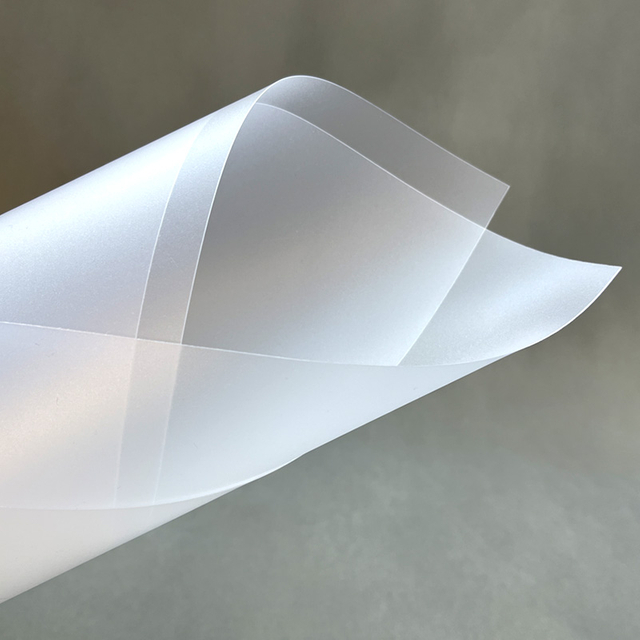
Smooth White PP Sheet

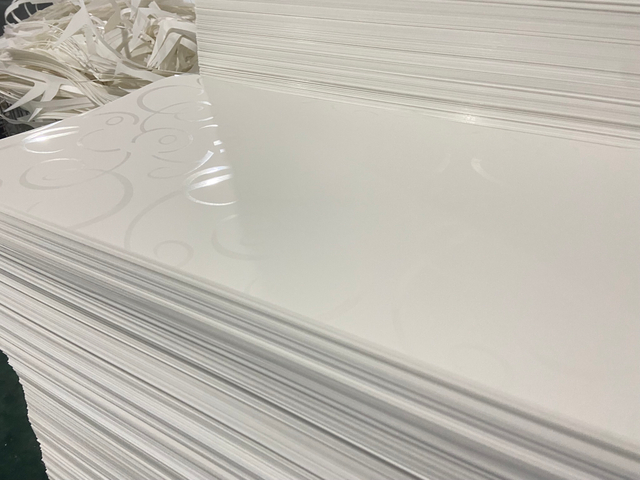
White PP Sheet for Conversion
Thin White Polypropylene Sheet Specifications
| Property |
Available Options |
| Product Name |
Thin White PP Polypropylene Sheet |
| Material |
Polypropylene Plastic |
| Color |
White; customized whiteness, opacity and shade subject to approved sample |
| Thickness Range |
Approximately 0.25mm–5mm; thin-gauge availability depends on width, texture and order specification |
| Common Thin Gauges |
0.25mm, 0.3mm, 0.5mm, 0.8mm and 1mm, subject to confirmation |
| Maximum Width |
Up to 1600mm; customized width and cut size available |
| Supply Format |
Sheet or roll depending on thickness, width, winding requirements and production feasibility |
| Surface Textures |
Smooth, matte, glossy, twill, sand, patterned and frosted |
| Surface Treatment |
Untreated, one-side corona treated, two-side corona treated or project-specific printable surface |
| Processing |
Printing, die-cutting, scoring, folding, punching, heat sealing, thermoforming and fabrication, subject to grade |
| Typical Applications |
Stationery, folders, packaging, inserts, displays, printed panels, dividers and thermoformed components |
| Functional Options |
Antistatic, UV-stabilized, flame-retardant, impact-modified or food-contact grades may be discussed |
| Compliance |
Required reports must be confirmed for the exact resin, pigment, additives, thickness and destination market |
What Is Thin White Polypropylene Sheet?
Thin white polypropylene sheet is a solid polyolefin sheet produced from PP resin with white pigment and, where required, processing or functional additives. It is thinner and more flexible than heavy PP plate, making it suitable for products that must be cut, scored, folded, printed, heat sealed or formed at commercial production speeds.
This material is different from fluted or corrugated polypropylene board. Thin solid PP sheet has no hollow channels and provides a continuous surface for graphics, die-cut details, hinges, seals and thermoformed shapes.
Key Benefits of Thin White PP Sheets
Clean white printing background: White pigment provides a consistent base for graphics, instructions, branding, color coding and product identification.
Lightweight construction: Polypropylene has a relatively low density, helping reduce the weight of folders, packaging inserts, signs, covers and thermoformed parts.
Low moisture absorption: PP absorbs very little water, making it useful for washable products, humid environments and applications where paperboard may soften.
Practical chemical resistance: Polypropylene resists many diluted acids, alkalis and aqueous chemicals. Compatibility must be tested for the exact chemical, concentration, temperature and exposure time.
Fold and hinge potential: Suitable thin grades can be scored and folded for folders, boxes and reusable closures. Hinge orientation, score geometry and resin grade affect service life.
Multiple surface finishes: Smooth, matte and textured surfaces allow buyers to balance print appearance, glare, grip, scratch visibility and product presentation.
Custom conversion options: Thickness, width, cut size, whiteness, opacity, corona treatment and packing can be adjusted according to the project.
Thin PP Sheet Thickness Selection
| Thickness |
General Characteristics |
Typical Applications |
| 0.25mm–0.3mm |
Very thin and flexible; suitable for high-volume cutting, folding and lightweight conversion |
Packaging liners, labels, separators, lightweight folder components and thermoformed disposable parts |
| 0.4mm–0.5mm |
Balanced flexibility and shape retention with good handling during printing and die-cutting |
Document covers, packaging boxes, binders, display graphics, stencils and reusable dividers |
| 0.6mm–1mm |
More stiffness for stronger covers, panels and formed components |
Reusable boxes, trays, POS panels, machine labels, protective inserts and thermoformed packaging |
| Above 1mm |
Semi-rigid to rigid sheet for fabricated parts and larger components |
Partitions, protective covers, industrial panels, fabricated boxes and equipment components |
Final thickness should be selected according to part dimensions, load, fold radius, forming depth, printing equipment, required opacity and support structure. Samples should be evaluated before commercial production.
White Shade, Opacity and Surface Options
White PP sheet can be adjusted for visual shade, opacity and surface appearance. Buyers should provide an approved physical sample or agreed color reference when a specific warm white, cool white, high-opacity white or translucent white appearance is required.
Smooth or glossy: Produces stronger surface reflection and a brighter visual appearance for printed graphics and decorative packaging.
Matte: Reduces glare and can make fingerprints and minor handling marks less noticeable.
Twill or patterned: Adds visual texture and grip for folders, reusable covers and industrial liners.
Sand texture: Creates a fine-grained surface for packaging, organizers and protective components.
Frosted: Provides a softer, low-glare surface and can be specified for decorative or partially translucent applications.
Corona-Treated White PP Sheet for Printing
Polypropylene has a chemically inert, low-surface-energy surface. Untreated sheet may not provide dependable wetting and adhesion for inks, coatings or adhesives. Corona treatment, flame treatment, primer or a purpose-designed printable surface can increase surface energy and improve converting performance.
Buyers should specify the printing method, ink system, treatment side and required dyne level. Surface treatment can decline during storage, so dyne testing and in-line retreatment may be necessary before printing. Final print adhesion, curing, scratch resistance, fold performance and color density should be checked on the production sheet.
UV offset printing for folders, packaging and promotional products.
Screen printing for signs, labels, control panels and industrial graphics.
UV digital printing for customized graphics and shorter production runs.
Lithographic printing where the sheet, treatment and ink system are compatible.
Adhesive lamination and labeling after bond-strength testing.
Cutting, Folding and Fabrication
Knife cutting, guillotine cutting and die-cutting for thin-gauge sheets.
Scoring and creasing for folders, boxes, document covers and living-hinge designs.
Punching and drilling for tabs, slots, mounting holes and assembly features.
Heat sealing and welding for compatible PP structures and converted products.
Thermoforming for trays, cups, covers and three-dimensional packaging components.
Printing, coating and bonding after appropriate surface preparation and process trials.
For repeated folding, the hinge direction should be considered in relation to extrusion orientation. Score depth, radius, resin type, pigment level and operating temperature can all affect crack resistance and hinge life.
Applications of Thin White Polypropylene Sheet
Stationery products: Ring-binder covers, document folders, index dividers, notebook covers, file boxes and reusable organizers.
Printing and graphics: Printed panels, menus, stencils, labels, POS displays, promotional products and indoor signs after suitable surface treatment.
Folding packaging: Reusable boxes, sleeves, inserts, separators, protective liners and product presentation components.
Thermoformed packaging: Trays, cups, lids, protective covers and formed inserts using a grade qualified for the forming process and intended end use.
Industrial conversion: Machine labels, dividers, protective sheets, color-coded parts, component covers and die-cut insulation or separation pieces.
Food, pharmaceutical and healthcare projects: Only grades supported by the applicable food-contact, cleanliness, migration, biocompatibility or regulatory documents should be selected.
White PP Sheet vs White PVC and PET Sheet
| Material |
Typical Strengths |
Selection Considerations |
| White PP Sheet |
Lightweight, moisture resistant, foldable, heat sealable and chemically resistant |
Printing and bonding normally require surface treatment; stiffness and low-temperature impact depend on grade |
| White PVC Sheet |
Good printability, dimensional stability and broad decorative surface options |
Material composition, plasticizer content, disposal requirements and end-use regulations must be considered |
| White PET Sheet |
Good stiffness, thermoforming performance and established packaging applications |
Less suitable than PP for repeated living hinges; sealing system and heat resistance depend on structure |
Indoor and Outdoor Use
Standard white polypropylene sheet is primarily recommended for indoor printing, stationery, packaging and industrial conversion. Prolonged exposure to ultraviolet light can cause color change, chalking and loss of mechanical performance.
Outdoor applications should specify a UV-stabilized formulation and define the expected service life, exposure environment and test method. UV stabilization can improve weathering performance but should not be described as guaranteeing that white PP will never yellow.
Food-Contact and Medical Grade Requirements
White color alone does not make a polypropylene sheet food grade or medical grade. Suitability depends on the resin, white pigment, additives, recycled content, manufacturing controls and the documentation required in the destination market.
Buyers should state the food type, contact conditions, sterilization method, cleanliness requirement and applicable regulation before ordering. Medical applications may additionally require biocompatibility, sterilization resistance, traceability and change-control documentation that are not covered by a general-purpose PP sheet certificate.
Custom Thin White PP Sheet Options
Custom thickness, width, length and dimensional tolerance.
Sheet or roll format according to gauge and winding feasibility.
Custom white shade, opacity and surface gloss.
Smooth, matte, twill, sand, patterned and frosted textures.
One-side or two-side corona treatment for printing or lamination.
Antistatic, UV-stabilized, impact-modified or flame-retardant formulations subject to technical review.
Food-contact or other controlled grades subject to applicable documentation.
Protective film, interleaving, cartons, rolls, pallets and custom export packing.
Information Required for a Quotation
| Quotation Item |
Information to Provide |
| Dimensions |
Thickness, width, length or roll size, core diameter and tolerance |
| Appearance |
White shade, opacity, gloss and approved color sample |
| Surface |
Smooth, matte, textured, one-side treatment or two-side treatment |
| Printing |
UV offset, screen, UV digital, lithographic or another ink system; required dyne level |
| Processing |
Die-cutting, folding, heat sealing, thermoforming, welding or adhesive lamination |
| Application |
Finished product, operating temperature, chemical exposure and expected service life |
| Compliance |
Food contact, RoHS, REACH, flame rating, antistatic target or other required test standard |
| Commercial Details |
Quantity, packing method, destination port, delivery terms and required date |
Packing
Thin white PP sheets can be packed with protective film, interleaving, PP bags, cartons, kraft paper, corner protection and export pallets. Roll material can be protected with end caps and moisture-resistant wrapping. The packing method should be selected according to surface finish, sheet dimensions, roll weight and shipment route.

Global Exhibitions
HSQY Plastic Group participates in international plastic, packaging and manufacturing exhibitions to meet converters, distributors and industrial buyers from different markets.

Certifications and Test Documents
Certificates and reports should be matched to the exact polypropylene resin, white pigment, additive package, recycled-content status, thickness and production batch. Buyers should identify the required standard before production so the applicable documentation can be confirmed.

Frequently Asked Questions About Thin White PP Sheets
What is thin white polypropylene sheet used for?
It is used for printed folders, document covers, packaging, dividers, labels, POS displays, die-cut components, protective liners and thermoformed products. The correct gauge and grade depend on the conversion process and finished product.
What thicknesses are available?
The reference range is approximately 0.25mm to 5mm. Common thin gauges include 0.25mm, 0.3mm, 0.5mm, 0.8mm and 1mm, subject to width, texture and production confirmation.
Is white PP sheet available in rolls and sheets?
Yes. Thin material may be supplied in rolls or cut sheets, depending on gauge, width, roll diameter, core size, flatness requirements and processing equipment.
Can the white shade and opacity be customized?
Yes. White shade, opacity and gloss can be developed against an approved sample or agreed reference. Color tolerance and approval procedure should be defined before bulk production.
Can thin polypropylene sheet be printed?
Yes, but PP normally requires corona treatment, flame treatment, primer or a printable surface because untreated polypropylene has low surface energy. Ink adhesion must be tested with the intended printing system.
What is one-side and two-side corona treatment?
One-side treatment prepares one surface for printing or bonding. Two-side treatment prepares both surfaces. The required treatment side and dyne level should be specified in the purchase order.
Does corona treatment last permanently?
No. Surface treatment can decline during storage because of aging, additives and handling. Dyne testing and in-line retreatment may be required before printing, coating or lamination.
Can white PP sheet be folded repeatedly?
Suitable PP grades can provide durable folds and living hinges. Resin grade, extrusion orientation, score depth, hinge radius, pigment content and operating temperature should be tested in the final design.
Can thin white PP sheet be thermoformed?
Yes. Appropriate grades can be thermoformed into trays, cups, covers and inserts. Heating uniformity, shrinkage, forming depth, mold design and wall distribution should be validated before production.
Is white polypropylene sheet waterproof?
Solid PP has very low moisture absorption and resists ordinary water exposure. Whether a finished box, tray or cover is watertight depends on seams, holes, folds, welds and assembly design.
Is white PP resistant to chemicals?
PP resists many diluted acids, alkalis and aqueous chemicals, but it is not resistant to every solvent or chemical. Compatibility depends on concentration, temperature, exposure time and mechanical stress.
Is thin white PP sheet food grade?
Food-contact suitability depends on the exact resin, pigment, additives and production controls. Request the applicable declaration and test documents for the food type, contact conditions and destination market.
Is white PP sheet suitable for medical products?
General-purpose PP should not automatically be treated as medical grade. Medical applications may require a controlled formulation, biocompatibility, sterilization testing, traceability and formal change control.
Can thin white PP sheet be used outdoors?
Standard PP is mainly recommended for indoor use. Outdoor projects should use a UV-stabilized grade and define the expected service life, color retention and exposure conditions.
Can HSQY provide samples?
Stock or project samples may be available for checking thickness, whiteness, opacity, texture, dyne level, print adhesion, folding and thermoforming. Customized samples may require a trial-production process.
What information is needed for a quotation?
Provide thickness, width, length or roll size, quantity, white shade, opacity, surface finish, corona-treatment requirement, printing method, application, functional requirements, packing method and destination.
About HSQY Plastic Group
HSQY Plastic Group supplies thin white polypropylene sheets, colored PP sheets, printable PP sheets, thermoforming sheet and customized plastic materials for printing companies, stationery manufacturers, packaging converters, industrial fabricators, importers and distributors.
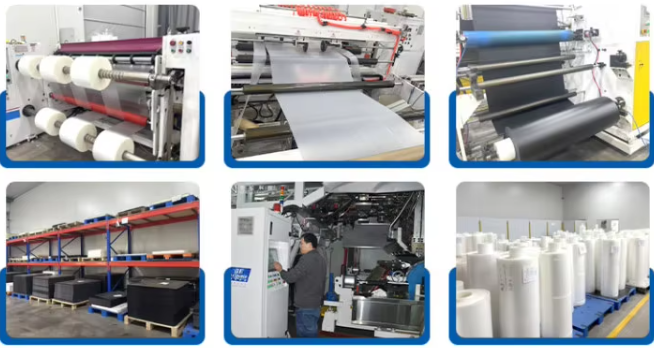
HSQY supports customized thicknesses, white shades, textures, sheet or roll dimensions, corona treatment, samples, technical documents, export packing and bulk production. Application and processing requirements are reviewed before commercial production.
Request a Quote and Sample