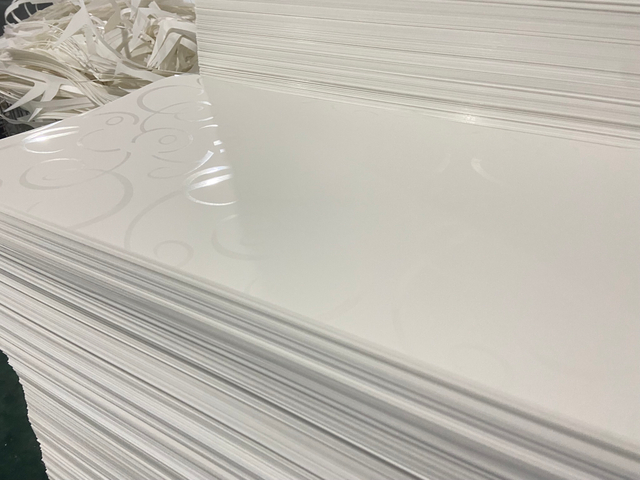
What Is a Colored PP Sheet for Printing?
A colored PP sheet for printing is a lightweight polypropylene plastic sheet manufactured with a controlled surface, color, thickness and treatment level for printing, folding, die-cutting and packaging conversion.
HSQY supplies printing-grade colored polypropylene sheets in featured thicknesses of 0.3mm and 0.5mm. A broader customized thickness range from approximately 0.25mm to 5mm is available according to sheet width, stiffness, printing process, converting method and minimum-order requirements.
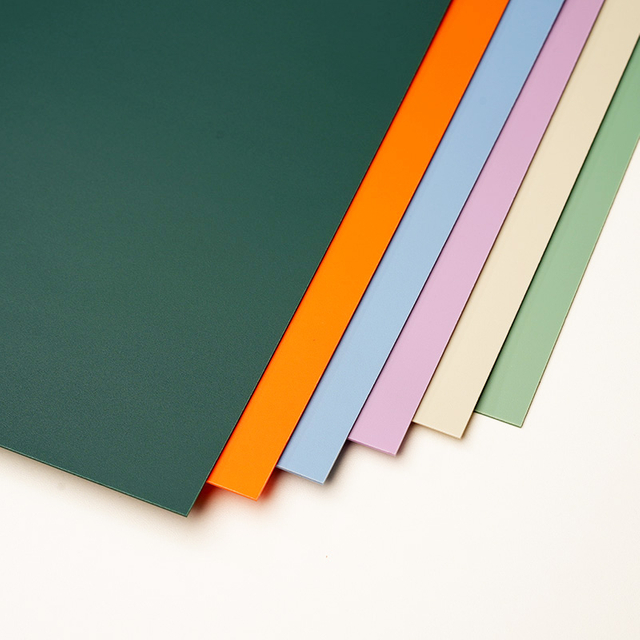
Available colors include white, black, natural, translucent, red, blue, green, yellow, orange, grey and customized colors matched to an approved physical sample or defined color reference.
The material can be supplied with smooth, matte, frosted, sand, embossed or other customized surfaces. One-side or two-side corona treatment can be specified to improve the wetting and adhesion of compatible inks, coatings and adhesives.
Printing-grade PP sheet is commonly used for folding boxes, folders, notebook covers, dividers, labels, promotional displays, point-of-sale materials, advertising panels, packaging inserts and reusable stationery.
Polypropylene naturally has relatively low surface energy. Standard untreated PP should not automatically be considered printable. The sheet surface, corona-treatment level, ink chemistry, curing method and printing equipment must be matched before production.
Screen printing, UV offset printing, selected UV digital printing and hot-foil transfer may be possible with the correct printing-grade formulation. Ordinary aqueous inkjet and toner-based laser printing are generally unsuitable unless the material has been specifically engineered and tested for those processes.
Request Colored PP Sheet Pricing Request Printing Samples
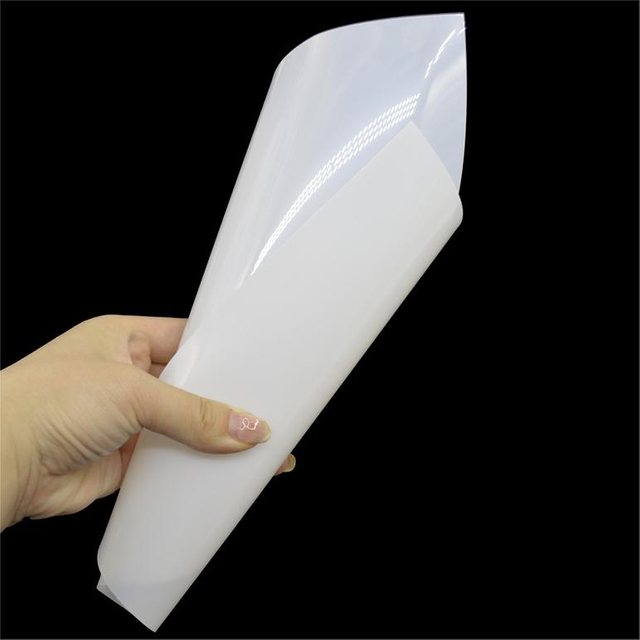
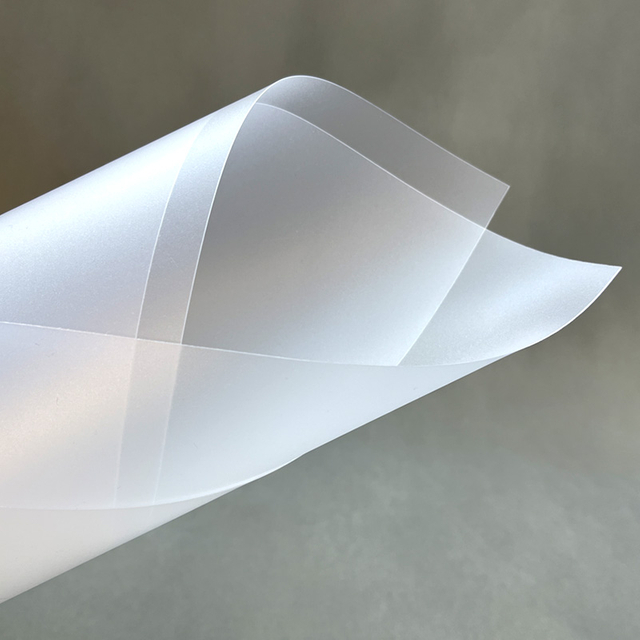
Colored Polypropylene Sheet Images
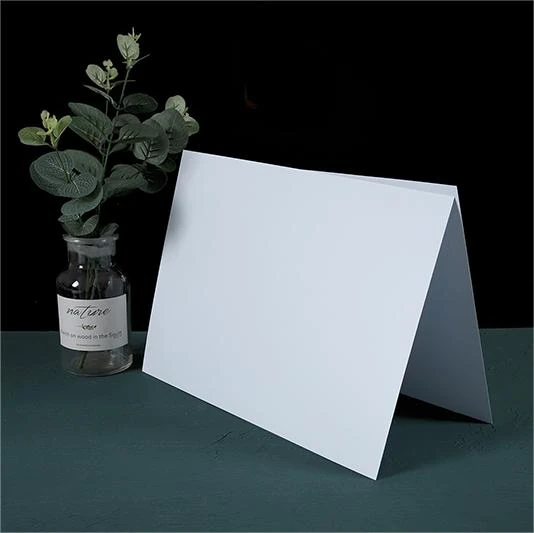
Colored PP Printing Sheet

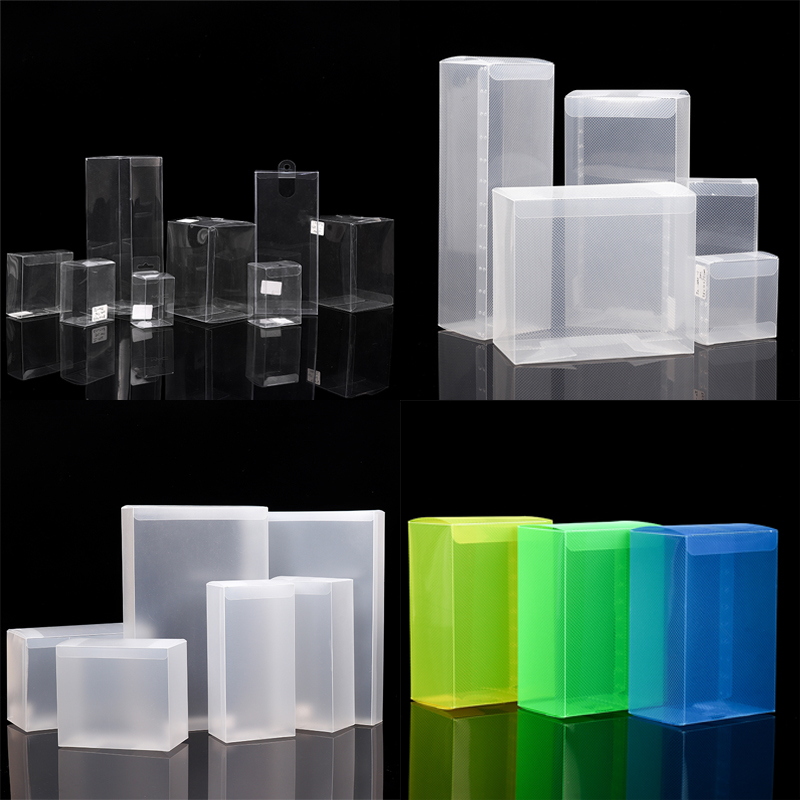
Colored PP Packaging Sheet

Colored PP Sheet Packaging
Colored PP Sheet Product Video
Watch the video below to learn more about HSQY colored polypropylene sheets, available colors, surfaces, dimensions and printing applications.
Colored PP Polypropylene Sheet Specifications
| Property |
Available Specification |
| Product Name |
Colored PP Polypropylene Sheet for Printing |
| Alternative Names |
Printable PP Sheet, Corona-Treated PP Sheet, Colored Polypropylene Printing Sheet and PP Folding-Box Sheet |
| Material |
Polypropylene / PP |
| Featured Thicknesses |
0.3mm and 0.5mm |
| Customized Thickness Range |
Approximately 0.25mm-5mm, subject to width, surface, color and production confirmation |
| Width Range |
Approximately 300mm-1700mm |
| Standard Sheet Sizes |
915 × 1830mm, 1220 × 2440mm, 1560 × 3050mm and 2050 × 3050mm where production width permits |
| Imperial Size References |
Approximately 3 × 6 ft, 4 × 8 ft and customized dimensions |
| Supply Form |
Flat sheets, rolls, slit rolls and custom-cut pieces subject to thickness |
| Colors |
White, black, natural, translucent, red, blue, green, yellow, orange, grey and customized colors |
| Color Matching |
Based on an approved physical sample, color reference or agreed tolerance |
| Opacity |
Transparent, translucent, semi-opaque, opaque or customized |
| Surface Finish |
Smooth, gloss, matte, frosted, fine sand, coarse sand, embossed or customized texture |
| Surface Treatment |
Untreated, one-side corona treated, two-side corona treated, primer coated or customized |
| Treatment Level |
Specified according to ink, printing method, storage time and customer test requirements |
| Printing Methods |
Screen printing, UV screen printing, UV offset printing, selected UV digital printing and hot-foil transfer after compatibility testing |
| Ordinary Inkjet and Laser Printing |
Not generally recommended unless a specifically coated and equipment-compatible grade is supplied |
| Converting Methods |
Cutting, slitting, die-cutting, punching, scoring, creasing, folding, hot stamping and ultrasonic welding |
| Typical Density |
Approximately 0.90-0.92 g/cm³, depending on formulation and additives |
| Functional Options |
Antistatic, conductive, UV-stabilized, impact-modified and flame-retardant formulations subject to defined test requirements |
| Food-Contact Option |
Available using application-specific raw materials and documentation for the intended market and contact conditions |
| Medical-Application Option |
Requires separately qualified resin, additives, cleanliness controls and application-specific documentation |
| Main Applications |
Packaging, folding boxes, stationery, signage, displays, labels, templates, separators and industrial converted products |
| Minimum Order Quantity |
Approximately 500kg for standard specifications; custom colors and functional grades may require a different MOQ |
| Samples |
A4 or limited-size samples may be available for color, surface and printing trials |
| Available Documentation |
Applicable SGS reports and ISO quality-management documentation subject to the final specification |
| Payment Terms |
T/T, L/C and other terms subject to commercial confirmation |
| Trade Terms |
EXW, FOB, CNF, CIF and other agreed international trade terms |
| Typical Production Time |
Approximately 7-10 days for standard orders, subject to quantity, color and current production schedule |
| Packaging |
PE bags, kraft paper, protective film, cartons, corner protection and plywood pallets |
Final thickness tolerance, width, color, opacity, gloss, surface treatment, dyne level, printing side and functional properties should be confirmed through an approved sample and written product specification.
How Is Printing-Grade PP Different from Standard PP Sheet?
| Comparison |
Standard PP Sheet |
Printing-Grade PP Sheet |
| Surface Energy |
Naturally low and often unsuitable for reliable ink adhesion |
Treated or coated according to the intended ink and printing process |
| Print Side Identification |
Usually not defined |
One or both treated sides can be identified and labeled |
| Ink Adhesion |
Variable and frequently poor without pretreatment |
Improved when used with compatible ink, curing and surface treatment |
| Surface Consistency |
Designed primarily for general fabrication or forming |
Controlled for color, gloss, texture, cleanliness and print appearance |
| Typical Application |
Fabrication, liners, separators, trays and industrial components |
Packaging graphics, folders, displays, labels and promotional products |
Corona Treatment and Dyne-Level Requirements
Polypropylene has a non-polar, low-surface-energy surface. Corona treatment temporarily modifies the surface so compatible ink, coating or adhesive can wet and bond more effectively.
One-Side Corona Treatment
One-side treatment is suitable when graphics, labels or coatings will only be applied to one surface. The treated side should be marked or identified on the packaging.
Two-Side Corona Treatment
Two-side treatment may be selected for double-sided printing, coating, laminating or applications where either surface could enter the printing line.
Treatment Decay During Storage
Corona-treatment effectiveness can decrease during transportation and storage. The rate depends on the resin, additives, treatment level, temperature, humidity and packaging.
Verify the Surface Before Printing
Buyers should measure or otherwise verify the surface condition before printing, particularly after extended storage. Additional inline corona or flame treatment may be required by the converter.
Specify the Ink and Printing Date
When requesting a quotation, provide the ink type, printing process, required treatment side, target dyne level and estimated time between material production and printing.
Printing Methods for Colored PP Sheet
| Printing Method |
General Suitability |
Important Checks |
| Screen Printing |
Commonly used for solid colors, logos, text and durable graphics |
PP-compatible ink, treatment level, mesh, curing and scratch resistance |
| UV Screen Printing |
Suitable for high-color-density graphics on treated PP |
UV dose, ink flexibility, post-print folding and surface adhesion |
| UV Offset Printing |
Suitable for high-volume folders, covers, packaging and promotional sheets |
Static control, feeder setup, ink adhesion, curing and sheet flatness |
| UV Digital Printing |
Possible with selected treated or primed printing-grade sheets |
Printer model, ink system, adhesion, flexibility and curing temperature |
| Hot-Foil Stamping |
Suitable for metallic logos, decorative graphics and premium packaging |
Foil compatibility, temperature, pressure, dwell time and PP deformation |
| Flexographic Printing |
May be suitable for thin sheet or roll applications after material and equipment testing |
Web handling, ink chemistry, corona level, drying and registration |
| Ordinary Aqueous Inkjet |
Generally unsuitable for standard PP without a dedicated absorbent coating |
Use only a specifically coated inkjet-printable grade tested with the printer and ink |
| Toner or Laser Printing |
Generally not recommended for standard PP sheet |
Fuser heat, sheet deformation, toner adhesion and printer safety |
0.3mm vs. 0.5mm Colored PP Printing Sheet
| Thickness |
General Characteristics |
Typical Applications |
| 0.3mm |
Lightweight, flexible and easier to crease, fold and convert |
Folder pockets, dividers, labels, light packaging, notebook covers and promotional inserts |
| 0.5mm |
Greater stiffness, opacity, dimensional support and impact resistance |
Rigid folders, display panels, folding boxes, desk mats, signage and packaging inserts |
Thickness selection should also consider sheet size, ink coverage, fold design, box dimensions, loading weight, opacity, stiffness and downstream cutting equipment.
Color, Opacity and Surface-Finish Options
White Opaque PP Sheet
White opaque PP provides a neutral printing background and is commonly selected for full-color graphics, folders, retail displays and packaging.
Black PP Sheet
Black PP is used for premium packaging, dividers, displays and decorative products. Light-colored, metallic or opaque inks may be required for sufficient contrast.
Translucent Colored PP
Translucent colors allow partial visibility through the sheet and are popular for folders, document wallets, dividers and decorative packaging.
Custom Opaque Colors
Custom colors can be developed according to an approved reference. Color tolerance should be agreed before production because resin, thickness, opacity and surface texture affect the visual result.
Smooth and Glossy Surface
Smooth and glossy surfaces support sharp graphics and high visual contrast but can show fingerprints, scratches and surface marks more clearly.
Matte and Sand Surface
Matte and sand finishes reduce glare and can help conceal handling marks. Texture can affect fine-line printing and should be tested with the actual artwork.
Embossed Surface
Embossed PP provides a decorative or tactile surface for stationery, packaging and folders. The embossing depth must be compatible with the required printing resolution.
Key Features of Colored PP Printing Sheets
Lightweight Construction
PP has a relatively low density, helping reduce packaging weight, shipping weight and handling effort compared with many other rigid sheet materials of equal thickness.
Chemical and Moisture Resistance
Polypropylene resists moisture and many commonly encountered acids, alkalis, detergents and chemicals. Compatibility depends on concentration, temperature, stress and exposure time.
Folding and Flex-Fatigue Performance
Suitable PP grades can be scored, creased and repeatedly folded, making them useful for folders, document wallets, boxes and reusable packaging.
Custom Print Surface
Corona treatment or primer can be selected according to the ink system, printing side and expected storage period.
Wide Color Selection
White, black, translucent and custom-colored PP supports brand-specific packaging, filing systems and promotional designs.
Easy Converting
Thin PP sheet can be slit, die cut, punched, scored, folded, hot stamped and welded using suitable converting equipment.
Customized Functional Grades
Antistatic, conductive, UV-stabilized, impact-modified and flame-retardant options can be evaluated when the required test method and target performance are clearly defined.
Applications of Colored PP Polypropylene Sheets
Folding Boxes and Packaging
Colored PP can be printed, die cut, scored and folded into gift boxes, cosmetic packaging, toy packaging, shoe boxes, storage boxes and reusable product packaging.
Document Folders and File Products
Applications include file folders, document wallets, ring-binder dividers, loose-leaf separators, report covers and office filing systems.
Notebook and Book Covers
Printed or embossed PP is used for notebook covers, writing pads, book protectors, planners, albums and educational stationery.
Point-of-Sale Displays
Printing-grade PP can be converted into shelf talkers, promotional panels, counter displays, product cards and temporary retail graphics.
Signs and Information Panels
Applications include indoor signs, workshop notices, warning cards, price signs, luggage tags and identification panels. Long-term outdoor signs require UV-stabilized material and weathering evaluation.
Labels and Promotional Graphics
Thin PP can be used for durable labels, hang tags, advertising cards, promotional inserts and branded graphic products.
Clothing and Footwear Templates
PP sheets can be cut into clothing-pattern boards, shoe-sample templates, marking guides and reusable production patterns.
Packaging Inserts and Separators
Colored or natural PP can be die cut into product inserts, separators, liners, shelf pads and lightweight protective components.
Cutting, Die-Cutting, Creasing and Folding
Cutting and Slitting
PP sheets can be slit, guillotine cut, knife cut or mechanically trimmed. Tool condition and cutting clearance affect edge quality.
Die-Cutting
Die-cutting is suitable for folders, packaging blanks, tags, labels, separators and customized profiles. Die pressure and clearance should match the sheet thickness.
Creasing and Scoring
Correct crease depth and radius help create controlled folds while reducing whitening, cracking and irregular deformation.
Folding Direction
Extrusion direction can influence stiffness and folding behavior. The machine direction should be considered when designing folders, hinges and reusable boxes.
Ultrasonic and Thermal Welding
Compatible PP components can be joined using ultrasonic welding, heat welding or other thermal methods after equipment trials.
Food-Contact and Medical-Application Requirements
Polypropylene is widely used in food packaging, but not every colored or printing-grade PP sheet automatically complies with every food-contact regulation.
Food-contact suitability depends on the exact resin, color masterbatch, surface treatment, antistatic additives, recycled-content level, printing ink, coating and intended contact conditions.
Buyers should specify the destination market, food type, contact duration, temperature and whether the printed surface will directly contact food.
ISO 9001 is a quality-management-system standard and should not be used by itself as proof of food-contact compliance.
Medical packaging or healthcare applications require separately qualified raw materials, cleanliness controls, traceability and application-specific regulatory evaluation.
Antistatic, Conductive and Flame-Retardant PP Options
Antistatic PP Sheet
Antistatic formulations can reduce static accumulation during printing, die-cutting, packaging and electronics handling. The required surface-resistance range and test method should be specified.
Conductive PP Sheet
Conductive grades use specialized additives and are typically dark in color. Electrical resistance, color and printing performance must be evaluated together.
Flame-Retardant PP Sheet
Flame-retardant PP can be developed for a defined test method and material thickness. The term “fireproof” should not be used because polymer sheets can still ignite, melt, smoke or lose mechanical integrity.
UV-Stabilized PP Sheet
UV stabilization can improve resistance to outdoor sunlight, but service life depends on climate, exposure intensity, color, thickness and appearance requirements.
Recycling and Sustainability Considerations
Polypropylene is commonly identified by resin identification code 5. This identifies the polymer family but does not guarantee that every local recycling program accepts the finished product.
Actual recycling acceptance depends on collection infrastructure, product size, color, printing inks, adhesives, coatings, labels, fillers and contamination.
Printed, laminated or adhesive-backed PP products can be more difficult to recycle than clean mono-material sheet.
Claims such as “100% recyclable,” “eco-friendly” or “sustainable” should only be used when appropriate for the complete finished product and target market.
Recommended Printing and Quality Tests
Sheet thickness, width, length and diagonal tolerance.
Color, opacity, gloss and batch-to-batch consistency.
Surface cleanliness, scratches, gels and visible impurities.
Treated side and initial surface-treatment level.
Surface-treatment retention after shipping and storage.
Ink wetting, color density and image definition.
Ink adhesion using an agreed tape or cross-hatch method.
UV curing, drying and post-print blocking.
Scratch, rub and chemical resistance of printed graphics.
Folding, creasing and printed-ink cracking.
Die-cutting, punching and edge quality.
Static behavior during sheet feeding and converting.
Food-contact, restricted-substance or functional testing where required.
Custom Colored PP Sheet Options
Featured 0.3mm and 0.5mm printing sheets.
Customized thickness from approximately 0.25mm to 5mm.
Widths from approximately 300mm to 1700mm.
Standard sheets, rolls, slit rolls and cut pieces.
White, black, natural, translucent and customized colors.
Opaque, semi-opaque and translucent formulations.
Smooth, gloss, matte, sand, frosted and embossed surfaces.
One-side or two-side corona treatment.
Primer-coated printing surface where required.
Antistatic, conductive, UV-stabilized and flame-retardant grades.
Custom labels, protective film, cartons and pallet packaging.
A4 samples for color, ink and converting evaluation.
Information Required for a Colored PP Sheet Quotation
Required thickness and tolerance.
Sheet size, roll width, roll length or custom-cut dimensions.
Color reference, physical sample and acceptable color tolerance.
Required opacity or transparency level.
Smooth, glossy, matte, sand or embossed surface.
Screen, offset, UV digital, flexographic or hot-foil process.
Ink manufacturer, ink series and curing method.
One-side or two-side surface treatment.
Required dyne level and expected storage period before printing.
Die-cutting, scoring, folding, punching or welding requirements.
Food-contact, antistatic, conductive, UV or flame-rating requirements.
Trial quantity, first order and annual demand.
Packaging, labels, pallet, destination port and required delivery date.
Send Your Colored PP Sheet Requirements
Packing and Delivery
Sample packaging: A4 or limited-size samples can be packed in protective PP bags, envelopes or boxes.
Sheet packaging: Sheets can be wrapped with PE film, PE bags or kraft paper and protected with corner boards.
Surface protection: Protective film or interlayer material can be discussed for high-gloss, printed or scratch-sensitive sheets.
Pallet packaging: Approximately 500-2000kg can be packed on a plywood pallet according to sheet dimensions and handling requirements.
Container loading: Reference loading is approximately 20 tons, subject to dimensions, pallet layout and legal weight restrictions.
Trade terms: EXW, FOB, CNF, CIF and other agreed terms are available.
Typical lead time: Approximately 7-10 days for standard production, with custom colors and large orders subject to scheduling.
Why Choose HSQY as Your Colored PP Sheet Supplier?
HSQY Plastic Group supplies polypropylene, PVC, PET, CPET and other plastic-sheet and packaging materials to printers, packaging converters, stationery manufacturers, distributors and industrial buyers.
Featured 0.3mm and 0.5mm colored printing-grade PP sheets.
Broader customized thickness range from approximately 0.25mm to 5mm.
Widths up to approximately 1700mm.
White, black, translucent and custom color production.
One-side and two-side corona-treated options.
Smooth, matte, frosted, sand and embossed finishes.
Sheets, rolls, slit rolls and custom-cut pieces.
Samples for ink adhesion, color and folding trials.
Customized labels, packaging and pallet configurations.
Bulk export support for printers, converters and distributors.
Before bulk production, HSQY recommends testing the selected PP sheet using the buyer's actual ink, press, curing settings, die-cutting tool and folding process.
Explore more colored polypropylene sheet products, or contact HSQY for a customized printing-grade specification.
Contact HSQY for Samples and Pricing
Frequently Asked Questions About Colored PP Printing Sheets
What is a colored PP sheet for printing?
It is a colored polypropylene sheet produced with a controlled surface and optional corona treatment for printing, folding, die-cutting and packaging conversion.
What thicknesses are available?
The featured thicknesses are 0.3mm and 0.5mm. Customized production from approximately 0.25mm to 5mm can be discussed.
What is 0.3mm colored PP sheet used for?
A 0.3mm sheet is commonly used for folder pockets, dividers, labels, lightweight packaging, notebook covers and promotional inserts.
What is 0.5mm colored PP sheet used for?
A 0.5mm sheet provides greater stiffness for rigid folders, display panels, folding boxes, desk products, signs and packaging inserts.
Why does polypropylene require corona treatment?
Untreated PP has relatively low surface energy. Corona treatment improves surface wetting and can help compatible inks, coatings and adhesives bond more effectively.
Can PP sheet be corona treated on both sides?
Yes. One-side and two-side corona-treated options are available according to the printing or laminating process.
Does corona treatment remain permanent?
Treatment effectiveness can decrease during storage. Surface condition should be checked before printing, especially after long transportation or warehousing.
Can colored PP sheet be screen printed?
Yes. Screen printing is commonly used on treated PP with an ink formulated for polypropylene. Ink adhesion and curing should be tested first.
Can PP sheet be UV offset printed?
Selected printing-grade PP can be UV offset printed after treatment, ink, feeding, static-control and curing trials.
Can colored PP sheet be digitally printed?
Selected treated or primed PP sheets may be compatible with UV digital printers. Compatibility depends on the printer and ink system.
Can ordinary inkjet printers print on PP sheet?
Ordinary water-based inkjet ink generally does not adhere reliably to standard PP. A specifically coated inkjet-printable material is required.
Can PP sheet be printed with a laser printer?
Standard PP sheet is generally unsuitable for toner-based laser printers because fuser heat can deform the material and toner adhesion may be poor.
Can PP sheet be hot-foil stamped?
Yes. Compatible foils can be applied after the temperature, pressure, dwell time and surface have been tested.
Can colored PP sheet be folded?
Suitable thin PP can be scored and folded. Crease depth, fold radius, material direction and thickness affect whitening and fatigue performance.
Can PP sheet be die cut?
Yes. Printing-grade PP can be die cut into folders, packaging blanks, tags, labels, dividers and custom shapes.
Can customized colors be produced?
Yes. Custom colors can be developed from an approved physical sample or color reference. Minimum quantities and color tolerances should be confirmed.
Are matte and embossed PP sheets available?
Yes. Smooth, matte, frosted, sand and embossed surfaces can be supplied according to the printing and appearance requirements.
Is colored PP sheet suitable for food packaging?
A food-contact grade can be supplied, but compliance depends on the exact resin, color, additives, treatment, printing and target regulation.
Is ISO 9001 proof that PP sheet is food safe?
No. ISO 9001 relates to quality-management systems. Food-contact suitability requires documentation for the exact material and intended contact conditions.
Are antistatic PP printing sheets available?
Yes. Antistatic options can be produced when the target surface-resistance range, test method and application are provided.
Is flame-retardant PP available?
Flame-retardant formulations can be evaluated for a defined test and thickness. The material should not be described as fireproof.
Is colored PP suitable for outdoor signage?
Standard PP is mainly intended for indoor or short-term use. Extended outdoor applications require UV stabilization and weathering evaluation.
Is polypropylene sheet recyclable?
PP is resin code 5, but actual recycling depends on local collection, inks, coatings, labels, adhesives and the design of the finished product.
What is the standard MOQ?
The standard MOQ is approximately 500kg. Custom colors, textures, treatment levels and functional formulations may require a different quantity.
Are samples available?
A4 or limited-size samples may be available for checking color, gloss, surface treatment, ink adhesion, folding and die-cutting. Courier freight is normally paid by the buyer.
What information is needed for a quotation?
Provide the thickness, dimensions, color, opacity, surface, printing method, ink, treated side, quantity, converting process, packaging and destination.
Get a Custom Colored PP Sheet Quote
About HSQY Plastic Group
Changzhou Huisu Qinye Plastic Group Co., Ltd. supplies colored polypropylene sheets, printing-grade PP materials, PVC sheets, PET sheets, CPET trays and customized plastic products for international B2B customers.
HSQY supports printers, stationery manufacturers, packaging converters, distributors and industrial buyers with custom thicknesses, colors, surfaces, samples, technical documents, export packaging and bulk production.
Request a Quote and Sample