UV-Stabilized Colored Rigid PVC Sheet
HSQY manufactures UV-stabilized colored rigid PVC sheets for outdoor and indoor signs, printed displays, wall cladding, decorative panels, thermoformed components, equipment covers and industrial fabrication.
The material is a solid, non-foamed rigid PVC sheet available in opaque, translucent and transparent colors. Standard colors include white, black, red, yellow, green and blue, while custom shades can be matched according to a physical sample, RAL reference, Pantone reference or approved color standard.
Standard sheet thicknesses range from approximately 0.21mm to 6.5mm. Thinner PVC films and sheets from approximately 0.06mm to 0.20mm may also be available subject to production format, rigidity, width and application requirements.
Standard sheet dimensions include 700 × 1000mm, 915 × 1830mm and 1220 × 2440mm. Customized sheet sizes, cut pieces and roll formats can be discussed within an approximate maximum production width of 1280mm.
UV protection is provided through an application-specific formulation containing suitable stabilizers, pigments and additives. Outdoor performance depends on the selected color, thickness, climate, installation, solar exposure and required service life.
Standard colored PVC should not automatically be described as suitable for permanent outdoor use, food contact, medical devices, chemical tanks, antistatic applications or a specific fire classification. These applications require a separately approved grade and supporting test data.
Explore the complete HSQY PVC color sheet range or review additional rigid PVC sheet products.
Request PVC Sheet Pricing Request Color and UV Samples
Colored PVC Sheet Video
Watch the video below to review HSQY colored PVC sheets, production formats, fabrication options and customized plastic-sheet solutions.
Colored PVC Sheet Images

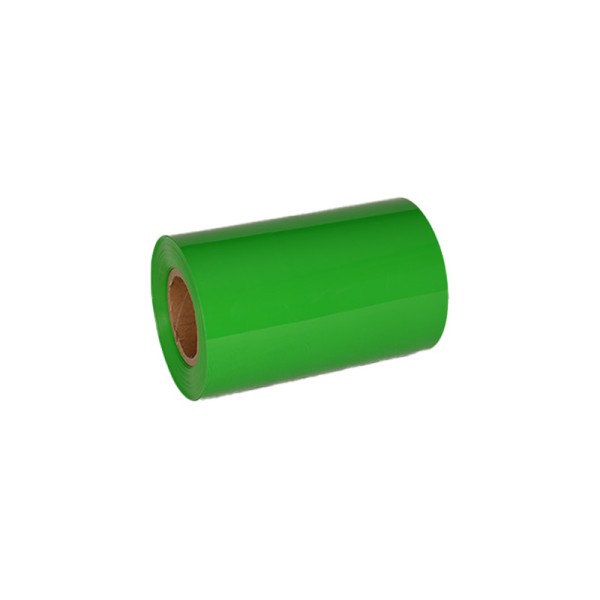
Green Colored PVC Sheet

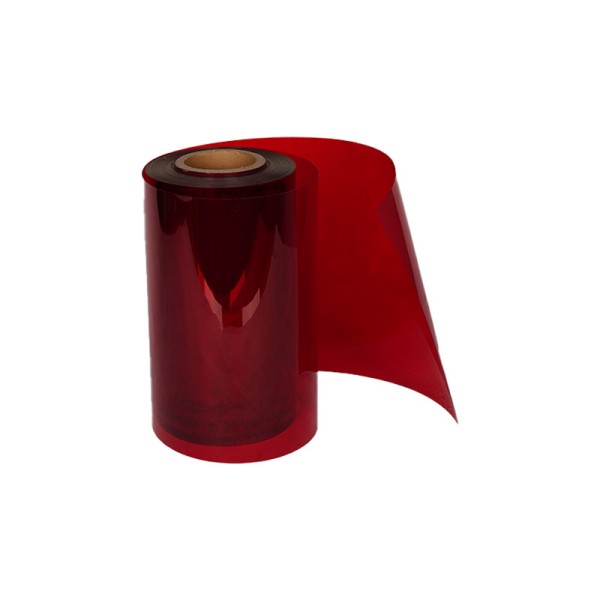
Dark Red Colored PVC Sheet

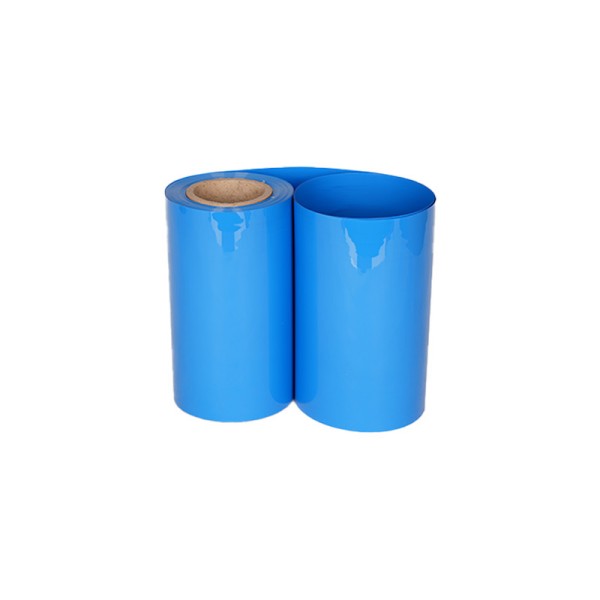
Blue Colored PVC Sheet
What Is a UV-Stabilized Colored Rigid PVC Sheet?
A UV-stabilized colored rigid PVC sheet is a solid polyvinyl chloride sheet formulated with pigments and ultraviolet stabilizers to reduce degradation caused by sunlight exposure.
The sheet may be opaque, translucent or transparent and can be manufactured in glossy, matte, frosted, embossed or customized surfaces.
The material provides useful rigidity, chemical resistance, electrical insulation and fabrication performance for signs, displays, equipment components and selected industrial applications.
UV stabilization can slow color fading, yellowing, surface chalking, loss of gloss and embrittlement, but it does not make every PVC formulation permanently weatherproof.
Outdoor suitability must be confirmed for the exact color, pigment, thickness, UV package, climate and target service period.
UV-Stabilized Colored PVC Sheet Specifications
| Property |
Available Specification |
| Product Name |
UV-Stabilized Colored Rigid PVC Sheet |
| Alternative Names |
UV-Resistant PVC Sheet, Colored PVC-U Sheet, Solid Color PVC Sheet and Outdoor PVC Sign Sheet |
| Model |
Colourful PVC |
| Product Code |
HSQY-210119 |
| Brand |
HSQY Plastic |
| Material |
Rigid polyvinyl chloride / PVC-U with pigments and application-specific stabilizers |
| Construction |
Solid, non-foamed rigid PVC sheet |
| Standard Sheet Thickness |
Approximately 0.21-6.5mm |
| Optional Thin Range |
Approximately 0.06-0.20mm subject to roll or thin-sheet production capability |
| Standard Sheet Sizes |
700 × 1000mm, 915 × 1830mm and 1220 × 2440mm |
| Maximum Reference Width |
Approximately 1280mm, subject to thickness and production method |
| Custom Dimensions |
Custom sheet sizes, cut pieces and selected roll formats are available |
| Reference Density |
Approximately 1.36-1.38g/cm³ depending on formulation |
| Standard Colors |
White, black, red, yellow, green, blue and clear |
| Custom Colors |
RAL, Pantone, physical sample or customer-approved color matching |
| Color Types |
Opaque, translucent, transparent color, marble and customized visual effects |
| Surface Options |
Glossy/glossy, matte, frosted, embossed and customized texture |
| UV Grades |
Indoor standard grade, enhanced UV grade and application-specific outdoor grade |
| Weathering Tests |
ASTM D4329, ASTM G154, ISO 4892-3 or an agreed customer method where required |
| Printing Methods |
Screen printing, UV inkjet, UV offset and painting after compatibility testing |
| Fabrication Methods |
Sawing, CNC routing, milling, drilling, punching, die cutting, bending, welding and bonding |
| Thermoforming |
Vacuum forming and pressure forming with an approved grade and process trial |
| Main Applications |
Signs, displays, cladding, partitions, printed boards and fabricated components |
| Special Grades |
Impact-modified, flame-retardant, antistatic, chemical-resistant and outdoor grades subject to testing |
| Reference Tensile Strength |
Existing page reference greater than 52MPa; test method and exact grade must be confirmed |
| Reference Impact Strength |
Existing page reference greater than 5kJ/m²; test method, specimen and thickness must be confirmed |
| Reference Drop Impact |
Existing page states no fracture; drop weight, height, temperature and specimen must be confirmed |
| Reference Vicat Softening Point |
Greater than approximately 75°C for decoration grade and 80°C for industrial grade, subject to test method |
| Standard MOQ |
Approximately 1000kg for standard colors and specifications |
| Custom MOQ |
Special colors, exclusive pigments or customized UV formulations may require approximately 3000kg |
| Samples |
A4 sheets, color swatches and limited production samples may be available |
| Typical Production Lead Time |
Approximately 7-15 days after color, formulation, specification, sample, packing and deposit confirmation |
Final specifications should identify the complete formulation grade, thickness tolerance, dimensions, color reference, gloss, surface, UV requirement, weathering test, fabrication process and intended installation.
Solid Rigid PVC Sheet vs. PVC Foam Board
| Material |
Structure and Weight |
Typical Applications |
| Solid Rigid PVC Sheet |
Dense, solid and heavier sheet with reference density around 1.36-1.38g/cm³ |
Industrial fabrication, chemical equipment, thermoforming, machine components and durable signs |
| PVC Foam Board |
Expanded cellular core with substantially lower density and weight |
Lightweight signs, exhibition displays, model making, furniture and mounted graphics |
Buyers should not compare solid PVC sheet and PVC foam board using thickness alone. Sheet weight, density, stiffness, fastener retention and fabrication behavior are different.
How UV Protection Is Evaluated
UV resistance should be defined through measurable performance targets rather than a general anti-UV statement.
| Test Item |
What It Measures |
Required Information |
| Color Difference |
Change in color after UV and weather exposure |
Initial color, final color, ΔE limit, instrument and measurement condition |
| Yellowing Index |
Yellowing of white, clear or light-colored material |
Test method, specimen thickness and exposure period |
| Gloss Retention |
Loss of surface gloss or formation of chalking |
Gloss angle, initial value and minimum retention percentage |
| Impact Retention |
Retention of toughness after weathering |
Impact method, temperature, specimen orientation and minimum retention |
| Tensile Retention |
Change in tensile strength and elongation |
Test direction, method, conditioning and acceptance limits |
| Visual Inspection |
Cracking, chalking, blistering, warping and surface degradation |
Inspection distance, lighting and allowable defect criteria |
Common accelerated-weathering references include ASTM D4329, ASTM G154 and ISO 4892-3. The report should state the lamp type, irradiance, temperature, condensation or water cycle and total exposure time.
Accelerated testing is useful for comparing materials but does not directly equal a fixed number of years outdoors in every climate.
Color Selection for Outdoor PVC Sheets
Pigment chemistry affects color stability, UV absorption, heat buildup and long-term appearance.
White and light colors generally absorb less solar heat than dark colors. Black, dark blue, dark green and dark red sheets can reach higher surface temperatures under direct sunlight.
Higher sheet temperature can increase thermal expansion, bowing, fastener stress and dimensional movement.
Outdoor projects should specify the color, installation orientation, panel dimensions, support spacing, hole clearance, expected temperature range and target service period.
A weathering result for one color should not automatically be applied to a different pigment or shade.
Printing and Signage Applications
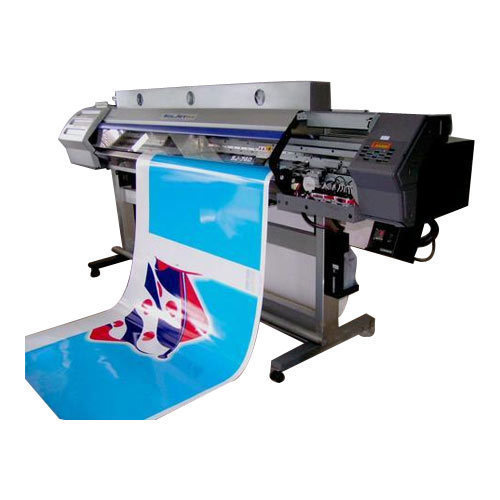
Smooth colored PVC sheets can be used for printed signs, exhibition graphics, retail displays, directional signs and promotional boards.
| Printing Method |
Typical Use |
Required Checks |
| UV Inkjet Printing |
Signs, display panels and customized graphics |
Ink adhesion, curing energy, surface cleanliness and sheet distortion |
| Screen Printing |
Industrial labels, signs, panels and repeated designs |
Ink chemistry, drying, adhesion and chemical resistance |
| UV Offset Printing |
Thin sheets, cards, signs and printed components |
Sheet feeding, static, ink adhesion, curing and post-print brittleness |
| Painting or Coating |
Decorative panels, fabricated parts and color detailing |
Primer, paint compatibility, drying and outdoor durability |
Printing should be tested on the exact surface, color and production batch. Dark substrates may require white ink or an opaque primer layer.
Fabrication and Thermoforming
Use sharp saw blades, routers, milling tools and drills designed for plastic sheet.
Support the sheet during machining to reduce vibration, chipping and edge damage.
Allow adequate clearance around outdoor mounting holes for thermal expansion.
Avoid overtightening fasteners, especially on large outdoor panels.
Use suitable heating and mold conditions for vacuum or pressure forming.
Confirm color and gloss retention after thermoforming.
Use PVC-compatible welding rods, adhesives and solvent cements.
Test the adhesive on the exact color, surface and UV formulation.
Provide ventilation during heating, welding and thermal fabrication.
Do not use ordinary laser cutting or laser engraving equipment for PVC.
Production Process
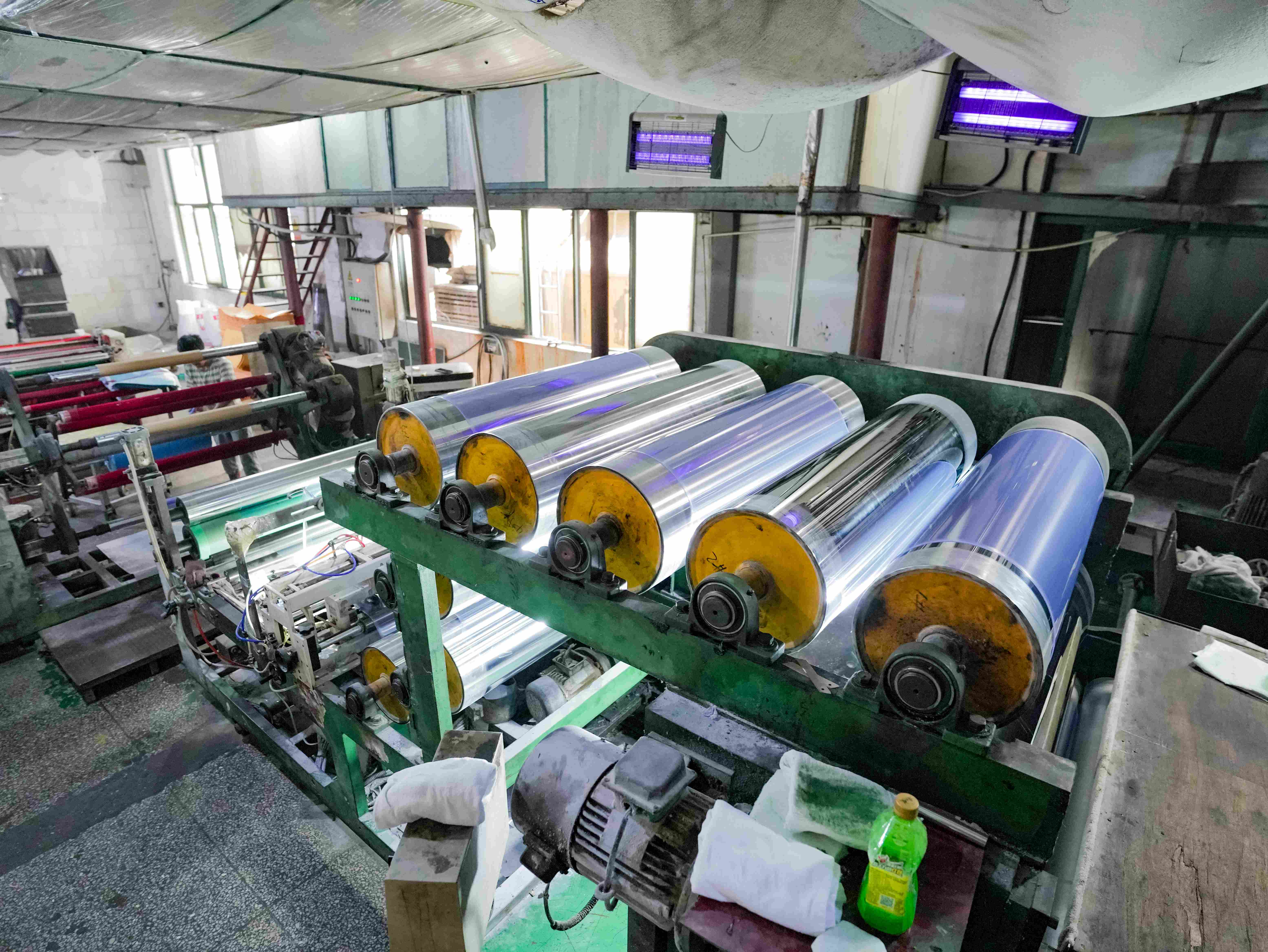
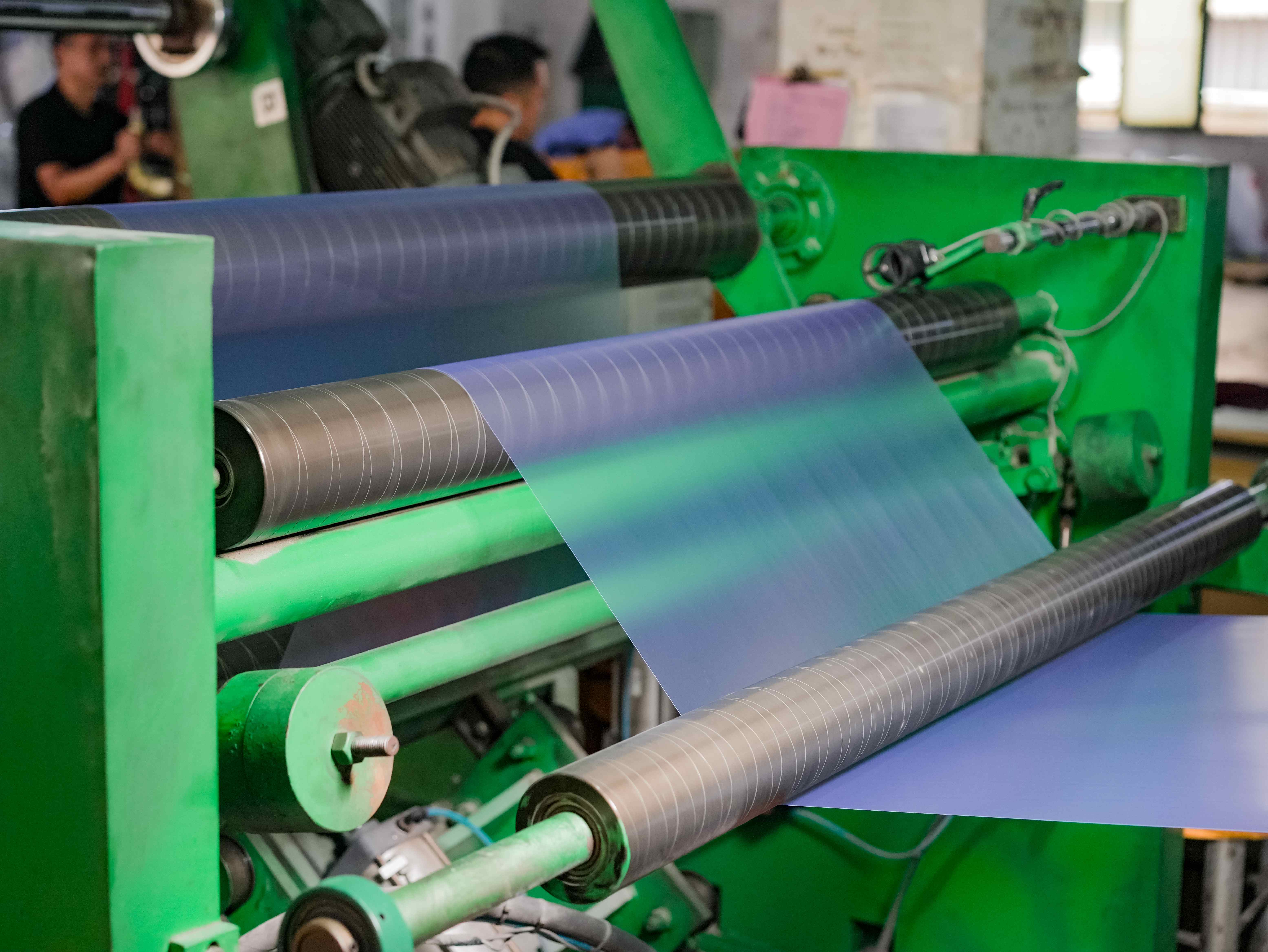
HSQY uses extrusion or calendaring according to the selected thickness, width, surface and product format.
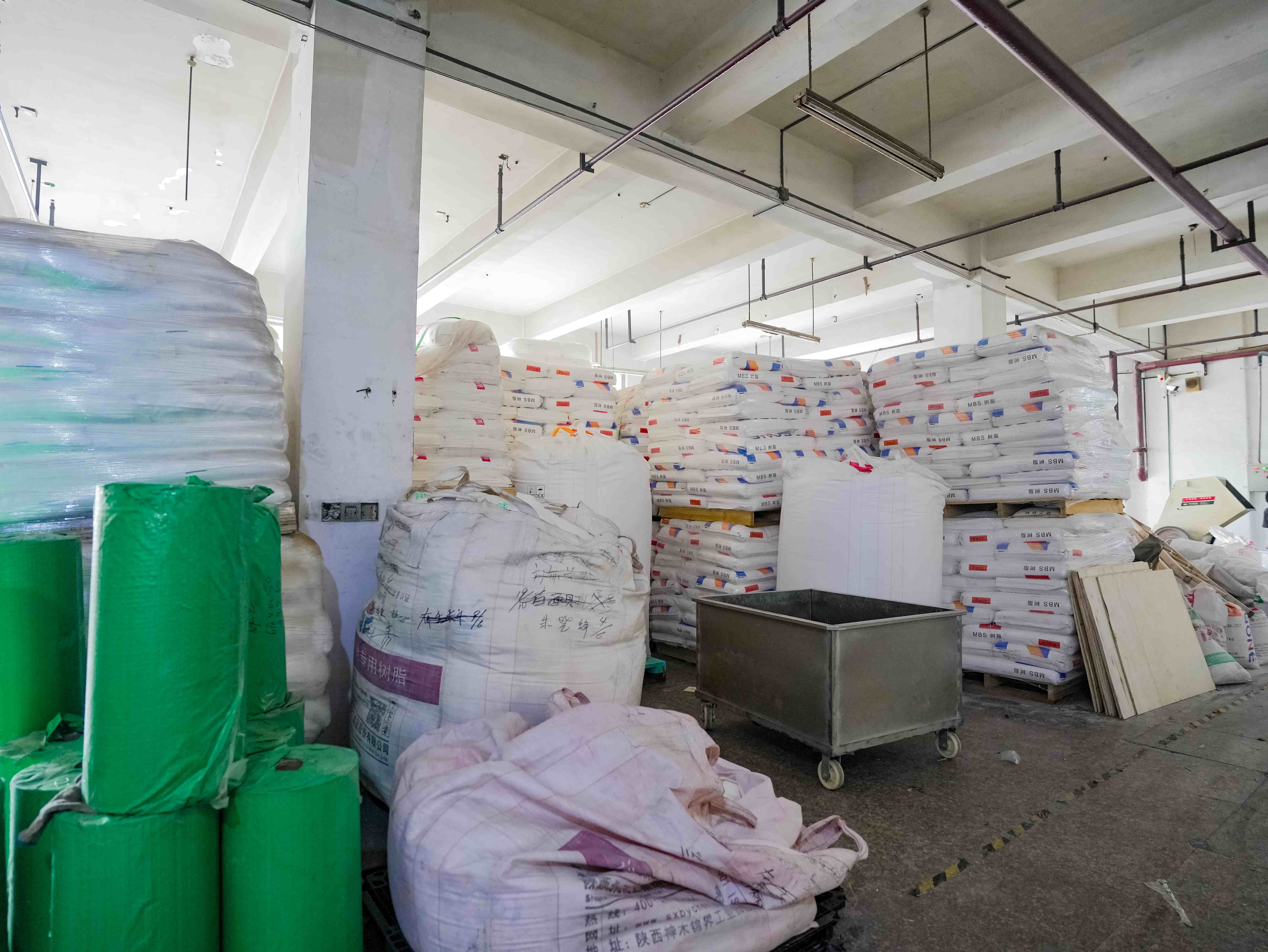
Raw Material and Color Mixing
PVC resin, stabilizers, pigments, processing aids, impact modifiers and application-specific UV additives are weighed and mixed according to the approved formulation.
Extrusion or Calendaring
The compound is processed into sheet or film using controlled temperature, pressure, line speed and roller conditions.
Surface Finishing
The surface can be polished, matte-finished, frosted or embossed according to the approved product standard.
Cooling and Dimensional Control
Controlled cooling helps maintain thickness uniformity, flatness, width and dimensional stability.
Cutting, Winding and Inspection
The product is cut into sheets or wound into rolls, inspected and packed according to the approved order specification.

Raw Material Mixing

PVC Sheet Production

Surface and Dimensional Control

Inspection and Packing
Applications of Colored Rigid PVC Sheets
Outdoor signs: Directional signs, safety signs and information panels using a validated UV-stable grade.
Indoor advertising: Printed boards, promotional signs and exhibition graphics.
Retail displays: POP displays, product holders, shelf components and branded fixtures.
Interior cladding: Decorative wall panels, partitions and supported surface panels.
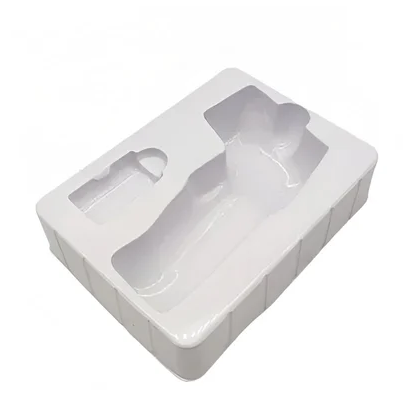
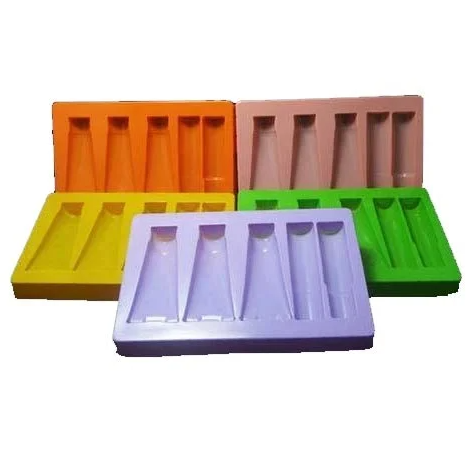
Thermoformed components: Formed covers, housings, trays and display components.
Industrial fabrication: Equipment panels, guards, liners and fabricated plastic components.
Chemical equipment: Selected tanks, ducts and liners using an approved industrial grade and chemical-resistance evaluation.
Electrical applications: Insulating panels and components subject to electrical and flame requirements.
Templates and patterns: Durable colored templates, cutting guides and fabrication aids.

Colored Rigid PVC Sheet

PVC Sheet for Printing

PVC Sheet for Signs and Displays
Industrial and Chemical Applications
Rigid PVC is used in selected chemical-processing and water-treatment applications because it can resist many acids, alkalis and salt solutions.
Chemical resistance depends on the exact substance, concentration, temperature, pressure, exposure time, mechanical stress and welding method.
A general advertising-grade colored sheet should not automatically be used for chemical tanks, electroplating equipment or drinking-water systems.
Industrial projects should use a dedicated chemical-grade PVC-U sheet with documented chemical compatibility, weldability and long-term service conditions.
Flame-Retardant, Antistatic and Special Grades
| Grade |
Typical Requirement |
Required Confirmation |
| Standard Colored Grade |
General signage, display and fabrication |
Color, thickness, surface, rigidity and processing method |
| Enhanced UV Grade |
Outdoor signs and weather-exposed panels |
Climate, color, service period and weathering test |
| Flame-Retardant Grade |
Applications requiring defined burning behavior |
Test standard, thickness, color, orientation and classification |
| Antistatic Grade |
Electronics, clean handling and static-sensitive components |
Surface resistance, humidity, test voltage and duration |
| Impact-Modified Grade |
Cold conditions, thermoforming and impact-prone components |
Impact method, test temperature, thickness and aging performance |
| Chemical-Resistant Grade |
Tanks, ducts, liners and industrial fabrication |
Chemical, concentration, temperature, pressure and weld design |
Food-Contact and Medical Applications
A standard UV-stabilized colored PVC sheet should not automatically be described as food-contact safe or medical grade.
Food-contact suitability depends on the PVC resin, stabilizers, pigments, additives, recycled content, food type, contact time, temperature and destination market.
Medical applications may require controlled raw materials, traceability, cleanliness, biocompatibility information, sterilization testing and finished-product validation.
Buyers should provide the exact regulatory and test requirements before selecting a specialized food-contact or medical PVC grade.
Recommended Quality-Control Tests
PVC resin, stabilizer, pigment and additive verification.
Thickness and thickness tolerance.
Sheet length, width and diagonal tolerance.
Flatness, bow, curl and edge condition.
Density and sheet-weight verification.
Color measurement and batch-to-batch color difference.
Gloss, matte level and surface-texture consistency.
Black spots, gels, holes, flow marks, scratches and contamination.
Tensile strength, elongation and modulus where specified.
Impact strength and cold-impact performance where required.
Vicat softening and heat-deflection performance.
Dimensional change after heat exposure.
UV exposure, color difference and gloss retention.
Weathered impact or tensile-property retention.
Printing adhesion and abrasion resistance.
Thermoforming, bending, welding and bonding tests.
Chemical-resistance tests for industrial applications.
Surface-resistance tests for antistatic grades.
Flammability tests for flame-retardant grades.
Packing, pallet and container-loading inspection.
Custom Colored PVC Sheet Options
Standard sheet thicknesses from approximately 0.21mm to 6.5mm.
Selected thin-film specifications from approximately 0.06mm.
700 × 1000mm, 915 × 1830mm and 1220 × 2440mm sheets.
Custom sheet dimensions and cut-to-size pieces.
White, black, red, yellow, green, blue and customized colors.
Opaque, translucent and transparent colored products.
RAL, Pantone and physical-sample color matching.
Glossy, matte, frosted and embossed surfaces.
Indoor, UV-stabilized and application-specific outdoor grades.
Printing, thermoforming and industrial-fabrication grades.
Impact-modified, flame-retardant and antistatic formulations.
Protective film on one or both sides where technically suitable.
Custom labels, pallets, packaging and shipping marks.
Information Required for a PVC Sheet Quote
Required thickness and tolerance.
Required sheet or roll dimensions.
Solid sheet or another PVC construction.
Opaque, translucent or transparent appearance.
Required color, RAL, Pantone or physical sample.
Glossy, matte, frosted or embossed surface.
Indoor or outdoor application.
Destination country and climate.
Expected outdoor service period.
Required UV-weathering standard and exposure hours.
Maximum color difference, yellowing or gloss-loss limit.
Printing, cutting, thermoforming, welding or bonding process.
Required impact, flame, antistatic or chemical properties.
Protective-film requirement.
Required test reports and compliance documents.
Initial order quantity and estimated annual demand.
Packing, destination port and required delivery date.
Send Your Colored PVC Sheet Requirements
Related PVC Data Sheets and Test Reports
The original page includes several PVC data sheets and test reports. They are retained below as related reference documents.
Some documents relate to clear film, gray board, offset-printing sheet or another PVC product. Before using a report, confirm that its formulation, color, thickness, production site and test specimen apply to the exact colored UV-stabilized PVC sheet being purchased.
![PVC clear sheet data sheet PDF icon]() PVC Clear Sheet Data Sheet
PVC Clear Sheet Data Sheet
![PVC rigid sheet flammability report PDF icon]() Flammability of PVC Rigid Sheet
Flammability of PVC Rigid Sheet
![PVC gray board test report PDF icon]() PVC Gray Board Test Report
PVC Gray Board Test Report
![PVC clear film data sheet PDF icon]() PVC Clear Film Data Sheet
PVC Clear Film Data Sheet
![PVC sheet test report PDF icon]() PVC Sheet Test Report
PVC Sheet Test Report
![20mm PVC gray board test report PDF icon]() 20mm Gray Board Test Report
20mm Gray Board Test Report
![PVC offset printing sheet test report PDF icon]() PVC Sheet for Offset Printing Test Report
PVC Sheet for Offset Printing Test Report
Packaging and Delivery
Sample packing: A4 sheets and color swatches can be protected with PE bags and packed in courier cartons.
Sheet packing: Flat PVC sheets can be wrapped with PE film or kraft paper and protected with rigid pallets.
Roll packing: Thin PVC rolls can be wrapped with protective film and kraft paper around a reference 76mm paper core.
Surface protection: One-side or two-side protective film can be discussed for glossy sheets requiring scratch protection.
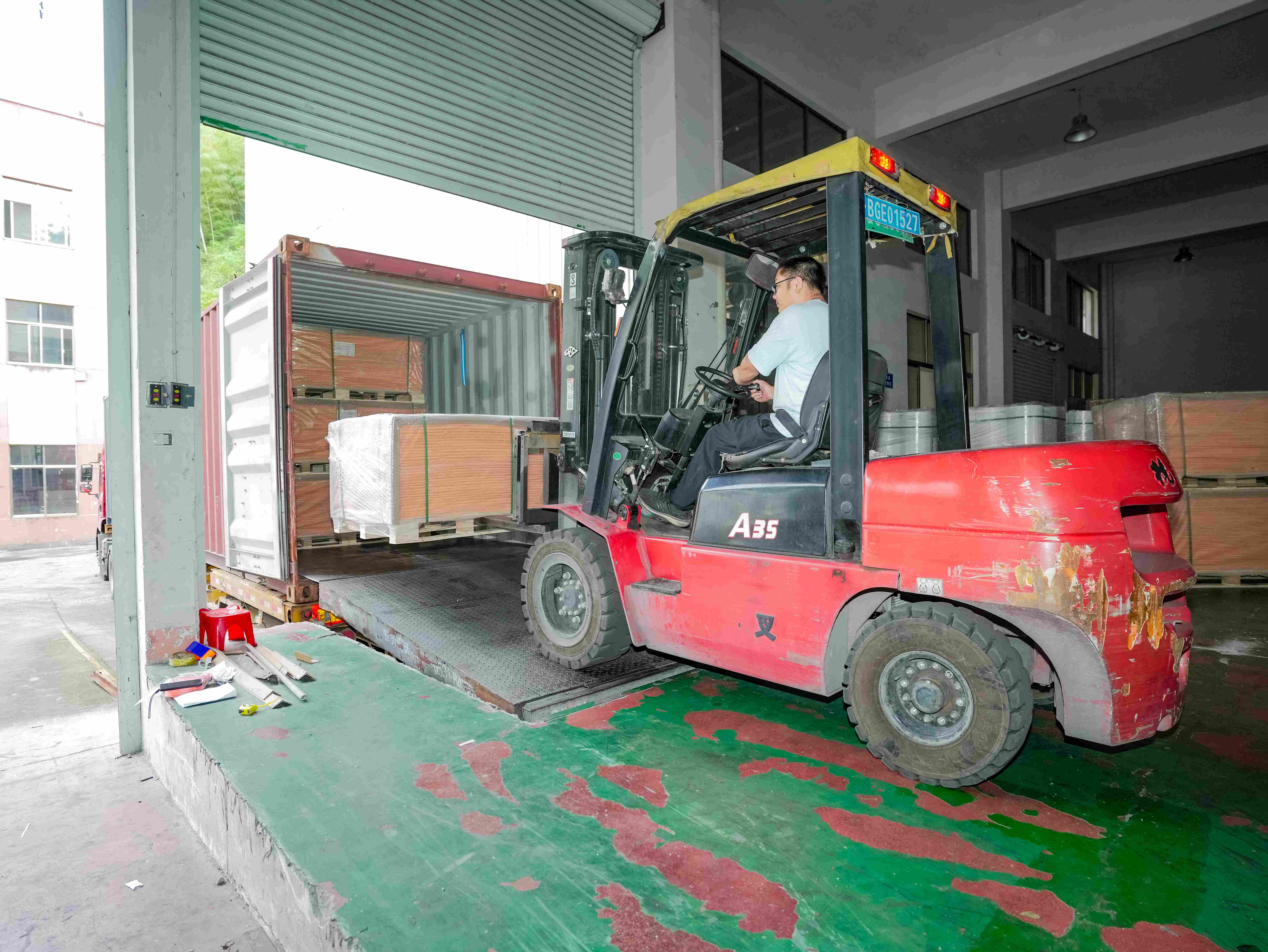
Pallet packing: Sheets can be packed on plywood or fumigation-free export pallets with edge protection, straps and stretch film.
Custom packaging: Private labels, printed logos, barcodes and customized shipping marks are available.
Container loading: Loading quantity depends on thickness, sheet dimensions, pallet design, roll diameter and legal container-weight limits.
Production lead time: Standard production normally requires approximately 7-15 days after the color, formulation, specification, sample, packing and deposit are confirmed.
Certificates and Compliance Documents
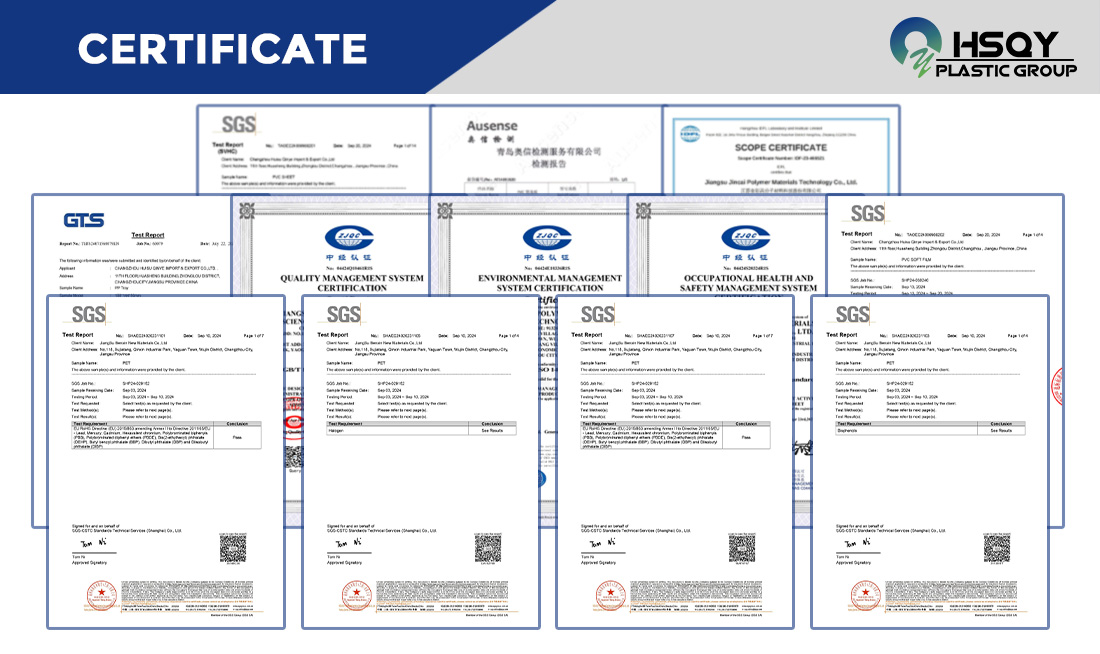
Available documents may include technical data sheets, safety data sheets, restricted-substance reports, physical-property reports, UV-weathering reports, flammability reports and quality-management certificates.
Every document should be checked against the exact formulation, color, thickness, surface, production location and test specimen.
SGS should be described according to the exact testing scope and should not be presented as a universal product certification.
ISO 9001 relates to an organization's quality-management system and does not independently establish UV resistance, fire performance, food safety or chemical compatibility.
The certificate holder, manufacturing location, standard edition, scope and validity period should be verified before publication.

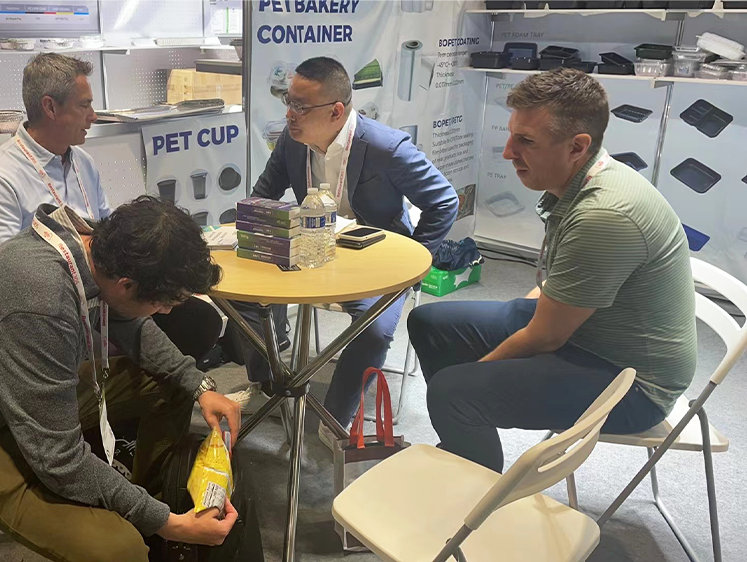
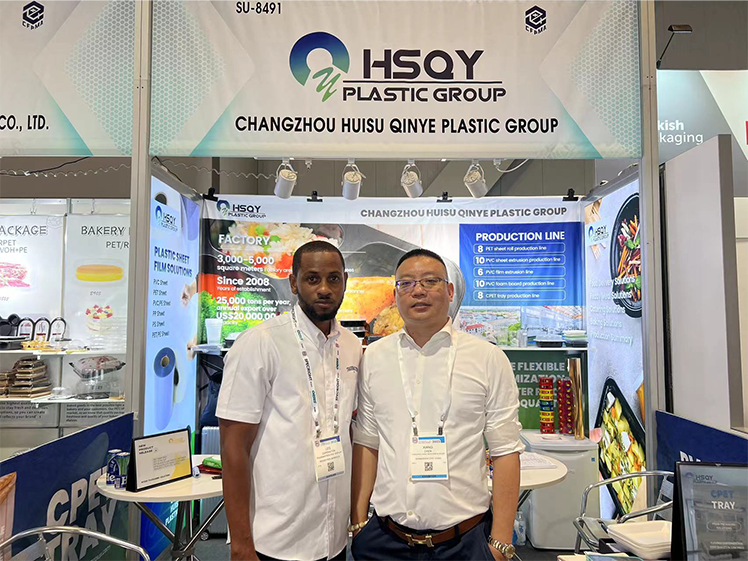
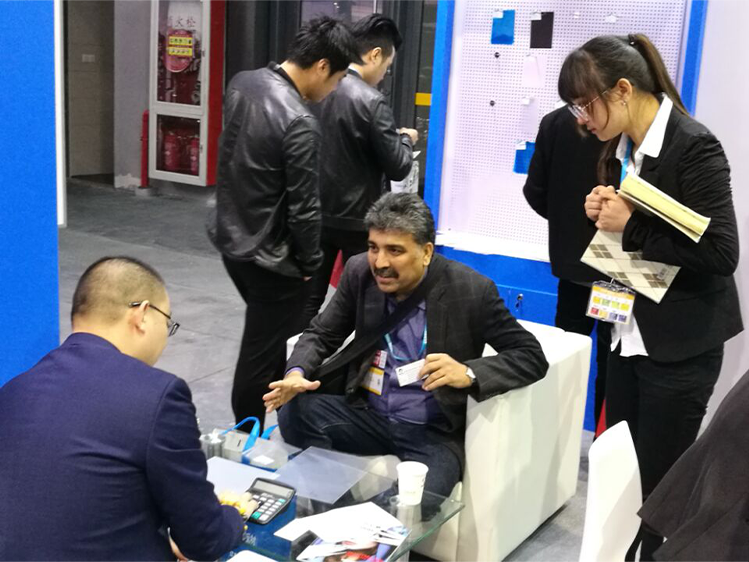
HSQY Global Exhibitions

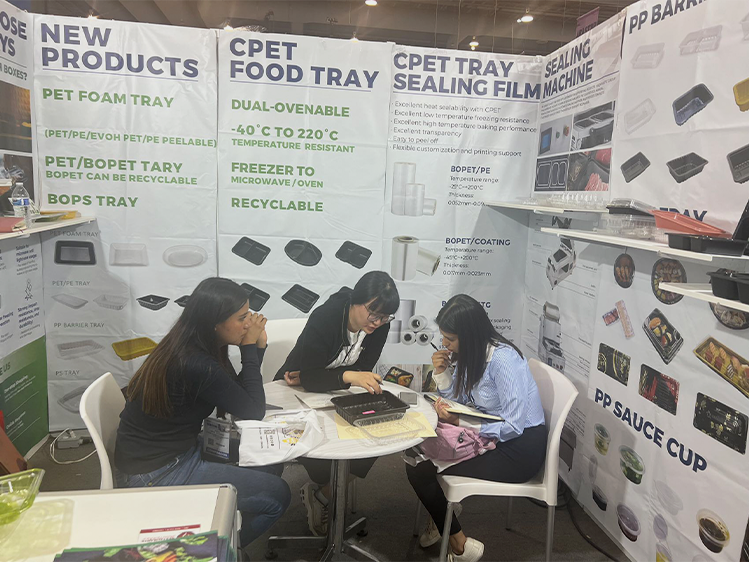
2024 Mexico Exhibition

2024 American Exhibition

2023 American Exhibition

2017 Shanghai Exhibition
Why Choose HSQY as Your Colored PVC Sheet Supplier?
Solid colored rigid PVC sheets for printing, signs and fabrication.
Standard thicknesses from approximately 0.21mm to 6.5mm.
Standard and customized sheet dimensions.
Opaque, translucent and transparent color options.
RAL, Pantone and physical-sample color matching.
Glossy, matte, frosted and embossed finishes.
Indoor and application-specific UV-stabilized outdoor grades.
Printing, thermoforming and industrial fabrication grades.
Samples for color, UV, printing and fabrication evaluation.
Quality inspection against approved samples and specifications.
Customized packaging and international shipping support.
Before bulk production, HSQY recommends testing the selected PVC sheet using the customer's actual printing, cutting, forming, bonding, welding and outdoor installation conditions.
Contact HSQY for Samples and Pricing
Frequently Asked Questions About UV-Stabilized Colored PVC Sheets
What is a colored rigid PVC sheet?
It is a solid, non-foamed PVC sheet manufactured with pigments to create an opaque, translucent or transparent colored material.
What does UV-stabilized PVC mean?
It means the formulation contains additives selected to reduce sunlight-related fading, yellowing, loss of gloss and embrittlement.
Is UV-stabilized PVC permanently weatherproof?
No. Outdoor performance depends on the formulation, color, thickness, climate, installation, exposure direction and required service period.
Can every color be used outdoors?
Each color should be evaluated separately because pigments influence UV stability, heat absorption and color retention.
Do dark PVC sheets become hotter outdoors?
Dark colors normally absorb more solar heat than white or light colors, which can increase thermal expansion and panel temperature.
How is UV resistance tested?
Testing may use ASTM D4329, ASTM G154, ISO 4892-3 or an agreed method, with evaluation of color, gloss, yellowing and mechanical-property retention.
Does 1000 hours of UV testing equal a fixed number of outdoor years?
No. Accelerated testing is mainly used to compare materials under controlled conditions and does not directly equal the same outdoor period in every climate.
What thicknesses are available?
Standard sheet thicknesses range from approximately 0.21mm to 6.5mm. Selected thinner specifications may be available from approximately 0.06mm.
What standard sheet sizes are available?
Standard dimensions include 700 × 1000mm, 915 × 1830mm and 1220 × 2440mm.
Can custom sheet dimensions be produced?
Yes. Custom dimensions and cut-to-size pieces can be produced within the applicable width and equipment limits.
What colors are available?
Standard colors include white, black, red, yellow, green and blue. Additional colors can be matched to an approved reference.
Can HSQY match a RAL or Pantone color?
Yes. RAL, Pantone or physical-sample matching can be evaluated according to pigment availability and minimum order quantity.
Are transparent colored PVC sheets available?
Yes. Transparent and translucent colored grades can be produced subject to optical and thickness requirements.
Is this PVC sheet the same as PVC foam board?
No. This product is a dense solid PVC sheet. PVC foam board has a lightweight cellular core and substantially lower density.
Can colored PVC sheets be printed?
Suitable surfaces can be screen printed, UV inkjet printed or UV offset printed after ink-adhesion and curing tests.
Can dark PVC sheets be printed with light-colored graphics?
Yes, but white ink or an opaque primer layer may be required to prevent the substrate color from affecting the graphic.
Can colored PVC sheet be thermoformed?
An approved grade can be vacuum or pressure formed after the heating, mold, draw depth and cooling conditions are tested.
Does the color change after thermoforming?
Deep stretching can reduce thickness and alter the apparent color, gloss or opacity in highly formed areas. A production trial is recommended.
Can PVC sheet be CNC routed?
Yes. Use sharp tools, suitable feed rates, sheet support and extraction appropriate for plastic machining.
Can PVC sheet be laser cut?
Ordinary laser cutting and engraving are not recommended because PVC can produce hazardous gases or dust. Mechanical cutting is recommended.
Is the sheet waterproof?
Solid PVC has low water absorption and resists normal moisture exposure, but the complete installed system depends on joints, fasteners, edges and sealing.
Is the sheet chemical resistant?
PVC resists many chemicals, but compatibility must be checked for the exact chemical, concentration, temperature and exposure time.
Can standard colored PVC be used for chemical tanks?
A general sign or decoration grade should not automatically be used for chemical tanks. A dedicated industrial PVC-U grade and engineering review are required.
Is colored PVC sheet fireproof?
It should not be described as completely fireproof. Flame performance must be supported by a test report for the exact grade, color and thickness.
Is an antistatic grade available?
An antistatic formulation can be evaluated according to the required surface-resistance range, humidity, duration and application.
Is the PVC sheet suitable for food packaging?
Standard colored UV sheet should not automatically be used for food contact. A dedicated formulation and destination-market documentation are required.
Can colored PVC be used for medical products?
Medical use requires an appropriate grade and validation of raw materials, cleanliness, traceability and finished-product requirements.
Is protective film available?
One-side or two-side protective film can be discussed for selected glossy sheet specifications.
What is the minimum order quantity?
Standard colors and specifications generally have an MOQ of approximately 1000kg. Custom colors or specialized UV formulations may require approximately 3000kg.
Are samples available?
Existing A4 sheets and color swatches may be available. Customized UV or color samples may require a trial-production arrangement.
What is the production lead time?
Standard production generally requires approximately 7-15 days after the color, formulation, specification, sample, packaging and deposit are confirmed.
What information is required for a quotation?
Provide the thickness, dimensions, color, surface, indoor or outdoor use, UV test, processing method, special properties, quantity, packing and destination.
Get a Custom Colored PVC Sheet Quote
About HSQY Plastic Group
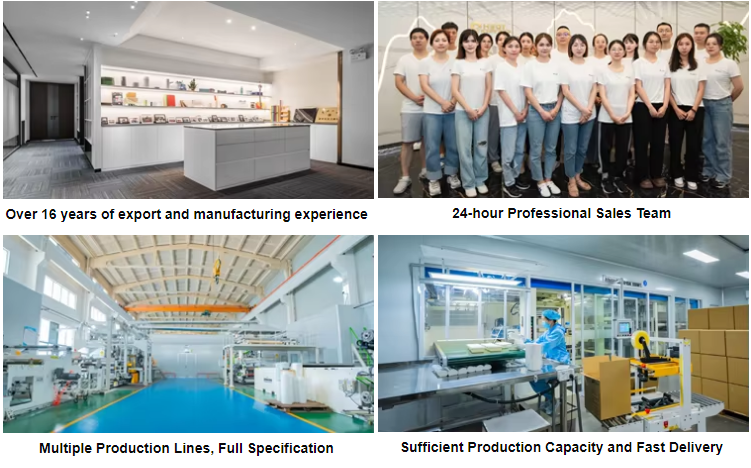
HSQY Plastic Group supplies colored rigid PVC sheets, clear PVC sheets, printable PVC sheets, PVC films, PET sheets, PP sheets and customized plastic materials to international B2B customers.
HSQY supports sign manufacturers, printers, display companies, plastic fabricators, thermoforming companies, industrial processors, importers and distributors with color matching, sample testing, customized production, quality inspection and export packing.

Request a Quote and Sample