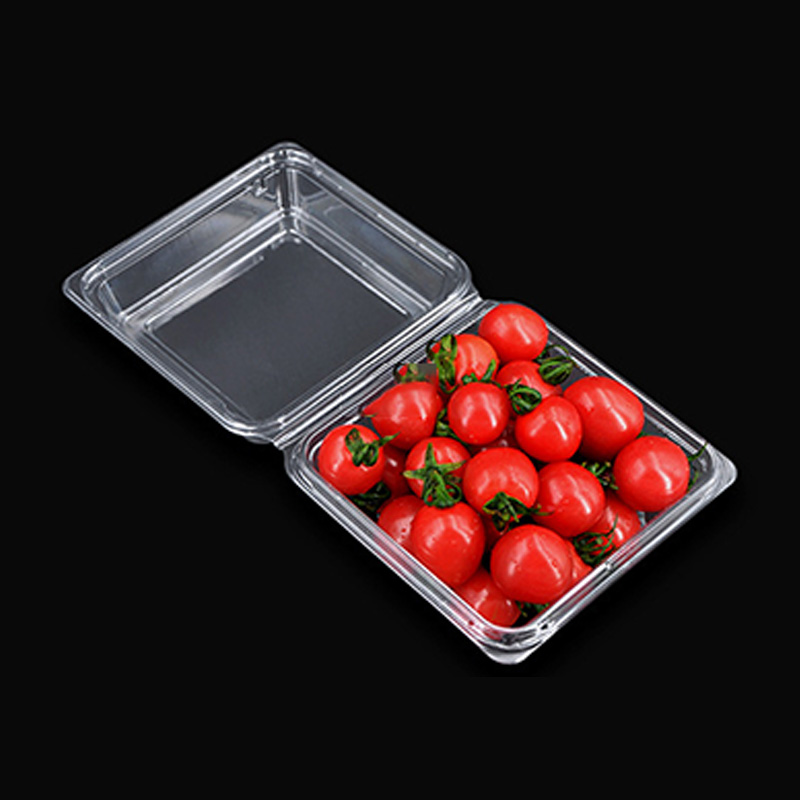
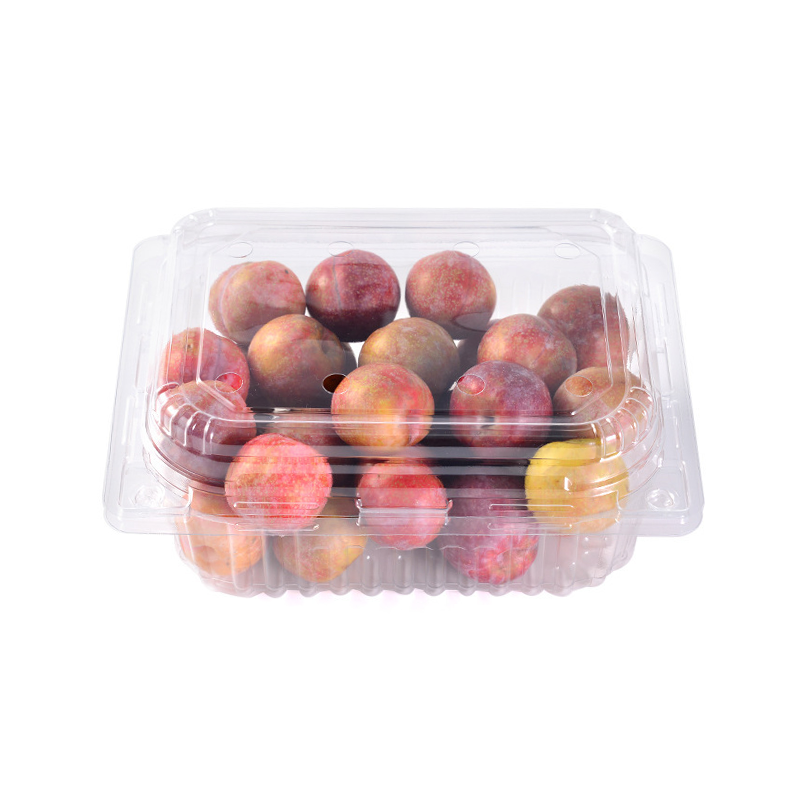
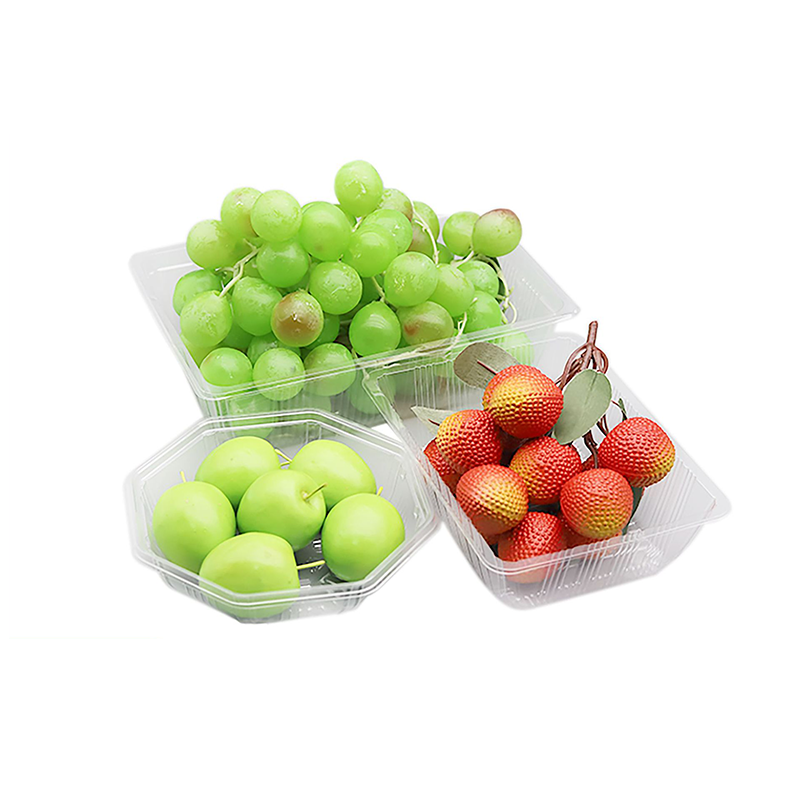
0.2mm and 0.3mm Clear Rigid PVC Plastic Sheet
HSQY supplies 0.2mm and 0.3mm clear rigid PVC plastic sheet in roll and cut-sheet formats for blister packaging, transparent folding boxes, printed packaging, stationery covers, display windows, protective covers and selected thermoformed components.
A 0.2mm sheet equals 200 microns, while a 0.3mm sheet equals 300 microns. The two gauges provide different balances of flexibility, rigidity, forming depth, folding performance and material usage. HSQY can customize roll width, sheet size, surface finish, transparency, tint, formulation, recycled content, core size and export packing.
Core product: Clear rigid PVC sheet in 0.2mm and 0.3mm thicknesses
Equivalent gauges: 200 micron and 300 micron
Formats: Master rolls, slit rolls, standard sheets and customized cut sheets
Surface options: Polished glossy, matte, frosted or customized texture
Main applications: Blister packs, folding boxes, packaging windows, printing, binding covers and thermoforming
Sample: A4 sheet or trial roll subject to availability
0.2mm 0.3mm Clear PVC Sheet Video
Clear PVC Plastic Sheet Images

Clear Rigid PVC Sheet Roll

0.2mm / 200 Micron PVC Sheet

0.3mm / 300 Micron PVC Sheet
What Is Clear Rigid PVC Sheet?
Clear rigid PVC sheet is an unplasticized or low-plasticizer polyvinyl chloride material manufactured as a transparent sheet or roll. It combines clarity, stiffness, dimensional support, printability and thermoforming performance for packaging and fabricated plastic components.
Thin gauges such as 0.2mm and 0.3mm are often described as rigid PVC film, PVC sheet film or clear PVC roll. The correct name depends on the supplier and application, but the material should be distinguished from soft PVC curtain film and thick engineering PVC plate.
Important distinction: This page is for thin, transparent rigid PVC. It is not flexible PVC curtain film, PVC foam board or thick chemical-engineering PVC plate.
0.2mm 0.3mm Clear PVC Sheet Specifications
| Property |
Details |
| Product name |
0.2mm 0.3mm Clear Rigid PVC Plastic Sheet |
| Brand |
HSQY Plastic |
| Model |
Clear PVC rigid sheet |
| Product code |
HSQY-210119 |
| Material |
Virgin PVC or approved virgin/recycled formulation |
| Core thicknesses |
0.2mm and 0.3mm |
| Top-page thickness range |
0.1mm–3mm according to the current product header |
| Body thickness range |
0.03mm–6.5mm according to the supplied page content; confirm before publishing |
| Color |
Natural clear, blue-tint clear, transparent colored, opaque or customized |
| Surface |
Glossy polished, matte, frosted or customized |
| Hardness |
Rigid or semi-rigid according to formulation and thickness |
| Production process |
Calendered or extruded according to gauge, width and application |
| Density reference |
Approximately 1.32–1.45g/cm³, subject to formulation |
| Sheet sizes |
A4, 500 × 765mm, 700 × 1000mm, 915 × 1220mm, 1220 × 2440mm or customized |
| Roll width |
Customized according to line capability, thickness and order quantity |
| Core options |
Paper or plastic core with customized internal diameter |
| Main processing |
Thermoforming, vacuum forming, die cutting, folding, printing, creasing, punching and lamination |
| Applications |
Blister packs, folding boxes, windows, display cards, covers, stationery and selected food or medical packaging grades |
| Certificates |
RoHS, ISO 9001 and ISO 14001 are listed; request grade-specific reports |
| Sample |
A4 sheet or trial roll |
| Body MOQ |
500kg according to the supplied specification table |
| Top-page MOQ |
1000kg according to the current product header; confirm the final value |
| Origin |
Jiangsu, China |
0.2mm vs. 0.3mm Clear PVC Sheet
| Comparison |
0.2mm / 200 Micron |
0.3mm / 300 Micron |
| Rigidity |
More flexible and lighter |
Stiffer with greater dimensional support |
| Material usage |
Lower weight per square meter |
Approximately 50% more material at the same density and area |
| Packaging windows |
Suitable for many small and medium carton windows |
Suitable when more flatness and stiffness are required |
| Folding boxes |
Suitable for lightweight boxes and inserts |
Better for larger panels or boxes needing stronger walls |
| Thermoforming |
Heats faster and suits shallow forming |
Provides more material for deeper or stronger formed parts |
| Die cutting |
Lower cutting load |
Requires suitable tooling and pressure |
| Roll handling |
Longer roll length at the same roll weight |
Shorter roll length at the same roll weight |
| Selection basis |
Cost, flexibility, machine speed and part depth |
Stiffness, flatness, part strength and box size |
The preferred thickness should be confirmed by testing the actual die, mold, printing process, product weight and packaging dimensions. A thicker sheet is not automatically better if the converting equipment is designed for a lighter gauge.
How to Calculate Clear PVC Sheet Weight
Estimated sheet weight can be calculated using thickness, area and material density. For purchasing calculations, use the agreed production density rather than a generic PVC value.
Weight formula: Length (m) × width (m) × thickness (mm) × density (g/cm³) = approximate weight in kilograms
0.2mm example: A 1m × 1m sheet at 1.38g/cm³ weighs approximately 0.276kg
0.3mm example: A 1m × 1m sheet at 1.38g/cm³ weighs approximately 0.414kg
Roll calculation: Roll weight, width, thickness and density can be used to estimate roll length
Key Features of Clear PVC Plastic Sheet
High visual clarity: Transparent grades provide product visibility for packaging windows, folding boxes and displays.
Controlled rigidity: Formulation and thickness can be adjusted to balance stiffness, folding and forming.
Thermoforming performance: Proper grades can be formed into blisters, trays, covers and packaging inserts.
Printable surface: PVC can support offset, screen, UV and other printing processes after ink compatibility is verified.
Die-cutting and folding: Thin sheets can be cut, punched, scored and folded for clear packaging structures.
Moisture resistance: PVC does not absorb water like paperboard, although finished package performance depends on seams and assembly.
Custom formats: Roll width, sheet size, color, surface, core, packing and recycled content can be specified.
Stable supply: Samples, technical documents, bulk production and export packing can be arranged for qualified projects.
Applications of 0.2mm and 0.3mm Clear PVC Sheet
Blister packaging: Clear retail blisters, clamshell components, formed covers and product-display packs.
Transparent folding boxes: Cosmetic boxes, gift boxes, toy packaging, stationery boxes and electronic-product packaging.
Paper-box windows: Clear windows for bakery boxes, gift cartons, consumer-product cartons and promotional packaging.
Printing and display: Printed cards, promotional panels, signs, display inserts and point-of-sale materials.
Stationery: Binding covers, folders, dividers, report covers and document-protection products.
Thermoformed components: Shallow trays, covers, inserts, protective shells and customized formed parts.
Selected food packaging: Only when the exact resin, additives, recycled content and contact conditions meet the required regulation.
Selected medical or pharmaceutical packaging: Only when a dedicated medical or pharmaceutical grade and supporting documentation are approved.

Transparent Packaging Application

Selected Food Packaging Grade

Thermoforming Application
Thermoforming and Vacuum-Forming Guidance
Rigid PVC is widely used for thermoforming, but the correct forming window depends on sheet formulation, thickness, mold design, draw ratio, heating system and machine speed. Production trials should be completed before a large order.
Forming depth: Provide cavity depth, draw ratio, corner radius and part dimensions.
Heating: Use controlled, uniform heating to reduce whitening, uneven wall thickness and excessive shrinkage.
Mold design: Confirm draft angle, venting, surface finish and cooling.
Sheet orientation: Roll direction may affect shrinkage and formed-part behavior.
Trimming: Validate die cutting, punching and edge quality after forming.
Finished-part test: Check clarity, wall distribution, impact, stacking and dimensional stability.
Printing, Die Cutting and Folding Guidance
Printing: Test ink adhesion, curing, color density and rub resistance on the exact glossy, matte or treated surface.
Corona or surface treatment: Confirm whether treatment is required for the selected ink and printing method.
Die cutting: Use sharp tools and correct cutting pressure to reduce cracks, burrs and whitening.
Creasing: Match crease depth, channel width, grain direction and fold radius to the sheet thickness.
Folding: Cold folding is possible in selected grades, but sharp folds may whiten or crack if the formulation or crease is unsuitable.
Bonding: Test solvent, UV-curing, hot-melt or double-sided adhesive for clarity, bond strength and long-term aging.
Transparency, Surface Finish and Color Options
| Option |
Characteristics |
Typical Use |
| Natural clear |
Neutral transparent appearance |
General packaging, displays and stationery |
| Blue-tint clear |
Slight blue tone can improve the visual impression of clarity |
Retail packaging and clear boxes |
| Glossy polished |
Higher gloss and smooth surface |
Premium packaging and transparent windows |
| Matte |
Reduced reflection and softer appearance |
Printing, covers and decorative packaging |
| Frosted |
Diffused appearance with increased haze |
Privacy, decorative covers and specialty packaging |
| Transparent color |
Colored but light-transmitting |
Promotional packaging and color coding |
| Opaque color |
Non-transparent custom color |
Printing, cards and specialty components |
Virgin and Recycled PVC Material Options
The supplied page lists 100% virgin material or a formulation containing 30% recycled material. Recycled content can reduce raw-material cost, but it may affect clarity, color, odor, black spots, impact strength, forming consistency and compliance.
| Material Option |
Main Characteristics |
Recommended Use |
| Virgin PVC |
Best clarity, lower contamination risk and more stable forming performance |
Premium clear packaging and regulated projects |
| Virgin/recycled blend |
Cost-balanced formulation with controlled recycled percentage |
General industrial and non-regulated packaging |
| High recycled content |
Greater possible variation in color, odor, inclusions and mechanical properties |
Opaque or cost-sensitive applications after testing |
For food, medical, pharmaceutical or sensitive consumer applications, do not assume that a recycled formulation is acceptable. The permitted material composition must be confirmed against the destination-market requirements.
Food, Medical and Pharmaceutical Packaging Requirements
Food contact: Request documentation for the exact resin, additives, color, recycled content and contact conditions.
Pharmaceutical blister use: Standard packaging PVC should not be described as pharmaceutical grade without GMP production controls, barrier data, migration documentation and customer qualification.
Medical packaging: Confirm sterilization compatibility, cleanliness, sealing system, biocompatibility and device-specific requirements.
RoHS and REACH: Confirm that the report covers the exact formulation and production batch.
Flammability: Fire behavior varies with formulation and thickness; use a report for the actual grade rather than a general PVC statement.
Quality Control for Clear Rigid PVC Sheet
Thickness: Average gauge, cross-web profile and tolerance.
Width and length: Roll width, sheet dimensions, squareness and diagonal.
Optical quality: Transparency, haze, gloss, tint, black spots, gels and surface lines.
Mechanical properties: Tensile strength, elongation, impact, stiffness and folding behavior where required.
Thermal behavior: Shrinkage, forming response, dimensional stability and heat exposure.
Surface quality: Scratches, dust, blocking, treatment level and printability.
Roll quality: Winding tension, telescoping, wrinkles, core alignment, joints and edge condition.
Conversion trial: Printing, die cutting, folding, bonding and thermoforming on the buyer’s equipment.
PVC Sheet PDF Downloads
The original page includes the following technical documents. Documents for grey board, 20mm board or offset-printing grades may not represent the 0.2mm and 0.3mm clear PVC product; verify the document title, grade and revision before using them for approval.
![PDF icon for PVC clear sheet data sheet.pdf]() PVC clear sheet data sheet.pdf
PVC clear sheet data sheet.pdf
![PDF icon for Flammability of PVC rigid sheet.pdf]() Flammability of PVC rigid sheet.pdf
Flammability of PVC rigid sheet.pdf
![PDF icon for PVC gray board test report.pdf]() PVC gray board test report.pdf
PVC gray board test report.pdf
![PDF icon for PVC clear film data sheet.pdf]() PVC clear film data sheet.pdf
PVC clear film data sheet.pdf
![PDF icon for PVC sheet test report.pdf]() PVC sheet test report.pdf
PVC sheet test report.pdf
![PDF icon for 20mm gray board test report.pdf]() 20mm gray board test report.pdf
20mm gray board test report.pdf
![PDF icon for PVC sheet for offset-test report.pdf]() PVC sheet for offset-test report.pdf
PVC sheet for offset-test report.pdf
Packaging and Delivery Options
Sample packaging: A4-size rigid PVC sheets can be placed in protective bags and cartons.
Roll packaging: Approximately 50kg per roll or customized roll weight, wrapped with PE film and protective material.
Sheet packaging: Cut sheets can be stacked with protective film, kraft paper, cartons or plywood pallets.
Pallet packaging: Approximately 500–2000kg per plywood pallet depending on dimensions and handling limits.
Container loading: Loading is calculated according to roll weight, pallet size and legal container payload rather than a fixed universal value.
Delivery terms: EXW, FOB, CIF/CNF and agreed door-delivery terms can be discussed.
Lead time: Usually around 10–14 days after specification, sample, deposit and production schedule are confirmed.
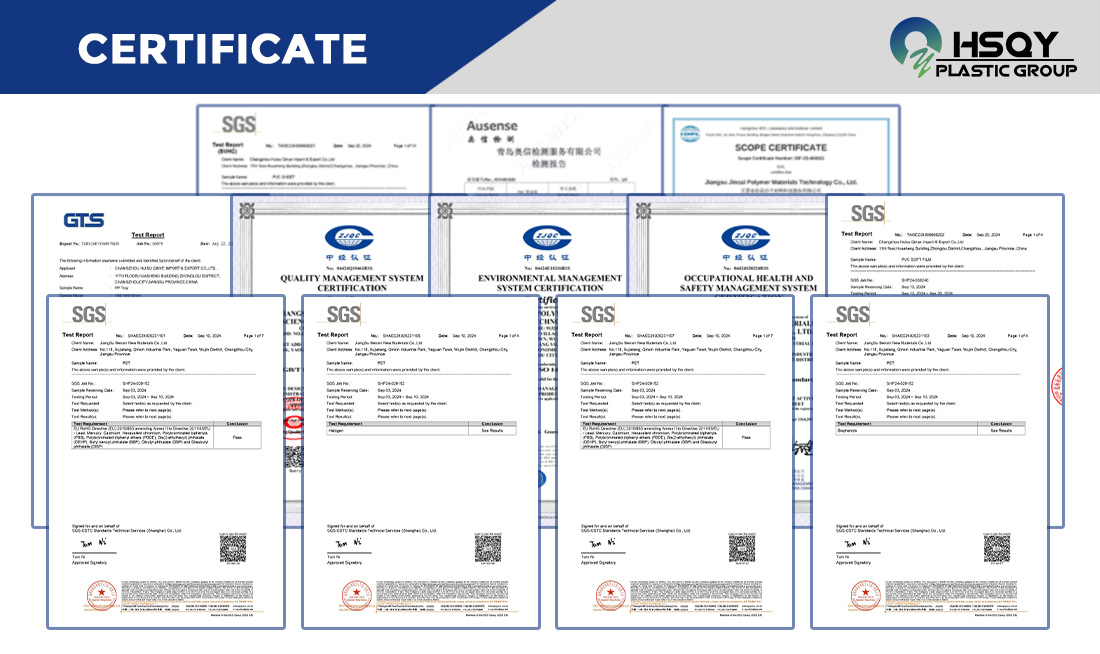
Certifications
Certification should be verified against the exact production site, formulation, thickness and intended application. A general company certificate does not automatically establish food-contact, medical, pharmaceutical or flame compliance.

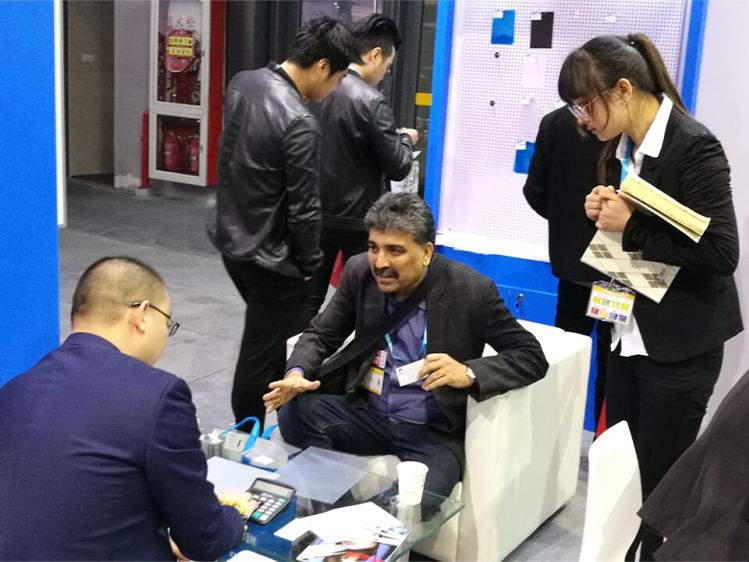
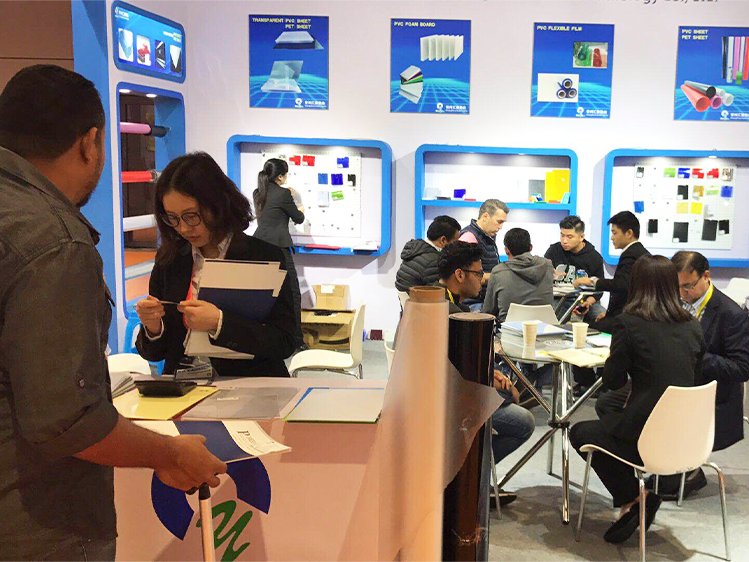
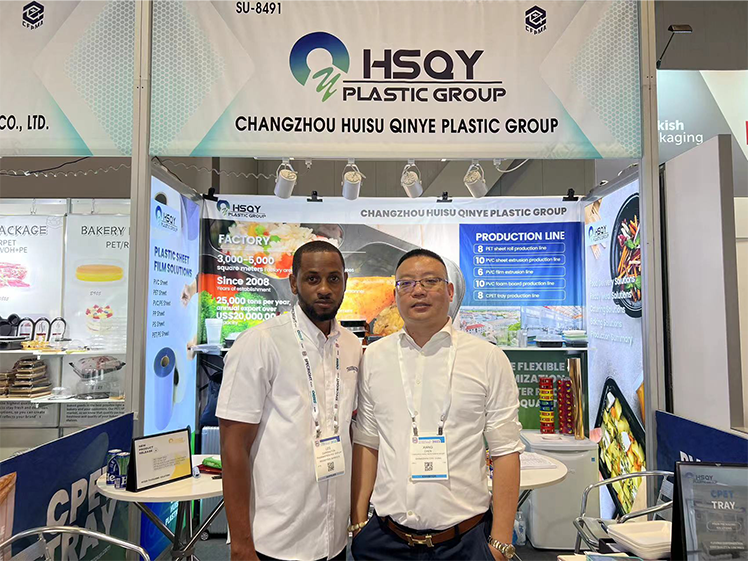
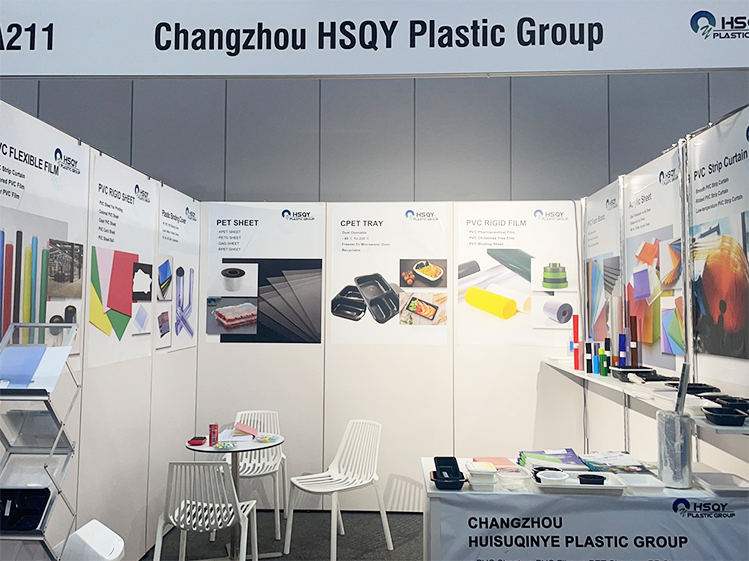
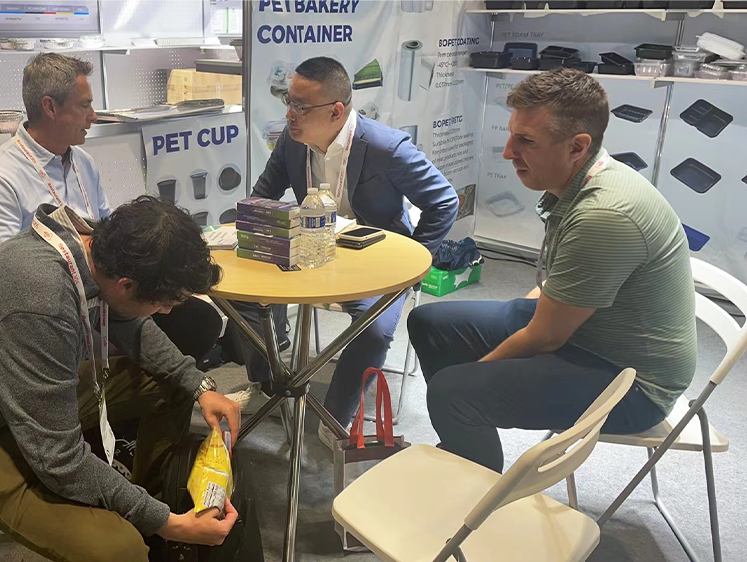
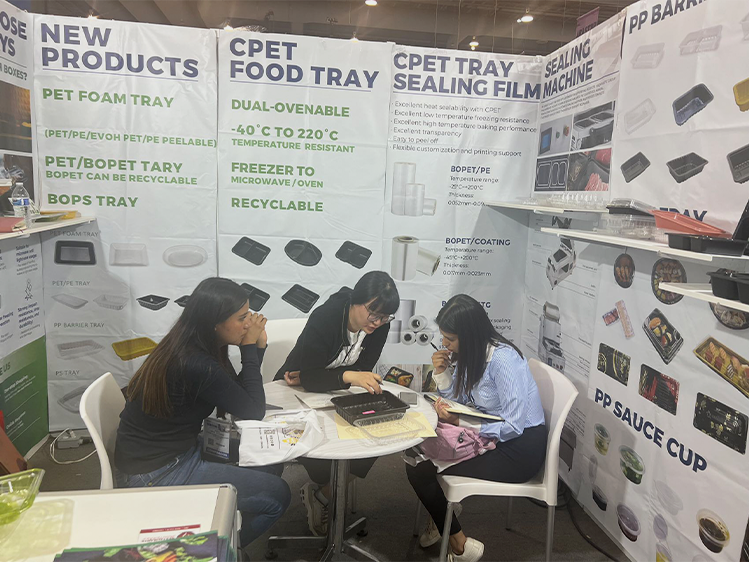
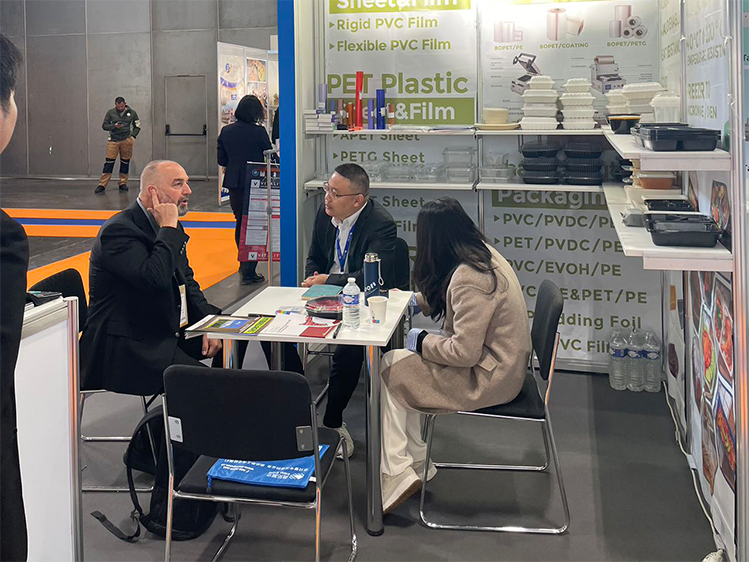
Global Exhibitions

2017 Shanghai Exhibition

2018 Shanghai Exhibition

2023 Saudi Exhibition

2023 American Exhibition

2024 Australian Exhibition

2024 American Exhibition

2024 Mexico Exhibition

2024 Paris Exhibition
Information Required for an Accurate Quotation
1. Application: State blister packaging, folding box, carton window, printing, stationery, thermoforming or another use.
2. Thickness: Confirm 0.2mm, 0.3mm or another gauge and the required tolerance.
3. Format: State master roll, slit roll, standard sheet or customized cut sheet.
4. Dimensions: Provide roll width, sheet size, core diameter, roll weight or roll outside diameter.
5. Optical requirements: Specify natural clear, blue tint, haze, gloss, transparency and acceptable visual defects.
6. Surface: Confirm polished glossy, matte, frosted, treated or printable surface.
7. Material: State virgin PVC or permitted recycled percentage.
8. Processing: Provide printing, die cutting, folding, bonding, forming and machine details.
9. Compliance: State food, medical, pharmaceutical, RoHS, REACH, flame or retailer requirements.
10. Commercial details: Provide sample quantity, annual volume, packing, destination port and delivery schedule.
Frequently Asked Questions
What is 0.2mm clear PVC sheet in microns?
A thickness of 0.2mm equals 200 microns or 200µm.
What is 0.3mm clear PVC sheet in microns?
A thickness of 0.3mm equals 300 microns or 300µm.
What is 0.2mm and 0.3mm clear PVC sheet used for?
Common uses include blister packaging, transparent folding boxes, carton windows, printing, binding covers, display cards and thermoformed inserts.
Which is better for folding boxes, 0.2mm or 0.3mm PVC?
0.2mm is lighter and more flexible, while 0.3mm provides greater rigidity and flatness. The correct gauge depends on box size, product weight and crease design.
Can clear PVC sheet be thermoformed?
Yes. Suitable rigid PVC grades can be vacuum formed or thermoformed, but the mold, heating profile, draw ratio and sheet formulation must be validated.
Can clear PVC sheet be printed?
Yes. Offset, screen, UV and other printing methods can be used after ink adhesion, curing and surface compatibility are tested.
Can PVC sheet be cold folded?
Selected grades can be scored and folded, but sharp folds may whiten or crack if the crease geometry or formulation is unsuitable.
What surface finishes are available?
Common options include glossy polished, matte, frosted, transparent colored and opaque colored surfaces.
Can HSQY supply rolls and cut sheets?
Yes. Master rolls, narrow slit rolls, standard sheets and customized cut sheets can be discussed.
What sheet sizes are available?
A4, 500 × 765mm, 700 × 1000mm, 915 × 1220mm, 1220 × 2440mm and customized dimensions can be evaluated.
Is the PVC sheet made from virgin material?
Virgin PVC and approved virgin/recycled blends are listed. The permitted composition should be confirmed for the intended application.
Is clear PVC sheet suitable for food packaging?
Only a grade with documentation for the exact formulation and contact conditions should be used for food-contact packaging.
Is standard clear PVC sheet pharmaceutical grade?
No pharmaceutical claim should be assumed. Pharmaceutical blister film requires dedicated grade controls, documentation and customer qualification.
Is clear PVC sheet flame-retardant?
PVC fire behavior depends on formulation and thickness. Use a current test report for the exact grade rather than relying on a general material claim.
Can I receive a sample before ordering?
A4 samples and trial rolls can be supplied subject to availability, specification and freight terms.
What is the MOQ?
The body table lists 500kg, while the current product header lists 1000kg. HSQY should confirm one final MOQ before the page is published.
How should clear PVC rolls be stored?
Store rolls upright or as specified, indoors, away from heat, direct sunlight, moisture, dust and excessive stacking pressure.
How do I get an accurate quotation?
Send the application, thickness, dimensions, format, surface, material composition, processing method, compliance, quantity and destination.
Why Choose HSQY as Your Clear PVC Sheet Supplier?
HSQY Plastic Group supplies transparent PVC sheets and rolls for packaging, printing, thermoforming, stationery and industrial converting. Customized thicknesses, roll widths, cut sizes, colors, surfaces, formulations and export packing can be evaluated for distributors and manufacturers.
For a reliable specification, send an existing material sample, finished package, drawing and machine information. HSQY can then evaluate gauge, clarity, stiffness, printing, folding, thermoforming, recycled content and compliance together.
Need 0.2mm or 0.3mm clear rigid PVC sheet?
Send your application, thickness, width, sheet size, surface, material grade, quantity and destination for a sample plan and quotation.
Contact HSQY Plastic