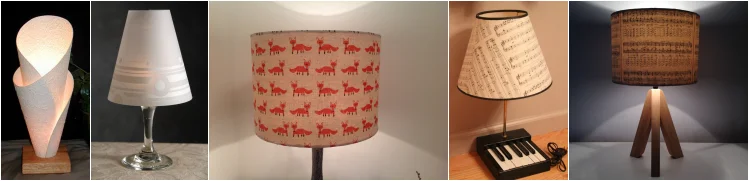
What Is a Self-Adhesive PVC Lampshade Sheet?
A self-adhesive PVC lampshade sheet is a semi-rigid or rigid PVC backing material with a pressure-sensitive adhesive layer and removable release liner. It is used to laminate fabric, wallpaper, decorative paper and other coverings for the production of hard-backed lampshades.
The adhesive surface allows the decorative covering to be applied directly to the PVC backing without separately coating wet glue. This can simplify lampshade manufacturing, reduce adhesive preparation and support more consistent lamination in manual, workshop and industrial production.
HSQY supplies self-adhesive lampshade PVC sheets in common thicknesses from 0.3 mm to 0.5 mm. Available widths include approximately 1300 mm to 1500 mm, together with standard sheets, customized dimensions, rolls and cut panels subject to the selected specification.
White, transparent, semi-transparent and customized colors are available with glossy or matte surfaces. The material can be selected according to the required stiffness, light transmission, interior appearance, covering material and finished lampshade dimensions.
The final lampshade assembly should be tested with the actual PVC grade, adhesive system, fabric or paper covering, lamp frame, bulb type, bulb distance and operating temperature. A material description alone does not establish compliance with a finished lighting-fixture safety standard.
Request Lampshade PVC Pricing Request Material Samples
Self-Adhesive PVC Lampshade Sheet Images

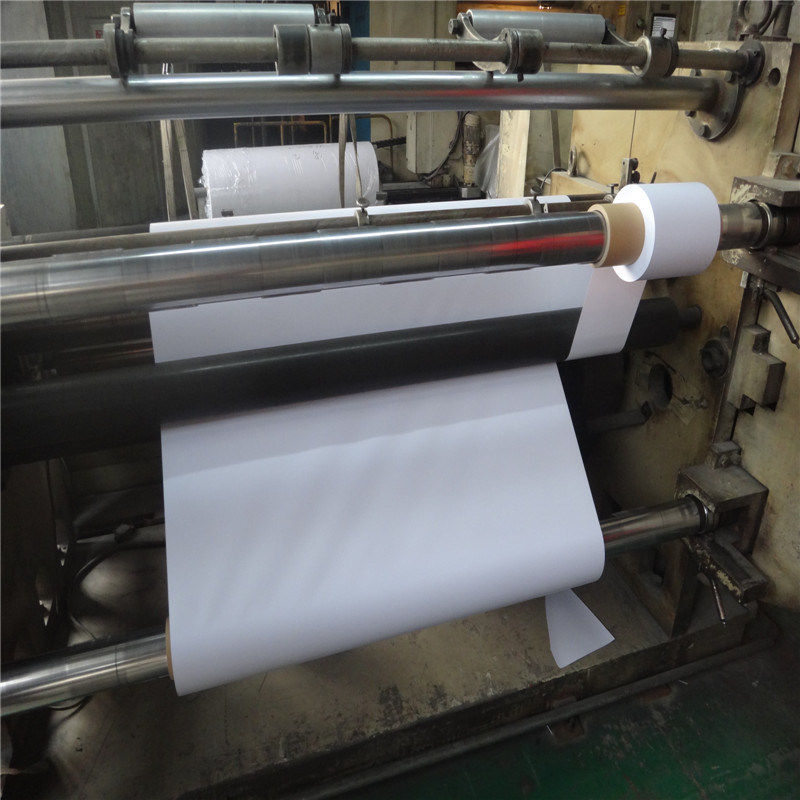
Self-Adhesive PVC Lampshade Sheet

White PVC Lampshade Backing

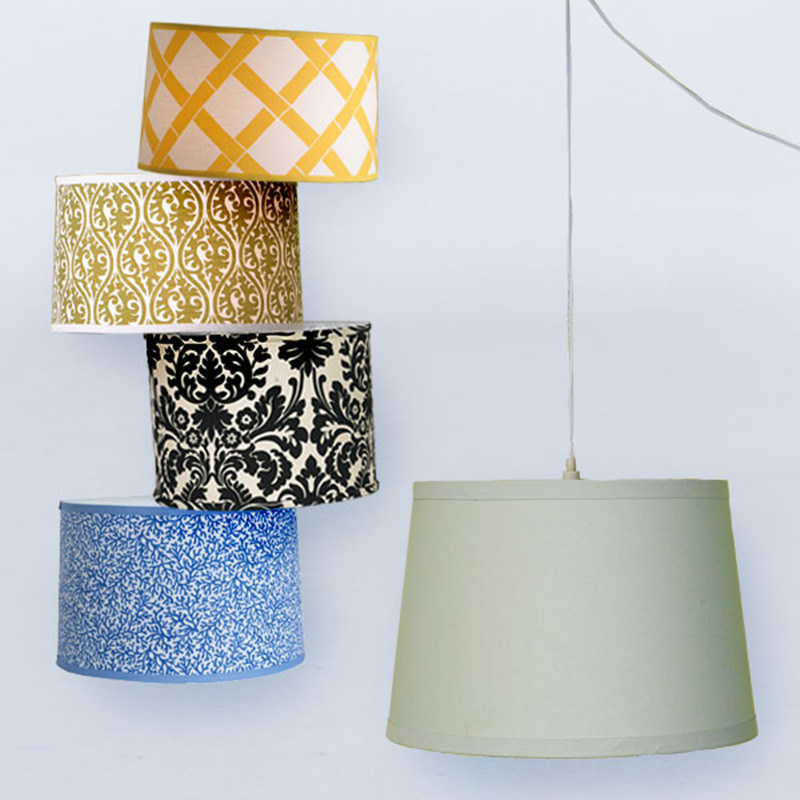
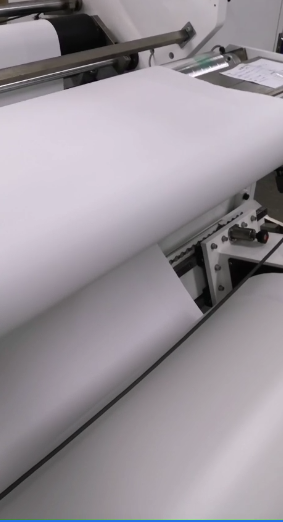
Transparent PVC Film for Lighting

Self-Adhesive PVC Film for Table Lamps
Self-Adhesive PVC Lampshade Sheet Specifications
| Property |
Available Specification |
| Product Name |
Self-Adhesive Rigid PVC Sheet for Lampshades |
| Main Application |
Table lamps, floor lamps, pendant lamps, drum shades, decorative shades and commercial lighting |
| Base Material |
Rigid or semi-rigid polyvinyl chloride sheet |
| Material Components |
PVC resin, processing aids, impact modifier, pressure-sensitive adhesive and release liner |
| Standard Thickness |
0.3 mm-0.5 mm |
| Custom Thickness |
Subject to stiffness, light-transmission, processing and minimum-order requirements |
| Standard Sheet Sizes |
700 × 1000 mm, 915 × 1830 mm and 1220 × 2440 mm |
| Available Width |
Approximately 1300-1500 mm or customized |
| Supply Form |
Flat sheets, continuous rolls, slit rolls and custom-cut panels |
| Roll Length |
Customized according to thickness, roll diameter, core and shipping requirements |
| Density |
Approximately 1.36-1.42 g/cm³, depending on formulation |
| Color |
White, transparent, semi-transparent, colored and customized colors |
| Interior Appearance |
White, translucent, clear, colored, metallic-effect or customized appearance, subject to confirmation |
| Surface Finish |
Glossy, satin, matte or customized finish |
| Light Transmission |
Customized according to color, thickness, opacity and required lighting effect |
| Adhesive Type |
Pressure-sensitive adhesive backing; adhesive chemistry and performance confirmed by project |
| Adhesive Coverage |
Full-surface coating or customized coating structure, subject to manufacturing confirmation |
| Release Liner |
Protective release paper or liner; printed grid and liner weight can be discussed |
| Suitable Coverings |
Fabric, textile, wallpaper, decorative paper, printed paper and selected synthetic coverings |
| Processing Methods |
Laminating, cutting, die-cutting, scoring, rolling, edge finishing, printing and assembly |
| Functional Options |
Antistatic, UV-stabilized, anti-yellowing or flame-performance formulations subject to test requirements |
| Available Documentation |
RoHS-related reports and applicable ISO management-system documentation |
| Minimum Order Quantity |
2000 kg; customized adhesive, color or structure may require a different MOQ |
| Samples |
Limited-size samples available for lamination, stiffness, light and adhesive testing |
| Typical Production Time |
Approximately 15-20 working days after specification and sample approval |
| Packaging |
Protective wrapping, cartons, pallets, roll packaging and customized export packing |
Final thickness tolerance, width tolerance, light transmission, opacity, adhesive coat weight, peel strength, liner type and functional performance should be confirmed through an approved sample and written product specification.
Structure of Self-Adhesive Lampshade Backing
| Layer |
Function |
| Decorative Covering |
Fabric, wallpaper, decorative paper or another visible exterior material selected by the lampshade manufacturer |
| Pressure-Sensitive Adhesive |
Bonds the decorative covering to the PVC carrier when uniform pressure is applied |
| Rigid PVC Carrier |
Provides the lampshade with structure, stiffness, shape retention and controlled light transmission |
| Interior Surface |
Forms the visible inside of the finished lampshade and affects reflected light, color and appearance |
| Release Liner |
Protects the adhesive before use and can support measuring, pattern marking and controlled application |
Key Benefits of Self-Adhesive PVC Lampshade Sheet
Peel-and-Stick Lampshade Production
The pressure-sensitive adhesive backing allows fabric or decorative paper to be laminated without separately spreading liquid glue. This can reduce preparation time, adhesive mess and curing time.
Consistent Structural Support
The rigid PVC carrier helps a finished lampshade retain a cylindrical, conical, oval or custom profile after it is attached to the lampshade rings and frame.
Controlled Light Diffusion
White and semi-transparent PVC can diffuse transmitted light and help reduce direct visibility of the bulb. The resulting lighting effect depends on thickness, opacity, interior color and the exterior covering.
Clean Interior Appearance
White, translucent, matte and decorative interior finishes can create different visual effects when the lamp is switched on or off.
Easy Cutting and Die-Cutting
Suitable thicknesses can be knife cut, die cut, slit or CNC cut into rectangular, tapered, curved and custom-shaped lampshade panels.
Custom Thickness and Width
Sheet thickness and width can be selected according to the required shade diameter, panel height, stiffness, cutting layout and production equipment.
Printable and Decorative Options
Selected surfaces can support printing, decorative coatings, metallic effects or customized colors. Ink and coating compatibility must be tested on the exact PVC grade.
Functional Formulations
Antistatic, UV-stabilized, anti-yellowing and flame-performance formulations can be discussed when a defined test requirement is provided. These properties should not be assumed for every standard product.
How to Choose 0.3 mm, 0.4 mm or 0.5 mm Lampshade PVC
| Thickness |
General Characteristics |
Typical Selection |
| 0.3 mm |
Lightweight, easier to curve and suitable for many small or medium lampshades |
Drum shades, table lamps, small pendant shades and decorative craft production |
| 0.4 mm |
Balanced stiffness and flexibility for medium-size commercial lampshades |
Table lamps, floor lamps, medium pendant shades and repeated production |
| 0.5 mm |
Greater rigidity and structural support, with higher forming and rolling force |
Larger lampshades, tall panels, wide diameters and applications requiring additional stiffness |
Thickness selection should also consider shade diameter, panel height, frame design, covering weight, seam structure and required light transmission. A sample should be assembled into the actual lampshade before bulk production.
White, Translucent and Transparent Lampshade Backing
| PVC Appearance |
Lighting Effect |
Typical Application |
| White Opaque or High-Opacity |
Greater light blocking and a clean white interior when the lamp is off |
Decorative shades where the bulb should be less visible |
| White Translucent |
Soft diffused light with a neutral or warm visual effect depending on the covering |
Table lamps, floor lamps, hotel lighting and residential shades |
| Clear or High-Transparency |
Allows more light and makes the exterior covering more visually influential |
Printed fabric, decorative paper, special-effect and layered lampshades |
| Colored or Metallic Effect |
Changes reflected light and creates a distinctive interior appearance |
Luxury, hospitality, retail and customized decorative lighting |
Covering Materials for Self-Adhesive Lampshade PVC
| Covering Material |
Key Considerations |
| Cotton and Linen Fabric |
Check fabric weave, stretch, adhesive penetration, color show-through and edge fraying |
| Polyester Fabric |
Check surface finish, coating, adhesive compatibility and dimensional stability |
| Wallpaper |
Check thickness, surface coating, curling, moisture content and long-term adhesion |
| Decorative Paper |
Check tearing, bubbles, wrinkles, printed-ink compatibility and light exposure |
| Mulberry or Handmade Paper |
Check fiber texture, uneven thickness, adhesive visibility and light diffusion |
| Synthetic or Coated Covering |
Confirm surface energy, plasticizer migration, adhesive compatibility and operating temperature |
Every fabric, wallpaper or decorative paper should be tested with the selected adhesive because coatings, finishes, plasticizers, moisture and surface texture can change bond strength.
How to Apply Fabric to Self-Adhesive Lampshade PVC
1. Condition the Materials
Allow the PVC backing, covering material and adhesive liner to reach a stable workshop temperature before lamination. Cold materials may reduce initial tack and increase curling.
2. Clean the Work Surface
Use a clean, dry and flat worktable. Dust, fibers and debris trapped beneath the covering can create visible bumps in the finished lampshade.
3. Cut the Covering Material
Cut the fabric or paper slightly larger than the final PVC panel when the production method requires trimming after lamination.
4. Remove the Release Liner Gradually
Peel back a small section of the liner, align the covering and then remove the liner gradually while applying the covering from one direction.
5. Apply Uniform Pressure
Use a roller, squeegee or suitable laminating equipment to apply even pressure and reduce bubbles, wrinkles and incomplete adhesive contact.
6. Allow Adhesive Dwell Time
Initial tack and final bond strength may differ. Allow sufficient dwell time before aggressive rolling, edge finishing or final quality testing.
Lampshade Panel Cutting and Fabrication
Knife Cutting
Thin lampshade PVC can be cut using a sharp utility knife, rotary cutter or suitable cutting table. Blade condition affects edge quality and cutting accuracy.
Die-Cutting
Die-cutting can support repeat production of rectangular, tapered and shaped panels. Die clearance and cutting pressure should match the PVC thickness and laminated covering.
Slitting
Continuous master rolls can be slit into narrower widths to match standard lampshade heights, reduce production waste and simplify inventory management.
Seam and Edge Finishing
The seam may be completed using overlap construction, seam tape or another validated method. Rolled edges, binding tape and ring attachment should be tested for strength and appearance.
Printing
Screen, UV or other printing methods may be possible on selected surfaces. Ink adhesion, curing temperature, color and light exposure should be evaluated before mass production.
Applications of Self-Adhesive PVC Lampshade Sheet
Table Lamp Shades
Self-adhesive PVC backing is used for drum, empire, tapered and custom table lamp shades covered with fabric, wallpaper or decorative paper.
Floor Lamp Shades
Thicker backing can provide additional stiffness for taller lampshade panels and larger floor-lamp diameters.
Pendant Lamp Shades
Custom-cut PVC panels can be used for residential, hotel, restaurant and commercial pendant lighting.
Hotel and Hospitality Lighting
Customized colors, fabrics, dimensions and interior finishes can support hotel rooms, restaurants, reception areas and decorative hospitality projects.
Retail and Exhibition Lighting
Printed or branded coverings can be laminated to the PVC backing for shop displays, exhibitions, temporary installations and promotional lighting.
OEM and Private-Label Lampshades
Lighting manufacturers can customize thickness, width, opacity, color, adhesive, liner and export packaging for repeated OEM production.

PVC vs. Styrene, PET and PP Lampshade Backing
| Selection Factor |
PVC |
Polystyrene |
PET |
PP |
| General Character |
Good balance of stiffness, flexibility and processability |
Common hard-backed lampshade material with a crisp structure |
Good dimensional stability and clarity options |
Lightweight and flexible with lower surface energy |
| Curving and Rolling |
Suitable for curved and cylindrical lampshade structures |
Suitable for many standard shade shapes |
Depends on thickness and grade |
Flexible but may provide less rigid support at equal thickness |
| Adhesive Bonding |
Available with pressure-sensitive adhesive backing |
Widely available as pressure-sensitive lampshade styrene |
Surface treatment may be required |
Usually requires specialized treatment or adhesive |
| Light Appearance |
White, translucent, clear and colored options |
Commonly supplied in white translucent grades |
Clear, translucent and colored options |
Translucent and colored options |
| Final Selection |
Compare stiffness, light transmission, adhesive performance, temperature, flame testing, regulations, processing and total cost |
Heat, Flame and Electrical Safety Considerations
PVC material, pressure-sensitive adhesive, release liner, exterior fabric, seam tape and other finished lampshade components can have different temperature and flame behavior. A claim made for the PVC layer should not automatically be applied to the complete laminated lampshade.
Flame-retardant, fire-resistant or self-extinguishing claims should only be used when supported by a clearly identified test method, material thickness, specimen structure and current test report.
The adhesive may soften, creep, discolor or lose strength at elevated temperatures even when the PVC carrier remains dimensionally stable. Adhesive heat resistance must be evaluated separately.
Standard PVC has electrical-insulating characteristics, but this lampshade sheet should not be described as a certified electrical insulation component unless it has been tested to the applicable electrical standard.
The finished lighting product should be evaluated for bulb type, wattage, LED driver temperature, ventilation, shade diameter, bulb clearance and applicable fixture regulations in the destination market.
Recommended Sample and Quality Tests
PVC thickness, width and dimensional tolerance.
White color, transparency, opacity and light diffusion.
Matte, satin or glossy interior appearance.
Sheet stiffness and recovery after rolling.
Adhesive coat uniformity and visible coating defects.
Initial tack, peel strength and shear-holding performance.
Fabric, wallpaper and decorative-paper compatibility.
Bubble, wrinkle and edge-lifting behavior after lamination.
Release-liner removal and grid accuracy where applicable.
Knife cutting, die-cutting and slitting edge quality.
Seam strength and ring-attachment performance.
Heat aging, light aging, yellowing and adhesive creep.
Required flame, RoHS or other regulatory testing.
Custom Self-Adhesive Lampshade PVC Options
Thickness from approximately 0.3 mm to 0.5 mm.
Widths from approximately 1300 mm to 1500 mm.
Standard sheets, jumbo rolls, slit rolls and cut panels.
White, translucent, transparent and customized colors.
Glossy, satin, matte and decorative interior surfaces.
Customized opacity and light-transmission levels.
Pressure-sensitive adhesive selected for the intended covering.
Customized adhesive coat weight and peel-strength target.
Release paper, liner weight and printed measuring grid.
Antistatic, UV-stabilized and anti-yellowing formulations.
Flame-performance formulation based on a defined test requirement.
Customized cartons, labels, roll cores and pallet packaging.
Information Required for a Lampshade PVC Quotation
Required PVC thickness.
Sheet size, roll width, roll length or cut-panel dimensions.
Finished lampshade diameter and panel height.
White, translucent, transparent or customized color.
Required opacity, light transmission and interior appearance.
Fabric, wallpaper, paper or other covering material.
Required adhesive type, peel strength and heat performance.
Release-liner and printed-grid requirements.
Cutting, slitting, die-cutting or printing process.
Flame, RoHS, UV, antistatic or anti-yellowing requirements.
Sample quantity, first order and annual demand.
Packaging, labeling, destination port and delivery requirements.
Send Your Lampshade PVC Requirements
Packing and Delivery
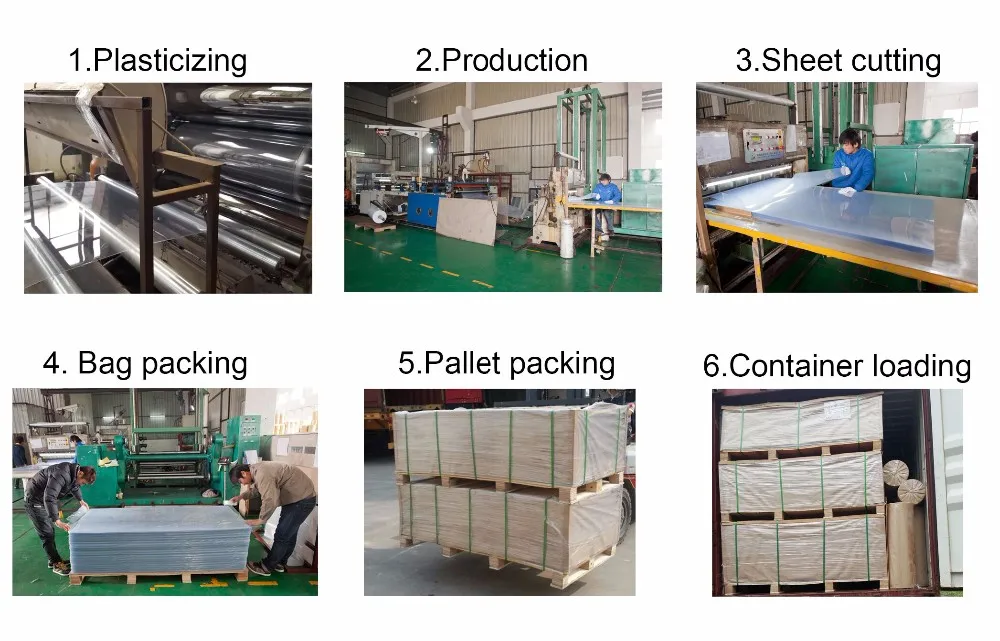
Sheet packaging: Sheets can be protected with release liner, PE bags, kraft paper, cartons, corner guards and wooden pallets.
Roll packaging: Rolls can be packed on suitable cores with protective film, end protection, cartons or palletized export packaging.
Custom labels: Product codes, dimensions, batch information, customer logos, barcodes and shipping marks can be added to the packaging.
Bulk shipping: Commercial orders are normally shipped by sea freight. Air or courier services can be used for samples and limited quantities.
Typical production time: Approximately 15-20 working days after sample, specification, packaging and payment confirmation.

Certifications and Documentation
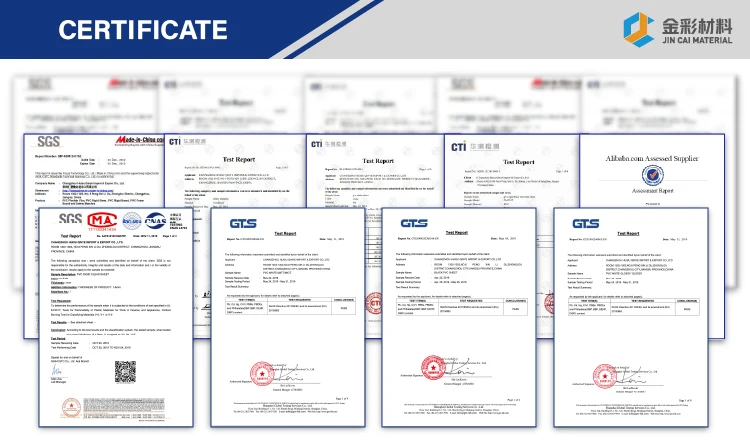
Available documentation may include RoHS-related test reports and ISO 9001 or ISO 14001 management-system documentation. Buyers should confirm which documents apply to the exact PVC, adhesive and finished-product specification.
ISO 9001 and ISO 14001 describe management systems and should not be presented as proof that a finished lampshade complies with a specific lighting, electrical or flame standard.

Global Exhibition and Customer Support
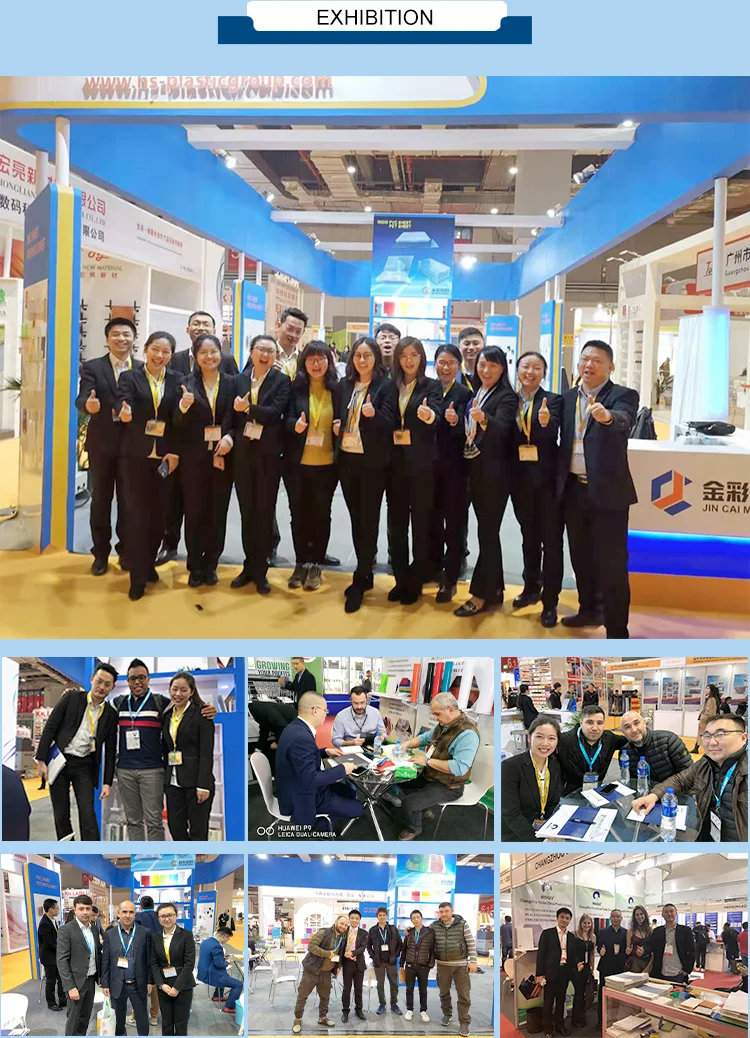
HSQY Plastic Group presents plastic-sheet and customized material solutions at international exhibitions. Samples, material specifications and project requirements can be discussed with lighting manufacturers, lampshade factories, distributors and OEM buyers.

Why Choose HSQY as Your Lampshade PVC Supplier?
Self-adhesive PVC backing developed for lampshade production.
Common thickness range from 0.3 mm to 0.5 mm.
Customized widths from approximately 1300 mm to 1500 mm.
White, transparent, semi-transparent and custom colors.
Matte, satin, glossy and customized interior finishes.
Sheet, roll, slit-roll and cut-panel supply formats.
Customized adhesive and release-liner configurations.
Samples for fabric lamination, light and heat evaluation.
Export packaging, labels and pallet customization.
Bulk supply for lampshade manufacturers, lighting brands and distributors.
HSQY recommends testing the selected PVC and adhesive structure with the buyer's actual fabric, wallpaper, cutting process, frame design, bulb and operating conditions before mass production.
Explore more PVC lampshade sheet products, or contact HSQY for a customized specification.
Contact HSQY for Samples and Pricing
Frequently Asked Questions About Self-Adhesive PVC Lampshade Sheet
What is self-adhesive PVC lampshade backing?
It is a rigid or semi-rigid PVC sheet coated with pressure-sensitive adhesive and protected by a release liner. Fabric, wallpaper or decorative paper is laminated onto the adhesive surface to make a hard-backed lampshade.
Is lampshade PVC the same as lampshade styrene?
They serve similar backing functions but use different polymers. PVC and polystyrene can differ in stiffness, flexibility, light appearance, processing, adhesive compatibility and regulatory requirements.
What thickness is normally used for lampshade backing?
Common HSQY thicknesses are approximately 0.3 mm to 0.5 mm. Smaller shades often use thinner material, while larger or taller shades may require greater stiffness.
Is 0.3 mm PVC suitable for a lampshade?
A 0.3 mm sheet is suitable for many small and medium drum, table and pendant shades. The finished diameter, height, fabric weight and frame design should be tested.
When should I use 0.5 mm lampshade PVC?
A 0.5 mm sheet may be selected for larger diameters, tall panels or designs requiring more structural rigidity. It is less flexible and may require greater rolling force.
What widths are available?
HSQY supplies customized widths of approximately 1300 mm to 1500 mm. Standard sheets and narrower slit rolls can also be discussed.
Can the material be supplied in rolls?
Yes. Supply formats may include full-width rolls, slit rolls, flat sheets and custom-cut lampshade panels, depending on thickness and order requirements.
Does the material include a release liner?
A release liner normally protects the pressure-sensitive adhesive before application. Liner material, weight, release level and printed measuring grid should be confirmed in the specification.
What fabrics can be applied to the adhesive surface?
Cotton, linen, polyester and other fabrics may be suitable. Fabric coatings, weave, stretch, texture and plasticizers can affect adhesion, so a lamination test is required.
Can wallpaper be used on lampshade PVC?
Selected wallpapers can be laminated to the adhesive backing. Thickness, surface coating, moisture, curling and long-term heat exposure should be evaluated.
Can decorative paper be used?
Yes. Decorative paper, printed paper and handmade paper may be used after testing for tearing, bubbles, wrinkles, adhesive visibility and light exposure.
Is extra glue required?
The main covering normally bonds to the pressure-sensitive adhesive without separately coating wet glue. Seams, rolled edges and frame attachment may still require tape, adhesive or another assembly method.
Is the adhesive permanent?
Adhesive performance depends on the selected formulation. Initial tack, final peel strength, heat resistance and long-term aging should be defined and tested for the intended covering.
Can the fabric be repositioned after application?
Limited repositioning may be possible before full pressure is applied, depending on adhesive tack and fabric type. Repeated removal can stretch the fabric or reduce adhesive performance.
How can bubbles and wrinkles be prevented?
Use a clean flat work surface, remove the liner gradually and apply the covering from one direction with uniform roller or squeegee pressure.
Is the PVC backing transparent?
Transparent, semi-transparent and white options are available. The correct choice depends on the required light output and finished lampshade appearance.
Can light transmission be customized?
Light transmission can be adjusted through thickness, color, opacity and formulation. Buyers should approve a lighted sample using the actual exterior covering.
Is matte PVC available?
Yes. Matte, satin and glossy finishes can be discussed for the interior lampshade surface.
Can the inside be gold or silver?
Metallic-effect interior options may be developed or supplied as a laminated decorative structure. Color, reflectivity, adhesion and temperature performance must be confirmed.
Can the PVC sheet be printed?
Selected surfaces can support printing. Ink adhesion, curing temperature, scratch resistance and light stability should be tested before production.
Is the material fire resistant?
Flame performance depends on the exact PVC formulation and test method. The PVC, adhesive, fabric and complete lampshade can behave differently, so a current report for the required structure is necessary.
Is the adhesive heat resistant?
Heat resistance depends on adhesive chemistry, coat weight, covering material, load and exposure time. The laminated sample should be tested at the expected lampshade operating temperature.
Can the material be used near an incandescent bulb?
The suitability depends on bulb wattage, heat output, shade diameter, ventilation, clearance and applicable lighting standard. The finished assembly must undergo temperature and safety evaluation.
Are antistatic and UV-stabilized grades available?
These functional options can be discussed. The required test, performance level, color and expected service conditions should be provided before quotation.
What is the MOQ?
The standard MOQ shown for this product is 2000 kg. Custom colors, adhesives, liners or functional formulations may require a different production quantity.
Are samples available?
Yes. Samples can be supplied for checking thickness, stiffness, light diffusion, adhesive performance, fabric compatibility and cutting behavior.
What is the production lead time?
Typical production takes approximately 15-20 working days after the material structure, sample, packaging and payment are confirmed.
What information is required for a quotation?
Provide thickness, width, length, color, opacity, surface finish, covering material, adhesive requirement, liner, quantity, processing method, safety standards, packaging and destination.
Get a Custom Lampshade PVC Quote