White PVC Playing Card Sheet for Poker Card Manufacturing
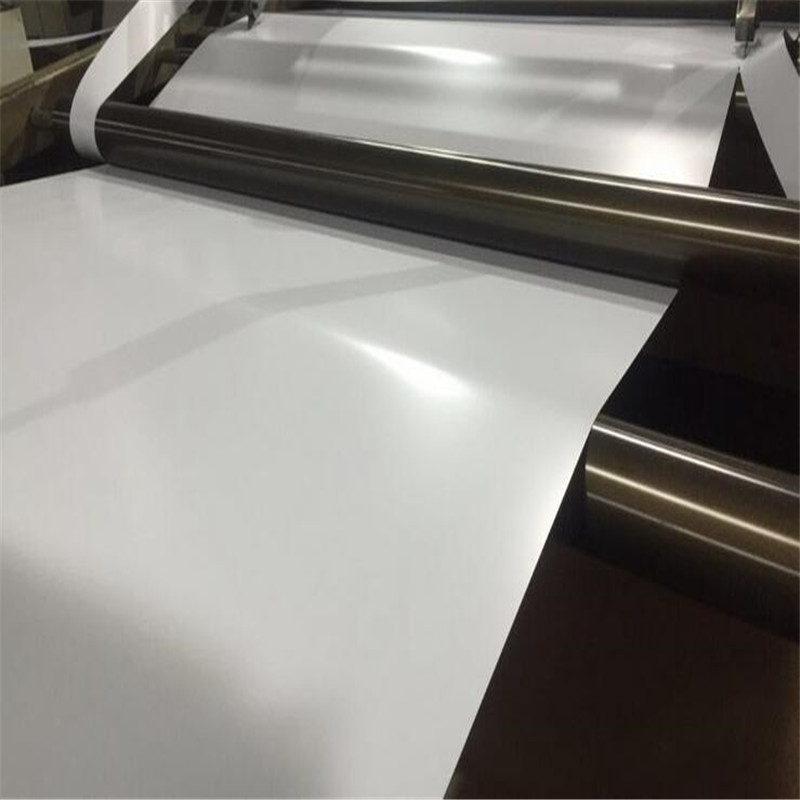
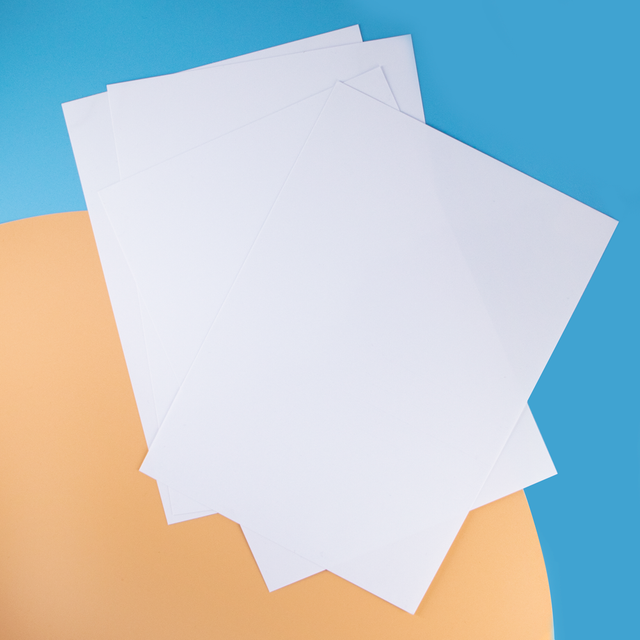
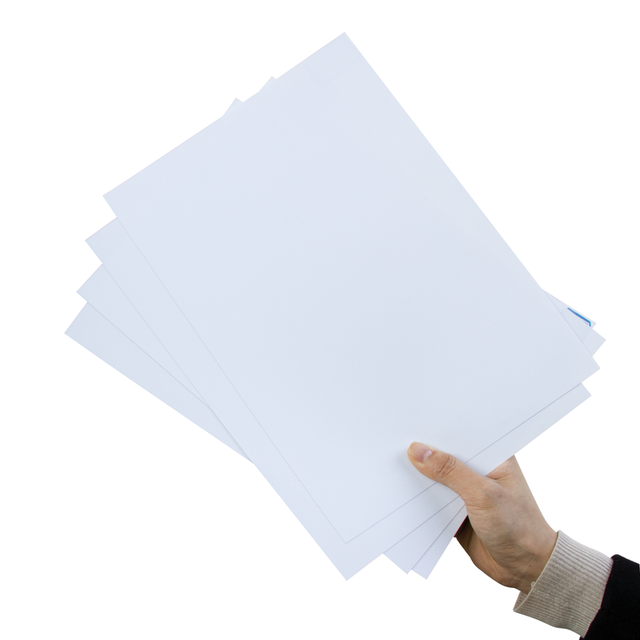
HSQY white PVC playing card sheet is a solid, opaque rigid plastic substrate supplied to playing card printers, card converters and game manufacturers. It is raw sheet material rather than a finished deck and is designed for printing, coating, lamination, die-cutting, punching, corner rounding and conversion into poker cards, casino cards, board game cards, tarot cards, educational cards and promotional decks.
Standard thicknesses include 0.20mm, 0.26mm, 0.27mm, 0.28mm, 0.30mm and 0.35mm. Available sheet sizes include 650 × 465mm, 670 × 470mm, 680 × 480mm and 935 × 675mm, with customized dimensions available according to printing-press format, imposition layout and cutting equipment.
The glossy white surface provides a clean background for detailed card artwork, while controlled opacity helps reduce show-through between the card face and back. Virgin-material and selected recycled-content formulations can be discussed according to the required whiteness, surface cleanliness, print quality, card feel and end-market requirements.
White PVC Playing Card Sheet Specifications
| Property |
Details |
| Product Name |
White PVC Playing Card Sheet / Poker Card PVC Sheet |
| Product Form |
Unprinted solid rigid PVC sheet for card manufacturing |
| Material |
Polyvinyl chloride, PVC |
| Available Thicknesses |
0.20mm, 0.26mm, 0.27mm, 0.28mm, 0.30mm and 0.35mm |
| Standard Sheet Sizes |
650 × 465mm, 670 × 470mm, 680 × 480mm and 935 × 675mm |
| Custom Sizes |
Available according to printing press, imposition layout, lamination and die-cutting requirements |
| Typical Density |
Approximately 1.40g/cm³ |
| Standard Color |
Opaque glossy white |
| Optional Surfaces |
Glossy, matte or selected textured finishes, subject to specification and MOQ |
| Printing Compatibility |
UV offset and screen printing; digital, toner and inkjet compatibility must be confirmed for the exact grade and printer |
| Converting Processes |
Printing, varnishing, coating, lamination, die-cutting, punching, slitting and corner rounding |
| Material Options |
Virgin PVC, selected recycled-content PVC or project-specific formulation |
| Sample |
A4 sample or customized sample, subject to availability |
| Reference MOQ |
1,000kg |
| Loading Ports |
Shanghai and Ningbo |
| Target Markets |
India, Europe, Japan, the United States and other international markets |
What Is PVC Playing Card Sheet?
PVC playing card sheet is a non-foamed rigid plastic sheet formulated for card printing and conversion. Card manufacturers print the face and back artwork, apply any required varnish or coating, laminate layers when necessary, and then die-cut and round the cards to the finished dimensions.
Compared with paper card stock, PVC does not readily absorb moisture and can provide greater resistance to tearing, edge wear and repeated handling. The actual service life of a finished deck also depends on ink, coating, lamination, surface friction, cutting quality, storage conditions and user handling.
Key Requirements for Card-Grade PVC Sheet
Controlled opacity: Helps prevent graphics, colors or markings on one side of the card from being visible through the reverse side.
Consistent thickness: Supports predictable finished-card thickness, uniform deck height and reliable cutting and lamination.
Good sheet flatness: Helps sheets feed through printing, coating, laminating and die-cutting equipment without excessive curl.
Smooth and clean surface: Reduces visible defects and supports fine text, detailed artwork and uniform ink coverage.
Suitable surface energy: Helps the selected ink, varnish, coating or adhesive wet and bond to the non-absorbent PVC surface.
Dimensional stability: Reduces registration changes during printing, curing, heated lamination and storage.
Controlled flexibility: Allows the finished card to bend and shuffle while returning toward its intended shape.
Clean die-cutting: Supports consistent card dimensions, smooth edges and uniform rounded corners.
How to Select PVC Sheet Thickness for Playing Cards
| Thickness |
General Characteristics |
Possible Uses |
| 0.20mm |
Thin and flexible; often evaluated as one layer in a laminated card construction |
Lightweight game components, promotional cards and multilayer card structures |
| 0.26mm–0.28mm |
Balanced stiffness, flexibility and material consumption |
Poker cards, casino-style cards, board game cards and general custom decks |
| 0.30mm |
More substantial card feel with increased stiffness |
Premium poker cards, reusable game cards, tarot cards and promotional decks |
| 0.35mm |
Thicker and stiffer; produces a heavier finished card |
Oversized cards, specialty decks, educational cards and rigid game components |
Thickness should not be selected only from the desired finished-card gauge. The buyer must also consider whether the card is single-ply or laminated, the weight of ink and varnish, coating thickness, card dimensions, embossing depth, stiffness target, deck height and desired shuffling feel.
PVC Playing Card Sheet Images

White PVC Playing Card Sheet 1

White PVC Playing Card Sheet 2
Finished PVC Playing Card Samples

Finished PVC Playing Card Sample 1

Finished PVC Playing Card Sample 2
Printing Methods for White PVC Card Sheet
Rigid PVC has a non-absorbent surface, so printing performance depends on the sheet surface, ink chemistry, surface energy, curing method and press settings. A grade that performs well with UV offset ink should not automatically be assumed to work with every inkjet, laser or toner printer.
UV offset printing: Commonly used for high-volume playing card production requiring fine artwork, stable registration and rapid UV curing.
Screen printing: Suitable for opaque colors, special inks, selected coatings and smaller or specialty production runs.
Digital UV printing: Can be used for prototypes, personalization and shorter runs when the printer, ink and feed system are compatible with rigid PVC.
Inkjet or toner printing: Requires a specifically qualified coated or printable grade. Standard UV-offset PVC sheet may not accept aqueous inkjet ink or tolerate toner-fusing temperatures.
Surface Energy, Ink Adhesion and Curing
Good print adhesion requires sufficient surface energy and a clean, uncontaminated sheet. The purchase specification should identify the ink system, treatment requirement and any target dyne value. Surface treatment can change during storage, so the printer should verify wetting and adhesion before production.
UV lamps, hot-air dryers and heated laminators can raise sheet temperature. Excessive heat can cause curl, shrinkage, blocking or registration movement. Ink should be fully cured before sheets are stacked, coated, laminated or packed.
Check surface energy before printing.
Run cross-hatch, tape or other agreed ink-adhesion tests.
Confirm color density, dot gain and fine-line reproduction.
Verify complete UV curing before stacking.
Check sheet curl and dimensional change after curing.
Test printed cards after bending, shuffling and abrasion.
Single-Ply and Laminated Playing Card Structures
| Card Structure |
Characteristics |
Key Controls |
| Single-Ply Printed PVC |
Artwork is printed directly on one PVC sheet, followed by coating and cutting |
Opacity, two-sided registration, surface treatment, ink adhesion and final stiffness |
| Two-Layer Laminated Card |
Printed face and back sheets are laminated to form the completed card body |
Layer thickness, adhesive or thermal bond, registration, curl and delamination resistance |
| Multilayer Card Structure |
Printed outer layers can be combined with an opaque core or protective overlay |
Finished thickness, opacity, bonding, temperature, pressure, deck feel and cutting quality |
Lamination, Varnish and Surface Finish
Lamination can increase card thickness, conceal printed layers and improve durability, but excessive temperature or uneven pressure may produce curl, shrinkage, trapped air or layer movement. The lamination window should be established using the selected PVC grade and actual printed sheets.
A clear varnish or coating can protect printed graphics and adjust card friction. Gloss, matte, linen-style, frosted or other tactile effects may be applied during card finishing, but the coating must remain flexible and should not cause adjacent cards to stick together.
Card Friction, Shuffling and Anti-Blocking Performance
Finished playing cards need a controlled balance between slip and grip. Cards with excessive friction may be difficult to deal and shuffle, while overly slippery cards can be difficult to control. Surface friction is influenced by PVC finish, ink, varnish, embossing, additives, curing and storage conditions.
Blocking or sticking can be caused by incomplete ink curing, incompatible varnish, excessive coating weight, unsuitable slip additives, high packing temperature or cards being stacked before the surface has stabilized. A finished-deck trial should be included in product approval.
Die-Cutting, Punching and Corner Rounding
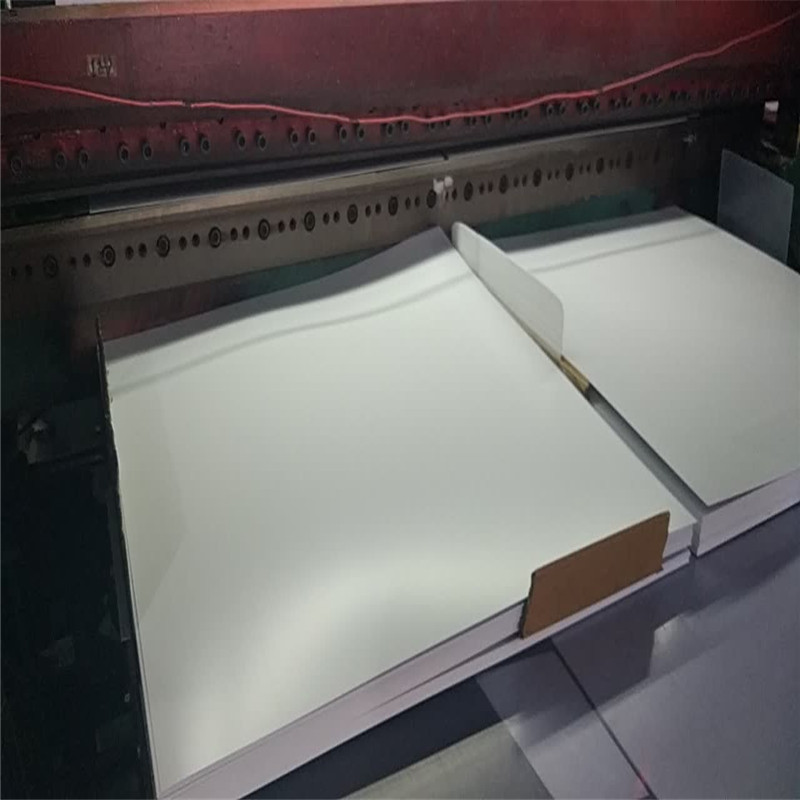
PVC card sheets can be die-cut, punched, slit and corner-rounded. Edge quality depends on blade sharpness, die clearance, sheet thickness, stack height, temperature, cutting speed and the amount of coating or laminated material.
Confirm card dimensions and corner radius before producing the cutting die.
Control print bleed and registration marks according to the imposition layout.
Use sharp tooling to reduce whitening, burrs and rough edges.
Check card squareness, dimensional tolerance and corner consistency.
Inspect laminated cards for edge separation after cutting.
Test deck handling after sorting, packing and storage.
Applications of PVC Playing Card Sheets
Poker and casino cards: Durable card decks requiring consistent thickness, stable opacity, clean printing and resistance to frequent shuffling.
Board game and tabletop cards: Reusable cards for strategy games, party games, role-playing games and educational game systems.
Tarot and oracle cards: Oversized or specialty decks requiring customized sheet layouts, stiffness and surface feel.
Collectible and trading cards: Selected durable card projects requiring moisture resistance, clean edges and detailed printing.
Promotional playing cards: Branded decks for corporate gifts, events, hotels, tourism, advertising campaigns and promotional merchandise.
Educational and training cards: Frequently handled flash cards, classroom tools, language-learning cards, safety cards and reusable instructions.
PVC Playing Cards vs Paper Playing Cards
| Comparison |
PVC Playing Cards |
Paper Playing Cards |
| Moisture Resistance |
Low moisture absorption and good resistance to ordinary water exposure |
Usually relies on coating or lamination for moisture protection |
| Durability |
Good tear resistance and repeated-handling performance |
Edges and folds may wear faster under heavy use |
| Card Feel |
Smooth plastic feel with controlled flexibility and recovery |
Traditional paper feel with many card-stock and embossing options |
| Printing |
Requires compatible plastic inks, surface energy and curing controls |
Broad compatibility with conventional paper-printing processes |
| End-of-Life |
Depends on PVC collection and recycling infrastructure in the target market |
Recyclability depends on coatings, laminates, inks and local paper-recycling rules |
Virgin and Recycled-Content PVC Options
Virgin PVC generally provides stronger control over whiteness, opacity, surface cleanliness, odor, color consistency and printing appearance. It is normally preferred where premium visual quality and stable processing are the main priorities.
Recycled-content formulations may be suitable for selected projects, but the recycled source and percentage can affect shade, impurity level, odor, mechanical properties and batch consistency. A recycled-content target should be agreed with an approved appearance and performance sample before production.
Quality-Control Tests for Playing Card PVC Sheet
Thickness and thickness-tolerance inspection.
Sheet size, squareness and edge-quality inspection.
Whiteness, opacity and show-through evaluation.
Surface cleanliness and visual-defect inspection.
Sheet flatness, curl and shrinkage testing.
Surface-energy and ink-adhesion testing.
Printing, curing and lamination trials.
Die-cutting, corner-rounding and edge inspection.
Flexing, shuffling, abrasion and blocking tests.
Finished-deck thickness, weight and handling evaluation.
Information Required for a Quotation
| Quotation Item |
Information to Provide |
| Thickness |
Required PVC gauge, tolerance and finished-card thickness |
| Sheet Size |
Width, length, press model, imposition layout and number of cards per sheet |
| Card Construction |
Single-ply, two-layer or multilayer card; coating and overlay requirements |
| Printing Method |
UV offset, screen, digital UV, toner or inkjet, including printer and ink model |
| Surface |
Glossy, matte, textured, required surface energy and treatment side |
| Appearance |
White shade, opacity, impurity requirement and approved reference sample |
| Material |
Virgin PVC or recycled-content target, plus any regulatory restrictions |
| Finished Card |
Card dimensions, corner radius, stiffness, coating, friction and shuffling requirement |
| Commercial Details |
Quantity, annual volume, packing method, destination port and required delivery date |
Certifications and Test Documents
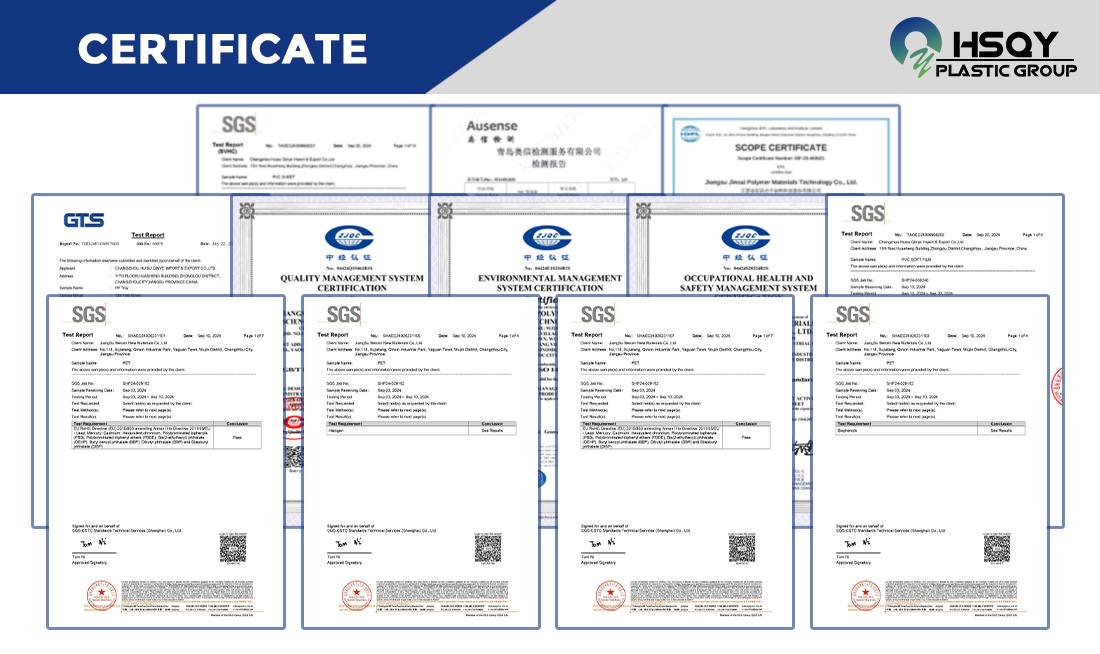
Available certificates and reports should be matched to the exact PVC formulation, recycled-content level, color, thickness and production batch. Buyers should identify any RoHS, REACH, heavy-metal, phthalate, toy-safety or destination-market requirement before production.

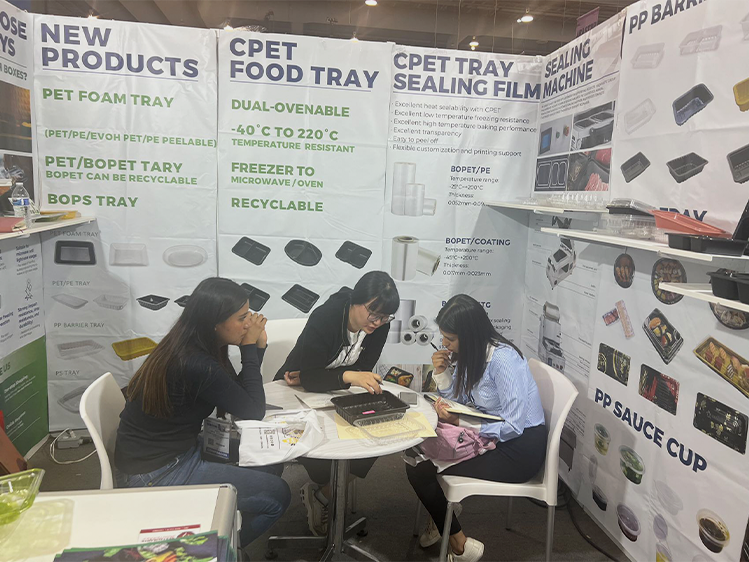
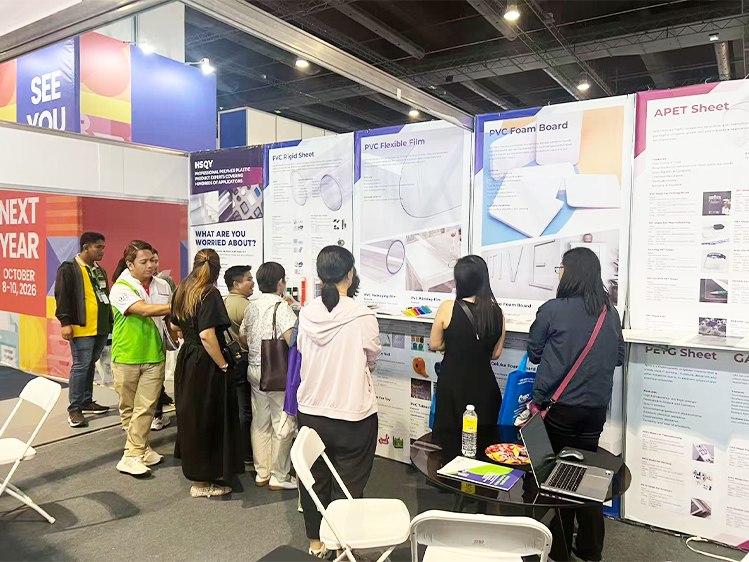
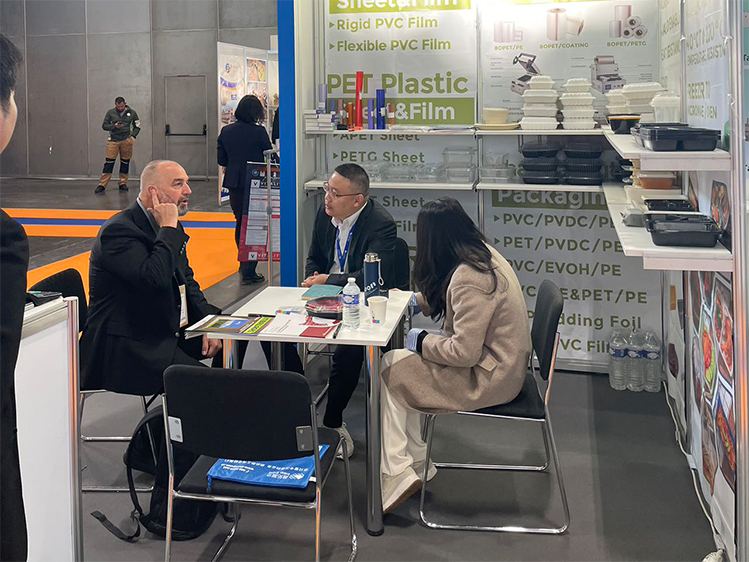
Global Exhibitions

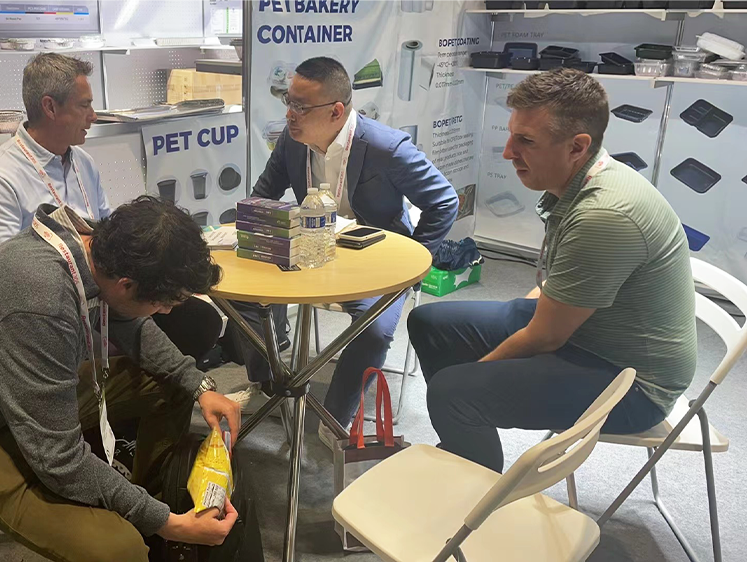
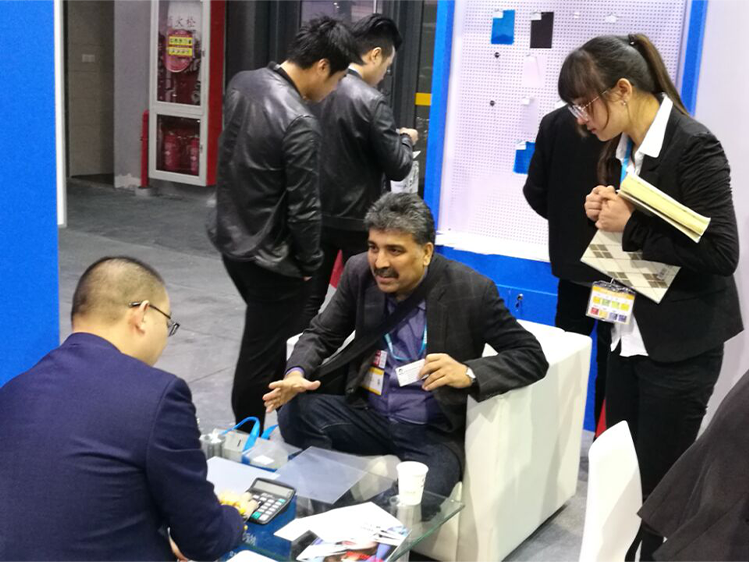
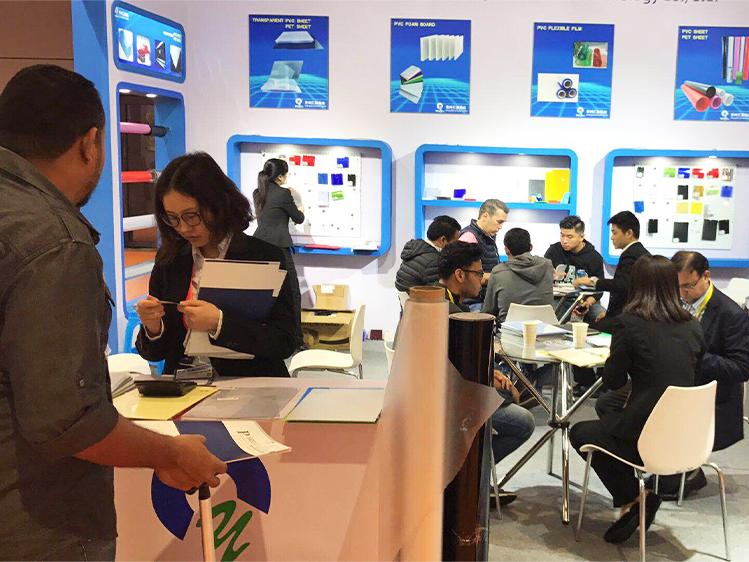
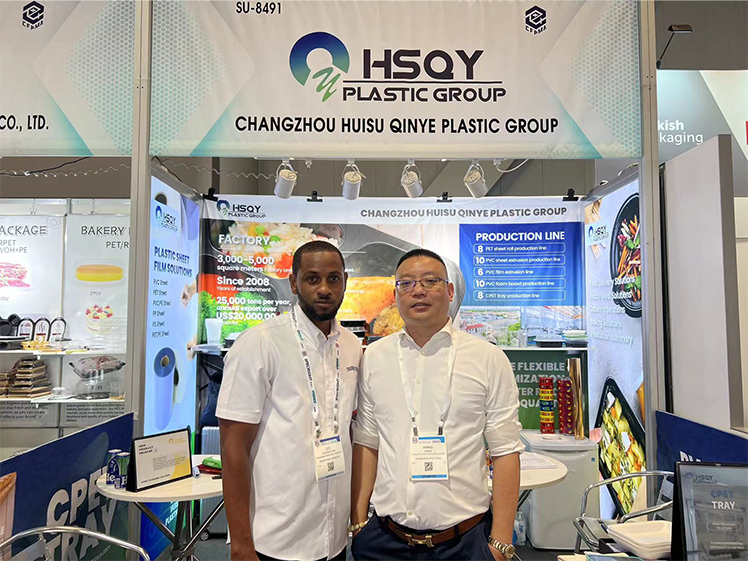
2024 Mexico Exhibition

2025 Philippines Exhibition

2024 Paris Exhibition

2023 Saudi Exhibition

2024 American Exhibition

2017 Shanghai Exhibition

2018 Shanghai Exhibition

2023 American Exhibition
Production and Packing
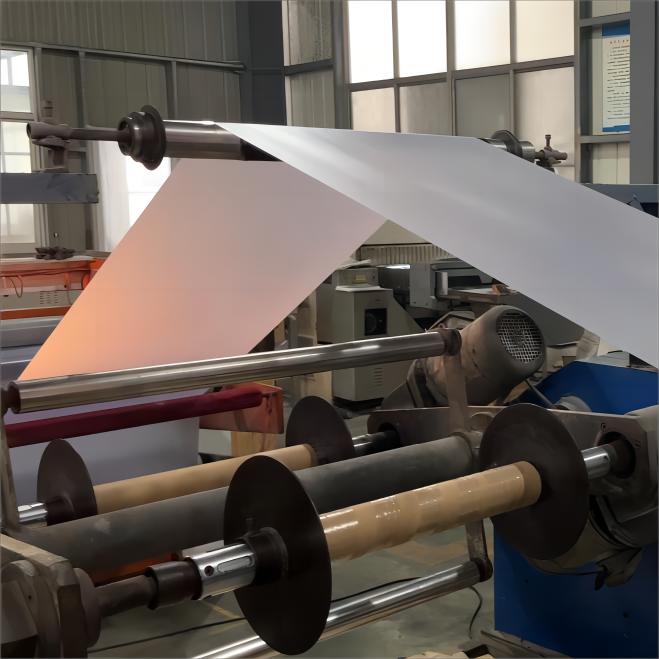
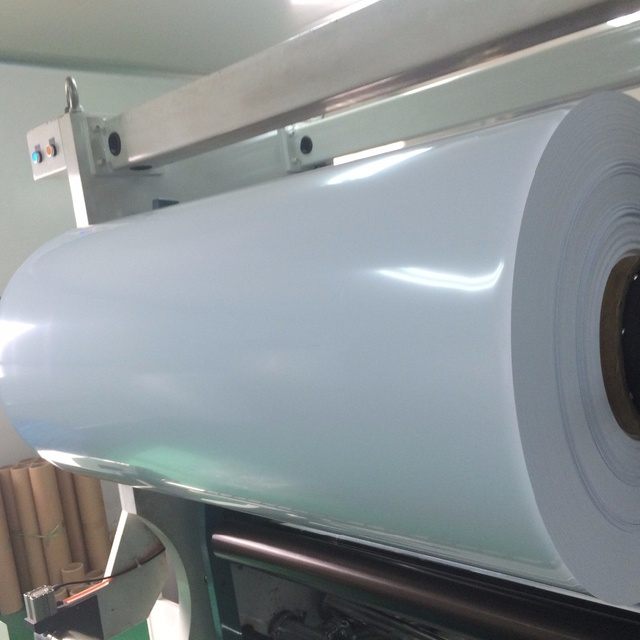
PVC card sheets can be protected with PE film, kraft paper, cartons, corner boards, strapping and export pallets. Packing specifications should prevent dust, surface scratching, moisture exposure, edge damage and excessive sheet movement during shipment.

PVC Sheet Production

PVC Sheet Extrusion Line

Export Packing
Frequently Asked Questions About PVC Playing Card Sheets
What is a PVC playing card sheet?
It is an unprinted rigid PVC substrate supplied to card manufacturers for printing, coating, laminating, die-cutting and converting into completed playing cards.
Is this product a finished deck of cards?
No. It is raw white PVC sheet material. The customer prints and converts the sheets into finished poker, casino, game, tarot or promotional cards.
Which thickness is commonly used for poker cards?
Thicknesses around 0.27mm to 0.30mm are commonly evaluated for poker and general playing cards. The final choice depends on card structure, coating, desired stiffness and deck feel.
Why are 0.20mm and 0.26mm sheets used?
Thinner sheets can be used for lightweight cards or as printed layers in a laminated card structure. The total finished thickness includes all PVC layers, ink, coating and adhesive.
What sheet sizes are available?
Standard sizes include 650 × 465mm, 670 × 470mm, 680 × 480mm and 935 × 675mm. Custom sizes can be produced according to the press and card imposition layout.
Can HSQY customize the white shade and opacity?
White shade and opacity can be discussed against an approved sample. The buyer should specify the required show-through performance, surface finish and color tolerance.
Can the PVC sheet be printed by UV offset?
Yes, suitable card-grade PVC sheets can be used with compatible UV-offset inks. Surface energy, ink adhesion, curing and dimensional stability should be tested before bulk production.
Can standard PVC playing card sheet be inkjet printed?
Not necessarily. Standard UV-offset material may not work with aqueous inkjet printers. Provide the printer, ink and drying method so a compatible coated or printable grade can be evaluated.
Why does ink peel from PVC card sheet?
Causes can include low surface energy, contamination, incompatible ink, insufficient curing, excessive bending or an unsuitable coating. Ink adhesion should be tested on production samples.
Can the sheets be laminated?
Yes. Printed sheets can be thermally or adhesively laminated when the material, ink, coating, temperature, pressure and dwell time have been qualified together.
Can PVC playing card sheets be die-cut and corner-rounded?
Yes. Rigid PVC sheets can be punched or die-cut and finished with rounded corners. Tool sharpness, cutting clearance, stack height and material thickness affect edge quality.
Why do finished playing cards stick together?
Blocking can result from incomplete curing, incompatible varnish, excess coating, high packing temperature, unsuitable slip properties or cards being packed before the surface stabilizes.
Are PVC playing cards waterproof?
Solid PVC has low water absorption and resists ordinary water exposure. The durability of printed cards also depends on ink, varnish, laminated edges and the finished-card construction.
Can recycled PVC be used for playing card sheets?
Selected recycled-content formulations can be discussed. Whiteness, impurities, odor, print quality, mechanical performance and regulatory requirements should be approved before production.
What is the typical density?
The reference density is approximately 1.40g/cm³. The actual value can vary with formulation, pigment and recycled-content level.
What is the MOQ?
The reference MOQ is 1,000kg. Custom dimensions, surfaces, formulations or recycled-content levels may require a different minimum quantity.
Can I request an A4 sample?
A4 or customized samples can be discussed so the buyer can evaluate thickness, opacity, printing, curing, lamination, cutting and finished-card feel.
What information is required for a quotation?
Provide thickness, sheet size, card construction, printing process, surface finish, opacity, material option, card dimensions, quantity, packing method, destination and required test standards.
About HSQY Plastic Group
HSQY Plastic Group supplies white PVC playing card sheets, PVC printing sheets, card-grade PVC materials, clear PVC sheets, colored PVC sheets and customized plastic substrates for card manufacturers, printing companies, packaging converters, distributors and wholesale buyers.
HSQY supports card-specific thicknesses, customized sheet sizes, white shade and opacity control, surface options, A4 samples, export packing and bulk production. Printing and conversion requirements should be confirmed before the commercial order.
Request a Quote and Sample