What Are A4 Inkjet Printable PVC ID Card Sheets?
A4 inkjet printable PVC ID card sheets are specially coated plastic materials used to manufacture personalized employee cards, membership cards, loyalty cards, visitor badges, student cards, hotel cards, access-control cards and promotional plastic cards.
Unlike ordinary uncoated PVC card core, an inkjet printable PVC sheet has a surface coating designed to receive compatible inkjet ink. The coating can improve ink absorption, image definition, color density and drying performance when used with the correct printer and ink system.
HSQY supplies A4, A5, CR80 and customized PVC card materials, including inkjet printable face sheets, PVC card core sheets, transparent coated overlays, non-lamination card materials and finished blank PVC cards.
A4 printable sheets are normally printed using a compatible sheet-fed inkjet printer and then combined with card core and overlay layers. The assembled sheet is laminated, cooled and cut into finished cards.
Finished CR80 blank cards use a different production workflow. They must be loaded into a direct-to-card, retransfer or compatible card printer that accepts the card material, dimensions, thickness and surface structure.
Printer compatibility is not universal. Buyers should provide the printer brand, printer model, ink type, sheet-feeding method, maximum media thickness, lamination equipment and required finished-card structure before ordering.
Materials intended for government credentials, banking cards, payment cards, licenses or other regulated identity documents should only be purchased and used by authorized organizations operating under applicable security and compliance procedures.
Request PVC Card Sheet Pricing Request Printing Samples
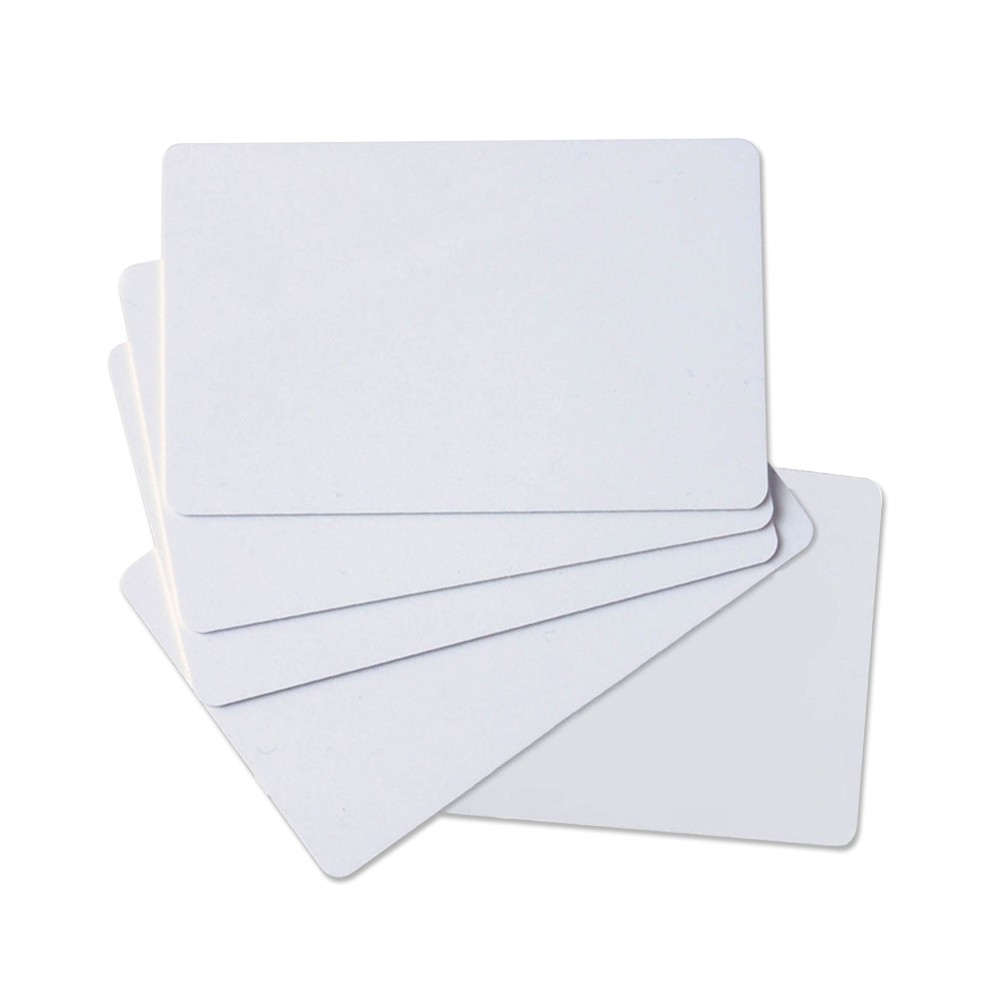
Inkjet Printable PVC ID Card Sheet Images
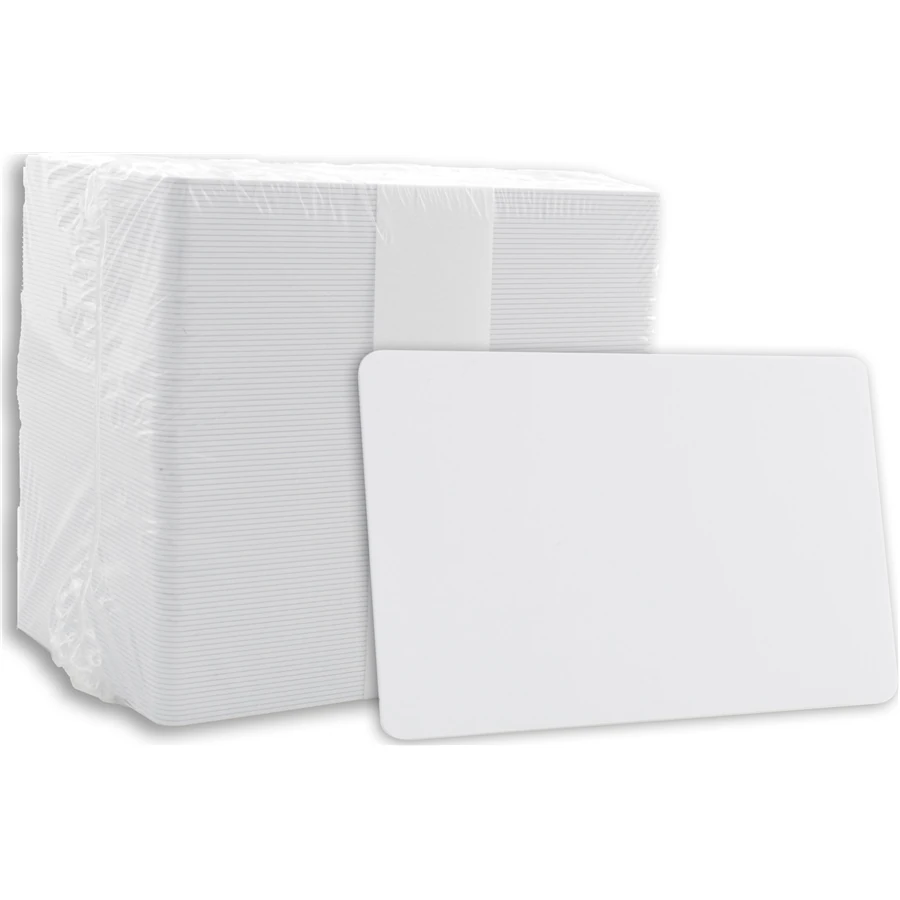
CR80 PVC ID Card

White Blank PVC Card

White A4 Inkjet Printable PVC Sheet
A4 Inkjet PVC ID Card Sheet Specifications
| Property |
Available Specification |
| Product Name |
A4 Inkjet Printable PVC ID Card Making Sheets |
| Alternative Names |
Inkjet PVC Card Sheet, PVC ID Card Material, Printable PVC Card Film and A4 PVC Card-Making Material |
| Base Material |
Rigid Polyvinyl Chloride / PVC |
| Material Options |
Virgin PVC, mixed-material PVC or recycled-content PVC subject to printing, appearance and application requirements |
| Standard Sheet Size |
A4: approximately 210 × 297 mm |
| Other Sheet Sizes |
A5, A3, 200 × 300 mm and customized dimensions subject to production confirmation |
| Finished Card Format |
CR80 / ID-1 reference size: approximately 85.6 × 54 mm |
| Standard Finished-Card Thickness |
Approximately 0.76 mm / 30 mil |
| HSQY Reference Tolerance |
Approximately 0.76 mm ±0.02 mm, subject to approved specification |
| Available Material Thickness |
Approximately 0.3-2 mm depending on whether the product is a printable sheet, core sheet, overlay, instant-card material or finished card |
| Printable Face-Sheet Thickness |
Common options include approximately 0.15 mm, 0.25 mm, 0.30 mm or customized thickness |
| PVC Core-Sheet Thickness |
Customized according to the target finished-card thickness and layer structure |
| Transparent Overlay Thickness |
Common thin-gauge overlay options subject to required protection, lamination and finished-card thickness |
| Reference 0.76 mm Structure |
Two 0.08 mm transparent overlays with two 0.30 mm PVC core or printing layers |
| Alternative Three-Layer Structure |
Printable front sheet + PVC middle core + printable back sheet, customized according to the selected production system |
| Printing Technology |
Compatible inkjet printing using an application-specific coated surface |
| Printable Sides |
Single-sided or double-sided inkjet-coated options |
| Ink Compatibility |
Dye-based, pigment-based or application-specific ink subject to coating and printer testing |
| Surface Finish |
Smooth, glossy, matte, frosted, embossed or customized texture |
| Colors |
White, transparent, gold, silver and customized colors |
| Card Production Processes |
Printing, drying, collating, lamination, controlled cooling, cutting, punching and inspection |
| Optional Card Features |
Magnetic-stripe overlay, signature panel, RFID or smart-card inlay compatibility subject to authorized project review |
| Main Applications |
Employee cards, membership cards, loyalty cards, visitor badges, student cards, hotel cards and authorized access cards |
| Minimum Order Quantity |
Approximately 1000 kg for the standard product; special kits, coatings, colors or packaging may use a different MOQ |
| Samples |
Stock samples may be available for printer, ink, lamination and cutting evaluation |
| Available Documentation |
Applicable SGS, RoHS-related and ISO quality-management documents subject to final specification |
| Typical Production Time |
Approximately 15-20 working days after specification, quantity, packaging and payment confirmation |
| Shipping Methods |
Express courier, air freight or sea freight |
Final sheet thickness, coating type, printable side, surface finish, layer combination, card dimensions, tolerance and packaging should be confirmed through an approved sample and written product specification.
Types of PVC ID Card Making Materials
PVC card materials are available in several different forms. Selecting the wrong material type can cause feeding problems, poor ink adhesion, weak lamination or incorrect finished-card thickness.
| Material Type |
Function |
Typical Processing |
Suitable Buyers |
| A4 Inkjet Printable Face Sheet |
Receives photographs, logos, text, barcodes and variable information |
Inkjet printing, drying, collating, lamination and cutting |
Card factories, badge manufacturers and printing shops |
| PVC Card Core Sheet |
Provides opacity, stiffness and most of the finished-card thickness |
Collated between printable layers or overlays before lamination |
Industrial card manufacturers and laminating facilities |
| Transparent Coated Overlay |
Protects printed graphics and forms the final outer card surface |
Thermal lamination over the printed card body |
Producers requiring improved abrasion and moisture protection |
| Printable Sheet and Core Kit |
Provides a coordinated set of printable front, middle core and printable back layers |
Print both face sheets, align with the core, laminate and cut |
Small and medium-volume personalized card producers |
| Non-Lamination or Instant Card Material |
Uses a specific bonding or fusing system intended to simplify card production |
Follow the supplier-specific printing, assembly and bonding process |
Fast personalized card services and limited-volume production |
| Finished CR80 Blank PVC Card |
Pre-cut card ready for compatible direct-to-card or retransfer printing |
Load individual cards into an approved card printer |
Offices, schools, hotels, clubs and authorized card issuers |
Common 0.76mm PVC Card Layer Structures
A finished 0.76mm card can be produced using different layer combinations. The correct structure depends on whether the printed layer also functions as the core, whether a separate overlay is used and how the layers fuse during lamination.
| Structure |
Example Layer Combination |
Main Characteristics |
Important Checks |
| Four-Layer Card |
0.08mm overlay + 0.30mm layer + 0.30mm layer + 0.08mm overlay |
Separate transparent protection on both sides and a balanced structure |
Overlay adhesion, artwork orientation, finished thickness and flatness |
| Three-Layer Printable Kit |
Printable face layer + 0.46mm core + printable back layer |
Simplified sheet-fed inkjet card-making system |
Coating direction, layer alignment, bonding and scratch protection |
| Custom Multi-Layer Card |
Printable sheet, PVC core, inlay or functional layer and transparent overlays |
Supports project-specific structure, stiffness and card functionality |
Total thickness, inlay position, lamination pressure, card bow and authorized use |
| Non-Lamination Card System |
Supplier-specific printable and bonding layers |
Intended to reduce or remove conventional hot-lamination steps |
Bonding method, edge integrity, heat resistance and long-term durability |
Nominal layer thicknesses do not always equal the exact final card thickness after lamination. Compression, coating thickness, material shrinkage and cooling pressure can affect the finished result.
Key Features of Inkjet Printable PVC Card Sheets
Inkjet-Compatible Surface Coating
The coated surface is designed to improve wetting and absorption of compatible inkjet ink. This helps reduce beading, smudging and uncontrolled ink spreading compared with ordinary uncoated PVC.
High-Resolution Personalization
A suitable sheet, ink and printer combination can reproduce photographs, logos, text, QR codes, barcodes and variable cardholder information.
Single- or Double-Sided Printing
Printable coatings can be applied to one or both sides. The coated surface should be clearly identified before printing and layer assembly.
Stable Sheet Flatness
Controlled flatness and squareness support reliable sheet feeding, artwork registration, layer alignment and card cutting.
Controlled Thickness
Consistent layer thickness helps card manufacturers control the finished 0.76mm card gauge and reduce variations between production batches.
Lamination Compatibility
Compatible PVC layers can fuse under validated heat, pressure and dwell-time conditions to create a unified card body.
Custom Colors and Finishes
White, transparent, gold, silver, glossy, matte and textured materials can be supplied for different card designs and visual effects.
Private-Label Packaging
Sheet counts, protective bags, printed labels, boxes, cartons and distributor branding can be customized for wholesale card-material programs.
Printer and Ink Compatibility
Inkjet printable PVC is not universally compatible with every desktop inkjet printer. Feeding capability, ink chemistry, printhead clearance and media settings can affect printing performance.
| Compatibility Factor |
Information to Confirm |
| Printer Type |
Sheet-fed desktop inkjet, card-tray inkjet, direct-to-card or retransfer printer |
| Printer Model |
Exact manufacturer and model number |
| Feeding Method |
Rear feed, front cassette, manual feed, straight-through path or CR80 card tray |
| Maximum Media Thickness |
Confirm that the printer can transport the selected sheet or card thickness without head contact or feeding errors |
| Ink Type |
Dye-based, pigment-based, solvent-based or application-specific ink |
| Printable Side |
Confirm whether one or both surfaces have the inkjet coating |
| Media Setting |
Paper type, print resolution, platen gap, ink volume and drying settings |
| Artwork Requirement |
Photo quality, fine text, barcode readability, background coverage and edge bleed |
Print only on the identified coated surface.
Test several media settings before bulk production.
Avoid excessive ink loading that causes slow drying or surface tack.
Allow printed sheets to dry completely before stacking or lamination.
Check color density, fine text, barcode readability and skin-tone reproduction.
Test rub resistance and coating adhesion before layer assembly.
Ordinary uncoated PVC core sheet generally does not provide reliable absorption for standard water-based inkjet ink. Buyers requiring direct inkjet printing should specify an inkjet-coated grade.
A4 Sheet Printing vs. Direct CR80 Card Printing
| Comparison |
A4 Inkjet PVC Sheet |
Finished CR80 Blank Card |
| Material Form |
A4 or custom-size printable sheet |
Pre-cut individual card |
| Printing Equipment |
Compatible sheet-fed inkjet printer |
Compatible direct-to-card, retransfer or card-tray printer |
| Lamination |
Normally required for conventional multi-layer card production |
Card body is already formed; an additional printer overlay or laminate may be optional |
| Cutting |
Cards are punched or cut after lamination |
No card-body cutting required |
| Production Volume |
Suitable for batch production from multiple cards per sheet |
Suitable for individual or on-demand card issuance |
| Main Risk |
Incorrect layer alignment, weak lamination or cutting error |
Incorrect printer compatibility, surface defects or card feeding problems |
PVC ID Card Material Layer Structure
Printable Face Layer
The printable face layer receives the card photograph, company logo, text, barcode, QR code, background design and variable information.
PVC Core Layer
The PVC core provides most of the card thickness, opacity and stiffness. One or more core layers may be used to reach the required finished gauge.
Printable Back Layer
A printable back layer can carry contact details, conditions of use, a barcode, membership information or other authorized card content.
Transparent Protective Overlay
A clear overlay protects printed graphics from routine handling, moisture and abrasion. The overlay must bond correctly to the printed card structure without trapping air or causing image distortion.
Optional Functional Layer
Authorized projects may include a magnetic-stripe overlay, signature panel, contactless inlay or another functional component. These structures require specialized positioning, lamination and quality-control procedures.
General PVC Card Production Workflow
1. Confirm the Material Structure
Identify the front printable sheet, back printable sheet, core layer, overlay, printable sides and target finished-card thickness.
2. Prepare Authorized Card Artwork
Prepare the authorized design, photographs, variable information and cutting registration marks according to the production layout.
3. Print the Coated Surface
Print on the identified coated side using validated printer, ink, resolution and media settings.
4. Allow Complete Ink Drying
Allow sufficient drying before stacking, collating or lamination. Incomplete drying can cause image transfer, smearing or poor overlay adhesion.
5. Collate and Align the Layers
Align the front sheet, core, back sheet and overlays. Confirm image direction and avoid dust, fingerprints and trapped particles.
6. Laminate Under Validated Conditions
Apply the validated temperature, pressure and dwell time for the selected PVC structure and laminating equipment.
7. Cool Under Controlled Pressure
Controlled cooling helps stabilize the laminated sheet and reduce warping, bubbles, surface marks and uncontrolled shrinkage.
8. Cut or Punch the Cards
Cut the laminated sheet into the approved CR80 or customized card dimensions using a suitable punch, die or cutting system.
9. Inspect the Finished Cards
Inspect card dimensions, thickness, flatness, image position, edge quality, lamination bond, surface defects and barcode readability.
Lamination and Cooling Considerations
Lamination settings should not be copied from a different PVC material without testing. Resin formulation, sheet thickness, coating, overlay and laminator design can change the required processing window.
Excessive temperature can cause discoloration, distortion, bubbles, coating damage or excessive shrinkage.
Insufficient temperature can result in incomplete fusion or weak peel strength.
Uneven pressure can create thickness variation and surface marks.
Trapped dust or fibers can remain visible inside the finished card.
Incomplete ink drying can interfere with overlay bonding.
Uncontrolled cooling can produce card bow, curl or dimensional instability.
Lamination plates, pads and release surfaces should be clean and appropriate for the required finish.
CR80 Card Size, Thickness and Flatness
CR80 is the common card format used for many employee, membership, loyalty, hotel and access-control cards. The finished dimensions are approximately 85.6 × 54 mm, and a commonly specified thickness is approximately 0.76 mm or 30 mil.
Finished-card thickness should be selected according to the target printer, reader, holder, wallet slot and card-handling equipment.
Card bow and warping can cause feeding errors, print voids and poor stacking. The final laminated card should be evaluated after it has cooled and reached stable room conditions.
Applications of Inkjet Printable PVC Card Sheets
Employee ID Cards
Create authorized employee identification cards, workplace badges and internal staff cards with photographs, names, departments and company branding.
Membership Cards
Produce personalized cards for gyms, clubs, salons, associations, libraries and service organizations.
Loyalty and Gift Cards
Printable PVC supports branded loyalty, reward, gift and promotional cards for retailers, restaurants and customer programs.
Visitor Badges
Authorized visitor cards can be produced for offices, exhibitions, conferences, factories and controlled facilities.
Student and Library Cards
Schools, universities, training centers and libraries can use personalized cards for authorized identification and membership programs.
Hotel and Hospitality Cards
Materials can be evaluated for hotel membership cards, guest identification and compatible authorized key-card structures.
Access-Control Cards
Authorized access-card projects may require magnetic stripe, RFID or smart-card components. The material and layer structure must be matched to the approved access-control technology.
Event and Promotional Cards
PVC cards can be used for event badges, branded cards, promotional campaigns and authorized ticketing or membership programs.
PVC vs. PETG and Polycarbonate Card Materials
| Selection Factor |
PVC |
PETG or Composite Card |
Polycarbonate |
| Typical Use |
Employee, membership, loyalty and general identification cards |
Cards requiring improved heat or mechanical durability |
Specialized long-life and regulated credential structures |
| Printing and Lamination |
Widely available in printable, core and overlay grades |
Requires matched material and lamination process |
Uses specialized printing, laser and lamination systems |
| Heat Durability |
Suitable for normal card use; prolonged heat can cause deformation |
Composite structures can improve heat resistance |
Higher heat and dimensional performance when properly processed |
| Cost and Availability |
Broadly available and cost effective for general cards |
Higher material and processing cost |
Specialized and generally more expensive |
| Final Selection |
Select according to card lifespan, printing technology, lamination process, heat exposure, embedded components, security requirements and budget |
Custom PVC Card Material Options
A4, A5, A3, CR80 and customized dimensions.
Printable face sheets, PVC core sheets and transparent overlays.
Single-sided or double-sided inkjet coating.
Custom face-sheet, core-sheet and overlay thickness.
White, transparent, gold, silver and customized colors.
Glossy, matte, frosted and embossed surfaces.
Virgin, mixed or recycled-content PVC options.
Conventional lamination and non-lamination material systems.
Magnetic-stripe overlays or inlay-compatible structures for authorized projects.
Custom sheet counts, bags, boxes, labels and private-label packaging.
Recommended Quality-Control Tests
Sheet length, width, squareness and thickness tolerance.
Surface flatness and sheet-feeding performance.
White color, opacity and batch consistency.
Ink absorption, drying time and color density.
Fine text, photograph and barcode reproduction.
Coating adhesion and scratch resistance.
Layer registration and lamination alignment.
Lamination peel strength and delamination resistance.
Finished-card dimensions and total thickness.
Card bow, flatness and cooling stability.
Cutting edge, burr, corner radius and surface condition.
Printer feeding and card-reader compatibility where applicable.
Storage and Handling Instructions
Keep sheets sealed in their original moisture-resistant packaging until use.
Store the material in a clean, dry indoor environment.
Avoid direct sunlight, excessive heat, high humidity and rapid temperature changes.
Store sheets flat and avoid uneven loads that may cause deformation.
Handle the printable coating with clean gloves.
Prevent fingerprints, oil, dust and fibers from contacting the printable or lamination surfaces.
Allow cold material to reach the printing-room temperature before opening the sealed package.
Keep sheets away from solvents and aggressive chemicals.
Information Required for a PVC Card Sheet Quotation
Required product type: printable sheet, core, overlay, kit, non-lamination material or finished blank card.
A4, A5, A3, CR80 or custom dimensions.
Thickness of each layer and target finished-card thickness.
Single-sided or double-sided printable coating.
White, transparent, gold, silver or customized color.
Glossy, matte, frosted or embossed surface.
Printer brand, model and sheet-feeding method.
Dye-based, pigment-based or other ink type.
Laminator type and current material structure.
Required card application and authorized functional features.
Trial quantity, first order and annual demand.
Required bags, labels, boxes, cartons and private-label packaging.
Destination country, shipping method and required documentation.
Send Your PVC Card Material Requirements
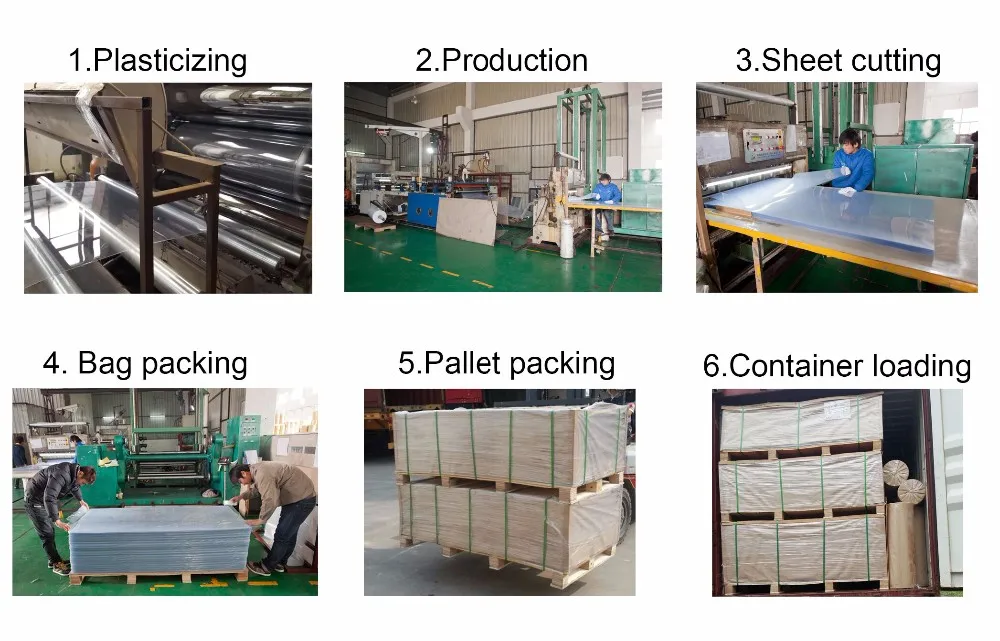
Packing and Shipping
Protective packaging: Printable sheets can be sealed in moisture-resistant bags and packed in rigid boxes to reduce dust, moisture, bending and edge damage.
Sheet count: The number of sheets or sets per package can be customized according to thickness, distributor requirements and retail packaging.
Custom branding: Labels, bags, boxes and cartons can include the buyer's logo, product code, thickness, printable-side instructions and barcode.
Export packing: Bulk cartons can be secured on pallets for international air or sea transportation.
Shipping options: Samples and small orders can be shipped by express courier. Bulk orders can be shipped by air or sea.
![PVC ID card material protective packaging]()
PVC ID Card Material Packaging
![PVC card sheet export cartons and shipping packaging]()
PVC Card Sheet Export Packaging
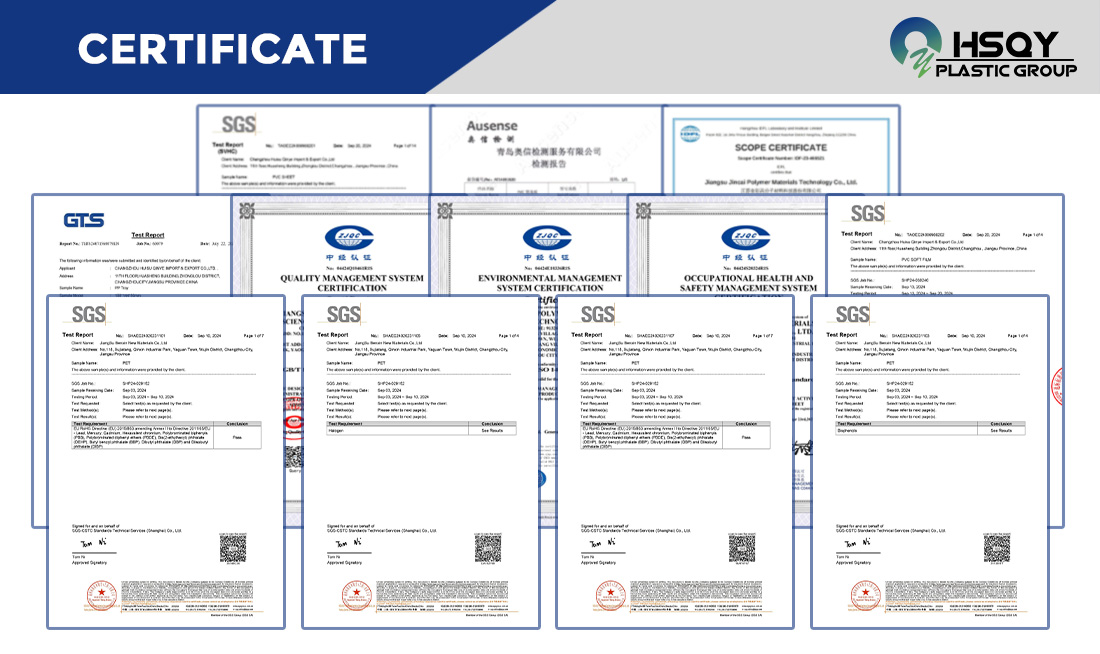
Certificates and Quality Documents
Available documentation may include applicable SGS reports, RoHS-related documents and ISO quality-management certificates.
Buyers should confirm which documents apply to the exact PVC resin, printable coating, color, recycled-content level, thickness and production specification.
ISO 9001 is a quality-management-system standard. It does not by itself prove that every PVC card material complies with a specific chemical, environmental, security or finished-card requirement.

Why Choose HSQY as Your PVC Card Material Supplier?
HSQY Plastic Group supplies inkjet printable PVC sheets, PVC card core materials, transparent coated overlays, blank PVC cards and other rigid plastic sheets to international B2B customers.
A4, A5, A3, CR80 and customized dimensions.
Printable sheets, card cores, overlays and complete material sets.
Single-sided and double-sided inkjet-coated options.
Standard 0.76mm finished-card structures.
White, transparent, gold and silver materials.
Glossy, matte and customized surface finishes.
Conventional lamination and instant-card material options.
Samples for printer, ink, laminator and cutting trials.
Customized packaging and private-label supply.
Bulk production support for card manufacturers and distributors.
HSQY recommends completing printer feeding, ink drying, lamination, cooling, cutting and finished-card tests before approving a bulk production specification.
Contact HSQY for Samples and Pricing
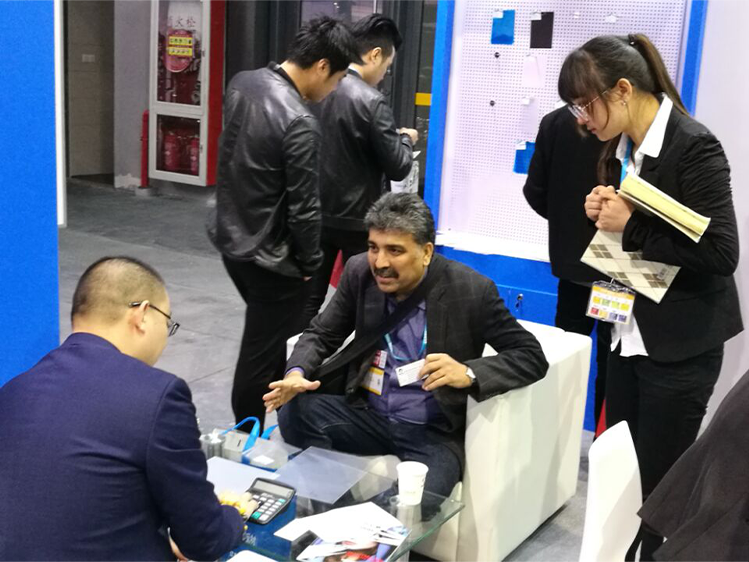
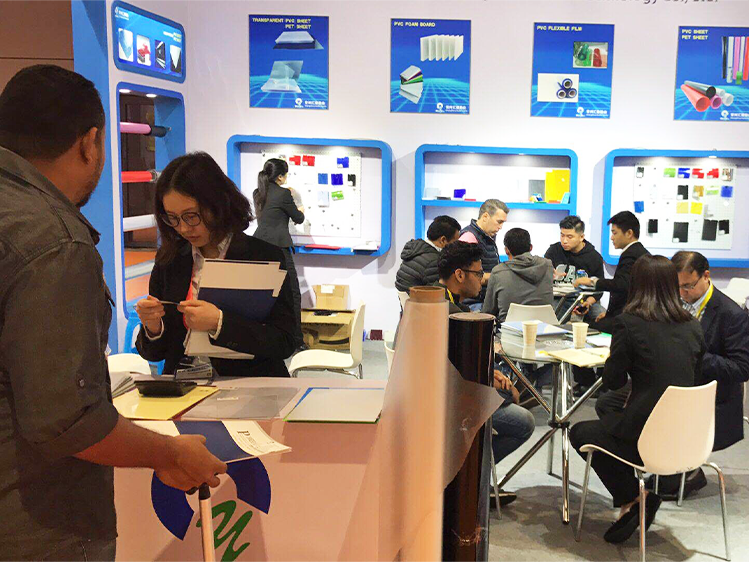
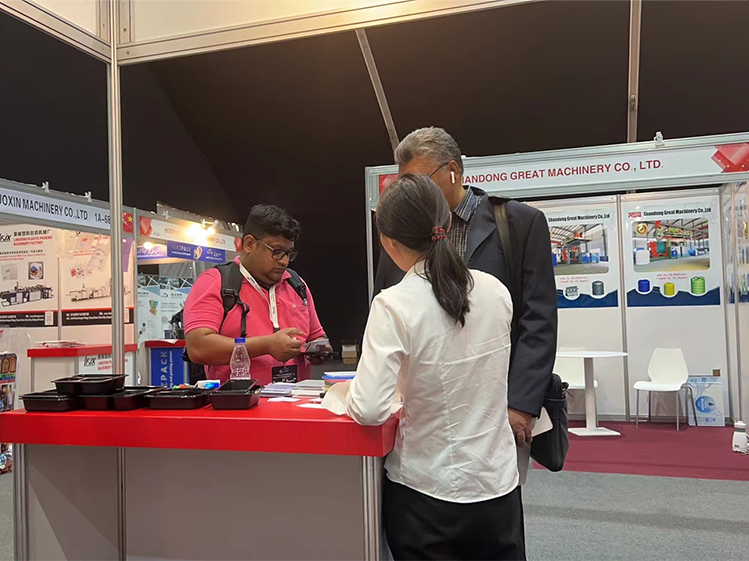
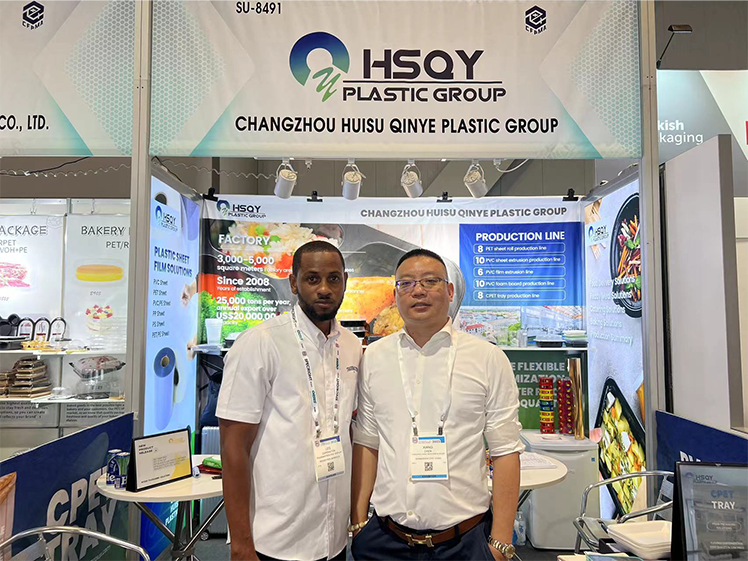
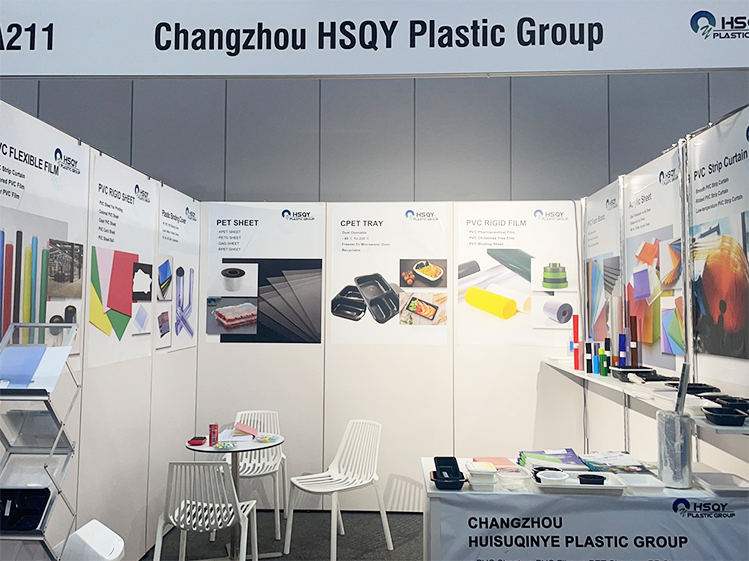
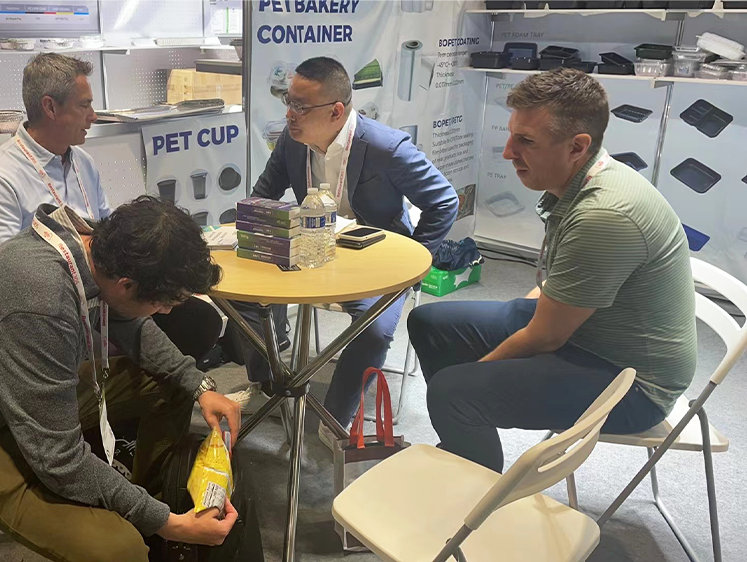
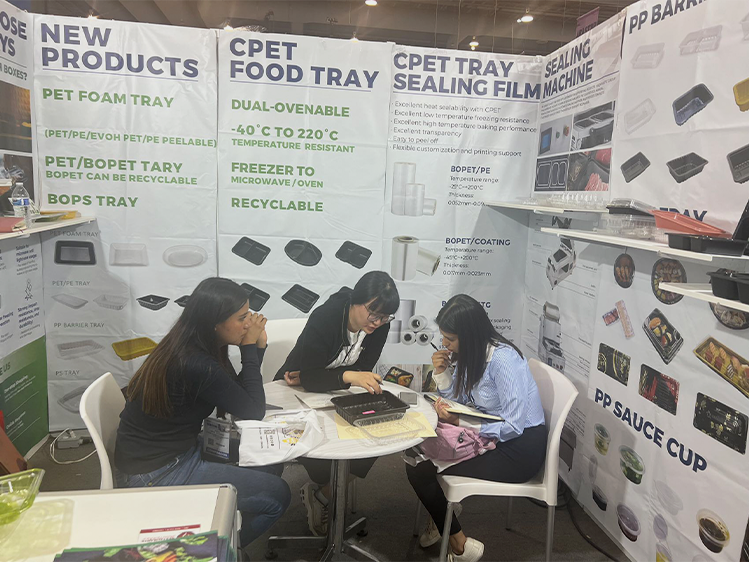
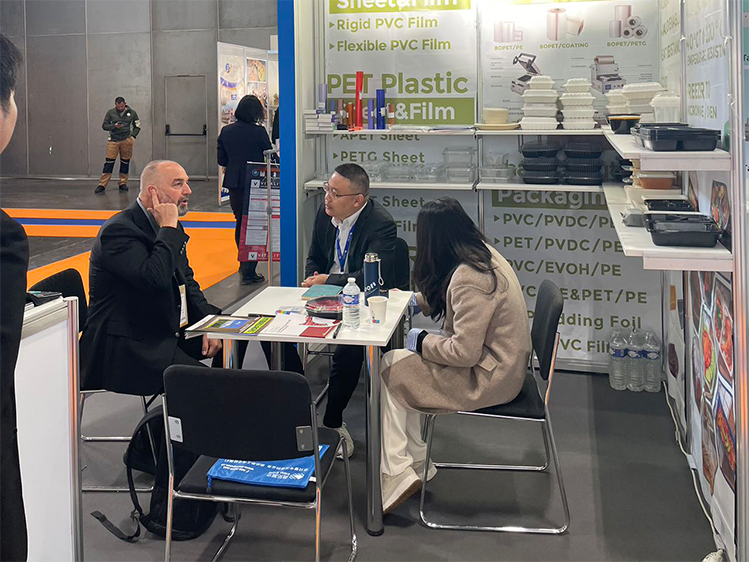
HSQY Global Exhibitions
HSQY Plastic Group presents PVC card materials, printable plastic sheets, packaging products and customized polymer solutions at international plastics and packaging exhibitions.

2017 Shanghai Exhibition

2018 Shanghai Exhibition

2023 Saudi Exhibition

2023 American Exhibition

2024 Australian Exhibition

2024 American Exhibition

2024 Mexico Exhibition

2024 Paris Exhibition
Frequently Asked Questions About Inkjet PVC ID Card Sheets
What is an A4 inkjet printable PVC ID card sheet?
It is an A4-size PVC material with a surface coating developed for compatible inkjet printing. Printed sheets can be combined with PVC core and overlay layers, laminated and cut into finished plastic cards.
Is A4 PVC card material the same as a CR80 blank card?
No. A4 material is printed as a sheet and normally requires layer assembly, lamination and cutting. A CR80 blank card is already cut to finished-card dimensions and requires a compatible card printer.
Can ordinary PVC sheet be printed with an inkjet printer?
Ordinary uncoated PVC generally does not absorb standard inkjet ink effectively. Use a specifically coated inkjet-printable PVC grade.
Which printers are compatible with A4 inkjet PVC sheets?
Compatibility depends on the printer model, feeding path, maximum media thickness, ink chemistry and sheet coating. The exact printer should be tested before bulk ordering.
Can the PVC sheets be printed on both sides?
Yes. Double-sided inkjet-coated grades are available. Confirm that both surfaces are coated before printing.
Can dye and pigment inks both be used?
Compatibility depends on the coating and printer. Test ink absorption, drying, color density, rub resistance and lamination performance with the actual ink.
What is the standard CR80 card size?
The common CR80 reference size is approximately 85.6 × 54 mm. A commonly used finished thickness is approximately 0.76 mm or 30 mil.
What layers are used to make a 0.76mm PVC card?
One reference structure uses two 0.08mm transparent overlays and two 0.30mm PVC layers. Another common structure uses printable front and back sheets with a thicker middle core.
Do A4 inkjet PVC sheets require lamination?
Conventional multi-layer A4 card systems normally require lamination. Non-lamination or instant-card systems are also available, but they use a different bonding structure and process.
What equipment is needed to make cards from A4 PVC sheets?
A typical process may use a compatible inkjet printer, card-design software, drying area, laminator, cooling plates, card punch or cutter and inspection tools.
What lamination temperature should be used?
The correct temperature depends on the PVC formulation, layer thickness, overlay coating and laminator. Use the supplier's processing recommendation and complete production trials instead of applying one universal temperature.
Why do laminated PVC cards warp?
Warping can result from unbalanced layer thickness, excessive heat, uneven pressure, incorrect material orientation or uncontrolled cooling.
Why does the ink smear during lamination?
Possible causes include an incompatible ink, excessive ink volume, insufficient drying, incorrect printable surface or incompatible overlay and lamination conditions.
Why does the overlay separate from the card?
Delamination can result from insufficient heat or pressure, contaminated surfaces, incompatible layers, excessive ink, incorrect cooling or poor overlay adhesion.
Can magnetic stripes be added?
Magnetic-stripe overlays can be evaluated for authorized projects. Stripe type, position, coercivity, encoder compatibility and lamination structure must be specified.
Can RFID or smart-card inlays be added?
Authorized RFID and smart-card projects require a specialized inlay, controlled layer structure, precise positioning and validated lamination conditions.
Can recycled PVC be used?
Recycled-content or mixed-material PVC may be available for selected applications. Appearance, cleanliness, printing, lamination and finished-card durability must be tested.
Are PVC cards recyclable?
Recycling acceptance depends on local collection systems, card size, overlays, magnetic stripes, embedded components and regional PVC recycling infrastructure.
Are samples available?
Stock samples may be available for testing sheet feeding, ink absorption, drying, lamination, bonding and card cutting. Courier freight is normally paid by the buyer.
What is the MOQ?
The standard product parameter shows an MOQ of approximately 1000kg. Special material kits, colors, coatings or private-label packages may use a different MOQ.
What is the production lead time?
Typical production takes approximately 15-20 working days after the structure, quantity, packaging and payment are confirmed.
What information is required for a quotation?
Provide the product type, sheet size, layer thickness, finished-card thickness, printable sides, printer model, ink type, lamination process, quantity, packaging and destination.
Get a Custom PVC Card Sheet Quote
About HSQY Plastic Group
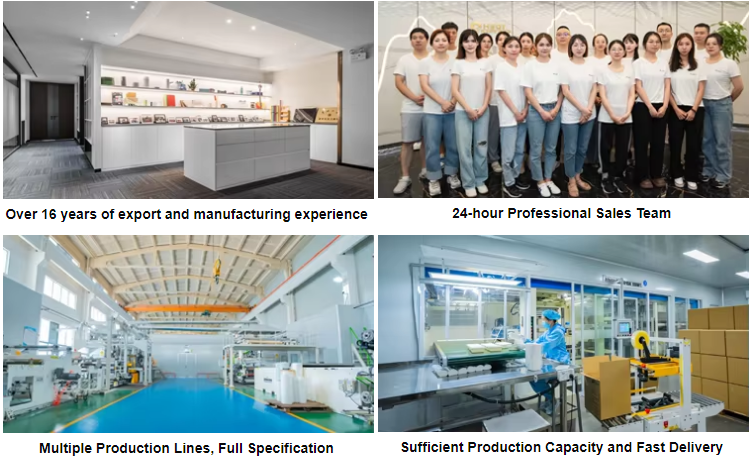
Changzhou Huisu Qinye Plastic Group Co., Ltd. supplies inkjet printable PVC sheets, PVC card core materials, coated overlay films, blank PVC cards and other plastic-sheet products for international B2B customers.
HSQY supports card manufacturers, printing shops, office-supply distributors, badge producers and identification-solution providers with custom sizes, thicknesses, coatings, colors, samples, technical documents, private-label packaging and bulk production.
Request a Quote and Sample