What Is Heat-Resistant BOPET/PE Lidding Film?
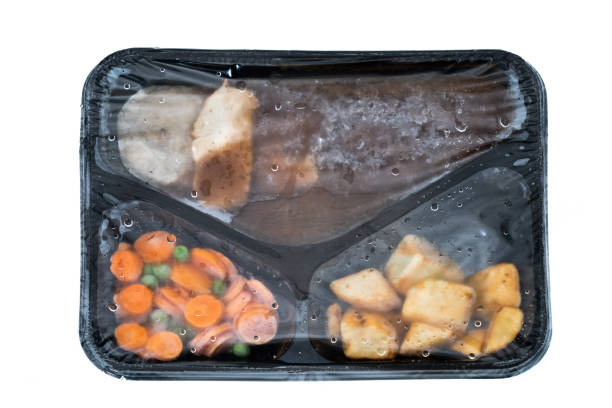
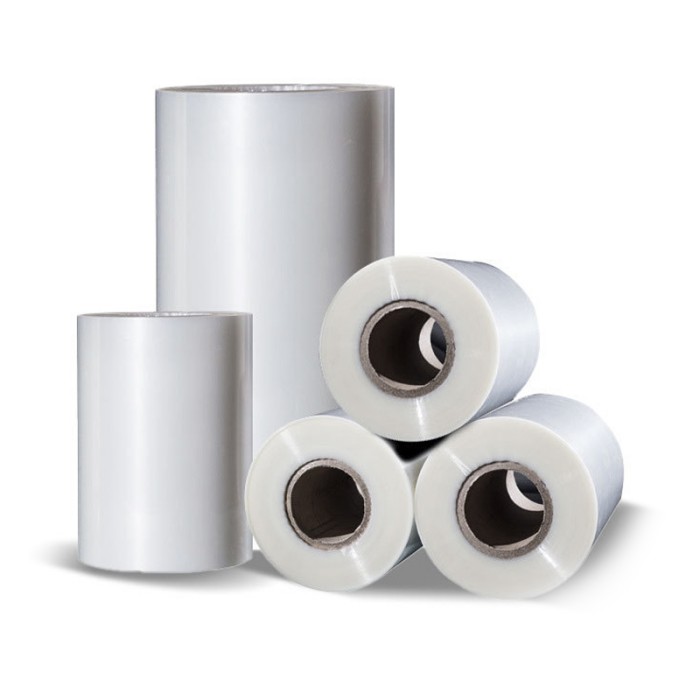
Heat-resistant BOPET/PE lidding film is a laminated tray-sealing film with a biaxially oriented PET outer layer and a PE-based or application-specific heat-seal layer. The BOPET layer provides clarity, dimensional stability, tensile strength, puncture resistance, and printability, while the sealant layer creates the bond to a compatible food tray or container.
HSQY supplies nominal thicknesses from 0.052mm to 0.09mm, roll widths from 150mm to 900mm, and standard 500m rolls with custom conversion available. Clear, printed, easy-peel, medium-peel, weld-seal, anti-fog, and barrier grades can be developed for ready meals, processed foods, catering, and other tray-packed applications.
Important: “Heat resistant” can describe several different requirements, including high sealing temperature, hot filling, pasteurisation, microwave reheating, or conventional-oven use. A standard BOPET/PE laminate should not automatically be described as a −25°C to 200°C dual-ovenable film. The exact laminate, tray, food, temperature, duration, and sealing process must be validated.

What Does Heat Resistance Mean for Lidding Film?
Different food-packaging processes expose the film to different types of heat. The required grade should be selected according to the actual process rather than one general temperature claim.
| Thermal Requirement |
What the Film Must Withstand |
Validation Needed |
| High Sealing Temperature |
Short contact with heated sealing tools during tray closure. |
Seal initiation temperature, operating window, dwell time, pressure, shrinkage, and distortion. |
| Hot Fill |
Contact with food filled at an elevated temperature. |
Fill temperature, contact time, product chemistry, seal timing, and package deformation. |
| Pasteurisation / Steam Treatment |
Extended heat and moisture exposure after sealing. |
Time-temperature cycle, pressure, humidity, bond strength, and seal retention. |
| Microwave Reheating |
Electromagnetic heating, steam generation, food oils, and possible venting. |
Microwave power, heating time, food load, venting, ink, adhesive, and seal behavior. |
| Conventional Oven |
Sustained dry heat during cooking or reheating. |
Exact temperature, duration, whether the film remains on, tray resin, food load, and complete-pack testing. |
Heat-Resistant BOPET/PE Film Specifications
The following specifications retain the current product information while separating standard values from application-specific claims. Final guaranteed performance should be documented in the technical data sheet, approved sample, and purchase order.
| Property |
Standard or Available Option |
Selection Note |
| Product Type |
Heat-resistant tray lidding film |
Rollstock for tray-sealing equipment |
| Typical Structure |
BOPET outer layer with PE-based or application-specific sealing structure |
Final sealant depends on tray and thermal process |
| Thickness |
0.052–0.09mm, custom |
Confirm nominal gauge and tolerance |
| Roll Width |
150–900mm, custom |
Confirm tooling layout, trim, core, and maximum roll diameter |
| Roll Length |
500m, custom |
Depends on gauge, width, core, roll weight, and machine limit |
| Appearance |
Clear or custom printed |
Confirm haze, gloss, print coverage, transparent windows, and eye marks |
| Seal Type |
Easy peel, medium peel, hard peel, or weld seal |
Agree target peel force and failure mode |
| Anti-Fog |
Optional |
Recommended for chilled and moisture-rich foods |
| Barrier |
Standard or high-barrier options |
Specify OTR, WVTR, gas mixture, and shelf-life target |
| Microwave Use |
Application-specific grade |
Validate the complete package |
| Conventional-Oven Use |
Only for a qualified dual-ovenable or ovenable structure |
Do not infer suitability from BOPET/PE alone |
| Freezer Use |
Application-specific |
Current page data should be confirmed before claiming freezer safety |
| Printing |
Flexographic or gravure printing available by project |
Confirm artwork, colors, repeat, eye mark, and heating cycle |
| Reference Density |
Approximately 1.36g/cm³ for the stated product |
Finished-laminate density varies with layer structure |
| MOQ |
1000kg |
Trial quantity depends on stock and specification |
| Payment Terms |
30% deposit and 70% balance before shipment |
Confirm in the quotation |
| Delivery Terms |
FOB, CIF, EXW; other terms may be discussed |
Subject to destination and order size |
| Lead Time |
10–15 days after deposit and specification approval |
Printed or specialty grades may require more time |
How the Film Structure Supports Heat Resistance
| Layer |
Primary Function |
Thermal Consideration |
| BOPET Outer Layer |
Provides strength, clarity, stiffness, dimensional stability, and printability. |
Confirm heat shrinkage, crystallinity, gauge, surface treatment, and dimensional stability. |
| Printing Layer |
Carries branding, cooking instructions, barcodes, and product information. |
Ink and protective coatings must tolerate the intended heating process. |
| Laminating Adhesive |
Bonds the BOPET layer to the sealant or barrier layers. |
Confirm curing, bond strength, migration, delamination resistance, and thermal stability. |
| Optional Barrier Layer |
Controls oxygen, moisture, aroma, or MAP gas transmission. |
Barrier performance may change after heating and should be tested on the completed laminate. |
| Heat-Seal Layer |
Creates the tray seal and controls peel or weld-seal behavior. |
Must match the tray flange and retain seal integrity through the required thermal cycle. |
Heat-Resistant Film Grades
| Film Grade |
Primary Function |
Typical Use |
| High-Temperature Sealing Grade |
Runs within a wider or higher sealing-temperature window. |
Commercial tray-sealing lines requiring stable seals at speed. |
| Microwave-Compatible Grade |
Maintains package integrity during specified microwave reheating. |
Ready meals and prepared foods with validated venting or peel instructions. |
| Dual-Ovenable CPET Grade |
Designed for microwave and conventional-oven heating with suitable CPET trays. |
Frozen and chilled CPET ready meals; complete package validation required. |
| Anti-Fog Heat-Resistant Grade |
Combines clarity under chilled storage with specified heating performance. |
Moist ready meals, vegetables, bakery, and chilled retail products. |
| High-Barrier Heat-Resistant Grade |
Adds oxygen or moisture control for MAP and extended shelf life. |
Meat, poultry, seafood, and oxygen-sensitive prepared foods. |
| Printed Heat-Resistant Grade |
Adds branding and instructions using thermally suitable inks and adhesives. |
Private-label ready meals and food-service packaging. |
Tray Material Compatibility
The BOPET carrier does not determine tray compatibility. The heat-seal layer must be matched to the tray flange chemistry. A physical tray sample is the most reliable basis for testing.
| Tray Material |
Compatibility Guidance |
Typical Application |
| CPET |
Primary option for validated ovenable and microwaveable ready-meal systems. |
Frozen and chilled ready meals, airline and institutional catering. |
| APET / RPET / PET |
Requires a PET-compatible sealant; normally used for chilled or ambient applications rather than conventional oven use. |
Meat, produce, bakery, deli, desserts, and chilled foods. |
| PET/PE or PE-Coated Trays |
A PE-based sealant may bond after compatibility testing. |
Chilled food and prepared-food packaging. |
| PP |
A PP-compatible sealing structure may be required; standard BOPET/PE should not be assumed to seal every PP tray. |
Microwave meals, dairy, dips, and prepared foods. |
| PS, Aluminium, or Coated Paperboard |
Special sealant chemistry may be required according to the substrate and thermal process. |
Dairy, bakery, ready meals, and specialist packaging. |
Easy-Peel and Weld-Seal Options
| Seal Type |
Opening Behavior |
Typical Use |
| Easy Peel |
Controlled opening with reduced tearing, shredding, or residue. |
Retail ready meals and consumer convenience packaging. |
| Medium / Hard Peel |
Higher opening force for increased distribution security. |
Catering, heavier meals, and demanding logistics. |
| Weld Seal |
Strong permanent bond and enhanced tamper evidence. |
Liquid-containing products and packages requiring maximum seal strength. |
Peel force may change after chilling, freezing, microwave reheating, or oven heating. Test the seal before and after the complete storage and heating cycle.
Anti-Fog and High-Barrier Options
Anti-fog treatment helps prevent condensation from obscuring the food during chilled display. A heat-resistant anti-fog structure must retain both clarity and seal strength during the required storage and reheating process.
High-barrier films may incorporate EVOH or another functional layer for MAP. Buyers should provide the target OTR, WVTR, gas mixture, food type, storage temperature, heating cycle, and required shelf life.
Critical Tests for Microwave and Oven Projects
Dimensional stability: Check shrinkage, curling, wrinkling, and distortion.
Seal retention: Measure seal strength before and after storage and heating.
Peel behavior: Confirm the film opens cleanly at the required consumer temperature.
Delamination resistance: Verify the laminate does not blister or separate.
Ink and coating resistance: Check color, rub, odor, transfer, and adhesion after heating.
Leakage and burst performance: Evaluate steam pressure, liquids, oils, and food contamination.
Venting: Confirm whether perforation, slit vents, or consumer piercing instructions are required.
Food-contact suitability: Verify the exact film, ink, adhesive, food type, time, and temperature conditions.
Tray-Sealer and Roll Compatibility
Provide the tray-sealer brand and model, film width, core inside diameter, maximum outer diameter, roll weight, winding direction, seal-side orientation, eye-mark sensor, tooling layout, operating speed, temperature, pressure, and dwell time.
Production trials should evaluate web tracking, tension, cutting, print registration, seal continuity, peel force, leakage, contamination tolerance, anti-fog performance, thermal shrinkage, and package performance after the complete heating cycle.
Applications
CPET ready meals for microwave or validated conventional-oven reheating
Frozen and chilled prepared meals
Airline, railway, hospital, school, and institutional catering
Hot-fill and pasteurised food packaging after validation
Meat, poultry, seafood, and prepared-food MAP applications
Dairy, bakery, deli, salads, and processed foods
Private-label meals requiring printed heating instructions
Food-service and contract-packing operations
Explore HSQY's CPET tray range and lidding-film category for compatible packaging options.
Information Required for an Accurate Quotation
Tray material, supplier, product code, drawing, or physical sample
Tray dimensions, flange width, compartments, and fill weight
Food type, oil content, moisture level, and filling temperature
Required thermal process: sealing only, hot fill, pasteurisation, microwave, or conventional oven
Minimum and maximum temperature and total exposure time
Whether the lid remains on during reheating and whether venting is required
Tray-sealing machine brand, model, tooling layout, and line speed
Film thickness, width, length, core ID, maximum outer diameter, roll weight, and winding direction
Easy-peel, hard-peel, or weld-seal requirement
Anti-fog, barrier, printing, perforation, or transparent-window requirements
Required food-contact, migration, quality, and destination-market documents
Trial quantity, annual volume, destination, and launch date
Request Heat-Resistant Film Samples
Customization Services
Custom 0.052–0.09mm thickness and tolerance
Custom 150–900mm roll width
Custom roll length, core, roll weight, outer diameter, and winding direction
Easy-peel, medium-peel, hard-peel, and weld-seal structures
Anti-fog, high-barrier, MAP, microwave-compatible, and qualified ovenable grades
Flexographic or gravure printing using project-appropriate inks and adhesives
Custom eye marks, print repeats, transparent windows, perforation, and slit vents
Tray compatibility review, sample rolls, and production-line trials
Custom cartons, roll labels, pallet marks, and international delivery
Quality and Compliance Documentation
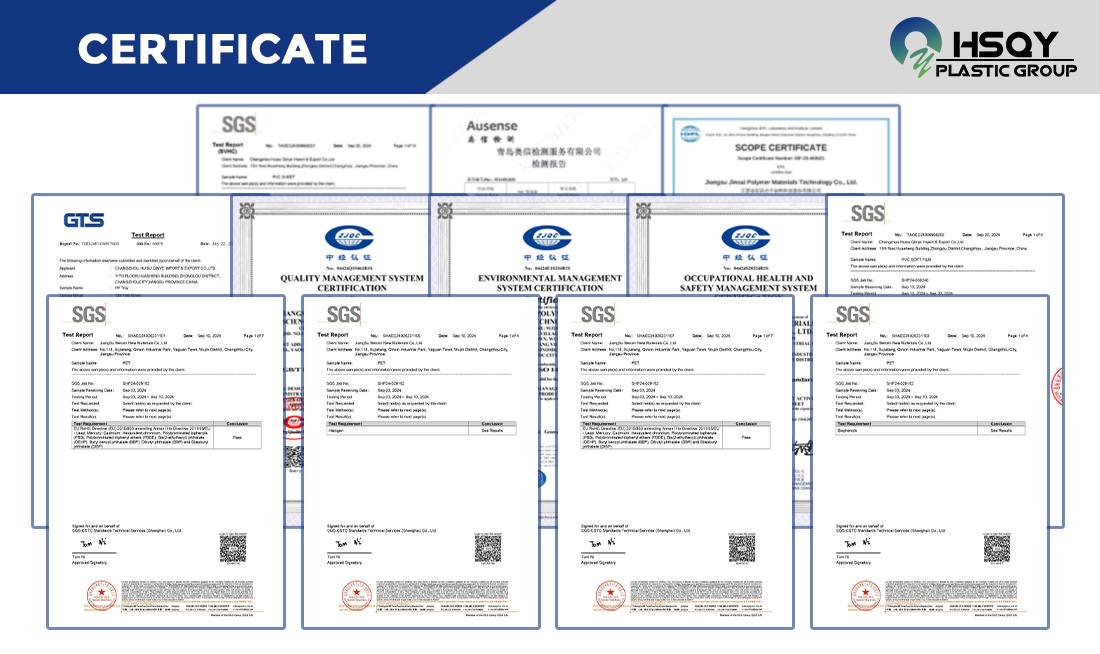
HSQY can provide available quality-management, inspection, and material documents for the approved film grade. Buyers should request the technical data sheet, certificate of analysis, food-contact declaration, migration or compliance reports, thermal test reports, and roll inspection criteria for the exact laminate.
ISO 9001 is a quality-management-system certification and is not product-specific proof of food-contact safety. SGS or food-contact claims should identify the exact report, film structure, food type, temperature, duration, and intended conditions of use.
![Heat-resistant BOPET PE lidding film quality documentation]()
HSQY International Exhibitions

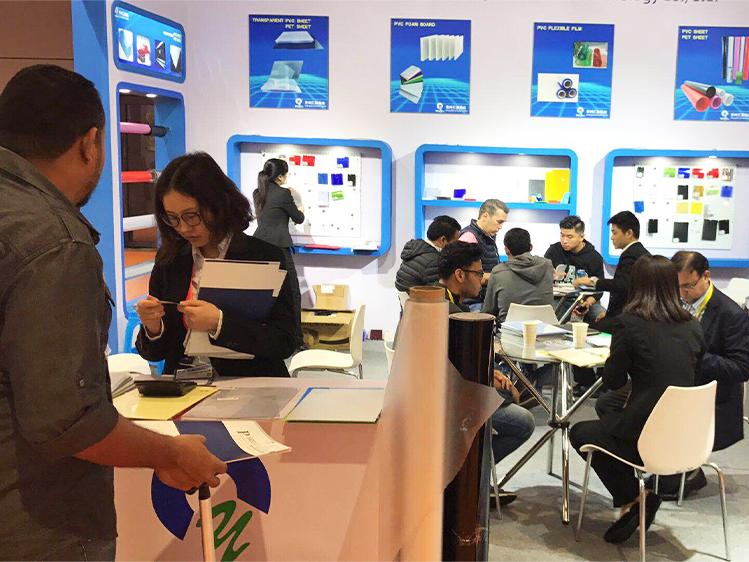
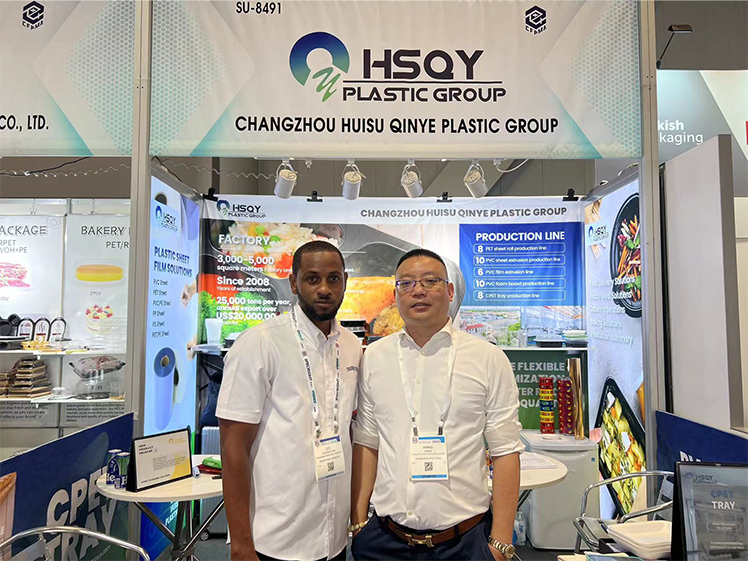
2024 Mexico Exhibition

2025 Philippines Exhibition

2024 Paris Exhibition

2023 Saudi Exhibition

2024 American Exhibition

2017 Shanghai Exhibition

2018 Shanghai Exhibition

2023 American Exhibition
Production and Packing
Packaging and Delivery
Sample Packaging: Trial rolls are protected against dust, moisture, scratching, creasing, and edge damage.
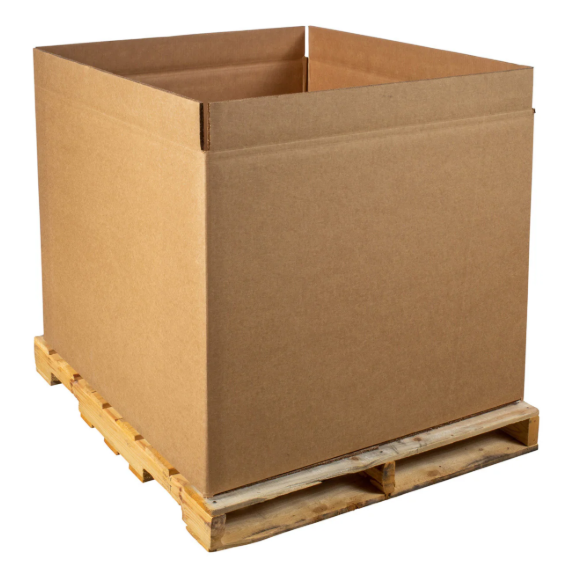
Roll Packaging: Rolls are wrapped in PE film and packed in cartons or another suitable export format.
Pallet Packaging: Approximately 500–2000kg per plywood pallet may be used according to roll dimensions and transport conditions.
Roll Identification: Labels can show grade, structure, thickness, width, length, lot number, seal side, winding direction, and production date.
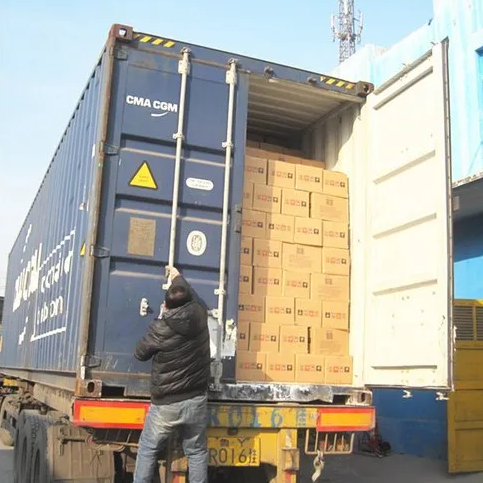
Container Loading: Loading plans are optimized according to roll dimensions, pallet configuration, and container type.
Delivery Terms: FOB, CIF, and EXW are standard listed options; other terms may be discussed.
Lead Time: Generally 10–15 days after deposit and final specification approval, subject to printing, structure, quantity, and production schedule.
Frequently Asked Questions
What is heat-resistant BOPET/PE lidding film?
It is a laminated lidding film with a BOPET outer layer and a heat-seal structure designed for specified elevated-temperature sealing, filling, reheating, or cooking conditions.
Is every BOPET/PE lidding film ovenable?
No. BOPET/PE describes a broad material family. Conventional-oven use requires a qualified structure whose film, sealant, adhesive, ink, tray, and food system have been tested together.
Can the film be used in a microwave?
Application-specific microwave-compatible grades can be developed. The package should be tested for venting, steam pressure, seal retention, food oils, and consumer opening.
What temperature range can the film withstand?
The valid temperature range depends on the exact laminate and exposure time. A single −25°C to 200°C claim should not be applied without product-specific thermal test data.
Which trays are suitable for ovenable lidding film?
CPET is commonly used for ovenable ready meals. APET, PP, PET/PE, aluminium, and paperboard require separate compatibility and thermal-process evaluation.
Is easy-peel heat-resistant film available?
Yes. Easy-peel, medium-peel, hard-peel, and weld-seal versions can be evaluated. Peel force should be measured before and after the full thermal cycle.
Is anti-fog heat-resistant film available?
Yes. Anti-fog can be combined with selected heat-resistant structures for chilled foods that are later reheated.
Can high-barrier film be used for MAP ready meals?
Yes, subject to structure development. Provide the required OTR, WVTR, gas mixture, storage temperature, heating cycle, food type, and target shelf life.
Can the film be custom printed?
Yes. Printing can include branding, product information, cooking instructions, barcodes, QR codes, and traceability. The inks and adhesives must be suitable for the intended thermal process.
What thicknesses and widths are available?
The current page lists 0.052–0.09mm thickness and 150–900mm width, with custom roll length and conversion available.
Why does film shrink or wrinkle during sealing?
Possible causes include excessive temperature, long dwell time, uneven pressure, high film tension, unsuitable heat shrinkage, incorrect tooling, or an incompatible structure.
Why does the seal fail after oven heating?
Failure may result from an unsuitable sealant, adhesive softening, tray deformation, contamination, steam pressure, food oils, thermal shrinkage, or an excessive time-temperature cycle.
What is the minimum order quantity?
The current stated MOQ is 1000kg. Sample and trial quantities depend on available stock, structure, width, printing, and conversion requirements.
How long is the production lead time?
Typical lead time is approximately 10–15 days after deposit and final specification approval. Printed or specialty ovenable structures may require additional time.
Can I request a sample before bulk production?
Yes, subject to material availability and specification. Send the tray sample, machine details, food application, temperature, heating time, film dimensions, and seal requirements.
About HSQY Plastic Group
HSQY Plastic Group supplies heat-resistant lidding films, BOPET/PE laminates, CPET, PET and PP food trays, plastic sheets, and related packaging products for international B2B customers.
The team can support film-grade selection, thermal-process review, tray compatibility, roll conversion, printing, peel-force development, anti-fog and barrier selection, samples, production-line trials, quality documentation, export packing, and international delivery.
Contact HSQY for Heat-Resistant Lidding Film