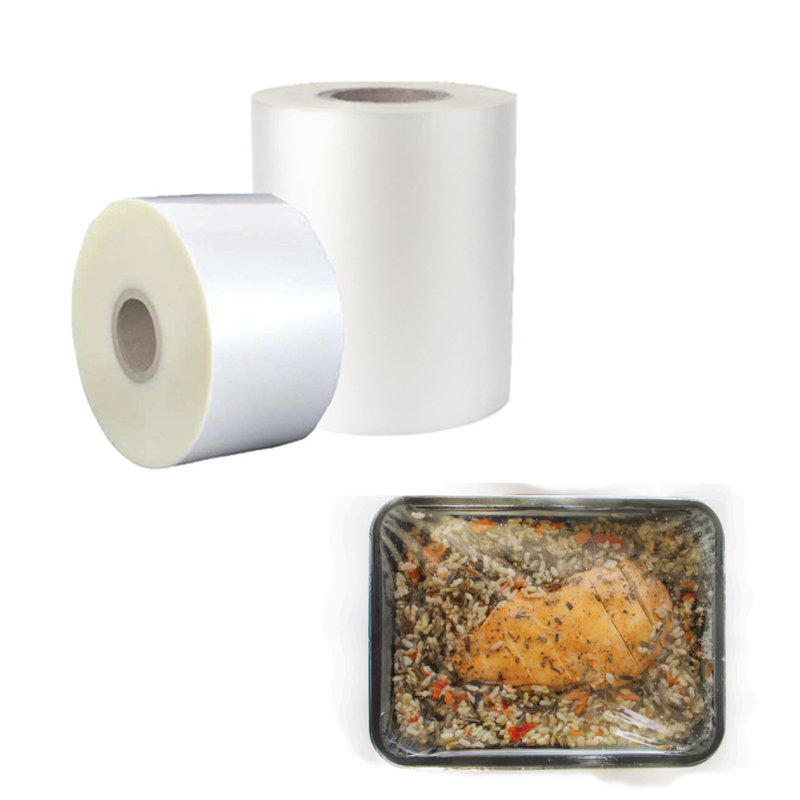
250 Micron Milky White BOPET Polyester Film
HSQY supplies 250 micron milky white BOPET film in customized narrow rolls for electrical insulation, printing, labels, lamination, die-cut components and industrial converting. The biaxially oriented polyester film combines high tensile strength, dimensional stability, electrical insulation and a smooth, consistent white translucent appearance.
The current product is specified at 0.25mm / 250μm with customized widths from 20mm to 200mm. Surface treatment, opacity, whiteness, winding direction, core size, roll diameter and roll length can be discussed according to the printing, laminating, slitting or insulation process.
Material: Biaxially oriented polyethylene terephthalate
Thickness: 0.25mm / 250μm / approximately 9.8 mil
Color: Milky white / translucent white
Slit width: 20mm–200mm
Supply format: Narrow slit roll, jumbo roll or cut sheet subject to confirmation
Main applications: Electrical insulation, labels, printing, lamination, spacers, gaskets and die-cut parts
BOPET Polyester Film Video
What Is Milky White BOPET Film?
BOPET is polyethylene terephthalate film that has been stretched in both the machine and transverse directions and then heat-set. Biaxial orientation improves tensile strength, stiffness, dimensional stability, dielectric performance and resistance to many chemicals.
Milky white BOPET contains a controlled white formulation that produces a translucent or semi-opaque appearance. It is selected where the converter needs more visual coverage than clear polyester but does not necessarily require a completely light-blocking, high-opacity white film.
Product clarification: This 250μm product is a thick milky white BOPET industrial film. It is not conventional PE stretch wrap, not a 60μm coated tray-lidding film and not automatically heat-sealable. Heat sealing requires a specific coating, coextruded layer or laminated sealant structure.

250 Micron Milky White BOPET Film Specifications
The following values are commercial reference specifications based on the current product name and listing. Final tolerances, optical values, electrical properties and roll configuration must be confirmed on the approved technical specification.
| Property |
Specification |
| Product name |
250 Micron Milky White BOPET Polyester Film |
| Material |
Biaxially oriented polyethylene terephthalate |
| Thickness |
0.25mm / 250μm / approximately 9.8 mil |
| Thickness tolerance |
Confirm according to the application and approved purchase specification |
| Slit width |
20mm–200mm |
| Width tolerance |
Confirm according to the slitting process and end-use equipment |
| Appearance |
Milky white, translucent white or customized whiteness and opacity |
| Surface |
Smooth gloss, low-gloss or customized surface subject to grade |
| Surface treatment |
Untreated, one-side corona treated or chemically treated subject to printing and lamination needs |
| Density reference |
Approximately 1.39–1.41g/cm³, subject to white formulation |
| Supply format |
Narrow slit roll, jumbo roll or cut sheet subject to confirmation |
| Core diameter |
76mm, 152mm or customized according to roll weight and unwinding equipment |
| Roll length and diameter |
Customized according to width, thickness, core and maximum roll weight |
| Heat sealability |
Standard BOPET is not inherently heat-sealable; request a coated, coextruded or laminated structure if sealing is required |
| Printing |
Screen, flexographic, gravure, UV or digital printing subject to surface treatment and ink validation |
| Main applications |
Electrical insulation, labels, printing, lamination, die cutting, spacers, gaskets and industrial components |
| MOQ |
Confirm according to width, treatment, opacity, roll configuration and stock availability |
| Lead time |
Confirm after technical specification, sample approval and commercial terms are finalized |
Milky White vs. White Opaque BOPET Film
| Film Type |
Optical Appearance |
Typical Uses |
| Milky white translucent BOPET |
Soft white appearance with partial light transmission |
Electrical insulation, separators, printing, lamination and components requiring visual diffusion |
| White opaque BOPET |
Higher whiteness, stronger opacity and lower light transmission |
Labels, cards, graphics, light blocking, decorative laminates and paper-replacement applications |
| Clear BOPET |
Transparent with high clarity and gloss |
Clear overlays, optical windows, labels, packaging and technical laminates |
BOPET Film vs. PET Sheet, Stretch Film and Lidding Film
| Product |
Structure |
Main Characteristics |
Typical Use |
| 250μm milky white BOPET |
Biaxially oriented PET |
Strong, dimensionally stable, white translucent and electrically insulating |
Insulation, printing, lamination and die-cut parts |
| APET sheet |
Unoriented or lightly oriented amorphous PET sheet |
Thermoformable and suitable for rigid packaging |
Trays, clamshells, folding boxes and thermoformed parts |
| PE stretch film |
Flexible polyethylene film |
High extensibility, cling and load containment |
Pallet wrapping and bundling |
| Coated BOPET lidding film |
Thin BOPET with heat-seal coating |
Heat sealability, peel control and tray compatibility |
Food tray top sealing |
Key Benefits of 250μm White Polyester Film
1. High mechanical strength: Biaxial orientation provides strong tensile properties and resistance to tearing during converting and service.
2. Dimensional stability: The film maintains accurate width and shape under normal handling, printing, laminating and die-cutting conditions.
3. Electrical insulation: Polyester film provides useful dielectric strength, volume resistivity and moisture resistance for motors, transformers and electrical assemblies.
4. Thermal resistance: BOPET retains useful mechanical performance at temperatures higher than many commodity packaging films, subject to grade and test conditions.
5. Chemical resistance: The film resists many oils, solvents, varnishes and resins used in industrial converting and electrical insulation systems.
6. Controlled white appearance: Milky white film provides visual diffusion and coverage while retaining partial translucency.
7. Custom narrow slitting: Widths from 20mm to 200mm reduce secondary slitting and simplify use on winding, insulation and converting lines.
Electrical Insulation Applications
Thick milky white polyester film is widely evaluated for electrical insulation because it combines dielectric strength, mechanical durability, low moisture absorption and resistance to many impregnation varnishes and resins.
Motor slot insulation: Narrow film strips for slot liners, phase barriers and winding insulation.
Transformer insulation: Interlayer, coil and winding insulation in dry-type transformers and related equipment.
Insulation laminates: Carrier or component layer in polyester-paper, aramid-paper or adhesive insulation laminates.
Busbar and battery components: Die-cut insulation barriers and separators after electrical, thermal and flame-performance validation.
Appliance insulation: Barriers, spacers and insulating components in motors, household appliances, lighting and industrial equipment.
Electrical use requires grade-specific test data. Specify dielectric breakdown, volume resistivity, thermal class, shrinkage, flammability and chemical compatibility rather than relying on the generic term “BOPET.”
Printing, Label and Lamination Applications
Durable labels: White or translucent labels requiring dimensional stability, moisture resistance and good graphic appearance.
Cards and tags: Printed cards, identification tags, inserts and durable information panels.
Industrial graphics: Membrane-switch layers, overlays, warning labels and machine identification components.
Lamination carrier: Stable white polyester substrate for adhesive, paper, foil, fabric or technical-film laminates.
Die-cut components: Gaskets, spacers, shims, separators, reinforcement strips and precision-cut industrial parts.
Printing and Surface-Treatment Guidance
Untreated BOPET may not provide sufficient ink or adhesive anchorage for every process. The surface specification should be matched to the ink, coating, adhesive and time between treatment and conversion.
Corona treatment: Specify the treated side and minimum dyne level required at delivery or use.
Chemical treatment: Consider a primer-treated grade where stronger ink, adhesive or coating adhesion is required.
Ink testing: Validate adhesion, curing, flexibility, rub resistance, solvent resistance and color density on the exact surface.
Static control: Polyester film can attract dust during printing and die cutting; ionization and clean handling may be required.
Post-print processing: Test slitting, die cutting, laminating, bending and adhesive bonding after the ink or coating is fully cured.
Slitting, Die Cutting and Converting Guidance
Narrow slitting: Confirm width tolerance, edge quality, telescoping limits, roll hardness and winding tension.
Die cutting: Use sharp steel-rule, rotary or precision tooling and validate burrs, edge whitening and dimensional recovery.
Laser cutting: Evaluate edge melt, fumes, heat-affected zones and fire controls before production.
Lamination: Confirm surface treatment, adhesive chemistry, coat weight, nip temperature and cure schedule.
Bending and forming: BOPET is highly oriented and not intended for deep thermoforming like APET; validate bend radius and stress-whitening limits.
Food, Medical and Outdoor Use Requirements
A standard industrial BOPET grade should not automatically be described as food-contact, medical, UV-resistant, flame-retardant or antistatic. Each function requires the correct formulation, production controls and supporting documents.
Food contact: Request current compliance documentation for the exact white formulation, treatment, ink, adhesive and intended temperature.
Medical use: Specify biocompatibility, cleanliness, traceability, sterilization and diagnostic-device requirements before approval.
Outdoor use: Standard polyester may lose properties after prolonged UV exposure; request a UV-stabilized grade and define service-life expectations.
Antistatic use: Specify the required surface-resistance range and whether the effect must be temporary or permanent.
Flame performance: Require a report covering the exact thickness, color and formulation rather than assuming all BOPET has the same rating.
Quality Control for 250μm BOPET Film
• Thickness, basis weight, slit width and tolerance
• Whiteness, opacity, haze, light transmission and color consistency
• Tensile strength, elongation and dimensional stability
• Thermal shrinkage and heat-aging performance
• Dielectric breakdown, volume resistivity and dissipation factor where required
• Surface treatment, ink adhesion and lamination bond strength
• Gels, black spots, scratches, wrinkles, contamination and edge defects
• Roll hardness, telescoping, core alignment, joints, winding direction and batch labels
BOPET Roll Conversion Reference

Packaging and Storage
Roll wrapping: Rolls can be protected with PE film, moisture-resistant paper or black light-blocking film according to the grade.
Edge protection: End plates, plugs and protective materials help prevent edge damage and telescoping during shipment.
Carton and pallet: Narrow rolls can be packed individually or in grouped cartons and secured on export pallets.
Storage conditions: Store in a clean, dry, ventilated area away from direct sunlight, fire, high heat and corrosive chemicals.
Conditioning: Allow cold rolls to reach production-room temperature before opening to reduce condensation.
Handling: Keep the film surface clean and protect slit edges from impact, dust and excessive pressure.
Information Required for an Accurate Quotation
1. Application: State electrical insulation, printing, label, lamination, die cutting or another end use.
2. Thickness: Confirm 250μm and provide the required tolerance.
3. Width: Provide the exact slit width between 20mm and 200mm and the acceptable tolerance.
4. Optical appearance: State milky translucent or opaque white and provide whiteness, opacity, haze or light-transmission targets.
5. Surface: Confirm untreated, corona treated, chemically treated, gloss or low-gloss.
6. Roll configuration: Provide core diameter, maximum roll diameter, roll length, roll weight and winding direction.
7. Performance requirements: Provide dielectric, shrinkage, tensile, thermal, flame, UV, antistatic or adhesion targets.
8. Commercial details: Provide sample quantity, annual demand, packing, destination port and delivery schedule.
Frequently Asked Questions
What is 250 micron milky white BOPET film?
It is a 0.25mm biaxially oriented PET film with a translucent white appearance. It is used for electrical insulation, printing, lamination and industrial die-cut components.
Is BOPET the same as Mylar?
BOPET is the generic material name. Mylar is a registered brand of polyester film. HSQY should describe its product as BOPET or polyester film unless it is supplying an authorized branded grade.
Is this product a stretch film?
No. Although BOPET is stretched during manufacturing, finished BOPET film is dimensionally stable and does not function like flexible PE pallet stretch wrap.
Is 250μm BOPET suitable for electrical insulation?
Suitable electrical grades are widely used for motor, transformer and appliance insulation. Qualification should use the exact grade's dielectric, thermal, shrinkage and chemical-resistance data.
What is the difference between milky white and opaque white film?
Milky white film normally transmits part of the incident light. Opaque white film provides higher coverage, greater whiteness and lower light transmission.
Can HSQY slit the film to 20–200mm widths?
Yes, the current product title specifies customized widths from 20mm to 200mm. Provide the exact tolerance, roll length, core and maximum roll diameter.
Can milky white BOPET film be printed?
Yes, with a suitable treated surface and compatible ink. Confirm corona or chemical treatment and test adhesion, curing and rub resistance before production.
Is standard BOPET heat-sealable?
No. Standard BOPET is not inherently heat-sealable. A coating, coextruded layer or laminated sealant is required for lidding or pouch sealing.
Can this film be thermoformed?
BOPET is heat-set and dimensionally stable, so it is not intended for deep thermoforming like APET sheet. Shallow bending or forming must be tested.
Is the film food-contact compliant?
Compliance depends on the exact resin, white masterbatch, treatment and destination market. Request current documentation for the selected grade.
Is antistatic BOPET available?
Antistatic coatings or formulations can be developed for selected applications. Specify the surface-resistance range and duration of performance.
Can the film be used outdoors?
Standard BOPET should not be assumed to have long-term outdoor durability. Request a UV-stabilized grade and define the exposure and service-life requirements.
What test data should electrical buyers request?
Request thickness, tensile strength, elongation, thermal shrinkage, dielectric breakdown, volume resistivity, dissipation factor, thermal class and chemical compatibility.
Can I request a sample roll?
Available stock or trial samples can be discussed after HSQY receives the width, length, core, treatment, optical appearance and application requirements.
How do I get an accurate quotation?
Send the application, thickness, exact slit width, color or opacity target, surface treatment, core, roll dimensions, annual volume, packing and destination port.
Why Choose HSQY as Your BOPET Film Supplier?
HSQY Plastic Group supplies PET sheets, BOPET films, lidding materials and customized plastic rolls for printing, packaging and industrial converting. The team supports film selection, narrow slitting, surface treatment, sample testing, export packing and international delivery.
To select the correct grade, provide the electrical, optical, printing, lamination or die-cutting requirements rather than only the thickness and width. HSQY can then evaluate whether the project needs milky white insulation BOPET, opaque printing film, clear polyester or a coated heat-sealable structure.
Need 250μm milky white BOPET film?
Send your width, tolerance, opacity, treatment, roll dimensions, application and annual volume to receive a sample plan and quotation.
Contact HSQY Plastic