What Is 4.5 Micron BOPET Thermal Transfer Film CR14?
4.5 micron BOPET thermal transfer film CR14 is an ultra-thin biaxially oriented polyester base film developed for manufacturing thermal transfer ribbons, also called TTR ribbons or thermal printing ribbons. The clear PET carrier film provides the mechanical support onto which ink, release, adhesion-promoting, and protective backcoat layers are applied during ribbon converting.
The 4.5 µm thickness is widely used for standard thermal transfer ribbon production because it combines low material weight with the tensile strength, dimensional stability, thermal stability, surface consistency, and web-handling performance required for high-speed coating, slitting, and printing processes.
Important: this product is the BOPET carrier film used to manufacture thermal transfer ribbons. It is not a finished wax, wax-resin, or resin ribbon and is not intended to be loaded directly into a barcode printer without further coating and converting.

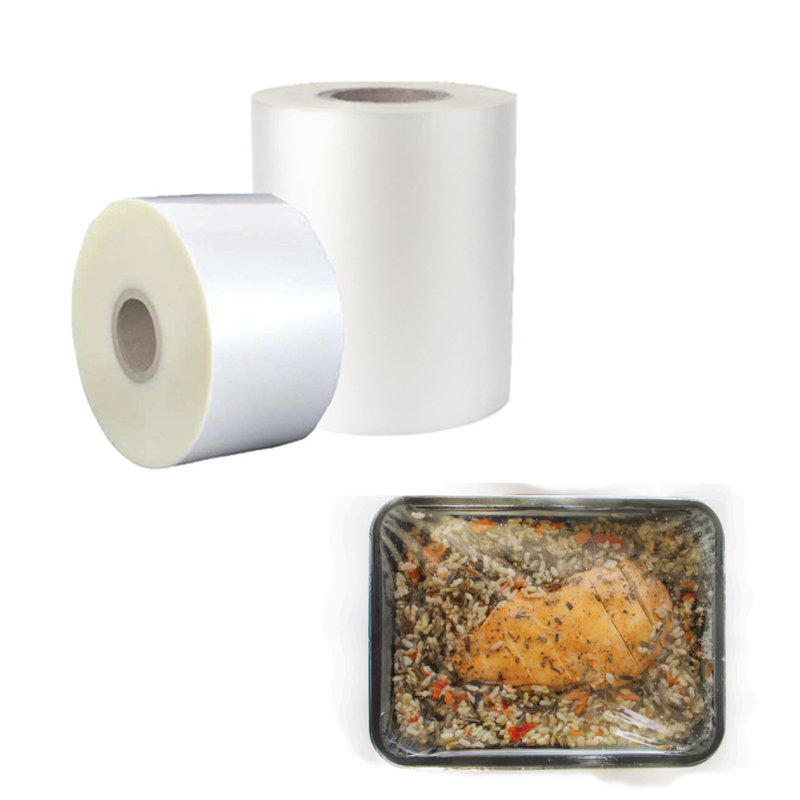
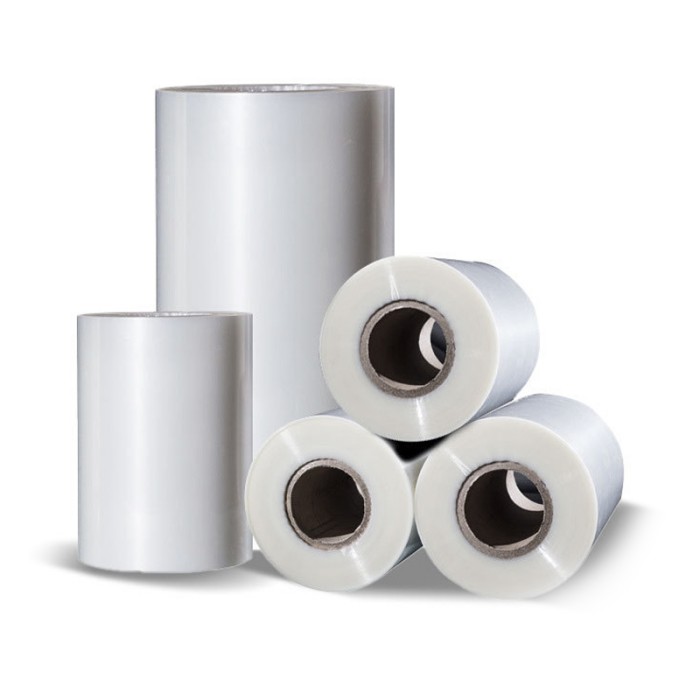
Ultra-Thin Clear BOPET Base Film

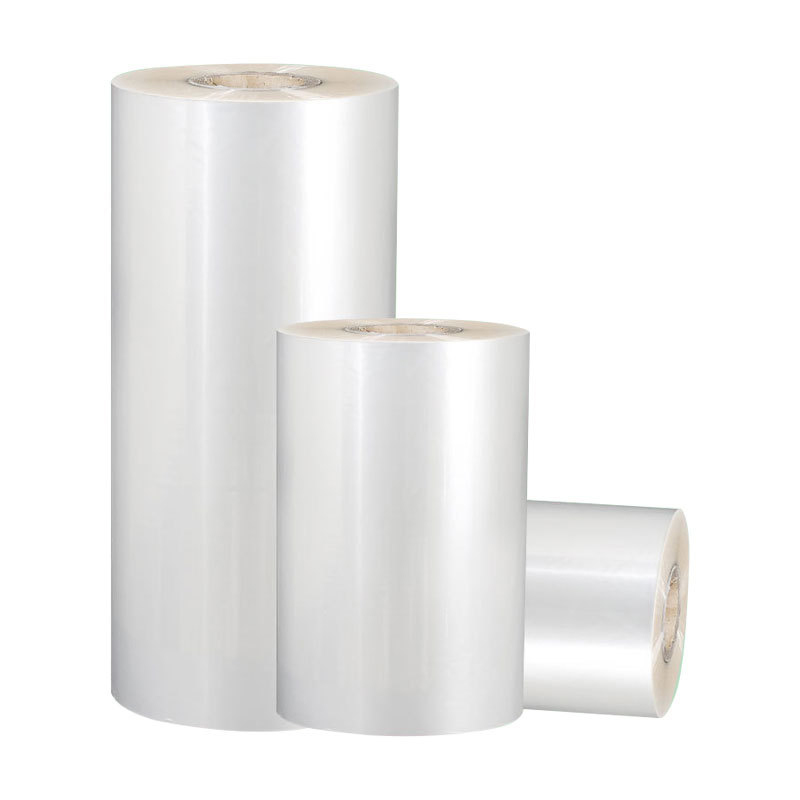
CR14 Thermal Transfer Ribbon Film

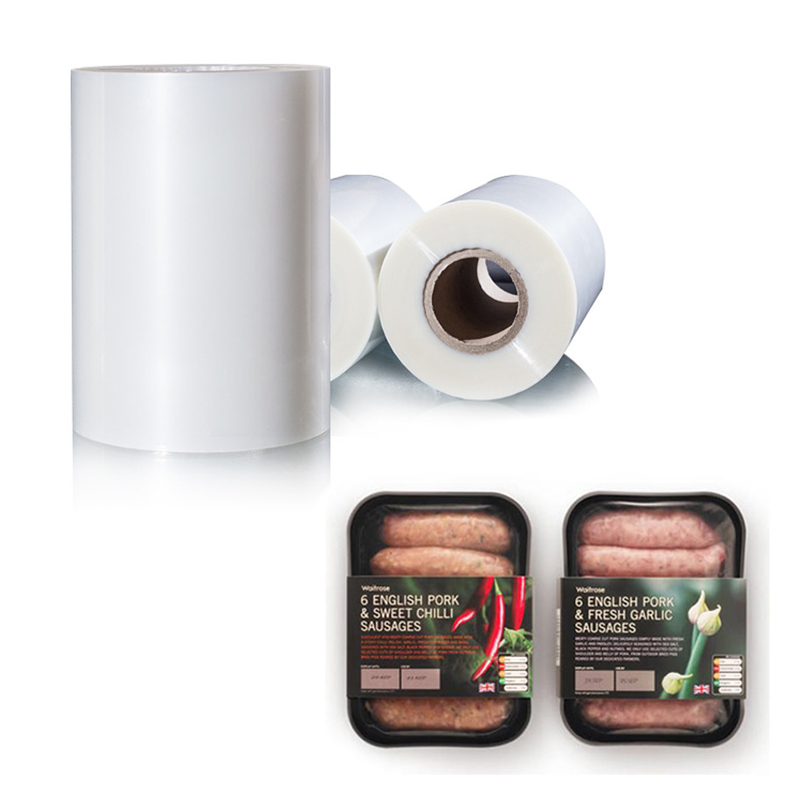
Film for Coating, Slitting, and Converting
Key Advantages of 4.5 Micron BOPET TTR Base Film
Ultra-thin construction: Reduces PET consumption and enables more ribbon length within a given roll diameter.
High mechanical strength: Supports coating, drying, rewinding, and high-speed slitting without excessive web breaks.
Thermal stability: Helps the ribbon remain dimensionally stable under the heat generated by a thermal printhead.
Controlled surface quality: Supports uniform application of ink, release layers, primers, and protective backcoats.
Consistent thickness: Helps maintain stable coating weight, ribbon tension, print density, and printer feeding.
Good handling performance: Designed for jumbo-roll transport, coating-line unwinding, rewinding, and precision slitting.
Custom converting options: Roll width, roll length, core size, winding direction, and surface treatment can be matched to the customer's process.
CR14 BOPET Thermal Transfer Film Specifications
The following values describe the typical commercial specification associated with the CR14 grade. Final guaranteed values, test methods, tolerances, roll configuration, and acceptance standards should be confirmed in the approved technical data sheet and purchase specification before production.
| Property |
Typical Specification |
Purchasing Note |
| Product Type |
Ultra-thin BOPET base film for thermal transfer ribbons |
Not a finished printing ribbon |
| Grade / Model |
CR14 |
Confirm whether plain or adhesion-promoted surface is required |
| Material |
Biaxially oriented polyethylene terephthalate |
Clear polyester carrier film |
| Nominal Thickness |
4.5 µm |
Thickness tolerance must be agreed in the TDS |
| Appearance |
Clear / transparent |
Inspect for gels, scratches, wrinkles, contamination, and edge damage |
| Typical Tensile Strength |
≥240 MPa |
Confirm MD/TD values and test method |
| Typical Elongation at Break |
≥120% |
Confirm MD/TD requirements |
| Typical Heat Shrinkage |
≤1.2% MD and ≤0.3% TD |
Temperature, duration, and test method must be specified |
| Surface |
Plain or customized adhesion-promoting treatment |
Match the surface to the customer's ink, primer, release layer, and backcoat system |
| Roll Width |
Custom jumbo-roll and slit widths |
Provide coating-line width, slitting plan, and edge-trim allowance |
| Roll Length |
Customized according to width, core, and winding requirements |
Confirm maximum roll diameter and roll weight |
| Core and Winding |
Customized |
Specify core ID, core material, coated side, and winding direction |
| Main Use |
Wax, wax-resin, resin, monochrome, color, barcode, and fax ribbon production |
Final compatibility depends on the complete coating system |
How BOPET Film Is Used in a Thermal Transfer Ribbon
A finished thermal transfer ribbon normally contains several functional layers. The BOPET film forms the central carrier. One side receives the transferable ink system, while the opposite side receives a heat-resistant and low-friction backcoat that remains in contact with the printer's thermal printhead.
| Ribbon Layer |
Function |
Relevance to CR14 Film |
| Ink Layer |
Wax, wax-resin, or resin formulation transferred to the label |
Requires consistent coating adhesion and release behavior |
| Release / Primer Layer |
Controls ink anchorage and transfer under printhead heat |
Film surface must suit the customer's chemical system |
| BOPET Carrier Film |
Provides mechanical support and transfers heat through the ribbon |
CR14 supplies the ultra-thin 4.5 µm structural base |
| Backcoat |
Reduces friction, controls static, and protects the printhead |
Requires a clean, uniform, coatable film surface |
Why Is 4.5 Micron PET Film Used for TTR?
Thermal transfer ribbon manufacturers need a carrier film that is thin enough to transfer heat efficiently but strong enough to withstand coating, drying, slitting, winding, transport, and printer operation. A 4.5 µm BOPET base offers a practical balance between heat transfer, roll capacity, strength, and processing reliability.
Thinner film can increase the usable ribbon length within a fixed roll diameter and reduce plastic consumption. However, ultra-thin film also demands tighter control of thickness uniformity, tensile strength, shrinkage, edge quality, roll hardness, wrinkles, static, and winding tension.
Thermal Transfer Ribbon Applications
Barcode and logistics label ribbons
Wax ribbons for coated and uncoated paper labels
Wax-resin ribbons for paper and synthetic labels
Resin ribbons for PET, PP, PE, polyimide, textile, and durable labels
Monochrome and color thermal transfer ribbons
Fax, ticketing, portable printer, and word-processor ribbons
Flat-head and near-edge ribbon converting, subject to the complete ribbon design
Critical Quality Requirements for TTR Base Film
| Quality Item |
Why It Matters |
Recommended Verification |
| Thickness Profile |
Affects coating weight, roll build, tension, and printing consistency |
Cross-web profile and lot-to-lot tolerance |
| Heat Shrinkage |
Excessive shrinkage can cause distortion, wrinkles, and registration problems |
Test MD and TD at the agreed temperature and duration |
| Tensile and Elongation |
Controls web-break resistance during high-speed converting |
Confirm MD/TD results and test standard |
| Surface Roughness and Cleanliness |
Influences coating uniformity, adhesion, release, and print quality |
Inspect haze, roughness, gels, scratches, dust, and treatment level |
| Coefficient of Friction |
Affects roll handling, winding, coating-line stability, and ribbon transport |
Agree A-side/B-side COF range |
| Roll Quality |
Telescoping, blocking, wrinkles, and uneven hardness can disrupt production |
Specify roll OD, hardness, edge alignment, joints, and allowable defects |
Information Required for an Accurate Quotation
To recommend the correct CR14 film configuration, provide the following information with your enquiry:
Required nominal thickness and thickness tolerance
Jumbo-roll width or finished slit width
Required roll length, roll weight, and maximum outer diameter
Core inside diameter, core material, and core length
Plain, corona-treated, chemically treated, or adhesion-promoted surface
Which side will receive ink and which side will receive the backcoat
Wax, wax-resin, resin, color, fax, or specialty ribbon application
Coating chemistry, drying temperature, coating speed, and winding direction
Required tensile, elongation, shrinkage, haze, COF, and surface specifications
Trial quantity, annual demand, destination port, and required delivery schedule
Request CR14 Samples and Pricing
Custom BOPET Film Services
Custom jumbo-roll and slit-roll widths
Custom roll length, roll weight, core, and outer diameter
Plain or adhesion-promoted surface options
Winding-direction and coated-side identification
Custom cartons, labels, pallet marks, and export packaging
Technical sample evaluation before commercial production
EXW, FOB, CIF/CNF, DDU, and door-to-door shipping support
Quality Documentation
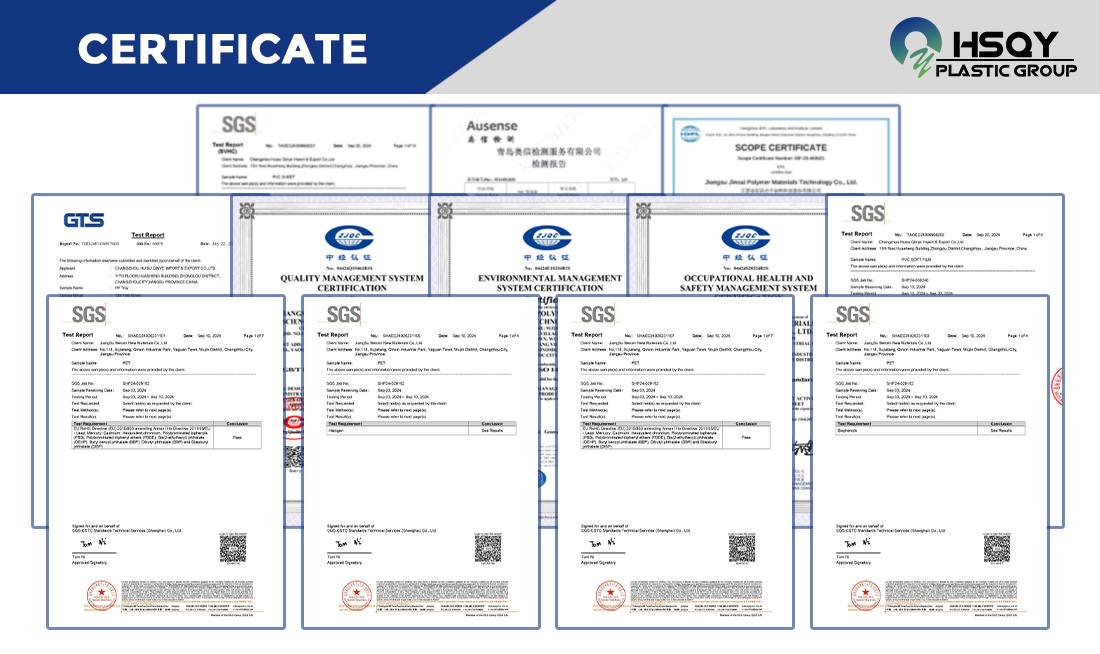
HSQY can provide available quality-management, inspection, and material documentation for the supplied film grade. Buyers should request the CR14 technical data sheet, certificate of analysis, roll inspection criteria, storage recommendations, and any application-specific compliance documents required for the finished ribbon.
![HSQY BOPET film certificates and quality documentation]()
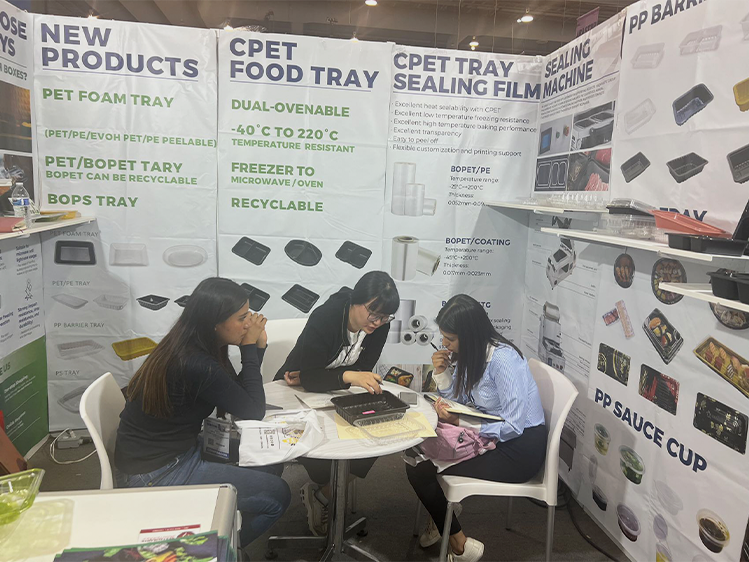
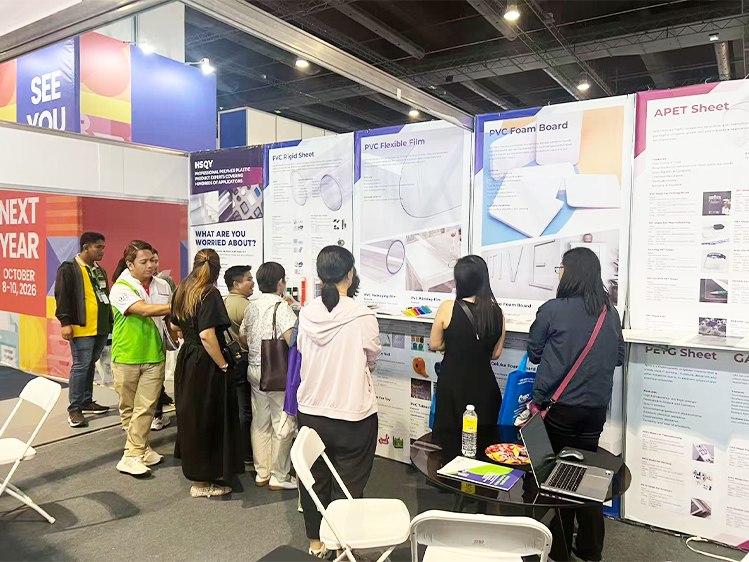
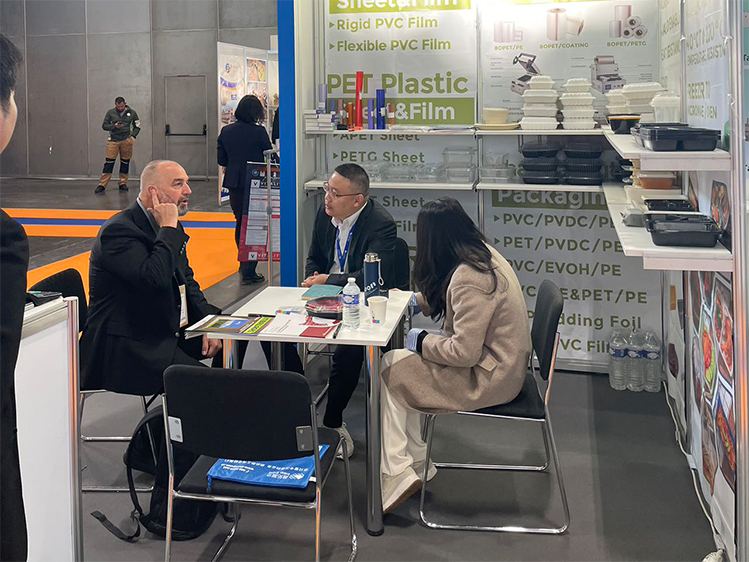
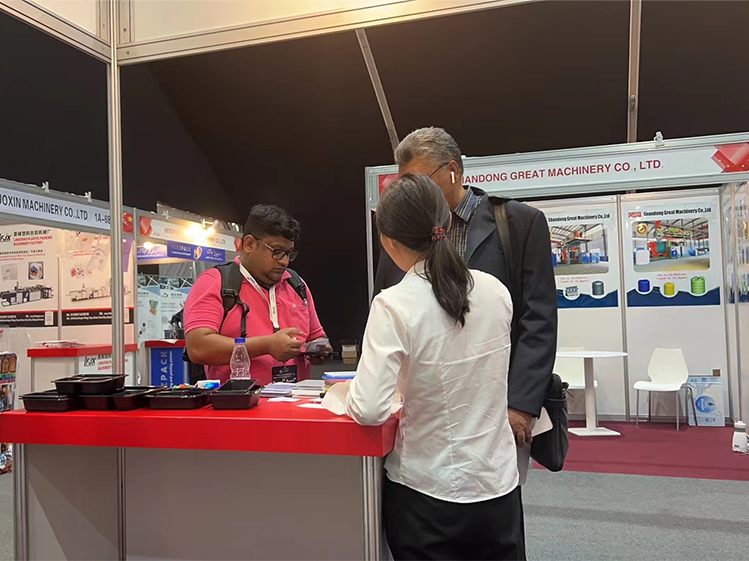
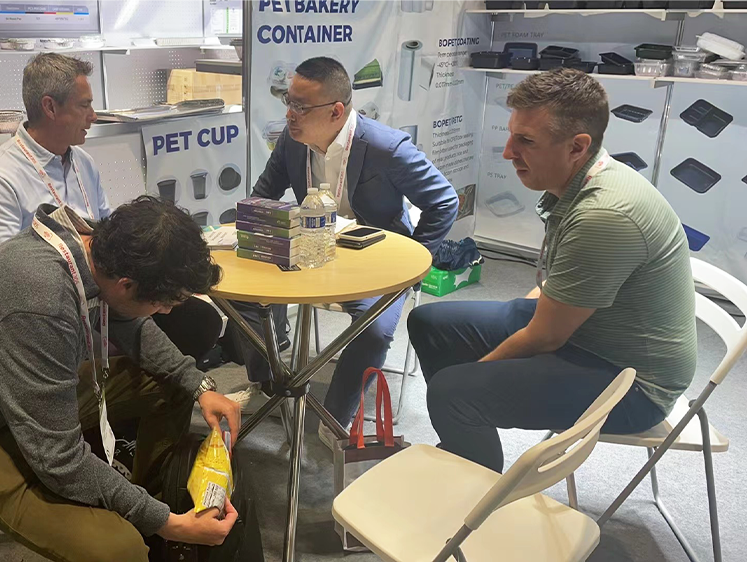
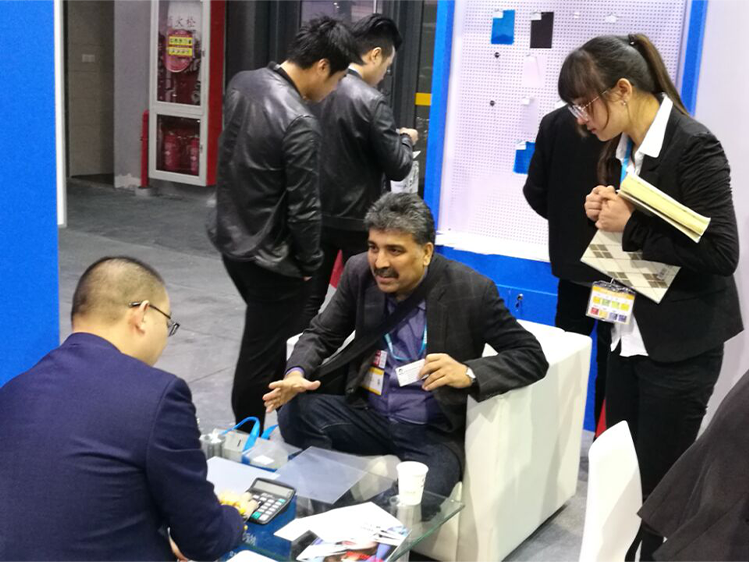
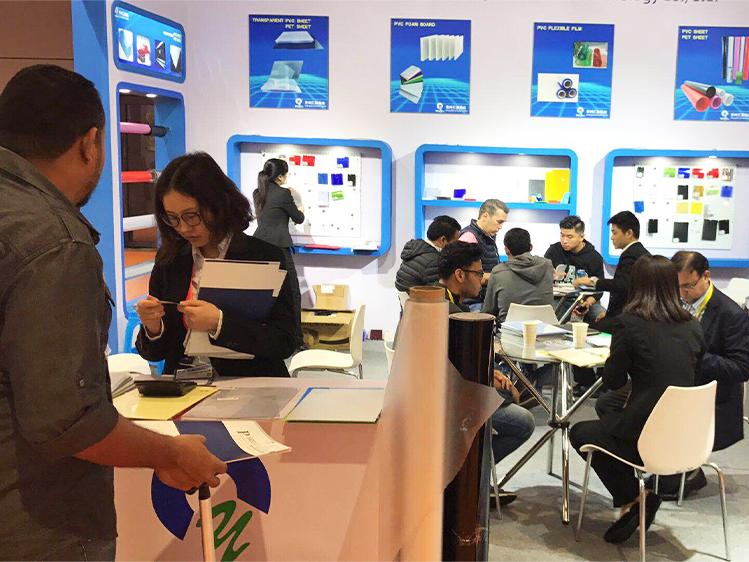
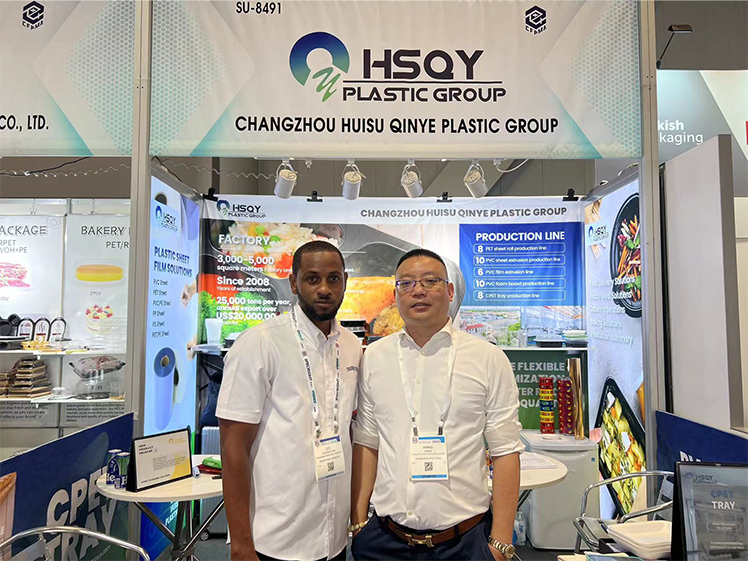
HSQY International Exhibitions
Production and Packing
Packing and Delivery
Sample Packaging: Trial film or small rolls are protected against dust, moisture, edge impact, and telescoping.
Jumbo-Roll Packing: Rolls are wrapped with protective film or kraft material and secured according to roll width and weight.
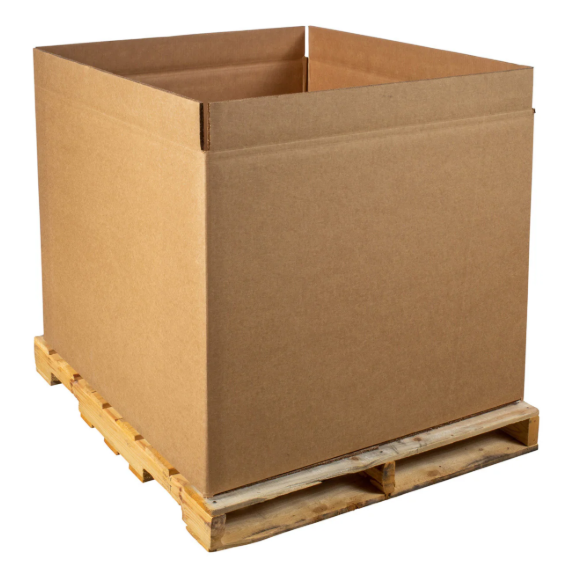
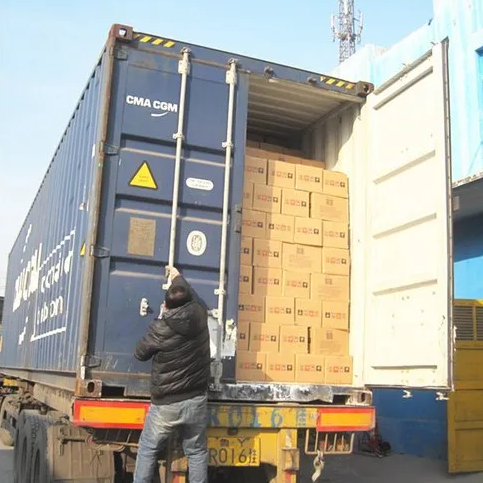
Pallet Packing: Export pallets, end protection, moisture barriers, and roll supports can be configured for sea or air transport.
Roll Identification: Labels can show grade, thickness, width, length, lot number, net weight, coated side, winding direction, and production date.
Delivery Terms: EXW, FOB, CIF/CNF, DDU, and door-to-door delivery can be discussed.
Lead Time: Confirm after finalizing width, roll configuration, quantity, surface treatment, and production schedule.
Frequently Asked Questions
What is CR14 BOPET thermal transfer film?
CR14 is the grade designation used for this 4.5 µm ultra-thin BOPET carrier film. It is designed as a base material for coating and converting thermal transfer ribbons used in barcode, fax, ticketing, label, and specialty printing applications.
Is this a finished thermal transfer ribbon?
No. It is the transparent polyester carrier film. A ribbon converter must apply the ink system, release or primer layers, and protective backcoat before the product can be slit and used in a thermal transfer printer.
Why is 4.5 micron BOPET commonly used for thermal transfer ribbons?
The 4.5 µm thickness provides an effective balance of heat transfer, mechanical strength, web handling, roll capacity, and material efficiency. It is thin enough for efficient printing but strong enough for coating, slitting, winding, and printer operation when correctly processed.
Can CR14 film be used for wax, wax-resin, and resin ribbons?
It may be evaluated for wax, wax-resin, resin, monochrome, and color ribbon systems. Final suitability depends on the ink chemistry, release layer, primer, backcoat, drying conditions, coating weight, printer type, and required print performance.
Is a treated or coated surface available?
Plain and customized adhesion-promoting surface options can be discussed. The buyer should specify the coating chemistry, target adhesion, dyne level, coated side, and whether the treatment is required for the ink side, backcoat side, or both.
Which properties should be tested before bulk ordering?
Confirm thickness profile, tensile strength, elongation, heat shrinkage, surface roughness, haze, coefficient of friction, treatment level, coating adhesion, roll hardness, edge quality, winding, static behavior, and compatibility with the complete ribbon formulation.
Can the width, length, core, and winding direction be customized?
Yes. Provide the required width, roll length, roll weight, core inside diameter, maximum roll diameter, winding direction, coated-side orientation, and slitting tolerance. Feasibility depends on production and converting conditions.
How should 4.5 micron BOPET film be stored?
Store the rolls in their original protective packaging in a clean, dry, temperature-controlled area away from direct sunlight, moisture, dust, heat sources, solvents, and strong odors. Keep jumbo rolls properly supported and allow cold-stored material to acclimatize before opening to reduce condensation.
Can HSQY provide samples for coating trials?
Sample availability depends on the requested width, length, treatment, and current stock. Provide your coating system, trial width, core, winding direction, and evaluation method so HSQY can review the most appropriate sample configuration.
What is the MOQ and production lead time?
MOQ and lead time depend on the jumbo-roll width, slitting plan, surface treatment, roll configuration, and production schedule. Include your annual demand and trial quantity in the enquiry for an accurate commercial proposal.
What information should be included in a CR14 quotation request?
Include thickness, width, length, roll weight, core, maximum roll diameter, surface treatment, coated side, winding direction, ink type, coating-line conditions, required technical values, trial quantity, annual volume, destination, and delivery date.
About HSQY Plastic Group
HSQY Plastic Group supplies PET and BOPET film materials, flexible packaging films, plastic sheets, and thermoformed packaging products for international B2B customers. The team can support film-grade selection, roll conversion, custom dimensions, samples, inspection documentation, export packing, and international delivery.
For the fastest recommendation, send your ribbon type, coating chemistry, coating-line width, required roll configuration, technical specifications, trial plan, and estimated annual demand.
Contact HSQY for CR14 Film