What Are CPET Tray Sealing Film Rolls?
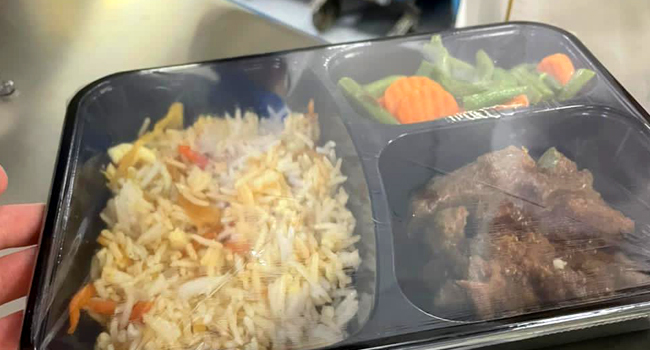
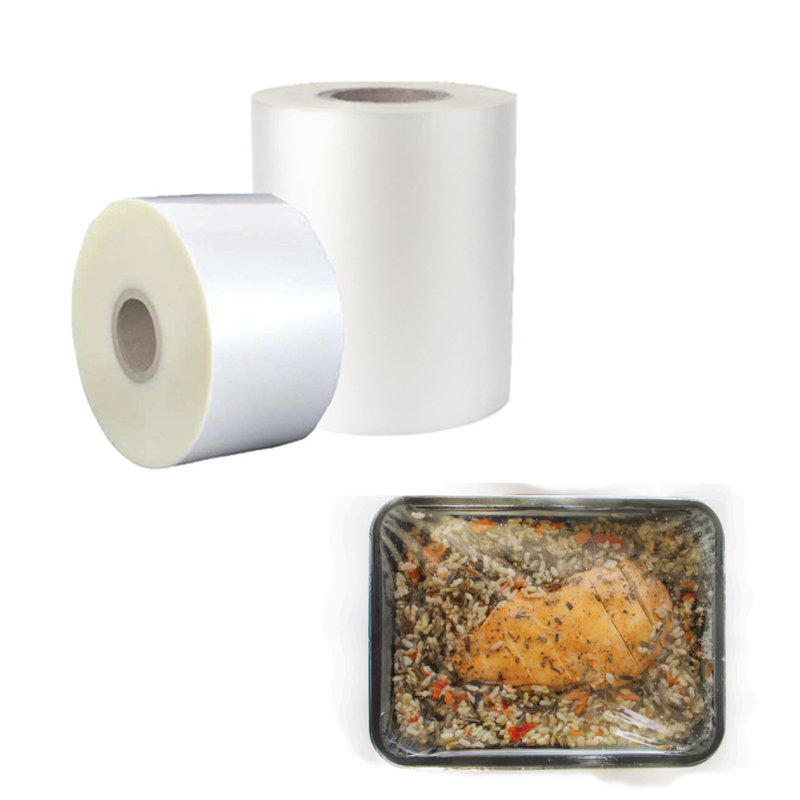
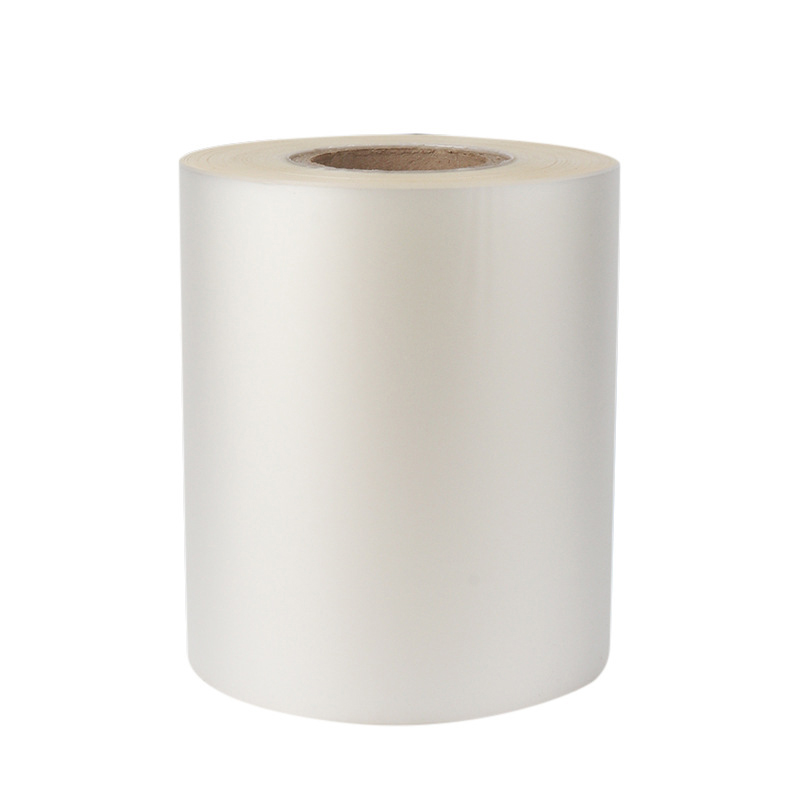
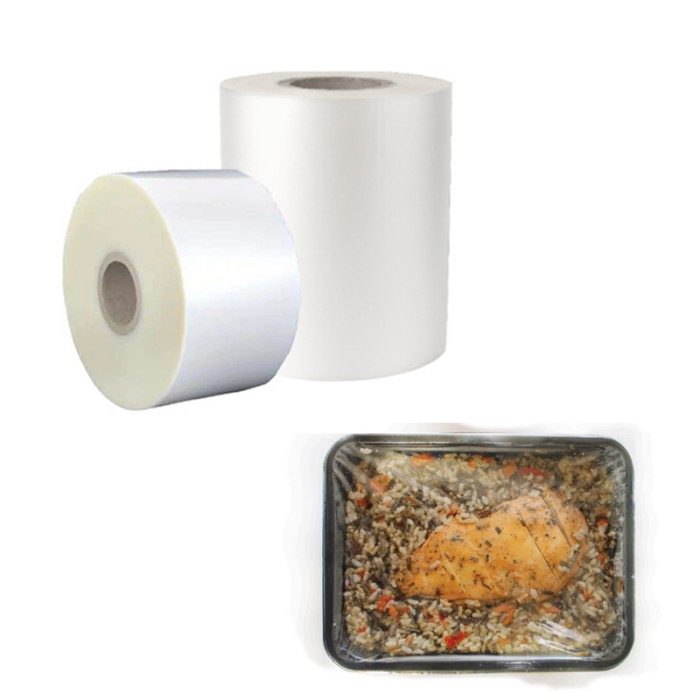
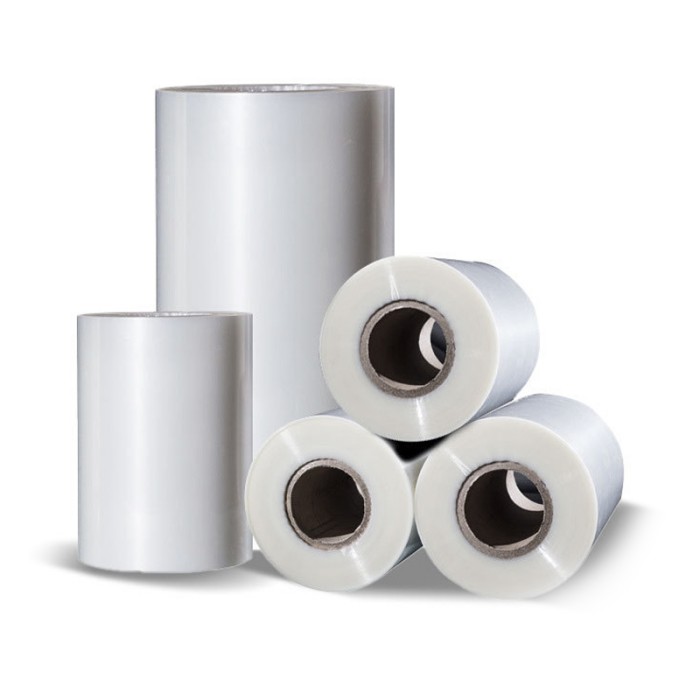
CPET tray sealing film rolls are flexible lidding films supplied for heat-sealing crystalline PET food trays on manual, semi-automatic, and automatic tray-sealing lines. The film creates the top closure of the package and helps protect ready meals against leakage, contamination, moisture loss, and handling damage during filling, storage, transportation, retail display, and reheating.
HSQY supplies clear and printed sealing film rolls for compatible CPET trays used in ready meals, frozen foods, airline catering, institutional food service, bakery, contract packing, and retail food programs. Available options include easy-peel, medium-peel, weld-seal, anti-fog, high-barrier, MAP, freezer-compatible, microwave-compatible, and application-specific ovenable grades.
The film structure must be selected according to the actual CPET tray flange and the complete packaging process. Film thickness alone does not determine compatibility. The tray material, sealant chemistry, food product, sealing temperature, pressure, dwell time, equipment, storage conditions, and heating cycle should be validated together before bulk production.

Clear CPET Lidding Film Roll

Film for Ready-Meal Trays

Secure Tray Sealing Performance

Clear or Custom Printed Film
Why Source CPET Lidding Film from HSQY?
Tray-and-film matching: HSQY can review the tray resin, flange design, sealing equipment, and heating process before recommending a film grade.
Multiple seal options: Easy-peel, medium-peel, and weld-seal structures can be selected according to opening convenience and transport security.
Functional customization: Anti-fog, high-barrier, MAP, freezer-compatible, printed, and application-specific ovenable options are available.
Custom roll conversion: Thickness, width, length, core size, roll weight, winding direction, and maximum outer diameter can be configured.
Sample and line-trial support: Trial material can be evaluated on the customer's trays and sealing equipment before commercial orders.
Complete packaging sourcing: Buyers can source CPET trays and matching lidding films from the same supplier.
Export packing and delivery: Roll labels, cartons, pallets, shipping marks, and international delivery terms can be customized.
CPET Tray Sealing Film Specifications
The table below reflects the current commercial configuration of this product page. Final film structure, tolerances, test methods, peel performance, thermal suitability, and food-contact documentation should be confirmed in the approved technical specification before production.
| Property |
Standard or Available Option |
Purchasing Note |
| Product Type |
CPET tray sealing film / lidding film roll |
Supplied for tray-sealing equipment |
| Primary Application |
Compatible CPET food trays |
Tray sample or exact material specification is recommended |
| Typical Material Structure |
BOPET-based laminate with application-specific sealing layer; BOPET/PE options available |
The final sealant must match the tray flange and heating cycle |
| Current Nominal Size |
0.06mm × custom width |
0.06mm equals 60 microns |
| Thickness Range |
0.05–0.10mm, customizable |
Confirm thickness tolerance and minimum performance requirements |
| Standard Roll Widths |
150mm, 230mm, 280mm |
Custom widths available according to tray format and machine |
| Standard Roll Length |
500m |
Custom length depends on core, roll weight, and maximum outer diameter |
| Appearance |
Clear; custom printing available |
Confirm haze, gloss, colors, print repeat, and registration tolerance |
| Seal Type |
Easy peel, medium peel, or weld seal |
Target peel force and failure mode should be agreed on the actual tray |
| Anti-Fog |
Optional |
Recommended for chilled, moist, and refrigerated foods |
| Barrier |
Standard or high-barrier grade |
Specify OTR, WVTR, gas mixture, and shelf-life target for MAP |
| Freezer Use |
Freezer-compatible grades available |
Validate low-temperature toughness and seal retention |
| Microwave / Oven Use |
Application-specific grades available |
Do not assume every BOPET/PE structure is suitable for 220°C; validate the complete pack |
| Reference PET/BOPET Density |
Approximately 1.38g/cm³ |
Finished laminate density varies with the complete structure |
| Minimum Order Quantity |
1000kg |
Sample or trial quantities depend on stock and specification |
| Typical Lead Time |
7–15 days after deposit and specification approval |
Printed, high-barrier, or special thermal grades may require more time |
| Payment Terms |
T/T 30% deposit and 70% balance before shipment |
Confirm in the commercial quotation |
| Delivery Terms |
EXW, FOB, CIF/CNF, DDU, or door-to-door |
Subject to destination and shipment size |
Available CPET Lidding Film Options
| Film Option |
Primary Benefit |
Typical Application |
Key Information Required |
| Easy-Peel Film |
Controlled opening with reduced tearing and residue |
Retail ready meals, desserts, chilled meals, and convenience packs |
Target peel force, tray sample, storage and heating cycle |
| Weld-Seal Film |
Strong permanent seal and enhanced tamper evidence |
Liquid meals, heavy products, and demanding distribution |
Seal-strength target, product weight, and leakage requirements |
| Anti-Fog Film |
Improves product visibility by reducing condensation |
Chilled meals, meat, produce, bakery, dairy, and salads |
Food moisture, filling temperature, and storage conditions |
| High-Barrier / EVOH Film |
Controls oxygen transmission and supports MAP shelf life |
Meat, poultry, seafood, prepared meals, and oxygen-sensitive foods |
OTR, WVTR, gas mixture, food type, and shelf-life target |
| Printed Lidding Film |
Adds branding, instructions, traceability, and retail communication |
Private-label and branded ready-meal programs |
Artwork, colors, print repeat, registration, and annual volume |
| Ovenable CPET Lidding Film |
Supports specified chiller-to-oven or freezer-to-oven programs |
CPET ready meals for microwave or conventional-oven reheating |
Exact tray, food load, temperature, heating time, and cooking method |
Easy-Peel vs. Weld-Seal Film
Easy-peel film is designed to open with controlled force and is generally preferred when consumer convenience is important. Weld-seal film forms a stronger permanent bond and may be selected when maximum transport security, tamper evidence, or resistance to liquid leakage is the main priority.
Peel behavior is not determined only by the film name. Sealing temperature, dwell time, pressure, tray resin, flange cleanliness, storage conditions, and reheating can change the final opening force. The required peel window should therefore be established through line testing.
Ovenable Film for CPET Ready-Meal Trays
CPET trays are commonly used for frozen, microwaveable, and conventional-oven ready meals. However, the tray's heat resistance does not automatically make every lidding film ovenable. The outer film, sealant layer, adhesive, ink, coating, and completed seal must all remain suitable during the specified heating process.
For an ovenable project, provide the maximum temperature, heating duration, whether the film remains on the tray during cooking, food type and fill weight, freezer or chilled storage conditions, venting requirements, and applicable food-contact regulations. HSQY can then recommend an application-specific grade for testing.
Applications of CPET Sealing Film Rolls
Frozen and chilled ready meals
Airline, railway, hospital, school, and institutional catering
Meals on wheels and contract food-service programs
Pasta, rice, meat, vegetable, curry, and multi-compartment meals
Bakery products, desserts, pastries, and prepared snacks
MAP and extended-shelf-life prepared-food packaging
Private-label retail meals with custom printed lidding film
Review HSQY's CPET tray range and CPET tray sealing film category to build a compatible packaging system.
Tray Sealer and Production-Line Compatibility
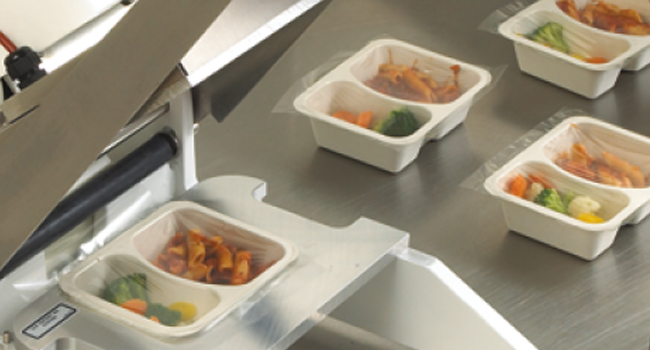
Film rolls can be converted for manual tray sealers, semi-automatic machines, automatic rotary tray sealers, inline MAP machines, and other commercial equipment. The required roll width, core size, outer diameter, winding direction, seal side, film tension, and print registration must match the machine and tooling.
Before mass production, test film tracking, cut accuracy, seal continuity, peel force, leakage, burst strength, wrinkling, anti-fog performance, print registration, freezer performance, MAP gas retention, microwave performance, and oven performance when applicable.
Information Required for an Accurate Quotation
Provide the following details so HSQY can recommend the correct film structure and prepare an accurate quotation:
CPET tray supplier, material specification, product code, drawing, or physical sample
Tray top dimensions, flange width, compartments, and fill weight
Tray-sealing machine brand, model, tooling, and operating speed
Required thickness, roll width, roll length, core ID, and maximum roll diameter
Easy-peel, medium-peel, or weld-seal requirement
Food type, filling temperature, storage temperature, and target shelf life
Freezer, microwave, conventional oven, MAP, hot-fill, pasteurization, or retort process
Anti-fog, barrier, perforation, venting, or printing requirements
Trial quantity, annual demand, destination port, and requested delivery date
Request Film Samples and Supplier Pricing
Custom Manufacturing and Supply Services
Custom film thickness and roll width
Custom roll length, paper core, roll weight, and outer diameter
Easy-peel, weld-seal, anti-fog, high-barrier, and ovenable-grade options
Custom flexographic or gravure printing
Film samples and tray-sealing line trials
Custom cartons, roll labels, pallet marks, and private-label packaging
CPET tray, lidding film, and tray-sealing equipment matching support
EXW, FOB, CIF/CNF, DDU, and door-to-door delivery
Quality and Compliance Documentation
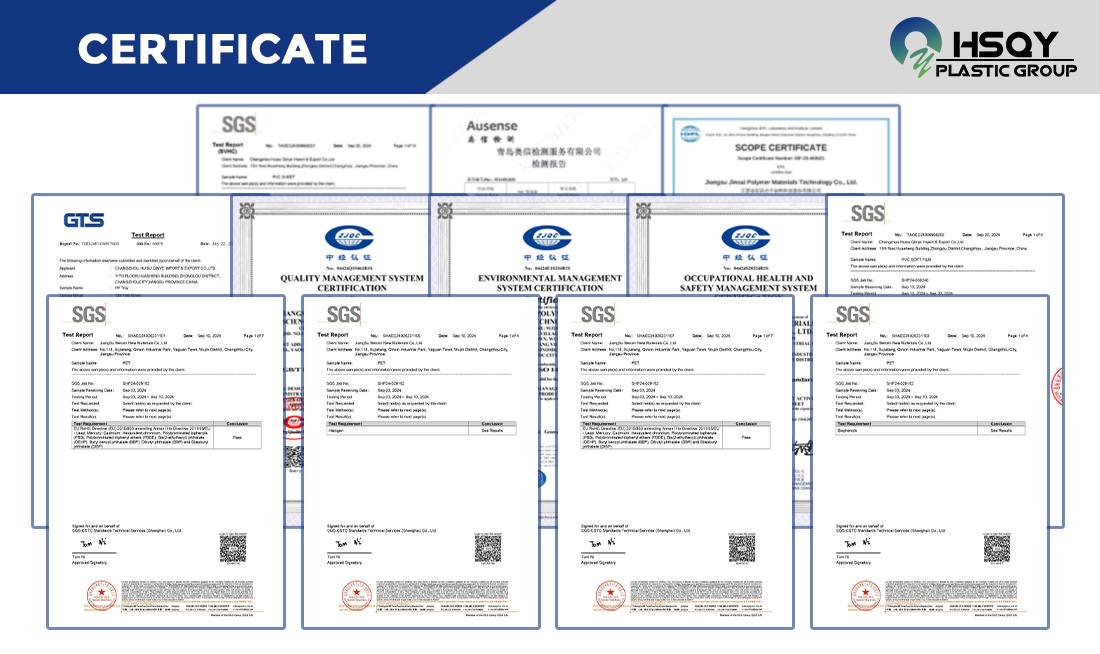
HSQY can provide available quality-management, inspection, and material documents for the supplied film grade. Buyers should request the technical data sheet, certificate of analysis, food-contact declaration, migration or compliance reports, roll inspection criteria, and any destination-market documentation required for the exact film structure and application.
ISO 9001 is a quality-management-system certification and should not be presented as a substitute for product-specific food-contact compliance. Sustainability and recyclability claims should also be evaluated for the completed tray-and-film package and the recycling infrastructure in the destination market.
![HSQY CPET tray sealing film certificates and quality documentation]()
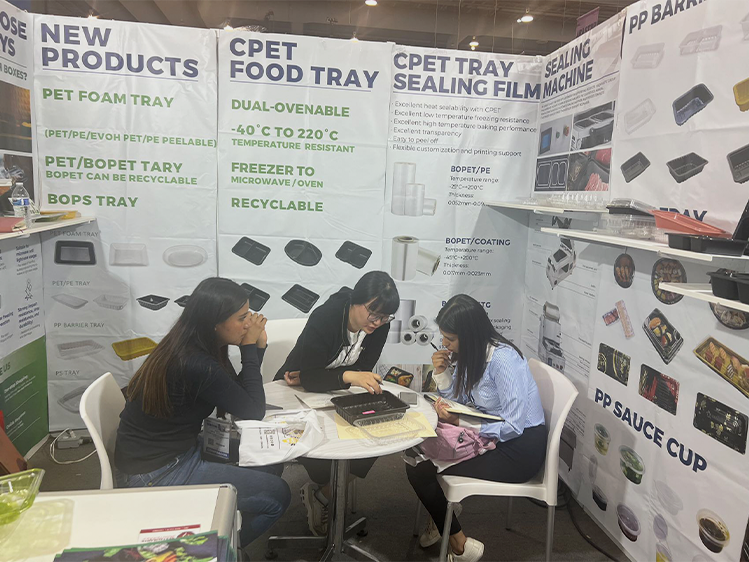
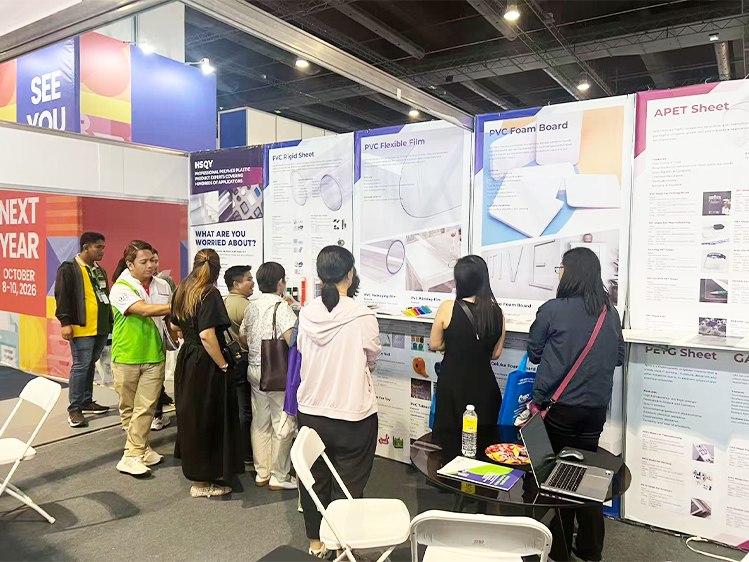
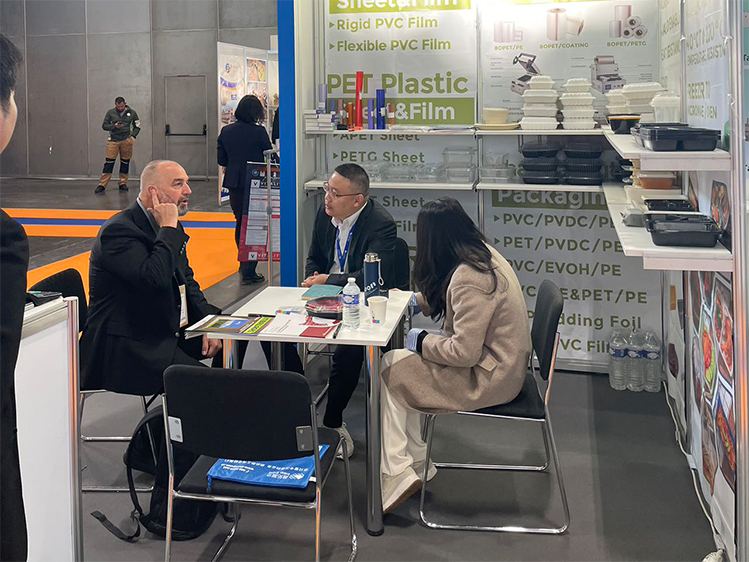
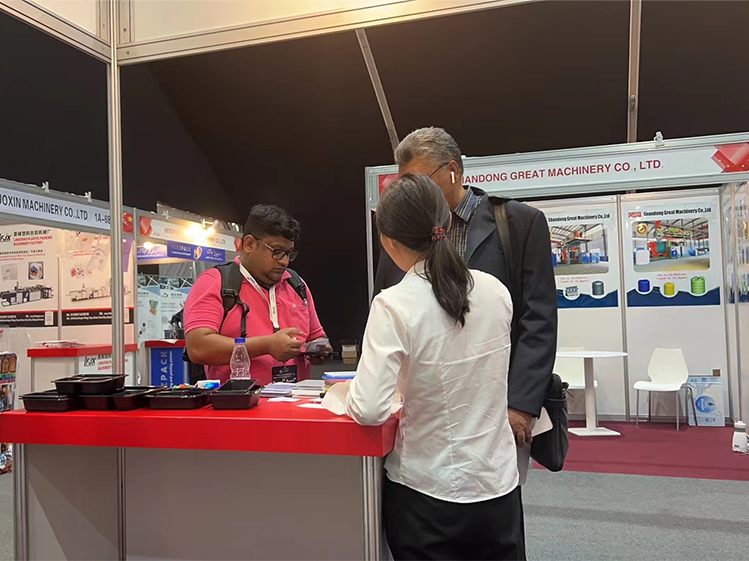
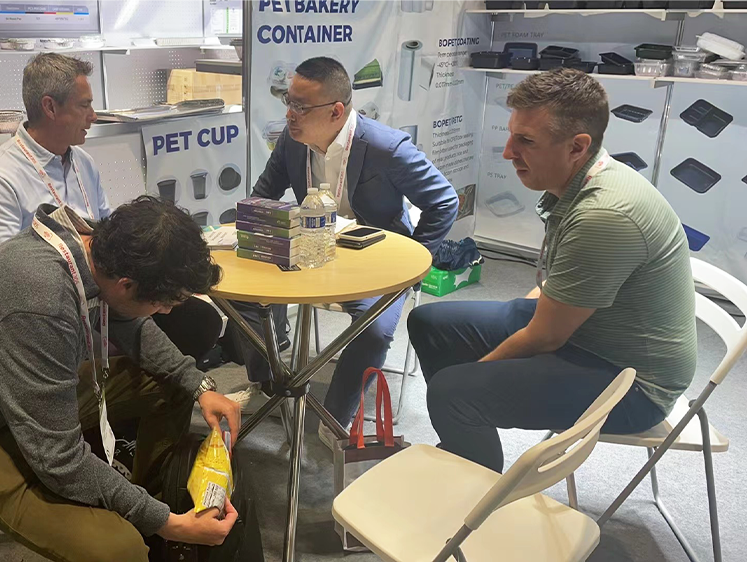
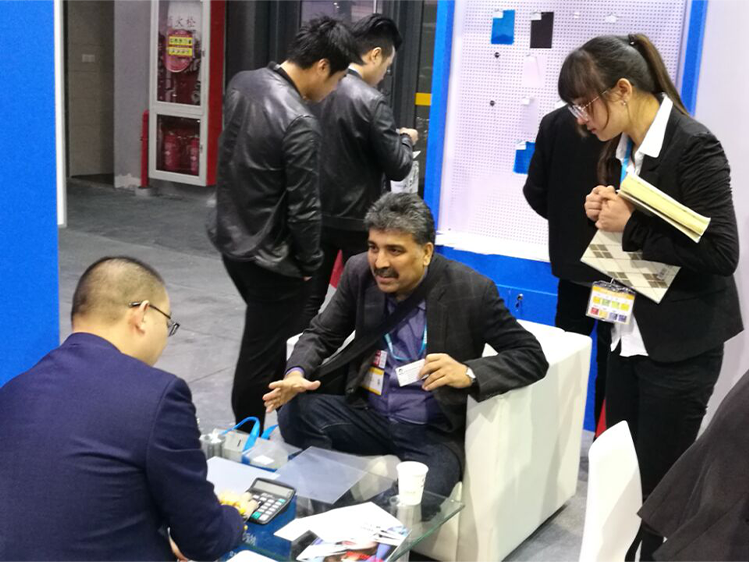
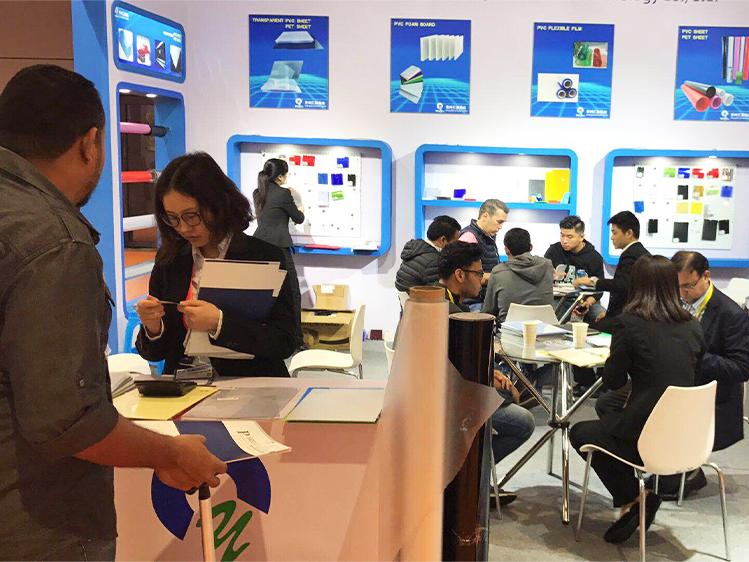
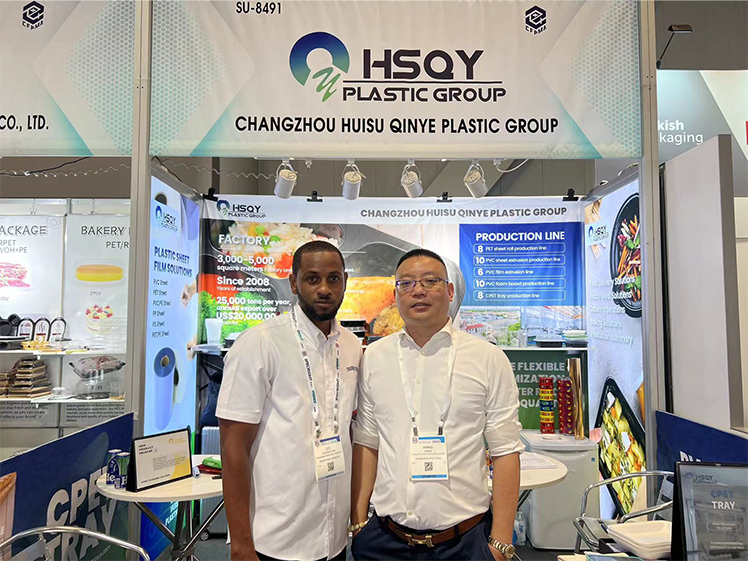
HSQY International Exhibitions
Production and Packing
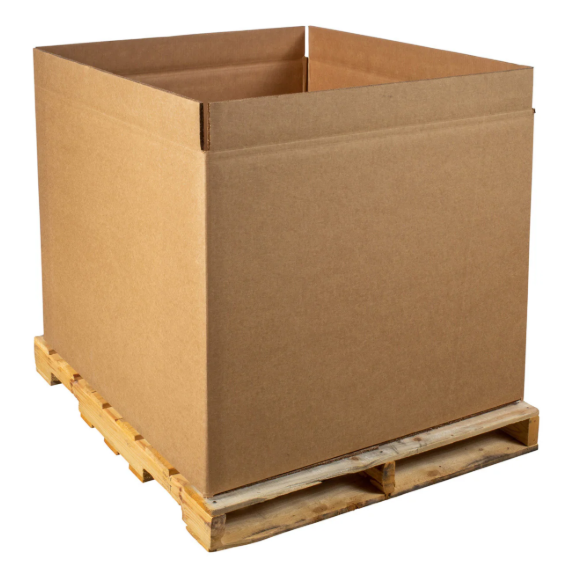
Packaging and Delivery
Sample Packaging: Trial rolls are protected against dust, moisture, scratching, creasing, and edge damage.
Bulk Roll Packing: Film rolls are wrapped in protective PE film, kraft material, cartons, or another suitable export format.
Pallet Packing: Approximately 500–2000kg per plywood pallet may be used depending on roll dimensions and transport conditions.
Roll Identification: Labels can show grade, thickness, width, length, lot number, net weight, seal side, winding direction, and production date.
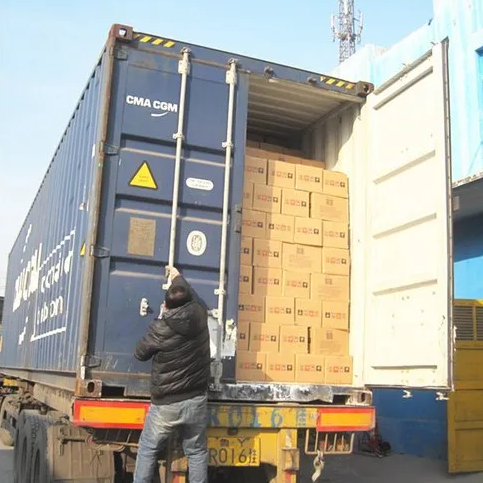
Container Loading: Loading plans are prepared according to pallet configuration, roll dimensions, and container type rather than a universal fixed weight.
Delivery Terms: EXW, FOB, CIF/CNF, DDU, and door-to-door services can be discussed.
Lead Time: Typically 7–15 days after deposit and final specification approval, subject to printing, barrier structure, quantity, and production schedule.
Frequently Asked Questions
What is CPET tray sealing film?
CPET tray sealing film is flexible lidding rollstock designed to heat seal compatible crystalline PET trays. It creates the top closure for ready meals and other food products while supporting leakage control, hygiene, transport, display, and reheating requirements.
Is one lidding film compatible with every CPET tray?
No. Tray formulations, flange surfaces, rim geometry, and heating processes can differ between suppliers. The film should be tested with the exact tray, food, machine, and sealing conditions before bulk ordering.
What is the difference between easy-peel and weld-seal film?
Easy-peel film is designed for controlled, consumer-friendly opening. Weld-seal film forms a stronger permanent bond and may be preferred for tamper evidence, heavier products, or liquid-containing meals.
Can CPET lidding film be used in a conventional oven?
Application-specific ovenable grades are available, but every film is not automatically oven-safe. The exact film, adhesive, sealant, ink, CPET tray, food load, temperature, heating duration, and cooking method must be validated together.
Is 0.06mm the same as 60 microns?
Yes. One millimetre equals 1,000 microns, so 0.06mm equals 60 microns. The acceptable thickness tolerance should be stated in the approved product specification.
Is anti-fog sealing film available for chilled meals?
Yes. Anti-fog treatment can be supplied for chilled ready meals, meat, produce, bakery, dairy, and other moist products where condensation may reduce product visibility.
Can HSQY supply high-barrier film for MAP trays?
High-barrier structures can be evaluated for modified atmosphere packaging. Provide the required oxygen transmission rate, water-vapor transmission rate, gas mixture, food type, storage temperature, and target shelf life.
Can the lidding film be custom printed?
Yes. Printing can include logos, graphics, cooking instructions, product information, traceability content, and date-code areas. Provide the artwork, colors, print repeat, width, registration tolerance, and annual volume.
Which roll dimensions can be customized?
Thickness, width, length, core inside diameter, core length, maximum outer diameter, roll weight, seal-side orientation, and winding direction can be customized subject to production feasibility.
Which information is needed to match the film to a tray sealer?
Provide the machine brand and model, tooling format, roll width, core ID, maximum roll diameter, winding direction, seal side, operating speed, existing sealing temperature, pressure, and dwell time.
Why does sealing film sometimes leak or peel inconsistently?
Common causes include incompatible sealant chemistry, contaminated tray rims, incorrect temperature, insufficient pressure or dwell time, uneven tooling, excessive film tension, tray deformation, food oils, condensation, or unsuitable storage conditions.
Is BOPET/PE lidding film recyclable?
PET and PE are recyclable polymers, but practical recyclability of a multilayer laminate depends on the final package construction, inks, adhesives, coatings, local collection systems, and recycling infrastructure. A general recyclable claim should be verified for the destination market.
What is the minimum order quantity?
The current stated MOQ for this product is 1000kg. Sample and trial quantities depend on available stock, film structure, roll width, and required conversion.
How long is the production lead time?
Typical lead time is approximately 7–15 days after deposit and final specification approval. Printed film, high-barrier structures, special peel performance, or application-specific ovenable grades may require additional time.
Can I request samples before placing a bulk order?
Yes, subject to stock and specification. Send the CPET tray sample, tray material, dimensions, sealing-machine details, required roll width, seal type, food application, storage conditions, and heating process.
How should CPET lidding film rolls be stored?
Store rolls in their original protective packaging in a clean, dry area away from direct sunlight, excessive heat, moisture, dust, solvents, and strong odors. Allow cold-stored rolls to acclimatize before opening to reduce condensation.
About HSQY Plastic Group
HSQY Plastic Group supplies CPET, PET, PP, and other food trays together with tray sealing films, flexible packaging films, plastic sheets, and related packaging products for international B2B customers.
The team can support tray-and-film compatibility, film-grade selection, roll conversion, printing, anti-fog and barrier development, samples, production-line trials, inspection documents, export packing, and international delivery for food manufacturers, contract packers, packaging distributors, airline caterers, and institutional food-service suppliers.
Contact HSQY for CPET Lidding Film