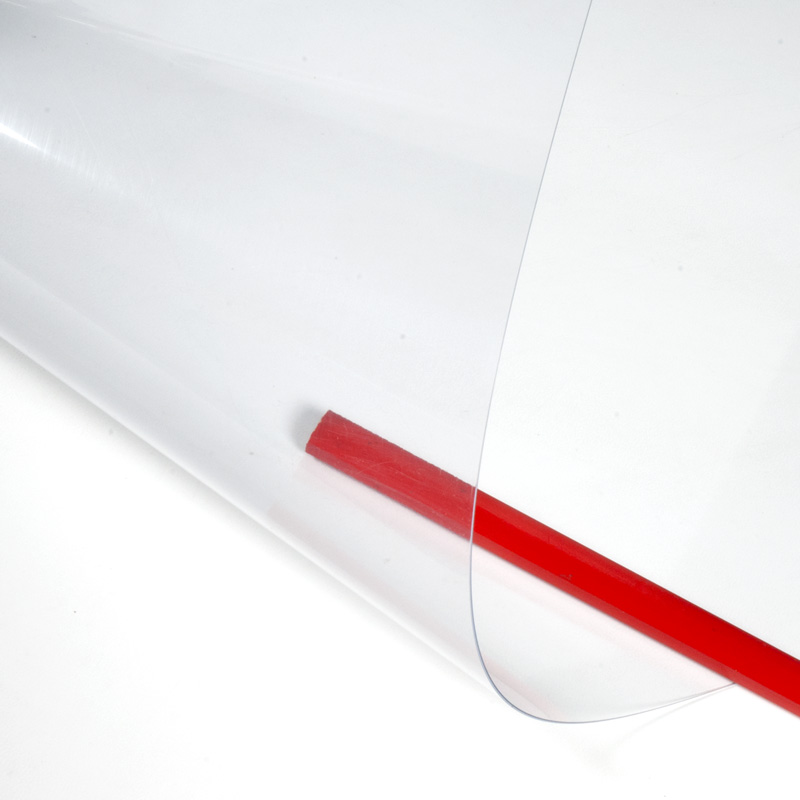
1mm Transparent APET Sheet for Thermoforming
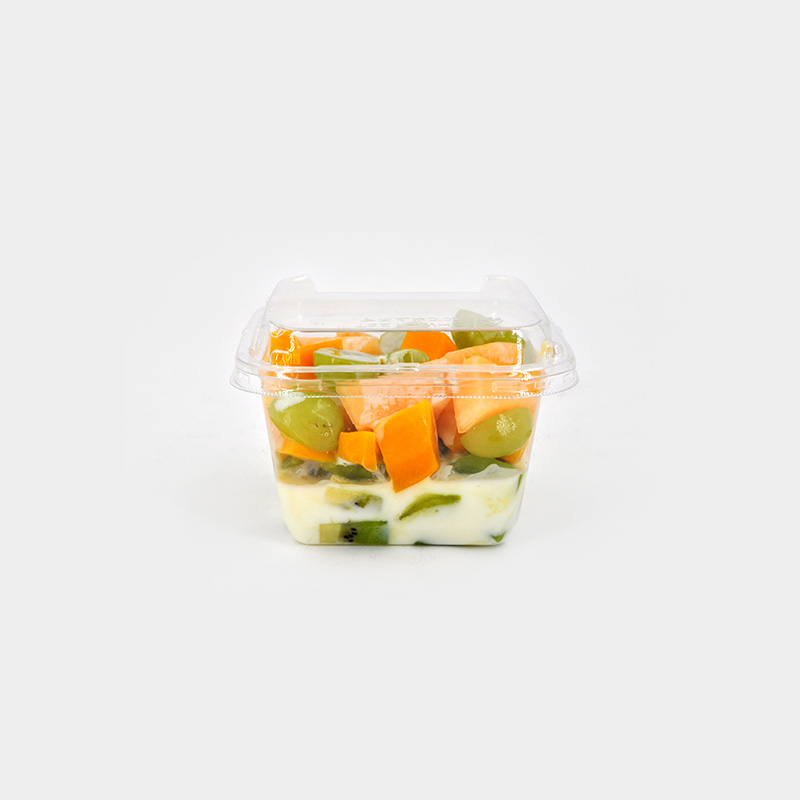
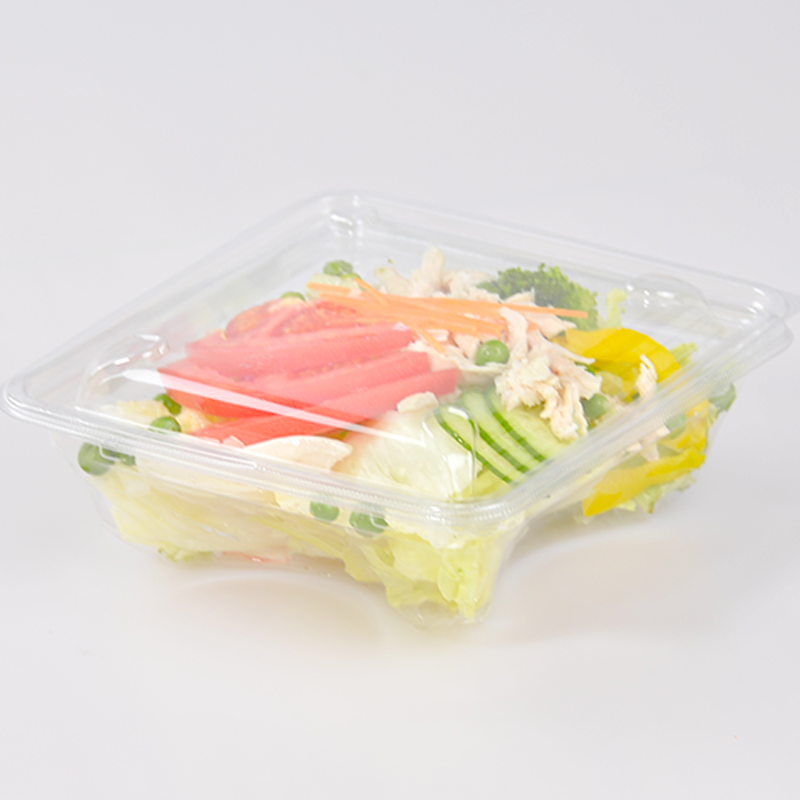
HSQY manufactures 1mm transparent APET sheets for thermoformed packaging, blister packs, trays, clamshells, folding boxes, packaging windows, retail displays, protective covers and customized plastic components.
APET, or amorphous polyethylene terephthalate, is a clear and rigid polyester material selected for its transparency, gloss, stiffness, toughness and thermoforming performance.
The featured product has a nominal thickness of 1mm. Customized APET sheet and roll specifications are available from approximately 0.15mm to 3mm, subject to production capability, order quantity and application requirements.
Standard roll widths range from approximately 110mm to 1280mm. Common flat-sheet dimensions include 915 × 1220mm and 1000 × 2000mm, with customized widths and cut sizes available.
Clear, light-blue transparent, colored, matte, frosted, embossed, anti-static, anti-fog, silicone-coated and recycled-content grades can be discussed according to the intended converting and packaging process.
Standard APET should not automatically be described as biodegradable, ovenable, microwave-safe, outdoor UV resistant, high barrier or food-contact compliant. These properties require an exact formulation, complete package structure and applicable test documentation.
Explore additional HSQY PET sheet products for packaging, printing, thermoforming and industrial applications.
Request 1mm APET Sheet Pricing Request APET Samples
1mm Transparent PET Sheet Video
Watch the video below to review HSQY transparent PET sheets and related packaging applications.
Transparent APET Sheet Images

Transparent APET Glossy Sheet

Clear Rigid PET Sheet
What Is a 1mm Transparent APET Sheet?
A 1mm transparent APET sheet is a rigid amorphous PET material with a nominal thickness of 1 millimeter, equivalent to 1000 microns.
The amorphous structure allows the sheet to remain transparent and suitable for thermoforming when it is heated within an appropriate processing window.
Compared with thinner packaging films, a 1mm sheet provides greater stiffness, body, impact resistance and shape retention for heavy-duty trays, packaging inserts, protective covers and display components.
Final performance depends on the PET resin, intrinsic viscosity, recycled content, additives, extrusion conditions, thickness tolerance, surface treatment and forming process.
APET, PETG, CPET and BOPET Differences
| Material |
Main Characteristics |
Typical Applications |
| APET |
Transparent, rigid, cost-efficient and suitable for standard thermoforming |
Blisters, trays, clamshells, folding boxes and packaging windows |
| PETG |
Glycol-modified polyester with a wider forming window, toughness and improved bonding |
Deep-draw parts, detailed covers, displays and specialty packaging |
| CPET |
Crystallized PET engineered for validated high-temperature applications |
Ovenable meal trays and heat-resistant food containers |
| BOPET |
Biaxially oriented thin PET film with high tensile strength and dimensional stability |
Flexible packaging, labels, printing, electrical insulation and laminates |
Buyers should identify the exact PET type rather than selecting material based only on the term PET sheet.
1mm Transparent APET Sheet Specifications
| Property |
Available Specification |
| Product Name |
1mm Transparent APET Sheet |
| Alternative Names |
1mm Clear PET Sheet, Rigid PET Sheet, APET Thermoforming Sheet and Clear PET Plastic Sheet |
| Model |
PET Sheet |
| Product Code |
PET-01 |
| Brand |
HSQY |
| Material |
Amorphous polyethylene terephthalate / APET |
| Featured Thickness |
1mm / 1000 microns |
| Custom Thickness Range |
Approximately 0.15-3mm |
| Roll Width |
Approximately 110-1280mm |
| Standard Sheet Sizes |
915 × 1220mm and 1000 × 2000mm |
| Custom Dimensions |
Custom roll widths, sheet sizes and cut pieces are available |
| Supply Format |
Master rolls, slit rolls, flat sheets and cut-to-size sheets |
| Reference Density |
Approximately 1.33-1.37g/cm³, subject to resin and formulation |
| Appearance |
Clear, light-blue transparent, tinted, translucent or opaque |
| Surface Options |
Glossy, matte, frosted, embossed and customized texture |
| Protective Film |
One-side or two-side masking for selected sheet specifications |
| Reference Thermoforming Range |
Initial trials may begin around 125-155°C, subject to grade and equipment |
| Heat Performance |
Standard APET is intended mainly for ambient, chilled and selected warm-fill applications, not conventional ovens |
| Printing Methods |
UV offset, screen, UV inkjet and selected digital printing after testing |
| Fabrication Methods |
Thermoforming, die cutting, guillotine cutting, routing, drilling, punching, scoring, folding and bonding |
| Applications |
Blister packaging, trays, clamshells, displays, folding boxes, windows and protective covers |
| Special Grades |
Food-contact, anti-static, anti-fog, silicone-coated, UV-stabilized and recycled-content grades subject to approval |
| Minimum Order Quantity |
Approximately 1000kg |
| Samples |
A4 sheets, cut samples and selected trial material may be available |
| Payment Terms |
30% deposit and 70% balance before shipment, or agreed terms |
| Delivery Terms |
FOB, CIF, EXW and other agreed Incoterms |
| Typical Lead Time |
Approximately 7-15 days after specification, sample, packing and deposit confirmation |
All numerical performance values should be confirmed using the technical data sheet for the exact APET resin, recycled-content level, thickness and production batch.
Technical Performance Requirements
| Property |
Why It Matters |
Recommended Purchasing Specification |
| Thickness Tolerance |
Affects forming depth, wall distribution, stiffness and product weight |
Nominal 1mm with agreed minimum, maximum and measurement method |
| Light Transmission |
Controls visibility of packaged or displayed products |
Minimum transmission at the specified thickness and test method |
| Haze |
Determines optical clarity and cloudy appearance |
Maximum haze according to an agreed optical test |
| Color |
Controls clear, blue-tinted or customized appearance |
Color coordinates, yellowness index or approved physical sample |
| Intrinsic Viscosity |
Influences melt strength, mechanical properties and processing |
Resin-grade or finished-sheet IV requirement where necessary |
| Heat Shrinkage |
Affects printing registration, flatness and thermoforming |
Test temperature, duration, machine direction and transverse direction |
| Impact Performance |
Controls cracking during forming, transport and use |
Impact method, specimen thickness, temperature and acceptance limit |
| Surface Energy |
Affects ink, coating and adhesive bonding |
Dyne level, treatment side and treatment-retention period |
| Coefficient of Friction |
Affects feeding, denesting, winding and automatic converting |
Static and dynamic COF according to the actual application |
| Food-Contact Status |
Required for direct food packaging |
Destination regulation, food type, temperature, time and migration conditions |
Why Choose a 1mm APET Sheet?
Greater stiffness: Provides more structural body than thin APET packaging film.
Clear presentation: Allows packaged products or display graphics to remain visible.
Thermoforming capability: Can be formed into trays, inserts, covers and detailed parts after process validation.
Impact resistance: Offers useful toughness for handling, transport and fabricated components.
Printability: Suitable surfaces can support UV, screen and offset printing.
Fabrication options: Can be cut, punched, routed, folded, scored and bonded.
Packaging visibility: Provides a clear view of products in retail and industrial packaging.
Recycled-content potential: RPET options can be evaluated according to clarity and compliance requirements.
Thermoforming 1mm Transparent APET Sheet
APET can be processed using vacuum forming, pressure forming, plug-assist forming and matched-mold forming.
Initial forming trials may begin at approximately 125-155°C, but the correct temperature depends on resin grade, sheet temperature, heater type, heating time, draw ratio, mold temperature and cycle speed.
The sheet should be heated uniformly. Local overheating can cause crystallization, haze, brittleness, surface defects or uneven wall distribution.
Predrying requirements depend on the resin, sheet moisture, storage conditions, forming cycle and supplier instructions. Buyers should avoid assuming that every APET grade can be formed without drying.
| Forming Issue |
Possible Cause |
Recommended Check |
| Cloudiness or White Areas |
Overheating, crystallization or excessive stress |
Reduce heat exposure and confirm forming temperature distribution |
| Uneven Wall Thickness |
Uneven heating, excessive draw or inadequate plug assistance |
Review heater zoning, mold geometry and plug design |
| Web Sag |
Excessive temperature or heating time |
Adjust heater output, cycle time and sheet support |
| Cracking During Trimming |
Low impact strength, cold sheet, poor tooling or excessive crystallization |
Check resin grade, trimming temperature and blade condition |
| Poor Detail Reproduction |
Insufficient sheet temperature, vacuum or pressure |
Increase controlled heating and review mold venting |
Applications of 1mm Transparent PET Sheet
Blister packaging: Heavy-duty blister components for tools, electronics, hardware and consumer products.
Thermoformed trays: Clear inserts, transport trays and product-positioning trays.
Clamshell packaging: Rigid transparent packaging for retail products.
Food packaging: Trays and containers using an approved food-contact grade.
Packaging windows: Transparent windows for paperboard cartons and folding boxes.
Retail displays: Product holders, POP displays, shelf components and clear panels.
Protective covers: Clear covers for equipment, electronics and displays.
Printing applications: UV-printed signs, graphics, cards and transparent promotional components.
Stationery products: Rigid covers, dividers, templates and document components.
Apparel packaging: Shirt inserts, packaging supports and transparent cover components.

APET Sheet for Blister Packaging

Transparent PET Sheet for Thermoforming
Printing, Cutting and Fabrication
Transparent APET sheets can be converted into printed, cut, folded, bonded and thermoformed products.
| Process |
Typical Application |
Required Validation |
| UV Offset Printing |
Folding boxes, cards, panels and transparent packaging |
Sheet feeding, static, ink adhesion, curing and post-print folding |
| Screen Printing |
Displays, signs, covers and industrial components |
Ink compatibility, drying, abrasion and chemical resistance |
| UV Inkjet Printing |
Customized signs, graphics and short-run products |
Curing energy, surface treatment, adhesion and heat distortion |
| Die Cutting and Punching |
Blisters, folding boxes, windows and inserts |
Tool clearance, edge cracking, whitening and dimensional accuracy |
| Routing and Sawing |
Thick sheets, displays, panels and fabricated parts |
Tool geometry, feed rate, cooling and edge finish |
| Folding and Scoring |
Transparent cartons, covers and display components |
Score depth, fold direction, whitening and cracking |
| Adhesive Bonding |
Boxes, displays and mixed-material assemblies |
Adhesive clarity, chemical compatibility and peel strength |
Food-Contact Requirements
The polymer name APET does not automatically establish food-contact compliance.
Food-contact suitability depends on the PET resin, recycled content, catalyst residues, additives, colorants, anti-block agents, silicone treatment, coatings, inks, adhesives and finished package structure.
Buyers should identify the food type, contact temperature, contact duration, storage conditions, filling process and destination-market regulation.
Relevant documentation may include a declaration of compliance, migration test results, resin authorization information and recycled-content approval where applicable.
Temperature and Heating Limitations
Standard APET is mainly used for ambient, chilled, frozen and selected warm-fill packaging rather than conventional oven applications.
The glass-transition region of standard APET is typically below the temperatures associated with ovenable packaging, so the material may soften, distort or lose dimensional stability when exposed to excessive heat.
Standard APET should not automatically be promoted as microwave-safe, conventional-oven-safe or suitable for boiling-water applications.
Applications requiring validated oven resistance should normally evaluate CPET or another heat-resistant material.
Standard and High-Barrier PET Structures
| Structure |
Primary Function |
Important Limitation |
| Mono APET |
Clarity, rigidity and standard thermoforming |
Not automatically a high oxygen or moisture barrier |
| APET/PE |
Adds a heat-sealable surface for trays and packaging |
Seal performance depends on PE grade and lidding film |
| PET/EVOH/PE |
Improved oxygen barrier and heat-sealable food-contact layer |
Requires separate forming, sealing and recycling evaluation |
| Coated PET |
Anti-fog, anti-static, silicone, printing or barrier function |
Coating may affect adhesion, migration, forming and recyclability |
Recycling and Sustainability
Standard PET is recyclable where suitable collection, sorting and recycling infrastructure exists.
Standard APET should not be described as biodegradable or compostable unless the exact material has been independently tested and certified to an applicable standard.
The recyclability of a finished package depends on its color, labels, adhesives, inks, coatings, barrier layers, seals and attached components.
RPET content can be incorporated according to clarity, color, contamination, mechanical performance and food-contact requirements.
Buyers requiring a recycling claim should identify the destination recycling system and evaluate the complete package design.
UV, Outdoor and Flammability Requirements
Standard clear APET is mainly intended for indoor packaging, printing and display applications.
Long-term outdoor exposure may cause yellowing, loss of gloss, embrittlement and changes in mechanical performance.
Outdoor applications require an application-specific UV-stabilized grade and clearly defined weathering requirements.
APET may achieve a UL 94 HB result in some formulations and thicknesses, but this should not be applied to every product without a corresponding report.
A material-level flammability result does not establish the fire classification of a complete package, display, machine guard or building system.
Recommended Quality-Control Tests
PET resin and material-grade verification.
Virgin and recycled-content percentage.
Thickness and thickness tolerance.
Roll width, sheet dimensions and diagonal tolerance.
Roll length, roll weight, core size and winding direction.
Winding quality, edge alignment and telescoping.
Sheet flatness, bow, curl and edge condition.
Density or specific gravity.
Light transmission, haze, tint and gloss.
Yellowness index and batch-to-batch color difference.
Black spots, gels, bubbles, lines, scratches and contamination.
Tensile strength, elongation and modulus.
Impact performance at the required temperature.
Heat shrinkage in the machine and transverse directions.
Thermoforming temperature window and web sag.
Draw depth and wall-thickness distribution.
Whitening and crystallization after forming.
Printing adhesion, curing and abrasion resistance.
Die cutting, punching, scoring and folding performance.
Adhesive bonding and peel strength.
Anti-static, anti-fog or silicone-coating performance where required.
Food-contact migration tests where applicable.
Packing, pallet and container-loading inspection.
Custom APET Sheet Options
Featured 1mm transparent APET sheet.
Customized thicknesses from approximately 0.15mm to 3mm.
Roll widths from approximately 110mm to 1280mm.
915 × 1220mm and 1000 × 2000mm standard sheets.
Customized sheet dimensions and cut pieces.
Master rolls, slit rolls and flat sheets.
Clear, blue-tinted, transparent colored and opaque products.
Glossy, matte, frosted and embossed surfaces.
One-side or two-side protective film.
Virgin APET and customized RPET-content structures.
Thermoforming, printing, folding-box and display grades.
Food-contact grades subject to documentation.
Anti-static, anti-fog and silicone-coated grades.
Customized labels, cartons, pallets and shipping marks.
Information Required for an APET Sheet Quote
Required thickness and thickness tolerance.
Roll width or sheet dimensions.
Required roll length, roll weight and core diameter.
Clear, blue-tinted, colored or opaque appearance.
Glossy, matte, frosted or embossed surface.
Protective-film requirement.
Virgin APET or required RPET percentage.
Thermoforming depth, mold dimensions and equipment.
Printing, cutting, folding, bonding or fabrication process.
Required clarity, haze and color limits.
Food-contact conditions and destination market.
Required OTR, WVTR, sealing or barrier performance.
Anti-static, anti-fog, silicone or UV requirements.
Required technical and compliance documents.
Initial quantity and estimated annual demand.
Packing, destination port and required delivery date.
Send Your APET Sheet Requirements
PET Data Sheets and Test Reports
The original PET data-sheet and resin-test links are retained below.
Before relying on a document, confirm that the resin grade, sheet structure, thickness, recycled content, production location and test specimen correspond to the material being purchased.
![PET data sheet PDF icon]() Download PET Data Sheet
Download PET Data Sheet
![PET resin SGS report PDF icon]() Download PET Resin SGS Report
Download PET Resin SGS Report
Certificates and Compliance Documents
Available documents may include technical data sheets, safety data sheets, resin reports, restricted-substance reports, food-contact declarations, migration reports and quality-management certificates.
SGS should be described according to the exact test performed and should not be presented as a universal certification for food safety, medical use or product quality.
ISO 9001 relates to the manufacturer's quality-management system and does not independently establish the technical or food-contact performance of the APET sheet.
The certificate holder, manufacturing address, standard edition, certification scope and validity period should be verified before publication.

Packaging and Delivery
Sample packing: A4 sheets and small cut samples can be protected with PE bags and packed in rigid courier cartons.
Roll packing: APET rolls can be wound on paper cores, wrapped with PE film and kraft paper and secured on export pallets.
Sheet packing: Flat sheets can be packed in protective bags, cartons or approximately 30kg packages according to thickness and dimensions.
Pallet packing: Sheets and rolls can be placed on plywood or fumigation-free export pallets with edge protection, straps and stretch film.
Reference pallet weight: Approximately 500-2000kg depending on roll dimensions, sheet size, pallet structure and handling requirements.
Container loading: A reference loading quantity is approximately 20 tons, subject to pallet design, product dimensions and legal weight limits.
Storage: Store APET sheets indoors in a clean, dry and ventilated area away from direct sunlight, heat sources, moisture and excessive stacking pressure.
Lead time: Standard orders normally require approximately 7-15 days after the specification, sample, packing and deposit are confirmed.

HSQY Global Exhibitions

Why Choose HSQY as Your APET Sheet Supplier?
1mm transparent APET sheet for packaging and thermoforming.
Customized thicknesses from approximately 0.15mm to 3mm.
Roll widths from approximately 110mm to 1280mm.
Master rolls, slit rolls, flat sheets and cut pieces.
Clear, tinted, colored, matte and embossed options.
Thermoforming, printing, folding-box and display grades.
Virgin APET and customized RPET-content options.
Anti-static, anti-fog and silicone-coated specifications.
Samples for forming, printing, cutting and bonding trials.
Quality inspection according to approved specifications.
Customized packing and international delivery support.
Before bulk production, HSQY recommends testing the selected sheet using the customer's actual thermoforming machine, mold, printing ink, cutting tools, adhesives and packaging process.
Contact HSQY for Samples and Pricing
Frequently Asked Questions About 1mm Transparent APET Sheet
What is a 1mm transparent APET sheet?
It is a clear amorphous PET sheet with a nominal thickness of 1mm, commonly used for thermoforming, packaging, displays and fabricated components.
Is 1mm equal to 1000 microns?
Yes. A 1mm sheet is equal to 1000 microns.
Is APET the same as PETG?
No. APET is amorphous PET, while PETG is a glycol-modified copolyester with different thermoforming, toughness and bonding characteristics.
Is APET the same as CPET?
No. APET is transparent and designed mainly for standard packaging, while CPET is crystallized and engineered for validated higher-temperature food-tray applications.
Can 1mm APET sheet be thermoformed?
Yes. It can be vacuum formed or pressure formed after the heating profile, mold, draw ratio and cooling conditions are validated.
What temperature is used to thermoform APET?
Initial trials may begin around 125-155°C, but the correct sheet temperature depends on the resin, equipment, heater, mold and forming cycle.
Does APET require predrying?
Predrying requirements depend on the resin grade, moisture level, storage conditions, thickness and forming process. Follow the approved supplier instructions.
Why does APET become cloudy during thermoforming?
Cloudiness may result from overheating, crystallization, moisture, excessive stress or uneven heating.
What thicknesses can HSQY produce?
The featured product is 1mm, while customized APET specifications are available from approximately 0.15mm to 3mm.
What roll widths are available?
Roll widths from approximately 110mm to 1280mm are available, subject to thickness and production confirmation.
What standard sheet sizes are available?
Common sheet dimensions include 915 × 1220mm and 1000 × 2000mm, with customized sizes available.
Can the sheet be supplied in rolls?
Yes. Master rolls and slit rolls can be supplied according to width, roll length, roll weight, core size and equipment requirements.
Can APET sheet be printed?
Suitable APET surfaces can be UV offset printed, screen printed or UV inkjet printed after ink-adhesion and curing tests.
Can 1mm APET sheet be folded?
Yes, but scoring depth, fold direction, bend radius and temperature should be tested to reduce whitening or cracking.
Can APET sheet be die cut?
Yes. Sharp dies, suitable clearance and controlled sheet temperature help reduce edge cracking and whitening.
Can APET sheet be laser cut?
Laser processing should only be used after the exact APET grade, equipment, extraction and edge-quality requirements have been validated. Mechanical cutting is often preferred.
Is transparent APET suitable for food packaging?
A food-contact grade can be supplied when the exact formulation, food type, contact temperature, contact time and destination-market requirements are confirmed.
Does an SGS report prove food-contact compliance?
Only when the report covers the relevant formulation, migration requirements, food simulants, conditions of use and destination regulation.
Is standard APET microwave safe?
Standard APET should not automatically be used in a microwave. A separately validated material and finished container are required.
Can standard APET be used in a conventional oven?
No. Standard APET is not normally intended for conventional-oven use. CPET or another validated heat-resistant material should be considered.
Is APET a high-barrier packaging material?
Standard APET provides useful packaging performance but is not automatically a high oxygen or moisture barrier. Sensitive products may require EVOH, PE or another barrier structure.
Is APET biodegradable?
Standard petroleum-based APET should not be described as biodegradable or compostable. Its principal end-of-life advantage is potential recyclability.
Is APET recyclable?
PET can be recyclable where suitable collection and recycling systems exist, but labels, adhesives, colors, coatings and multilayer structures affect compatibility.
Can recycled PET be used in the sheet?
Yes. RPET-content options can be evaluated according to clarity, color, contamination, performance and food-contact requirements.
Is anti-static APET available?
Anti-static grades can be developed according to the required surface-resistance range, humidity, test voltage and effective duration.
Is anti-fog APET available?
Anti-fog grades or coatings can be supplied for selected chilled-food packaging applications after performance and migration requirements are confirmed.
Is protective film available?
One-side or two-side protective masking can be supplied for selected sheet specifications and fabricated applications.
What is the minimum order quantity?
The reference minimum order quantity is approximately 1000kg. Customized grades, colors and coatings may require a different MOQ.
Are APET samples available?
Existing A4 sheets and cut samples may be available. Customized thicknesses or functional grades may require a production trial.
What is the production lead time?
Standard production generally requires approximately 7-15 days after the specification, sample, packing and deposit are confirmed.
What information is required for a quotation?
Provide the thickness, dimensions, roll specifications, appearance, surface, recycled content, forming process, special functions, order quantity, packing and destination.
Get a 1mm APET Sheet Quote
About HSQY Plastic Group
HSQY Plastic Group supplies APET sheets, PETG sheets, GAG sheets, PET packaging films, PVC sheets, PP sheets, CPET trays and customized plastic materials to international B2B customers.
HSQY supports thermoforming companies, packaging converters, printers, display manufacturers, food-packaging producers, importers and distributors with material selection, samples, customized production, inspection and export packing.
Request a Quote and Sample