PVC Celuka Foam Board for Furniture and Cabinets
HSQY PVC Celuka foam board is a rigid, lightweight furniture panel with a smooth, dense outer skin and a foamed PVC core. It is designed for kitchen cabinets, bathroom vanities, wardrobes, shelves, partitions, interior panels, displays and other applications that need moisture resistance, easy fabrication and a consistent finishing surface.
The standard thickness range shown for this product is 1-20 mm. Standard sheet size is 1220 × 2440 mm, with additional sizes, densities, colors and finishes available subject to production review. For furniture projects, select the board by thickness, density, screw-holding requirement, span, load, surface treatment and end-use environment—not by thickness alone.
PVC Celuka Foam Board Video
What Is PVC Celuka Foam Board?
PVC Celuka foam board is an expanded rigid PVC sheet manufactured so that the surfaces cool into a comparatively dense, smooth skin while the interior remains a closed-cell foamed core. This structure gives the board a harder working surface than typical free-foam sign board and makes Celuka grade a practical option for cabinet panels, furniture components and interior fabrication.
The board can be sawed, routed, drilled, screwed, engraved, laminated, painted, printed and bonded when compatible tools, fasteners, coatings and adhesives are used. Final performance depends on the selected density, thickness, formulation and fabrication method, so production-representative samples should be tested before a large order.

Rigid PVC Celuka foam board sheet

Smooth surface for furniture fabrication
PVC Celuka Foam Board Specifications
Use the following values as quotation references. Final dimensions, tolerances and properties should be recorded in the approved sample, technical data sheet and sales contract for the exact grade ordered.
| PVC Celuka Foam Board Product Information |
| Material |
Rigid expanded PVC |
| Board Type |
Celuka-process PVC foam board with a dense outer skin and foamed core |
| Standard Thickness |
1-20 mm standard supply range for this product |
| Extended Custom Thickness |
20-35 mm may be evaluated separately; confirm feasibility, tolerance, MOQ and application before ordering |
| Density Range |
0.35-1.0 g/cm³; select according to rigidity, weight, screw holding, surface and cost requirements |
| Standard and Custom Sizes |
1220 × 2440 mm, 915 × 1830 mm, 1560 × 3050 mm, 2050 × 3050 mm and custom dimensions subject to production review |
| Colors |
White, red, yellow, blue, green, black and custom colors |
| Surface Finish |
Gloss or matte; confirm sanding, lamination or protective-film requirements |
| Fabrication |
Sawing, routing, drilling, engraving, fastening, bonding, laminating, painting and compatible printing |
| MOQ |
3 metric tons; custom colors and special grades may require a different MOQ |
| Packing |
Plastic bags, kraft paper, cartons and pallets according to sheet size and shipping plan |
| Typical Production Lead Time |
Approximately 15-20 days after deposit, subject to specification, quantity and production schedule |
| Sample |
Sample availability can be confirmed after the required thickness, density, color, finish and application are provided |
Thickness note: The standard range for this product is 1-20 mm. Requests above 20 mm are treated as custom specifications and require separate confirmation of production feasibility, tolerance, MOQ and end-use performance.
How to Choose PVC Celuka Board for Furniture
Furniture-grade selection must consider the finished component, not only the board price. Share a drawing or sample whenever possible, especially for cabinet doors, long shelves, hinge zones and parts with concentrated fastener loads.
| Furniture Component |
Selection Priorities |
Recommended Validation |
| Kitchen and bathroom cabinets |
Moisture exposure, surface finish, fastener retention, edge machining and cleanability |
Hinge pull-out, screw holding, lamination or coating adhesion and wet-environment trial |
| Shelves and horizontal panels |
Span, expected load, density, thickness and support spacing |
Deflection and creep testing with the actual load and support arrangement |
| Cabinet doors and fronts |
Flatness, hinge area, surface hardness, painting or lamination finish |
Door-size prototype, repeated opening test and finish adhesion test |
| Wardrobes and interior partitions |
Panel size, frame spacing, joint design, impact and dimensional stability |
Full-panel mock-up, joint inspection and installation trial |
| Decorative and printed panels |
Color, gloss, smoothness, ink, paint, adhesive or decorative film compatibility |
Color approval, cross-hatch adhesion, rub and cleaning-agent tests |
PVC Foam Board Physical Properties
The values below are published reference ranges for this product family. Because results can vary by density, thickness, formulation, color and test method, request the current technical data sheet and applicable test standard for the exact grade quoted.
| Testing Item |
Unit |
Published Reference |
| Density |
g/cm³ |
0.35-1.0 |
| Tensile Strength |
MPa |
12-20 |
| Bending Strength |
MPa |
12-18 |
| Bending Elasticity Modulus |
MPa |
800-900 |
| Impact Strength |
kJ/m² |
8-15 |
| Elongation at Break |
% |
15-20 |
| Shore Hardness |
Shore D |
45-50 |
| Water Absorption |
% |
≤1.5 |
| Vicat Softening Point |
°C |
73-76 |
| Fire Behavior |
Grade-specific |
Specify the required fire-test standard and request a current report; do not infer a rating from an unspecified self-extinguishing claim |
Key Features of PVC Celuka Foam Board
Dense, smooth Celuka skin for machining, laminating, painting and compatible printing.
Foamed core reduces weight compared with solid rigid PVC of the same dimensions.
Low published water absorption supports cabinet and furniture use in humid indoor environments when joints and hardware are properly designed.
Can be cut, routed, drilled, engraved, fastened and bonded using suitable tools and consumables.
Thickness, density, color, size, surface and packing can be discussed for custom B2B orders.
Does not rely on wood fibers, making it a practical moisture-resistant alternative for selected MDF or plywood applications after project validation.
Fabrication and Installation Guidance
How Should PVC Celuka Board Be Cut and Routed?
Use sharp carbide-tipped woodworking blades or suitable CNC router bits, support the sheet correctly and control feed speed to reduce heat buildup and edge chipping. Provide dust extraction and follow the tool and workplace safety instructions applicable to PVC machining.
How Should Screws and Hinges Be Tested?
Fastener performance depends on density, thickness, pilot-hole size, screw geometry, edge distance and loading direction. Test the proposed hinge and screw system on the actual board grade, especially for doors, shelves and repeated-load furniture components.
How Should Paint, Laminate and Adhesive Systems Be Approved?
Clean the surface and follow the coating, laminate or adhesive supplier’s recommendation for rigid PVC. Run adhesion, heat, humidity, cleaning and aging tests on a production-representative sample before mass fabrication.
PVC Celuka Foam Board Applications
Typical applications include kitchen and bathroom cabinets, vanities, wardrobes, shelving, furniture panels, decorative partitions, interior wall panels, exhibition displays, printed signs and CNC-machined components. Outdoor, structural, high-temperature, fire-regulated or chemically exposed uses require a separately approved grade and application assessment.

Cabinet and furniture panel applications

Decoration, signage and display applications
Celuka Board vs Free-Foam and Co-Extruded PVC Board
| Board Type |
Typical Structure |
Common Selection Direction |
| PVC Celuka foam board |
Dense outer skin formed around a foamed PVC core |
Furniture, cabinets and machined panels needing a comparatively hard working surface |
| PVC free-foam board |
More uniform foam structure with a generally softer surface |
Printing, signage, lightweight displays and applications prioritizing low weight |
| Co-extruded PVC foam board |
Foamed core combined with separately co-extruded dense surface layers |
Furniture and decorative panels requiring controlled surface appearance or enhanced skin performance |
Names and constructions can be used differently across suppliers. Confirm the actual cross-section, density, surface layer, test data and approved sample instead of selecting only by a marketing term.
PVC Foam Board Test Report PDF
![PDF document icon]() View the PVC Foam Board SGS PDF
View the PVC Foam Board SGS PDF
Document scope, issue date, tested sample and test standards must match the product grade and destination-market requirement. Request the current applicable report before placing an order.
Quality and Compliance Documentation
For procurement approval, ask for the current technical data sheet, safety data sheet, inspection or certificate-of-analysis format, color sample, packing specification and any application-specific test report. Fire, chemical, food-contact, indoor-emission and outdoor-weathering claims should be supported by a named test standard and a document covering the quoted grade.

Certificate reference image; request current documents for the exact product grade.
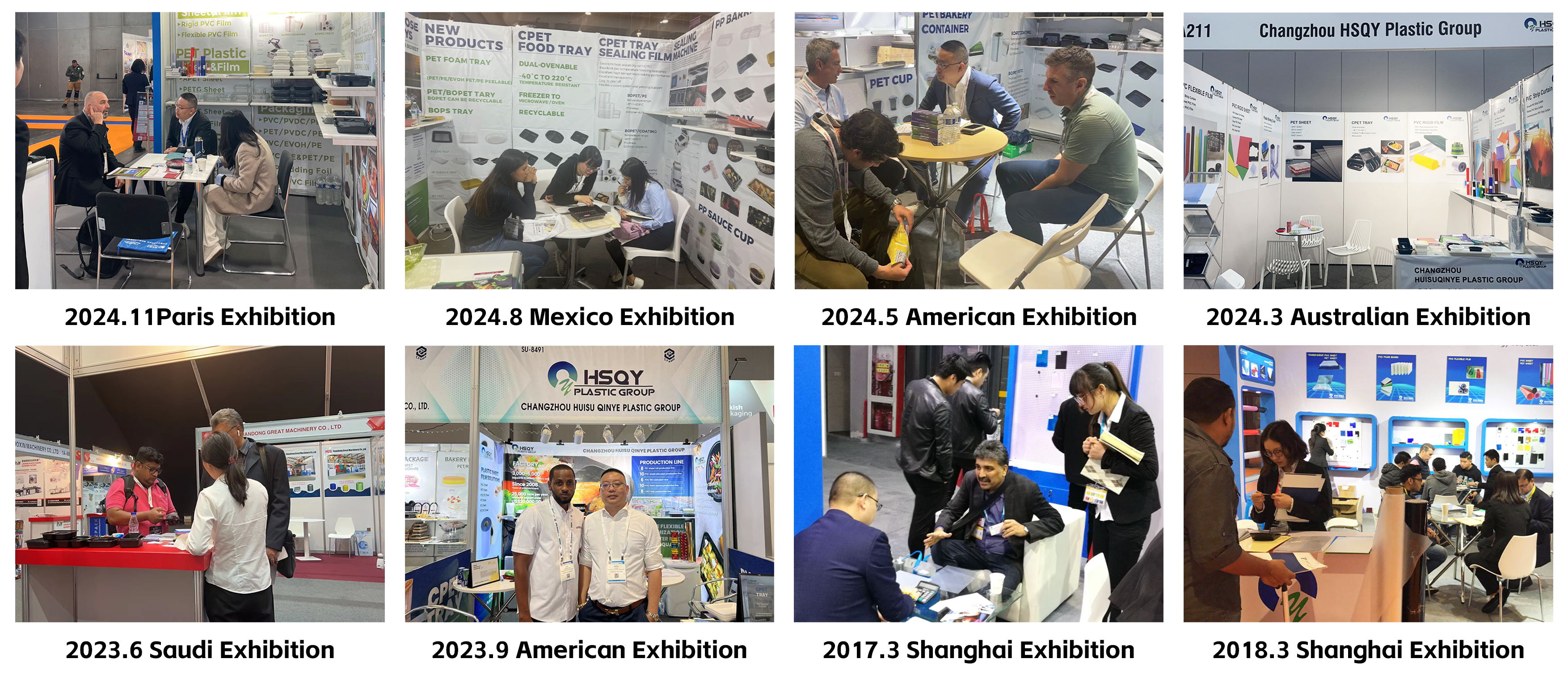
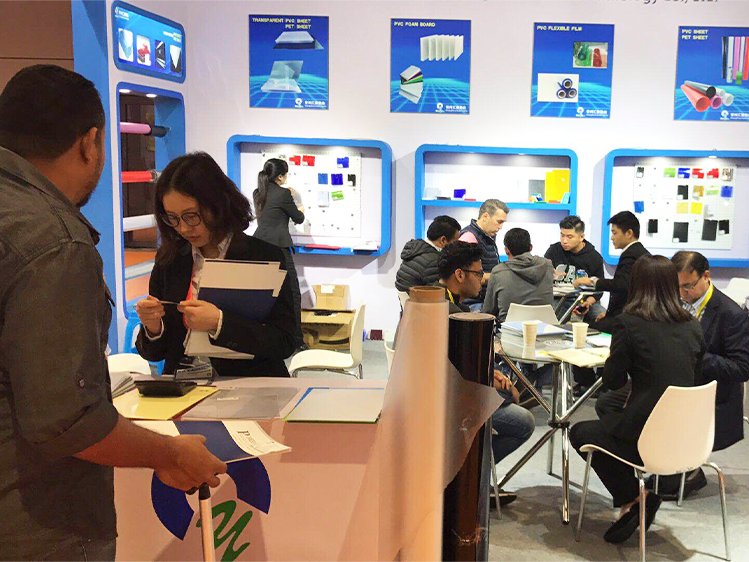
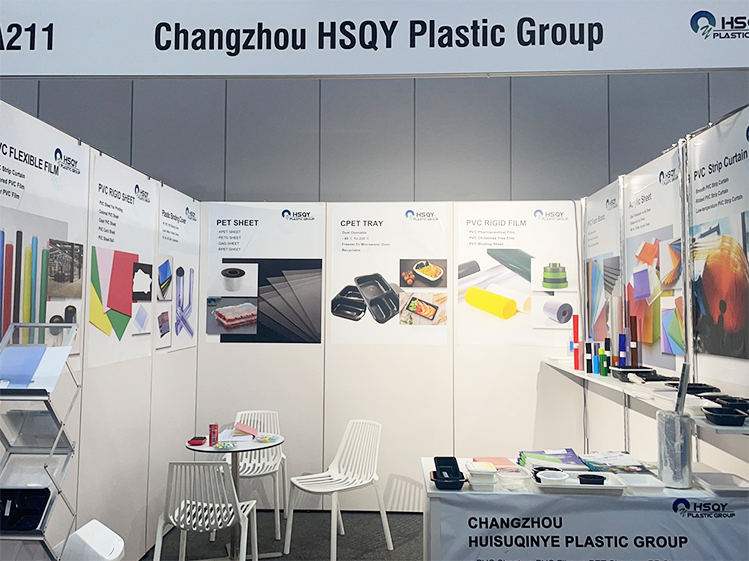
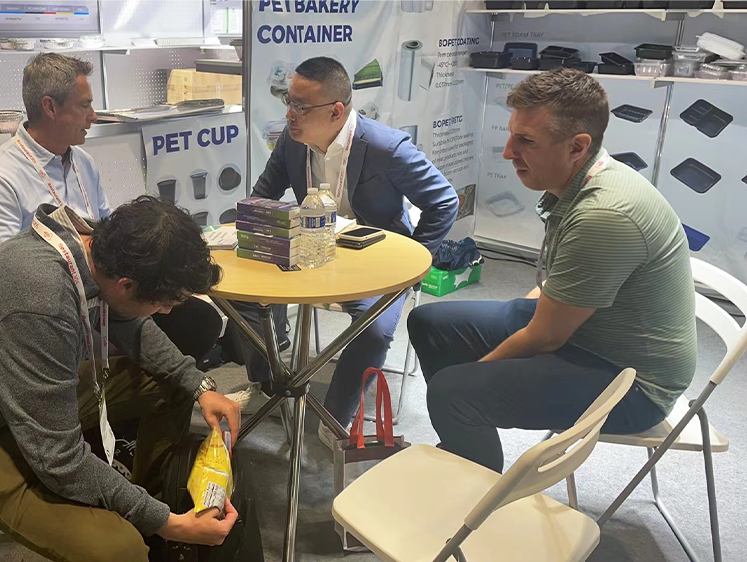
Meet HSQY at International Exhibitions
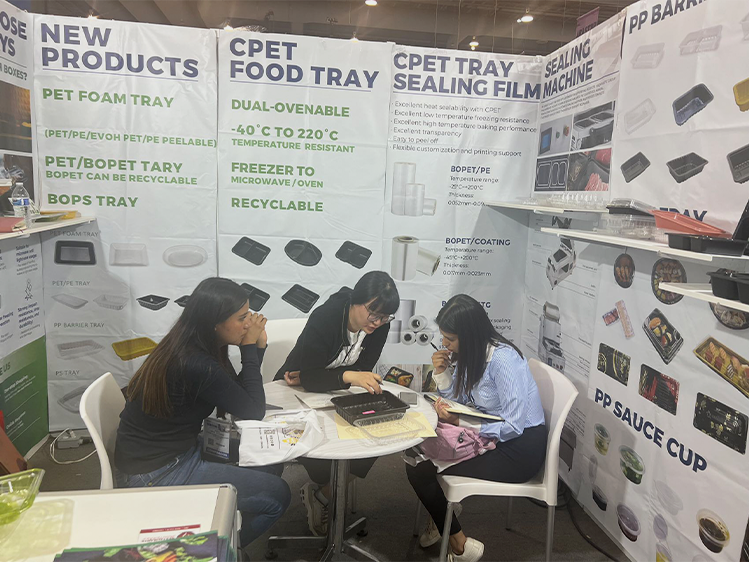
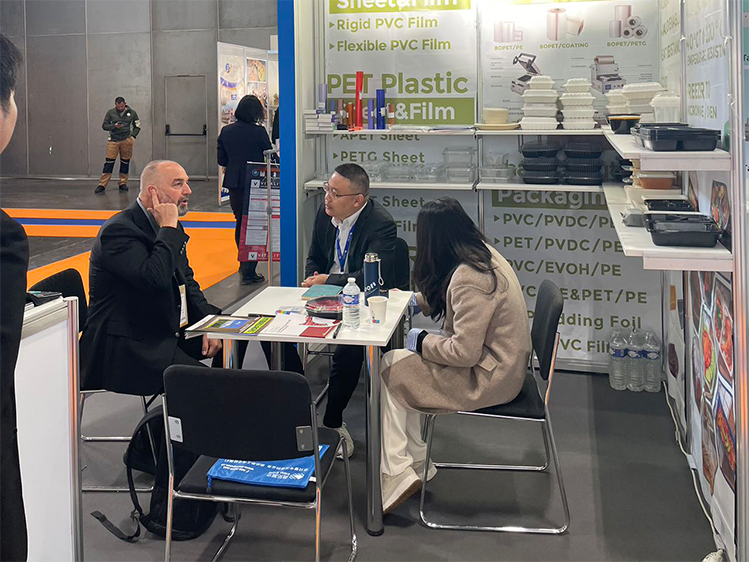
HSQY meets distributors, furniture manufacturers, fabricators and plastic-material buyers at international exhibitions to discuss PVC foam board specifications, samples, processing requirements and export projects.

HSQY · Global Exhibition Highlights
![HSQY at the March 2018 Shanghai exhibition]()
March 2018 · Shanghai Exhibition
![HSQY at the June 2023 Saudi Arabia exhibition]()
June 2023 · Saudi Arabia Exhibition
![HSQY at the September 2023 USA exhibition]()
September 2023 · USA Exhibition
![HSQY at the March 2024 Australia exhibition]()
March 2024 · Australia Exhibition
![HSQY at the May 2024 USA exhibition]()
May 2024 · USA Exhibition
![HSQY at the August 2024 Mexico exhibition]()
August 2024 · Mexico Exhibition
![HSQY at the November 2024 Paris exhibition]()
November 2024 · Paris Exhibition
Frequently Asked Questions About PVC Celuka Foam Board
What Is PVC Celuka Foam Board Used For?
It is commonly used for kitchen cabinets, bathroom vanities, wardrobes, furniture panels, shelves, partitions, decorative panels, displays, signs and CNC-machined interior components. Grade selection should match the load, fasteners, finish and service environment.
Why Is Celuka Board Suitable for Furniture?
The Celuka process creates a comparatively dense, smooth skin over a lightweight foamed core. This supports machining and surface finishing while reducing weight. Furniture suitability still depends on density, thickness, span, joint design and hardware testing.
What Is the Difference Between PVC Celuka Board and Free-Foam Board?
Celuka board generally has a denser and harder outer skin, making it more suitable for furniture and machined panels. Free-foam board typically has a more uniform foam structure and softer surface and is often selected for signage and lightweight display work.
What Thickness and Density Should I Choose?
The standard thickness range for this product is 1-20 mm and the published density range is 0.35-1.0 g/cm³. Higher density can improve working-surface and fastener performance but also increases weight and cost. Provide the component drawing, span, load and hardware so the grade can be evaluated.
Can Size, Color and Surface Finish Be Customized?
Yes. Custom dimensions, colors and gloss or matte finishes can be discussed. Send the required size, thickness, density, color reference, surface standard, protective-film need, quantity and application for a feasibility and MOQ review.
Can PVC Celuka Foam Board Hold Screws and Hinges?
It can be fastened, but holding strength varies with board density and thickness, screw type, pilot hole, edge distance and load direction. Test the complete screw or hinge system on the quoted board before furniture production.
Is PVC Celuka Board Waterproof?
PVC Celuka board has low water absorption and does not contain a wood-fiber core, so it is suitable for many humid indoor applications. The finished cabinet is not automatically waterproof: joints, drilled holes, hardware, adhesives and installation details must also be designed for moisture exposure.
Can PVC Foam Board Be Used Outdoors?
Outdoor use requires confirmation of a UV-stabilized grade, expected color change, thermal movement, wind load, fastening, drainage and service life. Standard furniture grade should not automatically be specified for long-term exterior exposure.
Is PVC Celuka Foam Board Fire-Retardant?
Fire performance is formulation- and test-specific. State the required standard, rating, thickness and destination market, then request a current report covering the quoted grade. An unspecified self-extinguishing statement is not a substitute for a recognized fire classification.
How Do I Request a Sample and Quotation?
Send the application, thickness, density, sheet size, color, finish, quantity, destination port and required tests. Sample availability and freight can then be confirmed. Typical production lead time is approximately 15-20 days after deposit, subject to the final specification and schedule.
Why Choose HSQY PVC Celuka Foam Board?
HSQY supports B2B buyers with custom sheet specifications, sample evaluation, order confirmation, production inspection and export packing. For an accurate proposal, provide the finished application rather than only a board size so the team can review density, surface, machining, hardware and documentation requirements together.