UV Resistant ABS Plastic Sheet for Outdoor Applications
HSQY UV resistant ABS plastic sheet is intended for outdoor and weather-exposed thermoformed parts, combining ABS impact strength, rigidity and easy fabrication with project-specific UV and weathering requirements.
ABS, or Acrylonitrile Butadiene Styrene, is a tough engineering thermoplastic widely used for housings, panels, automotive components, appliance parts and industrial equipment. For applications exposed to sunlight, however, the selected ABS grade must provide suitable resistance to ultraviolet radiation and weathering.
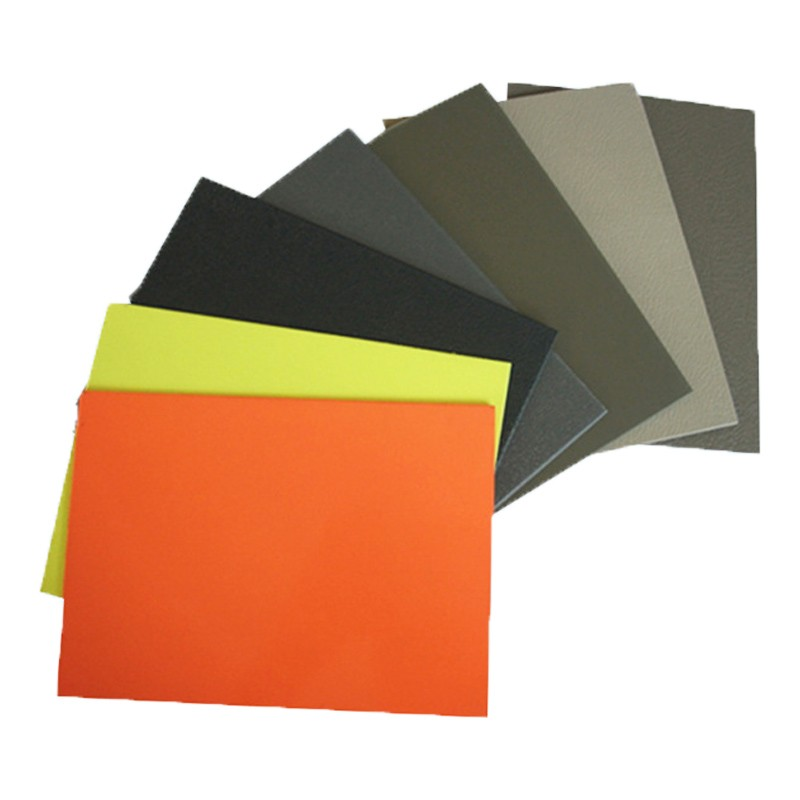
HSQY's current ABS sheet range covers approximately 0.3mm to 6mm thickness, widths up to 1600mm, and white, black or colored options. For outdoor projects, buyers should also specify the required UV exposure, color retention, service environment and weathering test requirements.
![UV resistant ABS plastic sheet for outdoor applications]()
UV Resistant ABS Plastic Sheet
![Weather resistant ABS sheet for thermoforming]()
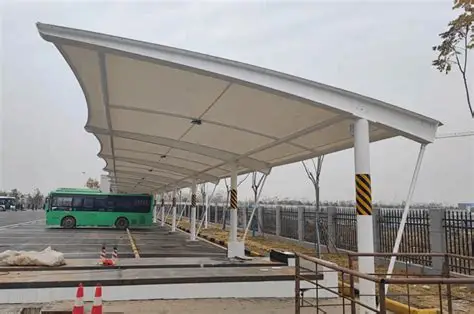
ABS Sheet for Weather-Exposed Parts
![UV resistant ABS sheet for outdoor industrial panels]()
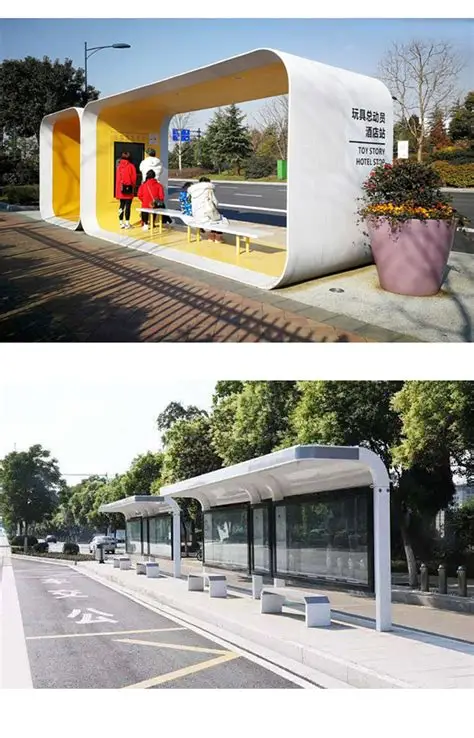
Outdoor ABS Sheet for Industrial Fabrication
UV Resistant ABS Sheet Specifications
| Property |
Specification |
| Product |
UV Resistant ABS Plastic Sheet |
| Material |
ABS – Acrylonitrile Butadiene Styrene |
| Color |
White, Black, Colored |
| Thickness |
0.3mm - 6mm |
| Maximum Width |
Up to approximately 1600mm |
| Surface |
Different surface finishes available depending on the selected grade |
| Key ABS Properties |
Rigidity, toughness, impact strength, dimensional stability, formability and easy fabrication |
| UV / Weathering Requirement |
Project-specific UV resistance and weathering performance should be confirmed for the selected grade |
| Processing |
Thermoforming, vacuum forming, cutting, drilling, routing and CNC machining with suitable processing conditions |
| Applications |
Outdoor equipment panels, weather-exposed housings, automotive components, signage, industrial covers and other outdoor or semi-outdoor fabricated parts |
Specification Note: The current product information does not publish a specific accelerated-weathering duration, color-change limit or outdoor service-life rating. Projects requiring defined UV performance should specify the test method, exposure conditions and acceptance criteria before material approval.
What Is UV Resistant ABS Sheet?
UV resistant ABS sheet is an ABS-based material selected or modified for applications requiring better resistance to sunlight and weather exposure than standard indoor ABS.
Standard ABS contains a butadiene component that can be affected by prolonged ultraviolet exposure. For outdoor applications, manufacturers can improve weatherability through UV-stabilized formulations or by combining ABS with a dedicated weatherable surface layer.
The specific weathering technology used for an ordered HSQY grade should be confirmed with the technical specification because UV-stabilized ABS and weatherable capped ABS are different material constructions.
Why Standard ABS Needs UV Protection Outdoors
Outdoor plastic parts are continuously exposed to sunlight, temperature cycles, moisture and environmental contaminants. UV radiation can gradually affect the surface and mechanical properties of unprotected polymers.
| Weathering Concern |
Why It Matters |
| Color Change |
Visible exterior parts may fade, yellow or shift in color if the material is not suitable for the exposure |
| Gloss Loss |
Weather exposure can alter the visual appearance of smooth or decorative surfaces |
| Surface Degradation |
Long-term UV exposure can contribute to chalking or surface deterioration in unsuitable grades |
| Impact Retention |
Outdoor aging can affect mechanical performance, making retained impact strength an important consideration |
| Temperature Cycling |
Outdoor parts can experience substantial temperature changes between daytime, nighttime and seasons |
How Weatherable ABS Sheets Are Produced
Different manufacturing approaches can be used to improve the weatherability of ABS-based sheet. The correct construction depends on the application and required outdoor performance.
| Material Direction |
General Description |
| UV-Stabilized ABS |
ABS formulated with additives or material modifications intended to improve resistance to UV exposure |
| ASA-Capped ABS |
ABS substrate combined with a weatherable ASA surface layer for exterior-facing applications |
| PMMA / Acrylic-Capped ABS |
ABS substrate with a weatherable acrylic-based surface layer for applications requiring improved exterior appearance retention |
| Other Weatherable Cap Systems |
Application-specific weatherable surface technologies may be used according to durability and appearance requirements |
The current HSQY source does not specify which of these structures applies to every UV-resistant ABS order. Buyers with defined outdoor requirements should confirm the exact construction before qualification.
UV Resistant ABS vs. Standard ABS
| Selection Factor |
UV / Weatherable ABS |
Standard ABS |
| Primary Environment |
Outdoor, semi-outdoor or sunlight-exposed applications subject to grade qualification |
Primarily indoor or controlled environments |
| UV Performance |
Designed or selected for improved resistance to UV exposure |
Should not automatically be considered suitable for prolonged direct sunlight |
| Color Retention |
Should be evaluated to the required weathering test and color-change criteria |
Long-term exterior color retention should not be assumed |
| Thermoforming |
Suitable grades can be thermoformed after confirming the complete material construction |
Widely thermoformed for indoor applications |
| Selection Basis |
Choose according to exposure level, required lifetime, color retention, impact performance, thermoforming requirements and applicable weathering tests. |
UV Resistant ABS vs. ASA/ABS Sheet
ASA/ABS is a common weatherable construction in which ABS provides the main substrate while ASA forms the exterior weather-resistant surface.
| Feature |
UV-Stabilized ABS |
ASA-Capped ABS |
| Construction |
UV-modified ABS formulation |
ABS substrate with weatherable ASA surface layer |
| Weatherable Surface |
Provided by the selected ABS formulation |
Provided primarily by the ASA exterior layer |
| Thermoforming |
Dependent on selected grade |
Widely used for suitable weatherable thermoformed components |
| Which Should You Choose? |
Select according to required exterior durability, surface appearance, forming depth, test requirements and project economics. |
Do not assume that a UV-stabilized ABS sheet and an ASA/ABS coextruded sheet provide identical weathering performance. The exact material structure should be identified in the technical specification.
Weathering Tests to Confirm for Outdoor ABS
For projects with a defined outdoor lifetime or appearance requirement, buyers should specify how weatherability will be evaluated rather than relying only on the description UV resistant.
| Requirement |
What to Define |
| Accelerated Weathering |
Required test method, exposure cycle and number of test hours |
| Color Retention |
Acceptable color change after the required exposure period |
| Gloss Retention |
Required surface gloss before and after weathering where appearance is critical |
| Impact Retention |
Required mechanical performance after aging where impact resistance is critical |
| Outdoor Exposure |
Region, sunlight intensity, temperature, humidity, rain and expected service environment |
No specific QUV, xenon-arc exposure duration or color-change limit is published in the current HSQY source, so these values should be confirmed before they are included in a purchase specification.
UV Resistant ABS Sheet for Thermoforming
Suitable weatherable ABS sheet can be thermoformed into three-dimensional housings, covers, panels and exterior components.
For capped or coextruded weatherable structures, the exposed UV-resistant surface must remain correctly oriented on the exterior side of the finished component.
| Forming Factor |
Why It Matters |
| Starting Thickness |
Controls material available before stretching |
| Weatherable Side |
Capped or coated structures must be oriented correctly in the final outdoor part |
| Forming Depth |
Deep draws increase local stretching and wall thinning |
| Corner Radius |
Sharp corners can create additional thinning and surface stress |
| Heating Profile |
Should match the exact weatherable ABS construction |
| Finished Wall Thickness |
Critical regions should be measured after forming |
UV Resistant ABS for Outdoor Equipment Housings
Weather-resistant ABS can be evaluated for equipment covers, machinery housings, electronic enclosures and other fabricated components that receive sunlight or partial outdoor exposure.
Material selection should consider not only UV exposure but also operating temperature, impact loads, cleaning agents, rain, humidity and fastening design.
UV Resistant ABS for Automotive Applications
ABS is widely used for automotive interior and decorative components. Parts located near windows or used in more heavily sunlight-exposed locations can require improved UV stability compared with standard indoor ABS.
Automotive projects should separately define heat resistance, impact performance, UV aging, color change, gloss retention, odor, emissions, flame performance and OEM-specific requirements before grade approval.
UV Resistant ABS for Outdoor Signs & Display Panels
UV-resistant ABS can be evaluated for outdoor or semi-outdoor signs, advertising panels, information panels and display components where toughness and fabrication performance are required.
For colored signs, specify acceptable color and gloss change after the required exposure period. Printing, coating and adhesive compatibility should also be validated with the actual weatherable ABS surface.
UV Resistant ABS for Agricultural & Outdoor Equipment
Weatherable ABS-based sheet can be considered for selected agricultural machinery covers, outdoor equipment panels and protective housings where thermoformability and impact resistance are important.
These applications can combine strong UV exposure with heat, moisture, dirt and chemical contact. Provide the expected service environment before selecting the material grade.
UV Resistant ABS for Construction & Exterior Panels
The original product range lists building panels, partitions and decorative materials among ABS applications. Exterior building applications require substantially more qualification than indoor decorative panels.
Projects involving building exteriors should specify UV exposure, flame and smoke requirements, weathering performance, temperature range and applicable building regulations. UV resistance alone does not establish compliance with a building standard.
Choosing ABS Sheet Thickness for Outdoor Parts
The current HSQY ABS specification covers approximately 0.3mm to 6mm. Thickness should be selected according to component size, unsupported span, forming depth, fastening points and required impact performance.
| Thickness Direction |
General Selection Direction |
| Lower End of 0.3-6mm Range |
Lightweight covers, panels and formed components with adequate structural support |
| Medium Thickness |
Equipment housings, automotive components, signs and general thermoformed outdoor parts |
| Upper End of 0.3-6mm Range |
Larger covers and panels requiring higher starting-sheet rigidity |
These are general selection directions. Outdoor durability is not determined by thickness alone; the UV/weatherable grade or exterior cap structure remains critical.
Color Selection for UV Resistant ABS
HSQY's current ABS specification lists white, black and colored options. For outdoor parts, color selection should include weathering requirements rather than visual appearance alone.
Where repeat color is important, provide an approved color reference together with the required weathering test and acceptable post-weathering color change.
The current product source does not publish a complete standard color chart, outdoor color warranty or defined color-change tolerance.
CNC Machining & Fabrication
ABS is easy to machine and fabricate using suitable plastic-processing equipment. UV-resistant ABS sheets can be cut and finished into outdoor housings, panels and components after the correct grade has been selected.
| Process |
Typical Use |
| Saw Cutting |
Sheet sizing and component blanks |
| CNC Routing |
Profiles, openings, slots and custom shapes |
| Drilling |
Mounting holes and fastening points |
| Thermoforming |
Outdoor housings, covers and three-dimensional panels |
| Vacuum Forming |
Automotive, equipment and exterior formed components |
Chemical & Environmental Exposure
Outdoor components can be exposed to more than sunlight. Rainwater, cleaning agents, oils, fuels, fertilizers, road contaminants and industrial chemicals may also contact the finished surface.
The original product information describes ABS as providing chemical and corrosion resistance, but compatibility varies by chemical, concentration, temperature and exposure duration. Representative testing should be performed where chemical exposure is critical.
Temperature Requirements for Outdoor ABS Parts
Outdoor parts can experience substantially higher surface temperatures in direct sunlight and lower temperatures during winter conditions.
The current product source does not publish a specific heat-deflection temperature, continuous-use temperature or low-temperature impact value. Projects with defined thermal requirements should request data for the exact selected grade.
Flame, ESD & Other Special Requirements
UV resistance does not automatically mean that an ABS sheet is flame-retardant, anti-static, static-dissipative, conductive or approved for automotive, aviation or building applications.
If multiple functions are required, such as UV resistance plus flame retardancy or UV resistance plus ESD control, provide all required test standards before material selection.
What Information Should You Provide for a Quote?
| Requirement |
Information to Provide |
| Application |
Outdoor equipment, automotive component, sign, housing, exterior panel or other application |
| Outdoor Exposure |
Full outdoor, partial outdoor, behind glass or intermittent sunlight exposure |
| Location / Climate |
Expected temperature, sunlight, humidity and weather conditions |
| Thickness |
Required thickness within the current 0.3-6mm range |
| Sheet Size |
Required width × length; current maximum published width approximately 1600mm |
| Color |
White, black or required color reference |
| Surface |
Required gloss, texture or cosmetic appearance |
| Weathering Test |
Required accelerated-weathering standard, exposure duration and acceptance criteria where applicable |
| Color / Gloss Retention |
Maximum acceptable color or gloss change after weathering where applicable |
| Thermoforming |
Mold dimensions, forming depth and required minimum finished wall thickness |
| Fabrication |
Cutting, drilling, CNC routing or other downstream processing |
| Other Requirements |
Flame, ESD, automotive, building, aviation or chemical-resistance requirements where applicable |
| Quantity |
Trial quantity, regular order quantity and estimated annual demand |
| Destination |
Country and destination port |
Frequently Asked Questions About UV Resistant ABS Sheet
What is UV resistant ABS sheet?
UV resistant ABS is an ABS-based sheet selected or modified to provide improved resistance to sunlight and weather exposure compared with standard indoor ABS.
Why does standard ABS need UV protection?
Long-term ultraviolet exposure can affect the appearance and mechanical properties of standard ABS. Outdoor applications therefore require a suitable UV-stabilized or weatherable construction.
Is this solid ABS or ASA/ABS?
The current public specification identifies the material as ABS but does not publish the detailed weatherable construction. If ASA-capped, acrylic-capped or another multilayer structure is required, confirm the exact construction before ordering.
Is UV-resistant ABS the same as ASA?
No. ABS and ASA are different polymers. ASA is widely used as a weatherable polymer and can also be coextruded as a cap layer over an ABS substrate.
What thicknesses are available?
The current HSQY product specification covers approximately 0.3mm to 6mm.
What is the maximum sheet width?
The current specification lists widths up to approximately 1600mm.
What colors are available?
The current specification lists white, black and colored ABS options. Outdoor color-retention requirements should be specified separately.
How many years can UV-resistant ABS last outdoors?
A fixed outdoor lifetime cannot be stated without the exact material grade, exposure environment, part design and weathering data. Projects requiring a defined lifetime should specify applicable accelerated or natural-weathering test requirements.
What QUV rating does this sheet have?
The current public product specification does not state a specific QUV exposure duration. Provide the required test standard, exposure hours and acceptance criteria for technical confirmation.
Can UV-resistant ABS be thermoformed?
Yes, suitable weatherable ABS constructions can be thermoformed. Heating conditions should be established for the exact grade, and any weatherable cap layer must remain on the intended exterior surface.
Can UV-resistant ABS be vacuum formed?
Suitable grades can be vacuum formed into covers, panels and housings. Mold geometry, forming depth, starting thickness and surface orientation should be evaluated together.
Can UV-resistant ABS be CNC machined?
Yes. ABS can be cut, drilled, routed and CNC machined using suitable plastic-working tooling and process conditions.
Can it be used for outdoor signs?
UV-resistant ABS can be evaluated for outdoor and semi-outdoor signs where its impact strength and fabrication properties suit the design. Color retention, printing and adhesive compatibility should be validated for the intended exposure.
Can it be used for automotive parts?
UV-resistant ABS can be evaluated for suitable automotive components. Automotive projects require confirmation of UV aging, heat, impact, flame, odor, emissions and OEM-specific requirements.
Is UV-resistant ABS flame retardant?
Not automatically. UV resistance and flame retardancy are separate material functions. If both are required, provide the required flame standard and weathering specification.
Is UV-resistant ABS suitable for aircraft interiors?
The original ABS information lists aviation applications, but aircraft interiors require specialized flame, smoke, toxicity and aviation qualification. UV resistance alone does not establish aviation suitability.
What information should I provide for a quotation?
Please provide the outdoor application, exposure conditions, thickness, sheet size, color, surface finish, required weathering test, thermoforming or machining requirements, other functional requirements, quantity and destination.
Packing
UV-resistant ABS sheets should be protected during storage and transportation to reduce scratching, contamination, bending and edge damage before thermoforming or fabrication.
![UV resistant ABS plastic sheet export packing]()
ABS Plastic Sheet Export Packing
HSQY Plastic Group Exhibitions
HSQY Plastic Group meets thermoformers, automotive suppliers, equipment manufacturers, distributors and industrial plastic-sheet buyers at international exhibitions.
![HSQY Plastic Group international exhibitions]()
HSQY Plastic Group International Exhibition Activities
Certificates & Technical Documentation
Available certificates and technical documents should be confirmed for the exact UV-resistant ABS grade and intended application. Projects requiring accelerated weathering, automotive, flame-retardant, building, aviation or other specialized performance may require grade-specific reports.
About HSQY Plastic Group
HSQY Plastic Group supplies ABS plastic sheets for thermoformers, automotive suppliers, outdoor-equipment manufacturers, appliance manufacturers, distributors and industrial fabricators. UV-resistant projects can be discussed according to exposure conditions, thickness, dimensions, color, surface, forming process and required technical documentation.