Flame Retardant ABS Plastic Sheet for Thermoforming
HSQY flame retardant ABS plastic sheet combines ABS impact strength, rigidity, thermoformability and easy fabrication for electrical housings, appliance parts, equipment panels, automotive interiors and other applications requiring defined fire-performance criteria.
ABS, or Acrylonitrile Butadiene Styrene, is a tough engineering thermoplastic widely used for formed and fabricated components. Flame-retardant ABS grades are formulated for projects where ordinary general-purpose ABS does not provide the required flammability performance.
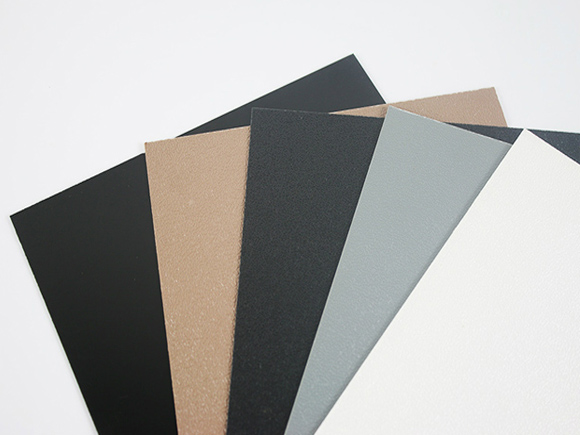
HSQY's current ABS sheet range covers approximately 0.3mm to 6mm thickness, widths up to 1600mm, and white, black or colored options. For flame-retardant applications, the required fire test standard, rating, sheet thickness and end-use environment should be confirmed before material approval.
![Flame retardant ABS plastic sheet]()
Flame Retardant ABS Plastic Sheet
![Flame retardant ABS sheet for thermoforming and equipment housings]()
FR ABS Sheet for Thermoforming
![Fire retardant ABS sheet for industrial components]()
Fire Retardant ABS for Industrial Parts
Flame Retardant ABS Sheet Specifications
| Property |
Specification |
| Product |
Flame Retardant ABS Plastic Sheet |
| Material |
ABS – Acrylonitrile Butadiene Styrene |
| Color |
White, Black, Colored |
| Thickness |
0.3mm - 6mm |
| Maximum Width |
Up to approximately 1600mm |
| Flame Rating |
Confirm the required flame-retardant grade, test standard and qualified thickness before ordering |
| Key ABS Properties |
Rigidity, toughness, impact strength, formability, dimensional stability and easy fabrication |
| Processing |
Thermoforming, vacuum forming, cutting, drilling, routing and CNC machining with suitable process conditions |
| Applications |
Electrical and electronic housings, equipment panels, appliance parts, automotive interiors, machine covers and other fire-performance applications |
Flammability Note: Flame-retardant performance is grade- and thickness-dependent. The current public specification does not publish one universal UL 94, FMVSS, building or aviation rating for every thickness and color. Required fire performance should be confirmed using documentation for the exact ordered grade.
What Is Flame Retardant ABS Sheet?
Flame retardant ABS, also referred to as FR ABS or fire-rated ABS, is an ABS-based thermoplastic formulated to reduce flammability compared with standard general-purpose ABS.
The objective is to retain useful ABS characteristics such as impact resistance, stiffness and thermoformability while meeting a defined fire-performance requirement for the finished application.
A material should not be selected merely because it is described as flame retardant. The applicable test method, rating, tested thickness, color and finished-part requirements must also be considered.
Flame Retardant ABS vs. Standard ABS
| Selection Factor |
Flame Retardant ABS |
Standard ABS |
| Main Purpose |
Applications requiring defined flammability performance |
General thermoforming and fabrication applications |
| Fire Performance |
Selected according to a specific tested grade and thickness |
Should not automatically be considered flame retardant |
| Impact & Rigidity |
Designed to maintain useful ABS mechanical characteristics while providing flame-retardant performance |
Standard ABS balance of toughness and stiffness |
| Thermoforming |
Suitable grades can be thermoformed |
Widely used for thermoforming |
| Selection Basis |
Select according to fire test, thickness, mechanical requirements, processing method and final application. |
Understanding Flame-Retardant Ratings
Different industries use different flammability standards. A designation used for an electrical enclosure should not automatically be substituted for a building, automotive, railway or aircraft requirement.
| Requirement Type |
Purchasing Consideration |
| Electrical / Electronic |
Provide the required material flammability standard and rating together with minimum finished thickness |
| Automotive |
Provide the applicable automotive flammability requirement and component specification |
| Building & Construction |
Specify the required fire and smoke test applicable to the installed component |
| Mass Transit |
Specify the transit authority or project-specific fire, smoke and toxicity requirements |
| Aviation |
Provide the applicable aircraft interior flame, smoke and toxicity requirements before grade selection |
The required rating should be established by the buyer or end-use specification before a flame-retardant ABS grade is approved.
Why Sheet Thickness Matters to Flame Rating
Flammability ratings are commonly associated with a specific tested thickness or minimum thickness. A rating obtained on a thicker specimen should not automatically be assumed to apply to a thinner sheet.
For this reason, buyers should provide both the required flame classification and actual sheet or finished-part thickness when requesting flame-retardant ABS.
| Information |
Why It Must Be Confirmed |
| Required Rating |
Defines the fire-performance target |
| Tested Thickness |
Fire performance can vary with material thickness |
| Finished Wall Thickness |
Thermoformed areas may be thinner than the starting sheet |
| Color / Grade |
The approved material configuration should match the material being purchased |
| Test Documentation |
Confirms the rating applicable to the exact grade and thickness |
Flame Retardant ABS for Thermoforming
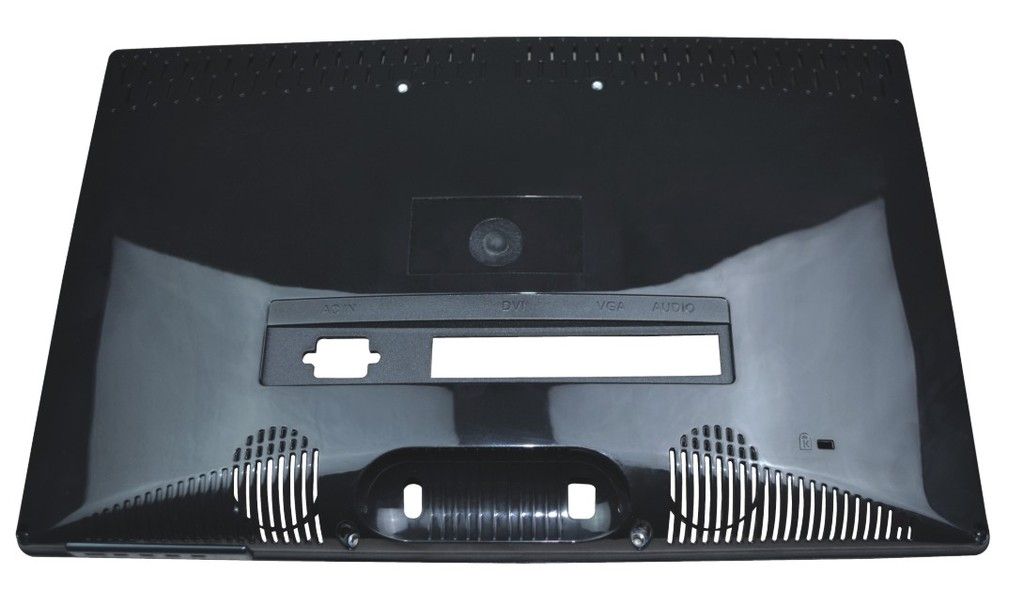
Suitable flame-retardant ABS grades can be thermoformed into housings, panels, covers, enclosures and other three-dimensional components.
Thermoforming introduces an additional consideration for flame-rated applications because the starting sheet becomes thinner in stretched areas. If the required fire rating is thickness-dependent, minimum finished wall thickness should be reviewed as part of the component design.
| Forming Factor |
Why It Matters |
| Starting Thickness |
Controls material available before stretching |
| Forming Depth |
Deep draws can create substantial wall thinning |
| Corner Radius |
Sharp corners can increase localized thinning |
| Heating Profile |
Should be optimized for the selected FR ABS grade |
| Minimum Finished Wall |
Important when the required flame classification has a minimum qualified thickness |
Flame Retardant ABS for Electrical & Electronic Housings
FR ABS can be evaluated for electronic equipment housings, electrical covers, control panels, instrument enclosures and other applications where both impact resistance and defined flammability performance are required.
Electrical projects should specify the required flame classification, minimum wall thickness, operating temperature, electrical requirements and any enclosure-specific standard before selecting the material.
Flame Retardant ABS for Appliance Components
ABS is commonly used for appliance housings, covers, liners, trays and panels because it combines toughness, rigidity and formability. Flame-retardant ABS can be considered where an appliance design requires a specific material flammability level.
Appliance projects should also consider heat exposure, cleaning chemicals, color, surface finish and the applicable finished-product safety standard.
Flame Retardant ABS for Automotive Interiors
ABS can be used for automotive interior panels, instrument-panel components, door-related parts and decorative components. Where a vehicle interior requires defined flammability performance, a qualified flame-retardant or automotive-grade material should be selected.
Automotive requirements should not be inferred from a generic flame-retardant claim. Provide the applicable vehicle flammability standard together with heat, impact, odor, emissions and OEM-specific requirements.
Flame Retardant ABS for Machine Covers & Industrial Equipment
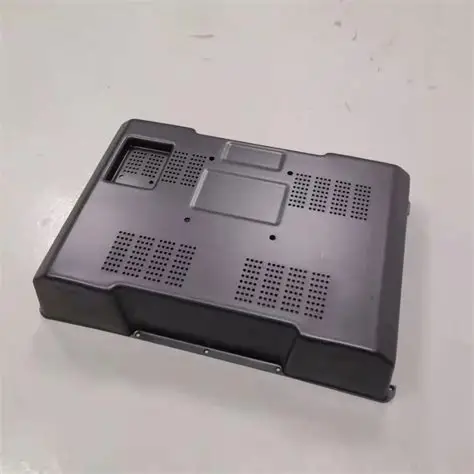
FR ABS can be thermoformed or fabricated into machine covers, guards, equipment housings, control panels and non-structural industrial enclosures where flame performance is part of the material specification.
Industrial buyers should also specify operating temperature, impact loads, oils, cleaning agents, chemical exposure and fastening methods so the full material requirement can be evaluated.
Flame Retardant ABS for Building Interior Panels
The original ABS application list includes wall panels, partitions and decorative building materials. For building applications, however, a general flame-retardant material description does not establish compliance with a building code.
Building projects should provide the required flame-spread, smoke-development or other relevant test criteria for the finished installation before material selection.
Aviation Applications Require Separate Qualification
The original ABS information lists aircraft interiors among possible applications. Aircraft interiors require specialized flame, smoke, toxicity and aviation-specific qualification and should not be approved based solely on the description Flame Retardant ABS.
If the material is intended for an aircraft interior component, provide the applicable aviation specification and required test documentation before grade selection.
Choosing the Right ABS Sheet Thickness
HSQY's current ABS sheet range covers approximately 0.3mm to 6mm. Thickness affects rigidity, component weight, thermoforming behavior and finished wall thickness.
| Thickness Direction |
General Selection Direction |
| Lower End of 0.3-6mm Range |
Lightweight formed parts, panels and covers where sufficient structural support is available |
| Medium Thickness |
Electronics housings, appliance parts, equipment covers and general thermoformed components |
| Upper End of 0.3-6mm Range |
Larger panels, housings and components requiring greater starting-sheet rigidity |
For flame-rated projects, thickness selection must also consider the minimum thickness applicable to the required fire test result.
Color & Surface Options
The current HSQY specification lists white, black and colored ABS options. Different surface finishes can also be discussed according to the selected ABS grade and finished-product requirements.
Where a specific flame classification is mandatory, confirm that the requested color and surface configuration are covered by the applicable material documentation rather than assuming every cosmetic variation has identical test status.
CNC Machining & Fabrication
ABS is easy to machine and fabricate using appropriate plastic-processing tools. Flame-retardant ABS can be cut and finished into panels, housings and components while retaining the benefits of the selected FR grade.
| Process |
Typical Use |
| Saw Cutting |
Sheet sizing and component blanks |
| CNC Routing |
Profiles, slots, openings and custom panels |
| Drilling |
Mounting holes and assembly points |
| Thermoforming |
Electrical housings, appliance components, machine covers and formed panels |
| Vacuum Forming |
Three-dimensional enclosures, covers and interior components |
Heat & Temperature Requirements
The original product information describes ABS as having useful high- and low-temperature performance, but the current source does not publish a specific heat-deflection temperature, continuous-use temperature or low-temperature impact value for this flame-retardant grade.
Applications near electrical equipment, motors, lighting, appliances or other heat sources should specify the actual operating temperature so the required thermal data can be checked for the selected material.
Chemical & Abrasion Considerations
The original ABS specification lists chemical, corrosion and abrasion resistance among its features. Actual compatibility depends on chemical type, concentration, temperature and exposure duration.
For equipment exposed to cleaners, oils, solvents or industrial chemicals, provide the service conditions and verify the selected FR ABS grade under representative conditions.
UV & Outdoor Use
Flame retardancy and UV resistance are separate material properties. A flame-retardant ABS grade should not automatically be considered suitable for prolonged outdoor exposure.
If the application requires both flame retardancy and weather resistance, specify both requirements so an appropriate material grade or weatherable construction can be evaluated.
ESD & Conductive Requirements
Flame retardant ABS is not automatically anti-static, static-dissipative or conductive. Electronic applications requiring ESD control should specify the required surface-resistance range together with the flame rating.
Where both ESD control and flame performance are required, the finished material should be qualified against both specifications.
What Information Should You Provide for a Quote?
| Requirement |
Information to Provide |
| Application |
Electronics enclosure, appliance, machine cover, automotive interior, building panel or other use |
| Required Flame Standard |
Provide the applicable fire or flammability test and required classification |
| Thickness |
Required thickness within the current 0.3-6mm range |
| Finished Minimum Wall |
Important for thermoformed parts where sheet thickness decreases after forming |
| Sheet Size |
Required width × length; current maximum published width approximately 1600mm |
| Color |
White, black or required color |
| Surface |
Required smooth, matte, textured or other appearance where applicable |
| Thermoforming |
Mold dimensions, forming depth and production process |
| Operating Temperature |
Maximum and minimum service temperature where relevant |
| Other Requirements |
UV, ESD, automotive, transit, building, aviation or chemical-resistance requirements where applicable |
| Documentation |
Required test report, certificate or customer qualification document |
| Quantity |
Trial quantity, regular order quantity and estimated annual demand |
| Destination |
Country and destination port |
Frequently Asked Questions About Flame Retardant ABS Sheet
What is flame retardant ABS sheet?
Flame retardant ABS is an ABS-based thermoplastic formulated for applications requiring improved flammability performance while retaining useful ABS characteristics such as toughness, stiffness and formability.
What flame rating does HSQY FR ABS have?
The current public specification does not state one universal flame rating for every grade and thickness. Provide the required standard and minimum sheet thickness so the applicable material can be confirmed.
Is this UL 94 V-0 ABS sheet?
V-0 should only be claimed for a specific grade and qualified thickness supported by the appropriate documentation. Confirm the required UL 94 classification before ordering.
Why does thickness matter for flame-retardant ABS?
Flammability test results can depend on specimen thickness. A rating documented at one thickness should not automatically be assumed to apply to a thinner sheet.
What thicknesses are available?
The current HSQY ABS specification covers approximately 0.3mm to 6mm. Flame-rating availability should be confirmed for the specific thickness required.
What is the maximum sheet width?
The current product specification lists a maximum width of approximately 1600mm.
What colors are available?
The current specification lists white, black and colored ABS. Confirm whether the required flame-rating documentation covers the selected color and thickness.
Can flame-retardant ABS be thermoformed?
Suitable FR ABS grades can be thermoformed. Heating conditions, forming depth and minimum finished wall thickness should be evaluated for the selected material.
Can flame-retardant ABS be vacuum formed?
Yes, suitable grades can be vacuum formed into housings, covers and panels. Finished wall thickness should be checked where a specific flame classification is required.
Can FR ABS be CNC machined?
Yes. ABS can be cut, drilled, routed and CNC machined using suitable plastic-processing tools and process conditions.
Can flame-retardant ABS be used for electronic housings?
FR ABS can be evaluated for electronics housings and equipment enclosures where its documented flame performance meets the required product specification.
Can flame-retardant ABS be used in automobiles?
It can be evaluated for suitable automotive interior components, but the applicable automotive flammability requirement and other OEM specifications must be confirmed separately.
Can flame-retardant ABS be used in aircraft interiors?
Aircraft applications require specialized aviation flame, smoke and toxicity qualification. A general FR ABS designation alone does not establish suitability for aircraft interiors.
Is flame-retardant ABS also UV resistant?
Not automatically. Flame retardancy and UV resistance are separate properties. If outdoor exposure is required, specify both performance requirements.
Is FR ABS anti-static or conductive?
Not automatically. ESD, static-dissipative and conductive performance require dedicated material specifications in addition to flame-retardant requirements.
What should I provide for a quotation?
Please provide the application, required flame standard and classification, thickness, sheet dimensions, color, surface finish, thermoforming or machining requirements, additional performance requirements, quantity and destination.
Packing
ABS sheets should be protected during handling, storage and international transportation to reduce scratching, contamination, bending and edge damage before fabrication or thermoforming.
![Flame retardant ABS sheet export packing]()
ABS Plastic Sheet Export Packing
HSQY Plastic Group Exhibitions
HSQY Plastic Group meets thermoformers, electronics manufacturers, appliance suppliers, automotive companies, distributors and industrial plastic-sheet buyers at international exhibitions.
![HSQY Plastic Group international exhibitions]()
HSQY Plastic Group International Exhibition Activities
Certificates & Technical Documentation
Available certificates and technical documents should be confirmed for the exact flame-retardant ABS grade, thickness, color and intended application. Do not assume that a general certificate image establishes a particular UL, automotive, building or aviation flame classification for every product configuration.
About HSQY Plastic Group
HSQY Plastic Group supplies ABS plastic sheets for thermoformers, electronics manufacturers, appliance companies, automotive suppliers, distributors and industrial fabricators. Flame-retardant ABS projects can be discussed according to required fire standard, thickness, dimensions, color, forming process and technical documentation.