BOPET Easy-Peel Perforated Lidding Film for Fruit Trays
HSQY manufactures custom-printed BOPET easy-peel perforated lidding films for PP, APET, RPET and other compatible fruit and produce trays.
The film is designed for packaging strawberries, blueberries, cherries, cherry tomatoes, grapes, fresh produce and other products that require secure tray sealing combined with controlled ventilation.
Available options include laser micro-perforation, hot-needle perforation, macro holes, slit vents, anti-fog treatment, high clarity, custom printing and substrate-specific easy-peel seal layers.
The BOPET layer provides clarity, stiffness, dimensional stability and a printable surface. An application-specific sealant layer provides adhesion to the selected tray flange.
The seal layer must be matched to the actual PP, APET, RPET, PET or CPET tray. One standard formulation should not be assumed to seal equally to every tray substrate, color, recycled-content level or flange treatment.
Perforated produce film is breathable by design. It can provide a secure seal around the tray flange, but it should not be described as completely airtight or liquid-tight across the perforated web.
Film thicknesses from approximately 0.05mm to 0.10mm are available. A nominal 0.06mm structure is a common project starting point, subject to puncture resistance, sealing, printing and perforation requirements.
Common roll widths include 150mm, 230mm and 280mm. Custom widths, roll lengths, core diameters, winding directions and roll weights are available for tray-sealing machines.
Dedicated microwaveable, steam-venting, high-barrier and dual-ovenable CPET lidding films are available as separate structures. These performance claims must be validated using the actual tray, food, equipment and heating conditions.
Explore the complete HSQY lidding film range for fresh produce, chilled foods, ready meals and customized tray-sealing applications.
Request Lidding Film Pricing Request Tray-Sealing Samples
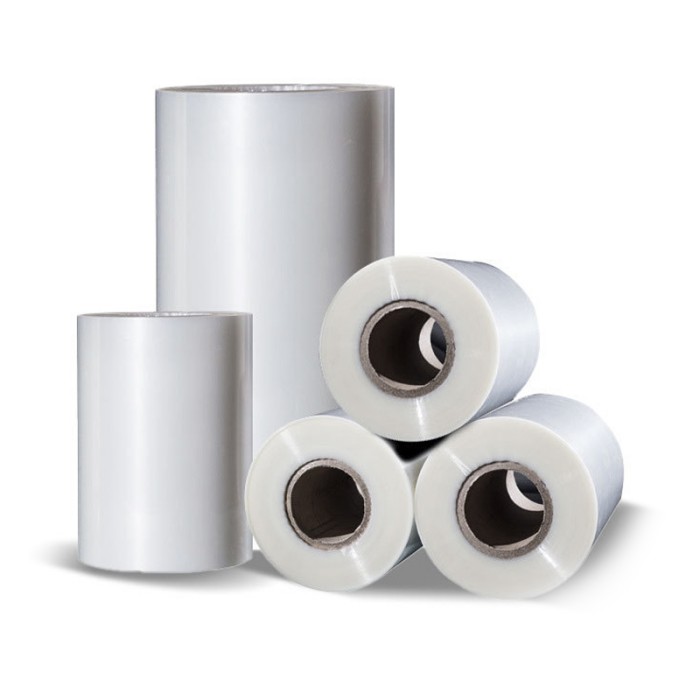
BOPET Lidding Film Images
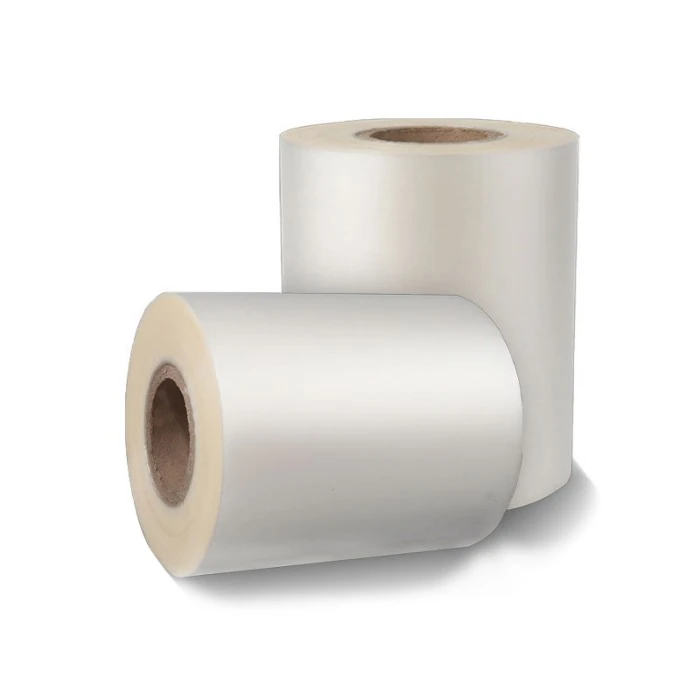
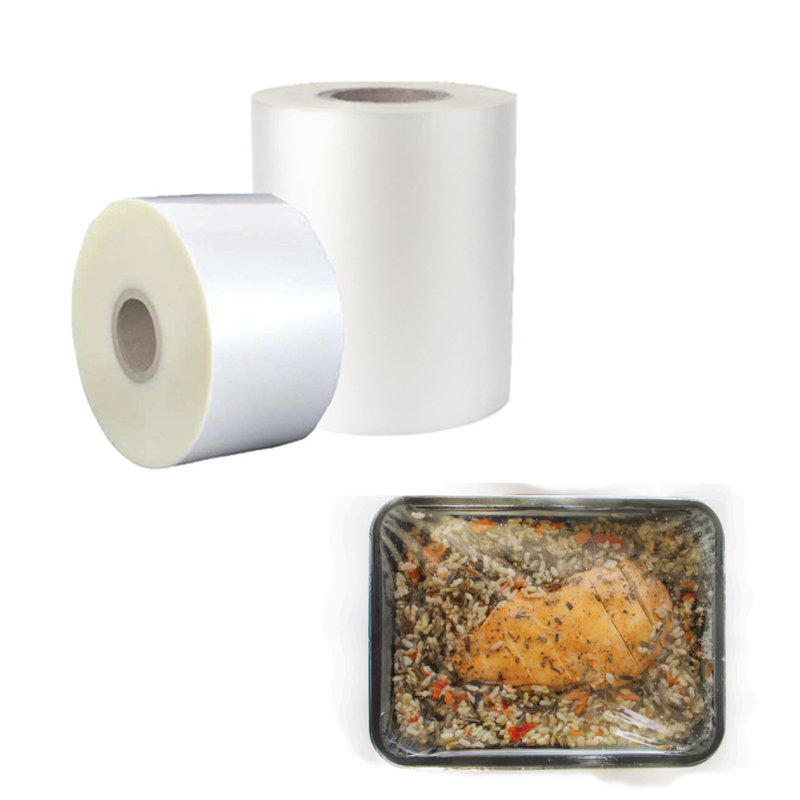
BOPET Easy-Peel Lidding Film

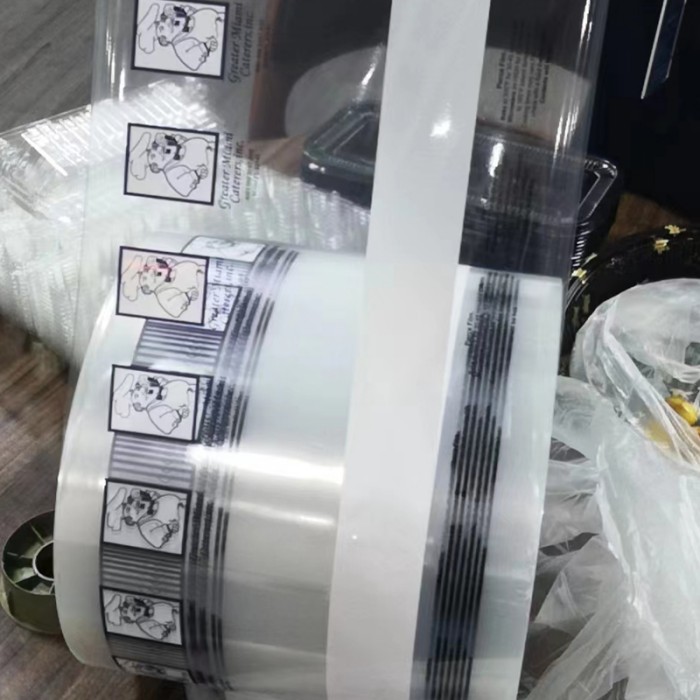
Perforated Lidding Film for Fruit Trays

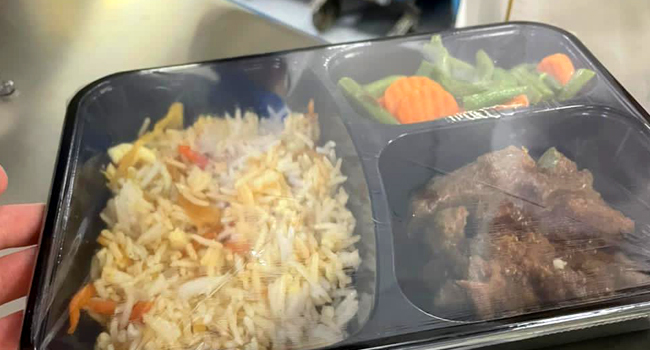
Lidding Film for Ready Meal Trays
What Is BOPET Easy-Peel Lidding Film?
BOPET easy-peel lidding film is a flexible packaging film that uses biaxially oriented polyester as the outer or supporting layer and an application-specific heat-seal layer on the tray-contact side.
The BOPET layer provides tensile strength, puncture resistance, optical clarity, dimensional stability and a suitable surface for reverse or surface printing.
The sealant layer is engineered to bond to a specific tray material and release at a controlled peel force when the consumer opens the package.
A complete structure may include BOPET, adhesive, PE, EVA, modified polyolefin, anti-fog coating, barrier coating, primer and printing ink.
The exact structure must be selected according to the tray substrate, food type, sealing equipment, storage temperature, required peel force and intended consumer use.
Perforated Produce Film vs. Ovenable Lidding Film
| Film Type |
Primary Function |
Typical Application |
| Micro-Perforated Produce Film |
Provides controlled gas and moisture exchange |
Strawberries, blueberries, cherries, tomatoes, grapes and fresh produce |
| Macro-Perforated Produce Film |
Provides higher ventilation through visible holes |
Produce requiring substantial airflow or moisture release |
| Anti-Fog Chilled Lidding Film |
Reduces condensation droplets and maintains product visibility |
Chilled produce, salads, fresh food and refrigerated trays |
| High-Barrier Lidding Film |
Reduces oxygen, aroma or moisture transmission |
Meat, cheese, prepared food and extended-shelf-life applications |
| Microwaveable Lidding Film |
Supports controlled heating and steam management |
PP microwave trays and selected ready meals |
| Dual-Ovenable Lidding Film |
Withstands validated microwave and conventional-oven conditions |
CPET ready-meal and ovenable food trays |
These products require different structures and should not share one universal temperature, barrier, sealing or perforation specification.
BOPET Easy-Peel Lidding Film Specifications
| Property |
Available Specification |
| Product Name |
BOPET Easy-Peel Perforated Lidding Film |
| Alternative Names |
Fruit Tray Lidding Film, Produce Sealing Film, Breathable Lidding Film and Anti-Fog Peelable Film |
| Brand |
HSQY |
| Product Type |
Tray-sealing and cup-sealing film |
| Base Layer |
Biaxially oriented polyester / BOPET |
| Typical Structure |
BOPET / adhesive / application-specific easy-peel sealant layer |
| Published Structure |
BOPET/PE laminated film, subject to exact seal-layer confirmation |
| Nominal Thickness |
Approximately 0.06mm / 60 microns |
| Custom Thickness Range |
Approximately 0.05-0.10mm / 50-100 microns |
| Common Roll Widths |
150mm, 230mm and 280mm |
| Custom Roll Width |
Customized according to tray dimensions and sealing-machine requirements |
| Reference Roll Length |
Approximately 500m or customized |
| Core Diameter |
Customized according to sealing-machine specifications |
| Winding Direction |
Printed side, seal side and eye-mark orientation customized for the equipment |
| Appearance |
Clear, high-clarity, printed or customized appearance |
| Printing |
Unprinted, surface printed or reverse printed according to the structure |
| Printing Colors |
Customized artwork and color count subject to printing process and MOQ |
| Perforation Options |
Laser micro-perforation, hot-needle perforation, macro holes and slit vents |
| Anti-Fog |
Optional food-contact-suitable anti-fog treatment |
| Seal Types |
Easy peel, medium peel, hard peel or weld seal according to the application |
| Tray Compatibility |
PP, APET, RPET, PET, CPET or other trays using a substrate-specific seal layer |
| Primary Produce Applications |
Strawberries, blueberries, cherries, cherry tomatoes, grapes and fresh produce |
| Produce Storage Conditions |
Chilled or ambient distribution according to the product and shelf-life study |
| Freezer Use |
Available only after validating the complete structure, seal and tray at the required temperature |
| Microwave Use |
Requires a dedicated microwaveable structure and steam-management validation |
| Conventional Oven Use |
Requires a dedicated dual-ovenable film and CPET package validation |
| Universal Temperature Claim |
Not applicable; operating range depends on the complete film structure and package |
| Barrier Options |
Breathable, standard barrier or high-barrier structures according to the food application |
| Minimum Order Quantity |
Approximately 500kg, subject to printing, width, seal layer and perforation pattern |
| Samples |
Existing film samples and trial rolls may be available for tray-sealing tests |
| Payment Terms |
30% deposit and 70% balance before shipment, or other agreed terms |
| Delivery Terms |
EXW, FOB, CNF, CIF, DDU and other agreed Incoterms |
| Typical Lead Time |
Approximately 10-12 working days after film structure, artwork, samples and deposit are confirmed |
Final specifications must be based on the actual tray, flange condition, food, sealing machine, storage temperature, perforation pattern, print design and required opening performance.
Tray Material Compatibility
| Tray Material |
Typical Lidding Requirement |
Main Applications |
| APET or RPET Tray |
PET-compatible easy-peel seal layer with optional anti-fog and perforation |
Fruit, produce, bakery, salads and chilled retail food |
| PP Tray |
PP-compatible seal layer with specified peel force and heat-seal window |
Fruit, produce, chilled food and selected microwave applications |
| CPET Tray |
CPET-compatible high-temperature film for validated microwave or oven use |
Ready meals, airline meals and ovenable prepared foods |
| PET/PE Tray |
Seal layer matched to the actual PE food-contact surface |
Meat, produce, prepared food and chilled packaging |
| Coated Paperboard Tray |
Sealant matched to the exact lacquer or polymer coating |
Ready meals, bakery products and paper-based food packaging |
Tray material names alone are insufficient. Seal performance can change with recycled content, pigments, mineral fillers, surface contamination, flange flatness and supplier-specific resin formulations.
Micro-Perforated Lidding Film for Fresh Produce
Fresh fruit and vegetables continue to respire after packing by consuming oxygen and releasing carbon dioxide, water vapor and heat.
An unsuitable sealed package can develop excessive carbon dioxide, insufficient oxygen, condensation, fermentation, mold or accelerated quality loss.
Micro-perforation introduces calibrated openings that increase gas and moisture transmission while maintaining a mostly closed protective package.
The required hole diameter, hole quantity and pattern depend on the produce, fill weight, tray volume, temperature, cold-chain profile and target shelf life.
| Perforation Type |
Function |
Typical Use |
| Laser Micro-Perforation |
Creates small, accurately positioned holes for controlled gas transmission |
Soft fruit, berries, fresh-cut produce and shelf-life-sensitive products |
| Hot-Needle Perforation |
Creates repeatable holes using heated mechanical needles |
General fruit, vegetables and breathable food packaging |
| Macro Holes |
Provides visibly open ventilation and higher airflow |
Produce requiring rapid moisture release or strong ventilation |
| Slit Vents |
Provides directional venting or steam release |
Produce, selected microwave packs and specialized tray systems |
| Non-Perforated Film |
Provides lower gas transmission according to the base-film structure |
Barrier packaging, ready meals and products not requiring ventilation |
Produce-Specific Perforation Design
| Produce |
Packaging Concerns |
Design Information Required |
| Strawberries |
Moisture, mold, bruising and rapid quality loss |
Fill weight, fruit temperature, cold-chain duration and target shelf life |
| Blueberries |
Condensation, dehydration and respiration balance |
Berry variety, package volume, storage humidity and temperature profile |
| Cherries |
Stem dehydration, moisture and appearance retention |
Pack weight, tray ventilation, transport time and retail conditions |
| Cherry Tomatoes |
Respiration, condensation, ripening and mold |
Variety, maturity, pack size, storage temperature and shelf-life target |
| Grapes |
Condensation, dehydration and stem quality |
Bunch size, pack ventilation, humidity and distribution conditions |
| Fresh-Cut Produce |
Higher respiration, moisture and microbial sensitivity |
Cut type, washing process, fill weight, gas target and cold-chain validation |
The table provides design considerations rather than fixed perforation recipes. Shelf-life trials using the actual produce and distribution conditions are required.
Easy-Peel Seal Performance
An easy-peel seal should be strong enough to protect the package during packing, transport and retail handling while remaining convenient for the consumer to open.
Excessively low seal strength can cause open seals and contamination risk. Excessively high seal strength can tear the film, deform the tray or make the package difficult to open.
| Seal Parameter |
Why It Matters |
Required Definition |
| Seal Initiation Temperature |
Determines the lowest temperature that forms an effective seal |
Actual tray, dwell time and pressure used during the test |
| Operating Seal Window |
Controls machine tolerance and production consistency |
Minimum and maximum validated sealing temperatures |
| Peel Strength |
Controls package integrity and consumer opening force |
Target range, sample width, peel angle, speed and conditioning |
| Seal Mode |
Determines whether the seal peels, tears, delaminates or welds |
Clean peel, cohesive peel, adhesive peel or lock seal |
| Contamination Tolerance |
Food, juice, moisture or dust can weaken the flange seal |
Expected contaminants and package leak-test requirement |
| Cold Peel Performance |
Peel force can change after refrigeration or freezing |
Storage temperature, conditioning time and opening temperature |
Anti-Fog Lidding Film
Condensation can form when warm produce is packed, when the package enters refrigerated storage or when temperature fluctuates during distribution.
Anti-fog treatment helps condensed moisture spread into a more uniform layer rather than forming visible droplets that obscure the product.
Anti-fog performance depends on treatment type, coating side, food-contact conditions, humidity, storage temperature and package geometry.
The anti-fog layer must be suitable for the intended food-contact use and should not interfere with heat sealing, printing or perforation performance.
Custom-Printed Fruit Tray Lidding Film
Custom printing can display logos, product names, nutritional information, traceability codes, opening instructions and retail graphics.
Reverse printing can position ink between film layers and reduce direct abrasion or food-contact exposure, subject to the selected film construction.
The artwork must account for the tray sealing flange, perforation locations, eye marks, machine direction, repeat length, peel tab and printed registration.
Labels, ink coverage or varnish should not unintentionally block perforations or reduce the intended gas-transmission performance.
| Printing Requirement |
Information to Confirm |
| Artwork File |
AI, PDF or another editable vector format with fonts and linked images |
| Printing Side |
Surface printing or reverse printing according to film structure |
| Color Standard |
Pantone reference, approved proof or physical color target |
| Repeat Length |
Matched to tray pitch and sealing-machine indexing |
| Eye Mark |
Color, size, position and sensor compatibility |
| Perforation Registration |
Hole position must avoid critical graphics, seals and code areas |
| Food-Contact Ink Control |
Ink, adhesive and coating suitability for the intended structure and use |
CPET Ready-Meal Lidding Film Requirements
CPET trays are commonly selected for ready meals that require freezing, microwave heating or conventional-oven heating.
A fruit-tray BOPET/PE perforated film should not automatically be used as a CPET dual-ovenable lid.
Ovenable lidding requires a dedicated heat-resistant structure, compatible adhesives, heat-resistant inks and a seal layer designed for the CPET flange.
The complete package should be validated using the actual food, tray dimensions, fill weight, heating time, heating temperature, oven type and consumer instructions.
Confirm whether the film remains on the tray during cooking or must be removed.
Confirm whether steam vents, laser scoring or consumer piercing are required.
Test film shrinkage, curling, brittleness and seal strength after heating.
Test ink, adhesive and anti-fog stability under the intended heating conditions.
Confirm that the tray flange does not distort and break the seal during cooking.
Publish the maximum heating temperature only after complete package validation.
Food-Contact Compliance Requirements
Food-contact compliance must cover the complete lidding-film structure rather than only the BOPET base film.
The assessment should include the BOPET resin, sealant resin, adhesive, primer, ink, pigment, anti-fog agent, processing aid and any barrier coating.
Customers should specify the food type, direct or indirect contact, storage duration, storage temperature, heating conditions and destination market.
Applicable documentation may include a declaration of compliance, formulation statement, overall migration test, specific migration test and supporting regulatory information.
| Compliance Factor |
Required Information |
| Food Type |
Fruit, vegetables, acidic food, fatty food, dry food or prepared meal |
| Contact Side |
Sealant side, anti-fog side and any potential set-off surface |
| Contact Duration |
Maximum storage period before consumption |
| Temperature Conditions |
Packing, chilling, freezing, microwave or oven temperatures |
| Destination Market |
United States, European Union, United Kingdom or another target market |
| Printed Structure |
Printing side, ink system, adhesive and functional barrier configuration |
Barrier and Shelf-Life Requirements
Perforated produce packaging and high-barrier packaging solve different shelf-life problems.
Produce film uses perforations to increase controlled gas exchange. High-barrier film reduces gas or moisture transmission to protect products such as meat, cheese or prepared meals.
Buyers requiring a shelf-life target should provide the desired oxygen-transmission rate, water-vapor-transmission rate, package headspace, storage temperature and product respiration or oxidation requirements.
Shelf life should be confirmed through complete package testing rather than inferred from the base-film material alone.
Recyclability and Material Options
A BOPET/PE laminate contains more than one polymer family and should not automatically be described as recyclable in every market.
Actual recyclability depends on layer ratios, adhesives, inks, coatings, perforations, package separation and local collection and processing infrastructure.
PP-based easy-peel lidding can be evaluated when the customer wants to improve compatibility with a PP tray recycling stream.
Recyclability claims should be based on the complete package design and an applicable market-specific assessment.
Applications of BOPET Lidding Film
Strawberry trays: Micro-perforated, anti-fog film designed around the pack weight and cold chain.
Blueberry trays: Breathable easy-peel film for maintaining visibility and moisture control.
Cherry trays: Printed or clear perforated film for chilled retail packaging.
Cherry tomato trays: Produce-specific ventilation and anti-fog options.
Grape trays: Perforated film designed for moisture and gas exchange.
Fresh-cut produce: Customized gas-transmission design and cold-chain validation.
Salad trays: Anti-fog and easy-peel lidding matched to PP or PET trays.
Bakery trays: Clear or printed easy-peel film for chilled or ambient products.
PP food trays: PP-compatible lidding using a validated seal layer.
CPET ready meals: Dedicated non-perforated or steam-venting ovenable lidding film.
Recommended Quality-Control Tests
Film structure and raw-material verification.
Total thickness and individual layer thickness.
Roll width, roll length, roll weight and core diameter.
Winding direction, roll tension, telescoping and edge alignment.
Tensile strength, elongation and puncture resistance.
Optical clarity, haze and gloss.
Printing color, registration and repeat length.
Ink adhesion, rub resistance and blocking.
Residual-solvent testing where applicable.
Perforation diameter, quantity, position and pattern accuracy.
Oxygen and water-vapor transmission where required.
Anti-fog testing at the specified chilled conditions.
Seal initiation temperature and operating seal window.
Seal strength using the actual tray.
Easy-peel force and peel-mode inspection.
Burst, vacuum, dye-penetration or another agreed leak test.
Seal-through-contamination testing where required.
Cold-storage and distribution testing.
Microwave and oven testing for dedicated heating grades.
Overall and specific migration testing where applicable.
Packing, pallet and container-loading inspection.
Custom Lidding Film Options
Film thicknesses from approximately 50 to 100 microns.
Nominal 60-micron fruit-tray lidding film.
150mm, 230mm, 280mm and custom roll widths.
Customized roll length, roll weight and core diameter.
Clear, high-clarity and custom-printed films.
Surface or reverse printing.
Laser micro-perforation.
Hot-needle perforation.
Macro holes and slit vents.
Optional anti-fog treatment.
Easy-peel, medium-peel, hard-peel and weld-seal options.
Seal layers for PP, APET, RPET, PET and CPET trays.
Breathable produce structures.
High-barrier food-packaging structures.
Dedicated microwaveable and dual-ovenable structures.
PP-based mono-material-oriented options where technically suitable.
Customized cartons, labels, pallets and shipping marks.
Information Required for a Lidding Film Quote
Tray material, supplier and product code.
Tray drawing, flange width and outside dimensions.
Tray color and recycled-content percentage.
Food product and fill weight.
Packing temperature and storage temperature.
Required shelf life and cold-chain profile.
Required film thickness and width.
Roll length, maximum roll diameter and core size.
Winding direction and printed-side orientation.
Sealing-machine manufacturer and model.
Sealing temperature, pressure, dwell time and line speed.
Required peel force and seal mode.
Micro-perforation, macro-hole or slit-vent requirement.
Target gas-transmission or produce shelf-life requirement.
Anti-fog requirement and test conditions.
Printing artwork, color count and repeat length.
Microwave, freezer or oven-use conditions.
Required food-contact regulations and documents.
Initial quantity and estimated annual demand.
Packing, destination port and required delivery date.
Send Your Tray and Film Requirements
BOPET Lidding Film Data Sheet
Download the available BOPET lidding film data sheet below.
Before publishing this link, confirm that the PDF exists at the specified path and that the document identifies the film structure, tray compatibility, test methods and applicable temperature conditions.
![BOPET easy-peel lidding film data sheet PDF icon]() Download BOPET Lidding Film Data Sheet
Download BOPET Lidding Film Data Sheet
Production and Packing Images

BOPET Lidding Film Production

BOPET Lidding Film Packing

BOPET Lidding Film Container Loading
Packing and Delivery
Sample packing: Small rolls and film samples can be packed in protective bags and rigid cartons.
Roll protection: Rolls can be wrapped with PE film, barrier bags, kraft paper or other agreed protective materials.
Core and edge protection: Roll ends and cores can be protected to reduce crushing, contamination and edge damage.
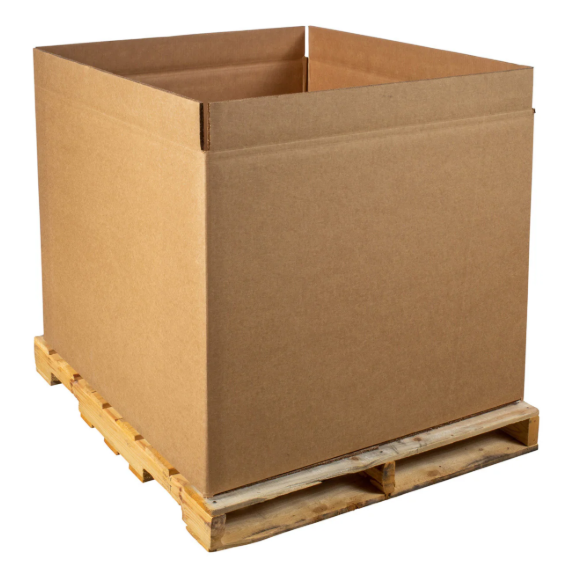
Pallet packing: Approximately 500-1000kg can be loaded on a plywood or fumigation-free pallet according to roll dimensions and handling limits.
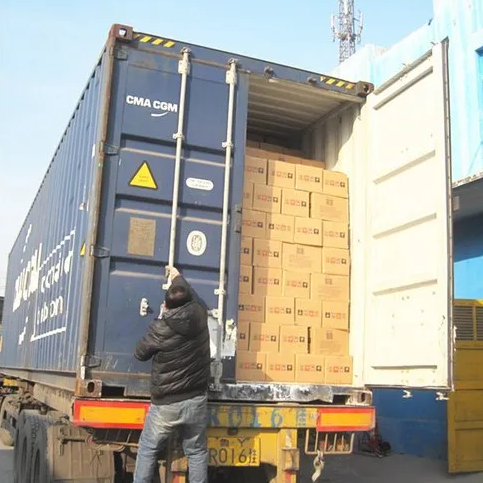
Container loading: A reference loading quantity is approximately 20 tons, subject to pallet configuration, container limits and legal weight restrictions.
Storage: Store the rolls indoors in clean, dry conditions away from direct sunlight, excessive heat, moisture, dust and strong odors.
Delivery terms: EXW, FOB, CNF, CIF, DDU and other agreed Incoterms are available.
Lead time: Standard production generally requires approximately 10-12 working days after the structure, artwork, trial result, deposit and packing are confirmed.
Certificates and Compliance Documents
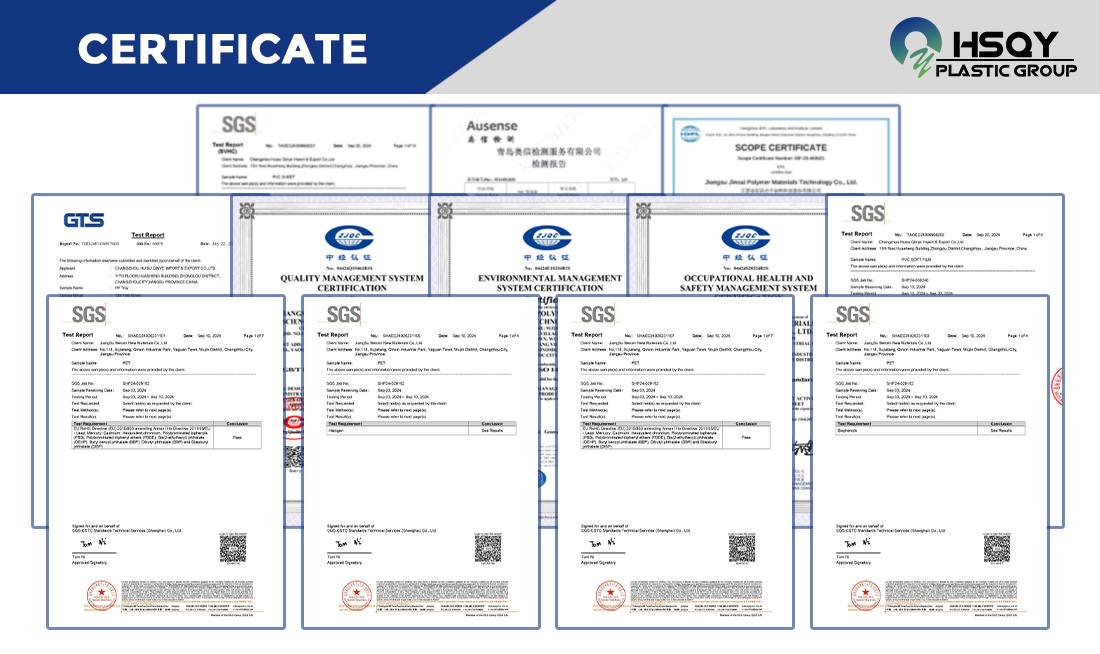
Available documents may include technical data sheets, safety data sheets, declarations of compliance, migration reports, restricted-substance reports and quality-management certificates.
SGS should be described according to the exact test performed and should not be presented as a universal food-safety, ovenability, anti-fog or recyclability certification.
ISO 9001 relates to the manufacturer's quality-management system and does not independently establish food-contact, sealing, peel, microwave or oven performance.
ISO 9001:2008 is withdrawn. The current certificate version, holder, manufacturing address, certification scope and validity period should be verified before publication.
Every report should correspond to the exact film structure, print system, perforation pattern, tray substrate and intended conditions of use.

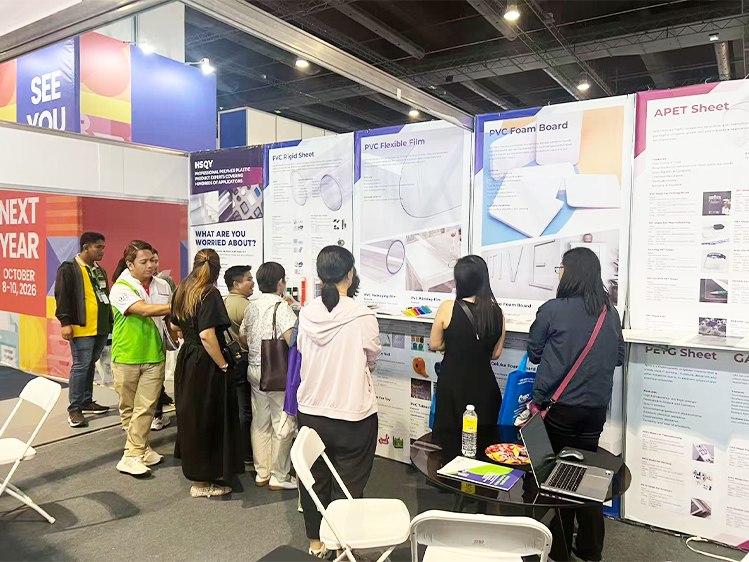
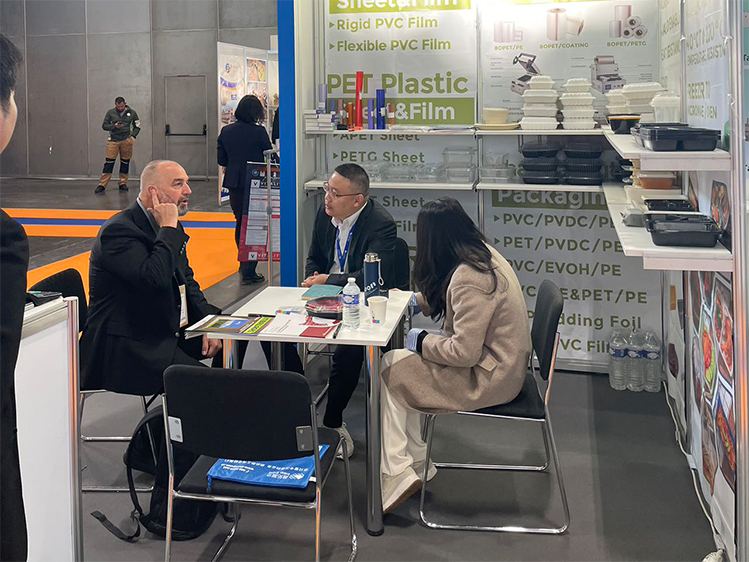
HSQY Global Exhibitions

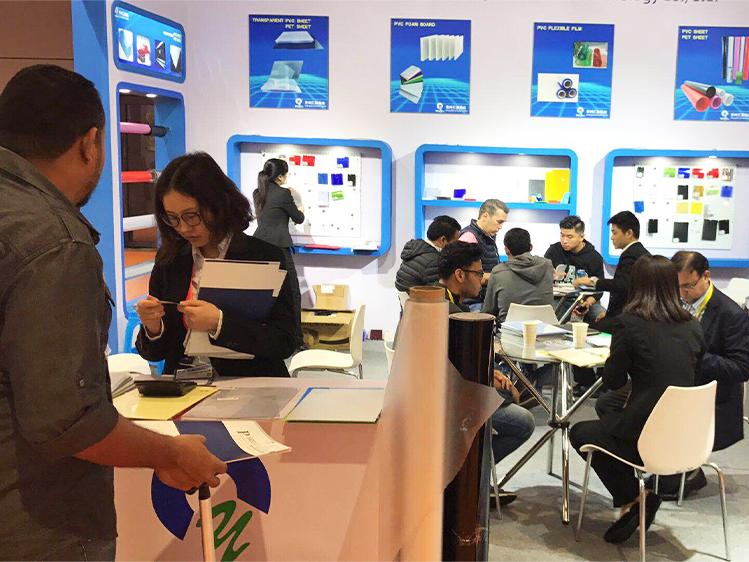
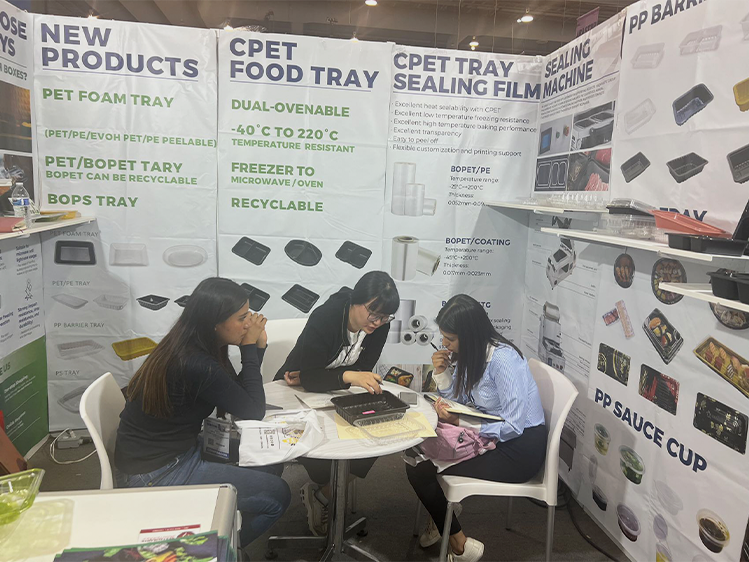
2017 Shanghai Exhibition

2018 Shanghai Exhibition

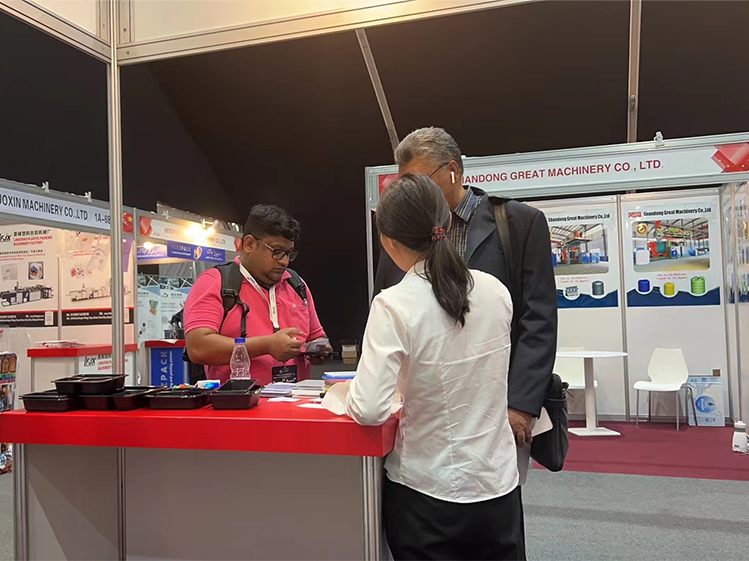
2023 Saudi Exhibition

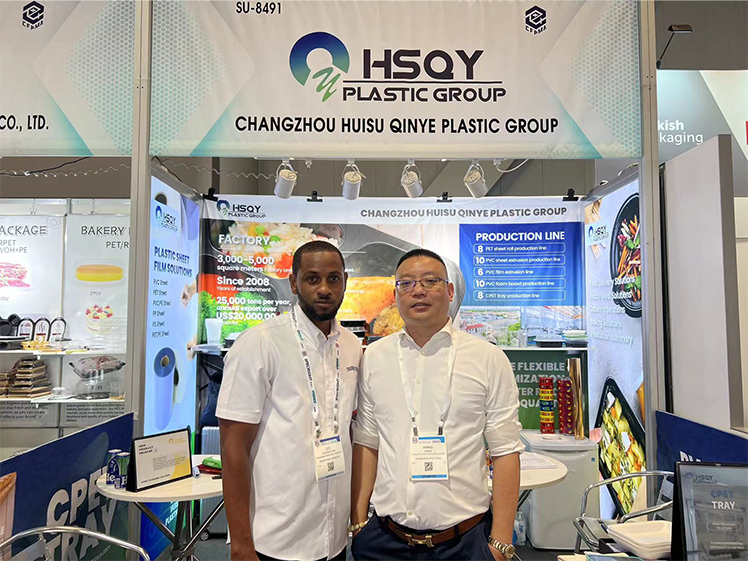
2023 American Exhibition

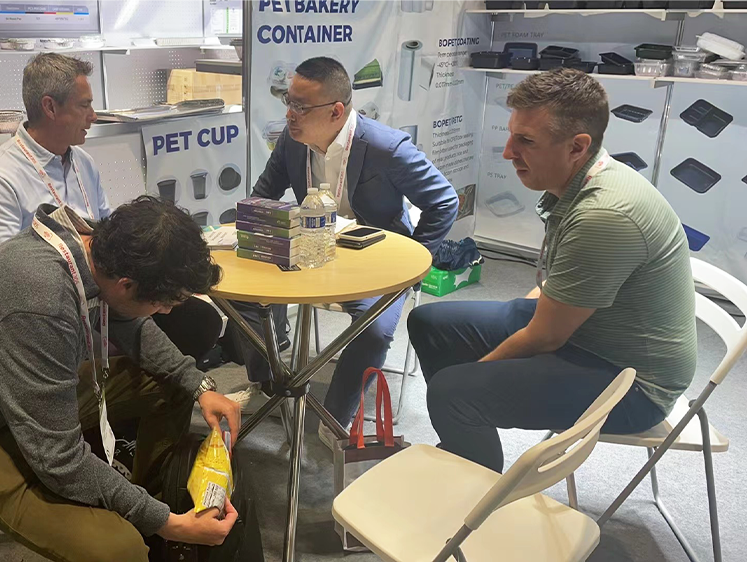
2024 American Exhibition

2024 Mexico Exhibition

2025 Philippines Exhibition

2024 Paris Exhibition
Why Choose HSQY as Your Lidding Film Supplier?
BOPET easy-peel lidding films for PP and PET-based trays.
Perforated produce films for berries, fruit and vegetables.
Laser micro-perforation, hot-needle perforation and macro holes.
Optional anti-fog and high-clarity performance.
Clear and custom-printed structures.
Substrate-specific easy-peel seal layers.
Custom film thickness, width, length, core and winding direction.
Dedicated chilled, barrier, microwaveable and ovenable grades.
Trial rolls for tray-sealing and shelf-life tests.
Customized roll labels, cartons and pallet packing.
International B2B production and export support.
Before bulk production, HSQY recommends testing the selected film using the customer's actual tray, sealing machine, food, storage conditions, printing design and distribution process.
Contact HSQY for Trial Rolls and Pricing
Frequently Asked Questions About BOPET Lidding Film
What is BOPET easy-peel lidding film?
It is a tray-sealing film that uses a BOPET support layer and a controlled-peel heat-seal layer matched to the tray material.
What does easy peel mean?
Easy peel means the sealed lid can be removed using a controlled opening force without excessive film tearing, tray damage or seal residue.
Does one lidding film seal PP, PET and CPET trays?
A film family can include versions for several tray materials, but the heat-seal layer should be matched and tested with the actual tray substrate.
Can this film seal APET and RPET fruit trays?
Yes, when a PET-compatible seal layer is used and seal strength is validated with the actual APET or RPET tray.
Can this film seal PP trays?
Yes, using a PP-compatible sealant structure and validated sealing temperature, pressure, time and peel-force range.
What is perforated lidding film?
It is a lidding film containing controlled micro holes, macro holes or vents that allow gas and moisture exchange through the package.
Why is perforated film used for fruit packaging?
Fresh produce continues to respire after packing. Perforations can help balance oxygen, carbon dioxide and moisture inside the package.
Is perforated lidding film airtight?
No. The flange seal can be secure, but the perforated film is intentionally breathable and is not airtight across the web.
Is perforated fruit film leak-proof?
The flange seal can be tested for integrity, but perforations permit gas and potentially liquid passage and should not be described as completely liquid-tight.
What is the difference between micro and macro perforation?
Micro-perforations are small controlled holes used for calibrated gas exchange, while macro holes provide visibly greater ventilation.
How is the perforation pattern selected?
It is selected according to produce type, pack weight, tray volume, storage temperature, cold-chain profile and required shelf life.
Is the same perforation suitable for strawberries and blueberries?
Not necessarily. Different produce types, pack sizes and cold-chain conditions can require different hole sizes, counts and patterns.
Is anti-fog treatment available?
Yes. Food-contact-suitable anti-fog treatment can be supplied for chilled fruit, produce and other refrigerated packaging.
Does anti-fog film completely prevent condensation?
Anti-fog treatment reduces visible droplets, but performance still depends on product temperature, humidity, cold-chain changes and package design.
Can the lidding film be custom printed?
Yes. Logos, product information, opening instructions, traceability graphics and retail designs can be printed.
Can printing block the perforation holes?
Artwork, labels or coatings can interfere with perforations, so the print and perforation positions should be registered during design.
What thicknesses are available?
Custom thicknesses from approximately 0.05mm to 0.10mm are available, with 0.06mm commonly used as a project starting point.
What roll widths are available?
Common widths include 150mm, 230mm and 280mm. Custom widths can be slit according to tray and machine dimensions.
What roll length is available?
A reference roll length is approximately 500m, with customized lengths available according to machine and handling requirements.
Can this BOPET/PE film be used at 220°C?
A standard BOPET/PE fruit-film structure should not automatically be rated for 220°C. Conventional-oven use requires a dedicated ovenable structure and complete package testing.
Can this film be used in a microwave?
Microwave use requires a dedicated structure, compatible tray and validated steam-venting and heating instructions.
Can the film be used in a freezer?
Freezer use is possible only after the film, seal and tray are tested for brittleness, seal retention and opening performance at the required temperature.
Is BOPET lidding film food safe?
Food-contact suitability depends on the complete film structure, intended food, temperature, contact duration and destination-market regulations.
Does an SGS report prove food-contact compliance?
Only when the report covers the exact film structure, applicable regulation, food simulants and intended conditions of use.
Does ISO 9001 prove that the film is food grade?
No. ISO 9001 is a quality-management-system standard and does not independently prove food-contact compliance.
Is BOPET/PE lidding film recyclable?
BOPET/PE is a multi-material laminate and should not automatically be described as recyclable. Compatibility depends on the complete structure and local recycling system.
Is a mono-material lidding film available?
PP-based mono-material-oriented lidding options can be evaluated for PP trays when sealing, clarity, barrier and processing requirements permit.
What is the minimum order quantity?
The reference MOQ is approximately 500kg. Custom printing, seal layers, widths and perforation designs may require a different quantity.
Are trial rolls available?
Existing film samples and limited trial rolls may be available for seal, peel, perforation and shelf-life testing.
What is the production lead time?
Standard production generally requires approximately 10-12 working days after the structure, artwork, samples, deposit and packing are confirmed.
What information is required for a quotation?
Provide the tray material, dimensions, film width, food product, sealing conditions, perforation, anti-fog, printing, quantity, packing and destination.
Get a BOPET Lidding Film Quote
About HSQY Plastic Group
HSQY Plastic Group supplies easy-peel lidding films, perforated produce films, anti-fog films, CPET trays, PP trays, PET food containers and customized food-packaging materials to international B2B customers.
HSQY supports fruit packers, food processors, tray manufacturers, packaging converters, importers and distributors with material selection, tray-sealing samples, customized printing, production, inspection and export packing.
Request a Quote and Trial Roll