Colored Rigid PVC Sheet Video
Custom Colored Rigid PVC Sheet for Thermoforming and Printing
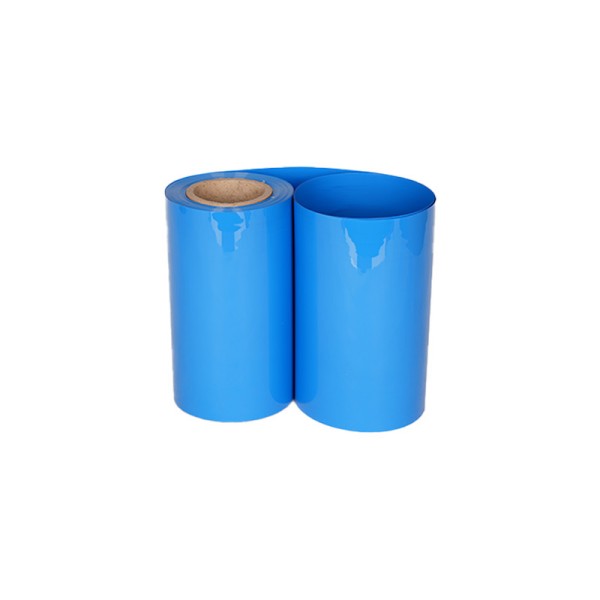
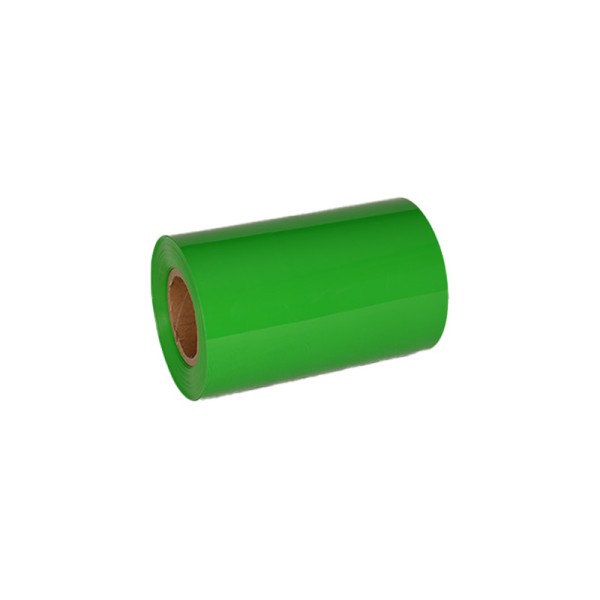
HSQY colored rigid PVC sheet is a thin, formable plastic material supplied in rolls or cut sheets for thermoforming, vacuum forming, printing, die cutting, folding boxes, display components and non-structural packaging applications. Standard product thickness is 0.12-0.30 mm, with widths up to 1280 mm subject to grade and order requirements.
Choose clear tint, translucent or opaque colors including white, red, green, yellow, blue and black. Gloss, matte and selected embossed finishes can be discussed for custom orders. Tell us your color target, thickness, width, roll or sheet format, application and annual volume so our team can recommend the appropriate grade and provide a sample for validation.
Colored Rigid PVC Sheet Images
Colored Rigid PVC Sheet Specifications
| Product Code |
HSQY-210119 |
| Material |
Rigid polyvinyl chloride (PVC) |
| Standard Thickness |
0.12-0.30 mm; confirm tolerance for the selected grade |
| Format |
Roll or cut sheet |
| Width |
Up to 1280 mm, subject to thickness and production review |
| Reference Sheet Sizes |
915 × 1830 mm, 1220 × 2440 mm or custom cut sizes, subject to quotation |
| Density |
1.36-1.38 g/cm³, reference value; confirm on the product data sheet |
| Colors |
Clear tint, translucent or opaque white, red, green, yellow, blue, black and custom matched colors |
| Surface Options |
Gloss, matte or selected embossed finishes, subject to grade and MOQ |
| Compatible Processes |
Thermoforming, vacuum forming, printing, die cutting and folding |
| Reference Tensile Strength |
>52 MPa; request the applicable test method and current TDS |
| Reference Impact Strength |
>5 kJ/m²; request the applicable test method and current TDS |
| MOQ |
1000 kg; custom colors or finishes may require a separate MOQ |
| Packaging |
Protected rolls or cut sheets with export pallet packing |
Specification note: Values are product references, not a universal guarantee for every color, finish or order. Final tolerances, test methods and compliance requirements should be confirmed in the approved sample, technical data sheet and sales contract.
How to Select the Right PVC Sheet Grade
The correct rigid PVC grade depends on the forming depth, heating equipment, printed design, end-use environment and regulatory market. A useful RFQ includes the required color standard, opacity, gloss level, thickness tolerance, roll width, core size, sheet dimensions, application drawing and expected order volume.
| Selection Item |
Available Direction |
What to Confirm |
| Color and opacity |
Clear tint, translucent, opaque or custom color match |
Pantone, RAL, physical sample or approved color limit |
| Surface |
Gloss, matte or selected embossing |
Visual standard, print adhesion and scratch expectations |
| Forming grade |
Thermoforming or vacuum-forming formulation |
Tool geometry, forming depth, cycle and heating profile |
| Special grade |
UV-stabilized, antistatic, anti-block or flame-retardant options |
Required standard, test level and certificate availability before ordering |
Specialty properties are grade-specific. Standard colored PVC sheet should not automatically be treated as UV-resistant, antistatic or flame-retardant. State the required test standard and acceptance level in your inquiry so that HSQY can evaluate a suitable formulation.
Thermoforming and Printing Guidance
Validate the Heating Window on Your Equipment
A single forming temperature cannot represent every PVC formulation, thickness, color and machine. Start with the grade-specific processing recommendation, heat the web evenly and refine the cycle using trial sheets. Avoid overheating, and provide suitable local exhaust ventilation during processing.
Check Ink and Coating Adhesion
Printing performance depends on the ink system, surface finish, pretreatment, drying conditions and final application. Run adhesion, rub, blocking and color tests on an approved production-representative sample before mass printing.
Control Color and Dimensional Tolerance
For repeat orders, approve a physical color standard and define the viewing conditions, tolerance method, thickness range and roll or sheet dimensions. These controls reduce avoidable variation between samples, production lots and finished parts.
Key Benefits of Colored Rigid PVC Sheet
Custom color, opacity and surface options for branded packaging and visual display projects.
Thin roll or cut-sheet formats suitable for common thermoforming, printing, die-cutting and folding workflows.
Smooth surface options that support graphic presentation when matched with a compatible ink or coating system.
Custom dimensions can reduce downstream slitting, cutting and material waste.
Production sample approval, specification confirmation and export packing support for B2B orders.
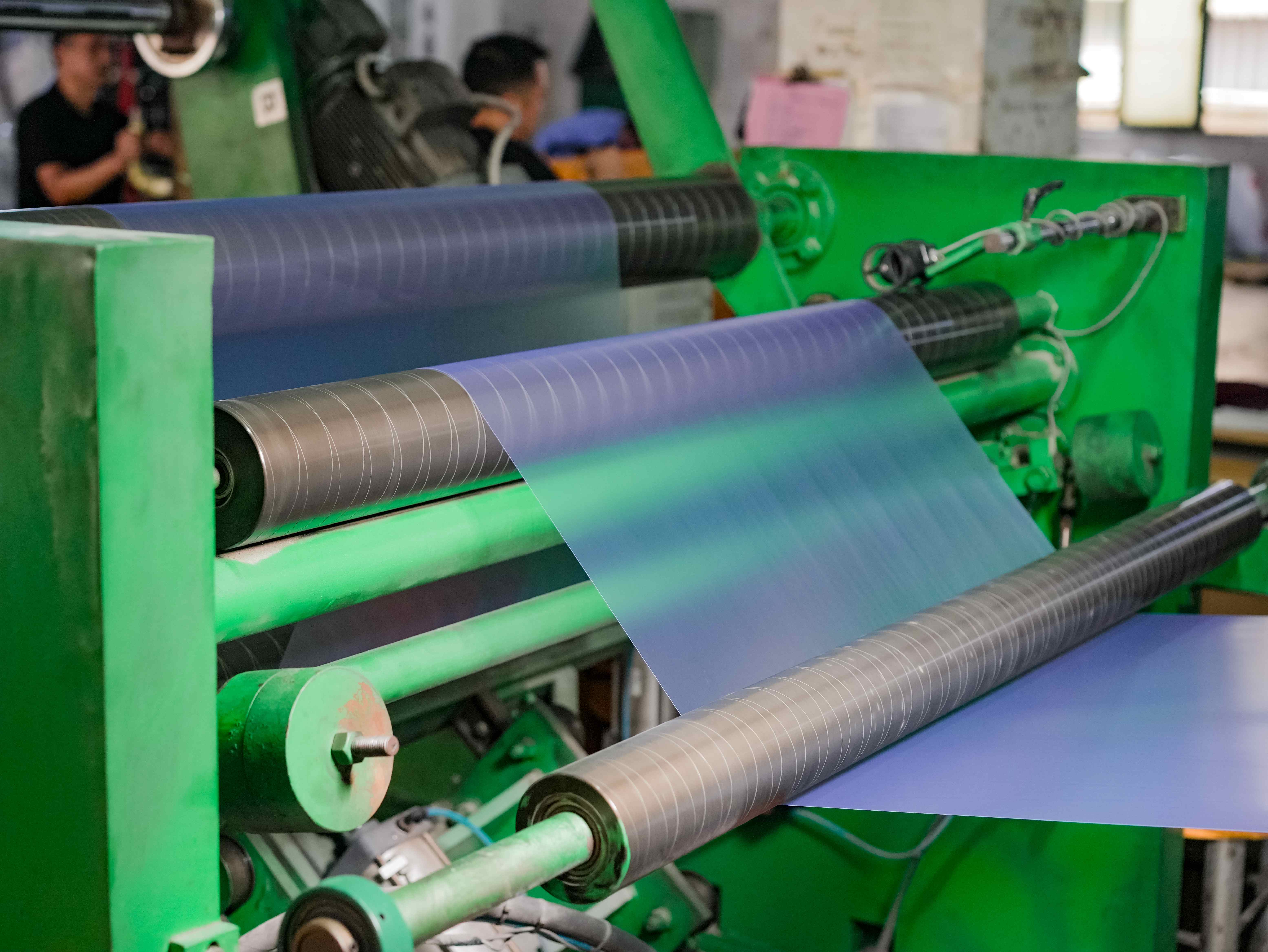
PVC Sheet Production and Quality Control
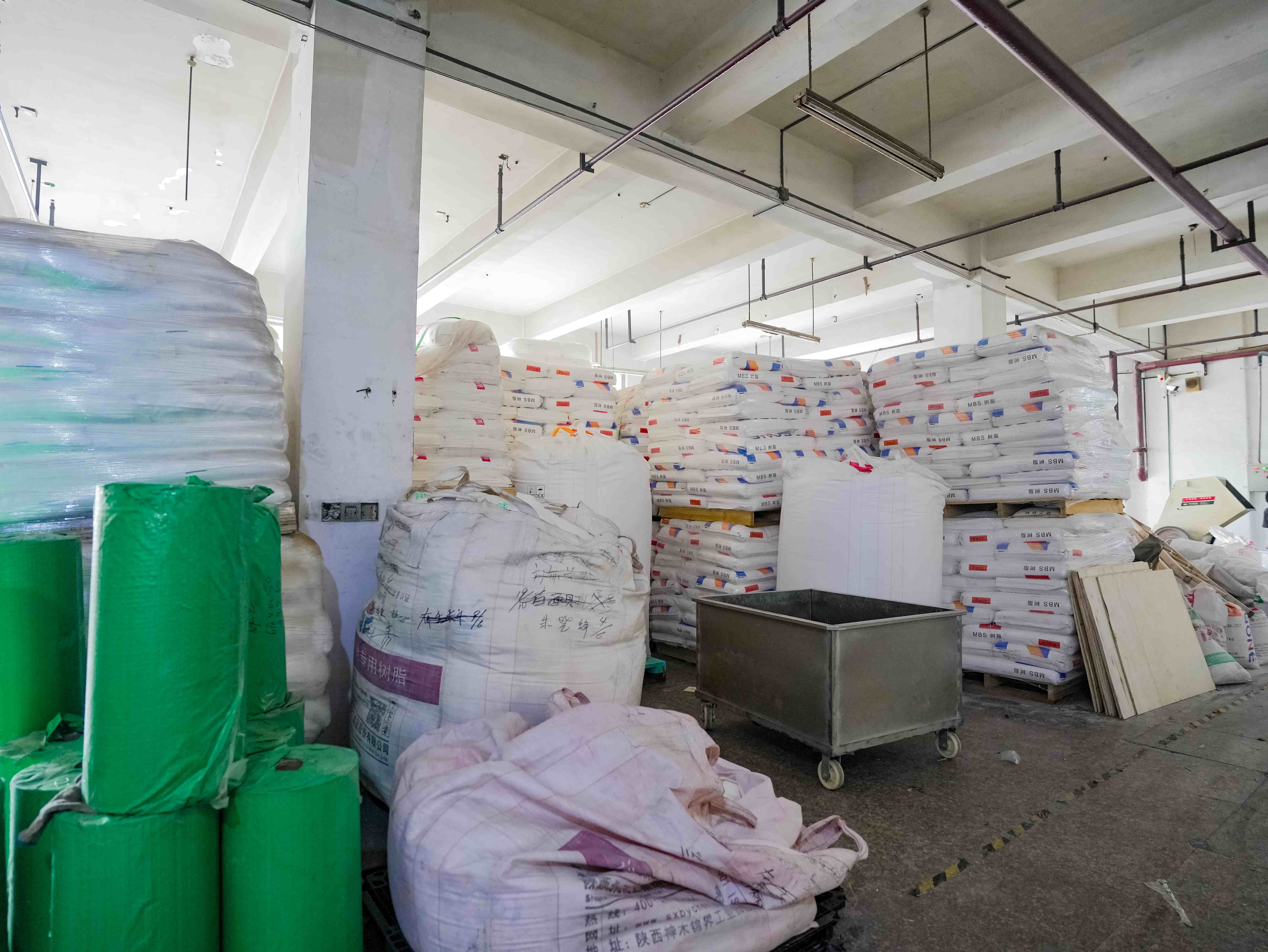
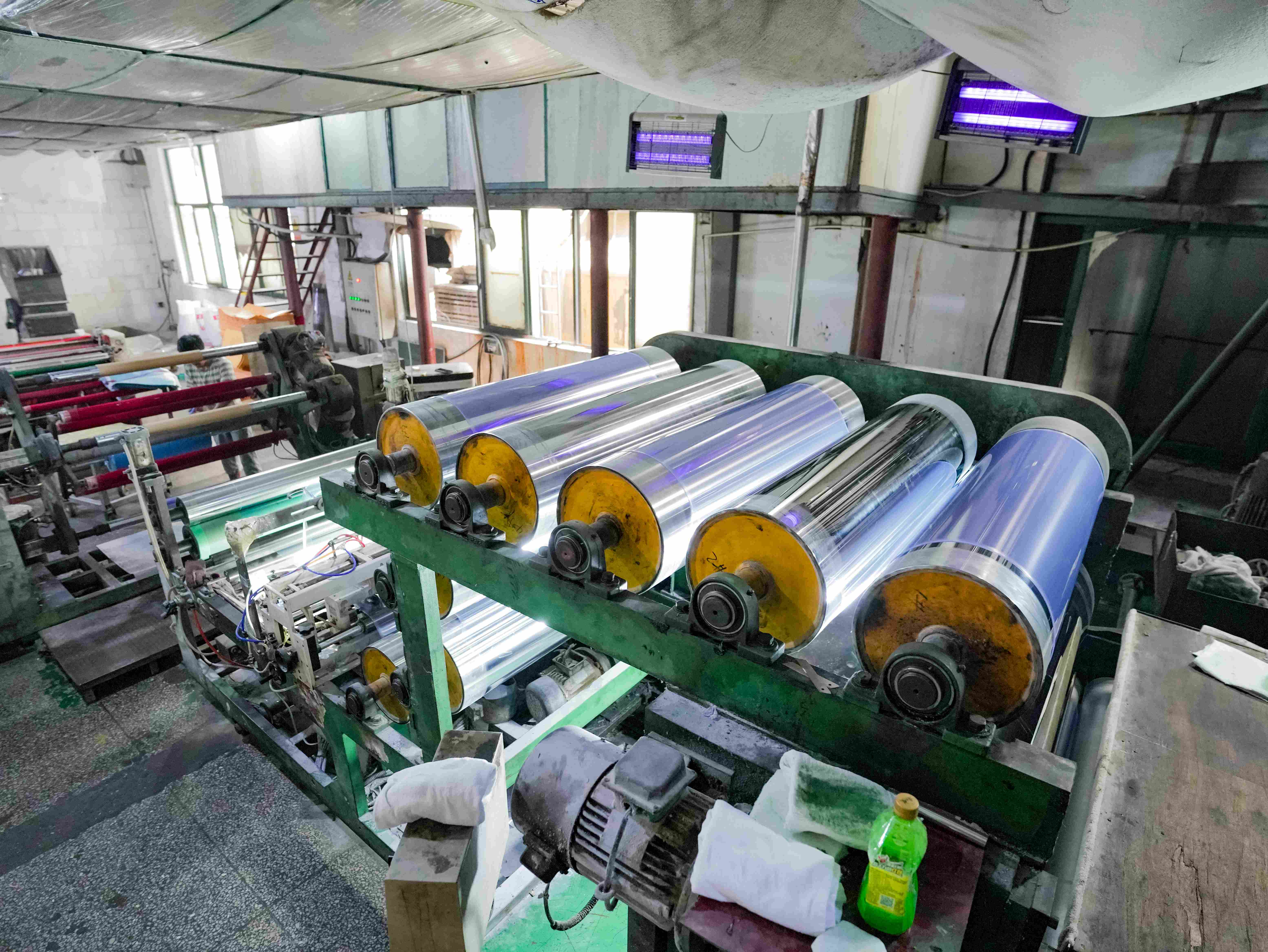
Raw-material preparation, calendering or extrusion, thickness control, surface inspection, slitting or cutting and protective packing are managed according to the confirmed order specification. Ask for the inspection items and lot documents applicable to your grade.
![Rigid PVC sheet production equipment]()
PVC sheet production line
![Colored rigid PVC roll production process]()
Roll manufacturing process
![PVC sheet surface and thickness inspection]()
Process inspection
![Finished rigid PVC sheet roll quality check]()
Finished-product check
Applications of Thin Colored Rigid PVC Sheet
| Application |
Why Colored PVC Is Used |
Buyer Validation |
| Thermoformed packaging |
Color identification, brand presentation and formed-part stiffness |
Forming depth, flange design, closure and end-use compliance |
| Printed displays and signs |
Smooth visual surface and custom background color |
Ink adhesion, light exposure and scratch requirements |
| Folding boxes and inserts |
Printable, die-cuttable and available in translucent or opaque colors |
Crease design, fold endurance and assembly method |
| Die-cut and stamped parts |
Consistent thin-gauge format for non-structural components |
Tolerance, edge quality, impact demand and service temperature |
| Decorative covers and labels |
Color and finish can support product differentiation |
Adhesive compatibility, indoor or outdoor exposure and lifespan |
Application boundary: This page describes a 0.12-0.30 mm thin-gauge product. It should not be specified as a structural chemical tank, ventilation duct or wall-cladding board. Those uses require a separate engineering-sheet grade, thickness and application assessment.
Packing and Delivery
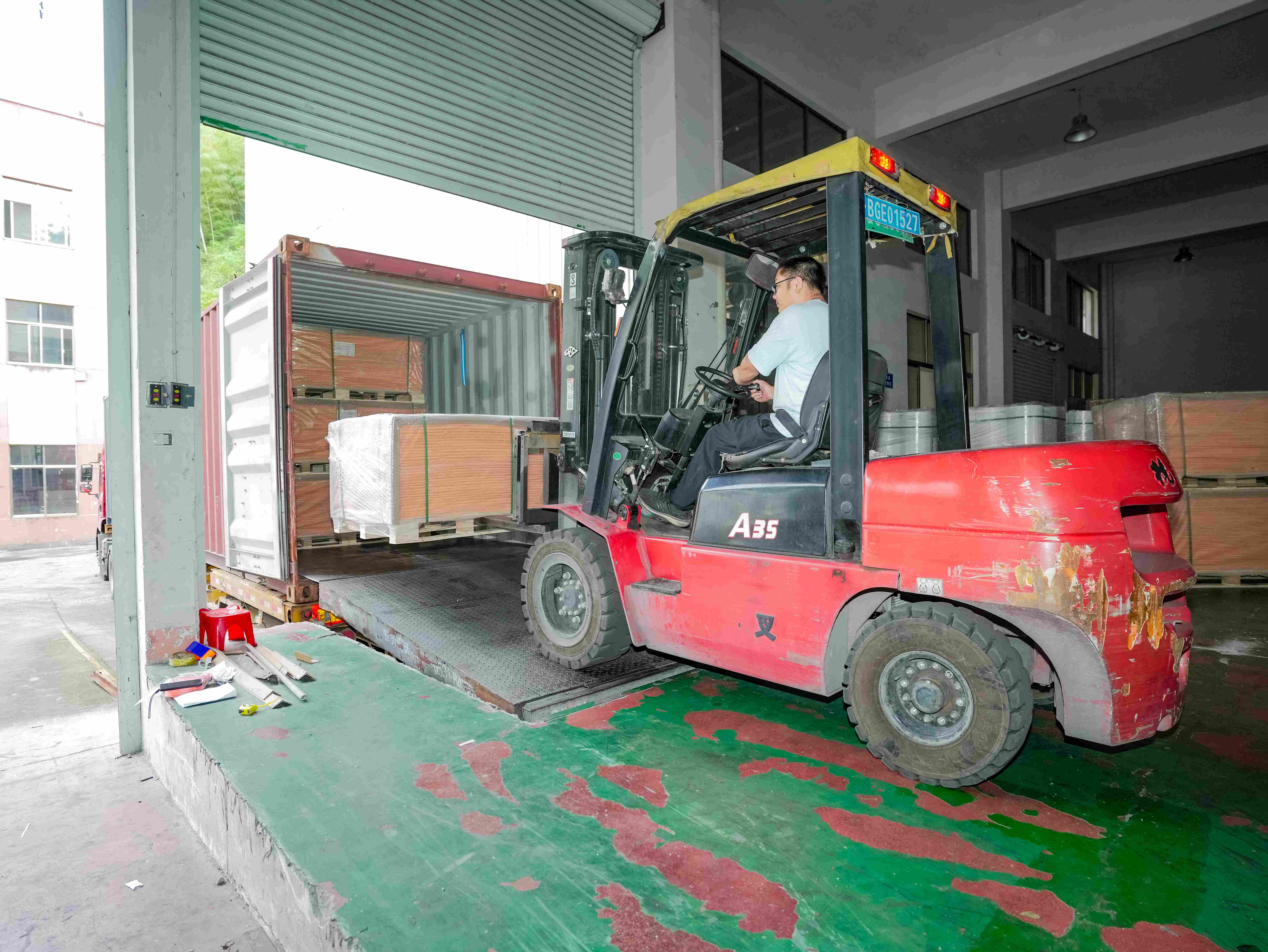
Rolls and cut sheets can be protected with wrapping materials and secured on export pallets. Confirm roll diameter, core size, sheet count, pallet limits, labels and shipping marks when requesting a quotation.
![PVC sheet roll protective packing]()
Protected roll packing
![Rigid PVC sheet export pallet packing]()
Export pallet protection
![PVC sheet pallet loading for delivery]()
Pallet loading for delivery
Quality and Compliance Documentation
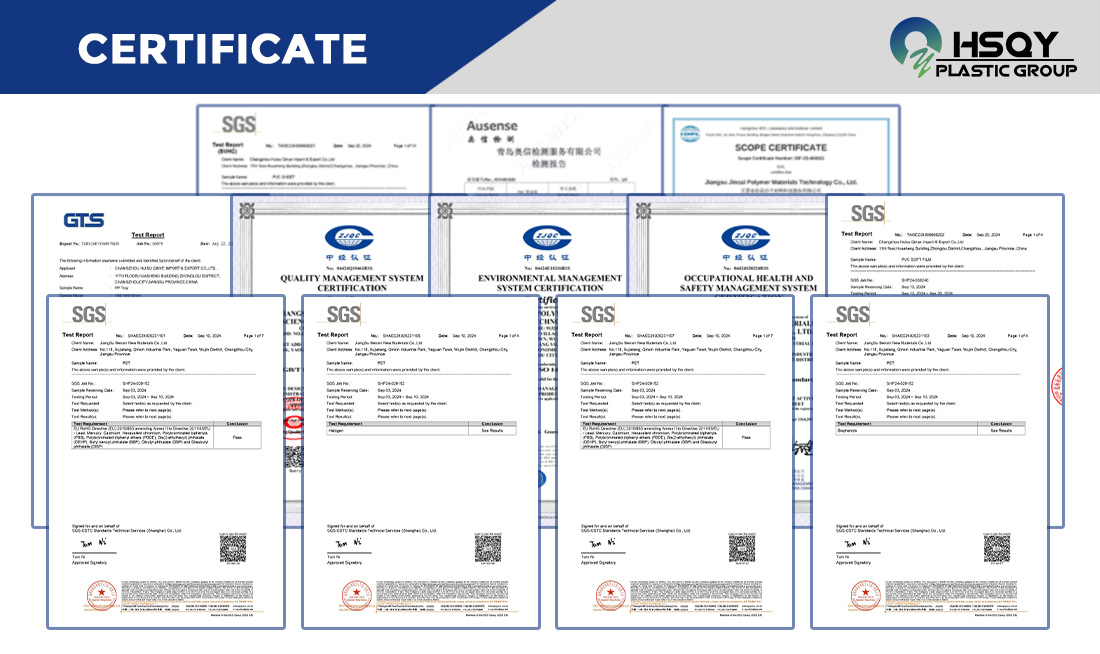
Documentation should match the exact material grade, color, thickness, end use and destination market. Before purchase, request the current technical data sheet, safety data sheet, certificate of analysis or inspection report, color approval sample and any application-specific declaration required by your market.
![HSQY PVC sheet certificate and compliance document reference]()
Certificate reference image; request current documents for the quoted product grade.
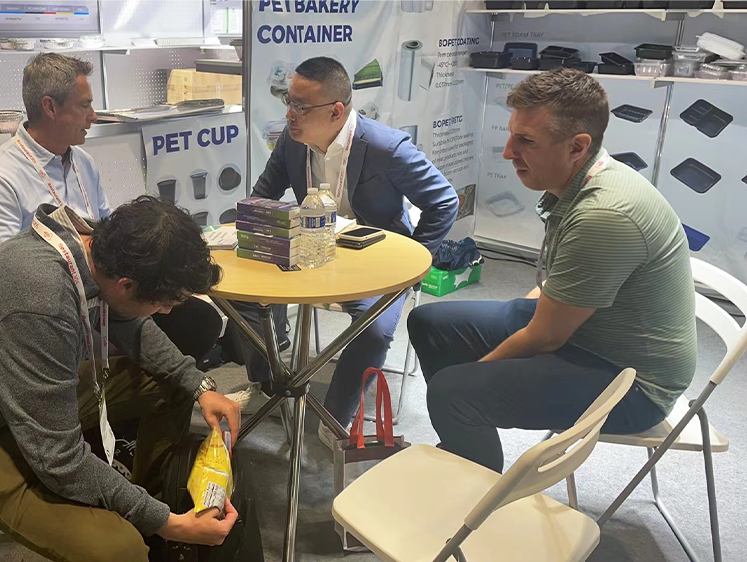
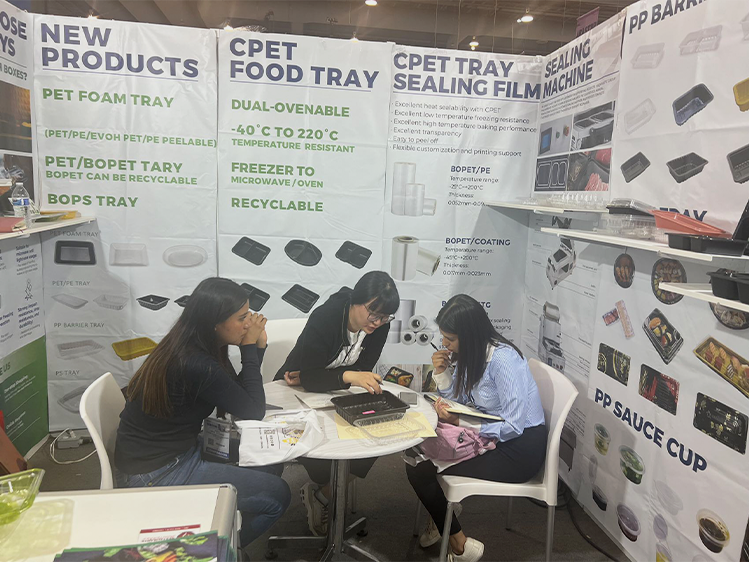
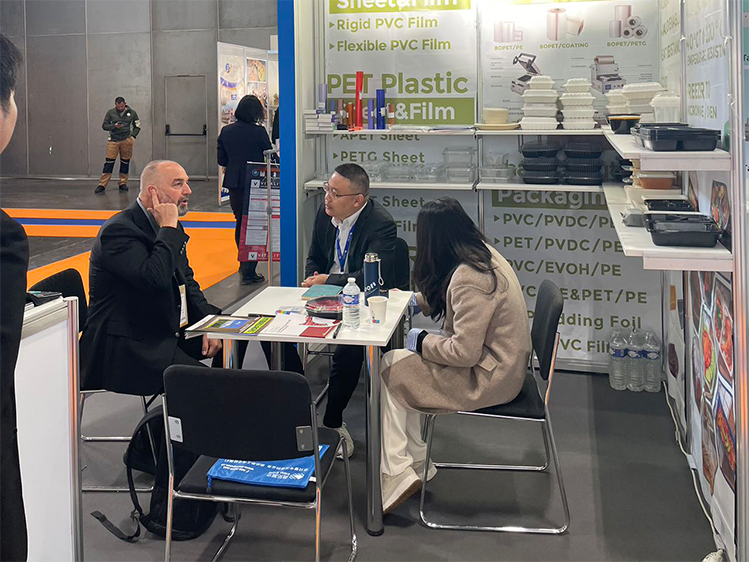
Meet HSQY at International Exhibitions
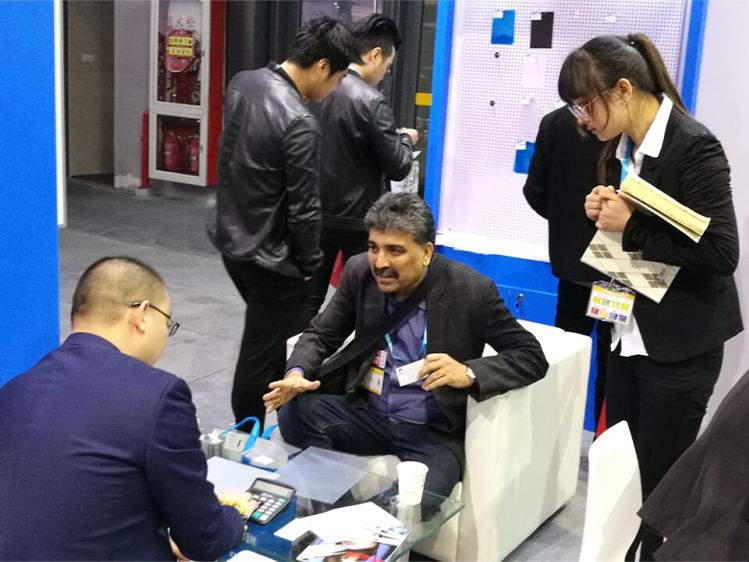
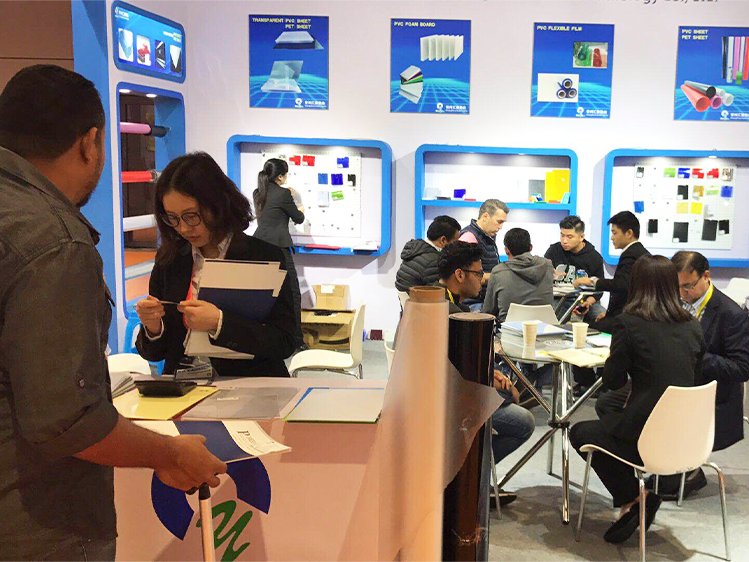
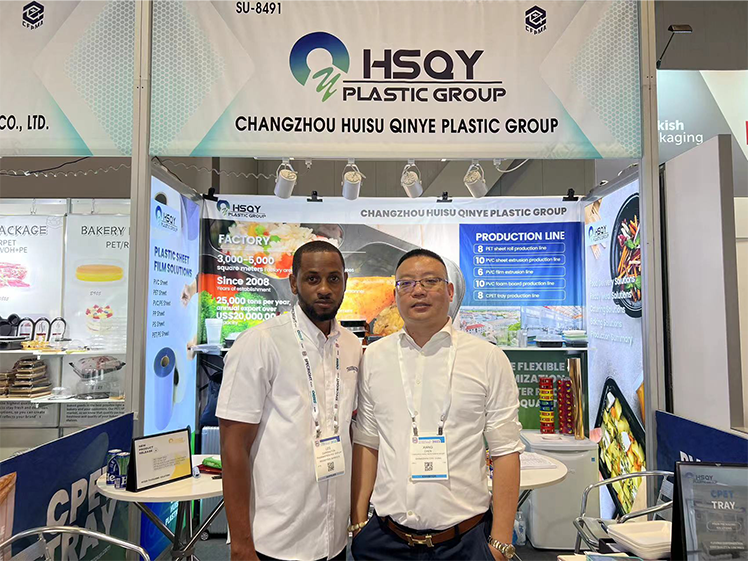
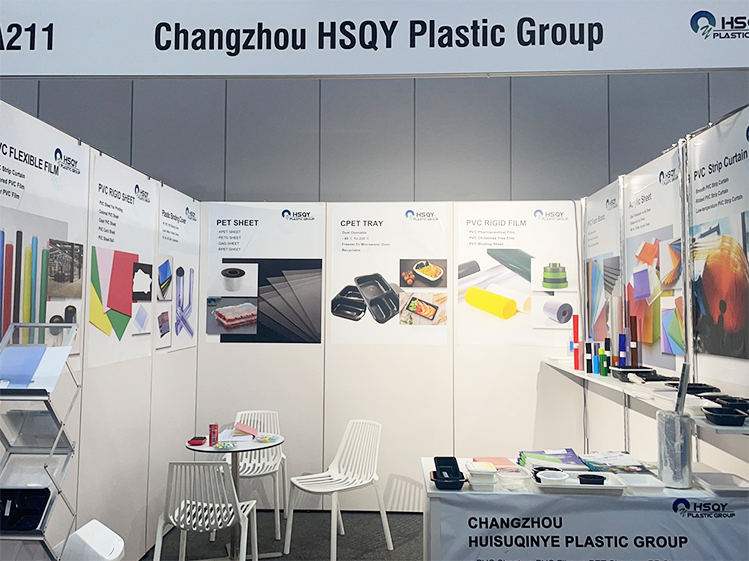
HSQY meets packaging and plastic-industry buyers at international exhibitions to discuss material selection, custom colors, thermoforming requirements, samples and export projects.
![HSQY at the March 2017 Shanghai exhibition]()
March 2017 · Shanghai Exhibition
![HSQY at the March 2018 Shanghai exhibition]()
March 2018 · Shanghai Exhibition
![HSQY at the June 2023 Saudi Arabia exhibition]()
June 2023 · Saudi Arabia Exhibition
![HSQY at the September 2023 USA exhibition]()
September 2023 · USA Exhibition
![HSQY at the March 2024 Australia exhibition]()
March 2024 · Australia Exhibition
![HSQY at the May 2024 USA exhibition]()
May 2024 · USA Exhibition
![HSQY at the August 2024 Mexico exhibition]()
August 2024 · Mexico Exhibition
![HSQY at the November 2024 Paris exhibition]()
November 2024 · Paris Exhibition
Frequently Asked Questions About Colored Rigid PVC Sheet
What Is the Difference Between Tinted and Opaque Rigid PVC Sheet?
Tinted or translucent sheet allows some light transmission while adding color. Opaque sheet blocks most or all visibility, depending on its formulation and thickness. Specify the visual effect or provide a physical target sample when requesting a color match.
What Thickness and Width Are Available?
The standard thickness shown for this product is 0.12-0.30 mm, with widths up to 1280 mm. Availability and tolerances depend on the selected color, finish, format and quantity, so confirm the final specification before ordering.
Can You Supply Both Rolls and Cut Sheets?
Yes. Supply can be discussed as rolls or cut sheets. For rolls, include width, length or weight, maximum diameter and core size. For sheets, provide length, width, quantity per pack and pallet restrictions.
Is This PVC Sheet Suitable for Thermoforming and Vacuum Forming?
It can be supplied for thermoforming and vacuum-forming applications. Forming performance still depends on thickness, formulation, color, tool design, heating profile and draw depth. Test the material on your equipment before production approval.
Can Colored Rigid PVC Sheet Be Printed?
Yes, compatible grades and surfaces can support printing. Because adhesion varies by ink, coating, pretreatment and curing process, use a production-representative sample for adhesion, rub, blocking and color checks.
How Do I Order a Custom Color?
Send a Pantone or RAL reference when appropriate, or provide a physical color sample. Also state whether the sheet should be transparent, translucent or opaque, together with the target gloss, thickness and order volume. A lab sample or pre-production sample should be approved before mass production.
Is the Standard Sheet Flame-Retardant, Antistatic or UV-Resistant?
Do not assume these properties for the standard product. They require a specific formulation and verification against the required test method. Include the target rating, end-use environment and destination market in your inquiry.
Can This Material Be Used for Food or Medical Packaging?
Food-contact and medical applications require an application-specific grade and current documentation for the destination market. Share the contact conditions, temperature, duration, sterilization method and regulatory requirements before material selection. Standard industrial sheet should not be assumed compliant.
What Is the Minimum Order Quantity and Can I Request a Sample?
The listed MOQ is 1000 kg. Custom colors, surfaces and specialty formulations may have a different minimum. Contact HSQY with your specification to ask about sample availability, lead time, freight and production MOQ.
Is Rigid PVC Sheet Recyclable?
Rigid PVC may be recyclable where suitable collection and processing systems exist, but local acceptance varies. Check your destination market, labeling rules, additives, inks, adhesives and other components when evaluating end-of-life options.
Request a Colored PVC Sheet Sample and Quote
For a faster quotation, send your target color, opacity, surface, thickness, width, roll or sheet format, application, test requirements, destination country and estimated order quantity. HSQY can then evaluate manufacturability, sample options, documentation, packing and lead time for your project.