11-Layer PA/PP/EVOH/PE High Barrier Coextrusion Film
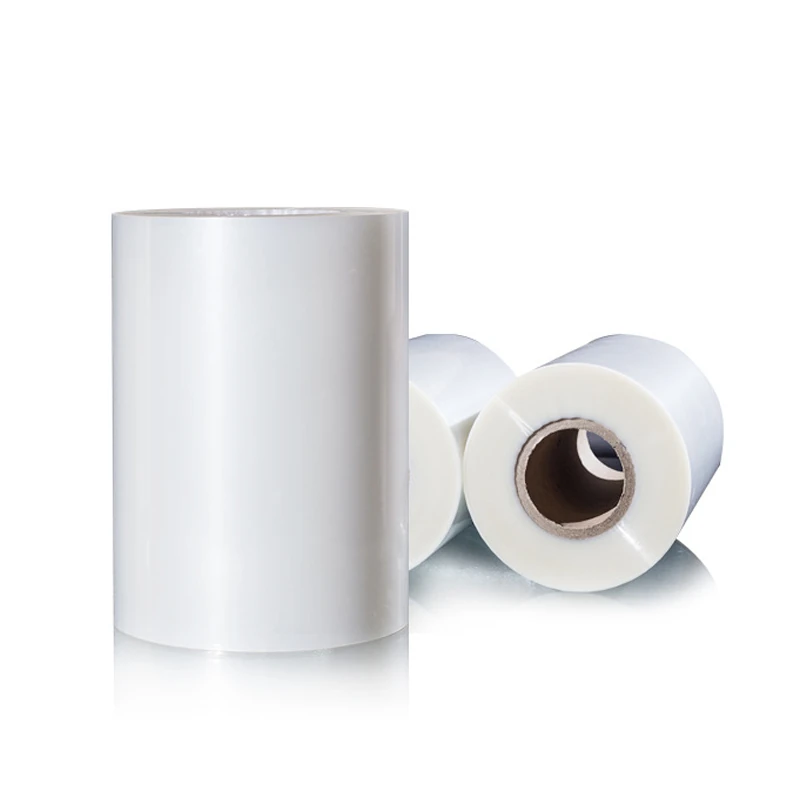
HSQY 11-layer PA/PP/EVOH/PE high barrier coextrusion film is a multilayer flexible packaging material designed for applications requiring strong oxygen barrier, puncture resistance, heat sealing and customized roll specifications.
The current structure is PA/TIE/PP/TIE/PA/EVOH/PA/TIE/PE/PE/PE. EVOH provides the primary oxygen and gas barrier, PA contributes mechanical strength and puncture resistance, while the polyolefin layers support moisture resistance, flexibility, sealing performance and protection of the internal barrier structure.
HSQY supplies film from approximately 0.03mm to 0.45mm in thickness and 200mm to 4000mm in width. Film gauge, width, roll diameter, core size, barrier level, seal behavior, surface treatment and printing requirements can be customized according to the packaged product and packaging machine.
The film can be evaluated for vacuum packaging, flexible food packaging and selected thermoforming applications. Retort, boilable, medical sterilization and other demanding thermal or regulatory applications require a specifically engineered structure and application-specific validation rather than being assumed from the material combination alone.
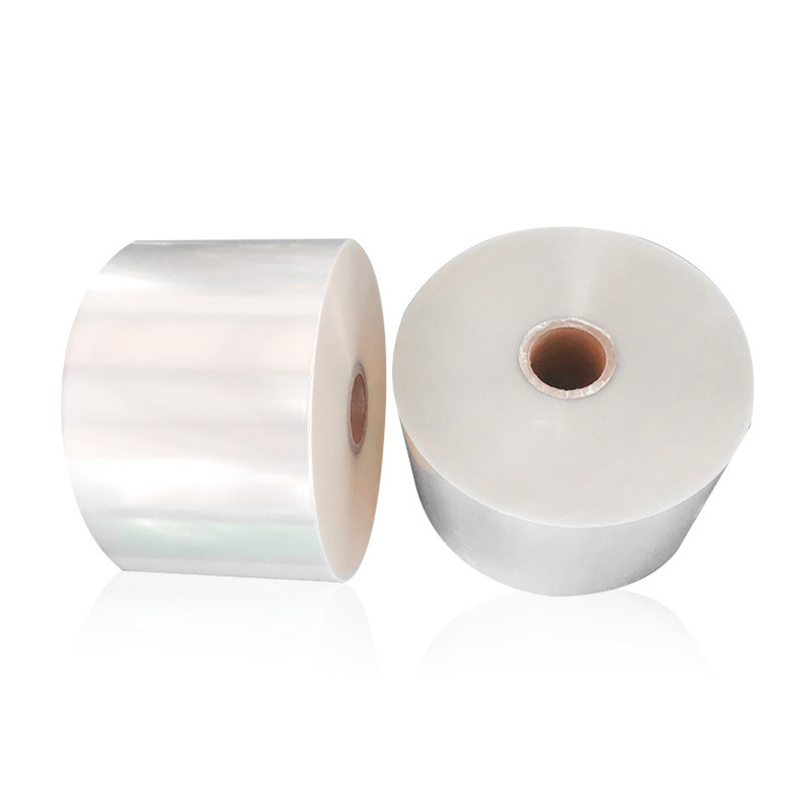
PA/PP/EVOH/PE High Barrier Film Images

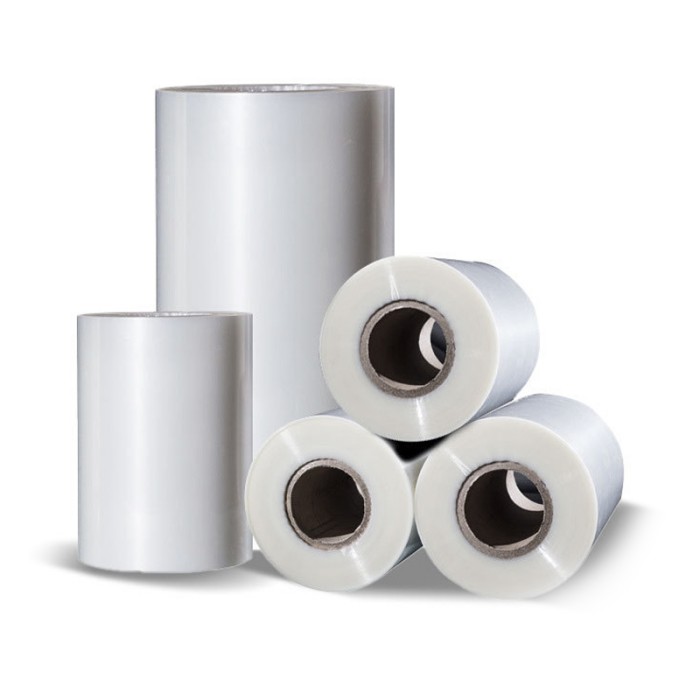
11-Layer High Barrier Coextrusion Film
High Barrier Flexible Packaging Film

Printable High Barrier Packaging Film
11-Layer High Barrier Film Specifications
| Property |
Specification |
| Product |
11-Layer PA/PP/EVOH/PE High Barrier Coextrusion Film |
| Current 11-Layer Structure |
PA / TIE / PP / TIE / PA / EVOH / PA / TIE / PE / PE / PE |
| Film Type |
Multilayer coextruded high barrier flexible packaging film |
| Thickness |
0.03mm-0.45mm (30-450μm), customized |
| Width |
200mm-4000mm, customized |
| Color |
Clear; customized colors and printing subject to specification |
| Primary Barrier Layer |
EVOH for high oxygen, gas and aroma barrier |
| Mechanical Layers |
PA layers for toughness, puncture resistance and mechanical strength |
| Sealant Side |
PE-based inner layers in the current listed structure; sealing performance depends on formulation and mating material |
| TIE Layers |
Adhesive tie polymers bond otherwise incompatible polymer layers within the coextruded structure |
| Printing |
Printable options available; surface treatment, printing side, ink system, artwork and color requirements should be confirmed |
| Main Packaging Processes |
Vacuum packaging, flexible packaging and selected thermoforming applications |
| Typical Food Applications |
Meat, processed meat, seafood, cheese, chilled foods and frozen foods subject to package validation |
| Medical / Industrial Use |
Selected applications only after confirming required sterilization method, regulatory documentation, seal partner and performance testing |
| Retort / Boilable Use |
Requires a dedicated validated structure; not a universal property of all PA/PP/EVOH/PE films |
How the 11-Layer PA/PP/EVOH/PE Structure Works
Multilayer coextrusion allows different polymers to perform different functions within a single film. Instead of requiring one polymer to provide all mechanical, barrier, sealing and processing properties, each layer can be optimized for a specific role.
| Layer |
Main Function |
Packaging Benefit |
| PA – Polyamide / Nylon |
Mechanical strength, toughness and puncture resistance |
Helps protect packages containing meat, bones, cheese edges and other mechanically demanding products |
| EVOH |
High oxygen, gas and aroma barrier |
Helps reduce oxygen transmission and protect oxygen-sensitive products and aromas |
| PP |
Polyolefin functional layer providing moisture resistance, stiffness and thermal characteristics according to grade |
Allows the multilayer structure to be engineered for specific packaging and processing conditions |
| PE |
Heat sealing, flexibility and water-vapor resistance |
Provides the inner sealing side in the current listed structure and helps protect the EVOH layer from moisture |
| TIE |
Interlayer adhesion |
Bonds dissimilar polymers into a stable multilayer construction |
Why EVOH Is Used in High Barrier Packaging
EVOH is used in multilayer packaging primarily because of its very low oxygen and gas permeability compared with common commodity plastics.
Oxygen barrier is important for products that can experience oxidation, color change, aroma loss, rancidity or other quality deterioration when exposed to oxygen during storage.
EVOH is sensitive to environmental humidity, so it is normally protected inside a multilayer structure by polyolefin layers such as PE or PP. This is why barrier performance must be evaluated for the complete multilayer film rather than from the EVOH layer alone.
Oxygen Barrier and OTR
Oxygen Transmission Rate, or OTR, is one of the most important specifications for an EVOH-containing packaging film. Lower OTR generally indicates stronger resistance to oxygen transmission under the stated test conditions.
OTR is influenced by EVOH grade, EVOH thickness, total layer structure, overall film thickness, relative humidity, temperature and forming conditions. A single generic OTR value should therefore not be applied to every PA/PP/EVOH/PE film.
If your project specifies an OTR target, provide the required test method, temperature, relative humidity and target value so the film structure can be evaluated correctly.
Water Vapor Barrier and WVTR
Water Vapor Transmission Rate, or WVTR, describes the amount of water vapor passing through a packaging material under specified conditions.
In this multilayer film, moisture protection is primarily supported by the polyolefin layers rather than by describing EVOH itself as a moisture-barrier resin. The PE and PP components help reduce water-vapor transmission and protect the internal EVOH oxygen-barrier layer from humidity.
Buyers with a specific WVTR requirement should provide the target test conditions because WVTR varies with polymer structure, thickness, temperature and humidity.
High Barrier Film for Vacuum Packaging
Vacuum packaging removes most of the air surrounding a product before the package is sealed. For oxygen-sensitive products, a high-barrier film can help reduce subsequent oxygen ingress through the package wall.
PA contributes toughness and puncture resistance as the package conforms closely around the product, while EVOH provides oxygen barrier and the PE side provides heat-sealing functionality in the current listed structure.
Fresh and Processed Meat
High-barrier vacuum films can be evaluated for fresh meat, processed meat, sausages and other protein products where oxygen protection, puncture resistance and seal integrity are important.
Fish and Seafood
Seafood packaging requires careful control of package integrity, storage temperature and microbiological safety. Film selection should be validated together with the actual seafood product and required cold-chain conditions.
Cheese and Dairy Products
EVOH-containing films can help protect oxygen-sensitive cheese and selected dairy products while PA contributes mechanical resistance during vacuum packaging and distribution.
High Barrier Film for Thermoforming
Suitable PA/EVOH/polyolefin structures can be used as thermoforming bottom webs. During thermoforming, the film is heated and drawn into a cavity before the food is loaded and a compatible top web is sealed to the package.
Forming stretches and thins the film, particularly around corners and deep cavities. A film that provides adequate barrier before forming may have different local thickness and barrier performance after deep draw.
For thermoforming projects, specify cavity length, width, depth, corner radius, forming temperature, line model, package weight and required barrier performance so the appropriate gauge and structure can be evaluated.
PA/PE Medium Barrier vs PA/EVOH/PE High Barrier Film
| Comparison |
PA/PE Medium Barrier |
PA/EVOH/PE High Barrier |
| Main Oxygen Barrier |
Primarily PA |
EVOH supported by PA layers |
| Oxygen Barrier Level |
Moderate, depending on structure and thickness |
High to very high, depending on EVOH grade, thickness and test conditions |
| Puncture Resistance |
Good with appropriate PA content |
Good with appropriate PA content |
| Typical Selection |
Standard vacuum packaging and moderate barrier requirements |
Oxygen-sensitive foods and applications requiring stronger barrier |
| Structure Complexity |
Simpler multilayer system |
More complex high-barrier multilayer system |
Printable and Color Printed High Barrier Film
Printed flexible packaging allows brand graphics, product information, barcodes, preparation instructions and regulatory information to be incorporated into the package.
Printing performance depends on the outer polymer layer, surface treatment and selected ink system. If color printing is required, specify the printing method, number of colors, artwork, print side and required surface treatment.
Printed film should be tested through the complete packaging process, including forming where applicable, heat sealing, vacuum, cold storage and package handling, to confirm that the printed surface retains the required adhesion and appearance.
Key Performance Requirements for High Barrier Film
| Test / Parameter |
Why It Matters |
| OTR |
Determines resistance to oxygen transmission under specified temperature and humidity |
| WVTR |
Measures water-vapor transmission under specified conditions |
| Seal Strength |
Helps determine package integrity and whether the selected mating material and sealing conditions are suitable |
| Puncture Resistance |
Important for products containing sharp edges, bones or hard corners |
| Tensile / Elongation |
Indicates mechanical performance during forming, loading, vacuum packaging and distribution |
| Thermoforming Performance |
Determines drawability, corner thinning, cavity uniformity and package appearance |
| Optical Properties |
Transparency, haze and gloss affect product visibility and retail presentation |
The current source material does not provide verified numerical OTR, WVTR, seal-strength, puncture or tensile values for this exact film. If these parameters are important to your specification, request the grade-specific technical data or testing rather than using generic high-barrier values.
Chilled and Frozen Food Packaging
PA-containing multilayer films are commonly considered where packages need toughness during refrigeration, freezing and distribution. Film flexibility, impact resistance and seal integrity should still be evaluated at the actual storage temperature.
For frozen products, specify minimum storage temperature, freezing method, product weight, sharp-edge risk, drop conditions and required shelf life.
Is This Film Suitable for MAP?
EVOH-containing high-barrier films can form part of Modified Atmosphere Packaging systems, but MAP performance depends on the complete package design rather than the film alone.
MAP projects should specify the product, target gas mixture, residual oxygen requirement, storage temperature, desired shelf life, forming depth, top-web structure and sealing conditions.
Food safety and shelf life must be validated for the complete MAP process by the food producer or appropriate technical specialists.
Retort and Boilable Packaging Requirements
The presence of PP and EVOH in a multilayer structure does not automatically make every film suitable for retort or boiling applications.
Retort processing can expose packaging to approximately 121°C or other elevated temperature-pressure cycles, depending on the process. Sealant type, tie layers, EVOH grade, PA grade, layer ratios and total film construction must all be designed for the required thermal process.
If retort or boilable packaging is required, provide the exact process temperature, hold time, pressure, food type and sealing requirements so HSQY can confirm whether a dedicated structure is available.
Medical Packaging Requires a Dedicated Grade
The existing HSQY source information lists medical packaging among potential applications. However, medical packaging has additional requirements that depend on the device, sterile-barrier system, sealing partner and sterilization method.
A film intended for ethylene oxide, gamma, electron-beam or steam sterilization should be specifically qualified for that sterilization process. Compatibility with medical paper, Tyvek-type substrates, nonwovens or other top webs also requires separate evaluation.
Do not treat a general SGS or ISO quality certificate as evidence that every version of this film is approved as a sterile medical packaging system.
Custom 11-Layer Coextrusion Film Options
Custom thickness from the applicable production range.
Custom roll widths up to the applicable machine limit.
Custom multilayer structure according to barrier requirements.
Different PA, EVOH, PP and PE layer ratios.
Custom OTR target subject to test method and conditions.
Custom WVTR requirement.
Vacuum-packaging structures.
Thermoforming bottom-web structures.
Easy-peel or lock-seal behavior where suitable structures are available.
Clear or customized color.
Printable surface treatment.
Custom color printing.
Custom core size and roll diameter.
Export roll packaging and pallet configuration.
Information Required for a High Barrier Film Quote
Packaged product.
Vacuum, thermoforming, MAP or other packaging process.
Current film structure if available.
Required total film thickness.
Required roll width.
Core diameter and maximum roll OD.
Required OTR and test conditions.
Required WVTR and test conditions.
Thermoforming cavity depth and dimensions.
Packaging machine brand and model.
Required seal partner or top-web material.
Easy-peel or lock-seal requirement.
Storage temperature and required shelf life.
Retort, pasteurization or boiling process if applicable.
Printing method, colors and artwork if required.
Required regulatory or food-contact documentation.
Trial quantity and annual consumption.
Destination country and port.
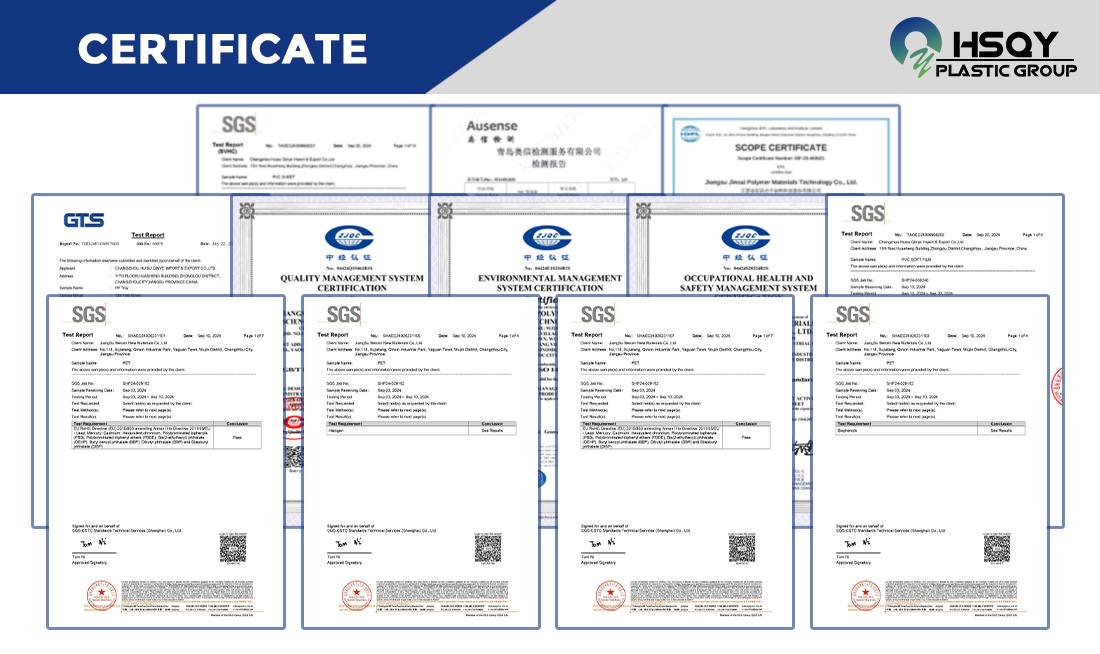
Certifications and Technical Documentation
The certificate image below is retained from the original page. Buyers should confirm the current certificate version, validity, manufacturing scope and whether the documentation applies to the exact film structure and intended application.
For food, medical, retort or other regulated applications, request application-specific documentation rather than relying only on a general SGS or ISO quality certificate.
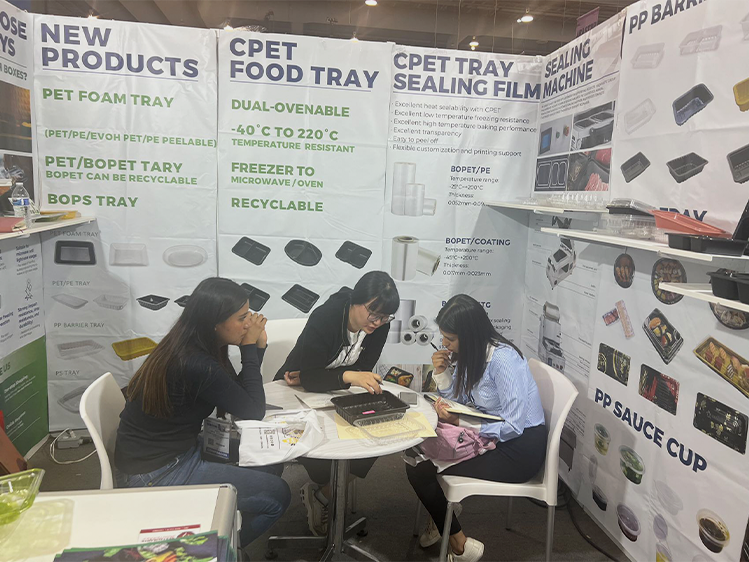
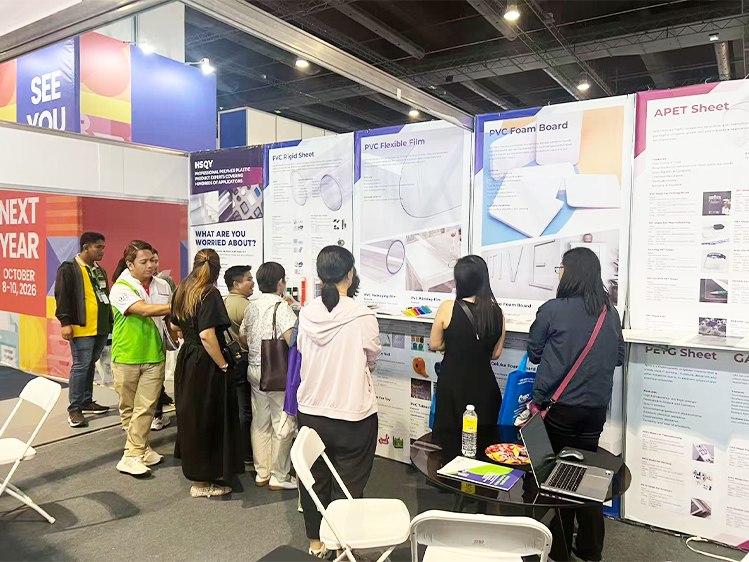
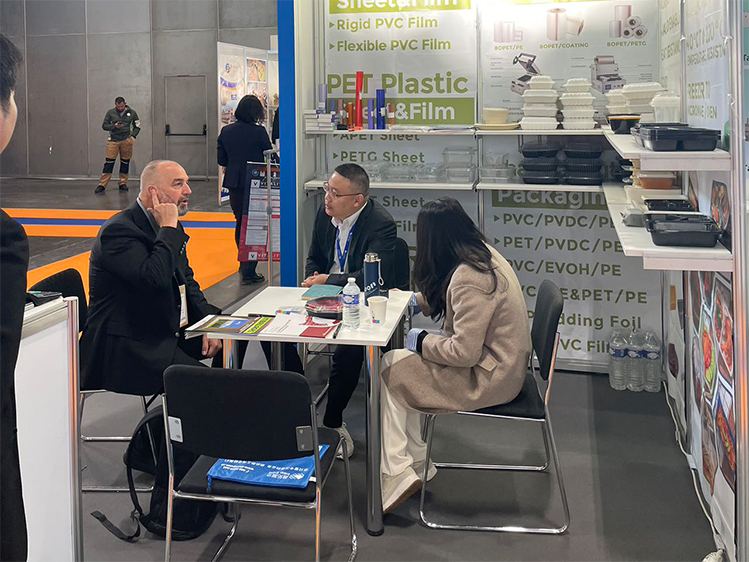
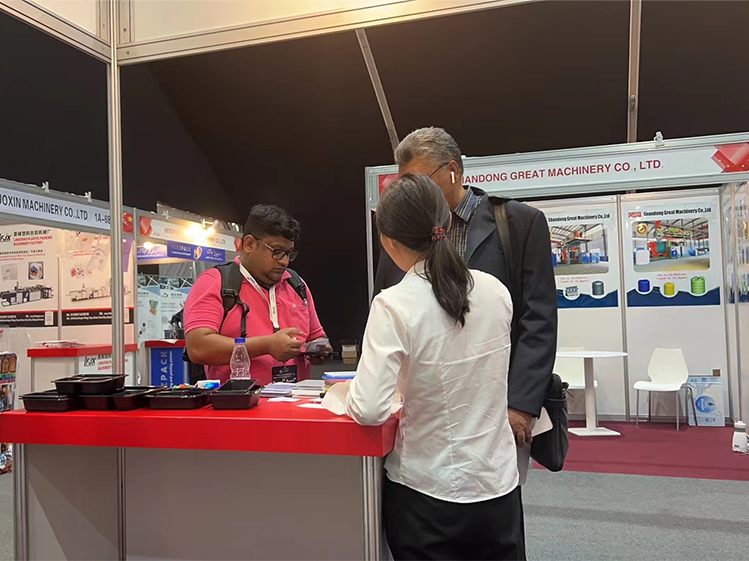
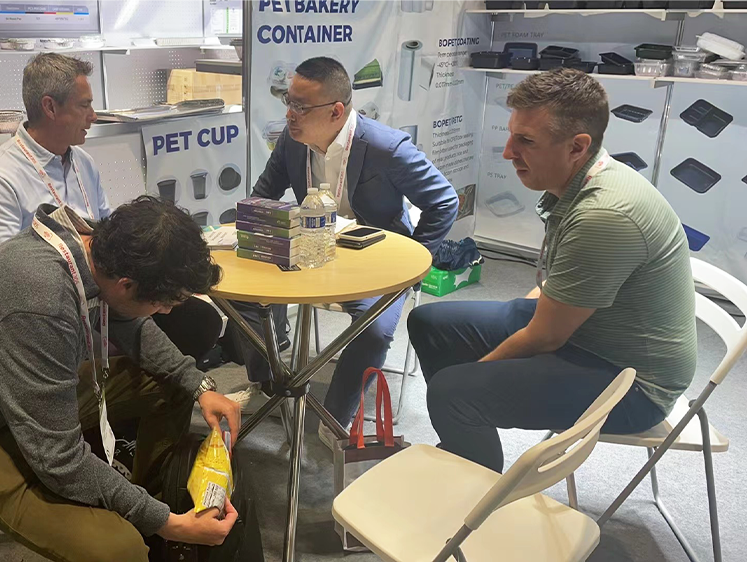
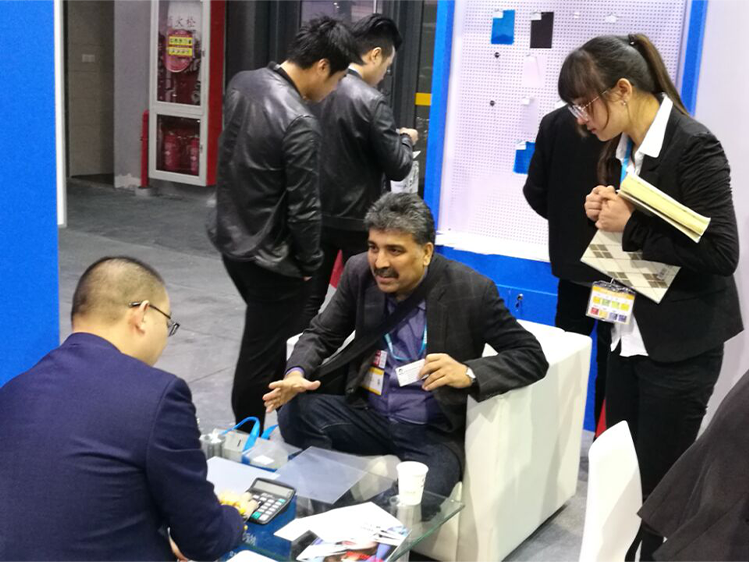
HSQY Plastic Group Global Exhibitions
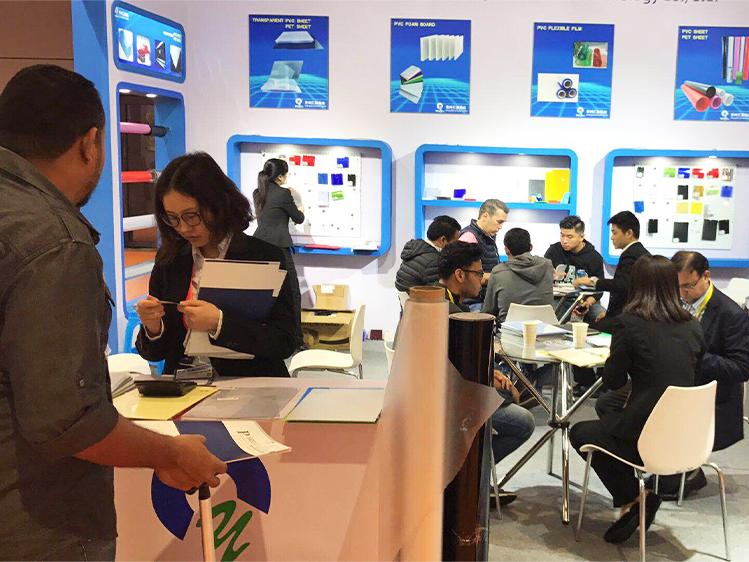
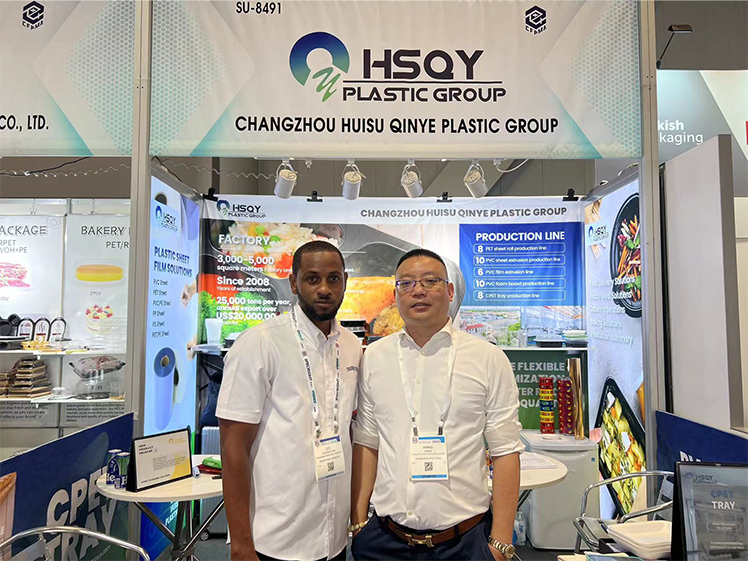
HSQY meets food processors, packaging converters, distributors and industrial buyers at international exhibitions to discuss high barrier films, thermoforming films, lidding films and complete flexible packaging projects.
![HSQY 2024 Mexico Exhibition]()
2024 Mexico Exhibition
![HSQY 2025 Philippines Exhibition]()
2025 Philippines Exhibition
![HSQY 2024 Paris Exhibition]()
2024 Paris Exhibition
![HSQY 2023 Saudi Exhibition]()
2023 Saudi Exhibition
![HSQY 2024 American Exhibition]()
2024 American Exhibition
![HSQY 2017 Shanghai Exhibition]()
2017 Shanghai Exhibition
![HSQY 2018 Shanghai Exhibition]()
2018 Shanghai Exhibition
![HSQY 2023 American Exhibition]()
2023 American Exhibition
High Barrier Film Production and Packing

High Barrier Film Production

Film Roll Packing

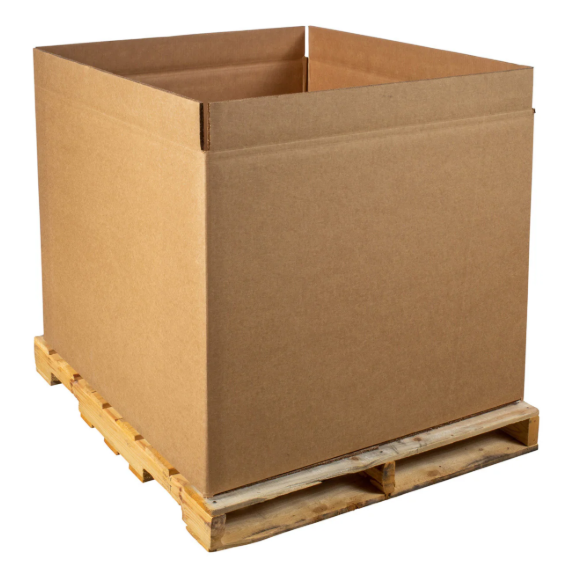
Export Roll Packaging
Frequently Asked Questions About 11-Layer High Barrier Film
What is an 11-layer coextrusion film?
An 11-layer coextrusion film combines eleven functional polymer and tie layers during one coextrusion process. The layers are selected to provide properties such as oxygen barrier, puncture resistance, sealing, moisture protection and processing performance.
What is the structure of this HSQY film?
The current listed structure is PA/TIE/PP/TIE/PA/EVOH/PA/TIE/PE/PE/PE. Customized structures may require separate production and technical confirmation.
Why is EVOH used in the film?
EVOH provides strong oxygen, gas and aroma barrier. It is normally positioned inside multilayer packaging and protected by other polymer layers because its barrier performance is influenced by humidity.
Does EVOH provide moisture barrier?
EVOH is primarily selected for oxygen and gas barrier. Water-vapor resistance in a multilayer structure is generally supported by surrounding polyolefin layers such as PE and PP.
Why is PA used in high barrier film?
PA, also known as nylon, adds mechanical strength, toughness and puncture resistance. These properties are particularly useful in vacuum and thermoforming packages.
What is the thickness range?
The current product specification lists approximately 0.03mm to 0.45mm, equivalent to 30-450μm. Final available thickness depends on the required structure and application.
What roll widths are available?
The current page lists widths from 200mm to 4000mm. Provide the machine model, required roll width, core diameter and maximum roll OD when requesting a quotation.
Is this film suitable for vacuum packaging?
Suitable structures can be used for vacuum packaging of meat, seafood, cheese and other products. Final film gauge and structure should be selected according to product shape, puncture risk, sealing conditions and barrier requirement.
Can the film be thermoformed?
Suitable grades can be used as thermoforming bottom webs. For deep draw, provide forming depth, cavity size, corner radius and machine conditions because the film becomes thinner during forming.
Is this a MAP film?
EVOH-containing high barrier structures can be used in selected MAP systems. The gas mixture, package geometry, OTR, seal integrity, storage temperature and shelf-life requirement must be validated for the complete package.
Can this film be color printed?
Printable and color-printed options can be discussed. Provide artwork, number of colors, printing method, print side and ink requirements so the surface treatment and printing specification can be confirmed.
Is this film suitable for retort packaging?
Retort capability should not be assumed for the standard structure. A dedicated film must be confirmed according to the retort temperature, pressure, hold time, food product and seal requirements.
Can it be used for medical packaging?
Selected structures may be evaluated for medical packaging, but the exact sterilization process, sealing substrate, regulatory requirements and validation method must be specified. General flexible-packaging film should not automatically be described as sterilizable medical packaging.
Can HSQY customize the barrier level?
Barrier structure can be discussed according to the required OTR, WVTR, total thickness, forming depth, product and storage conditions. Provide the target test values and test conditions when possible.
What information is required for a quotation?
Please provide packaged product, packaging process, film thickness, width, required barrier, forming dimensions if applicable, machine model, seal partner, storage conditions, printing requirements, regulatory requirements and annual quantity.
Why Choose HSQY High Barrier Coextrusion Film?
HSQY supplies multilayer PA/PE, PA/EVOH/PE and PA/PP/EVOH/PE flexible packaging films for vacuum packaging, thermoforming, food packaging and selected industrial applications.
Film thickness, width, multilayer structure, barrier level, roll specification and printable configuration can be discussed according to the buyer's packaging equipment and finished-product requirements.
For new projects, send HSQY your current film specification or physical film sample together with the packaging machine model, product and required barrier. This allows the film to be evaluated as part of the complete packaging process rather than only by polymer name.