11-Layer PA/PP/EVOH/PE High Barrier Thermoforming Film
HSQY 11-layer PA/PP/EVOH/PE high barrier film is a multilayer co-extruded packaging film developed for vacuum packaging, thermoforming, chilled food, frozen food and selected high-temperature food packaging applications.
The multilayer structure combines PA for mechanical strength and puncture resistance, EVOH for high oxygen barrier performance, PP and PE for sealing, flexibility and moisture resistance, and tie layers for stable adhesion between different polymers.
HSQY supplies high barrier co-extrusion film in thicknesses from 0.045mm to 0.35mm and widths from 160mm to 2600mm. Film thickness, roll width, layer structure, barrier level and sealing properties can be customized according to the packaged food, thermoforming machine, storage conditions and required processing temperature.
Request High Barrier Film Quote & Sample
PA/PP/EVOH/PE High Barrier Film Images

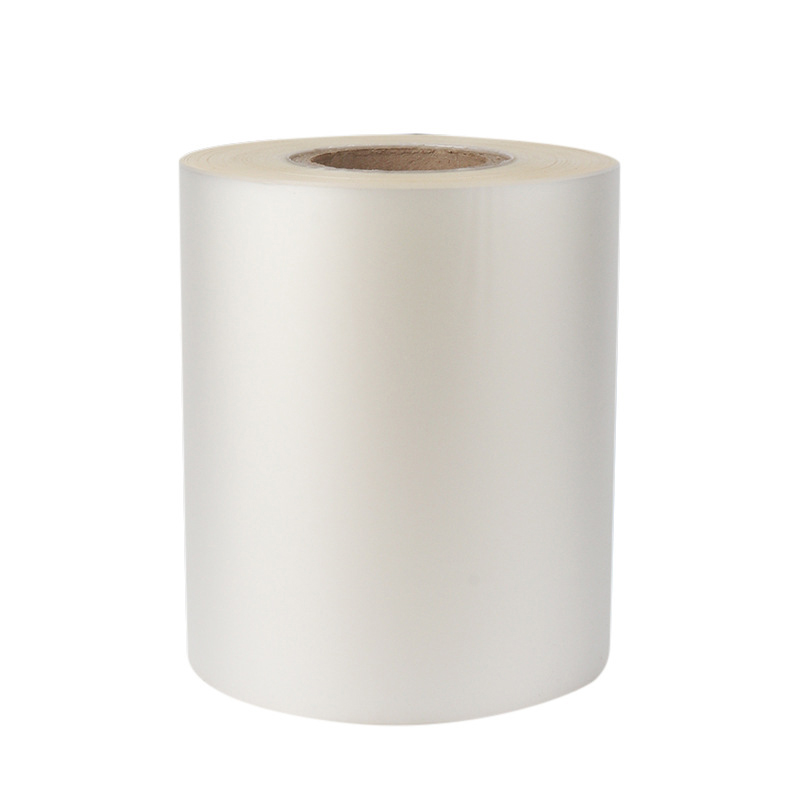
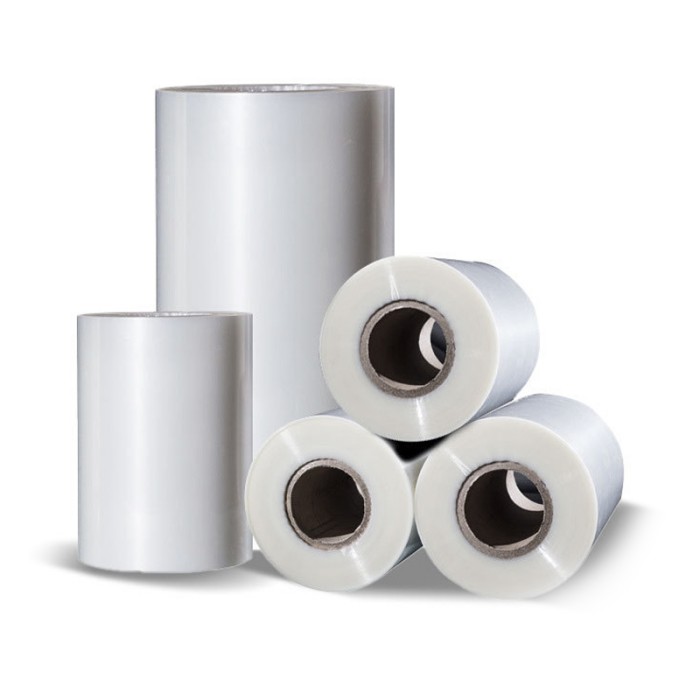
High Barrier Co-extrusion Film Roll

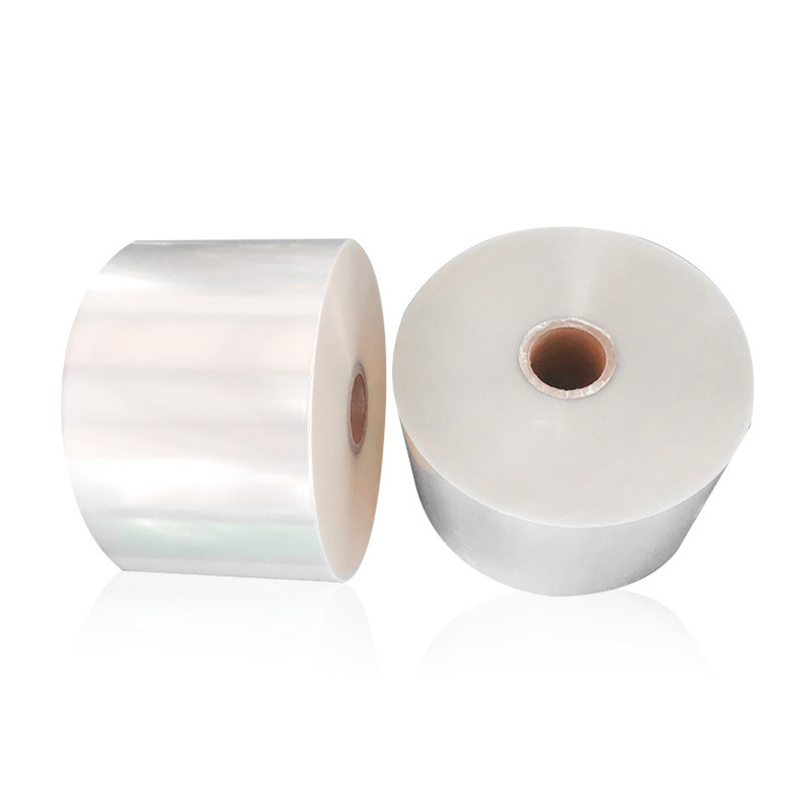
11-Layer High Barrier Film

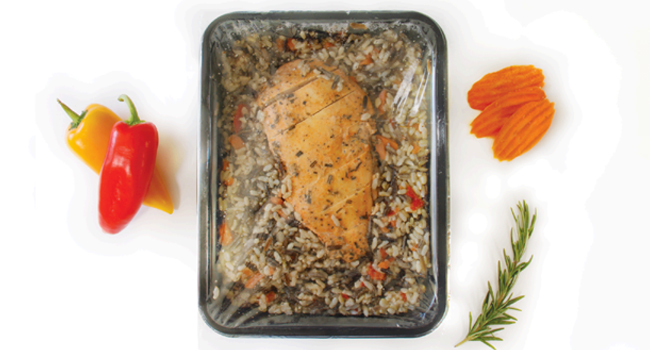
Multilayer EVOH Barrier Film
What Is 11-Layer High Barrier Co-extrusion Film?
An 11-layer high barrier film is a co-extruded flexible packaging material in which multiple functional polymer layers are combined during production. Each layer performs a specific role such as oxygen barrier, puncture resistance, moisture resistance, heat sealing, mechanical support or layer adhesion.
This multilayer approach allows packaging designers to achieve performance that would be difficult to obtain from a single polymer. The final structure can be optimized according to food type, shelf-life target, packaging process, thermoforming depth, sealing requirements and storage conditions.
High barrier co-extruded films are commonly used as thermoforming bottom webs, vacuum packaging films and flexible packaging structures for meat, seafood, cheese, sausages, ready meals and other oxygen-sensitive products.
PA/PP/EVOH/PE High Barrier Film Specifications
The following specifications are based on the current HSQY product information. Final structure and performance should be confirmed according to the selected film grade and packaging process.
| Property |
Specification |
| Product |
11-Layer PA/PP/EVOH/PE High Barrier Co-extrusion Film |
| Film Type |
High Barrier Thermoforming / Vacuum Packaging Film |
| Representative Materials |
PA / PP / EVOH / PE / Tie Layers |
| Current Listed Structure |
PA/EVOH/PA/TIE/PP/PP/PP; customized multilayer structures available |
| Thickness |
0.045mm–0.35mm, Customized |
| Width |
160mm–2600mm, Customized |
| Color |
Clear, Customized |
| Primary Barrier Layer |
EVOH for oxygen and gas barrier performance |
| Mechanical Layer |
PA for strength and puncture resistance |
| Sealant / Functional Layers |
PP and/or PE according to required sealing and temperature performance |
| Typical Processes |
Vacuum Packaging, Thermoforming, Chilled and Frozen Food Packaging |
| High-Temperature Option |
Available subject to film structure, required temperature, processing time and technical confirmation |
| Customization |
Thickness, Width, Structure, Roll Specification and Barrier Level |
How the PA/PP/EVOH/PE Multilayer Structure Works
PA Layer – Puncture Resistance and Mechanical Strength
Polyamide, or PA, provides mechanical toughness, puncture resistance and strength. These properties are especially important when packaging bone-in meat, seafood shells, cheese blocks and products with sharp or irregular edges.
EVOH Layer – High Oxygen Barrier
EVOH provides the principal oxygen and gas barrier function. Lower oxygen transmission can help reduce oxidation, aroma loss and quality deterioration when the complete package and storage conditions are correctly designed.
Because EVOH barrier performance can be influenced by moisture, it is normally protected within a multilayer structure rather than used as an exposed standalone film.
PP Layer – Heat Resistance and Sealing Options
PP-based layers can be incorporated when additional thermal resistance, stiffness or PP-compatible sealing performance is required. The appropriate PP formulation depends on the target sealing and thermal-processing conditions.
PE Layer – Flexibility, Sealing and Moisture Resistance
PE contributes flexibility, sealability and water-vapor resistance. PE-based sealing structures are widely used for vacuum and thermoforming packaging where reliable heat seals and package flexibility are required.
Tie Layers – Multilayer Adhesion
Tie layers bond incompatible polymers together during co-extrusion, helping create a stable integrated structure and reducing the risk of interlayer separation.
Key Features of 11-Layer High Barrier Film
High Oxygen Barrier: EVOH provides strong oxygen and gas barrier performance for foods requiring controlled exposure to oxygen.
Strong Puncture Resistance: PA helps the film resist puncture and mechanical damage during forming, vacuum packaging, transportation and handling.
Thermoforming Performance: Suitable structures can be formed into flexible cavities for thermoforming bottom-web packaging systems.
Reliable Heat Sealing: PP- or PE-based sealing layers can be selected according to sealing temperature, package structure and equipment configuration.
Vacuum Packaging Compatibility: Flexible high barrier construction can be used in vacuum packs where low oxygen transmission and package integrity are important.
Low-Temperature Options: Suitable structures can be evaluated for chilled and frozen food applications where film flexibility and resistance to cracking must be maintained at low temperatures.
High-Temperature Options: Structures intended for pasteurization, boiling or retort processes must be specifically designed for the required processing temperature, duration and pressure.
High Transparency: Clear film provides visibility of packaged products and supports attractive retail presentation.
Custom Barrier Structure: Layer composition, film thickness and EVOH content can be selected according to required barrier and processing performance.
Applications of PA/PP/EVOH/PE High Barrier Film
Fresh Meat Packaging: Used for beef, pork, poultry and processed meat where puncture resistance, vacuum performance and oxygen barrier are required.
Seafood Packaging: Suitable structures can be used for fresh or frozen fish and seafood where mechanical durability and barrier performance are important.
Cheese and Dairy Packaging: High oxygen barrier and sealing performance can help protect cheese and selected dairy products during refrigerated storage.
Sausage and Processed Food: Flexible multilayer films can be used for vacuum-packed sausages, ham and other processed food products.
Frozen Food Packaging: Low-temperature structures can be selected for products stored or transported under frozen conditions.
Ready Meals: Depending on the complete film structure, suitable high barrier grades can be evaluated for chilled, pasteurized or heat-processed ready-meal packaging.
Retort and Boilable Packaging: Special structures may be available for thermal processing, but the required temperature, time, pressure and food-contact requirements must be confirmed before final film selection.
Discuss Your Food Packaging Application
High Barrier Film for Thermoforming Packaging
In thermoforming packaging, the bottom film is heated and formed into a cavity before the food product is loaded and the package is sealed with a top web. Film performance must therefore balance formability, puncture resistance, barrier properties and seal integrity.
The correct film thickness depends on forming depth, package dimensions, product weight, product shape and the thermoforming machine. A film that is too thin may lose thickness in deep-drawn corners, while unnecessary thickness can increase material cost.
When requesting thermoforming film, provide forming depth, cavity dimensions, machine model and existing film specification where possible so HSQY can evaluate the most appropriate structure.
High Barrier Film for Vacuum Packaging
Vacuum packaging removes a large portion of the air surrounding the food before sealing. A high barrier film then helps limit oxygen entering the package during storage.
PA-containing structures provide useful toughness when the film must closely conform around meat, cheese, seafood or irregular products. Seal strength is also critical because even a very high barrier film cannot maintain package performance if the seal is incomplete or damaged.
Low Temperature vs. High Temperature Barrier Film
| Selection Factor |
Low-Temperature Film |
High-Temperature Film |
| Typical Application |
Chilled and frozen foods |
Pasteurization, boiling or retort where specifically designed |
| Main Requirement |
Flexibility and crack resistance at low temperatures |
Thermal stability and seal integrity during heat processing |
| Structure |
Selected according to frozen storage requirement |
Selected according to exact temperature, duration and pressure |
| Barrier Performance |
Determined by structure and test conditions |
Must be evaluated before and after thermal processing where required |
| Important Buyer Information |
Minimum storage temperature and storage duration |
Maximum temperature, process duration and sterilization/pasteurization conditions |
How to Choose the Right High Barrier Film
1. Define the Food Product
Start with the packed product: fresh meat, seafood, cheese, sausage, frozen food or ready meal. Different products require different oxygen, moisture and mechanical protection.
2. Confirm the Packaging Process
Confirm whether the film will be used for vacuum packaging, thermoforming, MAP, chilled storage, frozen storage, pasteurization, boiling or retort processing.
3. Define OTR and WVTR Requirements
If your packaging specification defines an Oxygen Transmission Rate (OTR) or Water Vapor Transmission Rate (WVTR), provide the target value and corresponding test conditions. Barrier values are meaningful only when temperature, humidity and test method are specified.
4. Confirm Thermoforming Depth
For bottom-web thermoforming applications, provide cavity length, width, depth and corner radius. Deep forming places greater demands on film thickness distribution and puncture resistance.
5. Confirm Sealing Requirements
Provide the top-film or sealing material, sealing temperature, dwell time and pressure when available. The sealant layer must be compatible with the packaging system.
6. Define the Temperature Range
Do not specify only “low temperature” or “high temperature.” Provide the minimum storage temperature and maximum processing temperature together with exposure time and process type.
7. Confirm Machine Compatibility
Provide your thermoforming or vacuum packaging machine brand, model, roll width, core diameter and maximum roll diameter. This reduces the risk of purchasing a film that meets material requirements but does not run correctly on the production line.
Technical Data Buyers Should Confirm
For professional food packaging projects, film selection should be based on measurable performance data for the actual grade rather than the polymer structure alone.
OTR – Oxygen Transmission Rate
WVTR – Water Vapor Transmission Rate
Film thickness and tolerance
Tensile strength
Elongation
Puncture resistance
Seal strength
Seal initiation temperature
Thermoforming depth
Haze or transparency where required
Low-temperature performance
Maximum thermal processing conditions
Food-contact compliance for the destination market
Information Needed for a High Barrier Film Quote
To receive a faster and more accurate recommendation, please provide the following information when requesting a quotation:
Packed food product
Vacuum, thermoforming, MAP, frozen or thermal-processing application
Required film thickness
Required film width
Roll length or roll weight
Core diameter
Existing material structure if available
Required OTR and WVTR
Thermoforming depth where applicable
Sealing material and sealing conditions
Minimum storage temperature
Maximum processing temperature and duration
Packaging machine brand and model
Required quantity or annual usage
Required food-contact certification
Destination country and port
Get 11-Layer Barrier Film Price
Certifications
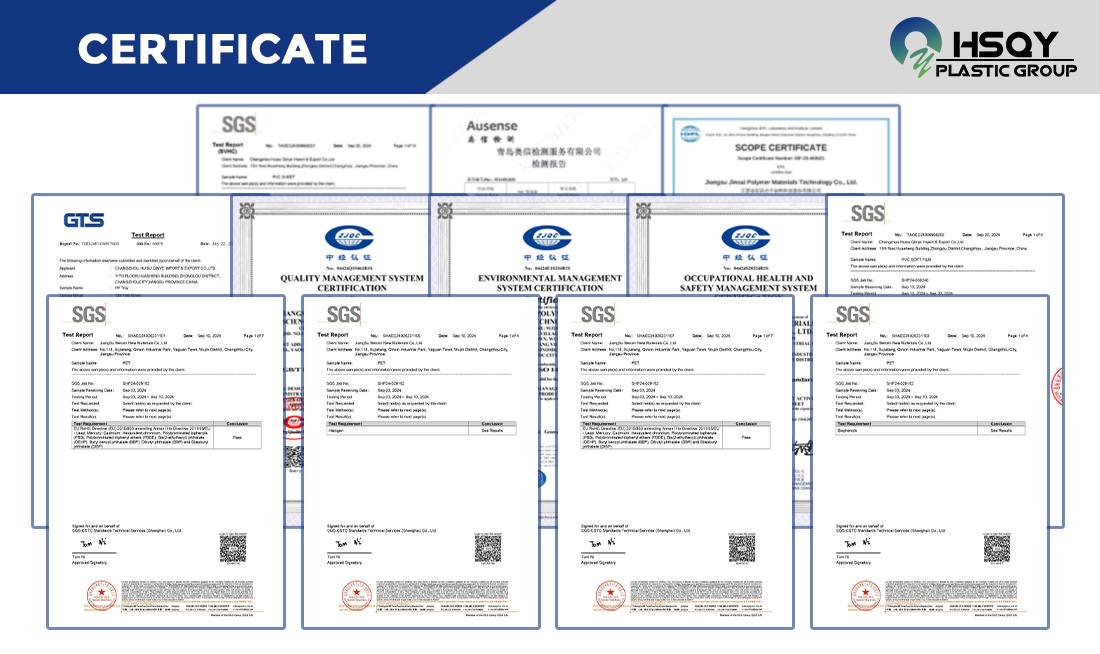
HSQY provides available quality and product documentation according to the selected packaging film grade. For food packaging projects, please provide the exact destination market and required food-contact, barrier, migration or processing standard so the applicable documentation can be confirmed before ordering.
Global Exhibitions
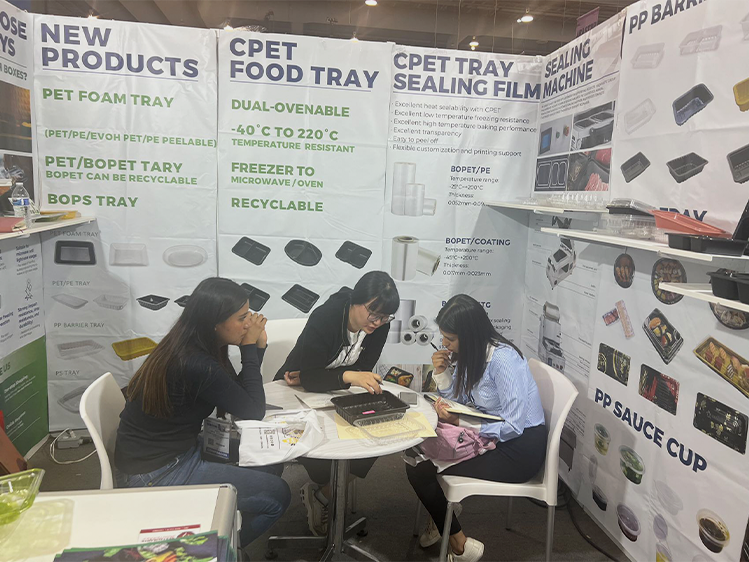
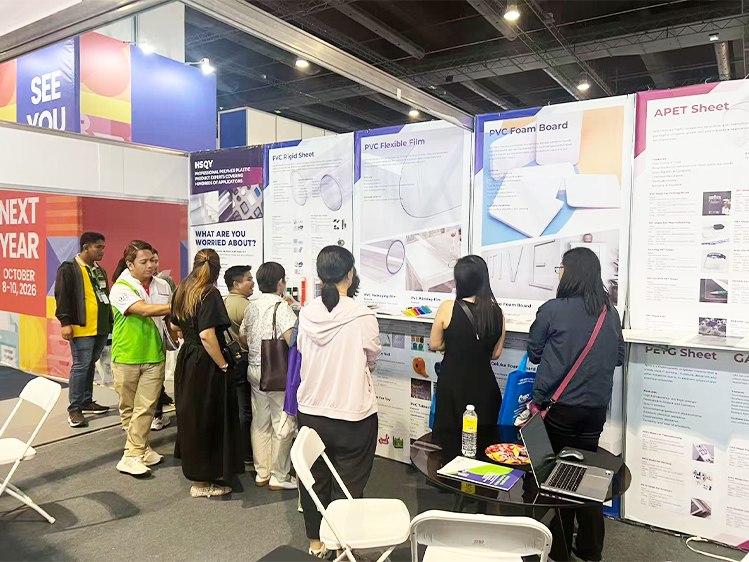
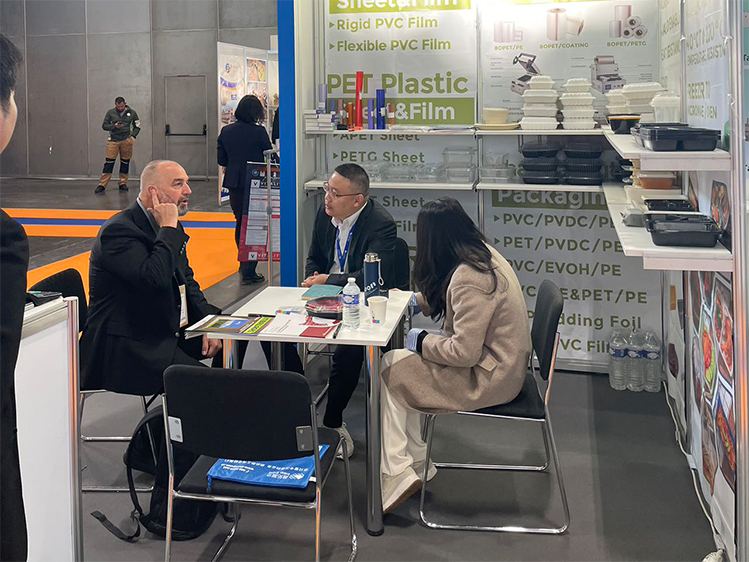
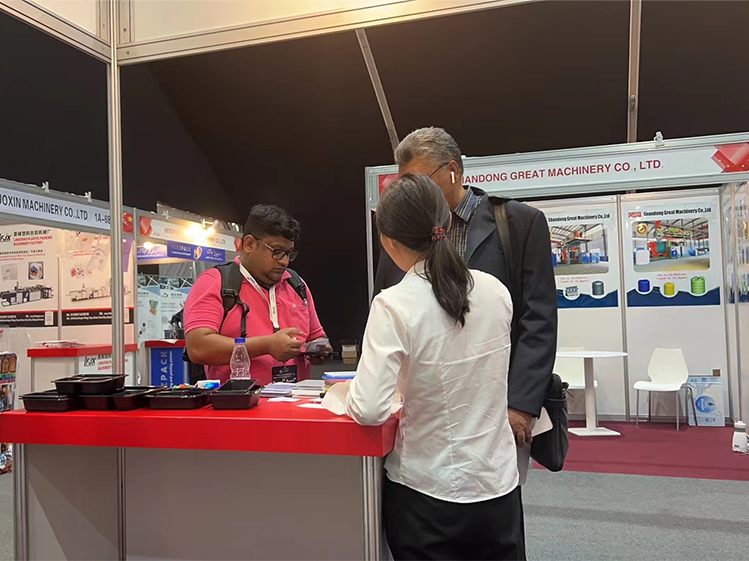
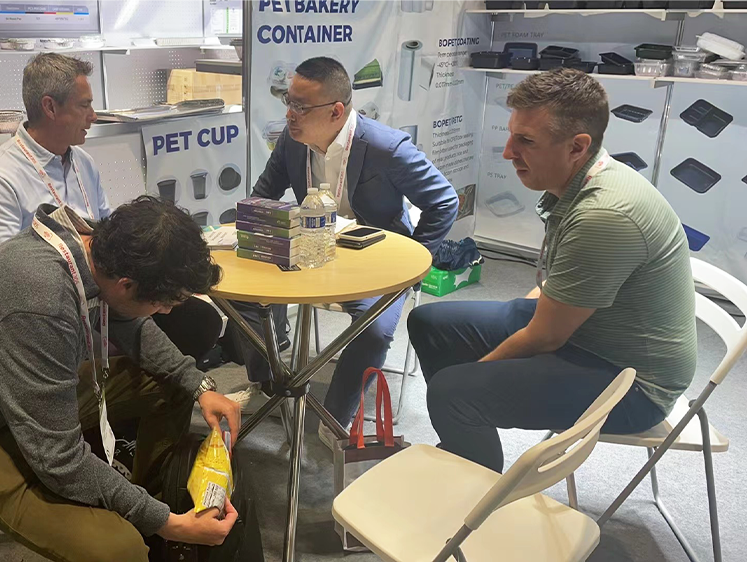
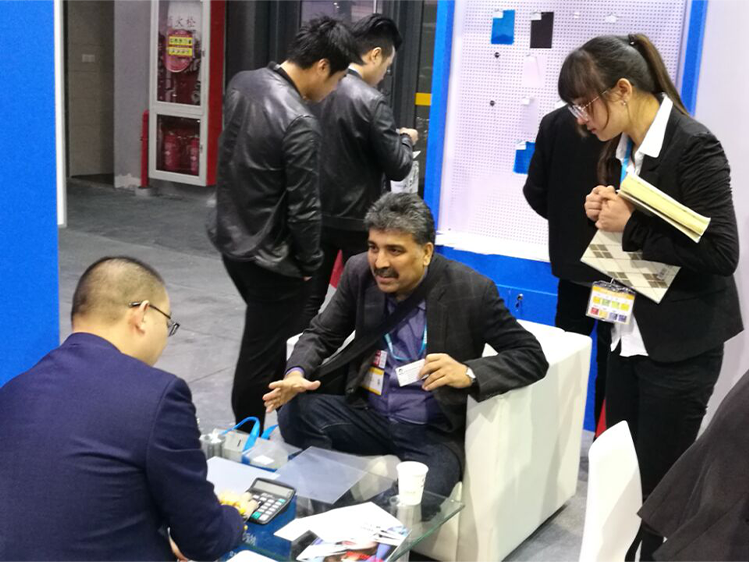
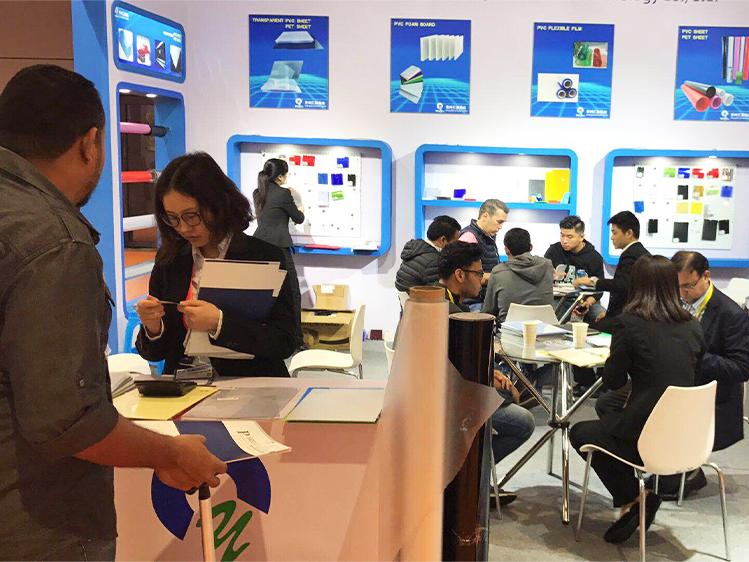
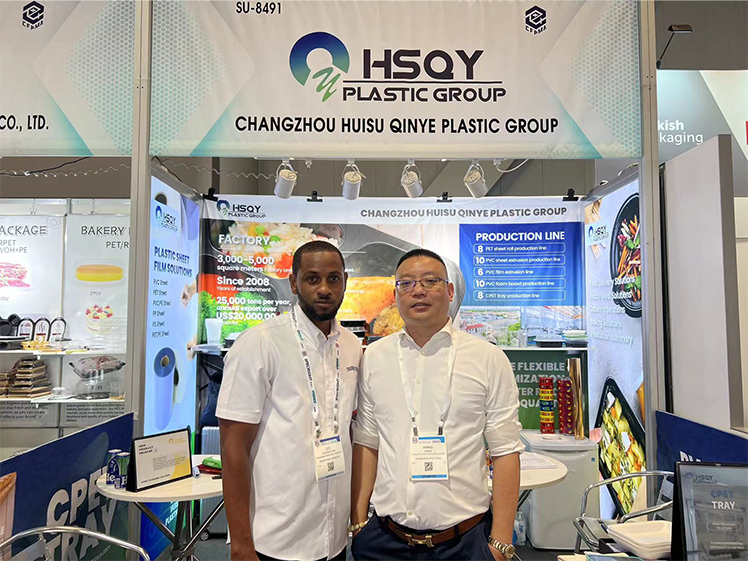
HSQY Plastic Group meets international packaging manufacturers, food processors, distributors and industry partners at plastics and packaging exhibitions around the world.

2024 Mexico Exhibition

2025 Philippines Exhibition

2024 Paris Exhibition

2023 Saudi Exhibition

2024 American Exhibition

2017 Shanghai Exhibition

2018 Shanghai Exhibition

2023 American Exhibition
Production and Packing
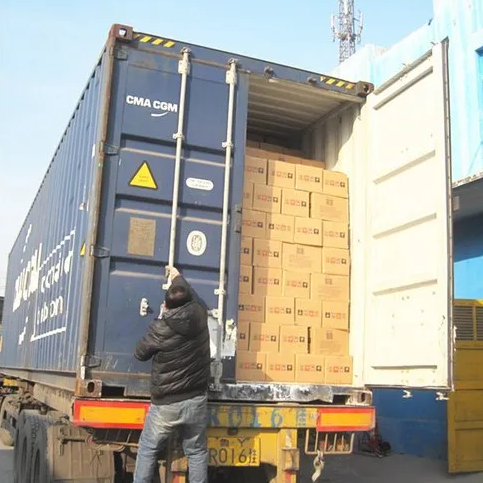
HSQY supplies high barrier film in roll format with customized width, thickness, core size and export packaging according to customer requirements.

High Barrier Film Production

Film Roll Packing

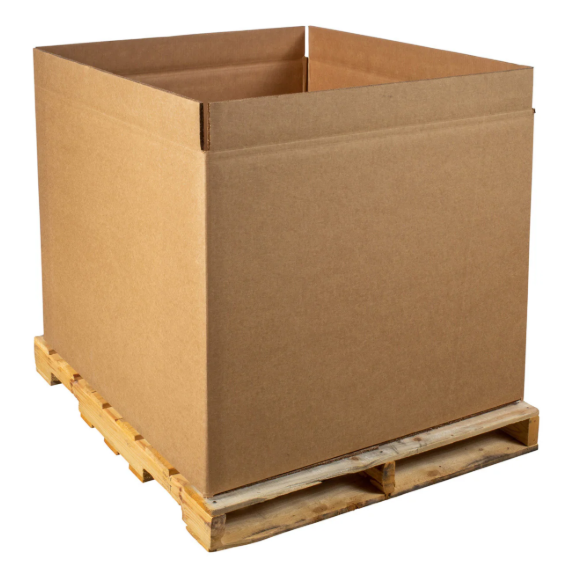
Export Roll Packaging
FAQ About 11-Layer High Barrier Film
What is an 11-layer co-extrusion film?
An 11-layer co-extrusion film combines multiple polymer layers in a single manufacturing process. The layers can be designed to provide oxygen barrier, puncture resistance, sealing, flexibility, moisture resistance and other packaging functions.
Why is EVOH used in high barrier food packaging film?
EVOH provides very strong oxygen barrier performance and is commonly incorporated inside multilayer structures when products need protection against oxygen transmission, oxidation and aroma loss.
Is this film suitable for thermoforming?
Yes, suitable structures can be supplied for thermoforming packaging. Provide your forming depth, cavity dimensions, film thickness, packaging machine and packed product so the correct grade can be evaluated.
Can this film be used for vacuum packaging?
Yes. PA/EVOH-based multilayer films are suitable for many vacuum food packaging applications where puncture resistance, oxygen barrier and heat-seal performance are required.
Can the film be used for frozen food?
Low-temperature-resistant structures can be selected for frozen food packaging. Provide the minimum storage temperature and required storage period so the suitable film can be evaluated.
Is the film suitable for retort packaging?
Retort suitability depends on the exact multilayer structure. A film should only be described as retortable after the maximum processing temperature, duration, pressure, food product and required test standard have been confirmed for that grade.
What is the difference between high barrier film and standard PA/PE film?
A high barrier structure typically incorporates an additional barrier resin such as EVOH to reduce oxygen transmission. Standard PA/PE structures may provide good mechanical and moisture properties but normally have different oxygen barrier performance.
What thicknesses are available?
The current HSQY product specification lists a thickness range from 0.045mm to 0.35mm. Customized thickness can be discussed according to thermoforming depth, mechanical requirements and packaging format.
What film widths can HSQY supply?
HSQY currently lists widths from 160mm to 2600mm. Provide your packaging machine working width and roll requirements when requesting a quotation.
Can the layer structure be customized?
Yes. Layer structure can be discussed according to oxygen barrier, sealing, puncture resistance, forming depth, moisture resistance and temperature requirements.
What OTR and WVTR does the film provide?
OTR and WVTR depend on film thickness, EVOH content, complete multilayer structure and test conditions. Buyers requiring specific values should provide the target OTR or WVTR together with the applicable temperature, humidity and test method.
Can HSQY provide samples for machine testing?
Sample testing can be discussed for evaluating forming, sealing, transparency, puncture resistance and machine compatibility before bulk ordering. Provide your required structure, thickness, width and application when requesting samples.
What information is needed for a quotation?
Please provide the food product, packaging method, thickness, width, required barrier, forming depth, sealing conditions, minimum and maximum temperatures, packaging machine, annual quantity and destination country.
About HSQY Plastic Group
HSQY Plastic Group supplies high barrier flexible packaging films, sealing films, thermoforming films, food trays and other plastic packaging materials to international B2B customers.
HSQY supports food processors, packaging converters, tray manufacturers and distributors with material selection, customized structures, sample evaluation, roll specifications and export supply.
Send your existing film specification, packaging machine information and target barrier or temperature requirements to discuss a suitable PA/PP/EVOH/PE multilayer structure.
Get Quote & Request a Sample