PET/CPP Lamination Film Manufacturer
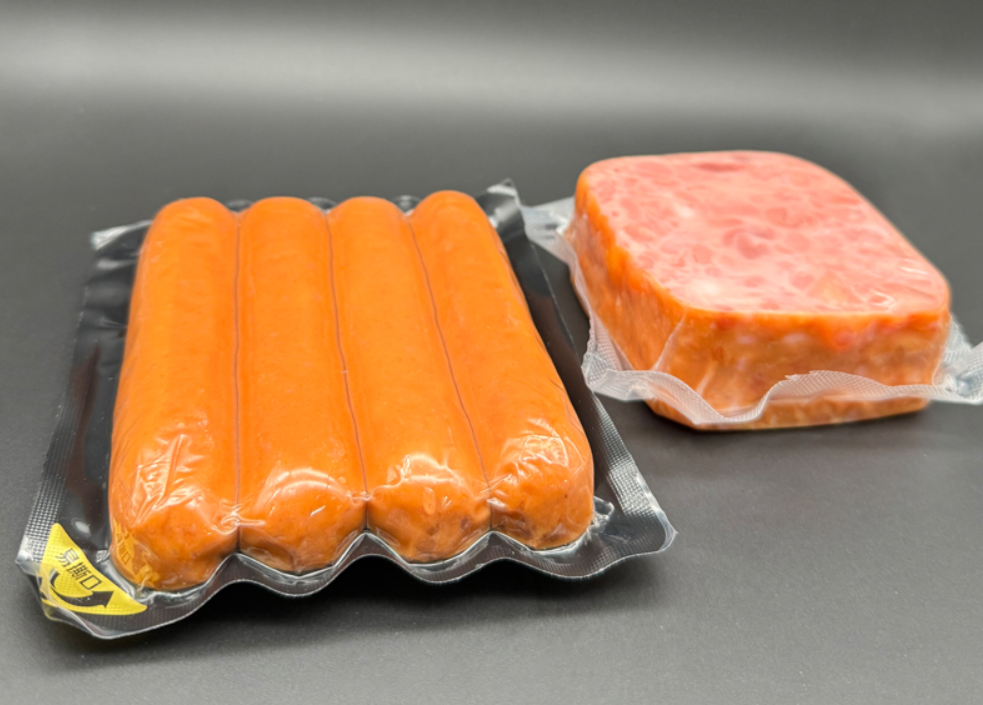
HSQY manufactures PET/CPP lamination films for snack packaging, confectionery, bakery products, frozen foods, instant noodles, dry foods, sachets, dry pet food and customized flexible packaging applications.
PET/CPP is a two-layer or multilayer flexible packaging structure that combines an outer polyethylene terephthalate film with an inner cast polypropylene heat-sealing film.
The PET layer provides tensile strength, dimensional stability, surface gloss, printability and resistance to ordinary handling and abrasion.
The CPP layer provides heat-sealing performance, hot tack, flexibility, grease resistance, moisture protection and compatibility with pouch-making and automatic packaging equipment.
Standard PET/CPP film is normally transparent and glossy, allowing consumers to view the packaged product. Colored, matte, printed, anti-fog, deep-freeze and specialized heat-resistant structures are available according to project requirements.
PET/CPP provides useful moisture, aroma and gas protection for many dry-food applications, but it should not automatically be described as an ultra-high-barrier structure.
Products requiring very low oxygen or water-vapor transmission may require an additional PVDC, EVOH, AlOx, SiOx, metallized or aluminum-foil barrier layer.
Available total thicknesses are approximately 0.045–0.35mm, with widths of approximately 160–2600mm. Final availability depends on PET and CPP layer thicknesses, printing width, lamination process, slitting capability, roll diameter and packaging equipment.
Standard PET/CPP, deep-freeze PET/CPP, anti-fog PET/CPP and retort-grade PET/RCPP should be treated as separate products with different formulations and validation requirements.
Explore additional HSQY flexible packaging films for food, pharmaceutical and industrial packaging applications.
Request PET/CPP Film Pricing Request Film Samples
PET/CPP Lamination Film Images
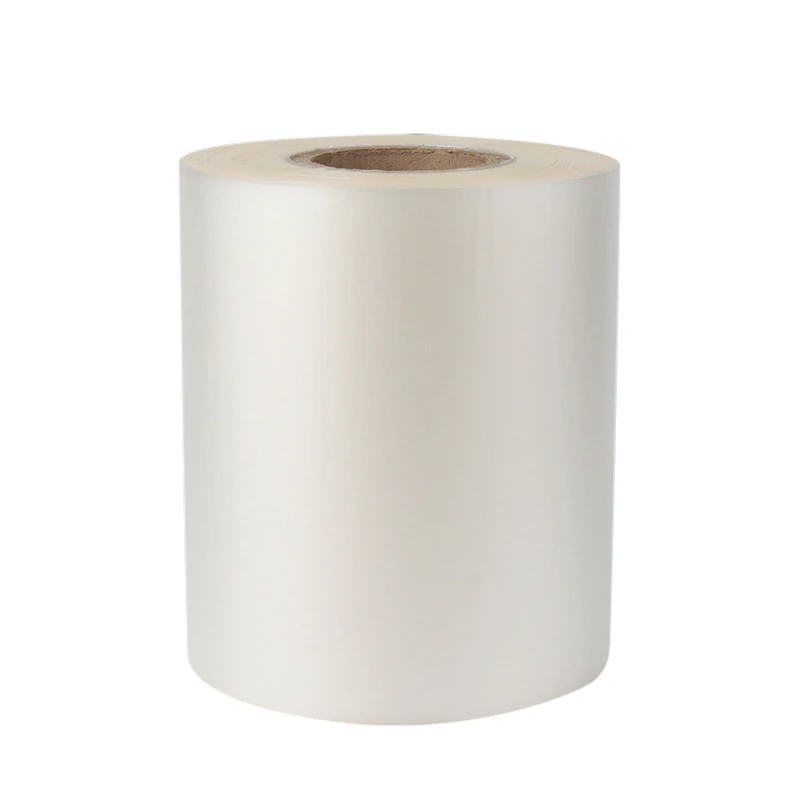
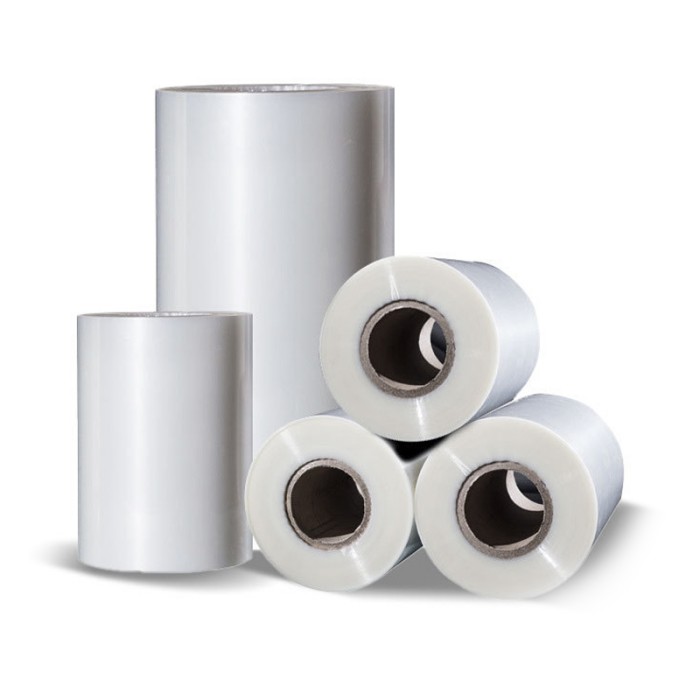
PET/CPP Lamination Film

PET/CPP Flexible Packaging Application
What Is PET/CPP Lamination Film?
PET/CPP lamination film is produced by bonding a PET outer film to a CPP inner film using a suitable laminating adhesive or another approved lamination process.
PET is normally used as the printed or structural layer because it provides high tensile strength, good dimensional stability, transparency and a smooth printing surface.
CPP is normally used as the inner sealant layer because it provides heat-sealability, hot-tack performance, flexibility and resistance to oil and grease.
The two layers can be adjusted according to the required stiffness, transparency, seal temperature, package weight, storage temperature and packaging-machine speed.
Structure of PET/CPP Lamination Film
PET Outer Layer
The PET outer layer provides mechanical strength, stiffness, heat resistance, dimensional stability, clarity and a suitable surface for gravure or flexographic printing.
Reverse printing can position the ink between PET and CPP, reducing direct abrasion of the printed graphics and improving shelf appearance.
CPP Inner Sealant Layer
The CPP layer provides the heat-sealing surface and contributes flexibility, hot tack, moisture resistance, puncture resistance and grease resistance.
The CPP formulation can be adjusted for standard packaging, low-temperature sealing, anti-fog performance, deep-freeze storage or retort processing.
Laminating Adhesive
The adhesive bonds the PET and CPP films and affects lamination strength, odor, chemical resistance, temperature performance and shelf-life stability.
Adhesive selection and curing time must be matched to the product, printing ink, filling process, storage conditions and any thermal processing requirement.
PET/CPP Lamination Film Specifications
| Property |
Available Specification |
| Product Name |
PET/CPP Lamination Film |
| Alternative Names |
BOPET/CPP Film, PET CPP Composite Film and PET CPP Flexible Packaging Film |
| Brand |
HSQY |
| Basic Structure |
PET / adhesive / CPP |
| Outer Layer |
Printable BOPET film |
| Inner Layer |
Heat-sealable cast polypropylene film |
| Appearance |
Clear, transparent, colored, printed or customized |
| Surface Finish |
Glossy, matte or customized printed appearance |
| Available Width Range |
Approximately 160–2600mm, subject to film structure and converting capability |
| Available Total Thickness |
Approximately 0.045–0.35mm |
| PET Thickness |
Customized according to printing, stiffness, strength and heat-resistance requirements |
| CPP Thickness |
Customized according to sealing, puncture, hot-tack and storage requirements |
| Printing |
Unprinted, surface printed or reverse printed |
| Printing Colors |
Customized according to artwork, process and minimum order quantity |
| Supply Format |
Master rolls, slit rolls, printed roll stock or converted packaging |
| Core Diameter |
Customized according to packaging-machine requirements |
| Winding Direction |
Customized according to print orientation and machine-feed direction |
| Seal Types |
Standard seal, low-temperature seal, high-strength seal or project-specific seal |
| Barrier Performance |
Standard moisture and moderate gas/aroma protection; OTR and WVTR confirmed by structure |
| Functional Grades |
Standard, anti-fog, deep-freeze, low-temperature-seal and retort-grade structures |
| Main Applications |
Snacks, confectionery, bakery, dry food, frozen food, noodles, sachets and pet food |
| Food-Contact Use |
Subject to final structure, food type, temperature, duration and destination-market requirements |
| Medical Use |
Only for separately validated medical or pharmaceutical packaging structures |
| MOQ |
Approximately 500kg; custom printing and specialty grades may vary |
| Sample Availability |
Existing samples or trial rolls may be available |
| Payment Terms |
T/T, L/C, Western Union, PayPal or agreed terms |
| Delivery Terms |
EXW, FOB, CNF, CIF, DDU or agreed Incoterms |
| Lead Time |
Approximately 10–14 days after structure, artwork, sample and payment confirmation |
Standard and Functional PET/CPP Film Grades
| Film Grade |
Main Function |
Typical Applications |
| Standard PET/CPP |
Transparency, printability, moisture protection and heat sealing |
Snacks, confectionery, bakery products, noodles and dry foods |
| Low-Temperature-Seal PET/CPP |
Lower seal-initiation temperature and improved high-speed sealing |
High-speed form-fill-seal lines and heat-sensitive products |
| Anti-Fog PET/CPP |
Reduces visible condensation droplets |
Fresh vegetables, salads, chilled foods and produce packaging |
| Deep-Freeze PET/CPP |
Improves cold-impact performance and seal retention |
Frozen foods, frozen bakery products and cold-chain packaging |
| Retort-Grade PET/RCPP |
Supports validated high-temperature sterilization |
Ready meals, sauces, wet pet food and heat-processed products |
| High-Barrier PET/CPP Structure |
Adds an oxygen or aroma barrier coating or intermediate layer |
Coffee, sensitive food, spices and extended-shelf-life products |
Barrier Performance of PET/CPP Film
Standard PET/CPP provides good moisture protection and useful resistance to oxygen, aromas, grease and external contamination for many dry-food applications.
It should not automatically be classified as an ultra-high-barrier film because the final performance depends on PET thickness, CPP thickness, adhesive, coatings, printing, pouch seals and storage conditions.
Products requiring very low oxygen transmission may require an additional EVOH, PVDC, AlOx, SiOx, metallized or aluminum-foil layer.
| Barrier Requirement |
Recommended Structure Consideration |
| Standard dry-food moisture protection |
Standard PET/CPP may be suitable after shelf-life testing |
| Improved oxygen and aroma barrier |
Consider coated PET, EVOH, PVDC, AlOx or SiOx barrier layers |
| Metallic appearance and improved barrier |
Consider PET/VMPET/CPP or another metallized structure |
| Maximum light and gas protection |
Consider an aluminum-foil laminate such as PET/AL/CPP |
| Transparent high-barrier packaging |
Consider transparent coated or EVOH-based multilayer film |
OTR and WVTR specifications should identify the test method, temperature, relative humidity and exact film structure.
PET/CPP Heat-Sealing Performance
CPP is selected as the inner layer because it can provide strong heat sealing, hot tack and good packaging-line machinability.
Seal performance depends on the CPP grade, seal temperature, pressure, dwell time, jaw design, line speed and contamination in the seal area.
Determine the heat-seal initiation temperature.
Define the validated operating seal window.
Measure seal strength after cooling and conditioning.
Measure hot-tack strength for high-speed lines.
Test seals through oil, powder, crumbs or moisture where applicable.
Inspect wrinkles, channel leaks, burned seals and distorted bags.
Perform burst, vacuum, drop or another agreed package-integrity test.
Is PET/CPP Suitable for Retort Packaging?
Standard PET/CPP film should not automatically be used for retort sterilization, pressure cooking or high-temperature boiling.
Retort packaging requires retort-grade CPP or RCPP, a suitable PET film, retort-grade adhesive, compatible ink and validated pouch-making conditions.
Products requiring greater puncture resistance or stronger barrier may use structures such as PET/NY/RCPP, PET/AL/RCPP or PET/NY/AL/RCPP.
The package must be tested using the actual food, acidity, oil content, sterilization temperature, sterilization time, pressure, cooling process and shelf-life target.
PET/CPP Film for Frozen Food Packaging
Frozen-food packaging should use a CPP grade designed to maintain flexibility, impact resistance and seal strength at the required storage temperature.
Standard room-temperature packaging film may become brittle or lose seal performance during freezing, impact or repeated cold-chain handling.
Minimum storage and transport temperature.
Cold-impact and puncture resistance.
Seal strength after freezing.
Drop and vibration resistance.
Flexibility after temperature cycling.
Resistance to sharp frozen-food edges.
Condensation and anti-fog requirements.
Applications of PET/CPP Lamination Film
Snack packaging: Chips, crackers, nuts, dried fruit and extruded snacks.
Confectionery packaging: Candy, chocolate, cookies and sweet products.
Bakery packaging: Bread, cakes, pastries and bakery ingredients.
Instant-food packaging: Noodles, pasta, soup mixes and seasoning sachets.
Dry-food packaging: Rice, grains, cereal, powder and dried ingredients.
Frozen-food packaging: Frozen vegetables, dumplings, bakery products and prepared foods using a deep-freeze grade.
Fresh-produce packaging: Anti-fog and perforated structures developed for the specific product.
Dry pet-food packaging: Pet treats, supplements and dry pet-food products.
Pharmaceutical secondary packaging: Non-sterile sachets and outer packaging subject to application-specific compliance.
Industrial packaging: Components and products requiring a clean, printable and heat-sealable laminate.
Medical and Pharmaceutical Packaging Limitations
Standard food-packaging PET/CPP should not automatically be promoted for sterile surgical-instrument packaging, IV bags or pharmaceutical blister packs.
These applications may require dedicated medical polymers, sterilization compatibility, microbial-barrier performance, extractables testing, seal validation and package-aging studies.
PET/CPP may be considered for selected non-sterile medical products, pharmaceutical secondary packaging or specialty sachets only after the complete structure and regulatory requirements are confirmed.
Flexible Packaging Formats
Vertical form-fill-seal roll stock.
Horizontal form-fill-seal roll stock.
Three-side-seal pouches.
Four-side-seal pouches.
Center-seal and fin-seal bags.
Pillow bags.
Flat pouches.
Gusseted bags.
Stand-up pouches.
Stick packs and single-dose sachets.
Custom converted packaging formats.
Custom Printing and Artwork Requirements
PET provides a smooth surface for high-quality gravure, flexographic or other compatible printing processes.
Reverse printing places the ink between the PET and CPP layers, helping protect the graphics from surface abrasion and direct product contact.
| Printing Requirement |
Information to Confirm |
| Artwork File |
Editable AI, PDF or another agreed vector format |
| Color Standard |
Pantone reference, approved proof or physical color sample |
| Repeat Length |
Matched to bag length and packaging-machine registration |
| Eye Mark |
Color, dimensions, position and sensor compatibility |
| Winding Direction |
Inside or outside winding and machine-feed orientation |
| Seal Areas |
Identify required unprinted or controlled-ink sealing zones |
| Code and Barcode Areas |
Provide suitable contrast and coding-surface requirements |
Food-Contact Compliance Requirements
Food-contact suitability depends on the final approved PET/CPP structure rather than only the names PET and CPP.
The compliance assessment should include the PET film, CPP film, laminating adhesive, printing ink, primer, pigment, coating, additives and manufacturing conditions.
Buyers should specify the food type, direct or indirect contact, contact duration, filling temperature, storage temperature, heating process and destination market.
Applicable documents may include a food-contact declaration, formulation statement, migration test report, residual-solvent report and supporting regulatory information.
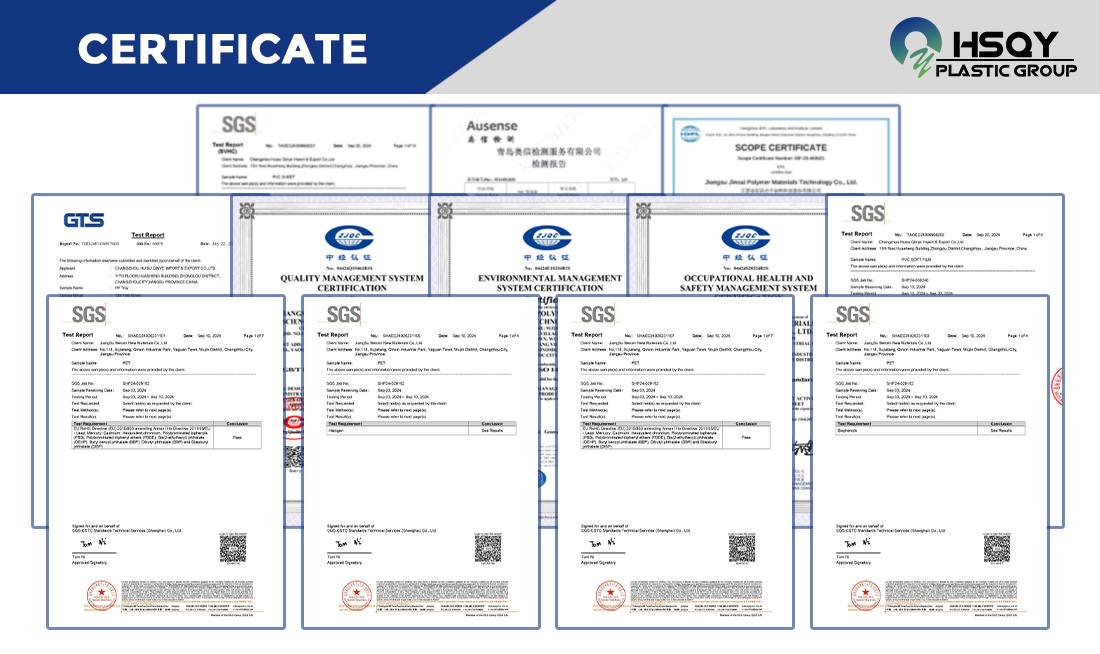
SGS should be described according to the exact test performed. FDA should not be presented as a general product certification, and ISO 9001 does not independently prove food-contact safety.
Recyclability and Alternative Structures
PET/CPP combines polyester, polypropylene, adhesive and potentially printing ink or coatings.
The different polymer families are difficult to separate in many conventional mechanical recycling systems, so PET/CPP should not automatically be described as recyclable in every market.
Actual recyclability depends on layer proportions, inks, adhesives, coatings, package accessories and local collection and recycling infrastructure.
Mono-PP or mono-PE packaging structures can be evaluated when improved compatibility with a polyolefin recycling stream is a project priority.
Recommended PET/CPP Quality-Control Tests
Material structure and layer verification.
Total thickness and individual layer thickness.
Roll width, length, diameter, weight and core size.
Winding direction, roll tension, telescoping and edge alignment.
Transparency, haze and gloss.
Tensile strength and elongation.
Puncture and tear resistance.
Coefficient of friction and packaging-line machinability.
Lamination bond strength.
Adhesive curing and residual-solvent testing.
Printing color, registration and repeat length.
Ink adhesion, rub resistance and blocking.
OTR and WVTR under specified conditions.
Heat-seal initiation temperature.
Seal strength and hot-tack testing.
Seal-through-contamination performance.
Anti-fog testing for anti-fog grades.
Cold-impact and seal-retention testing for frozen-food grades.
Retort testing for PET/RCPP structures.
Migration testing where applicable.
Finished-package burst, drop and leak testing.
Packing, pallet and container-loading inspection.
Information Required for a PET/CPP Film Quote
Packaged product and net weight.
Required shelf life.
Storage and transport temperature.
Filling temperature and sealing temperature.
Any freezing, hot filling, boiling or retort process.
Required OTR and WVTR.
PET thickness and CPP thickness.
Required total thickness and tolerance.
Film width and width tolerance.
Bag type and finished package dimensions.
Packaging-machine manufacturer and model.
Machine speed and sealing-jaw design.
Core diameter and maximum roll diameter.
Maximum roll weight.
Artwork, printing colors and surface finish.
Repeat length, eye mark and winding direction.
Anti-fog, deep-freeze or retort requirement.
Destination market and required compliance documents.
Initial order quantity and estimated annual demand.
Packing method, destination port and required delivery date.
Send Your PET/CPP Film Requirements
PET/CPP Lamination Film Data Sheets
Download the available PET/CPP lamination film data sheet and test report below.
Technical documents should be matched to the exact PET/CPP film structure, thickness, test method and product grade being evaluated.
![PET CPP lamination film data sheet PDF icon]() Download PET/CPP Lamination Film Data Sheet
Download PET/CPP Lamination Film Data Sheet
![PET CPP lamination film test report PDF icon]() Download PET/CPP Lamination Film Test Report
Download PET/CPP Lamination Film Test Report
Production and Packaging Images

PET/CPP Lamination Film Production

Film Roll Inspection and Packing

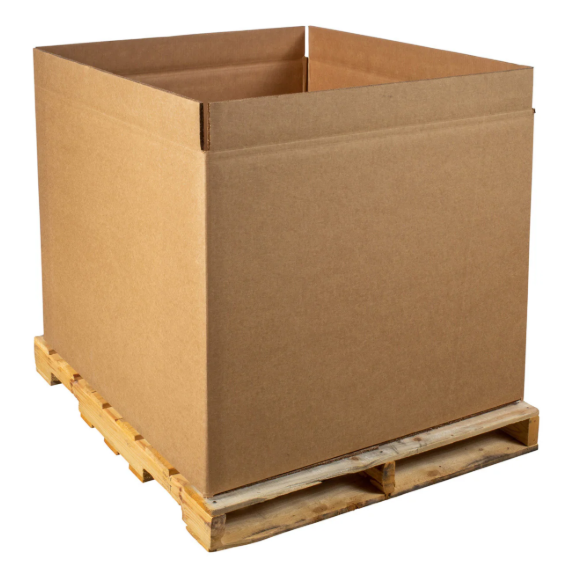
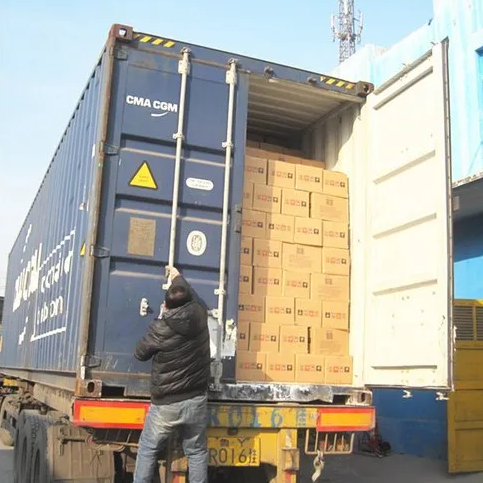
Export Packaging
Packaging and Delivery
Sample packing: Small rolls and film samples can be packed in protective bags, cartons or rigid boxes.
Bulk roll packing: Rolls can be wrapped with PE film, kraft paper or another moisture-resistant material.
Core and edge protection: Paper cores, roll ends and film edges can be protected according to roll weight and shipment requirements.
Pallet packing: Approximately 500–2000kg can be packed on a plywood or fumigation-free pallet, depending on roll dimensions and handling limits.
Container loading: Container loading can be approximately 20 tons, subject to roll specifications, pallet design and legal weight restrictions.
Storage: Store the film indoors in clean, dry conditions away from direct sunlight, excessive heat, moisture, dust and strong odors.
Delivery terms: EXW, FOB, CNF, CIF, DDU and other agreed Incoterms can be discussed.
Lead time: Standard production generally requires approximately 10–14 days after structure, printing, artwork, quantity and payment are confirmed.
Certificates and Compliance Documents
Available documents may include technical data sheets, safety data sheets, food-contact declarations, migration reports, restricted-substance reports, residual-solvent reports and quality-management certificates.
Each document should correspond to the exact PET film, CPP film, adhesive, ink, coating, manufacturing location and intended conditions of use.
SGS should be described according to the specific test performed and should not be presented as a universal product certification.
ISO 9001 relates to a manufacturer's quality-management system and does not independently establish food-contact, barrier, retort or medical-packaging performance.
When ISO 9001 documentation is required, confirm the applicable certificate version, holder, manufacturing address, certification scope and validity period for the supplying facility.

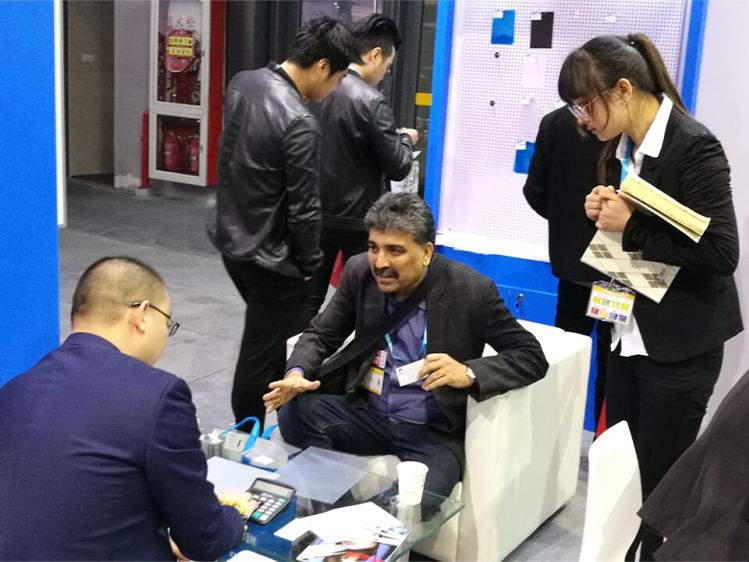
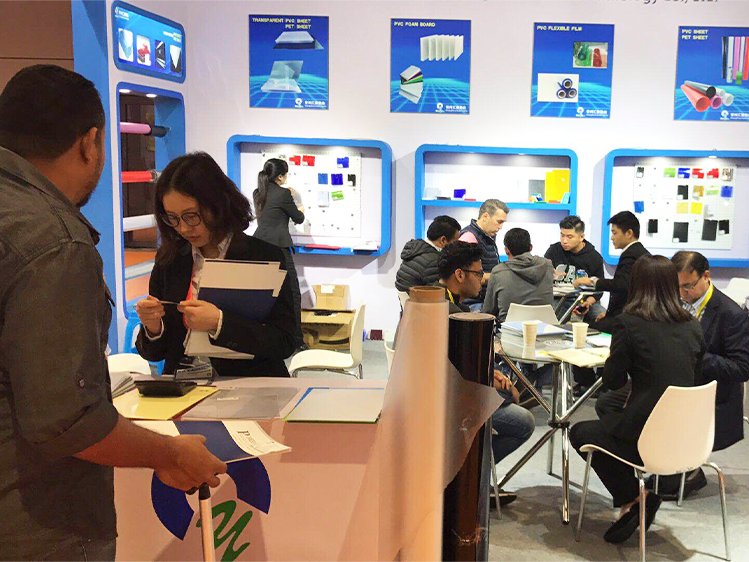
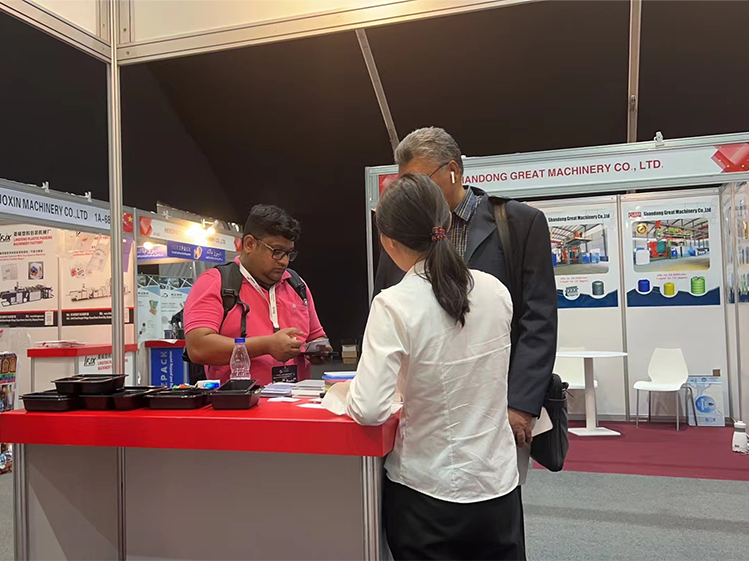
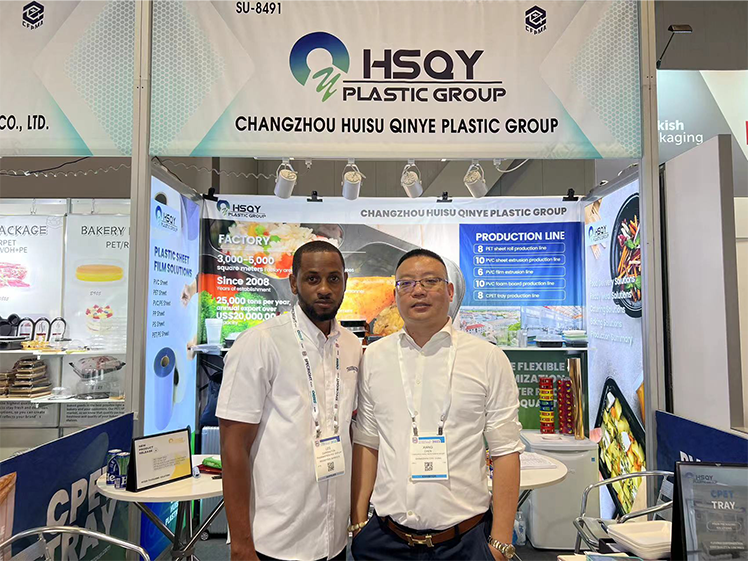
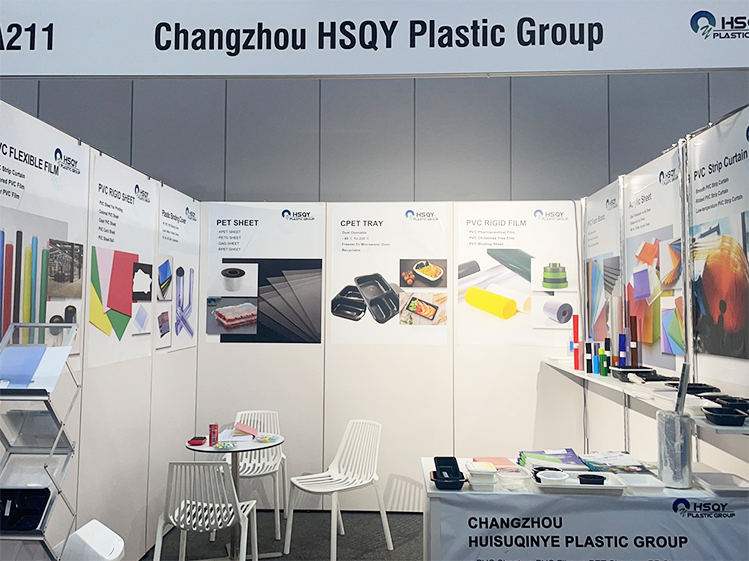
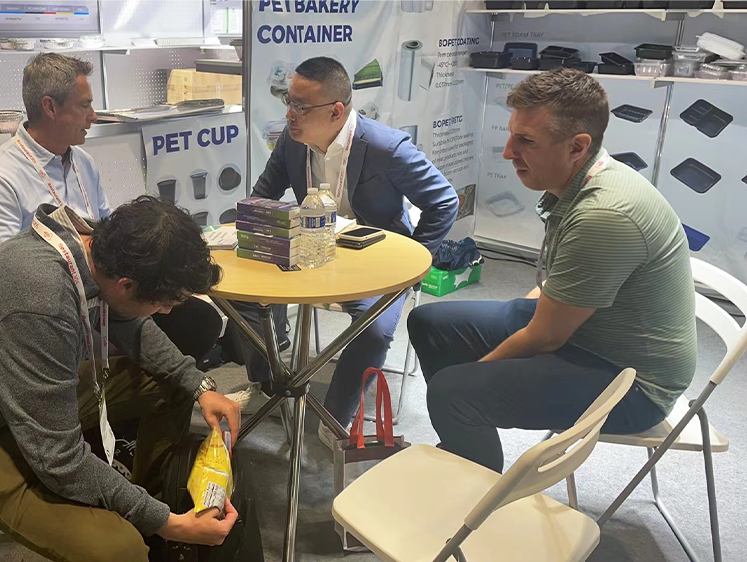
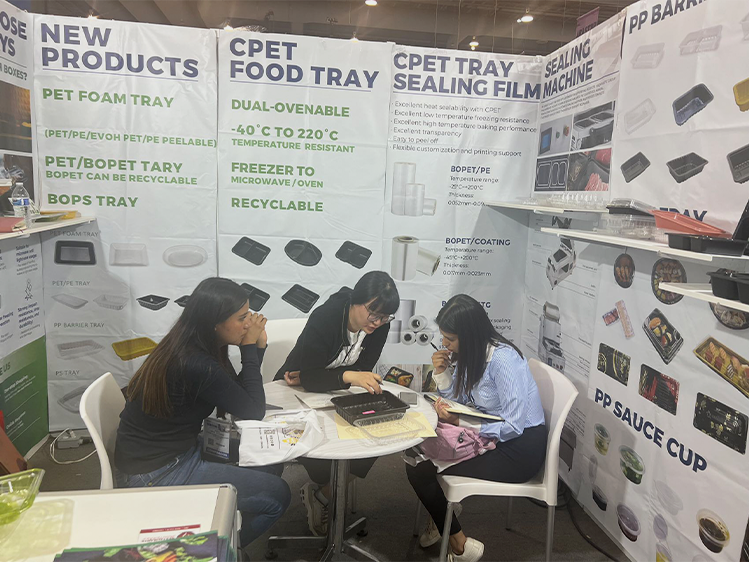
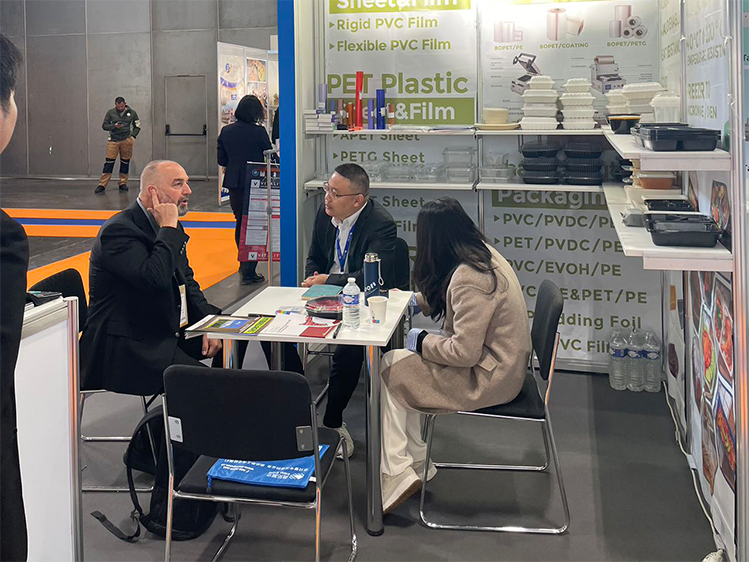
HSQY Global Exhibitions

2017 Shanghai Exhibition

2018 Shanghai Exhibition

2023 Saudi Exhibition

2023 American Exhibition

2024 Australian Exhibition

2024 American Exhibition

2024 Mexico Exhibition

2024 Paris Exhibition
Why Choose HSQY as Your PET/CPP Film Supplier?
Customized PET and CPP layer thicknesses.
Transparent, printed, matte and colored structures.
Standard, anti-fog, deep-freeze and retort-grade options.
Customized film width, core, roll diameter and winding direction.
Reverse printing for branded flexible packaging.
Roll stock for vertical and horizontal packaging machines.
Samples and trial rolls for sealing and machine tests.
Barrier, bond, printing and seal-testing support.
Customized cartons, labels and export pallets.
International B2B production and delivery support.
Before bulk production, HSQY recommends testing the selected film with the customer's actual product, packaging machine, sealing conditions, storage environment and finished package format.
Contact HSQY for Samples and Pricing
Frequently Asked Questions About PET/CPP Lamination Film
What is PET/CPP lamination film?
PET/CPP is a flexible packaging laminate consisting of a PET outer layer and a CPP inner heat-sealing layer.
What does the PET layer do?
PET provides mechanical strength, stiffness, clarity, dimensional stability and a suitable printing surface.
What does the CPP layer do?
CPP provides heat sealing, hot tack, flexibility, moisture resistance and resistance to oils and grease.
Is PET/CPP film transparent?
Standard PET/CPP is normally transparent and glossy. Colored, matte and custom-printed structures are also available.
Is PET/CPP a high-barrier film?
Standard PET/CPP provides useful moisture and moderate gas protection, but sensitive products may require an additional high-barrier layer.
What are OTR and WVTR?
OTR measures oxygen transmission, while WVTR measures water-vapor transmission. Values must identify the exact structure and test conditions.
Can PET/CPP film be used for snack packaging?
Yes. It is commonly used for snacks, confectionery, bakery products, noodles and dry foods after shelf-life and sealing requirements are confirmed.
Can PET/CPP film be used for frozen foods?
Yes, using a deep-freeze CPP grade validated for cold impact, flexibility and seal retention at the required temperature.
Is anti-fog PET/CPP available?
Yes. Anti-fog CPP structures can be developed for chilled produce, salads and fresh-food packaging.
Can standard PET/CPP film be retorted?
Standard PET/CPP should not automatically be used for retort. Retort applications require RCPP, suitable adhesive, compatible ink and complete package validation.
Can PET/CPP film be boiled?
Boiling use requires a specially selected CPP grade, adhesive and tested film structure. Standard PET/CPP should not be described as boilable without validation.
Can PET/CPP film be microwaved?
Microwave use depends on the complete film structure, package design, food, heating time and steam-management requirements.
Can PET/CPP film be custom printed?
Yes. Logos, product information, instructions, barcodes and decorative graphics can be reverse printed on the PET layer.
Which printing methods can be used?
Gravure and flexographic printing are commonly used, subject to artwork, ink, adhesive and production requirements.
What widths are available?
Available widths are approximately 160mm to 2600mm, with final availability depending on film structure and converting equipment.
What thicknesses are available?
Available total thickness is approximately 0.045mm to 0.35mm. PET and CPP layer thicknesses can be customized.
Can the roll core and winding direction be customized?
Yes. Core diameter, roll diameter, roll weight, print orientation and winding direction can be matched to the packaging machine.
Is PET/CPP film food safe?
Food-contact suitability depends on the complete PET, CPP, adhesive, ink and coating structure and the intended food, temperature, duration and destination market.
Does FDA provide a universal PET/CPP film certification?
No. Food-contact status depends on the authorized substances and intended conditions of use for the final structure.
Does ISO 9001 prove food-contact safety?
No. ISO 9001 relates to quality-management systems and does not independently prove food-contact or film-performance compliance.
Can standard PET/CPP be used for sterile medical packaging?
Not automatically. Sterile medical packaging requires a dedicated material and validated sterile-barrier, sealing, sterilization and aging performance.
Is PET/CPP film suitable for IV bags?
Ordinary PET/CPP flexible packaging film should not be marketed as an IV-bag material without a dedicated medical-grade structure and regulatory validation.
Is PET/CPP film recyclable?
PET/CPP contains different polymer families and adhesive, so recyclability depends on the complete structure and local recycling infrastructure.
Are mono-material alternatives available?
Mono-PP or mono-PE packaging structures can be evaluated when barrier, printing, stiffness and sealing requirements permit.
What is the minimum order quantity?
The MOQ is approximately 500kg. Custom printing, functional grades and special widths may require a different quantity.
Are samples or trial rolls available?
Existing samples or limited trial rolls may be available for checking structure, printing, sealing and packaging-machine compatibility.
What is the production lead time?
Standard production generally requires approximately 10–14 days after the film structure, artwork, samples, payment and packing are confirmed.
What information is required for a quotation?
Provide the packaged product, film structure, thickness, width, printing, bag format, machine details, storage conditions, quantity and destination.
Get a PET/CPP Film Quote
About HSQY Plastic Group
HSQY Plastic Group supplies PET/CPP lamination films, high-barrier composite films, color-printed packaging films, lidding films, food trays and customized flexible packaging materials to international B2B customers.
HSQY supports food manufacturers, snack producers, packaging converters, pet-food companies, importers and distributors with film selection, customized printing, trial rolls, quality inspection and export packing.
Request a Quote and Sample