Anti-Static PVC Sheet for ESD Protection
HSQY anti-static PVC sheet is designed for applications where static electricity must be controlled around electronic components, equipment, work areas, protective covers and industrial partitions while retaining the chemical resistance, rigidity and fabrication advantages of rigid PVC.
Transparent, blue-tint and selected colored PVC sheet specifications are available. Standard sheet sizes include 700×1000mm, 915×1830mm and 1220×2440mm, with customized dimensions available according to grade and production requirements.
Anti-static performance must be matched to the required electrical specification. If your project requires a defined surface resistance, static-decay time or ESD test method, include those values in your inquiry so HSQY can confirm the applicable PVC grade before production.
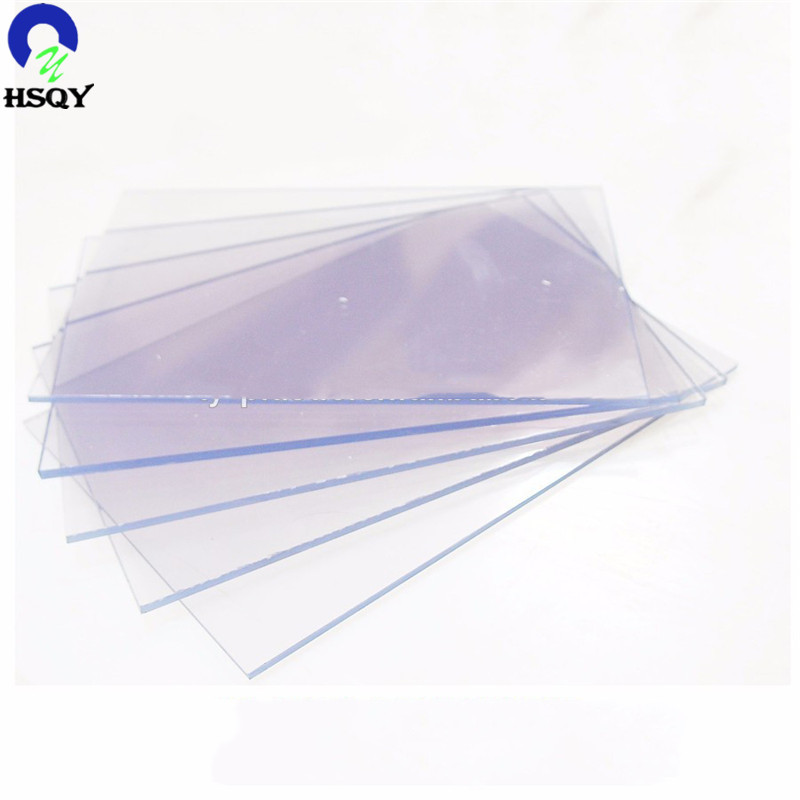
![Transparent anti-static PVC rigid sheet]()
Transparent PVC Sheet
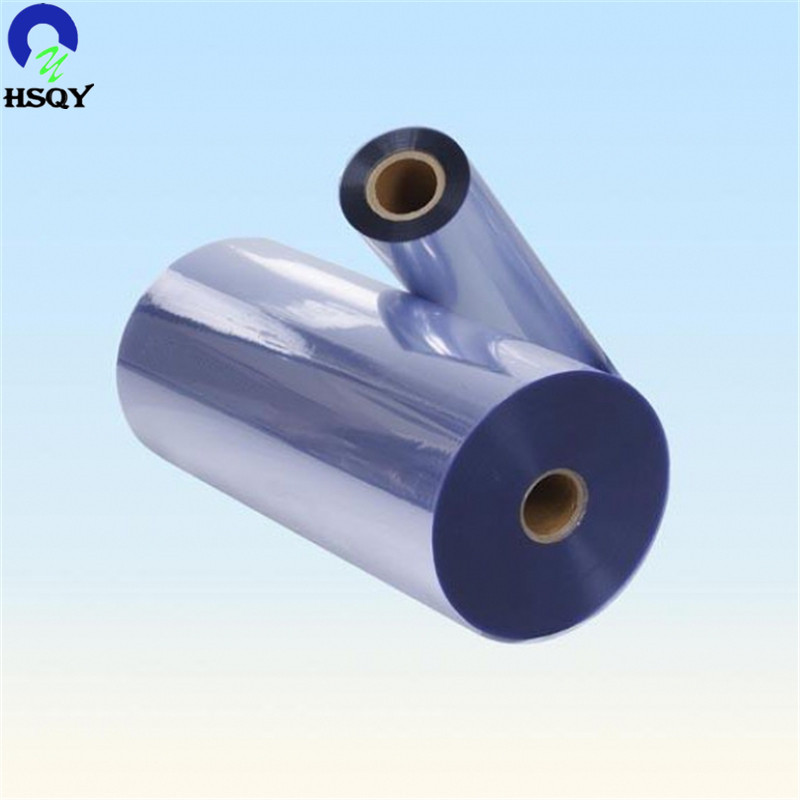
![Anti-static transparent PVC film and thin sheet]()
Transparent PVC Film & Thin Sheet
Anti-Static PVC Sheet Specifications
| Property |
Specification |
| Product |
Anti-Static PVC Sheet |
| Material |
Rigid Polyvinyl Chloride (PVC) |
| Listed Sheet Sizes |
700×1000mm, 915×1830mm, 1220×2440mm, Customized |
| Extrusion Width Limit |
Up to approximately 1280mm according to the current extrusion specification |
| Extruded Sheet Thickness |
0.21mm - 6.5mm according to the current rigid PVC extrusion specification |
| Color |
Natural Clear, Transparent Blue Tint, White, Black, Red, Yellow, Blue and selected custom colors |
| Surface |
Glossy / Glossy; other specifications subject to confirmation |
| Density |
Approximately 1.36 - 1.38 g/cm³ |
| Tensile Strength |
Above 52 MPa according to the current base-sheet specification |
| Impact Strength |
Above 5 kJ/m² according to the current base-sheet specification |
| Softening Temperature |
Above 75°C for decorative grades and above 80°C for selected industrial grades according to current product information |
| Surface Resistance |
Specify the required resistance range and test method; confirm the applicable anti-static grade before ordering |
| Optional Functions |
Anti-static, anti-UV and anti-sticking options according to grade and project requirement |
| Processing |
Cutting, die cutting, CNC machining, drilling, bending, welding, printing and thermoforming depending on grade and thickness |
Important: The mechanical and thermal values above are reference values from the current rigid PVC base-sheet specification. Surface resistance, static-decay performance, transparency and other electrical properties must be confirmed for the exact anti-static PVC grade selected for the project.
What Is Anti-Static PVC Sheet?
Anti-static PVC sheet is rigid polyvinyl chloride material designed to reduce the accumulation of static electrical charge on its surface. It is used in environments where uncontrolled static can attract dust, interfere with sensitive components or contribute to electrostatic discharge risks.
Different anti-static materials can achieve different electrical resistance ranges. Terms such as anti-static, static-dissipative and conductive should therefore not be used as substitutes for an actual measured resistance specification.
For an ESD-controlled project, buyers should specify the required surface resistance or resistivity range, test method, sheet thickness and operating environment before approving the material.
Why Surface Resistance Matters
Standard PVC is electrically insulating and can accumulate static charge. Anti-static treatment modifies the surface or material formulation so charge can dissipate more effectively.
Many commercial ESD PVC products in the market use resistance ranges around 10⁶ to 10⁹ Ω, but HSQY's exact anti-static performance should be verified against the selected grade rather than assuming one industry range applies to every product.
| Electrical Requirement |
What to Specify |
| Surface Resistance |
Required resistance range in Ω or Ω/sq |
| Test Method |
ASTM D257, IEC, ANSI/ESD or customer-defined procedure where applicable |
| Static Decay |
Required discharge or decay time if specified by the application |
| Measurement Conditions |
Temperature and relative humidity where required |
| Service Environment |
Cleanroom, electronics assembly, machinery enclosure, partition or other use |
Anti-Static vs. Standard PVC Sheet
| Feature |
Standard Rigid PVC |
Anti-Static PVC |
| Primary Function |
General rigid plastic sheet applications |
Applications requiring reduced static-charge accumulation |
| Electrical Performance |
Normally electrically insulating |
Controlled according to anti-static grade and required resistance range |
| Dust Attraction |
Static charge may attract dust |
Reduced static build-up can help reduce electrostatic dust attraction |
| Typical Environment |
Printing, packaging, fabrication and general industrial use |
Electronics areas, equipment guards, ESD-sensitive production and industrial partitions |
Anti-Static, Static-Dissipative & Conductive PVC
The terms anti-static, static-dissipative and conductive describe different static-control behaviors and may be defined differently by individual industries or standards. Material should therefore be selected by measured electrical performance rather than product name alone.
| Selection Item |
Why It Matters |
| Resistance Range |
Determines how quickly charge can move across or through the material |
| Grounding Method |
Some installations require the panel or surrounding system to be properly grounded |
| Coating Durability |
Important if anti-static performance is provided by a surface treatment |
| Humidity Dependence |
Some anti-static technologies can respond differently as humidity changes |
| Cleaning Method |
Cleaning chemicals and abrasion may affect some surface-treated materials |
Transparent Anti-Static PVC Sheet
Transparent anti-static PVC is useful where operators need visibility through a machine guard, enclosure, partition or protective cover while controlling static accumulation.
The current HSQY base-sheet range includes natural transparent material and transparent material with a blue tint. If high optical clarity is critical, specify the required transparency, haze and surface-resistance values so the exact grade can be evaluated.
Key Features of Anti-Static PVC Sheet
Static-control capability: Selected grades are designed to reduce electrostatic charge accumulation.
Transparent options: Clear and blue-tint sheets can provide visibility for machine guards, covers and partitions.
Chemical resistance: Rigid PVC provides useful resistance to many industrial chemicals; suitability should be checked against the actual chemical and concentration.
Mechanical rigidity: Suitable for fabricated covers, partitions, enclosures and industrial panels.
Smooth surface: Glossy sheet options support easy visual inspection and fabrication.
Electrical insulation of base PVC: PVC is naturally insulating; the exact electrical behavior of an anti-static grade depends on its static-control formulation or surface treatment.
Fabrication flexibility: Suitable grades can be cut, drilled, machined, bent, welded and thermoformed.
Custom dimensions: Standard and custom sheet dimensions can be discussed according to thickness and grade.
Applications of Anti-Static PVC Sheet
Anti-static PVC is primarily useful where static control is required together with PVC's chemical resistance, rigidity and fabrication properties.
| Application |
Typical Requirement |
| Machine Guards |
Visibility, rigidity and static control around production equipment |
| Electronics Production |
Static-sensitive equipment covers, barriers and protective panels |
| Cleanroom Partitions |
Transparent partitions with controlled static accumulation where the selected grade meets the cleanroom requirement |
| Equipment Enclosures |
Fabricated covers, windows and inspection panels |
| Industrial Work Areas |
Partitions and covers around static-sensitive production processes |
| Chemical Processing Areas |
PVC chemical resistance combined with project-specific static-control performance |
Other PVC Sheet Applications
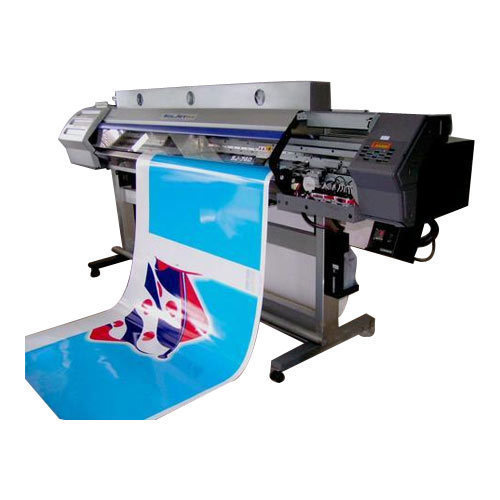
The HSQY rigid PVC sheet family also includes materials for packaging, medical packaging, folding boxes and printing. These applications may use different PVC formulations from the anti-static grade, so the required function should always be specified when ordering.
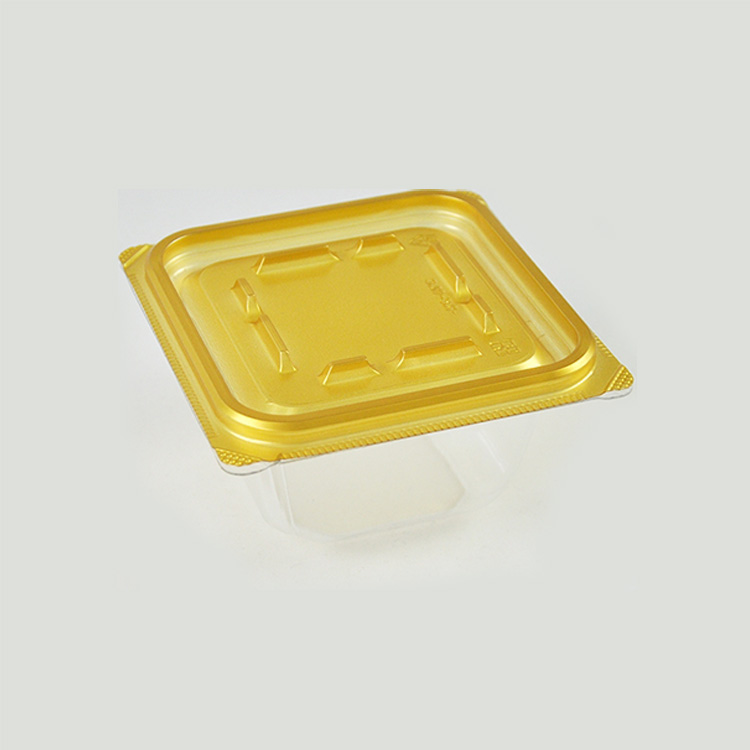
![PVC film for food packing]()
PVC Film for Food Packing
![PVC film for medical packing]()
PVC Film for Medical Packing
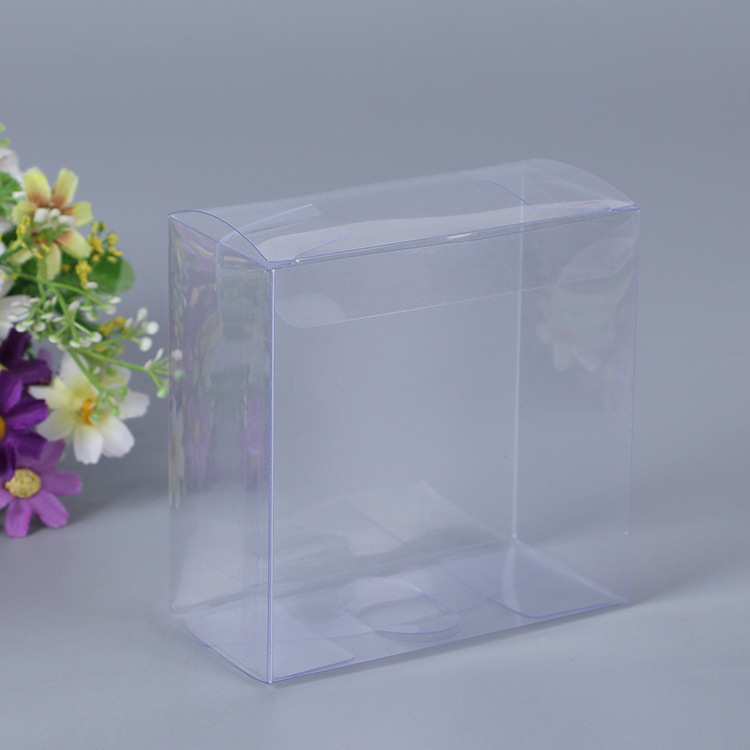
![PVC sheet for folding boxes]()
PVC Film for Folding Boxes
![PVC sheet for offset printing]()
PVC Film for Offset Printing
Fabrication of Anti-Static PVC Sheet
Rigid PVC can be fabricated using cutting, CNC machining, drilling, punching, bending, welding and thermoforming processes when the selected thickness and grade are suitable.
If anti-static performance is provided by a surface treatment or coating, machining, polishing or heavy abrasion may change the electrical performance around processed surfaces. Confirm the anti-static construction before specifying aggressive surface finishing.
Chemical Resistance & Cleaning
PVC is widely selected for industrial environments because of its resistance to many acids, alkalis and other chemicals. However, compatibility varies with chemical type, concentration, temperature and exposure time.
For anti-static grades, cleaning procedures should also be evaluated for their effect on the static-control surface. Do not assume that every solvent or abrasive cleaning method is compatible with every anti-static treatment.
What Information Should You Provide for a Quote?
| Requirement |
Information to Provide |
| Application |
Machine guard, ESD partition, enclosure, equipment cover or other application |
| Surface Resistance |
Required resistance range and test method |
| Thickness |
Required sheet thickness |
| Sheet Size |
Standard or customized dimensions |
| Color |
Clear, blue tint, white, black, red, yellow, blue or custom requirement |
| Transparency |
Required clarity, haze or visibility where applicable |
| Processing |
Cutting, CNC machining, drilling, bending, welding, printing or thermoforming |
| Chemical Exposure |
Chemical name, concentration, temperature and contact time where relevant |
| Documentation |
Required test report, inspection document or customer-specific compliance requirement |
| Quantity |
Sample quantity, trial order, regular quantity and annual demand |
Technical Resources
![PDF]() PVC Clear Sheet Data Sheet.pdf
PVC Clear Sheet Data Sheet.pdf
![PDF]() Flammability of PVC Rigid Sheet.pdf
Flammability of PVC Rigid Sheet.pdf
![PDF]() PVC Gray Board Test Report.pdf
PVC Gray Board Test Report.pdf
![PDF]() PVC Clear Film Data Sheet.pdf
PVC Clear Film Data Sheet.pdf
![PDF]() PVC Sheet Test Report.pdf
PVC Sheet Test Report.pdf
![PDF]() 20mm Gray Board Test Report.pdf
20mm Gray Board Test Report.pdf
![PDF]() PVC Sheet for Offset Test Report.pdf
PVC Sheet for Offset Test Report.pdf
Document Note: These resources cover several PVC sheet and film products. Confirm that the selected document applies to the exact anti-static PVC grade before using it for engineering or compliance approval.
Frequently Asked Questions About Anti-Static PVC Sheet
What is anti-static PVC sheet?
Anti-static PVC sheet is rigid PVC designed to reduce the accumulation of electrostatic charge on its surface for equipment covers, partitions and other static-sensitive industrial applications.
What is the surface resistance of HSQY anti-static PVC sheet?
The current product information does not state one universal surface-resistance value for every anti-static grade. Provide the required resistance range and test method so the applicable specification can be confirmed before production.
Is anti-static PVC the same as conductive PVC?
Not necessarily. Anti-static, static-dissipative and conductive materials can have substantially different electrical resistance. Select the material according to measured resistance and the applicable ESD requirement.
What thicknesses are available?
The current rigid PVC extrusion specification lists approximately 0.21mm to 6.5mm. Exact availability for an anti-static grade should be confirmed according to thickness, color, sheet size and electrical requirement.
What sheet sizes are available?
Listed sheet sizes include 700×1000mm, 915×1830mm and 1220×2440mm. Customized sizes can also be discussed, with the current extrusion specification listing a maximum width of approximately 1280mm.
Is transparent anti-static PVC available?
Yes. The current PVC range includes natural transparent and transparent blue-tint options. The applicable anti-static grade and required optical performance should be confirmed before ordering.
Can anti-static PVC sheet be used for machine guards?
Yes, suitable transparent anti-static PVC can be evaluated for machine guards and equipment windows where visibility, rigidity, chemical resistance and static control are required. Mechanical safety requirements must be evaluated separately for the finished guard.
Can anti-static PVC sheet be used in cleanrooms?
Anti-static PVC can be considered for partitions, covers and equipment components in controlled production environments, but cleanroom suitability depends on the exact grade, required particle performance, cleaning chemicals and customer specifications.
Can anti-static PVC sheet be thermoformed?
Suitable PVC grades can be thermoformed or vacuum formed. If static control is provided by a surface treatment, the effect of stretching and heating on electrical performance should be evaluated using the finished part.
Can the sheet be cut, drilled or CNC machined?
Yes. Rigid PVC can be cut, drilled and CNC machined using suitable processes. Confirm whether machining the surface affects the anti-static treatment for the selected product grade.
Is anti-static performance permanent?
Durability depends on how the anti-static function is produced. Surface-coated, additive-based and other static-control technologies can behave differently with abrasion, washing, humidity and long-term use. Confirm the construction and durability requirement before ordering.
How can I get a sample?
Stock samples can be requested for evaluation according to the current product information, with express freight covered by the buyer. For ESD projects, request a sample of the exact anti-static grade rather than a standard PVC sheet.
What information should I provide for a quotation?
Please provide the application, required surface resistance, test method, thickness, sheet size, color, transparency requirement, processing method, quantity and destination.
Packing & Delivery
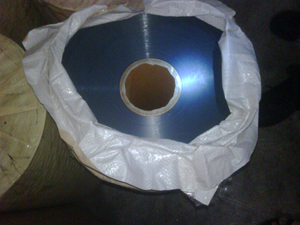
Sample: A4-size rigid PVC clear sheet packed in a PP bag and box according to current product information.
Sheet Packing: Approximately 30kg per bag or according to customer requirements.
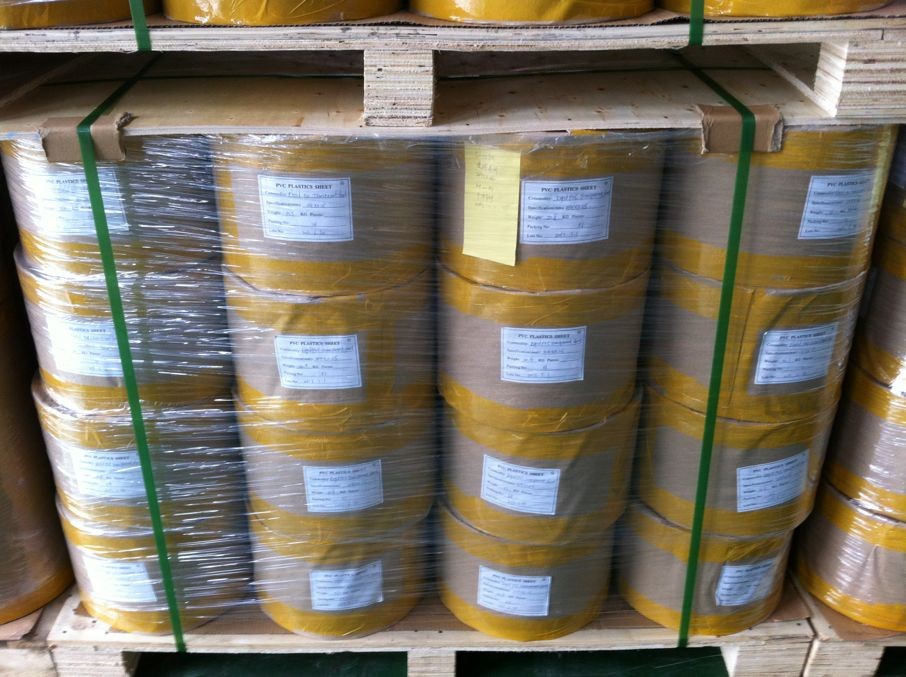
Pallet Packing: Approximately 500-2000kg per plywood pallet.
Container Loading: Approximately 20 tons under normal loading conditions, subject to dimensions and packing configuration.
![Anti-static PVC sheet kraft packing]()
Kraft Packing
![Anti-static PVC sheet pallet packing]()
Pallet Packing
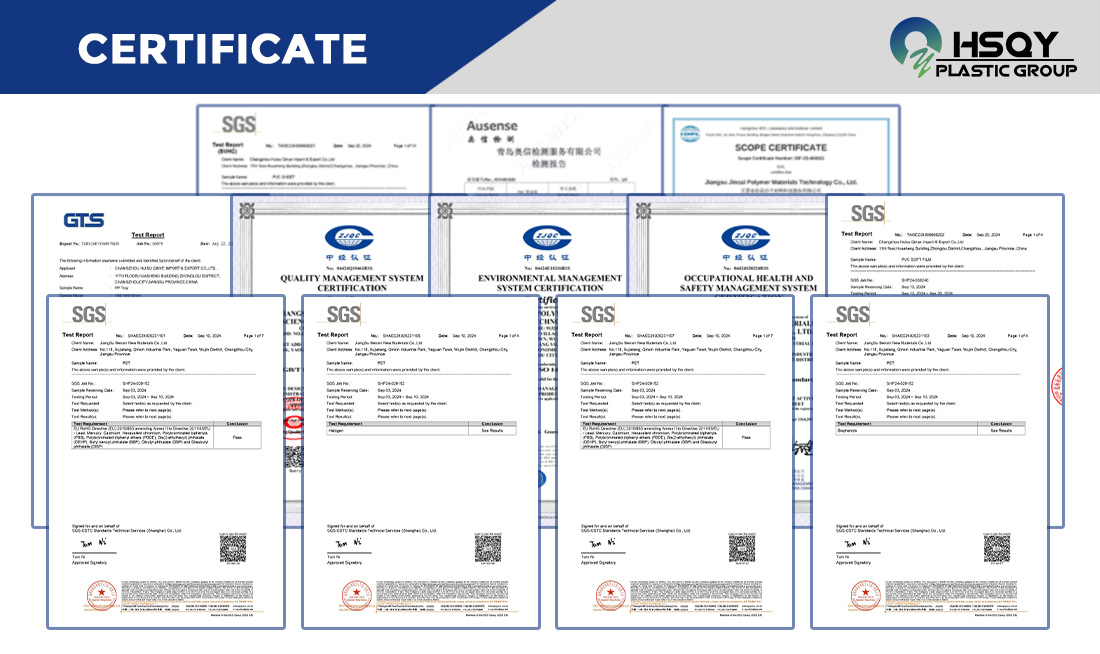
Certificates & Documentation
Available certificates and test documentation should be confirmed for the exact anti-static PVC grade and intended application before order approval.
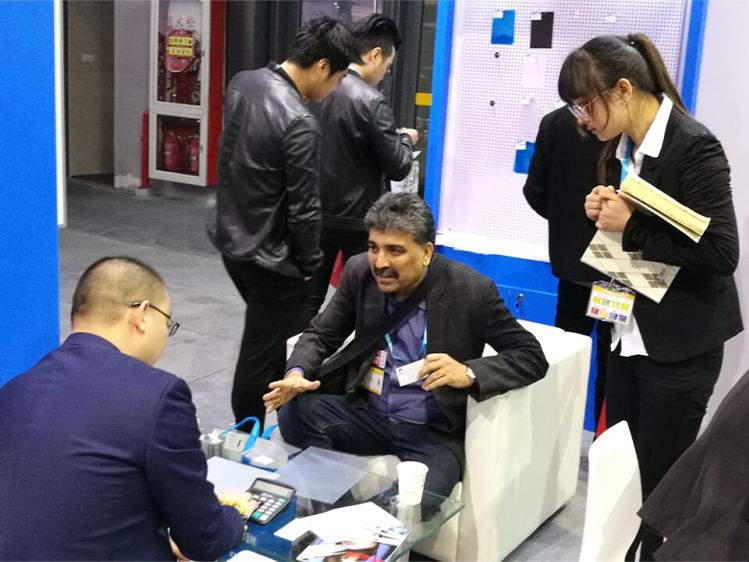
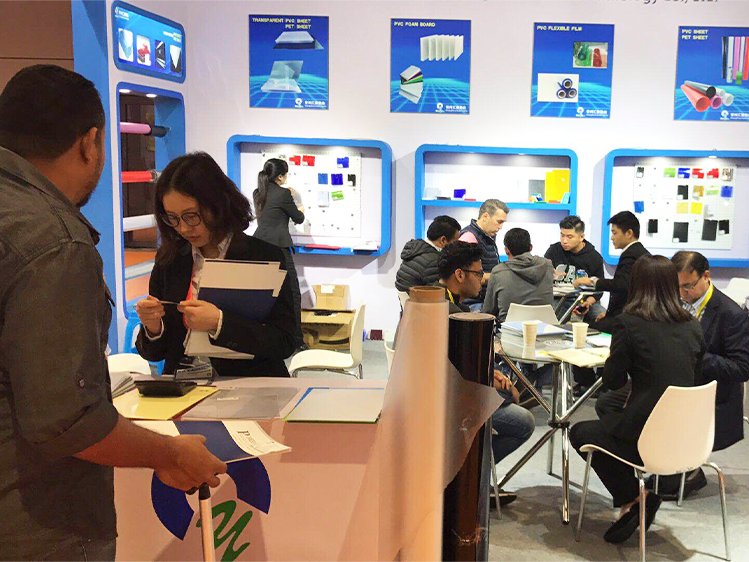
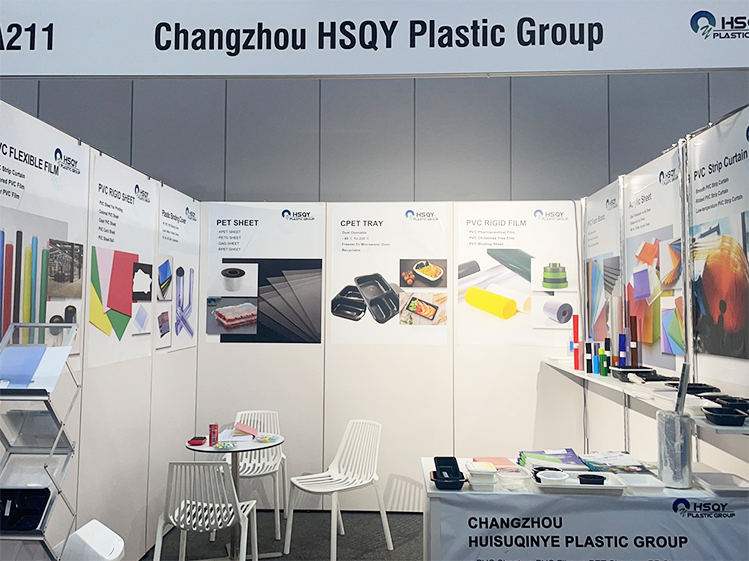
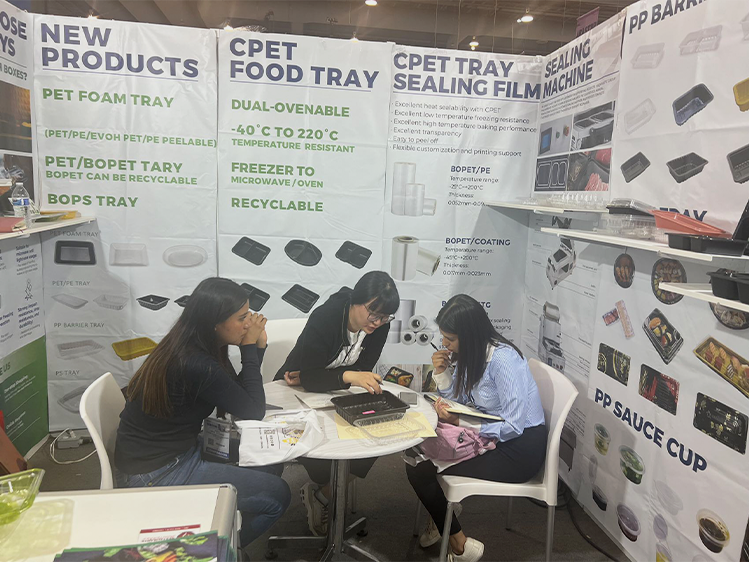
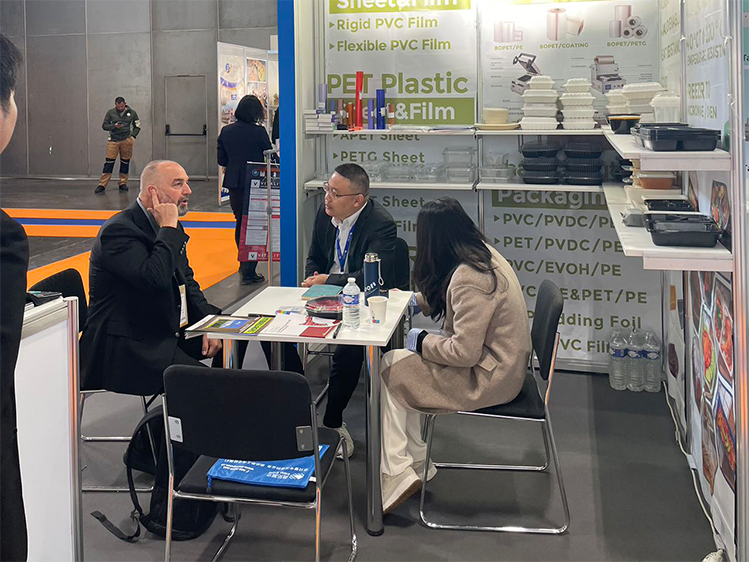
HSQY Plastic Group Exhibitions
![HSQY 2017 Shanghai Exhibition]()
2017 Shanghai Exhibition
![HSQY 2018 Shanghai Exhibition]()
2018 Shanghai Exhibition
![HSQY 2023 Saudi Exhibition]()
2023 Saudi Exhibition
![HSQY 2023 USA Exhibition]()
2023 USA Exhibition
![HSQY 2024 Australia Exhibition]()
2024 Australia Exhibition
![HSQY 2024 USA Exhibition]()
2024 USA Exhibition
![HSQY 2024 Mexico Exhibition]()
2024 Mexico Exhibition
![HSQY 2024 Paris Exhibition]()
2024 Paris Exhibition