Anti-Scratch Polycarbonate Sheet 1-16mm
HSQY anti-scratch polycarbonate sheet combines high impact resistance, clear or white options and smooth, frosted, glossy or matte surfaces for printing, plastic cards, machine guards, glazing and fabrication.
Model HS-09 is manufactured from new polycarbonate material and is available in multiple surface finishes and thicknesses. The current detailed product specification lists 1mm to 16mm as the main thick-sheet range together with thinner gauges including 0.05mm, 0.06mm, 0.075mm, 0.10mm, 0.125mm, 0.175mm and 0.25mm.
This material is intended for B2B buyers requiring polycarbonate sheet for plastic card production, laser engraving, printing, protective panels, construction and selected industrial applications. Where a project requires a defined scratch or abrasion rating, the applicable surface treatment and test data should be confirmed before ordering.
Anti-Scratch Polycarbonate Sheet Images

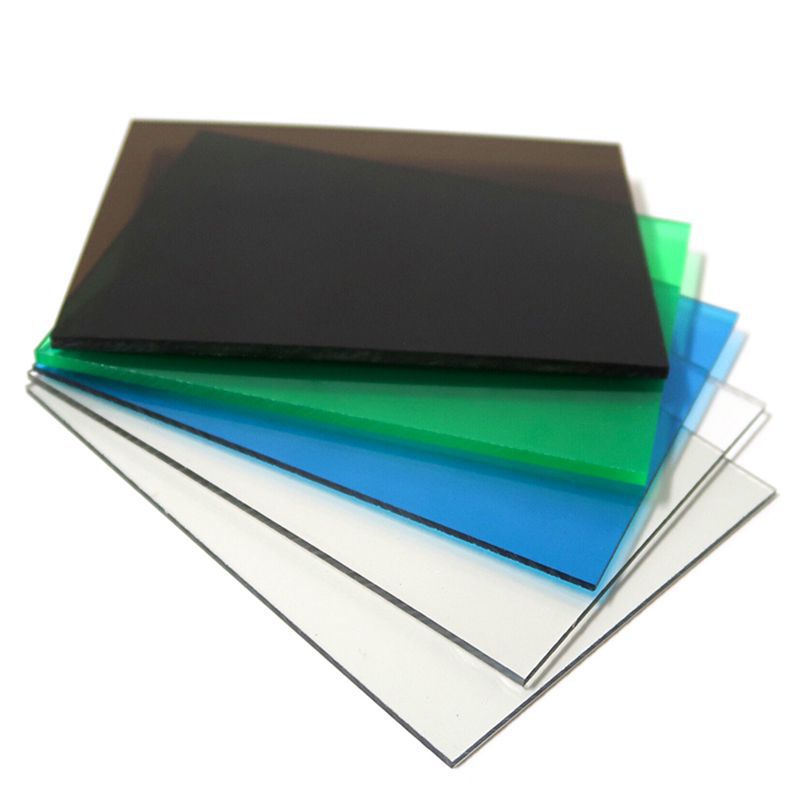
Anti-Scratch Polycarbonate Sheet

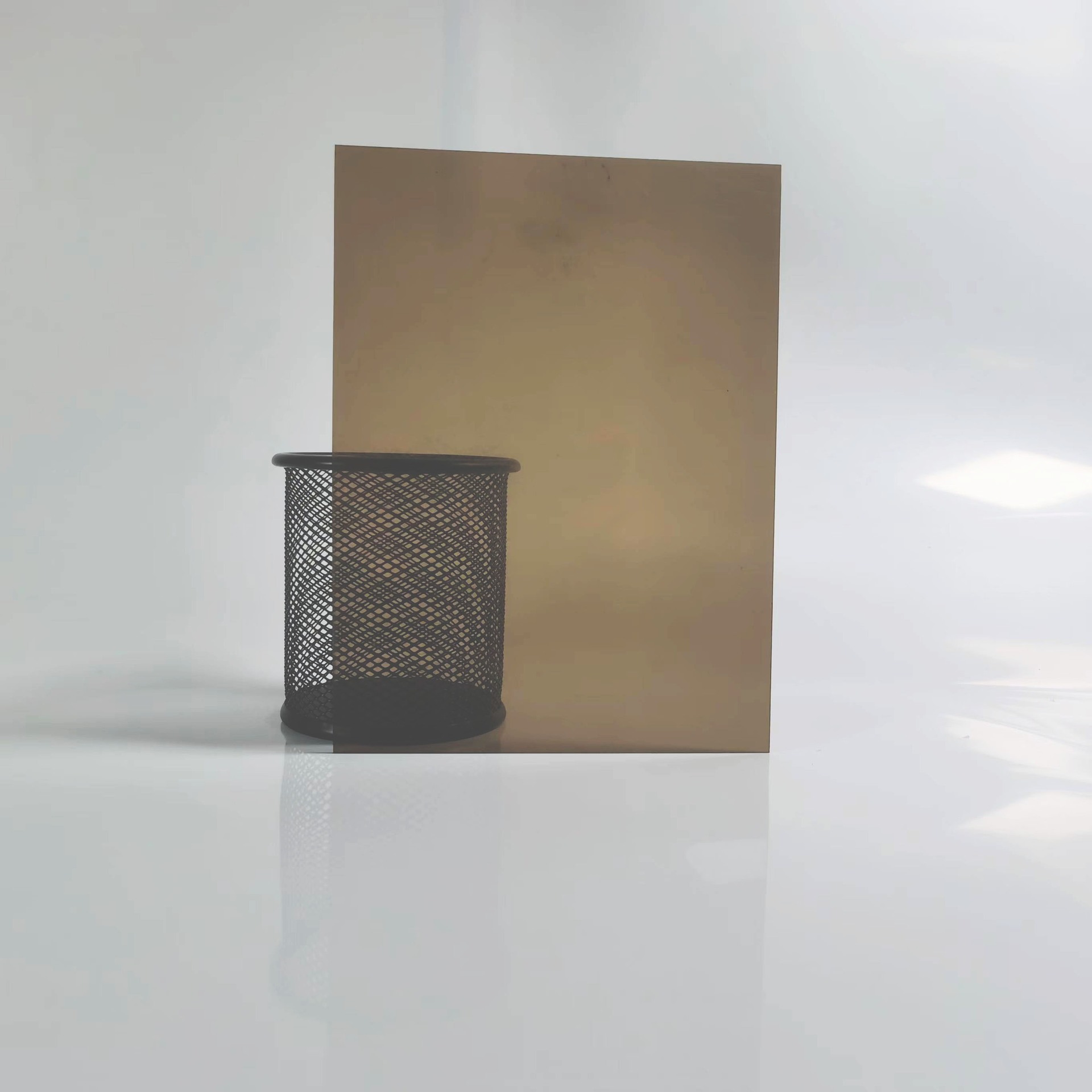
Solid Polycarbonate Protective Panel
Anti-Scratch Polycarbonate Sheet Specifications
| Property |
Details |
| Product Name |
Anti-Scratch Polycarbonate Sheet |
| Model |
HS-09 |
| Material |
100% New Material Polycarbonate |
| Colors |
Porcelain White, Milk White, Transparent |
| Surface |
Smooth, Frosted, Glossy, Matte |
| Main Thickness Range |
1mm-16mm |
| Thin Gauges Listed |
0.05mm, 0.06mm, 0.075mm, 0.10mm, 0.125mm, 0.175mm, 0.25mm |
| Customized Thickness |
Listed as available in the current detailed product specification |
| Process |
Calendering |
| Light Transmission |
Current product information states up to 88% for suitable transparent configurations; actual value depends on thickness, surface and grade |
| UV Protection |
Referenced in the current product information; exact UV layer configuration should be confirmed for the selected specification |
| Printing Options |
CMYK Offset Printing, Silk-Screen Printing, UC Security Printing, Laser Printing |
| Applications |
Plastic Card Making, Laser Engraving, Laser Printing, Construction, Protective Panels and Medical Equipment applications subject to grade requirements |
| Certifications Listed |
SGS, ISO 9001:2008 |
Specification Note: The current detailed product content identifies Model HS-09 and 0.05-16mm thicknesses, while the separate top product parameters on the website currently show different model and thickness information. Confirm the final model, thickness and dimensions on the quotation before production.
What Is Anti-Scratch Polycarbonate Sheet?
Anti-scratch polycarbonate sheet is a PC sheet intended for applications where the exposed surface requires better resistance to normal handling marks, wear or surface damage than an untreated general-purpose surface.
Polycarbonate itself is known primarily for impact strength, transparency, dimensional stability and fabrication versatility. High abrasion resistance, however, is normally associated with a specifically engineered surface or coating rather than the PC substrate alone.
The current HSQY page markets HS-09 as an anti-scratch product but does not publish a coating chemistry, single-side or double-side coating configuration, Taber abrasion result, pencil hardness or another quantitative scratch-resistance value. Projects requiring a defined abrasion specification should therefore request the applicable test data.
Anti-Scratch vs. Standard Polycarbonate Sheet
| Selection Factor |
Anti-Scratch PC Sheet |
Standard PC Sheet |
| Surface Requirement |
Selected when surface wear or scratching is an important purchasing consideration |
General-purpose surface without a specific abrasion-resistance requirement |
| Impact Resistance |
Retains the inherent impact-resistant characteristics of the selected PC construction |
High impact resistance is a core property of polycarbonate |
| Optical Applications |
Useful where the surface must remain visually acceptable under repeated handling |
Suitable where advanced surface-wear performance is not required |
| Technical Verification |
Request abrasion or hardness data when a defined performance level is required |
General PC mechanical and optical data may be sufficient |
Anti-Scratch, Hard-Coated & UV-Protected PC: What Is the Difference?
| Term |
What It Generally Refers To |
| Anti-Scratch |
A commercial description indicating improved resistance to normal surface scratching or wear; the actual level should be defined by test data |
| Abrasion Resistant |
Usually refers to quantified resistance to surface wear, often evaluated using a specified abrasion test |
| Hard-Coated Polycarbonate |
PC sheet with an engineered surface coating designed to improve abrasion, chemical or wear resistance |
| UV-Protected Polycarbonate |
PC designed to resist degradation caused by ultraviolet exposure; UV protection does not automatically establish scratch resistance |
If your project specifically requires hard-coated polycarbonate, provide the required abrasion standard, coating side, chemical resistance, optical quality and outdoor exposure conditions when requesting a quotation.
Light Transmission & Optical Appearance
The current product information states light transmission of up to 88% for suitable transparent polycarbonate configurations.
Actual light transmission depends on sheet thickness, color, surface finish, coating or treatment and material grade. A transparent glossy sheet will not necessarily have the same optical performance as a frosted, matte or thick 16mm sheet.
Buyers requiring optical windows, viewing panels, display protection or transparent machine guards should specify required visible light transmission, haze and surface quality rather than relying only on the maximum family value.
Smooth, Frosted, Glossy & Matte Surfaces
| Surface |
General Selection Direction |
| Smooth |
Selected for clear panels, printing, fabrication and applications requiring an even surface |
| Glossy |
Provides a brighter reflective appearance for display and printed products |
| Matte |
Reduces direct surface reflection and provides a softer appearance |
| Frosted |
Diffuses light and reduces direct visibility through the sheet |
Transparent, Milk White & Porcelain White Options
The current HS-09 specification lists transparent, milk white and porcelain white colors.
Transparent sheet is suitable where product visibility or viewing is required, while milk white and porcelain white can be considered for visual screening, printing, decorative panels or applications where full transparency is not required.
Color, opacity and light transmission should be confirmed using the selected thickness and an approved production reference when appearance is critical.
1mm to 16mm Polycarbonate Thickness Selection
| Thickness Direction |
General Application Direction |
| Thin Film / Sheet Gauges |
Printing, plastic card components, overlays, labels and thin fabricated parts according to the exact grade |
| 1-3mm |
Printing panels, covers, displays, protective panels and lightweight fabricated components |
| 4-6mm |
Machine guards, partitions, protective glazing and fabricated industrial panels subject to design requirements |
| 8-12mm |
Applications requiring greater panel rigidity and impact-resistant glazing performance |
| 16mm |
Thick protective panels and glazing applications subject to structural and fabrication verification |
These are general selection directions rather than structural ratings. Final thickness should be selected according to panel size, support conditions, expected impact, fabrication process and applicable standards.
Thin-Gauge Polycarbonate for Plastic Cards & Printing
The HS-09 specification includes thin gauges such as 0.05mm, 0.06mm, 0.075mm, 0.10mm, 0.125mm, 0.175mm and 0.25mm. These thinner materials can be evaluated for plastic card components, overlays, printed layers and other thin-sheet converting applications.
For card-production projects, specify the complete laminate structure, individual layer thickness, printing method, lamination process and any laser personalization requirements before material selection.
Polycarbonate Sheet for Laser Engraving
Laser engraving is listed among the current applications for HS-09. Polycarbonate can be used in identification, card and industrial marking applications when the sheet formulation and laser system are compatible.
Laser behavior depends on wavelength, power, speed, material thickness, pigments and surface finish. Buyers should validate marking contrast and edge quality using the actual sheet configuration and laser equipment.
Printing Options for Polycarbonate Sheet
The current product specification lists CMYK offset printing, silk-screen printing, UC security printing and laser printing as available processing directions.
| Printing Method |
Buyer Consideration |
| CMYK Offset Printing |
Confirm ink compatibility, sheet thickness and final lamination requirements |
| Silk-Screen Printing |
Suitable for graphics, labels and decorative applications using compatible inks |
| UC Security Printing |
Listed in the current specification; provide the required security-printing process for confirmation |
| Laser Printing / Marking |
Confirm laser technology, desired contrast and material configuration through production testing |
Machine Guards & Protective Panels
Polycarbonate is frequently evaluated for protective panels and machine guards because it combines transparency with high impact resistance.
For guards that are frequently cleaned, touched or exposed to abrasive environments, surface wear becomes particularly important. A project requiring quantified abrasion resistance should specify the required test result rather than relying only on the term anti-scratch.
Machine-guard applications should also consider sheet thickness, opening size, support frame, fastening, impact hazard and applicable machine-safety standards.
Protective Glazing & Viewing Windows
Transparent polycarbonate can be used in protective glazing, observation panels and viewing windows where impact resistance and visibility are important.
Applications involving public access, repeated cleaning or frequent contact may benefit from enhanced surface durability. However, a dedicated security, ballistic, forced-entry or safety-glazing rating should only be claimed when the exact product and installed system have the corresponding test documentation.
Construction Applications
Construction is listed among the original HSQY applications, including wall panels and transparent building components.
For exterior construction projects, buyers should confirm UV protection, panel dimensions, structural support, wind load, thermal expansion and fire-performance requirements for the exact sheet thickness and grade.
Medical & Equipment Applications
The current product information lists medical equipment applications including cups, tubes, bottles and dental-related products.
Medical applications should use a suitable grade and supporting documentation whenever biocompatibility, sterilization, cleanliness, chemical resistance or regulatory requirements apply. A general-purpose polycarbonate sheet should not automatically be treated as medical-grade.
Electronic & Mechanical Applications
The original page also lists electronic and mechanical applications including insulating parts, equipment housings, gears, racks and related components.
Suitability for machined mechanical components depends on material grade, dimensions, loading, operating temperature, electrical requirements and machining conditions. These applications should be evaluated separately from optical glazing or printing products.
UV & Weather Resistance
The current HSQY page references UV protection and operating performance from approximately -40°C to +120°C.
UV protection should be confirmed for the exact grade and surface configuration, particularly for permanent exterior use. Standard indoor polycarbonate, UV-protected polycarbonate and abrasion-resistant exterior-grade polycarbonate are not automatically equivalent products.
The existing page also refers to long-term resistance to discoloration. Any defined outdoor service-life or yellowing warranty should be supported by the applicable product warranty or weathering documentation for the supplied grade.
Impact Resistance
The current product information states impact resistance approximately 80 times that of glass as a general comparison.
For engineered applications, buyers should rely on the relevant impact test data for the exact thickness, grade and installation rather than using a general glass comparison as a project rating.
Lightweight Polycarbonate
The original page describes the sheet as significantly lighter than glass. Lower panel weight can simplify handling, fabrication and installation in many glazing and protective-panel applications.
For large sheets or thick 16mm panels, actual panel weight should be calculated from the confirmed sheet density, dimensions and thickness before lifting, packing or structural design.
Fire Performance
The current product page references a Class B1 fire rating. Because the source does not identify the exact test method, sheet thickness or certificate scope in the product specification, projects requiring formal fire compliance should request the applicable report for the supplied grade.
Fire classifications from different standards are not directly interchangeable, so the required test system should be specified by the buyer or project engineer.
Sound & Heat Insulation
The original page lists sound and heat insulation among the product features and references applications such as freeway barriers.
A specific acoustic Rw, STC, thermal U-value or insulation rating should not be assumed without tested data for the exact sheet thickness and complete installed system.
Typical Polycarbonate Sheet Applications
| Application |
Selection Consideration |
| Plastic Card Making |
Specify individual layer thickness, printing and lamination requirements |
| Laser Engraving |
Confirm laser wavelength, marking contrast and material configuration |
| Machine Guards |
Specify impact requirement, thickness, panel dimensions and surface wear conditions |
| Protective Glazing |
Confirm optical quality, UV exposure, abrasion requirement and applicable glazing standard |
| Construction |
Confirm wind load, support spacing, UV protection, expansion allowance and fire requirements |
| Medical Equipment |
Requires appropriate grade and medical documentation where applicable |
| Electrical Components |
Evaluate electrical, flame and temperature requirements for the application |
Application Images
![Polycarbonate sheet construction application]()
Polycarbonate Construction Application
![Polycarbonate protective panel application]()
Polycarbonate Protective Panel Application
Polycarbonate Sheet Data Sheet
How to Specify Scratch & Abrasion Resistance
For high-wear applications, the phrase “anti-scratch” should be converted into measurable purchasing requirements wherever possible.
| Requirement |
Information to Provide |
| Surface Protection |
Confirm whether normal scratch-resistant surface or a dedicated hard-coated grade is required |
| Coating Side |
One side or both sides if a coated structure is required |
| Abrasion Test |
Provide the required test method and acceptance limit where applicable |
| Scratch Hardness |
Specify the required hardness method if the project uses a defined scratch-hardness criterion |
| Chemical Exposure |
List cleaners, solvents, oils or chemicals that may contact the surface |
| Cleaning Frequency |
Important for machine guards, public glazing and frequently cleaned panels |
| Outdoor Use |
Confirm UV and weathering requirements separately from scratch resistance |
Cutting, Drilling & Fabrication
Polycarbonate sheet can be cut, drilled and fabricated using suitable plastic-processing tools and techniques. The correct process depends on sheet thickness, surface finish and final component design.
For coated or abrasion-sensitive surfaces, protective film should remain in place for as long as practical during handling and fabrication. Care should also be taken to prevent chips, abrasive dust or metal particles from damaging the visible surface.
Cleaning & Surface Care
Use clean water, mild soap and a soft non-abrasive cloth for routine cleaning unless the supplied product documentation specifies another procedure.
Avoid abrasive pads, dirty cloths and unverified solvents because they can damage the sheet or surface treatment. Where a panel is exposed to industrial chemicals or frequent disinfecting, confirm cleaner compatibility before use.
What Information Should You Provide for a Quote?
| Requirement |
Information to Provide |
| Application |
Plastic card, printing, machine guard, glazing, construction, equipment panel or another use |
| Thickness |
Required thin gauge or 1-16mm sheet thickness |
| Dimensions |
Required sheet width and length |
| Color |
Transparent, milk white or porcelain white |
| Surface |
Smooth, frosted, glossy or matte |
| Scratch Requirement |
General handling resistance or specified abrasion / hard-coat performance |
| Coating Side |
Specify one-side or two-side requirement if applicable |
| UV Requirement |
Indoor or outdoor use and required weathering performance |
| Optical Requirement |
Required light transmission, haze or viewing quality if applicable |
| Printing |
CMYK offset, screen, security, laser or other printing requirement |
| Fabrication |
Cutting, drilling, engraving, bending, machining or other processing |
| Documentation |
Required SGS, fire, abrasion, UV, impact or other test documentation |
| Quantity |
Trial order and expected bulk purchasing volume |
| Destination |
Country and destination port |
Frequently Asked Questions About Anti-Scratch Polycarbonate Sheet
What is anti-scratch polycarbonate sheet?
It is polycarbonate sheet marketed for applications requiring improved resistance to normal surface scratching or wear. Projects requiring quantified abrasion resistance should specify the applicable test method and performance level.
Is anti-scratch polycarbonate the same as hard-coated polycarbonate?
Not automatically. Hard-coated polycarbonate normally uses a defined surface coating with measurable abrasion performance. Confirm the coating structure and test data if a hard-coated grade is required.
What thicknesses are listed for HS-09?
The current detailed HS-09 specification lists 1mm-16mm together with thin gauges of 0.05mm, 0.06mm, 0.075mm, 0.10mm, 0.125mm, 0.175mm and 0.25mm.
What colors are available?
The current HS-09 specification lists transparent, milk white and porcelain white.
What surface finishes are available?
The current specification lists smooth, frosted, glossy and matte surfaces.
How transparent is the clear polycarbonate sheet?
The current product information states up to 88% light transmission for suitable configurations. Actual transmission depends on thickness, color, surface finish and material grade.
Does the sheet have UV protection?
UV protection is referenced in the current product description. Confirm the UV layer structure, protected side and applicable weathering documentation for outdoor projects.
Does UV protection make polycarbonate scratch resistant?
No. UV resistance and abrasion resistance address different performance requirements. A UV-protected sheet should not automatically be treated as a hard-coated abrasion-resistant sheet.
Can the sheet be used for machine guards?
Polycarbonate can be used in protective guarding applications when the thickness, frame design, impact requirement and applicable machine-safety standards are properly evaluated.
Can it be used for protective glazing?
Yes, suitable polycarbonate can be used for impact-resistant transparent panels and glazing. Formal safety, security, forced-entry or ballistic classifications require separate product and system testing.
Can anti-scratch polycarbonate be laser engraved?
Laser engraving is listed as an application for HS-09. Marking quality depends on laser settings, sheet thickness, color, surface finish and material formulation and should be tested before bulk production.
What printing methods are listed?
The current product specification lists CMYK offset printing, silk-screen printing, UC security printing and laser printing.
What is the impact resistance compared with glass?
The current HSQY page states approximately 80 times the impact resistance of glass as a general material comparison. For engineering design, request test data for the exact sheet thickness and grade.
What is the fire rating?
The current product page references Class B1. Because the specific test standard and thickness are not identified in the published specification, request the applicable fire report when formal compliance is required.
Will the sheet remain clear outdoors for 10 years?
The existing page references long-term UV protection and resistance to discoloration. A specific 10-year performance guarantee should only be relied on when supported by the applicable written warranty for the exact supplied grade.
Can polycarbonate sheets be cut?
Yes. Polycarbonate can be cut using appropriate saws and fabrication equipment. Tool selection and cutting conditions should match the sheet thickness and required edge quality.
How should anti-scratch polycarbonate be cleaned?
Use mild soapy water and a clean soft cloth for normal cleaning. Avoid abrasive pads and unverified solvents that can damage the sheet or surface treatment.
What is the difference between polycarbonate and acrylic?
Polycarbonate is generally selected where high impact resistance and toughness are priorities, while acrylic is often chosen for optical clarity and surface appearance. Final selection depends on impact, abrasion, optical, fabrication and fire requirements.
Are free samples available?
The current HSQY page states that free samples in customized sizes are available, with courier freight covered by the customer. Confirm sample thickness, surface and size before shipment.
What should I provide for a quotation?
Provide the application, thickness, width and length, color, surface finish, scratch or abrasion requirement, UV requirement, printing or fabrication process, quantity and destination.
Packing & Delivery
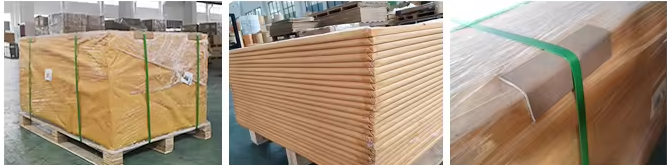
Standard Packaging: Protective film and kraft paper on pallets.
Custom Packaging: Current product information states that logo printing or custom packaging designs can be discussed.
Large Order Shipping: Export shipment arrangements can be selected according to order volume and destination.
Sample Shipping: Current product information references TNT, FedEx, UPS and DHL for sample shipments.

Polycarbonate Sheet Packing
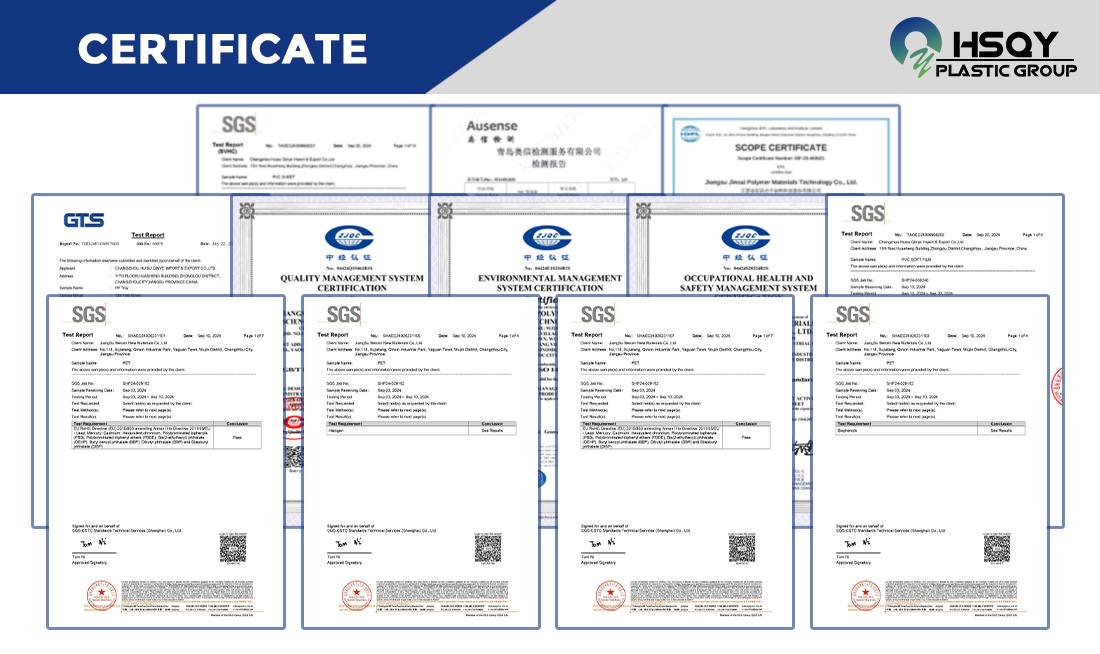
Certifications
The current product information lists SGS and ISO 9001:2008. The scope and applicability of individual certificates should be confirmed for the exact product, application and destination-market requirement.
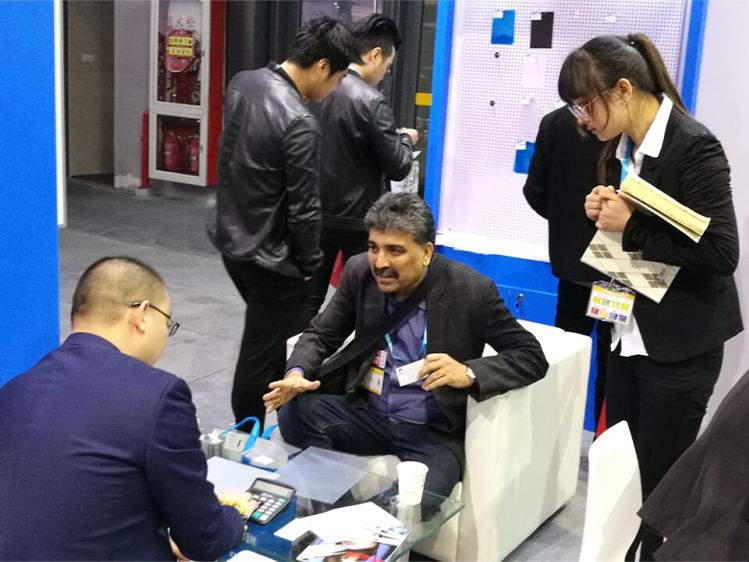
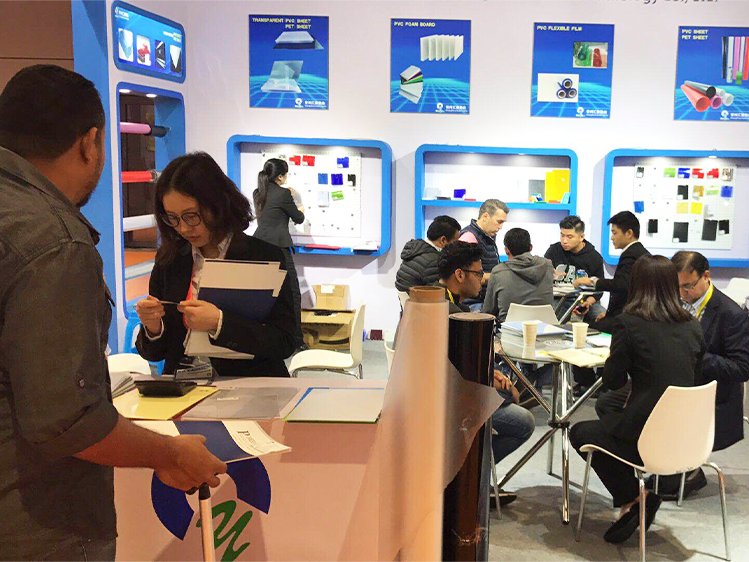
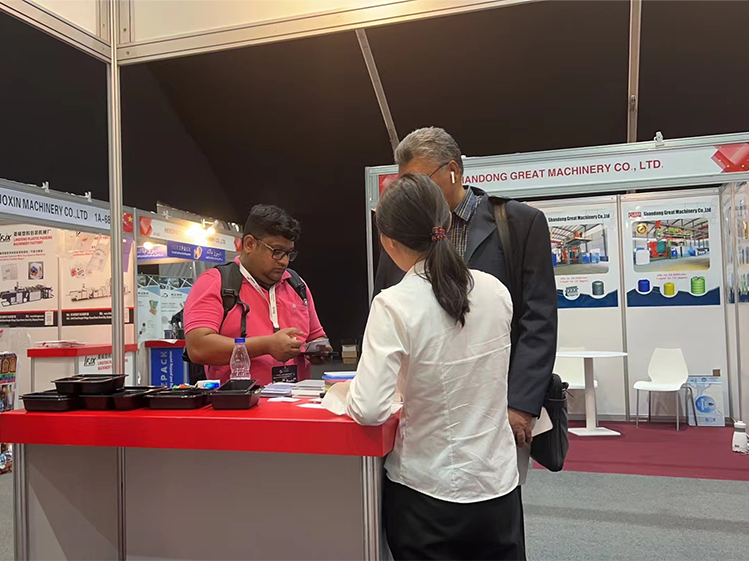
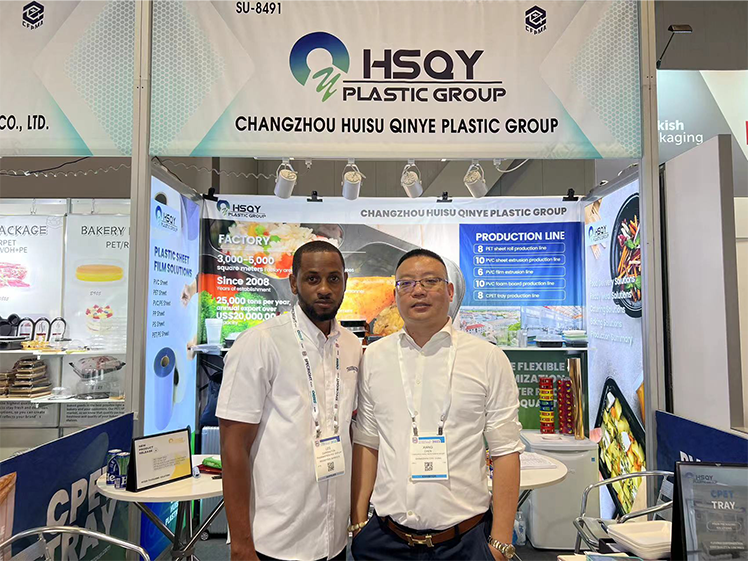
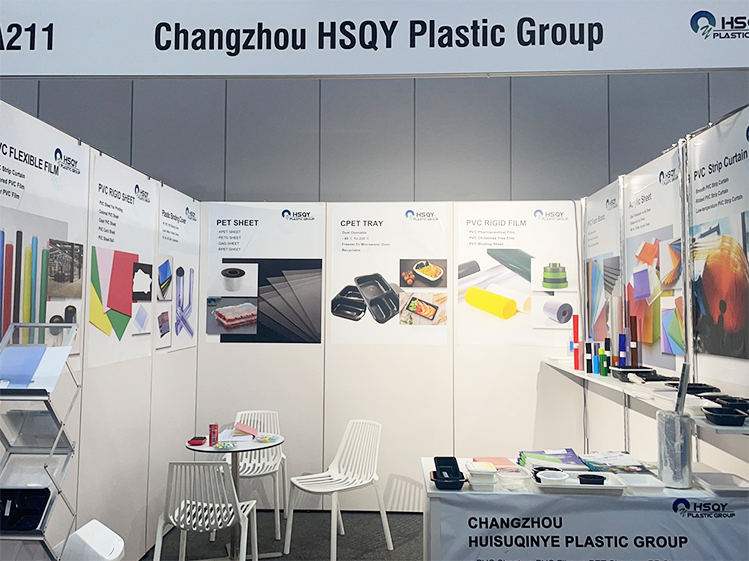
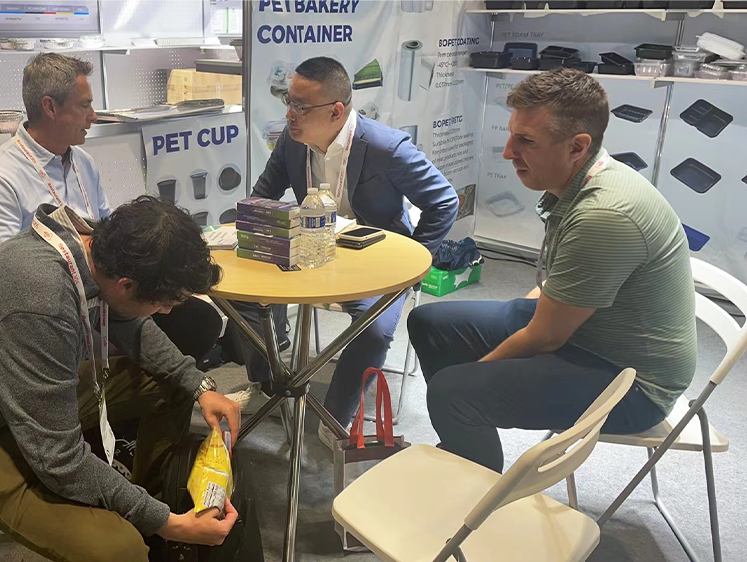
Global Exhibitions

2017 Shanghai Exhibition

2018 Shanghai Exhibition

2023 Saudi Exhibition

2023 American Exhibition

2024 Australian Exhibition

2024 American Exhibition
About HSQY Plastic Group
Changzhou Huisu Qinye Plastic Group Co., Ltd. states more than 16 years of experience and operates 8 plants in Changzhou, Jiangsu. The product range includes polycarbonate sheets, PVC sheets, PET products and other plastic materials.
The current company information also lists processing capabilities including engraving, bending and UV printing. For anti-scratch polycarbonate projects, buyers should provide the required thickness, dimensions, surface, color, abrasion requirement, UV exposure, printing or fabrication method, quantity and destination.




 Download Polycarbonate Sheet Data Sheet