HSQY 0.3mm and 0.4mm rigid polycarbonate card film is designed for laminated ID cards, smart cards, card cores, driver license cards, passport-related card structures and other professional card-manufacturing applications where dimensional stability, printing, lamination and personalization performance are important.
The featured gauges on this page are 0.3mm and 0.4mm. The broader listed PC card-film range also includes 0.05mm, 0.06mm, 0.075mm, 0.10mm, 0.125mm, 0.175mm and 0.25mm for different layers within laminated card constructions.
Available source-listed colors include porcelain white, milk white and super clear, with glossy, fine matte and velvet surface options. Buyers should specify whether the required layer is a core, printable layer, transparent layer or laser-personalization layer before placing a bulk order.
0.3mm–0.4mm Rigid PC Card Film Video
Polycarbonate Card Film Images

0.3mm Rigid Polycarbonate Card Film

Laser Engraved ID Card Application

Bank Card & Smart Card Core Application
0.3mm & 0.4mm PC Card Film Specifications
| Property |
Specification |
| Product Name |
0.3mm & 0.4mm Rigid Polycarbonate Card Core Film |
| Material |
Polycarbonate (PC) |
| Featured Thicknesses |
0.3mm, 0.4mm |
| Broader Listed Card-Film Gauges |
0.05 / 0.06 / 0.075 / 0.10 / 0.125 / 0.175 / 0.25 / 0.3 / 0.4mm |
| Colors |
Porcelain White, Milk White, Super Clear |
| Surface Options |
Glossy, Fine Matte, Velvet |
| Listed Printing / Personalization |
Offset Printing, Silk-Screen Printing, Laser Engraving |
| Primary Applications |
ID Cards, Passport-Related Card Structures, Bank Card Cores, Smart Cards |
| Supply Format |
Roll / Custom Size; confirm roll width, core and roll dimensions with quotation |
| MOQ |
1000kg |
| Listed Documentation |
SGS, ISO 9001:2008, RoHS, REACH; confirm current scope and applicability to the exact grade |
What Is Polycarbonate Card Core Film?
Polycarbonate card film is a thin rigid PC material used in multilayer card constructions. Depending on the card design, different PC layers may serve as opaque cores, printable layers, transparent protective layers or laser-personalization layers.
During card manufacturing, compatible PC layers are assembled and laminated under controlled processing conditions. Printing, personalization, punching, chip or antenna integration and other manufacturing operations are then performed according to the finished card design.
The exact film grade is important. A white card-core film, transparent film, printable PC film and laserable PC film should not automatically be treated as identical materials.
0.3mm vs. 0.4mm Polycarbonate Card Film
Both 0.3mm and 0.4mm are featured gauges for this product page, but the correct choice depends on the complete card-layer stack and target finished construction rather than thickness alone.
| Gauge |
General Selection Direction |
Buyer Should Confirm |
| 0.3mm |
Can be evaluated where a thinner core or structural layer is required within the multilayer card construction |
Total card thickness, number of layers, opacity, printing and lamination conditions |
| 0.4mm |
Can be evaluated where a thicker core layer is required within the finished card structure |
Total card thickness, core function, layer stack, personalization and lamination process |
There is no single universal thickness that applies to every identity, financial or smart-card program. Buyers should provide the complete target card construction where possible.
PC Film for Laminated ID Card Construction
Polycarbonate cards can use multiple layers with different functions. A project may include clear outer layers, printed layers, opaque core films and functional personalization layers depending on the document design.
Successful lamination depends on compatibility between the PC layers together with temperature, pressure, dwell time, surface condition and the total stack thickness.
For new card projects, provide the complete layer stack, target finished thickness and current lamination parameters when requesting a film recommendation.
PC Card Core Film for ID Cards
ID cards are one of the primary applications listed for this rigid polycarbonate film. White or clear PC layers can be selected according to the card architecture, printing, personalization and visual requirements.
For identification-card projects, buyers should specify card type, layer position, required thickness, surface finish, opacity or transmission, printing method, personalization process and lamination conditions.
Polycarbonate Film for Driver License Cards
Rigid PC film can be evaluated for driver license card structures where polycarbonate is specified as part of a laminated card system.
The exact material grade should be selected according to the document program's printing, personalization, durability, security and regulatory requirements.
Polycarbonate Film for Passport Data Structures
Passport applications are listed on the current product page. Where polycarbonate is used in a passport data structure, film selection depends on the complete multilayer design and required personalization process.
Projects with regulated document requirements should specify the applicable program standards and request documentation for the exact PC grade rather than relying on generic card-film data.
Polycarbonate Film for Smart Card Cores
Smart card is another source-listed application. A smart-card construction may require consideration of chip modules, antenna or inlay positioning, card thickness and lamination conditions in addition to the PC film specification.
Provide the complete smart-card construction and processing requirements when evaluating 0.3mm or 0.4mm material.
Polycarbonate Film for Bank Card Cores
Bank card core is included among the current product applications. Polycarbonate should be selected only where PC is specified for the intended card construction and production process.
Financial-card manufacturers should define material type, thickness, printing, lamination, chip integration and any required performance documentation before approving the film.
Laserable vs. Standard Polycarbonate Card Film
Laser engraving is listed among the processing directions for this product family. However, laser personalization should be treated as a grade-specific requirement.
| Film Direction |
Main Function |
What to Specify |
| Standard Printable PC Film |
Printed card layers where laser personalization in that layer is not required |
Ink system, print side, surface, adhesion and lamination process |
| Laserable PC Grade |
Laser-generated text, images or personalization where a compatible grade is specified |
Laser equipment, wavelength, target contrast, layer position and card stack |
| Clear Functional Layer |
Transparent card layer where optical performance is required |
Transmission, haze, thickness, surface and whether laserability is required |
| White / Opaque Core |
Opaque structural or printable layer within the card construction |
Whiteness, opacity, thickness, printing and lamination requirements |
If laser personalization is required, validate the actual production film with the intended laser system and complete laminated card construction before volume purchasing.
Porcelain White, Milk White and Super Clear Options
The current product specification lists porcelain white, milk white and super clear PC film.
| Color / Appearance |
General Selection Direction |
| Porcelain White |
Opaque white card layers where a defined white visual base is required |
| Milk White |
White card layers requiring a different visual opacity or whiteness appearance |
| Super Clear |
Transparent card layers and applications where high visual transmission is required |
For controlled card programs, specify required opacity, whiteness, transmission or approved sample appearance rather than ordering only by the general color name.
Glossy, Fine Matte and Velvet Surfaces
Surface finish affects appearance, printing, handling, lamination and the final tactile feel of a card layer. The current product family lists glossy, fine matte and velvet options.
| Surface |
General Selection Direction |
| Glossy |
Smooth visual finish for selected transparent or printed layers |
| Fine Matte |
Reduced glare and controlled texture for card manufacturing and selected print applications |
| Velvet |
More pronounced tactile surface where a textured finish is specified |
For precision lamination projects, specify the required surface on each side of the film if the two faces have different functions.
Offset Printing on PC Card Film
Offset printing is listed among the current processing options. Printing performance depends on the exact film surface, ink system, curing conditions, print side and subsequent lamination process.
Card manufacturers should test ink adhesion, color reproduction and post-lamination appearance using the actual production-grade film before full-volume printing.
Silk-Screen Printing on Polycarbonate Film
Silk-screen printing is also listed for this PC card-film range and can be used for selected graphics, functional printed areas and card-manufacturing processes.
Specify ink chemistry, print-side surface, drying or curing process and lamination requirements when evaluating compatibility.
Flatness and Card Lamination
The source product information identifies flatness as an important characteristic for card lamination.
For production programs where flatness, curl or dimensional stability is critical, include measurable acceptance criteria in the purchasing specification rather than relying on descriptive terms alone.
Roll storage, winding condition, temperature, humidity and converting conditions can also influence handling during downstream card production.
Impact and Tear Resistance
Impact and tear resistance are listed among the characteristics of the current PC card-film range.
Where a card program requires a specific mechanical result, bending test, impact test or durability requirement, request technical data for the exact thickness and grade being supplied.
PC Card Film Application Example

Polycarbonate ID Card Application
How to Specify 0.3mm & 0.4mm PC Card Film
| RFQ Item |
Information to Provide |
| Final Card Type |
ID card, driver license, passport-related structure, smart card, bank card or other card |
| Layer Function |
Core, printable layer, transparent layer or laser-personalization layer |
| Thickness |
0.3mm, 0.4mm or another required card-film gauge |
| Thickness Tolerance |
Required minimum, maximum and production tolerance |
| Supply Format |
Roll or other required format |
| Roll Width |
Required usable roll width |
| Roll Core |
Required core inside diameter where applicable |
| Roll Size |
Maximum roll OD, roll length or roll weight requirement |
| Color |
Porcelain white, milk white or super clear |
| Optical Requirement |
Opacity, whiteness, transmission or haze where controlled |
| Surface Side A |
Glossy, fine matte, velvet or required surface |
| Surface Side B |
Specify separately where a different surface is required |
| Printing |
Offset, silk-screen or other intended printing process |
| Laser Personalization |
Specify whether a laserable grade is required and provide laser-system information where available |
| Card Layer Stack |
Provide the complete layer construction and target finished card thickness where possible |
| Lamination |
Temperature, pressure and dwell-time requirements where available |
| Flatness / Curl |
Required acceptance limits where production control is critical |
| Documentation |
Required material, compliance or destination-market documentation |
| Quantity |
Required quantity; current listed MOQ is 1000kg |
| Destination |
Destination country or port |
Roll Handling and Packing Requirements
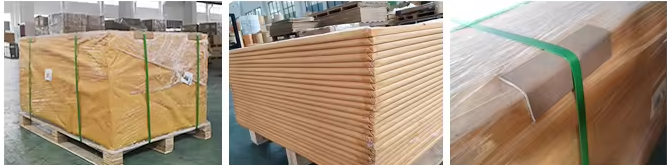
Card-film surfaces should be protected from scratches, dust and handling contamination during storage, conversion and transportation.
For roll orders, buyers should specify roll width, core inside diameter, maximum roll outside diameter or weight, surface protection, label information and pallet requirements where these parameters affect downstream equipment.
Store and handle the film according to the requirements of the selected PC grade and downstream card-production process.
Certification and Documentation
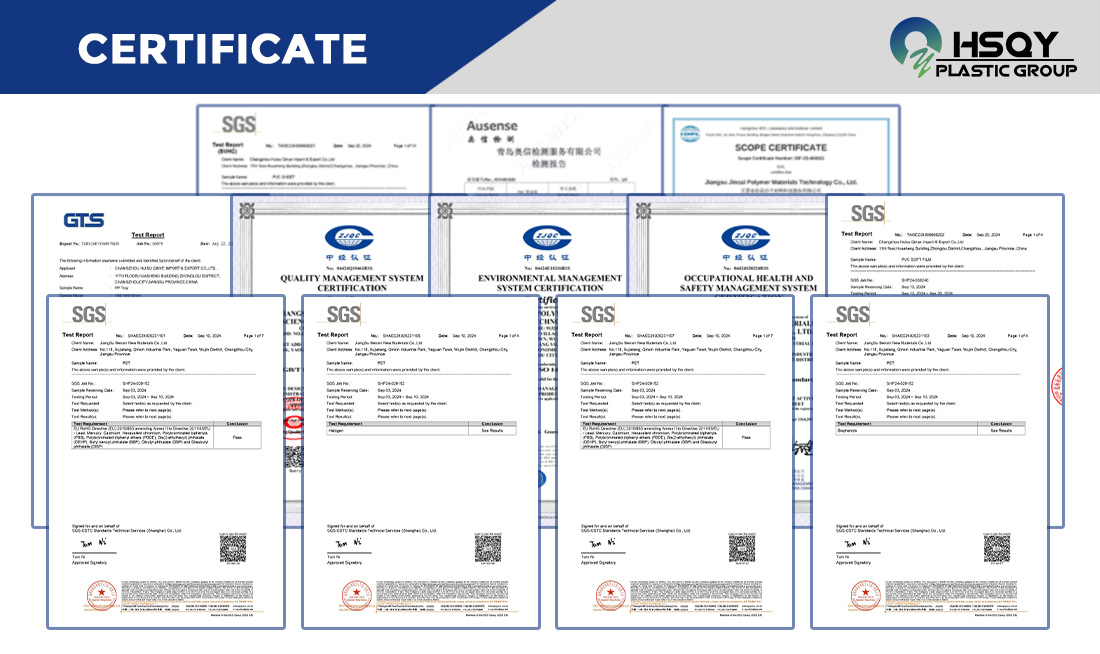
The current product page lists SGS, ISO 9001:2008, RoHS and REACH documentation. Buyers should request current copies and verify the issuing organization, validity, scope and applicability to the exact PC card-film grade being ordered.

HSQY Certification Information
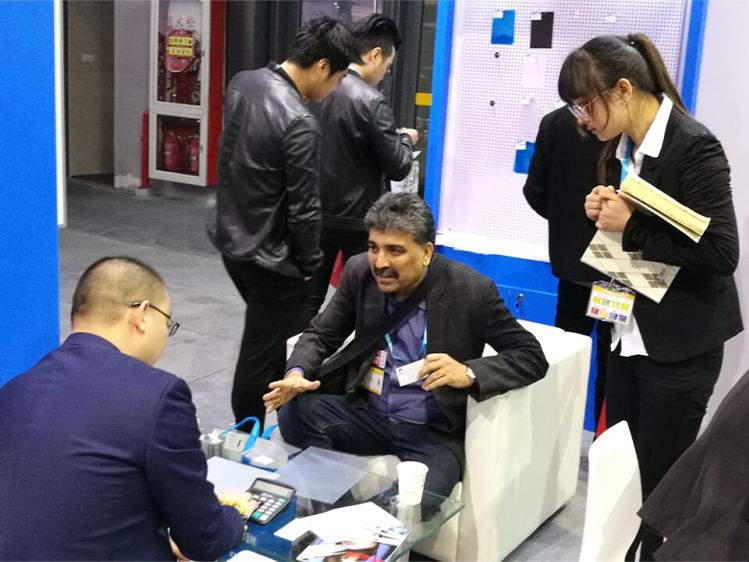
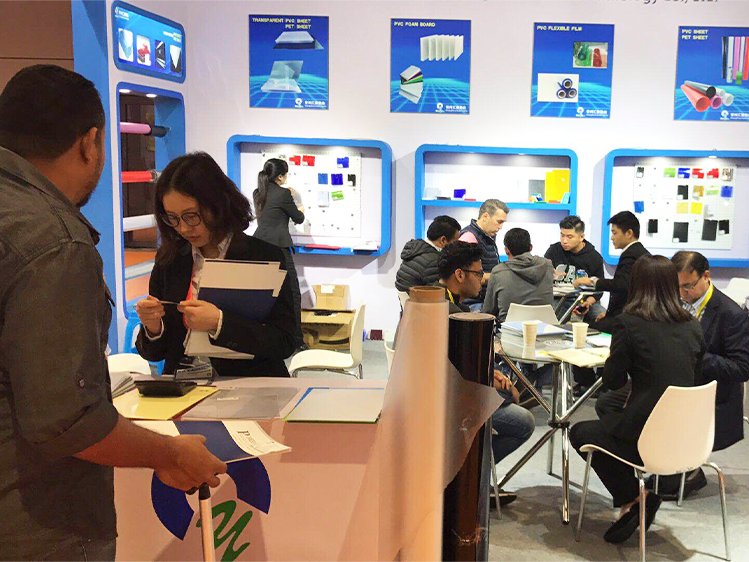
HSQY Global Exhibitions

2017 Shanghai Exhibition

2018 Shanghai Exhibition

2023 Saudi Exhibition

2023 American Exhibition

2024 Australian Exhibition

2024 American Exhibition

2024 Mexico Exhibition

2024 Paris Exhibition
Frequently Asked Questions About PC Card Film
What is 0.3mm polycarbonate card film used for?
0.3mm PC film can be evaluated as a core or structural layer in laminated ID, smart-card and other PC card constructions depending on the complete layer stack.
What is 0.4mm polycarbonate card film used for?
0.4mm PC film can be evaluated where a thicker layer is required within the finished card construction. Final selection should consider the total card thickness and other layers.
Is 0.3mm or 0.4mm the standard thickness for an ID card core?
There is no single universal core-film thickness for every card program. 0.3mm and 0.4mm are featured gauges on this page, but the required thickness depends on the complete card construction and finished specification.
What other PC card-film thicknesses are listed?
The broader source-listed range includes 0.05, 0.06, 0.075, 0.10, 0.125, 0.175, 0.25, 0.3 and 0.4mm.
Is every polycarbonate card film laserable?
No. Laser personalization is a grade-specific requirement. Specify whether laser-generated text or images are required and validate the selected material with the intended laser system.
Can this PC film be used for laser engraving?
Laser engraving is listed among the current product-family capabilities. Confirm the required laserable grade, laser system, layer position and target personalization result before ordering.
Can the film be offset printed?
Yes. Offset printing is listed. Buyers should test the exact film surface, ink and curing process before volume printing.
Can polycarbonate card film be silk-screen printed?
Yes. Silk-screen printing is included in the current specification. Confirm ink adhesion and downstream lamination compatibility.
What colors are available?
Porcelain white, milk white and super clear are currently listed.
What surface finishes are available?
Glossy, fine matte and velvet surfaces are currently listed.
Can different surfaces be specified on each side?
Where side-specific surface structure is required, provide the Side A and Side B requirements in the RFQ so production feasibility can be confirmed.
Can this film be used for ID cards?
Yes. ID card is one of the primary source-listed applications. The exact film grade should match the card's layer function, printing, personalization and lamination requirements.
Can this film be used for passports?
Passport applications are listed for the product family. For regulated passport projects, confirm the exact material grade and applicable document-program requirements.
Can the material be used for smart cards?
Yes. Smart cards are listed among the intended applications. Provide the chip, antenna or inlay structure and complete layer stack where relevant.
Can PC film be used for bank cards?
Bank card core is a listed application. Use PC only where it is specified for the intended card construction and confirm compatibility with the production process.
What information is needed for lamination testing?
Provide the complete card stack, layer thicknesses, material grades, temperature, pressure, dwell time and target finished card thickness where available.
Is polycarbonate card film supplied in rolls?
This product is presented as rigid PC roll material. Specify roll width, core size, maximum roll dimensions and other handling requirements with the quotation request.
What is the MOQ?
The current listed minimum order quantity is 1000kg.
Are samples available?
The current product information lists free A4 samples with freight collected from the buyer. Confirm the thickness, color, surface and functional grade required for testing.
What documentation is listed?
The current page lists SGS, ISO 9001:2008, RoHS and REACH. Request current documents and verify their applicability to the exact material grade being ordered.
What information should I provide for a quotation?
Provide the card type, required layer function, 0.3mm / 0.4mm or other thickness, tolerance, roll width, color, surface on each side, printing, laser-personalization requirement, lamination conditions, quantity and destination.
About HSQY Plastic Group
HSQY Plastic Group supplies polycarbonate films and plastic sheet materials to card manufacturers, printing companies, laminators, converters, distributors and other professional industrial buyers.
For 0.3mm and 0.4mm PC card-film projects, provide the card construction, layer function, required thickness and tolerance, color, surface, printing or laser-personalization requirements, roll dimensions, quantity and destination so the appropriate specification can be reviewed.