High Barrier PE/EVOH/PE Vacuum Skin Packaging Film
HSQY high barrier PE/EVOH/PE vacuum skin packaging film is a flexible VSP film designed for fresh and frozen food packaging. Under vacuum and heat, the highly formable film closely conforms to the shape of the food and seals to a compatible tray or base, creating a tight skin-like package.
The EVOH high-barrier layer helps limit oxygen transmission, while polyethylene layers provide flexibility, sealing performance and moisture resistance. This structure makes the film suitable for packaging products that require strong product protection, attractive presentation and reduced exposure to oxygen.
Typical applications include fresh meat, processed meat, poultry, seafood, fish, cheese and ready meals. The clear skin film tightly follows the contours of the product, helping create a three-dimensional retail presentation while keeping the product securely positioned on the tray.
Film thickness, width, barrier level, sealing layer and tray compatibility should be selected according to the food product, tray material, vacuum skin packaging machine, storage conditions and required shelf-life performance.
High Barrier Vacuum Skin Film Images
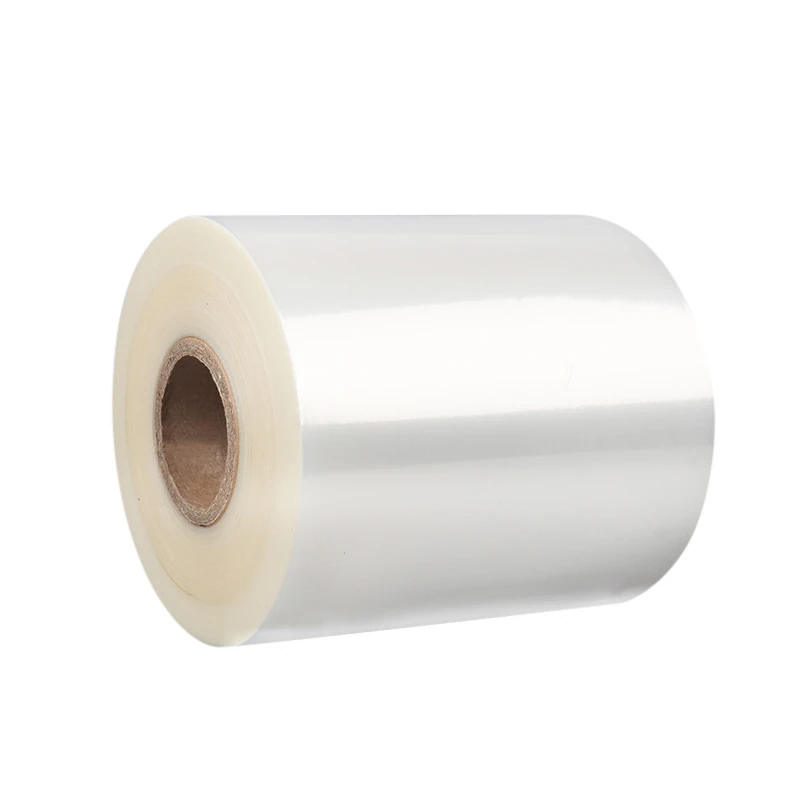
High Barrier Vacuum Skin Packaging Film

Vacuum Skin Packaging Application
PE/EVOH/PE Vacuum Skin Film Specifications
PE/EVOH/PE vacuum skin film specifications vary by film grade, food application, tray structure and packaging equipment. Confirm the applicable thickness, roll width, barrier performance and sealing conditions from the technical data for the selected VSP film before bulk ordering.
| Property |
Details |
| Product Name |
High Barrier PE/EVOH/PE Vacuum Skin Packaging Film |
| Brand |
HSQY |
| Product Type |
Vacuum Skin Packaging Film / VSP Film |
| Material Structure |
PE / EVOH / PE Based Multilayer Structure |
| Barrier Type |
High Oxygen Barrier |
| Appearance |
Clear; colored options available subject to specification |
| Film Format |
Rollstock Skin Film / Top Web |
| Thickness |
Customized according to application requirements |
| Roll Width |
Customized according to packaging machine and tray format |
| Oxygen Barrier / OTR |
Applicable OTR data available for the selected film grade |
| Seal Temperature |
Depends on film grade, tray substrate and packaging equipment |
| Storage Application |
Fresh, chilled and frozen food packaging, depending on selected grade |
| Typical Foods |
Beef, Pork, Poultry, Seafood, Fish, Cheese, Processed Meat and Ready Meals |
| Tray Compatibility |
Matched to tray material, sealing layer and VSP system |
Thickness, width, barrier and compliance requirements should be confirmed for the exact PE/EVOH/PE VSP film grade selected for the project.
What Is Vacuum Skin Packaging Film?
Vacuum skin packaging, commonly abbreviated as VSP, uses a highly formable top film that is heated and drawn tightly around the food under vacuum. The film follows the shape of the product and seals to a compatible tray, rigid film or other suitable bottom web.
Unlike a conventional flat lidding film, skin film conforms closely to the product surface. This creates a three-dimensional presentation and helps hold the product securely in position inside the package.
High-barrier versions incorporate a barrier material such as EVOH to reduce oxygen transmission through the package, making them especially suitable for oxygen-sensitive chilled and frozen foods when used as part of a correctly designed packaging system.
Why Is EVOH Used in High Barrier Skin Film?
EVOH is used as an oxygen-barrier layer in multilayer packaging structures. In a PE/EVOH/PE-based skin film, the different layers perform complementary functions.
| Layer |
Main Function |
| PE |
Supports flexibility, sealing performance, moisture resistance and film processing. |
| EVOH |
Provides the principal oxygen-barrier function within the multilayer structure. |
| Multilayer Combination |
Balances barrier performance, formability, mechanical protection and sealing performance for VSP applications. |
The exact multilayer structure, layer count and resin formulation depend on the selected VSP film grade and should be confirmed from the applicable technical data sheet.
Key Features of High Barrier VSP Film
1. High Oxygen Barrier
The EVOH barrier layer helps reduce oxygen transmission through the packaging structure, supporting the protection of oxygen-sensitive fresh and chilled foods.
2. Tight Skin Effect
The film is designed to soften and conform closely to the food surface during vacuum skin packaging, creating the characteristic second-skin appearance associated with VSP.
3. High Product Visibility
Clear skin film allows shoppers to see the packaged meat, seafood, cheese or prepared food, supporting premium retail presentation and visual inspection.
4. Product Lock-Down
Close film conformity helps hold the food in position on the tray, reducing unwanted product movement during handling, distribution and retail display.
5. Puncture Resistance
Appropriate VSP film grades are designed to withstand the stresses created by irregular food surfaces and packaging operations. Required puncture performance should be matched to the specific product.
6. Fresh and Frozen Food Applications
Suitable grades can be selected for chilled or frozen food distribution. The required low-temperature performance should be confirmed according to storage temperature and transportation conditions.
7. Tray Sealing Compatibility
The skin film can be selected according to the sealing surface of the tray or bottom web. Actual compatibility should be verified through sealing and machine trials before bulk production.
8. Customized Roll Specifications
Roll width, film thickness, barrier level and other specifications can be discussed according to VSP machine configuration, tray dimensions and food packaging requirements.
High Barrier Skin Film Applications
Fresh Beef: VSP can tightly secure steaks and other beef cuts while providing clear retail presentation and a high-barrier packaging environment.
Pork: Suitable for pork chops, portions and other fresh meat products requiring controlled oxygen exposure and secure presentation.
Poultry: Skin film can be used for suitable chicken and poultry portions according to the required oxygen-barrier level and storage system.
Fish and Seafood: Suitable VSP grades can tightly package fish fillets, salmon, shrimp and other seafood while reducing movement inside the pack.
Processed Meat: VSP can be used for cured and processed meat products requiring an attractive retail pack and oxygen barrier.
Cheese: High-barrier skin packaging can be considered for cheese products requiring controlled oxygen exposure and close film conformity.
Ready Meals: VSP may be used for chilled or frozen prepared-food applications when the selected film, tray and process are compatible.
High Barrier vs. Non-Barrier Vacuum Skin Film
High-barrier and breathable skin films are designed for different food products. Selecting the wrong oxygen transmission level can affect product appearance and shelf-life performance.
| Comparison |
High Barrier VSP Film |
High Oxygen-Permeable Skin Film |
| Oxygen Transmission |
Designed to restrict oxygen transmission |
Designed to allow significantly more oxygen transmission |
| Barrier Layer |
Typically incorporates a high-barrier material such as EVOH |
High-barrier EVOH layer may not be required |
| Typical Selection |
Oxygen-sensitive meats, cheese and other high-barrier food applications |
Products requiring higher oxygen transmission |
| Selection Requirement |
Match barrier level to food and shelf-life target |
Match oxygen permeability to food physiology and display requirements |
Vacuum Skin Film and Tray Compatibility
Successful vacuum skin packaging depends on the compatibility between the top skin film, the tray or bottom web and the packaging machine. A film that performs well on one tray structure may require different sealing conditions on another.
Tray Material: Provide the exact tray material and sealing layer, such as PET-based, PP-based or another structure.
Tray Dimensions: Provide tray length, width, depth and flange dimensions.
Food Height: Product protrusion above the tray flange affects film draw and conformity requirements.
Skin Depth: Deep or irregular products may require greater film formability and puncture resistance.
Packaging Machine: Provide the machine manufacturer and model whenever possible.
Seal Conditions: Film grade should be tested under the actual temperature, vacuum, dwell time and production-speed conditions.
VSP Film for Fresh and Frozen Food Packaging
Fresh, chilled and frozen foods place different demands on flexible packaging. Film selection should therefore consider not only oxygen barrier but also puncture resistance, flexibility and sealing performance at the intended storage temperature.
| Application |
Important Film Requirements |
| Fresh / Chilled Meat |
Oxygen barrier, product lock-down, clarity, seal integrity and puncture resistance |
| Seafood |
Correct oxygen transmission level, puncture resistance and tray compatibility |
| Cheese |
High oxygen barrier, sealing performance and close product conformity |
| Frozen Food |
Low-temperature flexibility, puncture resistance and package integrity |
| Ready Meals |
Tray compatibility, seal strength, barrier requirements and storage conditions |
How to Choose High Barrier Vacuum Skin Film
Food Type: Identify whether the product is beef, pork, poultry, seafood, cheese, processed food or a ready meal.
Barrier Requirement: Specify the required oxygen-barrier level or target OTR if available.
Storage Condition: Indicate whether the finished package will be chilled, refrigerated or frozen.
Tray Structure: Provide the exact tray material and sealing surface.
Product Height: Higher products require greater film draw and skin-forming capability.
Film Thickness: Select according to product geometry, puncture risk, required formability and equipment.
Machine Compatibility: Provide your VSP machine brand, model and maximum web width.
Shelf-Life Target: Provide the target shelf life and storage temperature so the barrier requirement can be evaluated.
Information Needed for a Fast VSP Film Quote
1. Food product to be packed
2. Required film thickness
3. Required roll width
4. Tray material and sealing layer
5. Tray dimensions and product height
6. VSP packaging machine brand and model
7. Chilled or frozen storage conditions
8. Target barrier or shelf-life requirement
9. Required order quantity
10. Destination country or shipping port
Vacuum Skin Film Packaging Images

Vacuum Skin Film Roll

High Barrier Skin Film

VSP Film Packaging
Packaging and Delivery
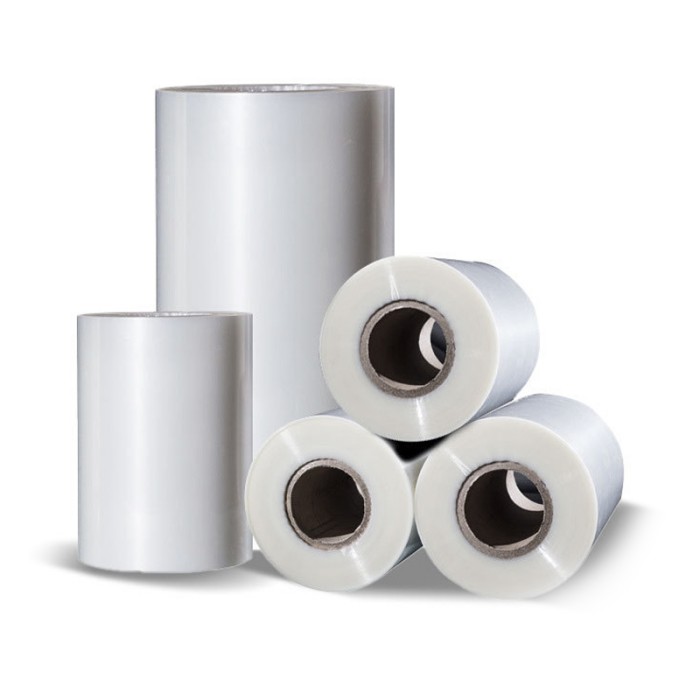
Sample Packaging: Small film rolls can be packed in protective boxes for evaluation and machine trials.
Bulk Packaging: Film rolls can be protected with PE film or kraft paper according to export requirements.
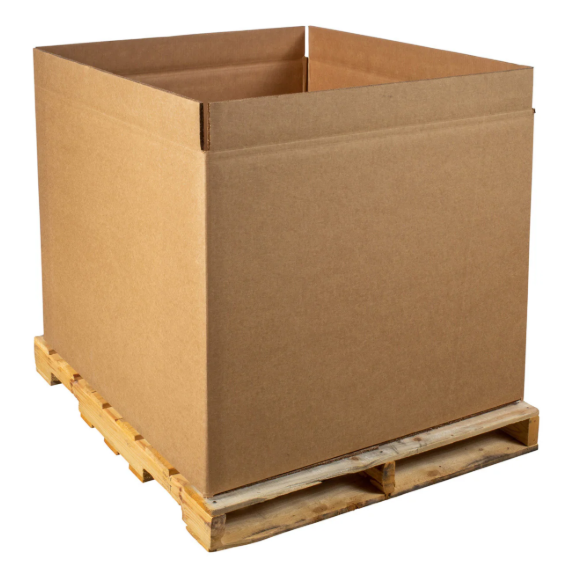
Pallet Packaging: Approximately 500–2000 kg per plywood pallet may be used, subject to actual roll dimensions and packing requirements.
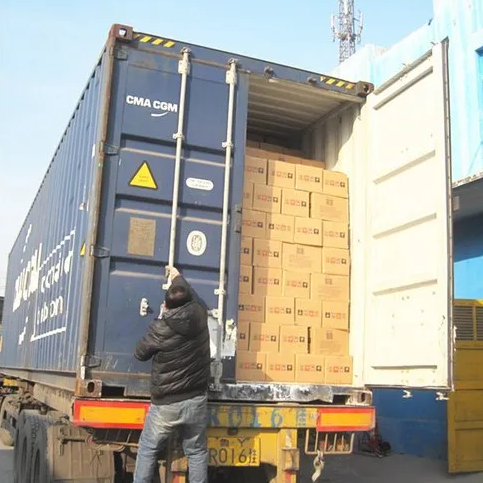
Container Loading: Loading quantity should be calculated according to roll width, roll diameter, pallet configuration and container type.
Delivery Terms: Available delivery terms include EXW, FOB, CNF and DDU.
Lead Time: Lead time is generally approximately 10–14 days, subject to the selected VSP film specification, order quantity and production schedule.
Quality and Certification Documentation
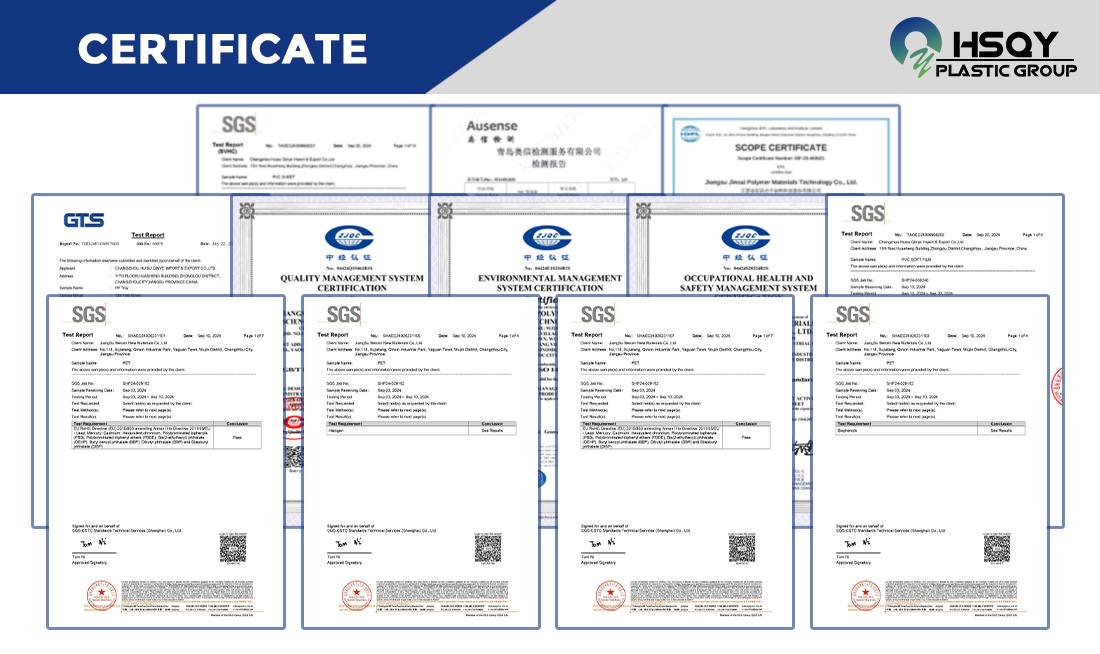
Food packaging buyers should request the technical data, food-contact documentation, barrier test data and quality certificates applicable to the exact PE/EVOH/PE vacuum skin film grade being purchased.
Food-contact, barrier and quality documentation should match the specific VSP film grade and destination-market requirements.

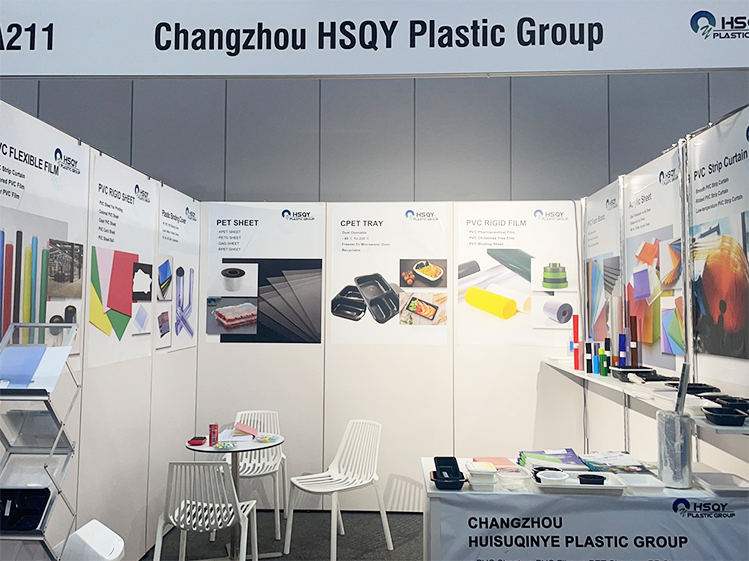
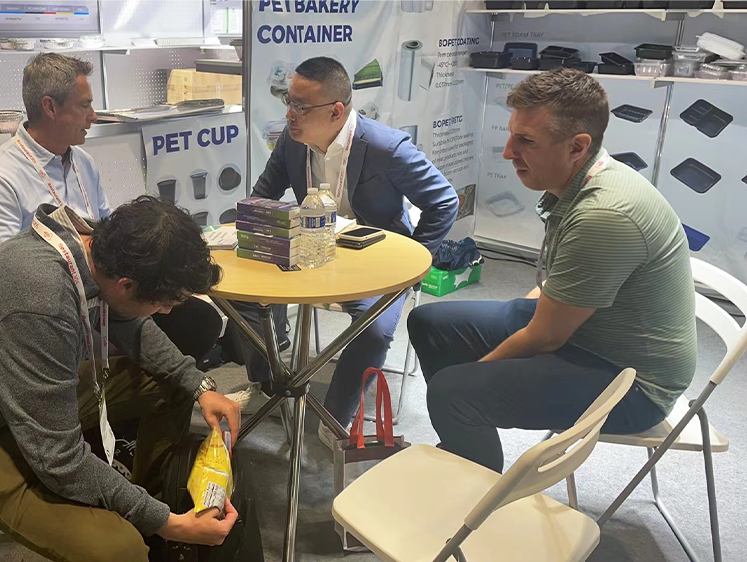
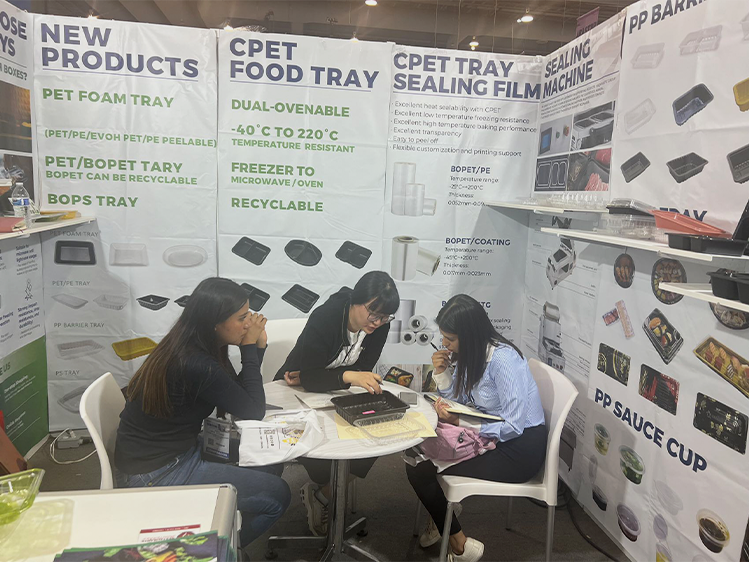
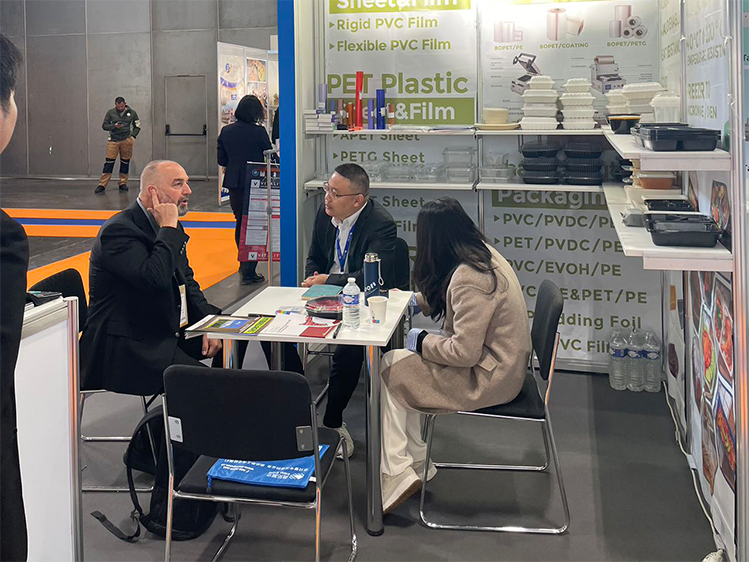
International Exhibitions

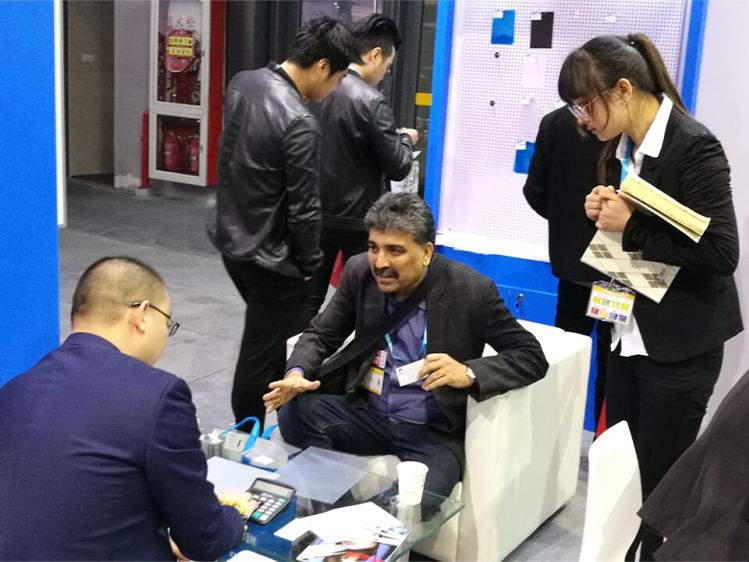
2017 Shanghai Exhibition

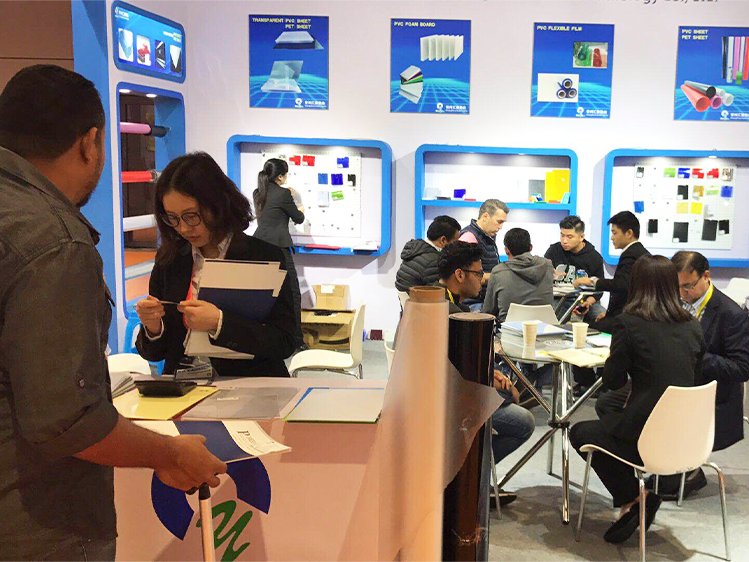
2018 Shanghai Exhibition

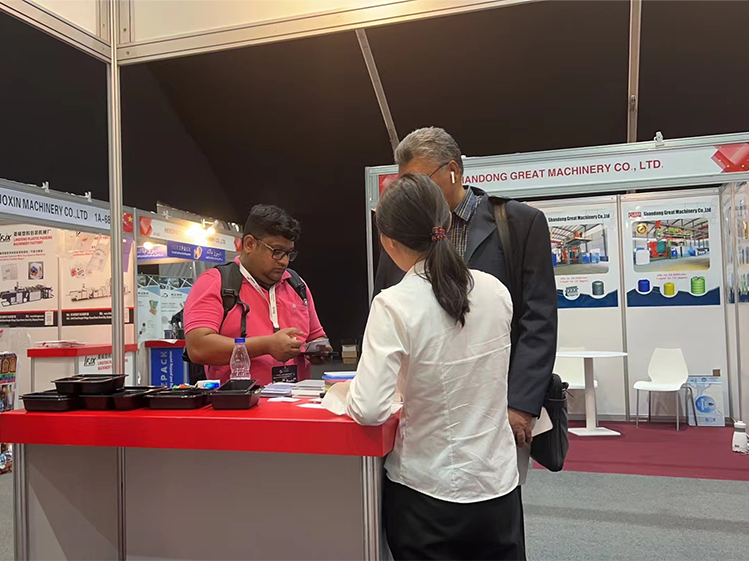
2023 Saudi Exhibition

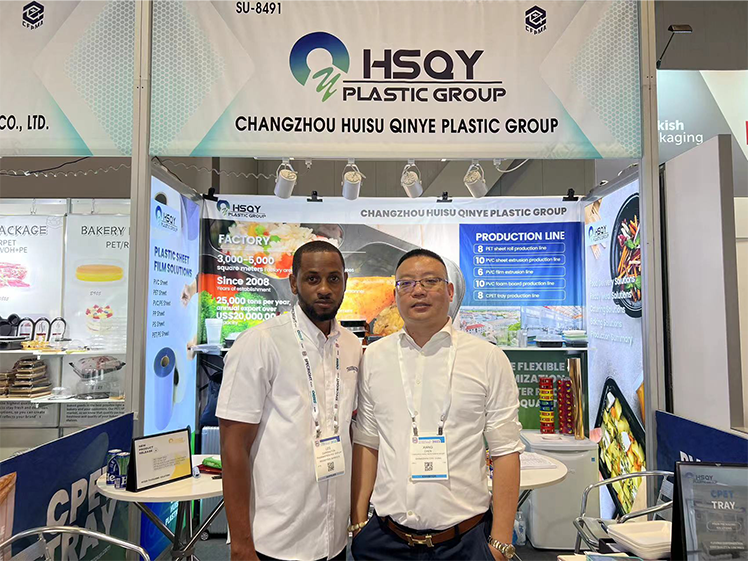
2023 American Exhibition

2024 Australian Exhibition

2024 American Exhibition

2024 Mexico Exhibition

2024 Paris Exhibition
Frequently Asked Questions
What is vacuum skin packaging film?
Vacuum skin packaging film is a highly formable top web that is heated and drawn tightly around food under vacuum before sealing to a compatible tray or bottom web. The result is a close-fitting skin pack around the product.
What is PE/EVOH/PE skin film?
PE/EVOH/PE skin film is a multilayer VSP structure in which polyethylene provides flexibility and sealing functionality while EVOH provides high oxygen-barrier performance.
Why is EVOH used in vacuum skin packaging?
EVOH provides strong oxygen-barrier properties, helping reduce oxygen transmission through the packaging structure and protect oxygen-sensitive foods.
What foods can high barrier VSP film package?
Typical applications include fresh beef, pork, poultry, processed meats, fish, seafood, cheese and suitable ready-meal products.
Can vacuum skin film be used for frozen food?
Suitable VSP film grades can be selected for frozen-food packaging. Confirm the required storage temperature, film flexibility and puncture performance before selecting the film.
What is the difference between VSP and normal vacuum packaging?
Conventional vacuum packaging normally encloses the food inside a bag or flexible pouch. Vacuum skin packaging uses a heated top film that closely conforms to the food and seals to a tray or bottom web, creating a more rigid retail presentation.
What is the difference between VSP and MAP packaging?
VSP removes air and draws the film closely around the product, while modified atmosphere packaging replaces the package atmosphere with a controlled gas mixture and normally maintains headspace above the food.
Can PE/EVOH/PE skin film seal to PET or PP trays?
Compatibility depends on the exact skin-film sealing layer and tray sealing surface. Provide the tray structure to HSQY so the appropriate film can be selected and tested before production.
How do I choose the right thickness of VSP film?
Thickness should be selected according to product height, sharp edges, puncture risk, film draw depth, tray size and packaging-machine requirements.
What sealing temperature should be used for vacuum skin film?
There is no single sealing temperature for every VSP system. The correct setting depends on film formulation, tray material, machine design, dwell time and production speed. Testing on the actual packaging line is recommended.
Does high barrier skin film extend food shelf life?
High-barrier VSP can help reduce oxygen exposure and protect food quality, but actual shelf life depends on the food, initial microbial load, processing hygiene, barrier level, seal integrity and storage temperature. Shelf life should be validated for the finished package.
What OTR should I use for vacuum skin packaging?
The required oxygen transmission rate depends on the packaged food and desired shelf-life conditions. Provide the food type, storage temperature and target shelf life so the appropriate barrier level can be evaluated.
Can HSQY customize VSP film width and thickness?
Customized specifications can be discussed according to the VSP machine, tray dimensions and food packaging requirements. Confirm the exact available production range with HSQY.
Can I request VSP film samples for machine testing?
Contact HSQY with your machine model, tray material, tray size, food product, required film width and storage conditions to confirm suitable sample availability.
What information should I provide for a VSP film quotation?
Provide the food type, film thickness, roll width, tray material, tray dimensions, product height, VSP machine model, storage temperature, barrier requirement, order quantity and destination.
Why Choose HSQY for Vacuum Skin Packaging Film?
High Barrier Film Solutions: HSQY supplies flexible packaging structures for applications requiring oxygen-barrier protection.
VSP System Matching: Film selection can be discussed according to tray material, packaging machine, product geometry and storage conditions.
Customized Specifications: Roll width, thickness and other film requirements can be evaluated for commercial packaging projects.
B2B Supply: HSQY supports food processors, packaging converters, distributors and food packaging manufacturers requiring commercial quantities.
About HSQY Plastic Group
HSQY Plastic Group supplies flexible packaging films, high-barrier packaging materials, food trays and other plastic packaging products to B2B customers in international markets.
For high barrier PE/EVOH/PE vacuum skin film, fresh meat VSP film, seafood skin packaging film or frozen-food skin packaging projects, send HSQY your film specification, tray structure, VSP machine model and food application for product evaluation and quotation.